

In today’s competitive landscape, a strategic clothing manufacturing partnership can be the key to unlocking significant cost savings, enhanced production capabilities, and faster time-to-market for your apparel brand. This comprehensive guide, categorized under garment manufacturers in Vietnam, dives deep into the practicalities of forging successful collaborations. We’ll explore the essential steps in identifying the right partner, conducting thorough factory audits, navigating contract negotiation, and establishing clear quality control processes. Expect actionable insights on managing supply chain logistics, mitigating risks associated with offshore manufacturing, and fostering a long-term, mutually beneficial relationship that drives your business forward in 2025.
Understanding Clothing Manufacturing Partnerships in Vietnam: A Comprehensive Guide
Navigating the intricacies of clothing manufacturing partnerships in Vietnam requires a comprehensive understanding of the landscape. As overseas buyers aims to empower businesses with knowledge, this guide serves as your compass, clarifying essential aspects of establishing successful partnerships with Vietnamese garment manufacturers. From grasping the foundational elements of such collaborations to anticipating future trends, we provide a holistic overview for informed decision-making.
Vietnam has emerged as a prominent hub for apparel production, attracting global brands seeking cost-effective and high-quality manufacturing solutions. The rise of the Vietnamese garment industry is intrinsically linked to its strategic location, competitive labor costs, and increasing expertise in textile production. Understanding these factors provides a crucial foundation for navigating the opportunities and challenges inherent in forging clothing manufacturing partnerships within the country.
Successfully navigating the complexities of garment manufacturing partnerships hinges on grasping different collaboration models. Contract Manufacturing (CMT), Original Equipment Manufacturing (OEM), and Original Design Manufacturing (ODM) each offer distinct levels of control and responsibility.
- CMT (Cut, Make, Trim): In this model, the client provides designs and materials, while the Vietnamese manufacturer handles cutting, sewing, and finishing.
- OEM (Original Equipment Manufacturing): Here, the Vietnamese factory is responsible for the production based on the client’s design specifications, including sourcing materials.
- ODM (Original Design Manufacturing): An ODM partnership sees the Vietnamese manufacturer designing and producing garments based on the client’s general concept or market needs.
Choosing the right model depends on your company’s capabilities, resources, and desired level of involvement in the manufacturing process.
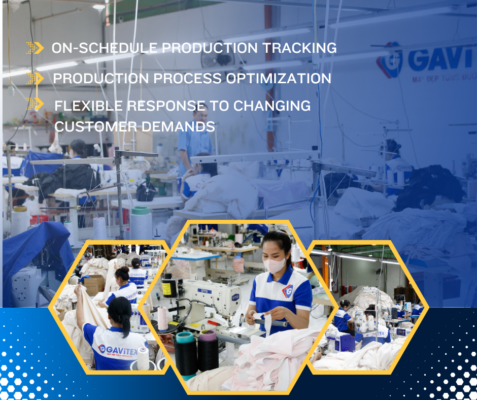
Want a deeper dive into navigating Vietnam’s clothing manufacturing landscape? Explore our comprehensive guide.
Benefits of Partnering with Vietnamese Garment Manufacturers
Partnering with Vietnamese garment manufacturers presents a multitude of advantages for businesses seeking to optimize their apparel production. This strategic move allows companies to tap into a thriving industry known for its competitive pricing, skilled workforce, and increasing commitment to quality and ethical practices, all contributing to a more efficient and profitable supply chain. Businesses can significantly benefit from the stable political and economic environment, alongside favorable trade agreements, further solidifying Vietnam’s position as a global hub for clothing manufacturing partnerships.
One of the most compelling reasons to collaborate with Vietnamese manufacturers is the cost-effectiveness they offer. Vietnam’s labor costs are significantly lower than those in many developed countries and even some other Asian nations. This translates to substantial savings in production expenses, enabling brands to offer competitive pricing while maintaining healthy profit margins. Furthermore, the Vietnamese government provides various incentives and support programs for the garment industry, further reducing the overall cost of manufacturing.
Beyond competitive pricing, access to a skilled and adaptable workforce is a key benefit. Vietnam boasts a large pool of experienced garment workers who are proficient in various manufacturing techniques, from basic sewing to complex pattern making. Vietnamese factories have also invested heavily in training and technology, ensuring a high level of craftsmanship and attention to detail. This availability of expertise allows businesses to produce a wide range of garments, from simple t-shirts to intricate designs, with consistent quality.
The strategic location of Vietnam also provides significant logistical advantages. With its extensive coastline and well-developed port infrastructure, Vietnam offers efficient access to major shipping routes, facilitating smooth and timely delivery of goods to global markets. This reduces transportation costs and lead times, enhancing supply chain efficiency and responsiveness. This ease of access is particularly crucial for businesses operating on tight schedules or those requiring frequent shipments.
Finally, Vietnam’s commitment to sustainable and ethical manufacturing practices is becoming increasingly important to global brands. Many Vietnamese factories are adopting environmentally friendly production methods, reducing waste, and improving working conditions. Partnering with such manufacturers helps brands align with consumer demand for ethically sourced and sustainably produced clothing, enhancing their brand image and appealing to a growing segment of socially conscious consumers.
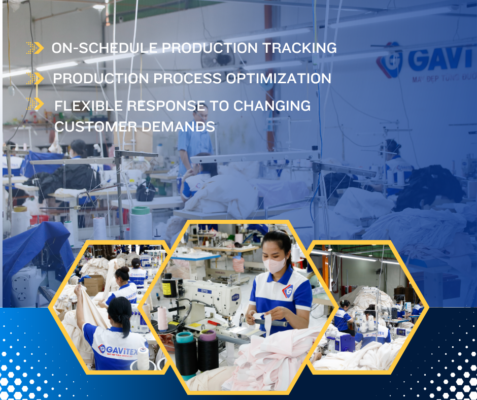
Curious about the real advantages of working with Vietnamese garment manufacturers? Uncover the key benefits for your brand.
Key Considerations When Choosing a Clothing Manufacturing Partner in Vietnam: Due Diligence and Vetting
Selecting the right clothing manufacturing partnership in Vietnam is crucial for success, requiring thorough due diligence and vetting to ensure alignment with your brand’s values and business goals. This process helps you identify reliable partners capable of delivering quality products, adhering to ethical standards, and meeting your specific production needs. A comprehensive approach minimizes potential risks and maximizes the benefits of outsourcing garment manufacturing to Vietnam.
Before committing to a partnership, a thorough evaluation of potential manufacturers is paramount. This vetting process should encompass several key areas.
- Firstly, verifying the manufacturer’s experience and expertise in producing similar garments is essential. Review their past projects, assess their technical capabilities, and understand their capacity to handle your specific order volume and complexity.
- Secondly, check for relevant certifications and compliance with international standards, such as ISO 9001 for quality management or WRAP certification for ethical labor practices.
- Thirdly, on-site visits are invaluable. A factory visit allows you to observe their production processes, assess their working conditions, and interact with their management team.
Financial stability is a critical factor in assessing the long-term viability of a potential manufacturing partner. Requesting and analyzing their financial statements provides insights into their profitability, solvency, and overall financial health. Furthermore, conduct background checks to identify any potential legal or regulatory issues that could impact their ability to fulfill your orders. For instance, a manufacturer with a history of labor violations or environmental non-compliance could pose significant risks to your brand’s reputation. This meticulous examination ensures you partner with a financially sound and ethically responsible organization.
Beyond financial and operational aspects, evaluating a manufacturer’s communication and project management capabilities is equally important. A clear and responsive communication channel is essential for seamless collaboration, especially when dealing with cross-cultural partnerships. Assess their ability to provide regular updates, address concerns promptly, and manage timelines effectively. Ensure they have a dedicated team to handle your account and that they understand your specific requirements and expectations. Strong communication and project management skills are vital for a successful and long-lasting clothing manufacturing partnership.
Overseas buyers who lack a local team often engage a manufacturing representative in Vietnam to bridge this communication gap, sitting between the buyer and the factory to keep timelines and quality expectations aligned.
Sustainability and ethical sourcing are increasingly important considerations for brands. Seek out manufacturers who demonstrate a commitment to sustainable practices and ethical labor standards. Inquire about their environmental policies, waste management practices, and efforts to minimize their carbon footprint. Verify that they comply with fair labor laws, provide safe working conditions, and ensure fair wages for their employees. Partnering with a sustainable and ethical manufacturer not only aligns with your brand’s values but also enhances your brand reputation and resonates with environmentally conscious consumers. Vietnam Biz Rep is deeply aware of the ethical and sustainable partnership.
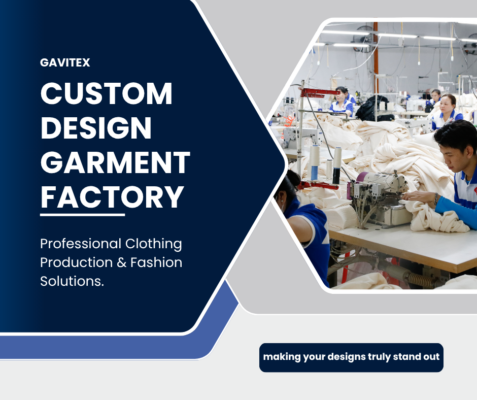
Choosing the right partner is crucial. Discover our expert tips on due diligence and vetting your potential Vietnamese manufacturing partner.
Types of Clothing Manufacturing Partnerships Available in Vietnam: From CMT to ODM
Understanding the diverse range of clothing manufacturing partnership models in Vietnam is crucial for businesses seeking to optimize their production processes and achieve their specific goals. From basic cutting, making, and trimming (CMT) agreements to comprehensive original design manufacturing (ODM) partnerships, Vietnam offers a spectrum of options to suit varying needs and levels of involvement. This section will delve into the nuances of each partnership type, empowering you to make informed decisions for your garment manufacturing ventures in Vietnam.
CMT (Cut, Make, Trim): This model represents the most basic form of clothing manufacturing partnership. In a CMT agreement, your company, such as overseas buyers, provides the designs, patterns, fabrics, and trims. The Vietnamese manufacturer is then responsible for cutting the fabric, sewing the garment, and adding the finishing touches. CMT is ideal for businesses that want to retain complete control over the design and materials while leveraging Vietnam’s cost-effective labor. For instance, a fashion brand with unique fabric sourcing may prefer CMT to ensure the use of its preferred materials.
OEM (Original Equipment Manufacturing): Stepping up in complexity, OEM partnerships involve the Vietnamese manufacturer in sourcing the materials in addition to the CMT processes. You provide the designs and specifications, and the manufacturer handles everything from fabric procurement to production and quality control. OEM is suitable for companies that want to reduce their involvement in the supply chain while still maintaining control over the design. This type of manufacturing enables brands to focus more on marketing and sales, while their partner handles the production end.
ODM (Original Design Manufacturing): Offering the highest level of integration, ODM partnerships see the Vietnamese manufacturer taking on responsibility for designing and developing the products in addition to manufacturing. In this arrangement, you provide a brief or concept, and the manufacturer creates the designs, sources the materials, produces the garments, and manages quality control. ODM is beneficial for companies looking to quickly expand their product lines or enter new markets without investing heavily in design and development resources. For example, overseas buyers can leverage its expertise in the Vietnamese market to create locally relevant designs for your brand. This partnership enables faster time-to-market and reduces design-related risks.
Selecting the right clothing manufacturing partnership in Vietnam depends on factors like your budget, design expertise, and desired level of control. Carefully evaluate each option to find the best fit for your business needs.
Confused by CMT, OEM, and ODM? Learn about the different types of clothing manufacturing partnerships in Vietnam and find the best fit for you.
Navigating Legal and Regulatory Aspects of Clothing Manufacturing Partnerships in Vietnam
Understanding the legal and regulatory landscape is paramount for successful clothing manufacturing partnerships in Vietnam. Establishing a strong foundation built on legal compliance minimizes risks and ensures a smooth, transparent, and legally sound collaboration with your Vietnamese garment manufacturer. This section provides a comprehensive overview of the key legal and regulatory considerations for businesses looking to partner with Vietnamese clothing manufacturers.
Successfully navigating the complexities of Vietnamese law requires careful attention to several critical areas.
- Business Registration and Licensing: Foreign companies need to understand the procedures for establishing a legal presence in Vietnam, whether through a representative office, branch, or a fully-fledged foreign-invested enterprise. Each structure has specific requirements regarding capital contribution, operational scope, and reporting obligations. Obtaining the necessary licenses, such as the investment registration certificate (IRC) and enterprise registration certificate (ERC), is a critical first step.
- Contract Law: A well-drafted contract is essential to define the rights and obligations of both parties involved in the clothing manufacturing partnership. This includes clauses relating to product specifications, quality control, delivery schedules, payment terms, intellectual property rights, and dispute resolution mechanisms. Vietnamese contract law, while based on civil law principles, has specific nuances that require careful consideration.
- Labor Laws: Vietnam has a comprehensive set of labor laws that govern employment relationships, including minimum wage requirements, working hours, social insurance contributions, and termination procedures. Adherence to these laws is not only legally mandated but also crucial for maintaining a positive working environment and fostering ethical manufacturing practices.
- Customs and Trade Regulations: Importing raw materials and exporting finished garments are subject to Vietnamese customs regulations and trade agreements. Businesses need to be aware of import duties, export taxes, VAT (Value Added Tax), and other applicable levies. Understanding preferential trade agreements, such as the CPTPP (Comprehensive and Progressive Agreement for Trans-Pacific Partnership) and EVFTA (EU-Vietnam Free Trade Agreement), can significantly impact the cost competitiveness of Vietnamese clothing manufacturing.
- Intellectual Property Protection: Protecting your designs, trademarks, and other intellectual property is crucial in Vietnam. This involves registering your trademarks with the National Office of Intellectual Property (NOIP) and incorporating clauses into your contracts that clearly define ownership and usage rights. Enforcement of intellectual property rights can be challenging, so it’s important to take proactive measures to safeguard your assets.
By proactively addressing these legal and regulatory aspects, overseas buyers can help ensure a compliant and successful clothing manufacturing partnership in Vietnam.
Worried about legal compliance? Get our insights on navigating the legal and regulatory landscape for apparel manufacturing partnerships in Vietnam.
Sustainable and Ethical Clothing Manufacturing Partnerships in Vietnam: Meeting Global Standards
Embracing sustainable and ethical clothing manufacturing is no longer optional, but a critical aspect of building successful clothing manufacturing partnerships in Vietnam that align with stringent global standards. This section delves into how brands like overseas buyers can forge partnerships that prioritize environmental responsibility and fair labor practices within the Vietnamese garment industry, ensuring alignment with international norms. As consumer awareness and regulatory scrutiny intensify, prioritizing sustainability and ethics becomes paramount for long-term success and positive brand reputation.
The move towards sustainable manufacturing in Vietnam involves a multifaceted approach, focusing on reducing environmental impact and upholding human rights. This includes minimizing waste through efficient production processes, utilizing eco-friendly materials like organic cotton and recycled fabrics, and implementing water and energy conservation measures. Furthermore, ethical practices encompass ensuring fair wages, safe working conditions, and the absence of child labor throughout the supply chain.
To ensure compliance with global standards, clothing brands partnering with Vietnamese manufacturers should implement robust monitoring and verification systems. These systems include:
- Third-party audits: Engaging independent organizations to assess factories’ adherence to environmental and social standards such as SA8000, WRAP, and BSCI.
- Supply chain transparency: Tracking the entire supply chain, from raw material sourcing to finished product, to identify and address potential risks.
- Worker empowerment: Promoting worker rights and providing channels for workers to voice concerns and participate in decision-making processes.
overseas buyers, for example, is committed to fostering sustainable and ethical manufacturing partnerships in Vietnam by prioritizing factories that have certifications that verify their commitment. By actively seeking out partners who share these values, overseas buyers aims to contribute to a more responsible and equitable global fashion industry. Ultimately, sustainable and ethical clothing manufacturing partnerships not only benefit the environment and workers but also enhance brand value and resonate with increasingly conscious consumers, creating a win-win scenario for all stakeholders.
Prioritizing ethical sourcing? Discover how to build sustainable and ethical clothing manufacturing partnerships in Vietnam.
Optimizing Communication and Collaboration with Your Vietnamese Manufacturing Partner
Establishing clear and effective communication and fostering robust collaboration are paramount to a successful clothing manufacturing partnership with Vietnamese factories. Building a strong working relationship, based on mutual understanding and streamlined processes, directly impacts product quality, production timelines, and overall profitability. To that end, the brand overseas buyers should focus on a transparent process to create trust with partners and get the best result.
-
Language and Cultural Sensitivity: Acknowledge and bridge potential language barriers and cultural differences. While many Vietnamese manufacturers have staff proficient in English, miscommunications can still arise. Employing translation services, utilizing visual aids, or having a dedicated bilingual contact can significantly improve clarity. Understanding Vietnamese business etiquette, such as the importance of saving face and indirect communication styles, will help foster stronger relationships.
-
Establishing Clear Communication Channels: Define preferred communication methods and frequency from the outset. Determine whether email, phone calls, video conferencing, or project management software will be the primary channels. Regular updates, scheduled meetings (even virtual ones), and prompt responses to inquiries are essential for keeping projects on track.
-
Leveraging Technology for Enhanced Collaboration: Embrace technology to streamline communication and improve project visibility. Cloud-based project management tools like Asana or Trello, coupled with shared document platforms such as Google Drive or Dropbox, can facilitate real-time collaboration and information sharing. Implementing a Product Lifecycle Management (PLM) system can also improve collaboration by centralizing product data, design specifications, and communication logs.
-
Providing Detailed Tech Packs and Specifications: Minimize ambiguity by providing comprehensive tech packs and specifications. These documents should include detailed sketches, measurements, fabric specifications, construction details, and grading rules. Clear and concise information reduces the likelihood of errors and rework, saving time and money.
-
On-Site Visits and Relationship Building: Whenever feasible, plan regular on-site visits to your Vietnamese manufacturing partner’s facilities. These visits provide invaluable opportunities to build personal relationships with key personnel, observe production processes firsthand, and address any challenges face-to-face. Even amidst the prevalence of virtual meetings, nothing replaces the value of in-person interaction for establishing trust and rapport.
-
Proactive Problem-Solving and Conflict Resolution: Address issues promptly and collaboratively. When problems arise, work with your manufacturing partner to identify the root cause and implement effective solutions. Maintain open communication channels and be willing to compromise to reach mutually agreeable outcomes.
By prioritizing clear communication, proactive collaboration, and cultural sensitivity, overseas buyers and other businesses can forge strong and productive clothing manufacturing partnerships in Vietnam, resulting in high-quality garments, on-time delivery, and lasting business success.
Struggling with communication barriers? Learn how to optimize communication and collaboration for smoother partnerships with Vietnamese manufacturers.
Cost Analysis and Negotiation Strategies for Clothing Manufacturing Partnerships in Vietnam
Understanding the cost analysis process and developing effective negotiation strategies are crucial for establishing successful clothing manufacturing partnerships in Vietnam. Effective cost analysis allows businesses to gain a clear picture of the expenses involved in garment production, while strong negotiation strategies help to secure favorable terms and maximize profitability within a clothing manufacturing partnership. Without a firm grasp of these elements, businesses risk overspending, encountering unexpected costs, and ultimately hindering the success of their Vietnamese garment manufacturing ventures.
A detailed cost analysis should encompass all aspects of garment production, starting with raw materials like fabrics and trims. Labor costs, which vary based on skill level and region within Vietnam, form another significant component. Overheads such as factory rent, utilities, and administrative expenses also need meticulous calculation. Furthermore, consider transportation, import duties, and potential risks like currency fluctuations, which can impact the overall cost of clothing manufacturing. Thorough analysis enables accurate budgeting and realistic pricing strategies for your final products.
When it comes to negotiation, preparation is key. Research prevailing market rates for similar clothing manufacturing services in Vietnam to establish a benchmark. Understand your own budgetary constraints and desired profit margins. Clearly define your requirements regarding quality, lead times, and ethical sourcing. Cultivating strong relationships with potential partners can lead to more favorable outcomes. Open communication, transparency, and a collaborative approach are vital for building trust and achieving mutually beneficial agreements in your clothing manufacturing partnership.
Several tactics can be employed during negotiations. Volume discounts are often achievable for large orders. Negotiating payment terms can improve cash flow. Value engineering, involving exploring alternative materials or production methods without compromising quality, can also reduce costs. Be prepared to walk away if the terms are not aligned with your business objectives. Remember, a successful clothing manufacturing partnership is one where both parties feel valued and fairly compensated.
Ultimately, mastering cost analysis and implementing smart negotiation strategies are vital to forging profitable and sustainable clothing manufacturing partnerships in Vietnam. For businesses like overseas buyers, these skills enable them to achieve competitive pricing, maintain quality standards, and build long-term success in the global apparel market.
Want to get the best possible deal? Explore our cost analysis and negotiation strategies for clothing manufacturing partnerships in Vietnam.
Quality Control and Assurance in Clothing Manufacturing Partnerships in Vietnam
Quality control and assurance are paramount in establishing successful clothing manufacturing partnerships in Vietnam, safeguarding your brand reputation and ensuring customer satisfaction. A robust QC and QA system not only minimizes defects and errors but also fosters trust and long-term collaboration with your Vietnamese garment manufacturers.
Effective quality control within clothing manufacturing relies on a multi-layered approach:
- Pre-Production Checks: This involves verifying the raw materials (fabrics, trims, accessories) against agreed-upon standards before production commences. For example, overseas buyers ensures fabric GSM, colorfastness, and shrinkage meet specifications.
- In-Line Inspection: During the manufacturing process, in-line inspections identify and rectify any deviations from the design specifications. These inspections cover stitching quality, seam strength, and pattern accuracy.
- Final Inspection: A comprehensive final inspection occurs before shipment, encompassing all aspects of the garment, including measurements, labeling, packaging, and overall appearance. AQL (Acceptable Quality Limit) standards are often used to determine acceptable defect rates.
Beyond quality control, quality assurance emphasizes building a system that prevents defects from occurring in the first place. This includes:
- Process Optimization: Streamlining manufacturing processes to reduce the potential for errors and improve efficiency.
- Training and Skill Development: Investing in training programs for factory workers to enhance their skills and knowledge of quality standards.
- Supplier Audits: Regularly auditing suppliers to ensure they meet your quality requirements and adhere to ethical and environmental standards.
- Statistical Process Control (SPC): Utilizing statistical methods to monitor and control manufacturing processes, identifying trends and potential problems before they escalate.
- Clear Communication: Maintaining open and transparent communication channels between your company and the Vietnamese manufacturing partner regarding quality expectations, feedback, and any issues that may arise. This ensures that both parties are aligned and working towards the same goals.
Implementing a comprehensive quality control and assurance program, encompassing these elements, is crucial for successful clothing manufacturing partnerships in Vietnam, ultimately delivering high-quality garments and building a strong, reliable supply chain for overseas buyers.
Concerned about cut and sew quality? Read our guide on effective quality control measures with your Vietnamese cut and sew contractors.
Future Trends and Opportunities in Clothing Manufacturing Partnerships in Vietnam
The landscape of clothing manufacturing partnerships in Vietnam is poised for significant evolution, presenting both exciting opportunities and challenges for brands like overseas buyers seeking to optimize their supply chains. This section will explore the key trends shaping the future of these partnerships, focusing on technological advancements, sustainability imperatives, shifts in global trade dynamics, and the evolving demands of consumers.
-
Digital Transformation and Automation: The integration of advanced technologies is revolutionizing Vietnamese garment factories. Expect to see increased adoption of automation (robotics, AI) in cutting, sewing, and quality control processes, leading to enhanced efficiency and reduced labor costs. This also opens avenues for partnerships focusing on technology transfer and training.
-
Sustainable Manufacturing Practices: Global pressure for environmentally responsible production is mounting, driving demand for eco-friendly materials, reduced water consumption, and waste management. Sustainable clothing manufacturing partnerships will become increasingly valuable. overseas buyers, therefore, should prioritize working with Vietnamese manufacturers committed to these practices, potentially through joint ventures or long-term contracts with incentives for sustainability improvements.
-
Diversification of Product Offerings: Vietnamese manufacturers are expanding beyond basic apparel to offer specialized products such as technical textiles, sportswear, and workwear. This diversification creates opportunities for overseas buyers to broaden its sourcing portfolio and cater to niche markets.
-
Rise of Nearshoring and Regionalization: Geopolitical uncertainties and supply chain disruptions are prompting companies to reconsider their sourcing strategies. While Vietnam remains a key hub, nearshoring and regionalization trends could lead to increased competition from other Asian countries. overseas buyers can mitigate this risk by strengthening its partnerships with Vietnamese garment manufacturers, focusing on building long-term relationships based on trust and mutual benefit.
-
E-commerce Integration and Direct-to-Consumer (DTC) Models: The rise of e-commerce is empowering Vietnamese manufacturers to engage directly with consumers. This trend opens opportunities for overseas buyers to explore collaborative DTC models, potentially through white-label partnerships or joint online sales platforms.
-
Focus on Value-Added Services: Beyond basic manufacturing, Vietnamese partners are increasingly offering value-added services such as design, product development, and supply chain management. These comprehensive solutions streamline the sourcing process and reduce reliance on intermediaries. overseas buyers can leverage these offerings to improve its product quality, reduce lead times, and enhance overall efficiency.
What’s next for apparel manufacturing in Vietnam? Discover future trends and opportunities in clothing manufacturing partnerships.
Vietnam Biz Rep supports overseas buyers with garment supplier search, factory verification, sample coordination, production follow-up, and quality inspection in Vietnam. Learn more on our clothing sourcing agent page, or visit Vietnam sourcing agent for our full range of services. Contact Vietnam Biz Rep to discuss your sourcing requirements.
