


Navigating the landscape of Vietnam CMT manufacturers in 2025 demands a strategic approach, as it significantly impacts cost efficiency and supply chain agility for global apparel brands. This guide delves into the intricacies of partnering with CMT factories in Vietnam, exploring key aspects like sourcing strategies, quality control, compliance standards, and supply chain optimization. Discover how to leverage the expertise of Vietnamese manufacturers to enhance your garment production capabilities, ensuring both competitive pricing and superior product quality within the dynamic landscape of garment manufacturers in Vietnam.
What is CMT Manufacturing in Vietnam: A Comprehensive Overview
CMT manufacturing, or Cut, Make, and Trim, is a popular apparel production model in Vietnam, where manufacturers specialize in providing cutting, sewing, and finishing services based on designs and specifications provided by the client. This model allows brands to retain control over design, materials sourcing, and marketing, while outsourcing the labor-intensive manufacturing process to Vietnam CMT manufacturers, leveraging their expertise and cost-effectiveness. CMT is a cornerstone of Vietnam’s thriving garment industry, contributing significantly to the nation’s export economy.
The CMT process typically involves several key stages. Firstly, the client provides the design, technical specifications (tech packs), and approved fabrics. Then, the CMT manufacturer proceeds with cutting the fabric according to the patterns provided. Next, skilled workers sew the garment components together. Finally, the finished product undergoes trimming, quality control checks, and packaging before being shipped to the client. (Example: A fashion brand in the US provides a tech pack for a new dress design to a Vietnam CMT manufacturer. The manufacturer then cuts the fabric, sews the dress, trims any excess threads, and packages it for shipment back to the brand.)
Several factors contribute to the widespread adoption of CMT garment production in Vietnam.
- Lower Labor Costs: Vietnam offers competitive labor costs compared to many other countries, making it an attractive destination for garment manufacturing.
- Skilled Workforce: The country boasts a skilled and experienced workforce in the garment industry, capable of producing high-quality products.
- Established Infrastructure: Vietnam has a well-established infrastructure, including factories, transportation networks, and supply chains, supporting efficient manufacturing operations.
- Government Support: The Vietnamese government actively supports the garment industry through various policies and incentives.
Understanding the nuances of CMT manufacturing in Vietnam is crucial for businesses seeking efficient and cost-effective apparel production solutions. By partnering with reputable Vietnam CMT manufacturers such as overseas buyers, brands can leverage the country’s expertise and capabilities to bring their designs to life while maintaining control over key aspects of their business.
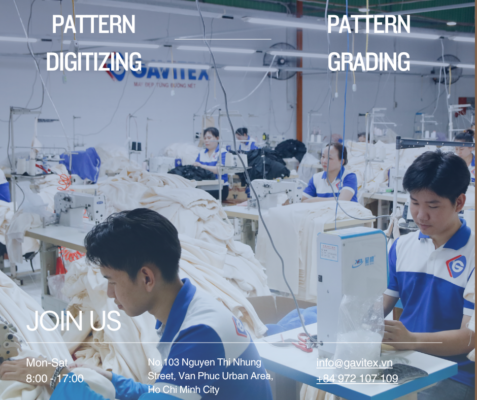
Delve deeper into the intricacies of CMT manufacturing in Vietnam and uncover its role in the global apparel industry. Read more: clothing manufacturers in Vietnam.
Advantages of Choosing a Vietnam CMT Manufacturer for Your Garment Production
Selecting a Vietnam CMT manufacturer (cut, make, and trim) for your garment production offers a compelling array of advantages, positioning Vietnam as a strategic sourcing destination for apparel brands worldwide. This model allows businesses to leverage Vietnam’s competitive edge in garment manufacturing, focusing on design and marketing while entrusting the production process to experienced Vietnamese partners.
Here’s a breakdown of the key benefits:
-
Cost-Effectiveness: Vietnam’s labor costs are generally lower than those in many other garment-producing countries, including China, making CMT manufacturing in Vietnam a budget-friendly option. This cost advantage translates to potentially higher profit margins for your brand.
-
Skilled Workforce: Vietnam boasts a large and skilled workforce with extensive experience in garment production. Vietnamese workers are known for their dexterity, attention to detail, and commitment to quality, ensuring that your garments are produced to the highest standards. The established garment industry in Vietnam has fostered generations of skilled laborers.
-
Established Infrastructure: Vietnam has significantly invested in its infrastructure, including ports, roads, and factories, facilitating efficient production and logistics. This developed infrastructure streamlines the supply chain, reducing lead times and transportation costs. The country also benefits from a growing network of supporting industries, such as textile suppliers and accessory manufacturers.
-
Focus on Core Competencies: By outsourcing the cut, make, and trim processes to a Vietnam CMT manufacturer, your company can concentrate on its core competencies, such as design, branding, marketing, and sales. This strategic focus allows you to allocate resources more effectively and improve overall business performance.
-
Flexibility and Scalability: Vietnamese CMT manufacturers offer flexibility in production volumes, accommodating both small and large orders. This scalability allows you to adjust production to meet changing market demands and scale your business operations as needed. The agility of CMT production enables quick responses to trends and customer preferences.
-
Trade Agreements and Incentives: Vietnam has entered into numerous free trade agreements (FTAs) with major economies, including the EU, the US, and Japan, providing preferential access to these markets. These agreements reduce tariffs and other trade barriers, making garment production in Vietnam even more attractive. These trade benefits translate to potential cost savings and increased competitiveness.
-
Geographic advantage: Vietnam is located in a key zone within Southeast Asia with the sea and land ports leading to all countries. This will be a competitive advantage in terms of time and money.
By understanding these advantages, businesses can make informed decisions about their garment production strategies and effectively leverage the capabilities of Vietnam CMT manufacturers to achieve their business goals.
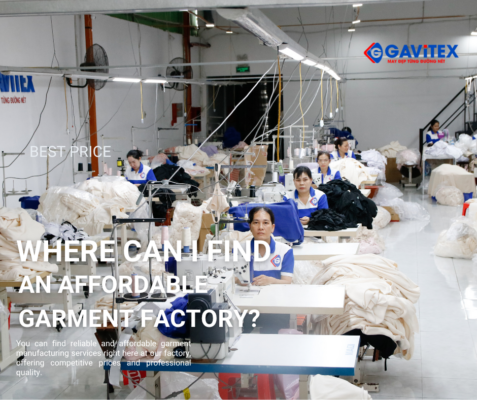
Discover the compelling reasons why Vietnam is becoming a preferred destination for CMT garment production and how it can benefit your business. Read more: Vietnam clothing manufacturers.
Key Considerations When Selecting a Vietnam CMT Manufacturer: A Detailed Checklist
Choosing the right Vietnam CMT manufacturer is crucial for ensuring the success of your garment production. This detailed checklist outlines the key considerations to keep in mind when selecting a suitable partner for your Cut, Make, and Trim (CMT) manufacturing needs in Vietnam. By carefully evaluating these factors, you can minimize risks and optimize your sourcing strategy.
When evaluating potential CMT manufacturers in Vietnam, a thorough assessment of their capabilities and experience is paramount. It’s important to begin by examining their production capacity, assessing whether it aligns with your order volumes and projected growth. Consider factors such as the number of sewing lines, available machinery, and the size of their workforce. For instance, a manufacturer with multiple sewing lines and a large team will likely be better equipped to handle large orders with tight deadlines. Beyond capacity, delve into their specialization and expertise. Does the manufacturer have a proven track record in producing garments similar to yours in terms of fabric type, complexity, and styling? A manufacturer specializing in sportswear, for example, might not be the best fit for producing high-fashion dresses.
Next, quality control is non-negotiable.
- Certifications and Standards: Look for manufacturers with certifications like ISO 9001 or WRAP, demonstrating their commitment to quality management.
- Inspection Processes: Understand their inspection processes at each stage of production, from fabric inspection to final garment checks.
- Client portfolio: Request references from existing clients and inquire about their experiences with the manufacturer’s quality control.
Communication and responsiveness are also critical.
- Language Proficiency: Ensure the manufacturer has staff proficient in your language to avoid misunderstandings.
- Response Time: Test their responsiveness by sending inquiries and evaluating how quickly they respond.
- Project Management: Assess their project management capabilities to ensure smooth communication and efficient coordination throughout the production process.
Finally, it is vital to consider ethical and compliance standards. Verify that the Vietnam CMT manufacturer adheres to labor laws, provides fair wages and safe working conditions, and complies with environmental regulations. Conducting on-site audits or requesting compliance reports can help you assess their commitment to ethical manufacturing practices. Partnering with a responsible garment manufacturer will protect your brand’s reputation and contribute to a more sustainable and equitable supply chain.
Ensure a successful partnership by following our comprehensive checklist when choosing a CMT manufacturer in Vietnam. Read more: clothing sourcing agent in Vietnam.
Vietnam CMT Manufacturing vs. Other Production Models: Which is Right for You?
Understanding the nuances between Vietnam CMT manufacturing and other garment production models is crucial for making informed decisions about your supply chain. Choosing the right model can significantly impact cost, control, and quality, especially when leveraging a Vietnam CMT manufacturer. This section explores various production models, highlighting their strengths and weaknesses to help you determine the best fit for your specific needs.
- CMT (Cut, Make, Trim): This model, where you provide the designs, fabrics, and trims, and the manufacturer handles the cutting, sewing, and finishing, offers maximum control over materials and design. This is a great option for brands like overseas buyers with proprietary fabric blends.
- OEM (Original Equipment Manufacturing): In this arrangement, the manufacturer takes on more responsibility, including sourcing materials based on your specifications. While offering less control than CMT, it simplifies the production process and can be more cost-effective.
- ODM (Original Design Manufacturing): ODM involves the manufacturer designing and producing the entire product based on your brief. This is suitable for businesses looking for ready-made designs and a quicker route to market, but it offers the least control over design and materials.
- Full Package Production: This comprehensive model outsources the entire production process, from design to delivery, to the manufacturer. It minimizes your involvement but requires careful selection of a trustworthy and capable partner.
A note on terminology: You may also see manufacturers described as a Vietnam cut and sew manufacturer. That term describes a production capability — a factory’s ability to cut, sew, and assemble garments — rather than a distinct commercial model in the list above; the same cut and sew factory can be engaged under a CMT, OEM, ODM, or full package arrangement.
Cost Considerations: CMT generally has lower direct manufacturing costs, but involves more overhead in materials sourcing. OEM and ODM may have higher unit costs, but reduced overhead. Full package carries the highest unit price, however, it offers the most simplified operations and may be suitable for larger brands.
Control and Customization: CMT provides the highest degree of control over design, materials and other elements in the garment production process; ODM offers the least; OEM falls somewhere in between. If a custom design is paramount, CMT is often the best choice.
Speed to Market: ODM and full package models can offer a quicker turnaround because the manufacturer handles most aspects of the process. CMT requires more upfront work in sourcing and preparation.
To further guide your decision, consider these key factors:
- Your budget: CMT requires more upfront investment in materials.
- Level of design control needed: CMT allows for maximum customization.
- Time constraints: ODM and full package offer faster turnaround times.
- Internal resources: CMT demands more internal management of the supply chain.
By carefully evaluating your needs and priorities against the characteristics of each production model, you can determine whether partnering with a Vietnam CMT manufacturer is the optimal choice for your garment production requirements.
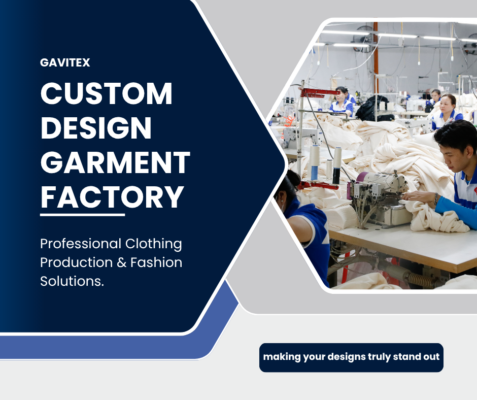
Confused about choosing the right production model? Compare CMT manufacturing with other options and discover the ideal fit for your needs. Read more: clothing production services.
Quality Control and Compliance Standards in Vietnam CMT Manufacturing: Ensuring Excellence
In the realm of Vietnam CMT manufacturing, upholding rigorous quality control and adhering to stringent compliance standards are paramount to guaranteeing exceptional garment production. Given the increasing demand for high-quality apparel, understanding the benchmarks that Vietnam CMT manufacturers must meet is crucial for businesses looking to partner with reliable suppliers. This section delves into the specific quality control measures and compliance standards necessary for excellence in Vietnam’s CMT (Cut, Make, Trim) manufacturing sector.
Effective quality control in CMT manufacturing involves a multi-stage process, commencing with raw material inspection and continuing through in-process checks to final product assessment. Initially, fabrics and trims are carefully evaluated for defects, color consistency, and adherence to specifications. During production, regular monitoring ensures that cutting, sewing, and finishing processes meet the required standards. Final inspections encompass measurements, workmanship, and overall appearance, ensuring that the finished garments align with the client’s expectations. This comprehensive approach minimizes errors and ensures consistent quality.
Compliance standards in Vietnam CMT manufacturing encompass a wide range of regulations related to labor practices, environmental protection, and product safety. Labor regulations stipulate fair wages, reasonable working hours, and safe working conditions, aligning with international norms. Environmental standards focus on minimizing waste, reducing pollution, and utilizing sustainable practices. Product safety standards ensure that garments are free from harmful substances and meet relevant safety requirements. Adhering to these standards safeguards workers, protects the environment, and ensures product integrity.
Key aspects of quality control and compliance:
- Material Inspection: Ensuring that all fabrics and trims meet the specified quality criteria.
- In-Process Quality Checks: Monitoring production stages to identify and rectify any defects or deviations.
- Final Inspection: Conducting thorough inspections of finished garments to ensure they meet all requirements.
- Labor Standards Compliance: Adhering to fair labor practices, including wages, working hours, and safety.
- Environmental Regulations Compliance: Implementing sustainable practices to minimize environmental impact.
- Product Safety Standards Compliance: Ensuring that garments are free from harmful substances and meet safety regulations.
For garment businesses partnering with a Vietnam CMT manufacturer, verifying their adherence to these quality control and compliance standards is critical. Requesting certifications, conducting factory audits, and establishing clear quality expectations are essential steps in building a successful and ethical manufacturing relationship. By prioritizing quality and compliance, overseas buyers and other reputable Vietnam CMT manufacturers contribute to the production of high-quality garments that meet global standards.
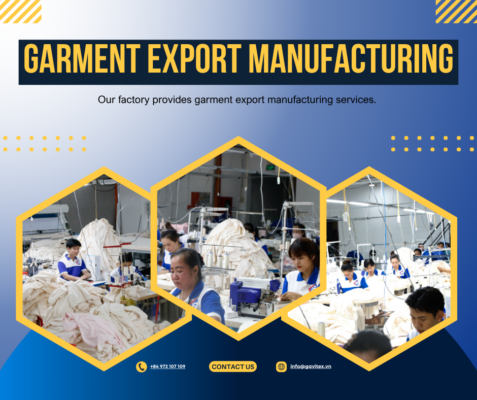
Navigating the Vietnam CMT Manufacturing Landscape: Finding the Right Partner
Successfully navigating the Vietnam CMT manufacturing landscape requires a strategic approach to finding the right CMT manufacturer, one that aligns with your specific production needs, quality standards, and business objectives. The process of selecting a suitable cut, make, and trim (CMT) partner in Vietnam involves careful research, due diligence, and a clear understanding of your requirements, ensuring a fruitful and long-lasting collaboration. The abundance of garment factories in Vietnam, from small workshops to large-scale operations, presents both opportunities and challenges for brands seeking efficient and cost-effective production solutions.
Identifying a reliable Vietnam CMT manufacturer necessitates a multi-faceted approach. Start by clearly defining your product specifications, including fabric types, design complexities, and desired production volume. Next, leverage online resources, industry networks, and trade shows to compile a list of potential CMT partners. Consider factors such as factory size, production capacity, certifications (e.g., WRAP, BSCI), and existing client portfolio. For example, Vietnam Biz Rep has a strong network of CMT manufacturers, who can provide support throughout the process.
Furthermore, conduct thorough due diligence on shortlisted CMT manufacturers. This includes visiting their facilities to assess their infrastructure, equipment, and working conditions. Request samples of their previous work to evaluate their craftsmanship and attention to detail. Communicate your quality expectations and compliance standards clearly, and ensure the manufacturer has the capabilities and commitment to meet them. Don’t hesitate to ask for references from their existing clients to gain insights into their reliability and service quality.
Finally, foster open communication and build a strong relationship with your chosen Vietnam CMT manufacturer. Clear communication is essential for ensuring that your instructions are understood and followed accurately. Regularly monitor production progress, conduct quality inspections, and address any issues promptly. A collaborative and transparent partnership will pave the way for efficient production, high-quality garments, and long-term success. Building trust and mutual understanding is key to navigating the complexities of the CMT manufacturing landscape in Vietnam.
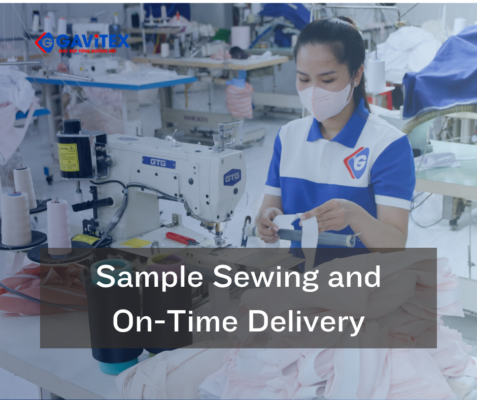
Uncover the secrets to navigating the Vietnam CMT manufacturing market and find the perfect partner to bring your apparel vision to life. Read more: apparel sourcing.
The Future of Vietnam CMT Manufacturing: Trends and Innovations Shaping the Industry
The future of Vietnam CMT manufacturing is poised for significant transformation, driven by technological advancements, evolving consumer demands, and a growing emphasis on sustainability within the global garment industry. As a leading Vietnam CMT manufacturer, Vietnam Biz Rep is actively monitoring and adapting to these changes to ensure we remain at the forefront of the industry.
Here are some key trends and innovations shaping the future of garment production in Vietnam:
- Automation and Robotics: The integration of automation and robotics is streamlining production processes, enhancing efficiency, and reducing labor costs. For example, automated cutting machines and robotic sewing arms are becoming increasingly common in CMT factories, allowing for faster turnaround times and greater precision.
- Digitalization and Data Analytics: Digital technologies, such as cloud-based platforms and data analytics tools, are enabling manufacturers to optimize their supply chains, improve inventory management, and gain real-time insights into production performance. This leads to better decision-making and increased overall efficiency.
- Sustainable Manufacturing Practices: Growing consumer awareness and stricter environmental regulations are driving the adoption of sustainable manufacturing practices. This includes using eco-friendly materials, reducing water and energy consumption, and implementing waste management programs. overseas buyers, as a responsible Vietnam CMT manufacturer, is committed to incorporating sustainable practices into our operations.
- Focus on Value-Added Services: To remain competitive, CMT manufacturers are expanding their service offerings beyond basic cutting, making, and trimming. This includes providing design support, pattern making, and quality control services. This shift towards value-added services allows manufacturers to build stronger relationships with clients and offer more comprehensive solutions.
- Increased Traceability and Transparency: Consumers are demanding greater transparency in the supply chain, wanting to know where their clothes come from and how they are made. This is leading to the adoption of traceability technologies, such as RFID tags and blockchain, to provide consumers with more information about the origin and production of garments.
These trends represent significant opportunities for Vietnam CMT manufacturers to enhance their competitiveness, improve efficiency, and contribute to a more sustainable and ethical garment industry. By embracing innovation and adapting to changing market demands, companies like overseas buyers can ensure a bright future for garment manufacturing in Vietnam.
Frequently Asked Questions: CMT Manufacturing in Vietnam
What does CMT mean in garment manufacturing?
CMT stands for Cut, Make, Trim — the factory cuts fabric, sews it into finished garments, and adds trims, while the buyer typically handles fabric sourcing and design separately.
How is CMT different from OEM manufacturing?
CMT usually means you supply the fabric and the factory only cuts, sews, and trims; our OEM clothing manufacturer guide covers factories that typically also source materials and manage more of the process end-to-end.
Who sources the fabric in a CMT arrangement?
As outlined above, in a classic CMT model the buyer sources and supplies the fabric; confirm this division of responsibility with any factory before signing, since some Vietnamese CMT suppliers also offer fabric sourcing as an add-on service.
Related Vietnam Sourcing & Manufacturing Services
- Cut and Sew Manufacturing in Vietnam
- Garment Manufacturers in Vietnam
- OEM Clothing Manufacturer in Vietnam
- Low MOQ Clothing Manufacturer in Vietnam
- Vietnam Sourcing Agent
Need support in Vietnam? Call or WhatsApp +84 941 414 422 or visit our contact page to discuss your project with Vietnam Biz Rep.
