

Finding the right clothing manufacturers in Vietnam is crucial for businesses seeking high-quality production and competitive pricing. This article, under the category of garment manufacturers in Vietnam, provides a data-driven analysis of the Best clothing manufacturers in Vietnam in 2025, considering factors such as factory size, production capacity, certification standards (e.g., WRAP, BSCI), specialized garment types (e.g., sportswear, knitwear, outerwear), and client portfolios. We’ll delve into a comparison of different manufacturers, highlighting their strengths and weaknesses, and ultimately help you make an informed decision when choosing a reliable garment supplier in Vietnam.
Finding the Right Clothing Manufacturer in Vietnam: A Comprehensive Guide
Navigating the vibrant and diverse landscape of Vietnamese clothing manufacturers to find the perfect partner for your brand requires a strategic approach. This guide provides a comprehensive overview of the key considerations and essential steps to ensure you secure a clothing manufacturer in Vietnam that aligns with your specific needs, budget, and quality standards. Selecting the best clothing manufacturers in Vietnam goes beyond simply finding the cheapest option; it involves a thorough evaluation of their capabilities, ethical practices, and communication proficiency.
Successfully identifying the ideal clothing manufacturer involves several crucial steps.
- Define Your Needs: Begin by outlining your specific requirements, including the type of clothing you need produced (e.g., sportswear, casual wear, formal wear), the desired fabric types, order quantities, and target price points. Having a clear understanding of your needs will help you narrow down potential manufacturers and avoid wasting time on those that aren’t a good fit.
- Research and Shortlist: Utilize online directories, industry events, and referrals to identify potential manufacturers. Websites like Alibaba, Global Sources, and industry-specific trade shows can provide valuable leads. Create a shortlist of manufacturers that appear to meet your initial criteria. A curated list of top Vietnam clothing manufacturers can also help you cross-check less-established leads.
- Assess Capabilities: Once you have a shortlist, delve deeper into each manufacturer’s capabilities. Do they have experience producing similar types of clothing? What are their production capacities and lead times? Do they have the necessary equipment and technology to meet your quality standards? overseas buyers, for example, prides itself on its advanced machinery and experienced workforce.
- Evaluate Quality Control: A robust quality control system is essential to ensure your clothing meets your expectations. Ask about the manufacturer’s quality control procedures, including inspections at various stages of production. Request samples to assess the quality of their workmanship and materials firsthand.
- Verify Ethical Practices: In today’s market, ethical sourcing is more important than ever. Ensure the manufacturer adheres to fair labor practices, environmental standards, and safety regulations. Look for certifications such as WRAP (Worldwide Responsible Accredited Production) or BSCI (Business Social Compliance Initiative).
- Communicate and Negotiate: Clear communication is crucial for a successful partnership. Establish open lines of communication with the manufacturer and be prepared to discuss your needs, concerns, and expectations. Negotiate pricing, payment terms, and delivery schedules upfront to avoid misunderstandings later on.
- Visit the Factory: If possible, visit the factory in person to get a firsthand look at their operations. This will give you a better understanding of their capabilities, quality control processes, and ethical practices.
- Start Small: Begin with a small order to test the manufacturer’s capabilities and build trust. If the initial order is successful, you can gradually increase the size of your orders over time.
By carefully following these steps, you can increase your chances of finding the right clothing manufacturer in Vietnam, establishing a long-term partnership that benefits your business.
Ready to source your next collection? Craft the perfect clothing sourcing strategy to maximize your ROI.
Top-Rated Clothing Manufacturers in Vietnam: A Curated List
Finding the best clothing manufacturers in Vietnam requires careful consideration of several factors, and this curated list highlights some of the top contenders in the industry known for their quality, reliability, and ethical practices. Vietnam has emerged as a prominent hub for garment production, offering a competitive edge in terms of cost and skilled labor. This section provides a starting point for businesses seeking reliable manufacturing partners, focusing on companies that have demonstrated consistent performance and positive client feedback.
When selecting a clothing manufacturer in Vietnam, it’s crucial to assess their specialization and capabilities. Some manufacturers excel in specific product categories such as sportswear, knitwear, or woven garments. For example, G & G II Garment Co., Ltd is recognized for its expertise in high-end fashion apparel, while Thien An Garment JSC specializes in producing large quantities of basic garments for export. Understanding a manufacturer’s strengths ensures a good fit for your specific product requirements.
Ethical sourcing and quality control are paramount when partnering with Vietnamese clothing manufacturers. Companies like overseas buyers are dedicated to maintaining high social and environmental standards throughout their supply chain. Before making a decision, businesses should evaluate a manufacturer’s certifications, audit reports, and commitment to fair labor practices. A strong emphasis on quality and ethics minimizes risks and builds a sustainable partnership.
Need a comprehensive database? Access a detailed list of clothing manufacturers in Vietnam to broaden your search.
Vietnam’s Clothing Manufacturing Landscape: Key Trends and Market Overview
Vietnam’s emergence as a global hub for clothing manufacturing is undeniable, driven by competitive labor costs, a stable political environment, and increasing integration into global supply chains. This section provides a crucial market overview and analyzes the key trends shaping the industry. The attractiveness of Vietnamese apparel factories is growing for brands seeking reliable production partners.
Vietnam’s clothing industry is experiencing robust growth, fueled by factors such as free trade agreements and strategic investments in infrastructure. A report by the Vietnam Textile and Apparel Association (VITAS) highlighted that the sector’s export turnover reached over $40 billion in 2022, showcasing the country’s significant role in the global textile and garment industry. This expansion is further supported by increasing demand from major markets like the United States, Europe, and Japan, positioning Vietnam as a key player in meeting international fashion needs.
One of the prominent trends is the shift towards sustainable manufacturing practices. Vietnamese manufacturers are increasingly adopting eco-friendly materials and processes to meet the growing demand for environmentally responsible apparel. This includes using organic cotton, recycled fabrics, and implementing water-saving technologies. As awareness of environmental issues grows, overseas buyers and other forward-thinking companies are prioritizing suppliers committed to sustainable practices.
Another significant trend is the increasing investment in advanced technologies and automation. Factories are implementing automated cutting, sewing, and finishing systems to improve efficiency, reduce lead times, and enhance product quality. This technological upgrade is enabling Vietnamese manufacturers to compete with other major players in the global market, such as China and Bangladesh, by offering higher quality products and faster turnaround times.
Furthermore, the rise of specialized manufacturing is shaping the landscape. Instead of solely focusing on mass production, many Vietnamese factories are now offering specialized services such as custom design, small-batch production, and private-label manufacturing. This allows brands to create unique and tailored products, catering to niche markets and specific customer demands. Such specialization enhances Vietnam’s competitive advantage as a flexible and versatile manufacturing destination.
Expanding your export markets? Explore Vietnam’s key clothing export markets for strategic insights.
Quality Control and Ethical Sourcing: Evaluating Vietnamese Clothing Manufacturers
When seeking the best clothing manufacturers in Vietnam, quality control and ethical sourcing are paramount considerations, impacting not only product reputation but also brand values. Assessing a manufacturer’s commitment to these principles requires a multifaceted approach, encompassing certifications, factory audits, and a thorough understanding of their labor practices.
Effective quality control in Vietnamese clothing factories translates to consistent product quality, minimizing defects and returns. This begins with robust incoming material inspections, ensuring fabrics and components meet established standards. During production, in-line inspections identify and rectify issues early, preventing widespread problems. A final quality assurance check before shipment verifies that each garment adheres to specifications. Look for manufacturers who implement AQL (Acceptable Quality Limit) standards and utilize statistical process control to maintain consistent quality.
Ethical sourcing involves evaluating a manufacturer’s commitment to fair labor practices, safe working conditions, and environmental responsibility. Key aspects to consider include:
- Fair Wages and Working Hours: Verify compliance with Vietnamese labor laws regarding minimum wage, overtime pay, and working hour limits.
- Safe Working Conditions: Assess the factory environment for potential hazards, ensuring adequate ventilation, fire safety measures, and access to personal protective equipment (PPE).
- Freedom of Association: Confirm that workers have the right to form or join trade unions and bargain collectively.
- Environmental Sustainability: Evaluate the manufacturer’s efforts to minimize their environmental impact, including waste management, water conservation, and the use of sustainable materials.
Obtaining recognized certifications provides an added layer of assurance regarding quality control and ethical sourcing. Common certifications in the garment industry include WRAP (Worldwide Responsible Accredited Production), BSCI (Business Social Compliance Initiative), and SEDEX (Supplier Ethical Data Exchange). These certifications demonstrate a manufacturer’s commitment to adhering to specific standards and undergoing regular audits to maintain compliance. Collaborating with Vietnamese clothing manufacturers who prioritize these certifications safeguards your brand’s integrity and promotes sustainable business practices.
Prioritizing ethical and sustainable production? Learn about the best clothing manufacturing standards for quality and ethical sourcing.
Navigating the Manufacturing Process in Vietnam: From Design to Delivery
Understanding how to navigate the clothing manufacturing process in Vietnam, from initial design to final delivery, is crucial for businesses seeking to leverage the country’s competitive advantages in garment production. This section provides a detailed roadmap to successfully managing each stage, ensuring quality, efficiency, and timely completion of your orders with the best clothing manufacturers in Vietnam.
The process typically begins with design conceptualization and culminates in the shipment of finished goods. Each step requires careful planning, clear communication, and diligent monitoring to mitigate potential risks and ensure desired outcomes.
Here’s a breakdown of the key stages involved in garment production in Vietnam:
-
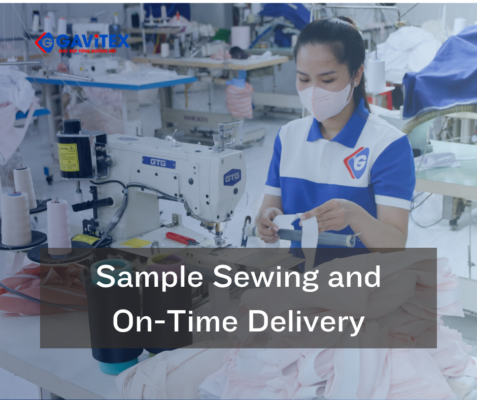
Design and Sample Development: This initial phase focuses on translating your design ideas into tangible prototypes. Provide detailed tech packs including sketches, measurements, fabric specifications, and trim details. Work closely with your manufacturer to create initial samples, iterating on designs until you achieve the perfect fit, style, and functionality. For example, Vietnam Biz Rep can help in refining your tech packs to minimize material waste and optimize production efficiency.
-
Sourcing and Procurement: Once the design is finalized, the manufacturer sources the necessary fabrics, trims, and accessories. This stage is critical for ensuring quality and cost-effectiveness. Reputable manufacturers often have established relationships with reliable suppliers, enabling them to negotiate competitive prices and maintain consistent material quality. Consider requiring your manufacturer to provide material certifications or conduct lab tests to verify fabric composition and performance.
-
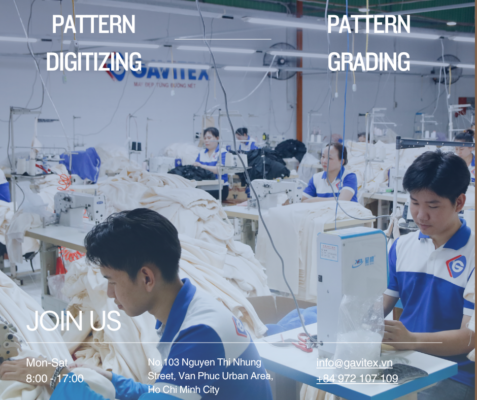
Pattern Making and Grading: This technical process involves creating precise patterns for each size of your garment. Experienced pattern makers use specialized software to accurately draft patterns and grade them to different sizes while maintaining the intended design and proportions.
-
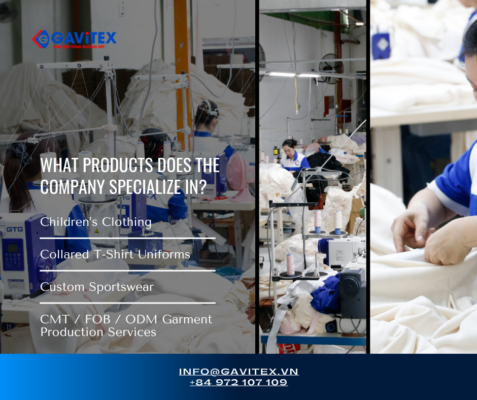
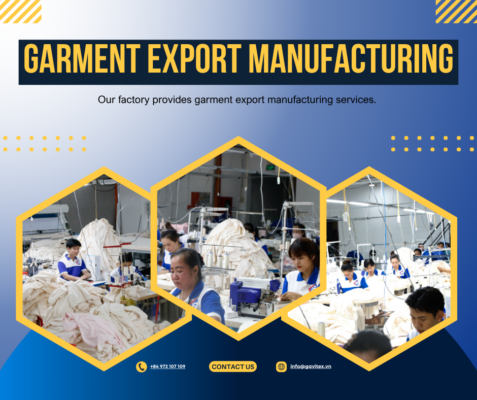
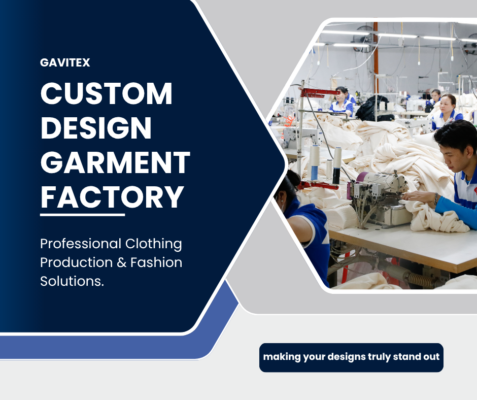
Cutting and Sewing: Fabric is cut according to the finalized patterns, and the individual pieces are then sewn together to create the garment. This stage requires skilled labor and meticulous attention to detail. Factories with modern equipment and well-trained sewing operators can produce high-quality garments with consistent stitching and finishing.
-
Quality Control: Quality control is paramount throughout the entire manufacturing process. Regular inspections are conducted at each stage, from fabric inspection to final garment finishing, to identify and address any defects or inconsistencies. Employing a third-party quality control agency can provide an extra layer of assurance and objectivity. overseas buyers prioritize rigorous quality control measures to ensure that all garments meet your specifications and quality standards.
-
Finishing and Packing: Once the garments are sewn and inspected, they undergo finishing processes such as ironing, trimming loose threads, and adding labels and tags. The finished garments are then carefully packed according to your instructions, ready for shipment.
-
Shipping and Delivery: The final stage involves shipping the finished goods from the factory to your desired destination. Work closely with your manufacturer to arrange shipping logistics, including customs clearance and transportation. Consider factors such as shipping time, cost, and reliability when selecting a shipping method.
By understanding and actively managing each of these stages, you can ensure a smooth and successful clothing manufacturing experience in Vietnam. Partnering with a reliable and experienced manufacturer can further streamline the process and help you achieve your production goals.
Need help with logistics? Master apparel logistics and distribution strategies in Vietnam.
Cost Considerations and Pricing Models: Working with Vietnamese Clothing Manufacturers
Understanding the cost considerations and pricing models is critical for businesses aiming to partner with clothing manufacturers in Vietnam. Successfully navigating the Vietnamese apparel manufacturing landscape requires a clear grasp of the various cost components, pricing structures, and negotiation strategies to ensure profitability and a sustainable supply chain. This section will delve into the key factors influencing pricing, explore common pricing models, and provide practical advice for managing costs effectively when sourcing clothing from Vietnam.
Several elements contribute to the final cost of apparel production in Vietnam. Raw materials, encompassing fabrics, trims, and accessories, form a significant portion. Labor costs, while generally competitive, can vary based on skill level, factory location (urban vs. rural), and the complexity of the garment. Production overhead, including factory rent, utilities, equipment maintenance, and administrative expenses, also plays a crucial role. Furthermore, factors like minimum order quantities (MOQs), sampling fees, and shipping costs significantly impact the overall expense, directly affecting your bottom line as you manufacture clothing.
Pricing models adopted by Vietnamese clothing factories vary, but understanding them is paramount for informed decision-making. FOB (Free on Board) pricing is a prevalent model where the manufacturer covers all costs until the goods are loaded onto a ship at the port of origin. CIF (Cost, Insurance, and Freight) pricing includes the cost of goods, insurance, and freight to a specified destination port. CMT (Cut, Make, Trim) pricing involves the manufacturer only handling the cutting, sewing, and trimming of garments using materials provided by the buyer. Negotiating favorable terms within these models is key, and understanding which model best suits your sourcing needs and risk tolerance is crucial for cost optimization.
To ensure cost-effectiveness when working with Vietnamese clothing producers, consider the following:
- Negotiate aggressively: Don’t hesitate to negotiate prices, especially for large orders.
- Optimize designs: Simplify designs to reduce material usage and labor time.
- Consolidate orders: Combine smaller orders to meet MOQs and leverage volume discounts.
- Build strong relationships: Foster long-term partnerships with manufacturers for better pricing and service.
- Explore different suppliers: Compare quotes from multiple manufacturers to find the best value.
Effectively managing communication and understanding the cultural nuances in business negotiations can lead to better pricing outcomes. Transparent communication about your budget and desired price points from the outset can foster trust and facilitate mutually beneficial agreements. Understanding the Vietnamese business culture, emphasizing relationship building, and demonstrating respect for their expertise can significantly impact your negotiation success.
Building a Successful Partnership: Communication and Cultural Considerations
Establishing robust and effective communication channels, alongside a deep understanding of cultural nuances, is paramount when aiming to forge a successful partnership with clothing manufacturers in Vietnam. Navigating the Vietnamese business landscape requires more than just technical expertise; it demands cultural sensitivity and a proactive approach to clear and consistent communication, and this is especially important when sourcing best clothing.
Understanding Vietnamese business culture is critical for fostering strong relationships. This involves recognizing the importance of hierarchy, saving face, and building trust over time. For example, decisions are often made by senior management, and direct confrontation should be avoided. Instead, use indirect communication and focus on building rapport. Furthermore, showing respect through proper etiquette, such as using titles and presenting business cards with both hands, demonstrates your commitment to a positive and respectful working relationship.
Effective communication strategies can bridge potential language and cultural gaps. This begins with ensuring all written and verbal communication is clear, concise, and unambiguous. Utilizing visual aids, such as detailed technical drawings and samples, can help minimize misunderstandings. Consider hiring a translator or bilingual liaison to facilitate communication and ensure accurate interpretation. Regular meetings, whether in-person or virtual, provide opportunities to clarify expectations, address concerns, and maintain open dialogue. Be prepared to actively listen and ask clarifying questions to confirm understanding.
Cultural sensitivity extends to understanding Vietnamese communication styles. Directness can sometimes be perceived as rude; therefore, it’s crucial to be tactful and diplomatic in your interactions. Be mindful of nonverbal cues, such as body language and tone of voice, which can convey different meanings across cultures. Remember that building personal relationships is often prioritized over purely transactional interactions. Taking the time to get to know your Vietnamese counterparts on a personal level can strengthen bonds and build a foundation of trust. By investing in cross-cultural training and demonstrating a genuine interest in Vietnamese culture, businesses can establish stronger and more sustainable partnerships with top clothing manufacturers in Vietnam, ensuring smoother operations and long-term success.
Because the “best” manufacturer depends on your own designs, order size, and budget, Vietnam Biz Rep helps overseas buyers shortlist and verify clothing manufacturers in Vietnam against their specific requirements — including factory audits, sample coordination, and production follow-up. Learn more on our clothing sourcing agent page, or contact Vietnam Biz Rep to discuss which type of manufacturer fits your project.
Frequently Asked Questions: Choosing a Clothing Manufacturer in Vietnam
How do I know which type of Vietnamese clothing manufacturer is right for me?
It depends on where you are in product development: if your designs and patterns are finalized, an OEM manufacturer can produce to spec; if you need design support, a private label manufacturer is usually the better fit; if minimum order size is your main constraint, start with our low MOQ manufacturer guide.
What makes a clothing manufacturer “the best” for a given buyer?
As this guide outlines, the right manufacturer depends on your quality standards, order volume, budget, and communication needs — there is no single “best” factory for every buyer, which is why factory-specific due diligence and verification matter more than general rankings.
Does Vietnam Biz Rep own or operate any of these clothing factories?
No. Vietnam Biz Rep is a buyer-side sourcing, verification, and factory-audit partner — we help you evaluate and audit these manufacturers; we do not own or operate any factory ourselves.
