

Garment suppliers in Vietnam is a broader category than a single manufacturer: it spans factories, trading companies, sourcing agents, and export intermediaries, including suppliers who manufacture in-house and suppliers who subcontract production to a network of partner factories. This guide focuses on discovering and vetting that wider supplier landscape — verifying legitimacy, spotting red flags, and comparing supplier types — before you narrow down to a specific engagement. If you already know you want to work directly with a production factory, see our guide to clothing manufacturers in Vietnam for the manufacturing-process-specific details (design-to-delivery, MOQs, and factory due diligence). Here, we’ll explore key factors to consider when selecting a partner, including production capabilities, quality control processes, ethical sourcing standards, and supply chain management. Furthermore, this guide offers insights into navigating the Vietnamese garment industry, helping you secure partnerships that drive efficiency and profitability for your brand in 2025.
Why Vietnam is a Hub for Garment Manufacturing and Sourcing
Vietnam has emerged as a leading hub for garment manufacturing and sourcing, attracting global brands and retailers alike. This transformation is underpinned by a confluence of factors that have solidified Vietnam’s position in the global apparel supply chain. Let’s delve into the reasons why Vietnam stands out as a prime destination for businesses seeking reliable and cost-effective garment production.
Several key factors contribute to Vietnam’s prominence in the garment industry. Firstly, Vietnam boasts a competitive labor cost advantage compared to many other manufacturing hubs. Secondly, the country has invested heavily in modernizing its garment factories, equipping them with advanced machinery and technologies to enhance productivity and quality. Finally, Vietnam’s strategic location and proactive integration into global trade agreements have facilitated seamless access to key markets.
Vietnam’s commitment to quality and compliance further enhances its appeal. Many Vietnamese garment suppliers adhere to international standards and certifications, ensuring ethical and sustainable production practices. Moreover, the Vietnamese government actively supports the growth of the garment industry through favorable policies and infrastructure development, creating a conducive environment for businesses to thrive. As a result, Vietnam continues to strengthen its reputation as a reliable and competitive sourcing destination for garments, offering a diverse range of products and services to meet the evolving needs of the global fashion industry.
Vietnam’s burgeoning textile industry plays a crucial role. The development of a robust local textile supply chain reduces reliance on imported materials, leading to shorter lead times and greater flexibility for garment manufacturers.
Here’s the H2 content, designed to be comprehensive, SEO-optimized, and reader-friendly:
Want to know why major brands are choosing Vietnam? Discover the key factors that make Vietnam a leading destination for garment production in this in-depth analysis: Vietnam Garment Manufacturers.
Types of Garment Suppliers in Vietnam: Identifying the Right Fit for Your Needs
Navigating the landscape of garment suppliers in Vietnam requires understanding the diverse range of manufacturers available, each offering distinct services and capabilities. Identifying the most suitable supplier is crucial for businesses aiming to optimize production costs, maintain quality standards, and ensure timely delivery. This section will break down the main types of garment manufacturers in Vietnam, providing insights to help you select the perfect partner for your specific apparel sourcing needs.
Original Equipment Manufacturers (OEM)
Original Equipment Manufacturers (OEMs) specialize in producing garments according to a buyer’s pre-existing designs and specifications. In this model, the buyer provides detailed tech packs, including patterns, materials, and construction methods, and the OEM focuses solely on the manufacturing process. OEM suppliers are best suited for businesses with established designs and a strong focus on cost-effective production. Many brands partner with Vietnamese OEM garment factories to leverage the country’s competitive labor costs and established manufacturing infrastructure. For example, a European sportswear brand might outsource the production of its existing line of running apparel to a Vietnamese OEM to reduce manufacturing expenses.
Original Design Manufacturers (ODM)
Original Design Manufacturers (ODMs) offer a more comprehensive service by providing both design and manufacturing expertise. ODMs have their own in-house design teams that create garment designs based on buyer’s concepts, trends, or market research. This option is ideal for businesses seeking innovative designs and product development support alongside manufacturing capabilities. Consider a scenario where a fashion retailer wants to launch a new line of sustainable clothing but lacks in-house design expertise. Partnering with a Vietnamese ODM supplier allows them to collaborate on designs, select eco-friendly materials, and oversee the complete production process.
Cut-Make-Trim (CMT) Suppliers
Cut-Make-Trim (CMT) suppliers offer the most basic level of garment manufacturing services, focusing on cutting fabric, sewing garments, and trimming excess threads. In this model, the buyer is responsible for providing all materials, including fabric, trims, and accessories. CMT suppliers are best suited for businesses with established supply chains and a strong focus on quality control, as they retain significant control over material sourcing. CMT arrangements are often favored by smaller brands or designers who want direct control over their materials but prefer to outsource the labor-intensive cutting and sewing processes to Vietnamese factories, benefitting from lower labor costs.
Full Package Suppliers
Full package suppliers provide the most comprehensive service, handling everything from design and material sourcing to manufacturing, quality control, and packaging. This turnkey solution is ideal for businesses seeking a streamlined sourcing process and minimal involvement in the day-to-day production details. A fashion brand launching a new collection might opt for a full-package supplier in Vietnam to manage the entire supply chain, allowing them to focus on marketing and sales. Full-package deals are attractive because they streamline communication and reduce the managerial burden on the buyer.
Looking for reliable clothing manufacturers? This article breaks down the various types of garment factories in Vietnam, helping you pinpoint the best fit for your needs: Clothing Manufacturers in Vietnam.
Once you have shortlisted a supplier, you will typically work under one of a few production models, and choosing the right one matters as much as choosing the supplier itself. Common options include the CMT (Cut-Make-Trim) model, where you supply the materials and the factory handles assembly; the cut-and-sew production model, focused on pattern-making, cutting, and sewing your designs into finished garments; and the OEM model, where the manufacturer takes on more of the sourcing and production planning based on your specifications.
Key Factors to Consider When Choosing a Garment Supplier in Vietnam
Selecting the right garment suppliers in Vietnam is a critical decision that significantly impacts your business’s success, requiring careful evaluation of various factors beyond just price. The process of finding the perfect partner for garment manufacturing and sourcing in Vietnam involves understanding your specific needs, assessing potential suppliers’ capabilities, and ensuring they align with your brand’s values. This section will delve into the essential elements to consider, enabling you to make informed choices and establish mutually beneficial partnerships.
When sourcing garments from Vietnam, production capacity and capabilities are paramount. Does the supplier have the scale to meet your order volumes, both now and as your business grows? It’s essential to understand the types of garments they specialize in, the equipment they possess, and their expertise in handling different fabrics and designs. For instance, overseas buyers, known for its dedication to quality and innovation, always assesses whether the supplier can handle specialized fabrics or complex designs efficiently. A supplier’s specialization in OEM, ODM, CMT, or Full Package services will also dictate their production capabilities.
Quality control processes and certifications are non-negotiable when selecting garment suppliers in Vietnam. A robust QC system ensures consistent product quality, minimizing defects and returns. Inquire about their inspection procedures, quality control standards (such as AQL), and certifications like ISO 9001 or WRAP. Understanding their commitment to quality assurance throughout the production cycle is crucial for protecting your brand’s reputation.
Minimum Order Quantities (MOQs) and pricing must align with your business model. Some garment suppliers in Vietnam cater to large-scale orders with lower prices but higher MOQs, while others are more flexible, serving smaller brands with higher unit costs but lower MOQs. Carefully evaluate your order volume requirements and compare pricing structures to find a supplier that fits your budget and production needs. Consider hidden costs like sampling fees, tooling charges, and shipping expenses to get a complete picture of the overall pricing.
Effective communication and responsiveness are vital for a smooth sourcing experience. Can the supplier communicate clearly in your language? Are they responsive to your inquiries and requests? Prompt and clear communication minimizes misunderstandings, ensures timely delivery, and fosters a strong working relationship. overseas buyers prioritize suppliers who demonstrate excellent communication skills and a proactive approach to problem-solving.
Ethical and sustainability practices are increasingly important considerations for responsible sourcing. Ensure that your garment suppliers in Vietnam adhere to fair labor practices, safe working conditions, and environmentally friendly processes. Look for certifications like Fair Trade, GOTS (Global Organic Textile Standard), or Oeko-Tex, which demonstrate a commitment to ethical and sustainable manufacturing. Supporting suppliers with strong ethical and environmental credentials enhances your brand’s reputation and contributes to a more sustainable fashion industry.
How to Verify the Legitimacy and Reputation of Garment Suppliers in Vietnam
Ensuring you’re partnering with legitimate and reputable garment suppliers in Vietnam is paramount for a successful sourcing experience; this goes beyond simply finding a supplier who claims to offer competitive pricing and quality. Thorough verification is essential to mitigate risks related to fraud, substandard products, and unethical labor practices.
To accurately evaluate potential partners, initiate factory audits and inspections to gain firsthand insights into their operations. A physical visit allows you to assess their facilities, machinery, and quality control procedures, and verify their compliance with safety standards and labor regulations. Look for certifications such as WRAP (Worldwide Responsible Accredited Production) or BSCI (Business Social Compliance Initiative), which indicate a commitment to ethical and responsible manufacturing. In addition to on-site audits, request detailed information about their internal quality control processes, from raw material sourcing to final product inspection. Don’t hesitate to ask for evidence of regular testing and adherence to international standards like ISO 9001.
Checking for business licenses and certifications is another critical step in the verification process. Request copies of their official business registration certificate and any relevant export licenses to confirm their legal standing in Vietnam. Use online databases of Vietnamese businesses, maintained by organizations like the Vietnam Chamber of Commerce and Industry (VCCI), to cross-reference the supplier’s information. These databases often provide details on the company’s registration date, legal representatives, and registered business activities.
Finally, reviewing client testimonials and references provides valuable insights into a supplier’s past performance and reliability. Ask the supplier for contact information of previous or current clients and reach out to them directly to inquire about their experiences. Specific questions to ask include: How satisfied were you with the quality of the garments? Did the supplier consistently meet deadlines? How responsive were they to your inquiries and concerns? Were there any issues related to ethical practices or labor standards? Supplementing these direct testimonials with information gathered from online platforms and databases can further strengthen your assessment. Utilizing platforms like Alibaba, Global Sources, and specialized garment industry directories allows you to view supplier ratings, reviews, and verified credentials from other buyers.
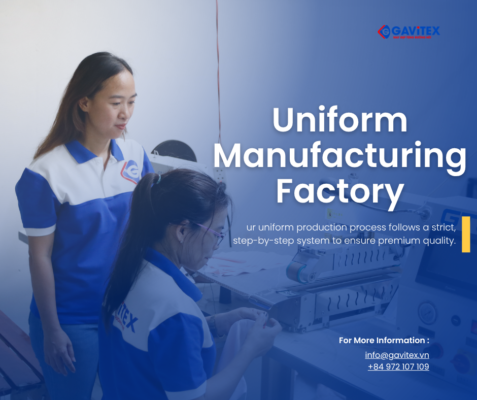
Navigating Cultural and Communication Differences When Working with Vietnamese Suppliers
Successfully sourcing garments from garment suppliers in Vietnam requires more than just identifying capable manufacturers; it necessitates understanding and effectively navigating cultural and communication nuances. These differences, if unaddressed, can lead to misunderstandings, delays, and ultimately, impact the success of your sourcing endeavors. Bridging the cultural gap through proactive measures and cultural sensitivity is paramount to building strong, reliable, and mutually beneficial relationships with Vietnamese suppliers.
One key aspect is understanding the hierarchical structure common in Vietnamese business culture. Decisions are often made at the top, and it’s crucial to show respect to senior figures. This manifests in formal greetings, the exchange of business cards using both hands, and demonstrating patience during negotiations. Avoid direct confrontation or criticism in public settings, as maintaining harmony and saving face are highly valued. For instance, instead of directly rejecting a proposal, try phrasing your concerns as suggestions for improvement.
Communication styles also differ significantly. Vietnamese communication often relies on indirectness and nonverbal cues. A “yes” might not always indicate agreement but could simply mean that the message has been understood. Pay close attention to body language and tone of voice to gauge true understanding and sentiment. Always confirm critical information in writing and allow ample time for responses, as decisions may require internal consultations.
To mitigate potential communication barriers, consider the following:
- Employ a bilingual liaison: Having a representative fluent in both English and Vietnamese can significantly improve clarity and reduce misinterpretations. overseas buyers can offer consultations to ensure clear and effective communication channels.
- Use clear and concise language: Avoid jargon, idioms, and overly complex sentence structures. Break down instructions into smaller, manageable steps.
- Be patient and respectful: Building trust takes time, so be patient and understanding of different communication styles. Show genuine interest in Vietnamese culture and customs.
- Confirm understanding: Don’t assume that your message has been fully understood. Use clarifying questions and ask for confirmation at each step.
By embracing cultural sensitivity and adapting your communication style, you can cultivate stronger relationships with Vietnamese garment suppliers, foster trust, and ensure smoother and more successful sourcing outcomes. This proactive approach will ultimately contribute to the efficiency and profitability of your garment sourcing activities.
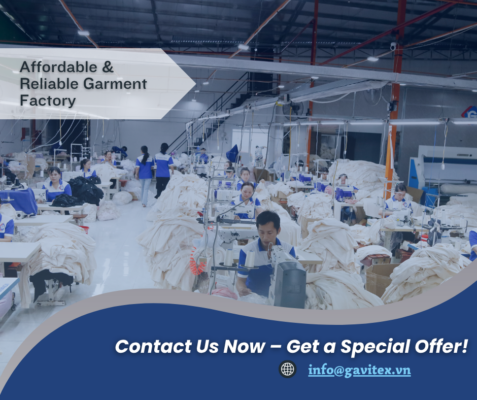
Understanding Garment Manufacturing Costs in Vietnam: A Detailed Breakdown
Understanding garment manufacturing costs in Vietnam is crucial for businesses seeking to optimize their sourcing strategies and maintain profitability. This section provides a detailed breakdown of the key cost components involved in producing garments in Vietnam, enabling buyers to make informed decisions and negotiate effectively with garment suppliers in Vietnam. By examining these factors, businesses can gain a comprehensive understanding of the financial landscape of Vietnamese garment production.
Several factors contribute to the overall cost of garment manufacturing in Vietnam. The primary cost drivers are labor, materials, overhead, and logistics. Let’s consider each element individually:
- Labor Costs: Vietnam boasts a competitive labor market, but it’s essential to understand the nuances of wage structures. Labor costs encompass wages for sewing operators, cutters, quality control personnel, and other factory staff. These wages are impacted by factors like skill level, experience, and regional variations. Understanding the average wage rates in different provinces is a key element of cost optimization. (e.g., wage expectations in Ho Chi Minh City can differ from those in smaller provinces).
- Material Costs: Fabrics, trims, and accessories represent a significant portion of the overall garment cost. Fabric prices are subject to market fluctuations based on raw material prices (cotton, polyester, etc.), yarn prices, and the complexity of the fabric construction. Trims and accessories costs depend on their quality, quantity, and whether they are sourced locally or imported. Establishing transparency in material sourcing and identifying cost-effective alternatives can lead to substantial savings.
- Overhead Costs: Overhead costs cover a range of expenses necessary for the operation of a garment factory. These include rent, utilities (electricity, water), factory maintenance, depreciation of equipment, administrative salaries, insurance, and compliance costs (social audits, environmental certifications). A transparent understanding of these overheads can contribute to a clearer picture of the overall cost structure.
- Shipping and Logistics Costs: Transportation of finished garments from the factory to the buyer’s destination involves various shipping and logistics costs. These costs include inland transportation (from factory to port), port handling charges, ocean or air freight, customs clearance, and import duties in the destination country. Optimizing shipping routes, consolidating shipments, and negotiating favorable freight rates are vital for managing logistics costs.
By carefully examining and managing each of these cost components, buyers can gain a competitive advantage and achieve sustainable sourcing from Vietnam’s garment industry.
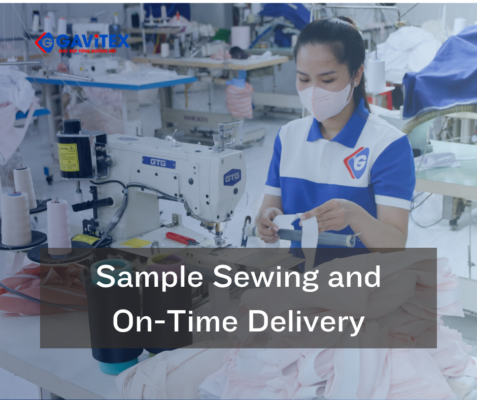
Curious about the costs involved in garment manufacturing in Vietnam? Get a detailed breakdown of all expenses and learn how to optimize your budget: Clothing Manufacturing Consulting.
Building Long-Term Relationships with Garment Suppliers in Vietnam for Sustainable Sourcing
Establishing long-term relationships with garment suppliers in Vietnam is crucial for sustainable sourcing, fostering mutual growth, and ensuring consistent quality and ethical practices. These relationships go beyond transactional interactions, evolving into strategic partnerships built on trust, transparency, and shared values. Cultivating such bonds allows overseas buyers to secure preferential treatment, access innovative solutions, and navigate potential challenges more effectively in the dynamic landscape of the Vietnamese garment industry.
To cultivate these sustainable partnerships, clear communication and expectations are paramount. Define your needs precisely, including specifications, deadlines, and quality standards. Regular communication, whether through video calls, emails, or in-person visits, fosters understanding and proactive problem-solving. For example, clearly communicating anticipated order volumes allows suppliers to plan production capacity effectively, avoiding potential delays.
Moreover, fair pricing and payment terms are vital for fostering trust and commitment. While cost-effectiveness is important, pushing suppliers to unsustainable price points can compromise quality, ethical labor practices, and ultimately, the long-term viability of the relationship. Consider offering fair payment terms, such as upfront deposits or progressive payments, to support the supplier’s cash flow and demonstrate your commitment.
Maintaining consistent quality and performance requires ongoing monitoring and feedback. Implement robust quality control processes, conduct regular factory audits, and provide constructive feedback to suppliers. A collaborative approach to quality improvement, where you work with the supplier to identify and address root causes of defects, strengthens the partnership and ensures consistent product quality.
Finally, collaboration and innovation are cornerstones of a successful long-term relationship. Encourage suppliers to propose new materials, technologies, or production methods that can improve efficiency, reduce costs, or enhance product quality. By embracing innovation together, you can stay ahead of the curve and gain a competitive advantage in the global garment market. Investing in these partnerships is not just about securing garment suppliers in Vietnam; it’s about investing in a sustainable and thriving future for your business.
Latest Trends and Innovations in Vietnam’s Garment Industry: Opportunities for Buyers
Vietnam’s garment industry is undergoing a dynamic transformation, presenting significant opportunities for buyers seeking innovative and competitive sourcing options. The industry is rapidly evolving, embracing new technologies, sustainable practices, and value-added services that go beyond traditional manufacturing. This section explores these key trends and innovations and how they can benefit businesses looking to partner with garment suppliers in Vietnam.
The surge in automation and digitalization is reshaping Vietnam’s apparel manufacturing landscape. Factories are investing heavily in advanced machinery, such as automated cutting and sewing systems, and data-driven inventory management. These technological advancements boost production efficiency, minimize waste, and ensure higher quality control. For buyers, this translates into faster turnaround times, reduced costs, and greater consistency in product quality from their garment suppliers in Vietnam.
Another significant trend is the growing emphasis on sustainability. Vietnamese manufacturers are increasingly adopting eco-friendly materials like organic cotton and recycled fabrics. They are also implementing sustainable production processes such as water conservation, waste reduction, and renewable energy usage. Partnering with suppliers committed to ethical and sustainable practices enhances brand reputation and caters to the rising consumer demand for eco-conscious apparel. overseas buyers recognizes this trend and is committed to facilitating connections with suppliers who prioritize environmental stewardship.
Furthermore, Vietnamese garment suppliers are expanding their service offerings beyond simple manufacturing. Many are now providing design and development support, offering private-label manufacturing and customization options. This shift enables buyers to collaborate closely with suppliers in creating unique and innovative products tailored to their specific market needs. Full-package suppliers are becoming increasingly prevalent, offering comprehensive solutions from design to delivery, streamlining the sourcing process.
Vietnam is also witnessing a rise in specialized manufacturing capabilities. Certain regions and factories are developing expertise in specific product categories, such as sportswear, outerwear, or technical textiles. This specialization allows buyers to tap into niche markets and access suppliers with in-depth knowledge and capabilities in their desired product area. Leveraging these specialized skills can result in higher quality, innovative designs, and competitive pricing.
Finally, the adoption of lean manufacturing principles is becoming increasingly common, with many suppliers optimizing their processes to eliminate waste and improve efficiency. This focus on continuous improvement leads to reduced lead times, lower costs, and greater flexibility in production. As a result, sourcing garments from Vietnam becomes a more agile and responsive option for buyers.
Common Challenges and Risks When Sourcing Garments from Vietnam (and How to Mitigate Them)
Sourcing garments from Vietnam, while offering numerous advantages, also presents potential challenges and risks that businesses need to be aware of and prepared to address. Understanding these obstacles and implementing proactive mitigation strategies is crucial for ensuring a smooth and successful sourcing experience with garment suppliers in Vietnam. This section delves into common pitfalls encountered during the sourcing process and offers practical solutions to overcome them.
One of the most frequently reported issues is quality control issues. These can range from inconsistencies in fabric quality and stitching to variations in sizing and finishing. To mitigate this, implement a robust quality control system that includes:
- Detailed specifications: Provide garment suppliers in Vietnam with clear and comprehensive technical specifications, including fabric composition, measurements, and acceptable tolerance levels.
- Pre-production samples: Require and thoroughly evaluate pre-production samples to ensure they meet your quality standards before mass production begins.
- In-line and final inspections: Conduct regular inspections throughout the production process, not just at the end, to identify and address any quality deviations early on. Using third-party inspection services can offer an unbiased assessment.
Another common challenge is production delays. Several factors can contribute to delays, including raw material shortages, factory capacity constraints, and unexpected events like natural disasters. To minimize the risk of delays:
- Thorough due diligence: Research and select garment suppliers in Vietnam with a proven track record of on-time delivery and adequate production capacity.
- Realistic lead times: Negotiate realistic production lead times, taking into account potential delays and buffer time.
- Regular communication: Maintain consistent communication with your garment suppliers to monitor production progress and address any potential issues promptly.
Communication barriers stemming from language differences and cultural nuances can also pose a significant challenge. Overcoming these barriers requires:
- Clear and concise communication: Use simple and unambiguous language, avoiding jargon and idioms that may not translate well.
- Professional translators: Employ professional translators or interpreters to facilitate communication and ensure accurate understanding.
- Cultural sensitivity: Be mindful of Vietnamese business culture and etiquette, and be patient and respectful in your interactions.
Finally, intellectual property protection is a critical concern when sourcing garments from Vietnam. Safeguarding your designs and preventing counterfeiting requires:
- Non-disclosure agreements (NDAs): Sign NDAs with your garment suppliers to protect your confidential information.
- Trademark and patent registration: Register your trademarks and patents in Vietnam to legally protect your intellectual property.
- Regular monitoring: Monitor the market for counterfeit products and take legal action against infringers.
By proactively addressing these potential challenges and risks, businesses can minimize disruptions, protect their interests, and foster successful and sustainable garment sourcing relationships with suppliers in Vietnam.
Because “garment supplier” can mean anything from a CMT contractor to a full-package OEM factory, Vietnam Biz Rep helps overseas buyers identify which arrangement fits their needs and verifies the supplier’s legitimacy before you commit — including factory audits, sample coordination, and production follow-up. Learn more on our clothing sourcing agent page, or contact Vietnam Biz Rep to discuss your sourcing requirements.
Frequently Asked Questions: Garment Suppliers in Vietnam
What’s the difference between a “garment supplier” and a “clothing manufacturer” in Vietnam?
In practice the terms are often used interchangeably in the industry; this guide covers the supplier landscape broadly, while our OEM, private label, and CMT guides cover specific manufacturing arrangements in more depth.
How do I verify a garment supplier’s legitimacy before ordering?
As covered in the verification section above, check business registration, request or arrange a factory audit, and confirm references — this is exactly the type of verification Vietnam Biz Rep performs on behalf of buyers.
Does Vietnam Biz Rep supply or manufacture garments directly?
No. Vietnam Biz Rep is a buyer-side sourcing, verification, and quality-control partner — we help you find and vet garment suppliers in Vietnam; we are not a supplier or factory ourselves.
Once you’ve selected a garment supplier, ongoing on-the-ground coordination matters too — see our guide to working with a Vietnam manufacturing representative for continuous quality oversight and communication.
