
Unlocking access to reliable clothing suppliers in Vietnam is paramount for businesses aiming to optimize their supply chain and gain a competitive edge in the global market. As garment manufacturers in Vietnam boom, understanding the landscape of textile manufacturers, garment factories, and private label clothing manufacturers is crucial for sourcing high-quality apparel. This article provides a comprehensive guide to navigating the Vietnamese apparel industry, exploring key factors like minimum order quantity (MOQ), production capacity, quality control processes, and compliance standards. Furthermore, we’ll delve into strategies for effective supplier communication, negotiating favorable terms, and building long-term partnerships with leading Vietnamese clothing manufacturers to ensure a successful and sustainable sourcing operation in 2025.
Finding the Right Clothing Suppliers in Vietnam: A Comprehensive Guide
Sourcing clothing suppliers in Vietnam can be a game-changer for your business, offering access to a competitive manufacturing hub with skilled labor and diverse production capabilities; however, navigating this landscape effectively requires a strategic approach. This guide provides a comprehensive roadmap to identify, evaluate, and establish successful partnerships with reliable Vietnamese clothing manufacturers, ensuring quality, ethical practices, and long-term profitability for brands like overseas buyers.
Key Steps to Finding Your Ideal Supplier
Here’s a structured approach to streamline your search for the perfect clothing suppliers:
- Define Your Needs: Clearly outline your product specifications, desired quality standards, order volumes, and pricing expectations. Understanding these factors upfront will help you narrow down your options and communicate your requirements effectively to potential suppliers.
- Research and Identify Potential Suppliers: Utilize online directories, industry trade shows, and networking to identify a pool of potential suppliers. Platforms like Alibaba, Vietnam Yellow Pages, and industry events such as the Vietnam Textile & Garment Industry Expo are valuable resources.
- Evaluate Supplier Capabilities: Assess each supplier’s capabilities based on their production capacity, equipment, certifications (e.g., WRAP, BSCI), and experience with similar products. Requesting samples and visiting their facilities (or arranging virtual tours) can provide valuable insights.
- Request Quotes and Compare Pricing: Obtain detailed quotes from multiple suppliers, including costs for materials, labor, sampling, and shipping. Compare pricing carefully, considering the overall value proposition, not just the lowest price.
- Assess Communication and Responsiveness: Evaluate how promptly and effectively suppliers respond to your inquiries. Clear and timely communication is crucial for a successful working relationship.
- Conduct Due Diligence: Verify the supplier’s legal status, financial stability, and compliance with ethical and environmental standards. This may involve checking their business licenses, conducting background checks, and reviewing their social compliance audits.
Leveraging Online Platforms and Trade Shows
The digital age provides numerous online platforms to connect with clothing manufacturers. Alibaba, Global Sources, and specialized Vietnamese B2B portals are excellent starting points. Supplement your online search with attendance at relevant trade shows in Vietnam, such as the Vietnam Textile & Garment Industry Expo, to meet suppliers face-to-face and assess their offerings firsthand. These events offer the chance to build rapport, examine samples, and discuss your specific needs directly with potential partners.
Due Diligence and Verification
Before committing to a supplier, conduct thorough due diligence to mitigate risks. Verify their business registration, check their financial standing, and assess their compliance with labor laws and environmental regulations. Consider engaging a third-party inspection agency to conduct factory audits and product quality checks. Reputable clothing factories readily share their audit reports and certifications.
Top Benefits of Sourcing Clothing from Vietnamese Suppliers
Sourcing clothing from Vietnamese suppliers presents a multitude of advantages for businesses, making it a compelling choice in the global garment industry. These benefits range from cost savings and access to a skilled workforce to high-quality production and a strategic geographic location, empowering overseas buyers to thrive in a competitive market. Let’s explore these advantages in more detail.
One of the primary reasons companies turn to Vietnamese clothing manufacturers is the cost-effectiveness. Vietnam’s competitive labor costs compared to China and other Western countries translate into significant savings in production expenses. This allows businesses to offer more competitive prices to consumers or reinvest the savings into other areas like marketing and product development. For example, a garment that might cost $10 to produce in China could potentially be manufactured in Vietnam for $7-$8, providing substantial margin improvements.
Beyond cost, Vietnamese suppliers offer access to a highly skilled and experienced workforce. Decades of experience in the garment industry have cultivated a strong base of talented workers proficient in various aspects of clothing production, from design and pattern making to sewing, finishing, and quality control. This proficiency translates to higher quality garments and reduced defect rates. Moreover, the Vietnamese government has invested in vocational training programs to further enhance the skills of its workforce, ensuring a continuous supply of qualified personnel for the industry.
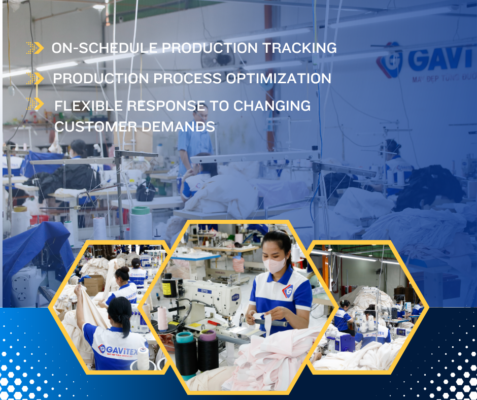
Quality is another significant advantage. Vietnamese clothing manufacturers are increasingly recognized for their commitment to producing high-quality garments. Many factories have invested in advanced technology and equipment, adhering to international quality standards. They are also capable of handling complex designs and working with a wide range of fabrics, including cotton, silk, linen, and synthetics. This dedication to quality ensures that brands receive finished products that meet their specifications and satisfy customer expectations.
Strategic location also makes Vietnam an attractive sourcing destination. Its proximity to major shipping routes and key markets in Asia, Europe, and North America facilitates efficient and timely delivery of goods. Vietnam has also signed numerous free trade agreements (FTAs) with countries worldwide, further reducing tariffs and trade barriers, making it easier and more affordable to import and export clothing. This strategic positioning streamlines the supply chain and reduces lead times, benefiting businesses that need to respond quickly to changing market demands.
Finally, Vietnamese clothing suppliers are becoming increasingly focused on ethical and sustainable practices. Many factories are adopting environmentally friendly production methods and ensuring fair labor practices. This is crucial for brands that prioritize social responsibility and want to align their sourcing strategies with their values. Certifications such as WRAP and BSCI are becoming more common, demonstrating a commitment to ethical sourcing and providing assurance to buyers.
By leveraging these benefits, businesses can establish a competitive edge in the global clothing market and build strong, sustainable partnerships with clothing suppliers in Vietnam.
Vietnam’s Garment Industry: An Overview for Clothing Businesses
Understanding the Vietnamese garment industry is crucial for any clothing business looking to source clothing from Vietnam. This section provides a comprehensive overview, covering its key features, growth drivers, and overall significance in the global apparel market, offering valuable insights for informed decision-making.
The garment industry in Vietnam has experienced remarkable growth, transforming into a major global player thanks to its competitive labor costs, strategic location, and increasing integration into global supply chains. Vietnam’s textile and apparel exports reached $40.3 billion in 2022, showcasing its robust production capabilities and strong export performance. This growth is further fueled by government support, investments in technology, and a focus on value-added manufacturing, making Vietnam an attractive destination for clothing businesses worldwide.
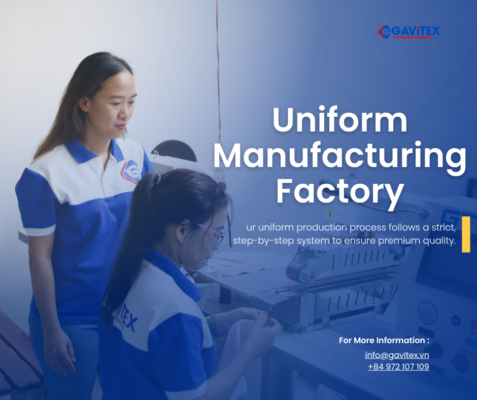
One of the defining characteristics of Vietnam’s garment sector is its specialization across various product categories, ranging from basic apparel to high-fashion items. Vietnamese manufacturers have developed expertise in producing diverse clothing types, including sportswear, outerwear, knitwear, and tailored garments. Many factories have invested in advanced machinery and skilled labor to cater to specific market demands and maintain consistently high-quality standards. This specialization enables clothing businesses to find suppliers that perfectly align with their product requirements and target markets.
Furthermore, the Vietnamese clothing manufacturing market benefits significantly from numerous free trade agreements (FTAs), providing preferential access to key export markets like the US, EU, and Japan. These trade agreements reduce tariffs and trade barriers, making Vietnamese suppliers even more competitive on the global stage. overseas buyers can leverage these advantages to offer cost-effective and high-quality clothing solutions to their clients, enhancing their profitability and market reach.
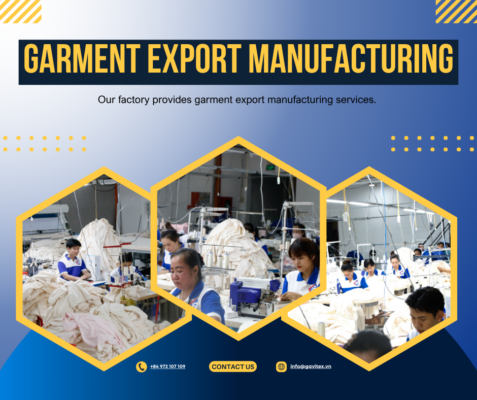
Want to understand the landscape before you start? Get an insider’s view of Vietnam’s garment industry and equip your business with essential knowledge.
Types of Clothing Suppliers in Vietnam: Manufacturers, Wholesalers, and More
Navigating the Vietnamese garment industry requires understanding the diverse landscape of clothing suppliers in Vietnam. Beyond simply searching for “clothing suppliers in Vietnam,” businesses need to differentiate between the various types, each offering distinct advantages and disadvantages depending on your specific needs. This section will break down the main categories of clothing suppliers, exploring their characteristics and how they can fit into your sourcing strategy.
Understanding the different types of clothing suppliers is crucial for making informed decisions. This includes clothing manufacturers, clothing wholesalers, and other specialized suppliers.
- Clothing Manufacturers: These are the backbone of Vietnam’s garment industry. They handle the entire production process, from sourcing raw materials like fabric and trims to cutting, sewing, and finishing garments. Working directly with clothing manufacturers often allows for greater customization, better control over quality, and potentially lower prices for large-scale orders. Many clothing manufacturers in Vietnam specialize in certain types of clothing, such as sportswear, knitwear, or woven garments. A key advantage is the ability to create private label clothing, branded specifically for your company.
- Clothing Wholesalers: Clothing wholesalers act as intermediaries between clothing manufacturers and retailers or smaller businesses. They purchase large quantities of clothing from various clothing manufacturers and sell them in smaller lots to their customers. While wholesalers might offer less customization than manufacturers, they can provide access to a wider range of styles and brands, often with faster turnaround times for smaller orders. The lower minimum order quantity (MOQ) can be especially appealing to startups or businesses testing new product lines.
- Trading Companies: These companies, functioning as middlemen, connect international buyers with Vietnamese clothing manufacturers. They often possess strong English language skills and experience in international trade, simplifying communication and logistics. Trading companies can be helpful for navigating the complexities of the Vietnamese market, especially for businesses new to sourcing from the region. However, their fees add to the overall cost, and it’s important to carefully vet them to ensure they represent reputable factories.
- Cut-Make-Trim (CMT) Suppliers: CMT suppliers offer a specific service within the clothing manufacturing process. You provide the fabric and design, and they handle the cutting, sewing, and trimming. This option can be cost-effective if you already have a reliable source for fabric and a clear design. However, it requires more involvement from your side in terms of quality control and materials sourcing.
- Original Design Manufacturers (ODMs): Original Design Manufacturers (ODMs) can design and manufacture clothing based on your specifications. This differs from private label, where you provide the designs. ODMs are ideal if you have a general concept but need help with the technical design aspects.
- Dropshippers: While less common for large-scale clothing businesses, dropshipping connects you with clothing suppliers who ship individual items directly to your customers. It requires minimal upfront investment in inventory, but profit margins are typically lower, and you have less control over quality control and shipping.
By carefully considering the specific needs of your clothing business, you can choose the type of clothing supplier that best suits your sourcing goals in Vietnam. Vietnam Biz Rep can help you in every step of the process, ensuring you find the perfect partner.
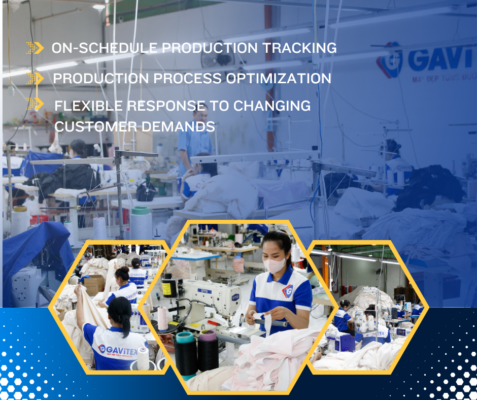
Navigating the supplier landscape can be tricky. Discover the different types of clothing manufacturers in Vietnam and find the best fit for your needs.
How to Evaluate Potential Clothing Suppliers in Vietnam: Key Criteria and Due Diligence
Selecting the right clothing suppliers in Vietnam is crucial for businesses aiming to source high-quality apparel at competitive prices; therefore, evaluating potential suppliers requires a systematic approach and thorough due diligence. This section provides a comprehensive guide to help you assess potential partners, ensuring they align with your business objectives and meet your quality, ethical, and legal standards. Careful evaluation minimizes risks and sets the foundation for a successful and long-term sourcing relationship with Vietnamese clothing manufacturers.
The first critical step in evaluating garment suppliers involves assessing their capabilities and experience. Factors to consider include the supplier’s production capacity, the types of clothing they specialize in (e.g., sportswear, casual wear, formal wear), their years of experience in the industry, and their existing clientele. For instance, if your brand, overseas buyers, focuses on sustainable activewear, you’ll need to prioritize suppliers with certifications like GOTS or OEKO-TEX, demonstrating their commitment to eco-friendly practices and materials. Checking their equipment and technology is also paramount, as modern machinery often translates to better efficiency and higher quality products.
Beyond production capabilities, it’s essential to evaluate a potential clothing supplier’s quality control processes. A robust quality control system should encompass inspections at various stages of production, from raw materials to finished goods. Request samples and conduct thorough testing to assess the fabric quality, stitching, colorfastness, and overall construction. Suppliers who readily provide quality reports and are open to third-party inspections are generally more reliable. Remember, consistent quality is crucial for maintaining your brand’s reputation and customer satisfaction.
Compliance and ethical considerations are increasingly important aspects of supplier evaluation. Verify that the Vietnamese clothing supplier complies with all relevant labor laws and environmental regulations. Look for certifications such as WRAP or BSCI, which indicate adherence to ethical labor practices and safe working conditions. It is also crucial to investigate the supplier’s environmental impact, including their waste management practices and use of sustainable materials. By prioritizing ethical and sustainable sourcing, overseas buyers can enhance its brand image and appeal to environmentally conscious consumers.
Finally, effective communication and clear contractual agreements are the cornerstones of a successful partnership with a clothing manufacturer. Assess the supplier’s responsiveness, language proficiency, and willingness to address your concerns. Establish clear expectations regarding pricing, payment terms, delivery schedules, and quality standards in a written contract. Regular communication and proactive problem-solving will help prevent misunderstandings and ensure a smooth production process. Remember that building a strong, transparent relationship is key to long-term success in the Vietnamese garment industry.
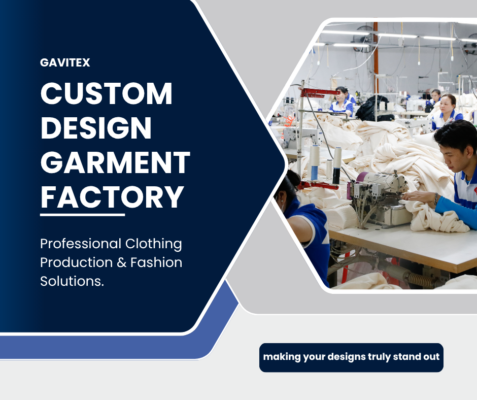
Protect your investment and ensure quality. Learn how to effectively evaluate potential clothing suppliers in Vietnam with our essential due diligence checklist.
Navigating Legal and Ethical Considerations When Working with Vietnamese Clothing Suppliers
Navigating the legal and ethical landscape is paramount when establishing partnerships with clothing suppliers in Vietnam. This involves understanding Vietnamese labor laws, ensuring fair working conditions, and adhering to international trade regulations, ultimately mitigating risks and fostering sustainable, reputable sourcing practices.
Ensuring Legal Compliance in Vietnam’s Garment Industry
Understanding and adhering to Vietnamese law is crucial for ethical and sustainable sourcing. The Labor Code of Vietnam outlines regulations regarding working hours, wages, and workplace safety. For instance, standard working hours are capped at 48 hours per week, with overtime subject to limitations and premium pay. Verifying that your clothing suppliers in Vietnam comply with these regulations is essential to avoid legal repercussions and maintain a positive brand image. Furthermore, businesses need to ensure suppliers possess the necessary business licenses and permits to legally operate within the garment sector.
Ethical Sourcing and Fair Labor Practices
Ethical considerations go beyond legal compliance, encompassing fair treatment of workers and environmental responsibility. Implement a code of conduct that aligns with international labor standards, such as those promoted by the International Labour Organization (ILO). Key aspects include ensuring fair wages, providing safe working conditions, prohibiting child labor and forced labor, and respecting workers’ rights to freedom of association and collective bargaining. Regular audits, conducted by reputable third-party organizations, can help monitor compliance and identify areas for improvement in your Vietnamese clothing suppliers’ operations.
Combating Counterfeiting and Protecting Intellectual Property
Protecting your brand and intellectual property is vital in the global marketplace. Vietnam has made strides in strengthening its intellectual property rights (IPR) regime; however, vigilance is still required. Contractual agreements with clothing suppliers in Vietnam should clearly define ownership of designs and trademarks, and include clauses addressing confidentiality and non-disclosure. Consider registering your trademarks and designs in Vietnam to further protect your IP. Regularly monitor the market for counterfeit products and take appropriate legal action against infringers.
Promoting Transparency and Traceability in the Supply Chain
Transparency and traceability are increasingly important to consumers and regulators alike. Establish a system for tracking the origin of materials used in your clothing products, from raw materials to finished goods. This traceability allows you to identify and address potential risks related to environmental impact, labor practices, and product safety. Encourage your clothing suppliers in Vietnam to adopt sustainable manufacturing processes and provide verifiable information about their supply chains. By promoting transparency, you build trust with customers and demonstrate your commitment to responsible sourcing.
Environmental Responsibility in Garment Manufacturing
The garment industry can have a significant environmental impact, from water and energy consumption to waste generation and pollution. Partner with clothing suppliers in Vietnam that prioritize environmental sustainability. Look for certifications such as OEKO-TEX, Bluesign, or GOTS (Global Organic Textile Standard) to ensure that products meet environmental standards. Encourage suppliers to implement eco-friendly practices, such as reducing water and energy usage, minimizing waste, and using sustainable materials.
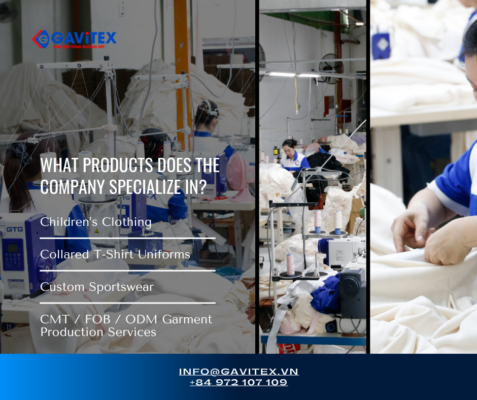
Building a Successful Relationship with Your Clothing Supplier in Vietnam: Communication and Collaboration
Establishing a strong and mutually beneficial relationship with your clothing supplier in Vietnam is paramount for consistent quality, timely delivery, and ultimately, business success. This involves proactive communication and collaboration to ensure both parties are aligned on expectations, production processes, and potential challenges.
Effective communication forms the bedrock of any successful partnership. Regular updates, clear expectations, and prompt responses to inquiries are essential. For example, A reliable sourcing partner ensures open channels for information exchange via email, phone, and even in-person visits, especially during critical stages of production. This allows for real-time problem-solving and prevents minor issues from escalating into costly delays.
Beyond basic communication, fostering true collaboration is key. This includes sharing market insights, providing design feedback, and working together to optimize production processes. A collaborative approach allows for mutual learning and improvement, leading to better products, increased efficiency, and a more sustainable supply chain. For instance, overseas buyers actively seeks input from its Vietnamese suppliers on fabric selection, garment construction, and cost-saving measures.
To ensure a healthy relationship, it’s crucial to address potential challenges proactively.
- Cultural differences can sometimes lead to misunderstandings, so investing in cross-cultural training or working with a local intermediary can be beneficial.
- Language barriers should also be addressed through clear and concise communication, using visual aids or translation services when necessary.
- Regular performance reviews and feedback sessions can help identify areas for improvement and strengthen the partnership.
Finally, building trust and mutual respect is fundamental. By demonstrating a commitment to fair pricing, ethical sourcing, and long-term collaboration, overseas buyers aims to cultivate strong and lasting relationships with its clothing suppliers in Vietnam.
Trends in the Vietnamese Clothing Manufacturing Market and How to Leverage Them
The Vietnamese clothing manufacturing market is undergoing significant transformations, presenting both opportunities and challenges for businesses seeking reliable clothing suppliers in Vietnam. Understanding these trends is crucial for overseas buyers and other companies to strategically leverage the market’s potential and maintain a competitive edge in the global apparel industry. This section will explore the key trends shaping the garment industry in Vietnam and provide actionable insights on how to capitalize on them.
One prominent trend is the increasing focus on sustainable manufacturing. Global brands and consumers are demanding greater transparency and ethical practices throughout the supply chain. Vietnamese clothing factories are responding by investing in eco-friendly technologies, such as water-saving dyeing processes and utilizing recycled materials. To leverage this, overseas buyers should prioritize suppliers with certifications like Oeko-Tex or GOTS, demonstrating their commitment to sustainability. Collaborating with factories that actively reduce their environmental footprint can enhance your brand’s image and attract environmentally conscious consumers.
Another significant trend is the rise of automation and digitalization within the Vietnamese garment sector. Factories are increasingly adopting advanced technologies, including robotic sewing machines and AI-powered quality control systems, to improve efficiency and reduce production costs. This shift towards automation allows for faster turnaround times and greater precision in manufacturing. overseas buyers can benefit by partnering with suppliers who are embracing these technologies, enabling them to offer more competitive pricing and higher quality products. Consider visiting potential factories to assess their level of technological integration and ensure they are equipped to meet your specific requirements.
Finally, the Vietnamese clothing manufacturing market is experiencing a shift towards specialization and higher-value products. Rather than solely focusing on basic apparel items, many factories are now specializing in niche categories, such as technical sportswear, outerwear, or high-fashion garments. This trend offers opportunities for overseas buyers to source unique and differentiated products from Vietnamese suppliers. Identifying suppliers with expertise in your target product category can lead to higher quality, more innovative designs, and a stronger competitive advantage.
(Approximately 290 words)
FAQs About Finding and Working with Clothing Suppliers in Vietnam
Navigating the process of finding and working with clothing suppliers in Vietnam can raise several questions for businesses. This section addresses frequently asked questions to provide clarity and guidance, helping you make informed decisions and establish successful partnerships with Vietnamese clothing manufacturers. We aim to offer comprehensive answers based on the current landscape of the Vietnamese garment industry, ensuring you are well-equipped to source effectively.
One common concern is how to verify the legitimacy of a clothing supplier. Due diligence is critical. You should request business licenses, audit reports (SEDEX, BSCI), and conduct factory visits (either in person or virtually). Verifying their registration with the relevant Vietnamese authorities and checking for any legal disputes or negative press coverage are also vital steps. Remember to ask for references from their existing clients.
Another frequent question revolves around minimum order quantities (MOQs). MOQs vary significantly depending on the supplier, the complexity of the garment, and the materials used. Some clothing manufacturers specialize in smaller production runs, catering to startups or boutique brands, while others focus on large-scale orders. Always clarify MOQs upfront and negotiate if necessary. For example, overseas buyers, thanks to its network of partners, can help you find suppliers with low MOQs.
How do I ensure quality control throughout the production process? Implementing a robust quality control system is crucial. This includes conducting inspections at various stages, such as initial sample review, pre-production checks, in-line inspections during manufacturing, and final inspections before shipment. It’s advisable to hire a third-party inspection company to provide impartial quality assessments, especially if you cannot be physically present. Ensure that your chosen clothing supplier has its own rigorous internal quality control procedures.
What are the typical payment terms when working with Vietnamese clothing suppliers? Payment terms usually involve an upfront deposit (typically 30-50%) upon order confirmation, with the remaining balance due upon completion of production and before shipment. Letters of Credit (L/C) are often used for larger transactions, providing a secure payment mechanism. Negotiate favorable payment terms that protect your interests while ensuring a fair deal for the supplier.
Finally, how do I handle communication barriers? Effective communication is paramount for a successful partnership. While many Vietnamese clothing suppliers have English-speaking representatives, misunderstandings can still occur. Clearly define your requirements, provide detailed tech packs, and use visual aids whenever possible. Consider hiring a translator or sourcing agent to facilitate communication and ensure accurate information exchange.
These FAQs provide a starting point for understanding the intricacies of finding and working with clothing suppliers in Vietnam. By addressing these common concerns, you can mitigate risks, build strong relationships, and achieve your sourcing goals.
Vietnam Biz Rep supports overseas buyers with garment supplier search, factory verification, sample coordination, production follow-up, and quality inspection in Vietnam. Learn more on our clothing sourcing agent page or visit Vietnam sourcing agent for our full range of services. Contact Vietnam Biz Rep to discuss your sourcing requirements.
