

Securing reliable clothing manufacturers in Vietnam is paramount for businesses aiming to optimize their supply chain, and in 2025, the demand for quality and efficient production remains higher than ever. This guide delves into the landscape of garment manufacturers in Vietnam, providing crucial insights into identifying the right partners for your specific needs. We’ll explore key factors like manufacturing capabilities, ethical sourcing, production costs, quality control processes, and supply chain logistics. Navigate the Vietnamese apparel industry with confidence and discover how to leverage its potential for your brand, ensuring both profitability and sustainability within the global market.
Finding the Right Clothing Manufacturers in Vietnam: A Comprehensive Guide
Navigating the landscape of clothing manufacturers in Vietnam can be complex, but this comprehensive guide aims to simplify the process of finding the right clothing manufacturers. Identifying a suitable partner is crucial for brands seeking quality apparel production, competitive pricing, and reliable supply chains in this dynamic Southeast Asian market. With careful research and strategic planning, businesses can successfully source clothing from Vietnam, ensuring their specific production needs are met. Note that this guide focuses specifically on production factories; if you’re still comparing sourcing channels more broadly — including trading companies and sourcing agents — see our wider garment suppliers in Vietnam guide first.
Vietnam has emerged as a global hub for textile and apparel manufacturing, offering a diverse range of factories specializing in various product categories and production capabilities. To find the right clothing manufacturers, businesses must first define their specific requirements, including the type of apparel they intend to produce (e.g., sportswear, casual wear, formal wear), the desired quality standards, and the target price points. Consider the manufacturer’s specialization; some excel in knitwear, while others focus on woven garments or intricate embroidery.
Effective strategies for finding clothing manufacturers in Vietnam include:
- Online directories and B2B platforms: Utilize platforms such as Alibaba, Global Sources, and Vietnam Yellow Pages to identify potential manufacturers. These platforms often provide company profiles, product listings, and contact information, facilitating initial screening.
- Trade shows and industry events: Attend trade shows like the Vietnam International Textile & Garment Industry Exhibition (VTG) to meet manufacturers face-to-face, assess their capabilities, and establish relationships. These events offer a valuable opportunity to network and gather insights into the latest industry trends.
- Sourcing agents and consultants: Engage reputable sourcing agents or consultants with expertise in the Vietnamese apparel industry. These professionals can leverage their networks and knowledge to identify suitable manufacturers, negotiate pricing, and manage the production process.
- Referrals and recommendations: Seek referrals from industry peers, business partners, or trade associations. Recommendations from trusted sources can provide valuable insights into the reliability and quality of potential manufacturers.
Once you have identified a list of potential clothing manufacturers, thorough due diligence is essential. This involves verifying their credentials, assessing their production capabilities, and evaluating their compliance with ethical and environmental standards. The next step is to delve into the crucial process of vetting and selecting the most suitable manufacturer for your specific requirements, which will be addressed in detail in a later section of this guide.
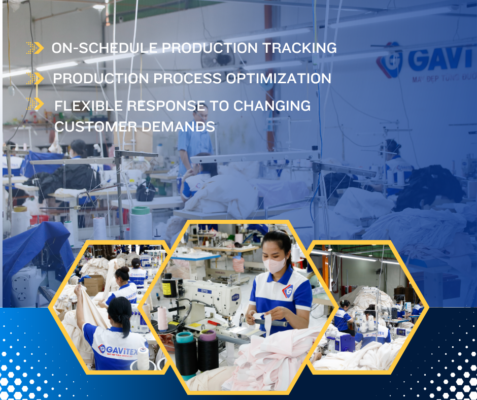
Want a comprehensive list of reliable partners? Explore our guide to finding the best clothing sourcing agent in Vietnam.
Why Vietnam? Key Advantages of Manufacturing Clothing in Vietnam
Vietnam has emerged as a prominent hub for clothing manufacturers, attracting businesses worldwide seeking cost-effective and high-quality production. The country’s strategic location, stable political climate, and skilled workforce contribute to its growing appeal within the global textile and apparel industry. Understanding the specific advantages Vietnam offers is crucial for companies considering establishing or expanding their manufacturing operations in the region.
Several factors contribute to the attractiveness of Vietnam as a manufacturing base. Firstly, Vietnam’s competitive labor costs are significantly lower than those in China and other developed nations, translating into substantial savings for businesses. Secondly, the Vietnamese government actively promotes foreign investment through various incentives, including tax breaks and streamlined regulatory processes, further enhancing the country’s appeal. Finally, Vietnam’s strategic location within Southeast Asia facilitates access to major global markets, making it an ideal export hub.
- Cost-Effectiveness: One of the most compelling reasons to manufacture clothing in Vietnam is the significantly lower labor costs compared to other manufacturing hubs. This allows businesses to achieve substantial cost savings without compromising on quality. For example, labor costs in Vietnam can be up to 50% lower than in China.
- Skilled Workforce: Vietnam boasts a large and increasingly skilled workforce with a strong work ethic. The country’s education system emphasizes vocational training, ensuring a steady supply of qualified workers for the garment industry. This translates to higher productivity and reduced training costs for manufacturers.
- Government Support: The Vietnamese government actively encourages foreign investment through various incentives, including tax breaks, streamlined regulatory processes, and infrastructure development. These policies create a favorable business environment for manufacturers looking to establish or expand their operations in Vietnam.
- Strategic Location: Vietnam’s strategic location in Southeast Asia provides easy access to major global markets, including the United States, Europe, and Asia. This allows manufacturers to efficiently export their products to customers worldwide.
- Trade Agreements: Vietnam has signed numerous free trade agreements (FTAs) with key trading partners, further reducing tariffs and trade barriers. The Comprehensive and Progressive Agreement for Trans-Pacific Partnership (CPTPP) and the EU-Vietnam Free Trade Agreement (EVFTA) provide preferential access to these important markets, boosting the competitiveness of Vietnamese clothing manufacturers.
- Established Infrastructure: Vietnam has made significant investments in infrastructure development, including ports, roads, and power grids. These improvements facilitate the efficient movement of goods and materials, reducing transportation costs and lead times.
By leveraging these advantages, businesses can achieve significant cost savings, enhance product quality, and gain a competitive edge in the global clothing market by partnering with reliable clothing manufacturers in Vietnam, such as overseas buyers.
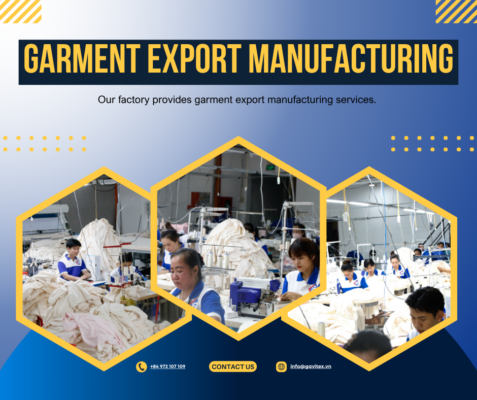
Discover why Vietnam is a rising star in apparel manufacturing. Read more about the key advantages of apparel export production in Vietnam.
Types of Clothing Manufacturers in Vietnam: Finding Your Niche
Identifying the right types of clothing manufacturers in Vietnam is crucial for businesses aiming to establish a successful apparel sourcing strategy. Understanding the diverse range of garment factories in Vietnam, from specialized workshops to large-scale enterprises, allows businesses to align their production needs with the capabilities and expertise of potential partners. This strategic alignment ensures efficient production, quality control, and ultimately, a competitive edge in the global fashion market. The garment industry of Vietnam, as a key player in textile production, offers varied specializations.
To successfully navigate the landscape of clothing manufacturers in Vietnam, it’s essential to understand the different categories of manufacturers and their specific strengths. Here’s a breakdown to help you find the right fit for your brand, overseas buyers:
-
Cut-Make-Trim (CMT) Manufacturers: CMT manufacturers are responsible for the basic operations of cutting, making, and trimming garments. They work with materials and designs provided by the client. CMT is a good option if you already have established designs and sources for fabrics and trims. It is an attractive option for businesses looking to reduce costs by managing material procurement themselves.
-
Original Equipment Manufacturers (OEM): OEM manufacturers handle the entire production process, from sourcing materials to manufacturing the final product, based on the client’s designs and specifications. This type is ideal for businesses seeking a comprehensive manufacturing solution. OEM factories in Vietnam have evolved to offer more design and customization options.
-
Original Design Manufacturers (ODM): ODM manufacturers offer a full-service solution, including design, development, and manufacturing. This is suitable for businesses that want to launch a clothing line but need assistance with design and product development. ODMs can provide valuable insights into current trends and market demands.
-
Specialized Manufacturers: Many Vietnamese clothing manufacturers specialize in specific types of clothing, such as sportswear, children’s wear, or formal wear. Identifying manufacturers with expertise in your niche ensures higher quality and specialized knowledge of materials and construction techniques. The Vietnamese textile industry has become increasingly sophisticated in producing niche products, such as technical textiles.
-
Boutique Manufacturers: Catering to smaller brands and startups, boutique manufacturers offer flexibility and lower Minimum Order Quantities (MOQs). These smaller factories are often more adaptable to unique designs and personalized service, but may have higher per-unit costs compared to larger factories. They are a particularly good fit for emerging brands looking for greater collaboration.
By understanding these distinct types of clothing manufacturers, overseas buyers can effectively narrow down the search and establish partnerships that align with its specific production needs, budget, and design requirements.
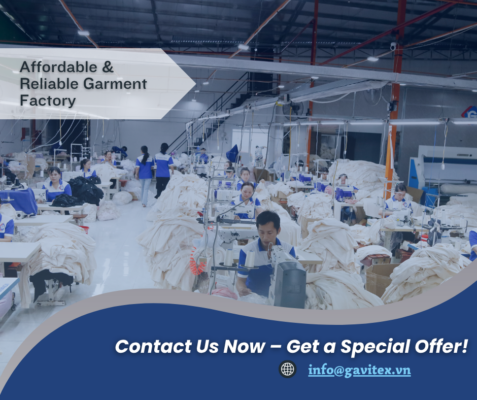
Not all manufacturers are created equal. Uncover the different types of manufacturers and find your niche with an OEM clothing manufacturer in Vietnam.
Due Diligence: Vetting and Selecting Clothing Manufacturers in Vietnam
Choosing the right clothing manufacturers in Vietnam requires rigorous due diligence to ensure a successful and sustainable partnership. This process goes beyond simply finding a factory; it’s about carefully assessing potential partners to align with your brand’s values, quality standards, and long-term goals. Thorough vetting minimizes risks, protects your brand reputation, and ultimately contributes to a profitable and ethical supply chain.
Initial Screening and Information Gathering: The first step involves creating a long list of potential garment manufacturers through online research, industry directories, and referrals. Examine their websites, paying close attention to their product range, manufacturing capabilities, certifications (e.g., WRAP, BSCI), and client portfolio. Request introductory information such as company profiles, factory photos, and sample products to evaluate their initial suitability.
Factory Audits and Site Visits: Once you have a shortlist, conduct on-site factory audits to assess their operational capabilities, quality control processes, and working conditions firsthand. This could involve either self-assessment checklists, or enlisting third-party inspection services to conduct comprehensive audits. SMETA (Sedex Members Ethical Trade Audit) and Amfori BSCI are common standards used to evaluate social compliance. Observe the factory layout, machinery, worker treatment, and safety protocols. Verify claims made in their initial documentation by comparing them with on-the-ground realities.
Quality Control and Production Capacity: Evaluate the manufacturer’s quality control systems throughout the entire production process, from fabric sourcing to final inspection. Ask for detailed quality control manuals, inspection reports, and corrective action plans. Investigate their production capacity, lead times, and ability to handle your specific order volumes. Request samples of their previous work, test them rigorously for durability and compliance with your quality standards, and compare them against your design specifications.
Financial Stability and Legal Compliance: Assessing the financial stability of potential clothing manufacturers in Vietnam is critical to minimize the risk of production delays or disruptions. Request financial statements, credit reports, and references from previous clients to assess their financial health. Confirm they have all the necessary licenses and permits to operate legally in Vietnam, including environmental permits, labor permits, and business registration certificates.
References and Communication: Contact previous clients of the clothing factory to gather feedback on their experience working with them. Ask about their communication skills, responsiveness to issues, and overall reliability. Clear and consistent communication is essential for a successful partnership. During discussions, assess their English proficiency and willingness to accommodate your needs.
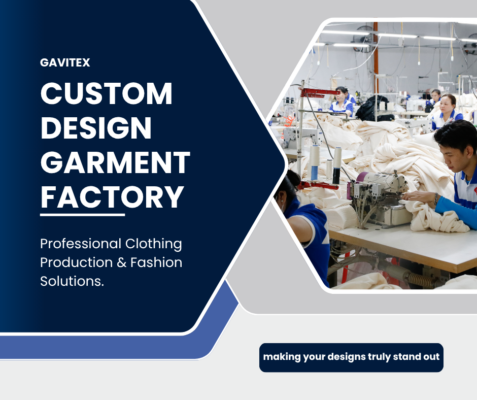
Protect your investment! Learn the best practices for vetting and selecting manufacturers, including key manufacturing standards in Vietnam.
Navigating the Manufacturing Process: From Design to Delivery in Vietnam
Successfully navigating the manufacturing process in Vietnam, from initial design to final delivery, requires a clear understanding of each stage and effective communication. This section will guide you through the key steps involved in clothing production in Vietnam, ensuring a smooth and efficient process for your brand, focusing on critical elements such as sampling, production oversight, quality control and supply chain considerations to deliver high-quality garments that meet your specifications. Understanding these processes is paramount for businesses seeking reliable clothing manufacturers in Vietnam.
The journey from concept to finished product involves several crucial phases. These include:
-
Design and Specification: This initial stage involves finalizing your designs, creating detailed tech packs (technical specifications), and providing clear instructions to the manufacturer. Buyers should providing comprehensive documentation, including sketches, measurements, fabric specifications, and color palettes, to minimize errors and ensure accurate interpretation of your vision.
-
Sampling: Once the design is approved, the manufacturer creates samples for your review. This phase is crucial for evaluating the garment’s fit, construction, and overall quality. Expect multiple rounds of sampling (proto sample, fit sample, pre-production sample) to refine the design and ensure it meets your expectations.
-
Production Planning: After sample approval, the manufacturer plans the production run, including sourcing materials, scheduling production, and allocating resources. A detailed production schedule is essential to track progress and identify potential delays.
-
Manufacturing: This is where the actual garment production takes place. It involves cutting, sewing, and finishing the garments according to the approved specifications. Regular monitoring and quality checks are crucial during this phase to identify and address any issues promptly.
-
Quality Control (QC): Quality control is critical throughout the entire process. It encompasses inspecting raw materials, in-process inspections, and final inspections before shipment. Working with manufacturers who have robust QC systems is essential for ensuring the quality and consistency of your garments.
-
Packaging and Shipping: Once the garments pass the final inspection, they are packaged according to your specifications and prepared for shipment. This includes proper labeling, packing, and documentation to comply with import/export regulations.
Effective supply chain management is also crucial for a successful manufacturing process. Building strong relationships with reliable suppliers, implementing robust logistics solutions, and actively managing inventory are essential for optimizing costs and ensuring timely delivery. For instance, Vietnam Biz Rep can help in sourcing specific fabrics from reputable Vietnamese suppliers known for their quality and competitive pricing.
Communication is key to success at every stage of the manufacturing process. Establish clear communication channels with your Vietnamese clothing manufacturers, including regular meetings, email updates, and site visits. Be proactive in addressing any questions or concerns that arise, and maintain open and honest communication throughout the entire process. Understanding cultural nuances and being mindful of potential language barriers can also contribute to a smoother and more productive partnership.
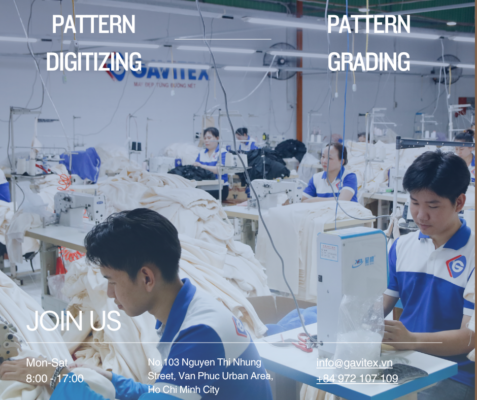
Confused about the production pipeline? Get a step-by-step guide to apparel product development, from initial design to final delivery in Vietnam.
Cost Considerations: Understanding Pricing and Minimum Order Quantities (MOQs) in Vietnam
Navigating the world of clothing manufacturers in Vietnam requires a solid understanding of pricing structures and minimum order quantities (MOQs). These factors are fundamental to determining the overall feasibility and profitability of your clothing production. Understanding how pricing is determined and the impact of MOQs will allow you to effectively budget and negotiate with potential manufacturers in Vietnam, ensuring you get the best possible deal.
The cost of manufacturing clothing in Vietnam is influenced by several key elements. Labor costs, while generally lower than in Western countries, still represent a significant portion of the overall pricing. Fabric costs also play a crucial role, varying greatly depending on the type, quality, and origin of the material. Other cost factors include trims (buttons, zippers, labels), packaging, and shipping. For example, a simple cotton t-shirt will naturally have a lower per-unit cost than a complex, multi-layered jacket made from specialized technical fabrics.
MOQs, or minimum order quantities, are the smallest number of units a manufacturer is willing to produce in a single order. Manufacturers set MOQs to ensure profitability, as setting up production lines and sourcing materials involves fixed costs. Lower MOQs typically lead to higher per-unit prices, while larger orders can unlock economies of scale and reduce costs. For instance, a smaller factory specializing in custom designs might accept lower MOQs but charge a premium, while a larger factory focusing on mass production might require higher MOQs for their pricing to be competitive. When considering suppliers, understanding the balance between desired quantity and acceptable per-unit cost is key to long term success.
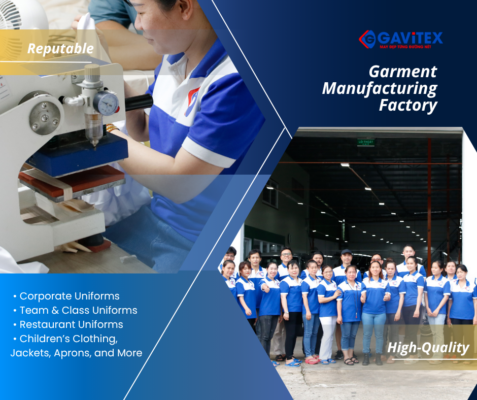
Worried about costs? Get insider tips on understanding pricing and finding clothing manufacturers with low MOQs in Vietnam.
Building a Successful Partnership: Communication and Cultural Considerations
Establishing strong partnerships with clothing manufacturers in Vietnam hinges significantly on effective communication and a deep understanding of cultural nuances. Building rapport goes beyond just securing favorable pricing; it’s about fostering a collaborative environment that leads to mutual success in garment production. This section explores how communication strategies and cultural sensitivity are vital for long-term, productive relationships with your Vietnamese manufacturing partners.
Effective communication is paramount when collaborating with Vietnamese clothing manufacturers. Language barriers can present challenges, so it’s essential to bridge this gap. Consider employing bilingual staff or utilizing professional translation services to ensure clarity in all interactions, from initial design specifications to ongoing production updates. For instance, clearly articulating your expectations regarding fabric quality, stitching techniques, and delivery timelines will minimize misunderstandings and prevent costly errors.
Beyond language, cultural considerations play a crucial role in building trust and rapport. Vietnamese business culture values respect, hierarchy, and long-term relationships. Take the time to learn about Vietnamese customs, such as the importance of punctuality, business card etiquette (receiving and presenting with both hands), and avoiding direct confrontation. Showing genuine interest in their culture and demonstrating respect for their traditions will foster a stronger bond and facilitate smoother negotiations. For example, understanding the significance of Tet (Lunar New Year) and planning production schedules accordingly demonstrates cultural awareness and consideration.
Furthermore, transparency and open communication are key to resolving any issues that may arise during the clothing manufacturing process. Be proactive in addressing concerns, providing constructive feedback, and actively listening to your partner’s perspectives. This collaborative approach will build trust and demonstrate your commitment to a mutually beneficial partnership, leading to higher quality garment production and a more successful clothing brand.
Legal and Ethical Considerations: Ensuring Compliance and Sustainability in Vietnam
When sourcing clothing manufacturers in Vietnam, businesses must prioritize both legal compliance and ethical manufacturing practices to ensure long-term success and protect their brand reputation. Navigating the Vietnamese legal landscape and upholding ethical standards are crucial for sustainable and responsible business operations.
Upholding Vietnamese labor laws is paramount. This includes ensuring fair wages, reasonable working hours, safe working conditions, and the prohibition of child labor. For example, Article 169 of the 2019 Labour Code stipulates regulations on working hours and rest periods. Regular audits and inspections of clothing factories are essential to verify compliance with these regulations and international labor standards. Engaging with independent monitoring organizations can provide an unbiased assessment of labor practices.
Beyond legal requirements, ethical considerations play a vital role in building a trustworthy brand. This encompasses fair treatment of workers, respecting their rights, and promoting their well-being. Implementing robust social compliance programs, such as SA8000 or WRAP certification, demonstrates a commitment to ethical sourcing. overseas buyers prioritize manufacturers who invest in worker training and development, creating a positive and empowering work environment. Transparency throughout the supply chain is key, allowing for traceability and accountability.
Environmental sustainability is another critical aspect of responsible manufacturing in Vietnam. The textile industry is known for its significant environmental impact, particularly in terms of water usage, waste generation, and pollution. Choosing manufacturers who adopt sustainable practices, such as using eco-friendly materials, implementing water recycling systems, and reducing waste through circular economy initiatives, minimizes the environmental footprint. For instance, some factories are investing in solar power to reduce their carbon emissions. By partnering with manufacturers committed to environmental stewardship, businesses contribute to a more sustainable future for the Vietnamese apparel industry.
Frequently Asked Questions
What’s the difference between a clothing manufacturer and a clothing factory in Vietnam?
In practice the terms are often used interchangeably, but “manufacturer” more often refers to the business entity you contract with — which may operate one or several factories, or subcontract part of the work — while “factory” refers to the physical production site itself. When vetting a manufacturer, it’s worth asking directly which factory (or factories) will actually produce your order, since a manufacturer’s sales office and its production floor are not always in the same location. See our companion guide to clothing factories in Vietnam if your priority is evaluating the physical production site itself.
How many clothing manufacturers should I contact before choosing one?
Most experienced buyers shortlist three to five manufacturers that meet their initial screening criteria, then narrow to one or two finalists after sample review and, where feasible, a factory audit. Contacting too few manufacturers limits your negotiating leverage and backup options; contacting too many makes thorough due diligence difficult to sustain.
Vietnam Biz Rep helps overseas buyers vet clothing manufacturers in Vietnam — from initial shortlist and factory verification through sample coordination and production follow-up. Learn more on our clothing sourcing agent page or visit Vietnam sourcing agent for our full range of services. Contact Vietnam Biz Rep to discuss your manufacturer vetting needs.
