

Finding the right Private label clothing manufacturer in Vietnam is crucial for fashion brands aiming to scale production and ensure quality. This article delves into the world of garment manufacturers in Vietnam, exploring the benefits of private label manufacturing, including cost-effectiveness, customization options, and access to skilled labor. We’ll guide you through understanding the essential factors to consider when selecting a manufacturer, from their production capabilities and quality control processes to their certifications and ethical practices. Furthermore, we will highlight reputable clothing factories, discuss sourcing strategies, and examine current market trends in Vietnam’s garment industry to empower your brand with the knowledge needed to make informed decisions in 2025. Finally, discover why overseas buyers stands out as a reliable partner for private label clothing needs, offering comprehensive solutions and exceptional service.
What is Private Label Clothing Manufacturing and Why Vietnam? Understanding the Fundamentals
In essence, private label clothing manufacturing involves partnering with a manufacturer in Vietnam to produce clothing items under your own brand name, offering a cost-effective and efficient route to market for entrepreneurs and established businesses alike. This model allows businesses to focus on design, marketing, and sales, while the manufacturer handles production, quality control, and logistics. Think of it as a “white label” approach applied to apparel, where you’re branding a product that’s already been expertly crafted.
Vietnam has emerged as a prominent hub for private label clothing manufacturing, attracting businesses worldwide due to a combination of factors. Let’s delve deeper into the reasons why Vietnam is a preferred destination:
- Competitive Pricing: Vietnam offers significantly lower labor costs compared to developed countries, making it an attractive option for businesses seeking cost-effective manufacturing solutions. For instance, garment workers’ average wage in Vietnam is considerably lower than that of China, or countries in Europe and North America.
- Skilled Workforce: The country boasts a skilled and experienced workforce in the textile and garment industry, ensuring high-quality production and attention to detail. Decades of experience in garment manufacturing have honed their expertise.
- Strategic Location and Trade Agreements: Vietnam’s strategic location in Southeast Asia and its participation in numerous free trade agreements provide easy access to key markets and favorable trade terms. These agreements, such as the Comprehensive and Progressive Agreement for Trans-Pacific Partnership (CPTPP) and the EU-Vietnam Free Trade Agreement (EVFTA), reduce tariffs and other trade barriers, boosting export opportunities.
- Modern Infrastructure: Vietnam has invested heavily in infrastructure development, including ports, roads, and transportation networks, facilitating efficient supply chains and logistics. This infrastructure allows for smooth movement of goods, reducing lead times and transportation costs.
- Government Support: The Vietnamese government actively supports the growth of the textile and garment industry through various incentives and policies, creating a favorable business environment for manufacturers and investors. These policies aim to attract foreign investment and promote sustainable development within the sector.
Want to dive deeper? Explore the top clothing manufacturers in Vietnam and discover your ideal partner.
Benefits of Partnering with a Private Label Clothing Manufacturer in Vietnam
Partnering with a private label clothing manufacturer in Vietnam offers a compelling array of advantages for brands seeking to create their own clothing lines. Leveraging the expertise and resources of Vietnamese manufacturers can lead to significant gains in cost efficiency, product quality, and market access, establishing a strong foundation for business growth in the competitive fashion industry. These benefits stem from a combination of factors, including Vietnam’s favorable economic climate, skilled workforce, and strategic location within the global supply chain.
Cost-Effectiveness and Competitive Pricing
One of the primary attractions of Vietnamese clothing manufacturers is their ability to deliver cost-effective production. Lower labor costs compared to developed countries, coupled with efficient manufacturing processes, translate into competitive pricing for private label apparel. This allows brands to achieve higher profit margins or offer more attractive prices to consumers, ultimately boosting sales and market share. Furthermore, the concentration of textile and garment industries in key areas of Vietnam fosters competition, driving down prices and offering a wider range of options for sourcing materials and services.
Skilled Labor and Quality Production
Vietnam boasts a highly skilled and dedicated workforce with extensive experience in the garment industry. Generations of Vietnamese workers have honed their craft, ensuring high-quality production and attention to detail. This proficiency extends from pattern making and cutting to sewing, finishing, and quality control. By entrusting your private label clothing production to Vietnamese manufacturers, you gain access to a pool of talent capable of executing intricate designs and meeting stringent quality standards, giving your brand a competitive edge in terms of product excellence.
Streamlined Supply Chain and Logistics
Vietnam’s strategic geographic location and well-developed infrastructure facilitate a streamlined supply chain and efficient logistics. The country’s extensive network of ports, roads, and railways enables swift and cost-effective transportation of goods, both domestically and internationally. This seamless connectivity minimizes lead times, reduces transportation costs, and ensures timely delivery of your private label clothing to market. Moreover, many Vietnamese manufacturers have established strong relationships with suppliers of raw materials, trims, and packaging, further optimizing the supply chain and reducing potential bottlenecks.
Access to Emerging Markets and Export Opportunities
Partnering with a clothing manufacturer in Vietnam provides access to both emerging markets and export opportunities. Vietnam’s growing domestic market presents a significant opportunity for brands looking to expand their reach within Southeast Asia. Furthermore, Vietnam’s membership in various free trade agreements, such as the Comprehensive and Progressive Agreement for Trans-Pacific Partnership (CPTPP) and the EU-Vietnam Free Trade Agreement (EVFTA), facilitates preferential access to key export markets, including the United States, Europe, and Japan. This advantage can significantly reduce tariffs and other trade barriers, making your private label clothing more competitive in international markets.
Curious about the advantages? Uncover the secrets to successful partnerships with garment manufacturers in Vietnam.
Key Considerations When Choosing a Private Label Clothing Manufacturer in Vietnam
Selecting the right private label clothing manufacturer in Vietnam is crucial for the success of your brand. This decision directly impacts product quality, pricing, and ultimately, your brand’s reputation. A thorough evaluation of potential partners is essential to ensure they align with your business goals and meet your specific requirements.
When navigating the landscape of private label clothing manufacturing in Vietnam, several key factors demand careful consideration. This involves a multifaceted assessment, encompassing not only the manufacturer’s production prowess but also their commitment to ethical practices, effective communication, and pricing transparency. By meticulously evaluating these aspects, businesses can forge partnerships that yield high-quality products, foster sustainable growth, and uphold brand integrity in the competitive apparel market.
-
Production Capabilities and Capacity: Assess the manufacturer’s ability to handle your specific clothing types, quantities, and design complexities. Determine if they have the necessary machinery, technology, and skilled workforce to meet your production demands, both now and as your business scales.
-
Quality Control and Assurance Processes: A robust quality control system is paramount. Inquire about their inspection procedures, testing protocols, and adherence to international quality standards. Request samples and conduct thorough evaluations to ensure the manufacturer consistently delivers products that meet your expectations.
-
Ethical and Sustainable Manufacturing Practices: With increasing consumer awareness, ethical sourcing and sustainable production are no longer optional. Investigate the manufacturer’s labor practices, environmental policies, and certifications (e.g., Fair Trade, GOTS). Partnering with a manufacturer committed to social responsibility can enhance your brand’s image and appeal to a wider customer base.
-
Communication and Project Management Skills: Effective communication is key to a successful partnership. Evaluate the manufacturer’s responsiveness, language proficiency, and project management capabilities. Clear and timely communication can prevent misunderstandings, ensure deadlines are met, and facilitate smooth collaboration throughout the production process.
-
Minimum Order Quantities (MOQs) and Pricing Structures: Understand the manufacturer’s MOQs and pricing structures upfront. Compare quotes from multiple manufacturers, considering not only the unit price but also factors such as payment terms, shipping costs, and potential hidden fees. Negotiate terms that are favorable to your business while ensuring the manufacturer’s profitability.
Due Diligence: Researching and Verifying Potential Manufacturers
Due diligence is paramount when selecting a private label clothing manufacturer in Vietnam. Thorough research and verification of potential partners can mitigate risks and ensure a successful, long-term collaboration. This process involves scrutinizing various aspects of the manufacturer’s operations, capabilities, and reputation to make an informed decision aligned with your brand’s values and objectives.
Online Research and Industry Directories
Begin your due diligence process with thorough online research. Leverage industry directories such as Alibaba, Global Sources, and Vietnam Yellow Pages to identify potential clothing manufacturers. Analyze their websites, paying close attention to their company profiles, product ranges, certifications, and customer testimonials. Search for independent reviews and ratings on platforms like Trustpilot or industry-specific forums to gain insights into their reputation and customer satisfaction levels.
Visiting Factories and Conducting Audits
To gain firsthand insights, consider visiting factories and conducting audits. An on-site visit allows you to assess their infrastructure, production processes, and quality control measures. A comprehensive audit, either conducted by yourself or a third-party inspection company, should evaluate their compliance with labor laws, environmental regulations, and ethical standards. This step is crucial in ensuring that your manufacturing partner aligns with your brand’s values and commitment to responsible sourcing.
Requesting Samples and Evaluating Quality
A critical step in due diligence is requesting samples and evaluating quality. Obtain samples of the clothing you intend to produce and rigorously assess their materials, workmanship, and overall quality. Compare the samples to your product specifications to ensure they meet your standards. Conduct durability tests, such as washing and wear tests, to evaluate the garments’ performance over time. This rigorous evaluation will help you determine if the manufacturer can consistently deliver products that meet your quality expectations.
Checking Certifications and Compliance
Verify that your potential manufacturing partner possesses the necessary certifications and compliance. Look for certifications such as WRAP (Worldwide Responsible Accredited Production), BSCI (Business Social Compliance Initiative), and ISO 9001, which demonstrate a commitment to ethical labor practices, environmental sustainability, and quality management systems. Also, confirm their compliance with relevant Vietnamese laws and regulations regarding labor standards, environmental protection, and trade practices. Confirming these aspects will help safeguard your brand’s reputation and ensure a responsible supply chain.
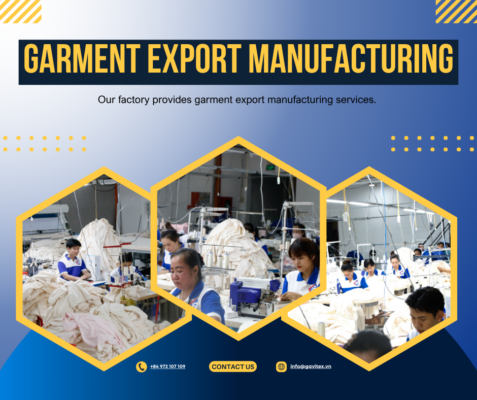
Want to avoid potential pitfalls? See our in-depth guide to researching apparel manufacturers in Vietnam and ensuring your peace of mind.
Contract Negotiation and Protecting Your Intellectual Property
Securing your designs and brand identity is paramount when engaging with a private label clothing manufacturer in Vietnam. Negotiating a robust contract and implementing measures to protect your intellectual property are crucial steps to safeguard your business interests and ensure a successful partnership. This involves defining clear product specifications, establishing payment terms, and implementing strategies to prevent infringement on your designs and trademarks.
-
Defining Product Specifications and Quality Standards: A detailed contract should outline precise product specifications, including materials, dimensions, colors, and construction methods. Establishing clear quality standards, referencing industry benchmarks or providing detailed samples, is equally important. This minimizes misunderstandings and ensures the manufacturer delivers products that meet your expectations. For example, specifying the exact GSM (grams per square meter) of the fabric ensures consistency in weight and feel.
-
Establishing Clear Payment Terms and Delivery Schedules: Negotiate favorable payment terms, such as a percentage upfront and the remainder upon completion or shipment. Include penalties for late delivery or failure to meet quality standards. A well-defined delivery schedule, with specific milestones and timelines, will help maintain a smooth production process and minimize delays. Consider using a Letter of Credit (L/C) for larger orders, as it provides a secure payment method for both parties.
-
Protecting Your Designs and Trademarks: Implementing measures to protect your designs and trademarks is crucial. Include clauses in your contract that clearly define ownership of all designs, patterns, and trademarks. Register your trademarks in Vietnam and ensure the manufacturer agrees to keep your designs confidential and not use them for any other clients. Consider including provisions for legal recourse in case of infringement. Employing Non-Disclosure Agreements (NDAs) and Non-Compete Agreements can further solidify your intellectual property rights. Buyers should consider seeking legal counsel specializing in international trade law to ensure your contracts are legally sound and enforceable in Vietnam.
Protect your designs! Discover essential tips for contract negotiation with Vietnam garment manufacturers and safeguarding your IP.
Building a Successful Long-Term Relationship with Your Manufacturer
Establishing a long-term relationship with your private label clothing manufacturer in Vietnam is crucial for consistent quality, reliable production, and mutual growth in the competitive apparel market. A strong partnership, built on trust and open communication, paves the way for smoother operations, innovative collaborations, and ultimately, increased profitability for your brand, overseas buyers. This section explores the key elements involved in cultivating and maintaining a robust and beneficial relationship with your manufacturing partner in Vietnam.
Open Communication and Collaboration
Transparent and open communication is the cornerstone of any successful business relationship, especially when working with a private label clothing manufacturer. Regular dialogues, prompt responses to inquiries, and proactive sharing of information regarding market trends, design changes, or potential challenges are vital. This fosters a collaborative environment where both parties feel valued and understand each other’s needs and expectations, reducing misunderstandings and ensuring smoother project execution. For instance, providing your manufacturer with detailed feedback on sample quality, along with clear visual references, helps them understand your requirements and improve future production runs.
Regular Monitoring and Performance Reviews
Consistent monitoring of your manufacturer’s performance and conducting periodic performance reviews are essential for maintaining high standards and identifying areas for improvement. Setting clear key performance indicators (KPIs) related to production timelines, quality control, and adherence to ethical and sustainable practices allows you to track progress and address any deviations proactively. Regular on-site visits, when possible, can provide valuable insights into their operations and foster a stronger working relationship. This proactive approach enables you to address potential issues before they escalate and ensures that your manufacturer remains aligned with your brand’s vision.
Investing in Training and Development
Investing in training and development programs for your manufacturer’s staff demonstrates your commitment to their growth and enhances their capabilities. Providing resources for skill enhancement, such as workshops on quality control techniques, sustainable manufacturing practices, or technological advancements in clothing production, can significantly improve their overall performance. This investment not only benefits your manufacturer but also contributes to the production of higher-quality garments, reduces errors, and promotes innovation within the manufacturing process. For example, overseas buyers could offer training on specific fabric handling techniques or new sewing technologies to ensure consistent quality across all production runs.
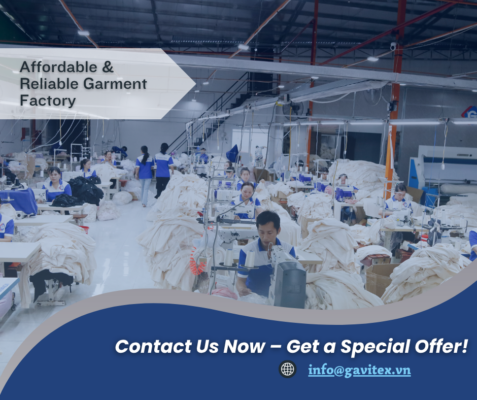
Here’s the H2 content focusing on trends and innovations, designed to be comprehensive and SEO-optimized:
Trends and Innovations in the Vietnamese Private Label Clothing Manufacturing Industry
The Vietnamese private label clothing manufacturing industry is undergoing a dynamic transformation, driven by the need for greater efficiency, sustainability, and responsiveness to evolving consumer demands. This evolution presents significant opportunities for brands looking to partner with manufacturers in Vietnam. These innovations ensure that private label clothing manufacturers in Vietnam remain competitive in the global marketplace.
Several key trends are reshaping the landscape.
-
Sustainable and Eco-Friendly Fabrics: A major trend is the increasing adoption of sustainable and eco-friendly fabrics. Vietnamese manufacturers are now offering a wider range of organic cotton, recycled polyester, and innovative materials like pineapple leather (Piñatex) and bamboo fabric. This shift is driven by consumer demand for environmentally conscious clothing and pressure from international brands committed to reducing their carbon footprint. In fact, many private label clothing manufacturers in Vietnam are actively seeking certifications like GOTS (Global Organic Textile Standard) and Oeko-Tex Standard 100 to demonstrate their commitment to sustainability.
-
Technological Advancements in Production: The integration of technology is revolutionizing production processes. Automation, including robotic cutting and sewing, is becoming more prevalent, leading to increased efficiency and reduced labor costs. Computer-aided design (CAD) and 3D printing are also being used to expedite the design and prototyping phases. These technological investments allow private label clothing manufacturers in Vietnam to offer faster turnaround times and greater precision in garment production. For example, some factories are using AI-powered quality control systems to identify defects in real-time, minimizing waste and improving overall product quality.
-
Customization and Personalization Options: Consumers are increasingly seeking personalized products, and Vietnamese manufacturers are responding with enhanced customization options. This includes offering on-demand printing, embroidery, and unique dyeing techniques that allow brands to create highly customized apparel. The use of digital printing technologies enables manufacturers to produce small batches of personalized clothing quickly and cost-effectively. This trend is especially relevant for brands targeting niche markets and those seeking to offer limited-edition or bespoke collections.
Stay ahead of the curve! Explore the latest trends and innovations in Vietnamese garment factories.
Common Challenges and How to Overcome Them When Working with Vietnamese Manufacturers
Navigating the world of private label clothing manufacturing in Vietnam can present unique challenges, despite the country’s reputation for competitive pricing and skilled labor. Understanding these potential pitfalls and implementing proactive strategies to overcome them is crucial for establishing a successful and sustainable partnership with Vietnamese clothing manufacturers.
One of the primary hurdles encountered is the language and cultural differences. Miscommunication stemming from language barriers or differing cultural norms can lead to misunderstandings, delays, and ultimately, impact the quality of the final product. To mitigate this, consider working with manufacturers who have dedicated English-speaking representatives or investing in professional translation services. Building rapport through cultural sensitivity and clear, concise communication protocols are also essential for fostering a strong working relationship.
Another common challenge lies in managing expectations and timelines. While Vietnamese manufacturers are often efficient, differing perceptions of deadlines and production schedules can lead to frustration. Establishing realistic timelines from the outset, coupled with regular progress updates and open communication, helps ensure both parties are on the same page. Furthermore, it’s beneficial to incorporate buffer time into the schedule to account for unforeseen delays or revisions.
Quality control issues can also arise, particularly if quality standards are not clearly defined and consistently monitored. Implementing a robust quality control process that includes regular inspections at various stages of production is paramount. This may involve hiring a third-party quality control agency or sending your own quality assurance team to the factory. Clearly communicating your expectations regarding quality standards, providing detailed specifications, and addressing any deviations promptly are crucial for maintaining product integrity.
Worried about potential roadblocks? Discover solutions to common challenges when working with OEM clothing manufacturers in Vietnam.
Private Label Clothing Manufacturing in Vietnam: A Checklist for Success
Embarking on private label clothing manufacturing in Vietnam requires meticulous planning and execution. This section serves as your comprehensive checklist for success, ensuring you navigate the landscape effectively and achieve your desired outcomes by finding the perfect clothing manufacturers in Vietnam.
To ensure a smooth and profitable journey in private label clothing production within Vietnam, consider the following essential points:
- Define Your Niche and Target Market: Identifying your ideal customer and the specific clothing styles they desire is the bedrock of your brand.
- Develop a Detailed Tech Pack: A comprehensive tech pack with precise specifications is vital for accurate manufacturing. This includes measurements, materials, construction details, and artwork placement.
- Set Realistic Budgets and Timelines: Factor in all costs, from sampling to production and shipping. Establishing realistic timelines and clear communication with your manufacturer will help prevent delays and cost overruns.
- Prioritize Quality Control: Implement stringent quality control measures throughout the production process, from fabric inspection to final garment checks.
- Foster Strong Communication: Clear and consistent communication is paramount for a successful partnership.
- Stay Informed on Trends and Regulations: Remaining up-to-date on the latest fashion trends and relevant Vietnamese regulations will help you stay ahead of the competition.
Essential Checks for a Flourishing Partnership:
- Legal Compliance Verification: Scrutinize all licenses, permits, and certifications related to manufacturing and exporting.
- Financial Stability Assessment: Evaluate the manufacturer’s financial health to ensure they can handle your order.
- Adherence to Ethical Standards: Confirm the manufacturer’s commitment to fair labor practices, safety, and environmental sustainability.
- Quality Assurance System: Understand the manufacturer’s complete quality assurance and quality control processes, from initial design to finished product.
By meticulously following this private label clothing manufacturing checklist, you significantly increase your chances of establishing a successful and enduring partnership with a Vietnamese clothing manufacturer, paving the way for a thriving brand and superior clothing production. Partnering with a reputable company like overseas buyers can further streamline this process.
Ready for success? Get your ultimate checklist for private label clothing manufacturing in Vietnam with top ODM clothing manufacturers.
Beyond Manufacturing: Additional Services Offered by Private Label Partners in Vietnam
Beyond simply cutting and sewing, private label clothing manufacturers in Vietnam often provide a comprehensive suite of services that extend far beyond basic production. This holistic approach streamlines the entire process for brands, from initial design to final delivery, making it easier to launch and scale a successful clothing line. These additional services can be invaluable for businesses seeking a complete solution, rather than managing multiple vendors.
Vietnamese private label partners understand that modern brands require more than just manufacturing capacity; they need strategic support. Many offer comprehensive design and development support, assisting with everything from initial sketches and pattern making to fabric sourcing and sample creation. This collaborative approach ensures your vision is accurately translated into a tangible product that meets your target market’s needs.
Furthermore, labeling and packaging services are frequently offered, allowing for complete customization and branding. From woven labels and hangtags to custom packaging options, manufacturers can ensure your brand identity is consistently represented across all aspects of the product. This attention to detail is crucial for creating a premium brand experience and fostering customer loyalty.
Finally, many Vietnamese clothing manufacturers provide comprehensive shipping and logistics assistance. This includes handling customs clearance, coordinating transportation, and managing warehousing, simplifying the complexities of international trade and ensuring timely delivery of your finished products. By offering end-to-end solutions, these manufacturers enable brands to focus on marketing and sales, rather than getting bogged down in operational details.
Need more than just production? Discover the range of services offered by private label partners, including small-batch clothing manufacturers in Vietnam.
Frequently Asked Questions: Private Label Clothing Manufacturing in Vietnam
What is private label clothing manufacturing?
A private label manufacturer can help develop or adapt a design, pattern, and branding for your product line, rather than only executing a design you already own outright.
How does private label differ from OEM manufacturing?
Private label is a better fit when you need design development support; if you already have finished tech packs and specifications ready to hand to a factory, see our OEM clothing manufacturer guide instead.
How do I protect my intellectual property when working with a private label partner?
As covered in the contract negotiation section above, clear IP and non-disclosure terms should be agreed in writing before sharing designs, and verified through the due-diligence steps outlined earlier in this guide.
Can a private label manufacturer also produce small trial batches?
Many private label factories in Vietnam support smaller trial runs before committing to full production, though minimum order quantities vary by factory — see our low MOQ clothing manufacturer guide if a small first order is a priority.
Related Vietnam Sourcing & Manufacturing Services
- OEM Clothing Manufacturer in Vietnam
- Vietnam Clothing Manufacturers
- Low MOQ Clothing Manufacturer in Vietnam
- Garment Manufacturers in Vietnam
- Vietnam Sourcing Agent
Need support in Vietnam? Call or WhatsApp +84 941 414 422 or visit our contact page to discuss your project with Vietnam Biz Rep.
