

Securing reliable Small batch clothing manufacturers in Vietnam is crucial for fashion brands aiming for flexibility and quality. This article navigates the complexities of sourcing garment manufacturers in Vietnam, particularly for smaller production runs, by exploring key aspects such as finding local factories, understanding minimum order quantities (MOQs), and negotiating pricing strategies. We’ll also delve into the importance of quality control processes, ensuring your brand maintains its standards, and outline the steps for building long-term partnerships with Vietnamese manufacturers in 2025. Finally, we’ll explore sustainable practices within small batch manufacturing.
Finding the Right Small Batch Clothing Manufacturer in Vietnam: A Comprehensive Guide
For clothing brands aiming for flexibility, quality, and uniqueness, finding the right small batch clothing manufacturer in Vietnam is crucial. Vietnam has emerged as a prominent hub for apparel production, offering a compelling blend of skilled labor, competitive pricing, and a growing commitment to ethical manufacturing. This section serves as a detailed guide to help you navigate the process of selecting the ideal partner for your small batch apparel needs.
Identifying a suitable manufacturing partner involves more than just a simple search; it demands a strategic approach. You need to carefully assess your brand’s specific requirements, including the type of garments you intend to produce, desired quality standards, and budget constraints. Furthermore, understanding the nuances of the Vietnamese manufacturing landscape, such as regional specializations and cultural considerations, is essential for making informed decisions.
Here’s a breakdown of key steps to take:
- Define Your Needs: Clearly outline your product specifications, including design details, fabric requirements, and desired quantity per style. overseas buyers recommends creating detailed tech packs to ensure manufacturers have a clear understanding of your vision.
- Research Potential Manufacturers: Utilize online directories, trade shows, and industry contacts to identify potential partners in Vietnam. Look for manufacturers with experience in small batch production and a proven track record of quality.
- Evaluate Capabilities: Assess each manufacturer’s capabilities, including their equipment, workforce, and expertise in the types of garments you intend to produce. Don’t hesitate to ask for samples and conduct factory visits.
- Request Quotes: Obtain detailed quotes from several manufacturers, including pricing, lead times, and minimum order quantities (MOQs). Be sure to compare quotes carefully and consider all associated costs.
- Assess Communication and Cultural Fit: Effective communication is crucial for a successful partnership. Choose a manufacturer that is responsive, communicative, and understands your brand’s values.
- Verify Ethical and Sustainability Practices: Ensure that the manufacturer adheres to ethical labor standards and sustainable production practices. This is increasingly important to consumers and can enhance your brand’s reputation.
By following these steps, you can confidently navigate the process of locating a reliable garment manufacturer in Vietnam that aligns with your brand’s vision and values. Partnering with the right manufacturer empowers you to bring your clothing designs to life, maintain quality control, and grow your brand sustainably.
Key Advantages of Choosing Small Batch Production for Your Clothing Brand
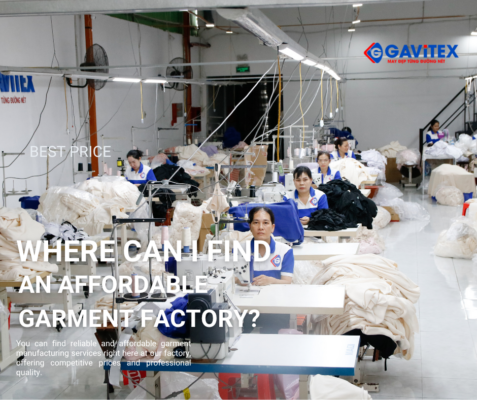
For clothing brands aiming for agility and exclusivity, small batch production emerges as a strategic advantage compared to mass manufacturing. This approach offers a wealth of benefits, including greater flexibility in design, reduced financial risk, and enhanced brand identity. Leveraging small batch clothing manufacturers in Vietnam can further amplify these advantages, providing access to skilled labor and competitive pricing while maintaining control over quality.
One of the most significant benefits of small batch production is the enhanced flexibility it provides. Unlike large-scale manufacturing which demands substantial upfront investments and rigid production schedules, producing clothes in smaller quantities allows brands to quickly adapt to changing trends and customer preferences. For instance, a brand can introduce a limited-edition capsule collection to test market demand before committing to a larger production run. This approach minimizes the risk of overstocking unpopular items and allows for continuous innovation and responsiveness to real-time feedback.
Reduced financial risk is another compelling reason to opt for small batch clothing production. By producing smaller quantities, brands can minimize their initial investment and avoid tying up large amounts of capital in inventory. This is particularly beneficial for startups and emerging designers with limited resources. Furthermore, small batch production reduces the risk of obsolescence, as styles and trends can shift rapidly in the fashion industry. The ability to order smaller quantities also allows brands to test new markets and distribution channels without significant financial exposure.
Moreover, small batch production contributes to a stronger brand identity and customer relationship. Brands can focus on creating unique, high-quality garments that appeal to a niche market, fostering a sense of exclusivity and brand loyalty. This personalized approach allows brands to tell a story, connect with their customers on a deeper level, and build a community around shared values and aesthetic preferences. By carefully curating their collections and offering limited-edition pieces, brands can cultivate a perception of rarity and desirability, commanding premium prices and establishing a distinct position in the market.
Finally, ethical considerations often play a significant role in the decision to choose small batch production. Brands can establish closer relationships with their clothing manufacturers, ensuring fair labor practices, safe working conditions, and environmentally responsible production methods. This transparency resonates with consumers who are increasingly conscious of the social and environmental impact of their purchasing decisions, fostering trust and enhancing the brand’s reputation. Partnering with small batch clothing manufacturers in Vietnam who prioritize sustainability and ethical practices aligns with these values and allows brands to communicate their commitment to responsible sourcing and production.
Want to delve deeper into the benefits? Discover why ethical and custom apparel production thrives with small batch clothing manufacturers in Vietnam.
Top Factors to Consider When Selecting a Manufacturer: Quality, Capacity, and Ethics
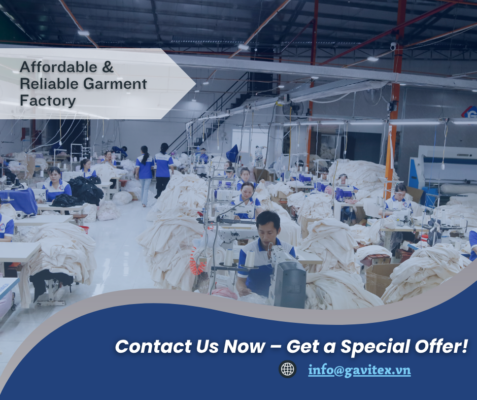
Selecting the right small batch clothing manufacturer in Vietnam is crucial for the success of your clothing brand, and this decision hinges on a careful evaluation of several key factors, including quality, capacity, and ethics. These three pillars form the foundation of a reliable and sustainable manufacturing partnership. Beyond merely finding a supplier, you’re seeking a collaborator who understands your vision, can meet your production needs, and aligns with your brand’s values.
Quality Control and Assurance: The cornerstone of any successful clothing brand is the quality of its garments. Look for manufacturers with established quality control processes at every stage of production, from fabric sourcing to final inspection. Ask for samples of their work and scrutinize the stitching, finishing, and overall construction. A good manufacturer should be able to provide certifications or documentation demonstrating their commitment to quality standards. Consider factors such as:
- Fabric sourcing: Does the manufacturer have reliable sources for high-quality fabrics that meet your specifications?
- Stitching and construction: Are the seams straight, secure, and free from defects?
- Finishing: Is the garment properly pressed, trimmed, and free from loose threads?
- Colorfastness: Will the colors fade or bleed after washing?
- Durability: Will the garment withstand regular wear and tear?
Production Capacity and Flexibility: Ensure the manufacturer’s capacity aligns with your current and future production needs. A manufacturer might produce excellent quality products, but if they cannot handle your required volume or offer the flexibility to scale up or down as needed, they may not be the right fit. Understand their lead times, minimum order quantities (MOQs), and ability to accommodate different styles and sizes. For small batch production, it is also very important to gauge the flexibility of the manufacturer to work with smaller order quantities without compromising quality.
Ethical and Sustainable Practices: In today’s market, consumers are increasingly concerned about the ethics behind the products they buy. Partnering with a manufacturer that prioritizes fair labor practices, safe working conditions, and environmental sustainability is not only the right thing to do but also a valuable asset for your brand. Look for certifications such as WRAP or BSCI, and ask about their policies on worker compensation, working hours, and environmental impact. overseas buyers committed to partnering with manufacturers who share our dedication to ethical and sustainable production.
Ready to find the perfect partner? Uncover the secrets to ethical and custom apparel production with leading small batch clothing manufacturers in Vietnam.
Building a Strong Relationship with Your Vietnamese Clothing Manufacturer
Establishing a robust and trustworthy relationship with your Vietnamese clothing manufacturer is paramount for the success of your small batch clothing production, impacting product quality, lead times, and overall cost-effectiveness. Cultivating this relationship goes beyond mere transactions; it requires open communication, mutual respect, and a shared understanding of goals to foster a long-term, beneficial partnership. This foundation enables you to confidently navigate the complexities of garment manufacturing in Vietnam, ensuring your brand’s vision is realized with precision and care.
Open and consistent communication is the cornerstone of a successful partnership with any small batch clothing manufacturers in Vietnam. Regularly engage with your manufacturer to discuss project updates, address challenges, and proactively share feedback. Schedule regular calls, utilize instant messaging platforms, and consider in-person visits (when feasible) to build rapport and foster a sense of collaboration. This open dialogue minimizes misunderstandings, ensures your requirements are clearly understood, and allows for swift problem-solving.
Transparency and honesty are equally vital components of a thriving manufacturer-client dynamic. Clearly communicate your brand’s expectations, budget constraints, and desired timelines from the outset. Similarly, encourage your manufacturer to be upfront about any potential challenges, production limitations, or cost fluctuations. This mutual transparency builds trust and allows for realistic planning and proactive adjustments, leading to smoother production cycles and improved outcomes for your overseas buyers brand.
Beyond communication and transparency, respecting cultural differences is crucial when working with Vietnamese clothing manufacturers. Take the time to learn about Vietnamese business etiquette, communication styles, and cultural values. Showing genuine interest in their culture and understanding their perspectives will foster a deeper connection and strengthen your working relationship. Small gestures, like learning a few basic Vietnamese phrases or acknowledging local holidays, can significantly contribute to building a positive and respectful partnership.
Finally, recognizing and appreciating your manufacturer’s efforts is essential for maintaining a healthy and productive relationship. Acknowledge their hard work, celebrate successes, and provide constructive feedback. Simple acts of gratitude, such as expressing appreciation for a job well done or offering incentives for exceeding expectations, can go a long way in fostering loyalty and commitment. By valuing your Vietnamese manufacturer as a partner rather than simply a service provider, you cultivate a mutually beneficial relationship that contributes to the long-term success of your small batch clothing ventures.
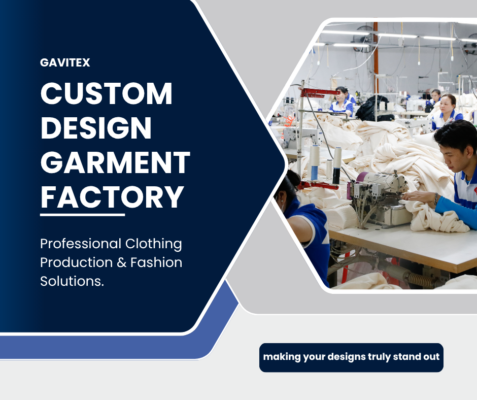
Looking for a long-term partner? Explore the possibilities of ethical and custom apparel production with small batch clothing manufacturers in Vietnam.
Navigating the Production Process: From Design to Delivery
Navigating the production process, from initial design to final delivery, is a critical aspect for clothing brands seeking small batch clothing manufacturers in Vietnam. A well-defined and executed process ensures quality, efficiency, and ultimately, customer satisfaction. Understanding each stage – design finalization, sampling, fabric sourcing, production, quality control, and logistics – allows brands to proactively manage potential challenges and maintain control over their product.
The journey from concept to creation involves several key stages, each demanding careful attention.
- Design Finalization and Sampling: The process begins with finalizing your designs, including detailed specifications like measurements, materials, and construction techniques. The manufacturer then creates a sample garment based on these specifications. This sampling phase is crucial for identifying potential issues with fit, construction, or material choices before mass production. Expect to iterate on the sample multiple times until it meets your exact requirements. At overseas buyers, we encourage our clients to be highly involved in this stage, ensuring that the final product aligns perfectly with their vision.
- Fabric Sourcing and Procurement: Once the design is finalized, the manufacturer sources the necessary fabrics and trims. This includes selecting the right type of fabric (cotton, linen, silk, etc.), color, weight, and print. For small batch production, manufacturers may have limited access to certain fabrics, or minimum order quantities may apply. Clear communication about your fabric preferences and willingness to be flexible can help streamline this process. Consider asking your manufacturer, about their preferred fabric suppliers and their experience working with different materials.
- Production and Manufacturing: With materials secured, the actual production phase begins. This involves cutting the fabric, sewing the garment, adding embellishments (if any), and finishing touches like buttons, zippers, and labels. A detailed production schedule is essential to ensure that all steps are completed on time and within budget. Regular communication with the manufacturer and on-site visits (if possible) can help monitor progress and address any unforeseen issues that may arise.
- Quality Control: Rigorous quality control is essential throughout the entire production process. Manufacturers should implement quality checks at each stage, from fabric inspection to final garment inspection. This helps identify and correct defects early on, minimizing the risk of producing substandard products. It’s vital to discuss quality control procedures with your manufacturer upfront and specify your acceptance criteria.
- Logistics and Shipping: The final stage involves packaging, labeling, and shipping the finished garments to your desired location. Manufacturers should have experience with international shipping and be familiar with customs regulations and documentation requirements. Clear communication about shipping deadlines, destination ports, and insurance coverage is crucial to avoid delays and ensure the safe arrival of your products.
- Communication is paramount. Establishing clear and consistent communication channels with your chosen clothing manufacturer in Vietnam throughout the entire production process is vital for achieving a successful outcome. This includes regular updates, prompt responses to queries, and open dialogue about any challenges or concerns that may arise.
By understanding and actively managing each stage of the production process, clothing brands can successfully navigate the complexities of small batch clothing manufacturing in Vietnam and bring their designs to life with confidence.
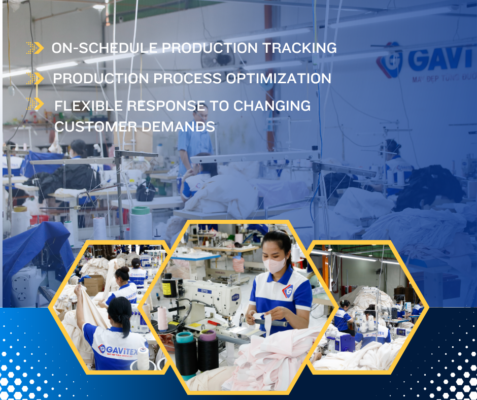
Curious about the journey from concept to closet? Learn how small batch clothing manufacturers in Vietnam ensure ethical and custom apparel production.
Understanding Pricing Structures and Payment Terms in Vietnam’s Clothing Manufacturing Industry
Navigating the intricacies of pricing structures and payment terms is crucial for any brand seeking small batch clothing manufacturers in Vietnam. Understanding these financial aspects ensures transparency, predictability, and ultimately, a successful manufacturing partnership. Let’s delve into the factors influencing pricing and the common payment practices within the Vietnamese garment industry.
Several elements contribute to the final cost of your clothing order. Primarily, fabric costs form a significant portion, influenced by the type, quality, and quantity sourced. Labor expenses, encompassing cutting, sewing, and finishing, are another key determinant. Overheads such as factory rent, utilities, and equipment depreciation also factor into the overall pricing structures. Beyond these direct costs, brands should anticipate expenses related to sampling, pattern making, and quality control, all essential for achieving desired garment standards.
When collaborating with Vietnamese clothing manufacturers, familiarity with standard payment terms is essential. Typically, manufacturers request an upfront deposit, ranging from 30% to 50% of the total order value, to initiate production and secure materials. A subsequent payment, often 30%, may be required upon completion of the cutting or sewing stages. The final balance, usually 20% to 40%, becomes due upon completion of production and before shipment. It’s imperative to negotiate these payment terms clearly, establishing milestones and payment schedules that align with both your brand’s cash flow and the manufacturer’s operational needs. Secure payment methods like Letters of Credit (L/C) or Escrow services can add a layer of security, particularly for larger orders or initial partnerships.
Quality Control and Assurance: Ensuring Your Garments Meet Expectations
In the realm of small batch clothing manufacturers in Vietnam, quality control and assurance are not mere formalities, but crucial pillars that guarantee your brand’s reputation and customer satisfaction. Robust quality control measures during garment production are essential for any brand seeking to establish itself in the competitive fashion market, ensuring that the final products not only meet but exceed customer expectations regarding design accuracy, material integrity, and overall craftsmanship. This section delves into the critical aspects of quality control and assurance, providing you with a roadmap to navigate the process effectively with your Vietnamese manufacturing partner.
Effective quality control isn’t a one-time inspection but a continuous process interwoven throughout the entire production cycle. For instance, the fabric sourcing stage requires meticulous scrutiny, checking for flaws in weave, color consistency, and adherence to specified material compositions; a failure here could compromise the entire batch. Similarly, pattern cutting and sewing demand precision, adhering strictly to design specifications to avoid inconsistencies in sizing and construction; even slight deviations can significantly impact the garment’s fit and overall aesthetic. Partnering with experienced clothing manufacturers, who understand the nuances of quality at each stage, can minimize defects and ensure consistent results.
To effectively implement quality assurance (QA), consider these key steps:
- Establish Clear Quality Standards: Define your expectations clearly, providing detailed specifications for materials, construction, finishing, and packaging. AQL (Acceptable Quality Level) should be specified.
- Implement Multi-Stage Inspections: Conduct inspections at various stages of production, including raw material inspection, in-process inspection, and final inspection.
- Utilize AQL Standards: Employ Acceptable Quality Level (AQL) sampling to statistically assess the quality of your batch, determining the acceptable number of defects.
- Invest in Training: Ensure that your manufacturer’s staff is well-trained in quality control procedures and equipped with the necessary tools and knowledge.
- Maintain Open Communication: Foster open communication with your manufacturer to address any concerns or issues promptly.
Ultimately, investing in stringent quality control and assurance protocols with your Vietnamese clothing manufacturer is an investment in your brand’s future. By proactively addressing potential issues and ensuring consistent quality, you can build trust with your customers, reduce returns and complaints, and establish a reputation for excellence in the competitive apparel market. This commitment to quality will not only enhance your brand’s image but also contribute to long-term success and sustainability in the fashion industry.
Sustainability and Ethical Practices in Small Batch Clothing Manufacturing in Vietnam
The growing demand for sustainable fashion is reshaping the landscape of small batch clothing manufacturers in Vietnam, pushing them to adopt ethical and eco-friendly practices. As consumers become more aware of the environmental and social impact of their clothing choices, manufacturers are increasingly prioritizing sustainable manufacturing processes and ethical labor standards to meet these demands.
Several key aspects define sustainability in Vietnam’s small batch clothing manufacturing. First, eco-friendly materials are gaining traction. Manufacturers are increasingly utilizing organic cotton, recycled fabrics, and innovative materials like pineapple leaf fiber (Piñatex) to reduce their environmental footprint. For example, a 2023 report by the Vietnam Textile and Apparel Association (Vitas) indicated a 15% rise in the use of sustainable materials among small and medium-sized garment factories. Secondly, water conservation is becoming a critical focus. Dyeing and washing processes are significant water consumers in the garment industry. Forward-thinking manufacturers are investing in water-efficient technologies like air-dyeing and closed-loop systems to minimize water usage and pollution. Finally, waste reduction strategies, such as fabric recycling and upcycling, are being implemented to minimize landfill waste.
Ethical practices, on the other hand, center around ensuring fair labor conditions and worker well-being. This includes:
- Fair wages: Paying workers a living wage that meets their basic needs is fundamental.
- Safe working conditions: Providing a safe and healthy work environment, free from hazards, is paramount.
- Respect for worker rights: Upholding workers’ rights to organize, bargain collectively, and be free from discrimination and harassment.
- No child labor: Ensuring that no child labor is employed in the manufacturing process.
Vietnam Biz Rep, as a brand committed to responsible production, actively seeks out manufacturers in Vietnam who adhere to these principles. By prioritizing transparency and traceability in the supply chain, brands can ensure that their clothing is produced ethically and sustainably. This includes conducting regular audits, building strong relationships with manufacturers, and supporting initiatives that promote worker empowerment and environmental protection. Embracing sustainability and ethical practices is not just a trend; it’s a fundamental shift towards a more responsible and equitable fashion industry in Vietnam.
Passionate about eco-friendly fashion? Find out how small batch clothing manufacturers in Vietnam are leading the way in ethical and custom apparel production.
Vietnam Biz Rep supports overseas buyers with garment supplier search, factory verification, sample coordination, production follow-up, and quality inspection in Vietnam. Learn more on our clothing sourcing agent page or visit Vietnam sourcing agent for our full range of services. Contact Vietnam Biz Rep to discuss your sourcing requirements.
