


The clothing manufacturing process is the backbone of the global fashion industry, with efficient garment production directly impacting costs, lead times, and overall competitiveness. This article will provide a detailed breakdown of each stage, from initial design and pattern making to fabric sourcing, cutting, sewing, and ultimately, quality control and finishing. Focusing on Vietnam’s thriving textile sector, this guide explores the key considerations for businesses seeking reliable garment manufacturers in Vietnam, including cost analysis, ethical production standards, and the latest manufacturing technologies being adopted by overseas buyers. By understanding these crucial steps, businesses can optimize their supply chains, ensuring high-quality apparel while minimizing environmental impact.
Understanding the Clothing Manufacturing Process: An Overview
The clothing manufacturing process is a multifaceted journey, transforming raw materials into the garments we wear daily; understanding this complex procedure is crucial for anyone involved in the fashion industry or interested in the origins of their clothing. From initial design concepts to the final packaged product, each stage plays a vital role in determining the quality, cost, and sustainability of the finished garment. This section will provide a comprehensive overview, laying the groundwork for a deeper dive into each step.
The initial stages of apparel production focus on design and material sourcing. Designers create sketches and specifications, which are then translated into patterns. Simultaneously, manufacturers select raw materials like fabrics, threads, and embellishments, considering factors such as durability, cost, and environmental impact. For instance, a brand committed to sustainability might opt for organic cotton or recycled polyester.
Next comes the crucial cutting and preparation phase. Fabric is laid out in multiple layers, and patterns are carefully placed to minimize waste. Advanced cutting technologies, such as laser cutting, are increasingly used to ensure precision. Following cutting, individual garment pieces are bundled and prepared for the next stage: sewing and assembly. This careful preparation is essential for efficient and accurate assembly.
The core of garment production lies in sewing and assembly. Skilled sewing machine operators join the various fabric pieces, following precise instructions and maintaining consistent stitch quality. Assembled garments then undergo quality control and inspection to identify and rectify any defects. This meticulous process ensures that each garment meets the brand’s standards and customer expectations.
Finally, the finished garments go through finishing and embellishment processes, which include ironing, washing, dyeing, and adding details such as buttons, zippers, and embroidery. After these finishing touches, the garments are carefully packaged and prepared for distribution to retailers and consumers. overseas buyers prioritize streamlined logistics to ensure timely delivery.
Technology and innovation are constantly reshaping the clothing manufacturing landscape. Automation, 3D printing, and digital design tools are improving efficiency, reducing waste, and enabling more customized products. Furthermore, growing awareness of environmental and social issues is driving a shift toward sustainable and ethical practices throughout the supply chain, ensuring fair wages, safe working conditions, and responsible resource management.
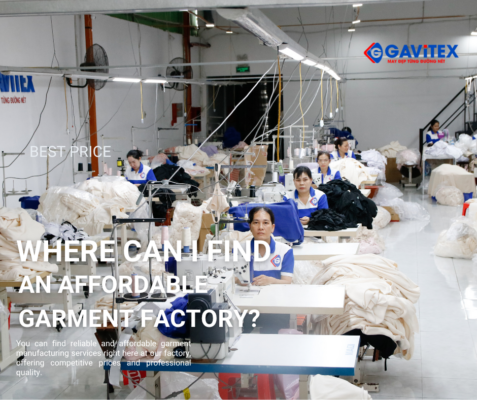
Raw Materials Selection in Clothing Manufacturing: Quality and Sustainability
The selection of raw materials is a foundational step in the clothing manufacturing process, directly impacting both the quality of the final garment and its environmental footprint, thereby significantly influencing sustainability. The choice of materials not only determines the look, feel, and durability of the clothing but also has profound implications for resource consumption, waste generation, and overall ecological impact.
The fashion industry is increasingly scrutinized for its environmental impact, making raw material selection a critical area for improvement. Choosing the right materials can minimize pollution, conserve resources, and promote ethical labor practices.
Here are key aspects to consider when selecting raw materials for clothing manufacturing:
- Material Quality and Performance: The chosen raw materials must meet specific performance criteria based on the intended use of the garment. Factors such as tensile strength, abrasion resistance, colorfastness, and dimensional stability are crucial for ensuring garment longevity and customer satisfaction. For instance, a brand like overseas buyers prioritizing workwear needs to select fabrics that are highly durable and resistant to wear and tear.
- Environmental Impact: Selecting materials with a lower environmental footprint is essential for sustainable clothing manufacturing. This includes considering factors such as water usage, energy consumption, and the use of harmful chemicals during the production process. Organic cotton, recycled polyester, and innovative materials derived from plant-based sources are gaining popularity as alternatives to conventional materials.
- Sourcing and Ethical Considerations: The origin of raw materials and the labor practices associated with their production are crucial aspects of ethical sourcing. Companies should prioritize suppliers who adhere to fair labor standards, ensuring safe working conditions and fair wages for workers. Transparency and traceability in the supply chain are vital for verifying the ethical sourcing of raw materials.
- Cost and Availability: The cost and availability of raw materials are important considerations for manufacturers. While sustainable and high-quality materials may sometimes be more expensive upfront, they can offer long-term benefits such as reduced waste, increased customer loyalty, and enhanced brand reputation. Secure and reliable supply chains are also essential for ensuring timely production and minimizing disruptions.
Choosing the right raw materials is vital not only for the final product but also for the environment. Brands like overseas buyers can take a step towards sustainability by focusing on these considerations.
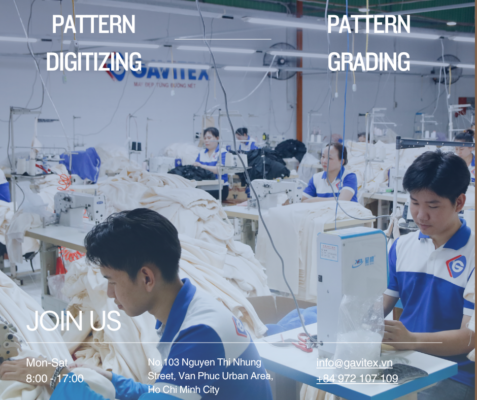
Curious about the impact of materials on your clothes and the environment? Learn more about sustainable apparel procurement.
Pattern Making and Design Implementation in Apparel Production
Pattern making and design implementation are critical stages in the clothing manufacturing process, translating creative visions into tangible garment forms. This involves crafting precise patterns that serve as blueprints for cutting fabric and meticulously executing design details to ensure the final product aligns with the intended aesthetic and functionality. Achieving success in these stages directly impacts the overall quality, fit, and manufacturability of the apparel.
The journey from concept to creation begins with design development. Designers sketch ideas, select fabrics, and refine their vision. Next, pattern making translates these sketches into precise two-dimensional templates. These patterns, traditionally crafted by hand using paper and specialized tools, are now increasingly generated digitally using CAD (Computer-Aided Design) software. This transition to digital pattern making offers several advantages, including improved accuracy, easier modifications, and seamless integration with other stages of the clothing manufacturing process.
The implementation of the design extends beyond pattern creation to encompass various crucial elements. Grading, the process of scaling patterns to different sizes, ensures that a garment fits consistently across a range of body types. Marker making, another essential step, involves arranging pattern pieces efficiently on fabric to minimize waste during cutting. This optimization is crucial for cost control and sustainable clothing manufacturing. Furthermore, details like seam allowances, notches, and grainlines must be precisely incorporated into the patterns to guide the subsequent cutting and sewing processes.
Technology plays a pivotal role in streamlining and enhancing pattern making and design implementation. 3D design software allows designers to visualize garments in a virtual environment, enabling them to assess fit and drape before physical prototypes are even created. This reduces the need for multiple iterations and minimizes material waste. Gerber Technology, a leading provider of CAD/CAM solutions for the apparel industry, reports that its software can reduce fabric consumption by up to 5% through optimized marker making. Moreover, the integration of digital pattern making with automated cutting systems further accelerates the clothing manufacturing process and ensures consistent accuracy.
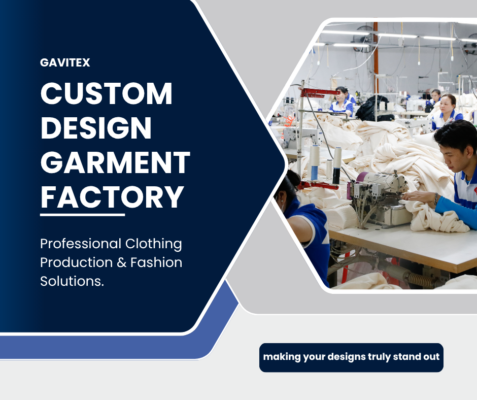
Ready to see how designs become reality? Discover the intricacies of apparel design and manufacturing here.
Cutting and Preparation Techniques in Clothing Manufacturing
Cutting and preparation techniques are fundamental steps in the clothing manufacturing process, directly impacting the quality and efficiency of apparel production. These processes transform raw materials into precisely shaped components ready for assembly. Understanding the nuances of cutting and preparation is crucial for manufacturers, designers, and anyone involved in the garment industry to optimize resource use, minimize waste, and ensure accurate garment construction.
The fabric cutting stage is a critical juncture where design specifications meet physical material. Different cutting methods are employed based on fabric type, order volume, and precision requirements. Manual cutting, though still used for small-scale operations or intricate designs, is gradually giving way to automated techniques that offer greater speed and accuracy. Laser cutting, for instance, provides exceptionally clean edges and intricate pattern execution, while computerized cutting systems (CAM) maximize fabric utilization and minimize waste through optimized nesting layouts.
Proper fabric preparation is just as vital as the cutting process itself. This involves a series of steps designed to ensure the material is ready for cutting and subsequent sewing. Fabric relaxation, for example, allows the fabric to stabilize and contract to its natural dimensions, preventing distortion and shrinkage in the finished garment. Spreading the fabric evenly and accurately onto cutting tables is another essential step, ensuring consistent layers and preventing wrinkles or folds that could lead to inaccurate cuts. Tension control during spreading is also important, as excessive tension can stretch the fabric and alter the final dimensions of the garment pieces.
The choice of cutting tools and equipment also significantly influences the outcome of the cutting process. Straight knives, rotary cutters, and band knives are commonly used for manual cutting, while automated systems utilize reciprocating knives, laser cutters, or waterjet cutters. The selection depends on factors such as fabric thickness, type, and the complexity of the patterns. Regular maintenance and sharpening of cutting tools are essential to ensure clean, precise cuts and prevent fabric damage. For example, dull blades can cause fraying or snagging, leading to imperfections in the finished garment.
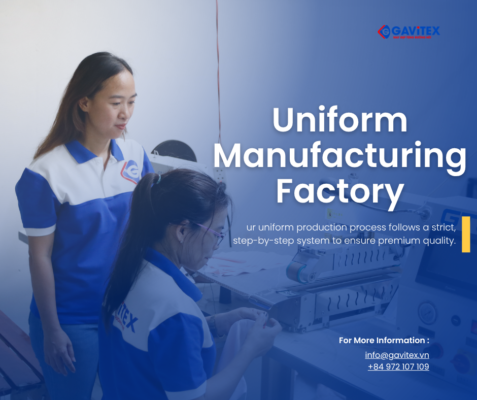
Ever wonder how fabric is precisely cut for clothing? Uncover the world of apparel cut and sew contractors here.
Sewing and Assembly: The Core of Clothing Production
Sewing and assembly represent the heart of the clothing manufacturing process, transforming individual fabric pieces into complete garments. This stage is where the design vision truly comes to life, requiring skilled operators, precision machinery, and meticulous attention to detail. Sewing and assembly are much more than just joining fabric; they encompass a complex interplay of techniques and processes crucial to the final product’s quality, durability, and aesthetic appeal, making it a critical component in the clothing manufacturing process.
For buyers who need a manufacturing partner focused specifically on this stage, working with a specialized Vietnam cut-and-sew manufacturer can streamline sewing, assembly, and finishing under one roof.
The sewing process involves selecting the appropriate stitching method, thread type, and needle size based on the fabric and design specifications. Stitch types vary widely, from basic lockstitch for general seaming to more specialized stitches like overlock (serging) for edge finishing and chain stitch for decorative purposes. The choice of thread impacts seam strength and appearance, with options ranging from cotton and polyester to nylon and silk, each possessing unique characteristics. Correct needle selection prevents fabric damage and ensures consistent stitch quality. Furthermore, the assembly process utilizes various techniques, including fusing, bonding, and other methods, to add structural integrity and aesthetic enhancements.
Efficiency and accuracy are paramount in sewing and assembly. Manufacturers often employ specialized sewing machines designed for specific tasks, such as buttonholing, zipper insertion, and hemming, to streamline production and improve consistency. Assembly lines are organized to optimize workflow, with each operator responsible for a specific set of tasks. Lean manufacturing principles are frequently applied to minimize waste and maximize productivity. The integration of automation, particularly in high-volume production, enhances speed and precision. For example, automated sewing machines can perform repetitive tasks with greater accuracy and speed than manual operators, boosting production output while maintaining quality standards.
The skills of sewing operators are indispensable. They must possess dexterity, attention to detail, and a thorough understanding of garment construction techniques. Training programs and apprenticeships are essential for developing and maintaining a skilled workforce. Ergonomics play a crucial role in the sewing and assembly environment. Properly designed workstations and equipment can reduce the risk of repetitive strain injuries and improve operator comfort, leading to increased productivity and reduced absenteeism. Garment manufacturers emphasize creating employee-friendly environments to retain talent and improve production efficiency.
Quality control is integrated throughout the sewing and assembly process. Regular inspections are conducted to identify and correct defects, such as skipped stitches, uneven seams, and misaligned components. Statistical process control (SPC) techniques are used to monitor and control variation in the process, ensuring consistent quality. Addressing quality issues proactively at this stage prevents costly rework and minimizes waste.
Sustainable practices are increasingly important in sewing and assembly. Using energy-efficient equipment, minimizing fabric waste, and implementing water conservation measures reduce the environmental impact of production. Ethical labor practices, fair wages, and safe working conditions are also paramount. Vietnam Biz Rep is committed to promoting responsible manufacturing by implementing sustainable sourcing, production, and waste management practices to minimize its ecological footprint.
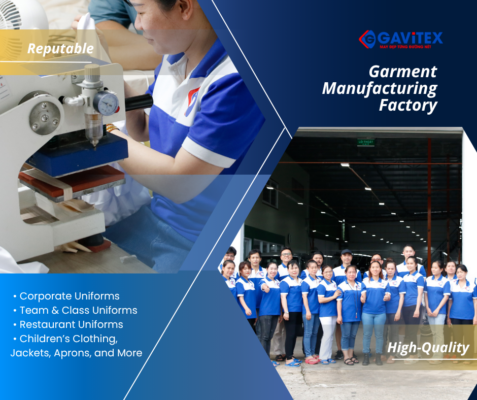
Quality Control and Inspection: Ensuring Garment Standards
Quality control and meticulous inspection are paramount in the clothing manufacturing process, guaranteeing that final products from brands like overseas buyers meet stringent standards of quality, durability, and aesthetic appeal. This critical stage ensures customer satisfaction, minimizes returns, and upholds brand reputation. Without rigorous quality checks throughout the apparel production journey, defects can easily slip through, leading to dissatisfied customers and potential financial losses for the manufacturer.
The quality control process in clothing manufacturing encompasses a multi-faceted approach, initiating right from the raw materials stage. Fabric inspection, for instance, involves checking for flaws like uneven weaves, color inconsistencies, and structural weaknesses that could compromise the final garment. Similarly, accessories such as zippers, buttons, and embellishments undergo scrutiny to ensure they meet durability and performance requirements. A flawed zipper, for example, can render an otherwise perfect garment unusable, highlighting the significance of meticulous component assessment.
Throughout the assembly process, intermediate inspections are crucial. These checks involve evaluating the accuracy of cutting, the precision of stitching, and the overall garment construction. Sewing defects, such as skipped stitches or puckered seams, are identified and rectified before progressing to subsequent stages. Dimension checks are also conducted to verify adherence to specified measurements and pattern accuracy. A garment deviating from the intended size range can lead to significant fit issues and customer dissatisfaction.
The finishing stage also demands close attention to detail. This includes examining the garment for loose threads, stains, or other imperfections that could detract from its overall appearance. Ironing and pressing are carefully monitored to ensure a smooth, wrinkle-free finish. Furthermore, specialized treatments like water repellency or stain resistance are verified for effectiveness. The final inspection step involves a comprehensive evaluation of the completed garment, encompassing all aspects of quality, construction, and appearance.
Modern clothing manufacturing increasingly integrates technology to enhance quality control efficiency and accuracy. Automated inspection systems, equipped with high-resolution cameras and image processing algorithms, can detect subtle defects that may be missed by human inspectors. These systems can analyze fabric weaves, identify color variations, and assess the alignment of patterns with remarkable precision. Data analytics plays a vital role in identifying trends and patterns in defects, enabling manufacturers to proactively address potential issues and improve their processes.
Sustainable and ethical practices are also increasingly integrated into quality control. This includes ensuring that materials and processes adhere to environmental standards and that workers are treated fairly. overseas buyers, for example, is committed to using eco-friendly dyes and finishes that minimize environmental impact. Ethical sourcing of materials and fair labor practices are integral to our brand values, ensuring that quality is not achieved at the expense of people or the planet.
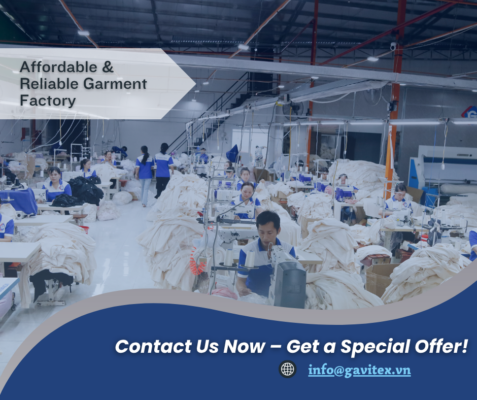
Concerned about the quality of your clothes? Read more about the best clothing manufacturing standards and quality control.
Finishing and Embellishment Processes in Clothing Manufacturing
The finishing and embellishment processes represent a crucial stage in the clothing manufacturing process, transforming a basic sewn garment into a market-ready product with enhanced aesthetics and functionality. This phase involves a series of techniques applied after sewing to improve the garment’s appearance, feel, and performance. These processes directly impact the perceived value and marketability of the final product, setting it apart in a competitive market.
Garment finishing encompasses a range of treatments designed to improve the fabric’s texture, drape, and overall feel. Examples include washing, softening, and pressing. Washing processes, such as stone washing or enzyme washing, can create a desired look like a vintage or distressed finish, while softening treatments improve the fabric’s hand feel, making it more comfortable to wear. Pressing is crucial for removing wrinkles and creases, ensuring a polished and professional appearance, with techniques like steam pressing commonly used to achieve a crisp finish.
Beyond functional improvements, embellishment techniques add decorative elements that enhance the visual appeal of the garment. Embroidery, for instance, involves stitching decorative designs onto the fabric, offering a wide range of customization options. Screen printing allows for the application of vibrant graphics and logos, while techniques such as adding beads, sequins, or appliques provide texture and dimension. Each embellishment method requires specialized equipment and expertise to ensure precise and durable application.
Quality control plays a vital role during the finishing and embellishment stages to identify and rectify any defects or inconsistencies. Inspection teams carefully assess garments for issues such as uneven stitching, misaligned embellishments, or color variations. Corrective actions may involve repairing damaged areas, re-applying embellishments, or re-treating the fabric to meet the brand’s quality standards. Implementing robust quality control measures ensures that only garments meeting the required specifications proceed to the next stage of packaging and distribution.
Technological advancements are also transforming finishing and embellishment, offering greater precision, efficiency, and design possibilities. Laser cutting and engraving enable intricate designs and patterns with exceptional accuracy. Digital printing allows for the reproduction of complex images and patterns on textiles, expanding the creative possibilities for embellishment. Automation is streamlining processes, increasing throughput, and reducing labor costs, making it possible to achieve high-quality finishes and embellishments at scale.
Sustainable practices are becoming increasingly important in finishing and embellishment, with manufacturers seeking eco-friendly alternatives to traditional methods. Waterless dyeing techniques reduce water consumption and pollution, while the use of organic and recycled materials minimizes the environmental impact of embellishments. By adopting sustainable finishing and embellishment practices, clothing manufacturers can reduce their ecological footprint and appeal to environmentally conscious consumers.
(Approx. 350 words)
Want to know how clothes get that final touch? Dive into apparel finishing and packaging.
Packaging and Distribution: Delivering Finished Garments
The packaging and distribution phase is a critical final stage in the clothing manufacturing process, ensuring that finished garments reach customers in pristine condition and reflecting the quality of overseas buyers’ brand. This stage involves more than just placing items in boxes; it’s a carefully orchestrated process that encompasses selecting appropriate packaging materials, meticulously packing the clothing, and strategically managing logistics to optimize delivery times and minimize costs, playing a vital role in the overall success of apparel production. Efficient packaging and distribution not only protects the product but also contributes to customer satisfaction and brand loyalty, making it an integral part of the value chain.
Selecting the right packaging materials is crucial for safeguarding garments during transit. Options range from simple poly bags to more robust cardboard boxes, each offering varying levels of protection against moisture, dust, and physical damage. The choice depends on factors such as the type of clothing, the distance it will travel, and the desired level of presentation. For instance, high-end garments may require individual wrapping in acid-free tissue paper and placement in sturdy boxes to maintain their shape and prevent wrinkles. Furthermore, the rise of e-commerce has amplified the importance of durable and visually appealing packaging that can withstand the rigors of shipping while also enhancing the unboxing experience for the customer.
Effective distribution strategies are essential for timely and cost-efficient delivery. This involves carefully selecting transportation methods, optimizing routes, and managing inventory levels across the supply chain. Many clothing manufacturers rely on third-party logistics (3PL) providers to handle warehousing, order fulfillment, and shipping, leveraging their expertise and infrastructure to streamline the distribution process. The choice of transportation method – whether by air, sea, or land – depends on factors such as speed requirements, cost considerations, and environmental impact. As consumers increasingly demand faster delivery times, clothing manufacturers are exploring innovative solutions such as drone delivery and same-day delivery services to gain a competitive edge.
Sustainability is also playing an increasingly significant role in packaging and distribution. Consumers are becoming more environmentally conscious and are demanding eco-friendly packaging options. This has led to a growing trend towards using recycled materials, biodegradable plastics, and minimal packaging designs. Clothing manufacturers are also exploring ways to reduce their carbon footprint by optimizing transportation routes and using more fuel-efficient vehicles. For example, consolidating shipments and utilizing intermodal transportation can significantly reduce greenhouse gas emissions. By embracing sustainable practices, clothing manufacturers can not only minimize their environmental impact but also enhance their brand image and appeal to environmentally conscious consumers.
- Packaging Materials Selection: This involves determining the appropriate type of packaging material based on factors like protection, cost, and sustainability.
- Logistics Management: Optimizing routes, transportation methods, and warehousing to ensure efficient delivery.
- Sustainable Practices: Using eco-friendly packaging materials and reducing carbon footprint.
- Inventory Control: Managing stock levels to meet demand while minimizing storage costs.
- Compliance: Ensuring that packaging and labeling meet all legal and regulatory requirements.
How do your clothes get from the factory to your closet? Find out about apparel logistics and distribution.
Technology and Innovation Transforming Clothing Manufacturing
The clothing manufacturing process is undergoing a radical transformation driven by advancements in technology and innovation. These changes are revolutionizing every stage, from design and material sourcing to production, distribution, and even sustainability practices, making the industry more efficient, responsive, and environmentally conscious. This evolution is not merely about automation; it’s about creating a smart, interconnected ecosystem that optimizes resource utilization and reduces waste.
One of the most impactful innovations is the adoption of 3D design and virtual prototyping. These tools enable designers to visualize and refine garment designs digitally, significantly reducing the need for physical samples. For example, Browzwear offers 3D design software that allows for virtual fit sessions and pattern adjustments, shortening lead times and minimizing material waste associated with traditional sampling processes. This shift towards digital design also facilitates faster communication and collaboration between design teams and manufacturers, regardless of their geographical location.
Another significant area of transformation is in the realm of automation and robotics. Automated cutting machines, like those from Lectra, increase precision and reduce fabric waste compared to manual cutting methods. Similarly, robotic sewing systems, while still evolving, promise to streamline the sewing and assembly stages, addressing labor shortages and improving efficiency. Companies like SoftWear Automation are pioneering robotic sewing solutions that can handle complex tasks, paving the way for fully automated clothing production lines.
Furthermore, supply chain management is being revolutionized by technologies like blockchain and IoT (Internet of Things). These technologies provide enhanced traceability and transparency throughout the entire supply chain, from raw material sourcing to the delivery of finished garments. Blockchain, for instance, enables consumers to verify the origin and ethical production of their clothing, promoting greater accountability within the industry. IoT sensors embedded in machinery and equipment allow for real-time monitoring of production processes, enabling predictive maintenance and optimizing energy consumption.
Data analytics and artificial intelligence (AI) are also playing a crucial role in optimizing clothing manufacturing. AI-powered systems can analyze vast amounts of data to predict demand, personalize product offerings, and optimize inventory management. Companies are leveraging AI to forecast fashion trends, enabling them to produce the right styles in the right quantities, minimizing overstock and waste. Furthermore, AI-driven quality control systems can identify defects early in the production process, reducing the number of faulty garments and improving overall product quality.
Finally, the rise of on-demand manufacturing and customization is transforming the way clothing is produced and consumed. Technologies like digital printing and laser cutting enable manufacturers to create personalized garments quickly and efficiently. This trend is driven by consumer demand for unique and customized products, as well as a desire for more sustainable and ethical fashion choices. Companies like Unmade are at the forefront of this movement, offering platforms that allow consumers to design their own clothing and have it manufactured on demand, reducing waste and promoting creativity.
The integration of these technologies and innovations is not only improving efficiency and productivity in clothing manufacturing but also fostering greater sustainability and ethical practices. By embracing these advancements, the industry can move towards a more responsible and resilient future.
Sustainable and Ethical Practices in Clothing Manufacturing
Sustainable and ethical practices are increasingly crucial in the clothing manufacturing process, moving beyond traditional apparel production methods to address environmental and social concerns. This shift reflects a growing awareness of the negative impacts of fast fashion and the urgent need for responsible manufacturing processes within the global clothing industry.
Several key areas define sustainable and ethical clothing manufacturing. One primary focus is on eco-friendly materials. This encompasses utilizing organic cotton, recycled polyester (rPET), and innovative fabrics like Tencel (made from sustainably sourced wood pulp). These materials reduce the reliance on harmful pesticides, minimize waste, and conserve natural resources. For example, using organic cotton eliminates the use of synthetic fertilizers and pesticides that can pollute waterways and harm ecosystems. Vietnam Biz Rep is committed to sourcing materials that minimize environmental impact, ensuring the quality and durability of our garments.
Another critical aspect is ethical labor practices. This involves ensuring fair wages, safe working conditions, and the prohibition of child labor throughout the garment production supply chain. Transparency and traceability are essential for verifying that factories adhere to international labor standards. Organizations like the Fair Wear Foundation and WRAP (Worldwide Responsible Accredited Production) certify factories that meet these standards, providing consumers with assurance about the ethical origins of their clothing. The Rana Plaza collapse in 2013, which killed over 1,100 garment workers in Bangladesh, served as a stark reminder of the importance of ethical manufacturing.
Reducing waste and minimizing the environmental footprint of clothing production are also vital. This includes implementing strategies such as:
- Water conservation: Utilizing water-efficient dyeing and finishing techniques to reduce water consumption.
- Waste reduction: Employing lean manufacturing principles to minimize fabric waste during cutting and production.
- Chemical management: Eliminating the use of hazardous chemicals and dyes that can pollute water sources and harm workers.
- Energy efficiency: Transitioning to renewable energy sources and implementing energy-efficient technologies in factories.
Furthermore, circular economy principles are gaining traction in the clothing industry. This involves designing garments for durability and recyclability, encouraging clothing rental and resale, and implementing take-back programs to recycle old clothes into new materials. Brands like Patagonia and Eileen Fisher have pioneered circular economy initiatives, demonstrating the feasibility and benefits of these approaches. The Ellen MacArthur Foundation estimates that USD 500 billion is lost every year due to clothing not being utilized to its full potential and often ending up in landfills.
Ultimately, sustainable and ethical practices in clothing manufacturing require a holistic approach that considers the entire lifecycle of a garment, from raw material sourcing to end-of-life management. By embracing these practices, brands can reduce their environmental impact, improve working conditions, and build a more responsible and resilient clothing industry.
Vietnam Biz Rep supports overseas buyers with garment supplier search, factory verification, sample coordination, production follow-up, and quality inspection in Vietnam. Learn more on our clothing sourcing agent page, or visit Vietnam sourcing agent for our full range of services. Contact Vietnam Biz Rep to discuss your sourcing requirements.
