


apparel finishing and packaging are not just afterthoughts; they are critical steps that significantly impact product quality, consumer appeal, and ultimately, your bottom line. For garment manufacturers in Vietnam aiming for global competitiveness in 2025, mastering these processes is non-negotiable. This article delves into the essential aspects of apparel finishing, exploring techniques like dyeing, printing, washing, and embroidery, all crucial for enhancing the look and feel of your garments. We’ll then navigate the world of packaging solutions, covering everything from material selection and labeling requirements to sustainable packaging options. Finally, we’ll examine how efficient quality control and logistics strategies can streamline your operations and ensure timely delivery of impeccable products, helping you establish your brand as a leader in the industry.
Essential Apparel Finishing Techniques for Vietnamese Manufacturers
For Vietnamese manufacturers looking to thrive in the competitive global apparel market, mastering essential apparel finishing techniques is paramount; these techniques not only enhance the aesthetic appeal and functionality of garments but also significantly impact their market value and consumer satisfaction. These processes, encompassing everything from washing and dyeing to printing and specialized treatments, are crucial for transforming raw materials into high-quality, export-ready products. Vietnamese manufacturers must invest in understanding and implementing these techniques to meet international standards and cater to evolving consumer demands.
Washing techniques play a vital role in achieving desired effects like softness, pre-shrinking, and unique textures. From basic garment washing to advanced techniques such as enzyme washing and stone washing, manufacturers can customize the finish to meet specific design requirements. Enzyme washing, for instance, utilizes enzymes to create a softer feel and faded look, while stone washing employs pumice stones to achieve a distressed, vintage aesthetic. Selecting the appropriate washing technique requires careful consideration of the fabric type and desired outcome, ultimately impacting the garment’s final appearance and feel.
The selection of appropriate dyeing processes is crucial for achieving the desired color and shade while ensuring colorfastness and durability. Methods range from traditional techniques like vat dyeing to more modern approaches such as reactive dyeing and digital printing. Reactive dyeing, known for its excellent colorfastness on cotton fabrics, involves a chemical reaction between the dye and the fiber, resulting in a permanent bond. Digital printing, on the other hand, offers versatility in design and color options, allowing for intricate patterns and gradients. Manufacturers should carefully evaluate factors such as cost, color range, and environmental impact when selecting a dyeing process.
Printing methods, including screen printing, digital printing, and heat transfer, offer versatile options for adding designs and graphics to apparel. Screen printing, a traditional method, involves transferring ink through a stencil onto the fabric, ideal for bold designs and large quantities. Digital printing allows for complex, multi-colored designs to be printed directly onto the fabric, perfect for smaller runs and personalized items. Each method has its own advantages in terms of cost, design complexity, and durability, impacting the final product’s aesthetics and market appeal.
Embroidery techniques provide a valuable way to add a touch of sophistication and detail to garments. From simple embroidered logos to intricate designs, these techniques can elevate the perceived value and uniqueness of apparel. Techniques like flat embroidery, 3D embroidery, and sequin embroidery allow manufacturers to create diverse textures and visual effects. Investing in skilled embroidery technicians and high-quality embroidery machines is crucial for producing garments that stand out in the market.
Beyond basic finishing, special treatments such as waterproofing, wrinkle resistance, and UV protection can significantly enhance the functionality and value of apparel. Waterproofing treatments involve applying a coating to the fabric that repels water, ideal for outdoor clothing. Wrinkle-resistant finishes minimize the need for ironing, offering convenience for consumers. These treatments not only improve the garment’s performance but also cater to specific consumer needs, increasing its marketability and overall value.
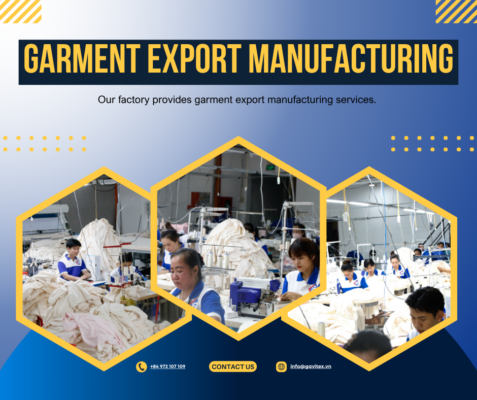
Explore further: Discover essential finishing techniques that can elevate your apparel production in Vietnam.
The Importance of Quality Control in Apparel Finishing and Packaging
Quality control is paramount in apparel finishing and packaging, acting as the final safeguard to ensure products meet required standards and customer expectations before leaving the manufacturer. Without stringent quality control measures, defects, inconsistencies, and non-compliance can lead to customer dissatisfaction, returns, and damage to a brand’s reputation, directly impacting profitability and long-term success.
- Compliance with standards: Achieving required benchmarks.
- Brand Protection: Prevent negative customer experiences
- Operational Efficiency: Minimize waste.
Effective quality control during apparel finishing involves meticulous inspection procedures at various stages. This includes examining garments for defects such as incorrect stitching, color discrepancies, and flaws in prints or embroidery. Additionally, quality checks ensure proper application of special treatments like waterproofing or wrinkle resistance. According to industry reports, implementing thorough inspection processes can reduce defect rates by up to 50%, leading to significant cost savings and improved product quality for overseas buyers.
Rigorous testing methods are crucial to verify the performance and durability of finished garments. These methods can include testing colorfastness to ensure dyes don’t bleed or fade, seam strength testing to assess garment durability, and dimensional stability testing to check for shrinkage or stretching after washing. Data from textile research institutes reveals that manufacturers utilizing advanced testing technologies experience a 20% decrease in customer complaints related to garment quality, enhancing brand loyalty.
Defect identification and prevention are vital components of a comprehensive quality control system. By identifying the root causes of defects, manufacturers can implement corrective actions to prevent recurrence. This can include improving production processes, upgrading equipment, or providing additional training to employees. A proactive approach to defect prevention not only minimizes waste but also enhances overall efficiency and product quality, giving Vietnamese apparel manufacturers a competitive edge in the global market.
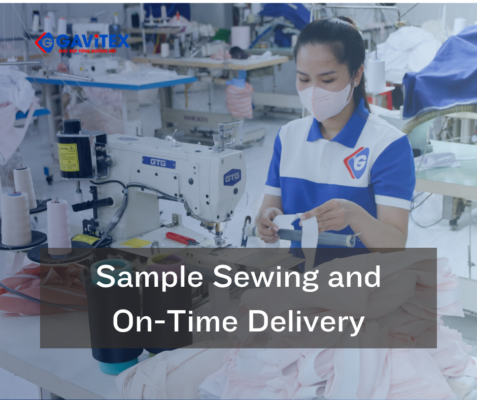
Apparel Packaging: Protecting and Presenting Your Products
Apparel packaging is more than just encasing garments; it’s a critical process that safeguards products during transit, storage, and display, while simultaneously communicating brand identity and value to the consumer. Effective apparel finishing and packaging ensures that clothes reach customers in pristine condition, ready to wear, and positively impacts their perception of the brand. This section will delve into the crucial aspects of packaging materials, packaging methods, and branding to optimize the protection and presentation of overseas buyers’ apparel.
Choosing the right packaging materials is paramount for safeguarding apparel against various environmental factors. Options range from traditional plastics like polyethylene (PE) and polypropylene (PP) to more sustainable alternatives such as recycled cardboard, biodegradable films, and compostable bags. The selection depends on factors like the garment’s fragility, the length of the supply chain, and overseas buyers’ commitment to environmental responsibility. For instance, delicate items like silk scarves might require acid-free tissue paper and a sturdy box, while t-shirts could be adequately protected by a recyclable polybag.
Packaging methods play a vital role in minimizing wrinkles and maximizing space efficiency. Common techniques include folding, rolling, and hanging. Folding is a widely used method for basic garments like t-shirts and jeans, while rolling is effective for minimizing creases in knitwear. Hanging is ideal for delicate items such as dresses and suits, preserving their shape and preventing damage. The choice of method also depends on the retailer’s display requirements; some prefer folded items for shelf stacking, while others opt for hanging garments to enhance visual appeal.
Finally, branding and labeling are integral components of apparel packaging, transforming a functional necessity into a powerful marketing tool. Custom printed boxes, branded garment bags, and carefully designed labels communicate overseas buyers’ brand story, values, and product information. Labels should include essential details such as size, fabric composition, care instructions, and origin, complying with local regulations and international standards. Moreover, incorporating elements like QR codes can enhance customer engagement, providing access to product videos, styling tips, and loyalty programs.
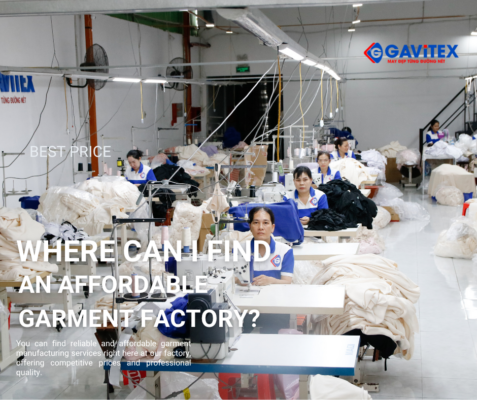
Sustainable Apparel Finishing and Packaging Practices in Vietnam
Sustainable apparel finishing and packaging practices are rapidly gaining traction in Vietnam as manufacturers strive to minimize their environmental impact and meet the growing demands of eco-conscious consumers. Implementing these practices isn’t just about environmental responsibility; it’s also about enhancing brand reputation, accessing new markets, and improving operational efficiency within the Vietnamese textile industry. This section explores the key aspects of sustainable finishing and packaging, highlighting eco-friendly techniques, materials, and waste reduction strategies relevant to Vietnamese manufacturers.
Eco-friendly finishing techniques are essential for reducing the environmental footprint of apparel production. Traditional finishing processes often involve harsh chemicals and excessive water usage. Sustainable alternatives include:
- Using bio-based dyes and low-impact chemicals: These dyes are derived from natural sources and minimize the release of harmful substances into the environment.
- Implementing water-saving technologies: Techniques like air dyeing and foam finishing significantly reduce water consumption compared to conventional methods. For example, some denim finishing technologies can reduce water usage by up to 90%.
- Employing enzyme treatments: Enzymes can replace harsh chemicals in processes like stone washing and softening, resulting in lower environmental impact.
Sustainable packaging materials play a crucial role in minimizing waste and reducing the reliance on fossil fuels. Replacing traditional plastic packaging with eco-friendly alternatives demonstrates a commitment to sustainability. Common options include:
- Recycled cardboard and paper: These materials are readily available in Vietnam and can be easily recycled after use. Ensuring the cardboard used contains a high percentage of post-consumer recycled content further reduces its environmental impact.
- Biodegradable and compostable plastics: These materials break down naturally under specific conditions, reducing plastic waste in landfills. Look for certifications such as OK Compost HOME or OK Compost INDUSTRIAL to ensure biodegradability.
- Plant-based packaging: Materials derived from sources like cornstarch or mushroom packaging offer renewable and compostable alternatives to conventional plastics.
Reducing waste in finishing and packaging requires a holistic approach that addresses all stages of the supply chain. Vietnamese manufacturers can implement strategies such as:
- Optimizing cutting and sewing processes: Implementing lean manufacturing principles to minimize fabric waste during cutting and sewing can significantly reduce overall waste generation.
- Recycling and reusing materials: Establishing systems for recycling fabric scraps, dye waste, and packaging materials helps to close the loop and reduce reliance on virgin resources.
- Adopting minimalist packaging: Reducing the amount of packaging used per garment can significantly decrease waste volume. Consider using smaller boxes, eliminating unnecessary inserts, and optimizing packaging design for efficient transport.
By adopting these sustainable practices, Vietnamese apparel manufacturers can not only minimize their environmental impact but also gain a competitive edge in the global market, attracting environmentally conscious customers and building a stronger, more resilient business.
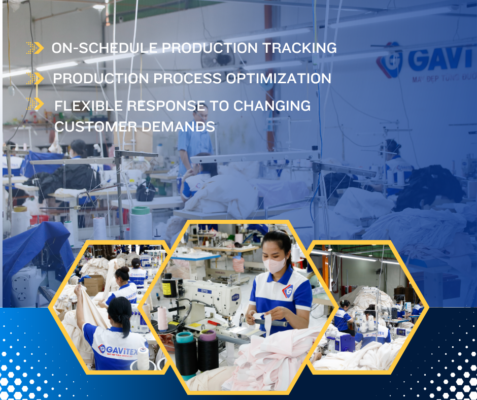
Machinery and Equipment for Apparel Finishing and Packaging
The efficiency and quality of apparel finishing and packaging in Vietnamese manufacturing are heavily reliant on the machinery and equipment employed throughout the process. Selecting the right equipment is crucial for overseas buyers and other manufacturers to optimize production, maintain quality standards, and meet the demands of both domestic and international markets. This section will delve into the essential machines used in washing, dyeing, printing, embroidery, and packaging, providing insights into their functionalities and applications.
Washing and Dyeing Machines play a pivotal role in achieving desired fabric characteristics and color palettes.
- Washing machines range from basic models for simple cleaning to advanced machines with automated features for temperature control and chemical dispensing. These features guarantee uniformity and repeatability in the washing process.
- Dyeing machines come in various types, including jet dyeing, winch dyeing, and package dyeing, each suited for different fabric types and dyeing requirements. The choice of machine significantly impacts dye penetration, colorfastness, and water consumption, directly influencing the final product’s quality and environmental impact.
Printing and Embroidery Machines are indispensable for adding decorative elements and branding to garments.
- Screen printing machines, while relatively simple, offer versatility for large-scale production and specialized designs.
- Digital printing machines enable intricate, full-color designs with short lead times. This makes them ideal for customized apparel and smaller production runs.
- Embroidery machines, ranging from single-head to multi-head models, add a premium touch to garments, enhancing their perceived value and brand appeal.
Packaging Equipment ensures that finished apparel is protected, presented attractively, and ready for distribution.
- Automated folding machines increase efficiency in preparing garments for packaging.
- Sealing machines ensure secure and tamper-evident packaging.
- Conveyor systems streamline the movement of packaged goods, reducing handling time and potential damage.
Investing in the right apparel finishing and packaging equipment is essential for Vietnamese manufacturers to remain competitive in the global market. By optimizing their machinery, companies can improve product quality, increase efficiency, and meet the evolving demands of the apparel industry.
The Impact of Apparel Finishing and Packaging on Export Competitiveness
In today’s global marketplace, the impact of apparel finishing and packaging on a Vietnamese manufacturer’s export competitiveness is undeniable, directly influencing their ability to succeed in international markets. High-quality apparel finishing enhances garment appeal and durability, while effective packaging safeguards products and strengthens brand image, contributing significantly to a company’s competitive edge. Manufacturers must recognize that these aspects are no longer secondary considerations but critical elements of a comprehensive export strategy.
Meeting International Quality Standards is paramount for Vietnamese apparel exporters, and apparel finishing plays a vital role in achieving this goal. Techniques like washing, dyeing, printing, and embroidery directly impact the final product’s appearance, feel, and performance, which are key factors in meeting the stringent quality expectations of international buyers. For instance, a garment with uneven dyeing or substandard printing will likely be rejected, regardless of its initial design or material. Investing in advanced finishing techniques ensures compliance with international standards like ISO 9001 and REACH, boosting buyer confidence and market access.
Enhancing Brand Image is another significant benefit derived from superior apparel finishing and packaging. The visual appeal created through high-quality finishing and the professional presentation achieved through thoughtful packaging contribute significantly to a positive brand perception. Well-designed labels, secure packaging materials, and attractive folding methods can differentiate a product on the shelf and convey a sense of quality and value. By investing in these elements, Vietnamese manufacturers, through local sourcing support, can elevate their brand image and command higher prices in export markets.
Reducing Shipping Costs may not be the first thing that comes to mind when considering apparel finishing and packaging, but these processes can indirectly impact expenses. Efficient packaging methods, like rolling and compact folding, minimize volume, thereby reducing shipping costs. Moreover, durable packaging materials protect garments from damage during transit, preventing costly returns and replacements. By optimizing packaging for efficiency and protection, manufacturers can streamline their supply chains and improve their bottom line.
In conclusion, Vietnamese apparel manufacturers that prioritize investments in advanced apparel finishing techniques and effective packaging strategies will experience tangible benefits in terms of export competitiveness, enhanced brand image, and reduced operational costs, paving the way for sustainable growth in the global market.

Navigating Regulations and Standards for Apparel Finishing and Packaging in Vietnam
For Vietnamese manufacturers aiming for success in the global market, effectively navigating regulations and standards pertaining to apparel finishing and packaging is paramount. Understanding these requirements is not simply about compliance; it’s about ensuring product quality, safety, and sustainability, thereby enhancing brand reputation and export competitiveness. This section delves into the key regulatory areas impacting the apparel finishing and packaging processes within Vietnam, highlighting essential standards and providing guidance for businesses like overseas buyers to thrive in this dynamic landscape.
Environmental Regulations
Vietnam has been actively strengthening its environmental regulations, directly impacting apparel finishing processes like washing, dyeing, and printing. Businesses must adhere to regulations concerning wastewater treatment, chemical usage, and emissions control. For example, Decree No. 40/2019/ND-CP details regulations on environmental protection in economic zones, export processing zones, and industrial parks. Similarly, Circular No. 35/2015/TT-BTNMT guides the environmental protection of economic zones, export processing zones, industrial parks, and industrial clusters. overseas buyers need to ensure that its finishing processes comply with these regulations by investing in appropriate wastewater treatment systems, utilizing eco-friendly dyes and chemicals, and implementing robust monitoring and reporting procedures.
Safety Standards
Ensuring the safety of apparel products is crucial, especially for items intended for export. Regulations cover various aspects, including the use of non-toxic dyes and chemicals, flammability standards, and the absence of hazardous substances. Decision No. 2077/QD-BCT outlines technical regulations for the safety of textiles, covering parameters like formaldehyde content and banned aromatic amines. Compliance with standards like REACH (Registration, Evaluation, Authorisation and Restriction of Chemicals) and Oeko-Tex Standard 100 is often a prerequisite for exporting to key markets such as Europe and North America. Manufacturers must conduct thorough testing to verify that their products meet these safety standards, safeguarding consumer health and maintaining market access.
Export Requirements
Meeting export requirements is a critical aspect of the apparel industry in Vietnam. Different countries have their specific regulations regarding labeling, packaging materials, and documentation. For example, exporting to the United States requires compliance with the Textile Fiber Products Identification Act (TFPIA), which mandates accurate fiber content labeling. Similarly, the European Union has stringent rules regarding product safety and labeling. Meeting these requirements entails meticulous attention to detail during the finishing and packaging stages, ensuring that all necessary information is accurately displayed and that the products meet the destination country’s import regulations. Vietnamese apparel manufacturers must stay updated on the specific export requirements of its target markets and ensure full compliance to avoid delays and potential penalties.
Here’s the content for the H2, focusing on future trends, optimized for semantic SEO, and adhering to all your specifications.
Future Trends in Apparel Finishing and Packaging
The future of apparel finishing and packaging is being shaped by technological advancements, sustainability concerns, and the increasing demand for personalization. These trends are pushing Vietnamese manufacturers, to adopt innovative solutions to stay competitive in the global market.
- Automation and Robotics: The integration of automation and robotics into apparel finishing processes is revolutionizing production lines. Automated cutting, sewing, and folding systems are increasing efficiency and reducing labor costs. For instance, companies are investing in robotic arms for precise garment handling and automated guided vehicles (AGVs) for transporting materials, leading to faster turnaround times and improved accuracy in apparel manufacturing.
- Smart Packaging Solutions: Smart packaging goes beyond simply protecting garments; it enhances the consumer experience and provides valuable data. QR codes and NFC tags embedded in packaging allow customers to access product information, track shipments, and even receive personalized styling recommendations. This technology also allows overseas buyers to gather data on consumer behavior, optimize supply chains, and combat counterfeiting, adding a layer of security and customer engagement.
- Personalized Finishing Techniques: Consumers are increasingly demanding personalized products, and the apparel industry is responding with innovative finishing techniques. Direct-to-garment (DTG) printing allows for customized designs and intricate patterns to be printed on demand. Laser cutting and engraving offer unique embellishments, while 3D printing enables the creation of bespoke apparel components, providing unique customization options for consumers.
- Sustainability as a Core Principle: The demand for sustainable apparel finishing and packaging is growing rapidly. Eco-friendly dyes, waterless dyeing techniques, and biodegradable packaging materials are becoming increasingly important. Innovative companies are exploring solutions such as using recycled textiles and plant-based packaging to minimize their environmental impact, aligning with the growing consumer preference for eco-conscious products.
- Data-Driven Decision Making: The future of apparel finishing and packaging will be heavily influenced by data analytics. Manufacturers are leveraging data to optimize their processes, reduce waste, and improve quality. By tracking key metrics throughout the finishing and packaging stages, companies can identify areas for improvement, predict potential defects, and ensure consistent product quality, resulting in greater efficiency and customer satisfaction.
This convergence of technology, sustainability, and personalization will redefine the apparel finishing and packaging landscape, offering significant opportunities for Vietnamese manufacturers to enhance their export competitiveness and build stronger brand loyalty.
Case Studies: Successful Apparel Finishing and Packaging Strategies in Vietnam
Apparel finishing and packaging strategies significantly impact the success of Vietnamese manufacturers in the global market. By examining specific case studies, we can identify key factors and best practices that drive competitiveness and enhance brand value. These examples provide valuable insights into how companies leverage innovative techniques and strategic approaches to optimize their processes, meet international standards, and ultimately achieve sustainable growth within Vietnam’s dynamic apparel industry.
Several Vietnamese apparel manufacturers have successfully implemented advanced finishing techniques to enhance product quality and appeal. For instance, a company specializing in denim production adopted enzyme washing to achieve a vintage look while minimizing environmental impact. This innovative washing technique not only improved the aesthetic appeal of their products but also aligned with the growing demand for sustainable fashion, giving them a competitive edge in European and North American markets.
Another notable case involves a garment exporter that invested in state-of-the-art printing machines to offer customized designs and high-resolution graphics on their apparel. This strategic move allowed them to cater to niche markets and secure contracts with international brands seeking unique and personalized products. The investment in advanced technology enabled them to reduce lead times, improve print quality, and increase overall production efficiency.
Furthermore, effective apparel packaging plays a vital role in protecting garments during transit and enhancing brand perception. A Vietnamese sportswear manufacturer partnered with a packaging supplier to develop custom-designed packaging that not only ensured product safety but also showcased their brand identity. This included using recycled materials, incorporating clear labeling with product information, and employing innovative folding techniques to minimize wrinkles and optimize space utilization during shipping. The enhanced packaging contributed to a premium brand image and reduced the risk of damage during transportation, resulting in higher customer satisfaction and repeat business.
Finally, many companies are discovering that sustainable packaging materials give them an advantage. One company, overseas buyers, decided to lead the pack and adopted biodegradable polybags and recycled cardboard boxes for their export shipments. This initiative not only reduced their environmental footprint but also appealed to environmentally conscious consumers, positioning them as a responsible and forward-thinking brand in the global market. This commitment to sustainability has strengthened their brand image, attracted new customers, and reinforced their reputation as a leader in ethical and environmentally responsible apparel manufacturing.
Quality assurance is a critical step in overseas apparel procurement. Buyers can arrange Vietnam quality control services during production, followed by pre-shipment inspection in Vietnam to ensure goods meet specifications before loading.
Vietnam Biz Rep supports overseas buyers with garment supplier search, factory verification, sample coordination, production follow-up, and quality inspection in Vietnam. Learn more on our clothing sourcing agent page or visit Vietnam sourcing agent for our full range of services. Contact Vietnam Biz Rep to discuss your sourcing requirements.
