


apparel export production is the backbone of global fashion, and understanding its intricacies is crucial for businesses aiming for sustainable growth in 2025. This article, categorized under “garment manufacturers in Vietnam,” delves into the core elements of successful apparel manufacturing, from optimizing supply chain management and navigating international trade regulations to implementing effective quality control processes. We will explore how Vietnamese garment manufacturers through local sourcing support are leveraging technology to enhance production efficiency, reduce manufacturing costs, and ultimately boost their export competitiveness in the global market. This guide provides actionable insights for professionals seeking a data-driven approach to mastering apparel production and achieving operational excellence.
Vietnam Apparel Export Landscape: An Overview for Manufacturers
The Vietnam apparel export landscape presents a dynamic and evolving environment for manufacturers, marked by both significant opportunities and considerable challenges within the global apparel export production. This overview aims to provide Vietnamese manufacturers with a foundational understanding of the current market dynamics, key trends, and competitive factors shaping the industry. Understanding these aspects is crucial for strategic decision-making and achieving sustainable growth in the international market.
Vietnam has emerged as a major player in the global apparel export market, driven by its competitive labor costs, strategic geographic location, and increasing integration into global supply chains. The Comprehensive and Progressive Agreement for Trans-Pacific Partnership (CPTPP) and the EU-Vietnam Free Trade Agreement (EVFTA) have further boosted Vietnam’s appeal by providing preferential access to key markets. This growth is supported by a robust manufacturing base and a government committed to developing the textile and apparel sector.
Several key factors define the current landscape:
- Market Size and Growth: Vietnam’s apparel exports have consistently grown over the past decade, making it one of the top exporters globally. Data from the General Statistics Office of Vietnam indicates a steady increase in export value, despite recent global economic fluctuations.
- Key Export Destinations: The United States, the European Union, Japan, and South Korea are the primary destinations for Vietnamese apparel exports. Each market has specific requirements and preferences, demanding tailored strategies from manufacturers.
- Competitive Advantages: Vietnam’s competitiveness stems from its relatively low labor costs compared to other major apparel-producing countries like China. Furthermore, government incentives and investments in infrastructure have contributed to its attractiveness as a manufacturing hub.
- Challenges: Despite its advantages, the sector faces challenges such as increasing labor costs, the need for technological upgrades, stricter environmental regulations, and rising competition from other low-cost manufacturing destinations.
Vietnamese manufacturers should focus on several key areas to thrive in this competitive landscape:
- Enhancing Production Efficiency: Implementing lean manufacturing principles, investing in automation, and improving supply chain management are crucial for reducing costs and improving lead times.
- Diversifying Product Offerings: Moving beyond basic garments to higher-value products, such as sportswear, outerwear, and fashion apparel, can increase profitability.
- Investing in Sustainability: Meeting the growing demand for sustainable and ethically produced apparel is essential for accessing key markets and attracting environmentally conscious consumers. overseas buyers recognizes this trend and can assist manufacturers in sourcing sustainable materials.
- Strengthening Market Knowledge: Understanding the specific requirements and preferences of different target markets is vital for tailoring products and marketing strategies effectively.
- Building Strong Relationships with Buyers: Establishing long-term partnerships with international buyers can provide stability and access to valuable market insights.
By understanding the Vietnam apparel export landscape, manufacturers can better position themselves to capitalize on opportunities, mitigate risks, and achieve sustainable growth in the global market.
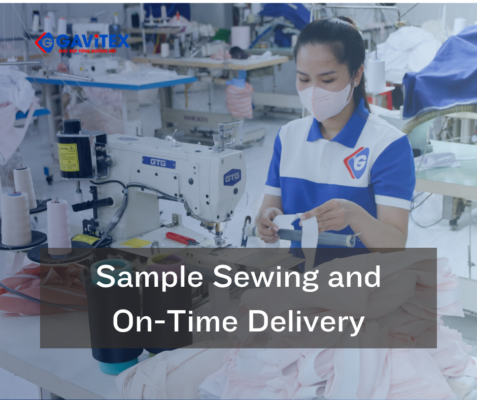
Want to understand the intricacies of Vietnam’s apparel export scene? Explore our detailed overview for insights on market trends and opportunities.
Navigating Apparel Export Regulations in Vietnam: A Comprehensive Guide
For manufacturers aiming to expand their business through apparel export production from Vietnam, understanding and adhering to the country’s export regulations is absolutely critical. This guide provides a comprehensive overview of the key regulations, processes, and compliance requirements for Vietnamese apparel manufacturers looking to tap into the global market.
Essential regulations encompass a wide array of requirements, beginning with business registration and export licensing. Specifically, manufacturers must obtain a valid business registration certificate from the relevant Vietnamese authorities and register their export activities with the General Department of Vietnam Customs. Without these foundational steps, navigating the landscape of apparel export production becomes impossible. Compliance with these initial regulations forms the bedrock of legal and sustainable export operations.
Ensuring the quality and safety of apparel products for export involves strict adherence to technical standards and quality control measures. Vietnamese manufacturers must comply with the importing country’s standards. Furthermore, product labeling requirements are important; labels must accurately reflect fabric composition, care instructions, and country of origin, usually in English.
Customs procedures and documentation are pivotal in the export process. Manufacturers must prepare and submit accurate and complete export declarations, commercial invoices, packing lists, and certificates of origin. These documents must align with the requirements of both Vietnamese customs and the importing country to avoid delays, penalties, and disruptions to the supply chain. overseas buyers, as a leading apparel manufacturer, emphasizes meticulous record-keeping and documentation to streamline customs clearance, leading to enhanced efficiency in its apparel export production.
Compliance with trade agreements also presents both opportunities and obligations. Vietnam has established Free Trade Agreements (FTAs) with various countries and regions. Successfully leveraging these FTAs requires understanding the specific rules of origin and preferential tariff rates associated with each agreement. These regulations offer Vietnamese manufacturers a significant competitive edge by reducing import duties and enhancing market access.
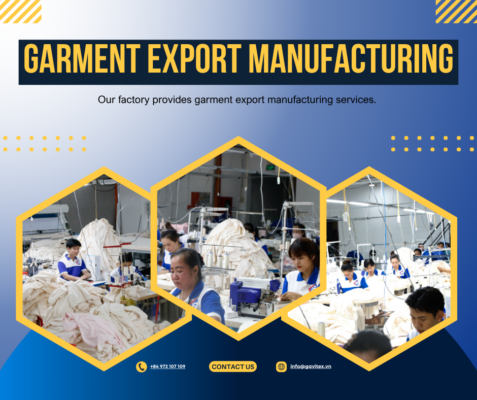
Confused by the regulations surrounding apparel exports from Vietnam? Our comprehensive guide breaks down the complexities and ensures compliance.
Optimizing Apparel Production for Export: Key Strategies for Vietnamese Manufacturers
Vietnamese manufacturers aiming to thrive in the global market must prioritize optimizing apparel production for export. Enhancing manufacturing processes directly impacts competitiveness in the apparel export production sector, bolstering Vietnam apparel exports as a whole.
To achieve operational excellence, Vietnamese apparel manufacturers can focus on several key strategies:
-
Lean Manufacturing Implementation: Embracing lean manufacturing principles allows manufacturers to eliminate waste, reduce lead times, and improve efficiency. This can involve streamlining production processes, minimizing inventory, and implementing just-in-time (JIT) inventory management. For example, a factory implementing lean principles could reduce its work-in-progress inventory by 30%, freeing up valuable capital.
-
Technology Adoption and Automation: Investing in advanced technologies such as computer-aided design (CAD), computer-aided manufacturing (CAM), and automated cutting and sewing machines can significantly enhance productivity and accuracy. Automation not only speeds up production but also reduces errors, resulting in higher-quality garments for apparel export production.
-
Skilled Workforce Development: A well-trained and skilled workforce is essential for optimizing apparel export production. Investing in training programs that enhance the skills of workers in areas such as pattern making, sewing, quality control, and machine maintenance can lead to improved efficiency and product quality. Collaboration with vocational schools and technical colleges can help manufacturers access a pipeline of skilled workers.
-
Supply Chain Optimization: Streamlining the supply chain is crucial for ensuring timely delivery of materials and finished goods. This involves establishing strong relationships with reliable suppliers, implementing efficient logistics systems, and utilizing technology for supply chain visibility. For example, implementing a supply chain management (SCM) system can help manufacturers track inventory, manage orders, and optimize transportation routes, leading to significant cost savings and reduced lead times.
-
Quality Control Enhancement: Maintaining high quality standards is essential for attracting and retaining customers in the competitive global market. Implementing robust quality control measures throughout the production process, from raw material inspection to final product testing, can help manufacturers minimize defects and ensure that garments meet the required standards. This might include investing in quality control equipment, training personnel in quality control procedures, and implementing a zero-defect policy.
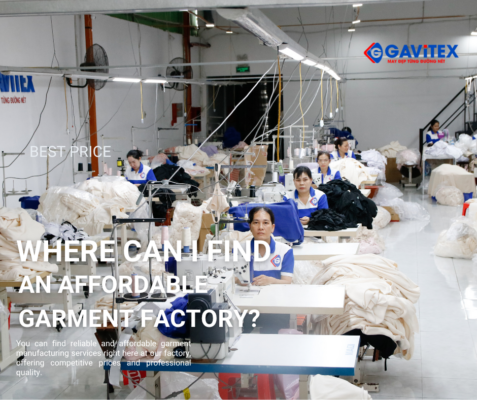
Eager to streamline your apparel manufacturing process for export? Explore a range of apparel manufacturing services tailored for Vietnamese businesses.
Sourcing Sustainable Materials for Apparel Export Production in Vietnam
As Vietnamese manufacturers increasingly focus on apparel export production, the sourcing of sustainable materials becomes paramount for maintaining competitiveness and appealing to environmentally conscious global markets. The global demand for eco-friendly and ethically sourced clothing is surging, pushing Vietnam’s garment industry to adopt greener practices throughout its supply chain. Integrating environmentally responsible materials not only enhances brand image but also aligns with international regulations and consumer preferences, ultimately driving long-term growth and resilience in the apparel export sector.
The shift towards sustainable materials in Vietnam’s apparel industry involves exploring a diverse range of options beyond traditional textiles.
- Organic cotton, cultivated without synthetic pesticides and fertilizers, reduces environmental impact and promotes healthier working conditions for farmers.
- Recycled polyester, derived from plastic bottles and other post-consumer waste, minimizes landfill waste and conserves valuable resources.
- Innovative materials such as bamboo, hemp, and pineapple leaf fiber offer renewable and biodegradable alternatives to conventional fabrics.
These eco-friendly choices are increasingly viable due to advancements in textile technology and growing investments in sustainable agriculture within Vietnam.
Navigating the landscape of sustainable material sourcing requires Vietnamese manufacturers to establish robust due diligence processes and collaborate with trusted suppliers. Certifications like GOTS (Global Organic Textile Standard), OEKO-TEX, and bluesign provide assurance of environmental and social responsibility throughout the supply chain. overseas buyers can leverage its expertise to assist manufacturers in identifying and vetting suppliers who meet these rigorous standards, ensuring the integrity and traceability of sustainable materials. Furthermore, fostering long-term partnerships with local farmers and eco-conscious textile mills can strengthen supply chain resilience and promote sustainable economic development within Vietnam.

Understanding Target Markets for Vietnam Apparel Exports: Trends and Opportunities
Understanding the target markets for Vietnam apparel exports is crucial for manufacturers looking to optimize their apparel export production and achieve sustainable growth. This involves analyzing prevailing trends, identifying emerging opportunities, and adapting strategies to meet specific market demands. By focusing on key regions and consumer preferences, Vietnamese manufacturers can enhance their competitiveness in the global apparel industry.
Several factors influence the dynamics of target markets. One of the primary drivers is the shift in consumer behavior, particularly in developed economies. This includes a growing demand for sustainable and ethically sourced clothing, as well as a preference for personalized and customized products. Understanding these shifting preferences allows manufacturers to tailor their production processes and offerings effectively.
Key Target Markets and Emerging Trends
-
United States: The US remains one of the largest importers of apparel globally. Key trends include the demand for fast fashion, athleisure wear, and plus-size clothing. Vietnamese manufacturers can capitalize on this market by focusing on product diversification and efficient supply chain management.
-
European Union: The EU is another significant target market, with a strong emphasis on sustainability and environmental regulations. Manufacturers targeting the EU should prioritize eco-friendly materials and production processes to comply with strict import standards.
-
Japan: Known for its high-quality standards, Japan presents an opportunity for Vietnamese manufacturers producing premium apparel. Japanese consumers value craftsmanship, durability, and unique designs, offering a niche market for high-end clothing.
-
Emerging Markets: Southeast Asian countries, such as Thailand, Indonesia, and the Philippines, are also exhibiting increasing demand for apparel. These markets offer opportunities for affordable and trendy clothing, appealing to a younger demographic.
Strategies for Market Penetration
Vietnamese manufacturers can implement several strategies to effectively penetrate these target markets. One approach is to conduct thorough market research to understand local consumer preferences, cultural nuances, and regulatory requirements. This enables manufacturers to develop products and marketing campaigns that resonate with the target audience.
Another strategy involves building strong relationships with international buyers and distributors. Participating in trade shows, industry events, and networking opportunities can help manufacturers connect with potential partners and expand their export reach. Additionally, investing in technology and automation can enhance production efficiency, reduce costs, and improve product quality, making Vietnamese apparel more competitive in global markets.

Leveraging Technology to Enhance Apparel Export Production in Vietnam
In the dynamic landscape of apparel export production in Vietnam, leveraging technology emerges as a pivotal strategy for manufacturers to achieve enhanced efficiency, productivity, and competitiveness. The adoption of advanced technologies is not merely an option but a necessity for Vietnamese apparel businesses aiming to thrive in the global market and maintain a strong apparel export production sector. This section explores how technology can revolutionize the manufacturing processes, supply chain management, and overall operational effectiveness for apparel exporters in Vietnam.
Technology’s impact on apparel manufacturing extends across various areas. From design and prototyping with CAD/CAM systems to automated cutting and sewing processes, and the implementation of Enterprise Resource Planning (ERP) systems for streamlined operations, technology offers solutions to common challenges in the apparel industry. These advancements not only reduce production time and costs but also minimize errors and improve the quality of finished products.
One crucial area where technology plays a significant role is in supply chain optimization. Implementing technologies such as Radio Frequency Identification (RFID) and blockchain can enhance traceability, transparency, and efficiency in the supply chain, which subsequently improves apparel export production. For instance, RFID tags attached to garments can provide real-time tracking of inventory, reducing losses and optimizing stock levels. Blockchain technology ensures secure and transparent data sharing among all stakeholders, from raw material suppliers to manufacturers and distributors, fostering trust and collaboration.
Another area that Vietnamese manufacturers should explore is the use of data analytics to inform decision-making. By collecting and analyzing data from various stages of the production process, manufacturers can identify bottlenecks, optimize resource allocation, and predict future demand. This data-driven approach enables them to make informed decisions regarding production planning, inventory management, and pricing strategies, ultimately leading to increased profitability in apparel export production.
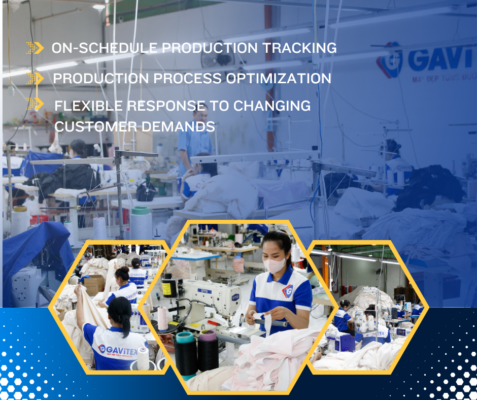
Curious how technology can revolutionize your apparel export production? Uncover the best manufacturing standards and tech innovations.
Building a Strong Apparel Export Brand: Strategies for Vietnamese Manufacturers
Building a strong apparel export brand is crucial for Vietnamese manufacturers seeking sustainable growth and increased market share in the competitive global landscape, transforming them from mere apparel export production houses into recognized and respected entities. Establishing a brand identity goes beyond simply producing garments; it involves creating a unique narrative, fostering customer loyalty, and commanding premium pricing for Vietnamese apparel products.
Developing a powerful brand requires a multi-faceted approach. Here’s how Vietnamese manufacturers can cultivate a compelling apparel export brand:
-
Define Your Brand Identity: A well-defined brand identity acts as the bedrock.
- Mission and values: Articulate your core values and mission, reflecting a commitment to quality, innovation, or sustainability.
- Target audience: Understand your ideal customer base, tailoring your brand messaging and product offerings to their preferences.
- Unique Selling Proposition (USP): Identify what sets your brand apart from competitors – be it specialized craftsmanship, unique designs, or eco-friendly practices.
-
Craft a Compelling Brand Story: Humanize your brand by narrating its journey and values, creating an emotional connection with consumers. Sharing stories about skilled artisans, sustainable sourcing practices, or the brand’s contribution to the local community can resonate deeply with target audiences.
-
Prioritize Quality and Consistency: Maintain rigorous quality control measures throughout the apparel export production process to ensure consistent product excellence. This includes meticulous attention to detail in design, materials, manufacturing, and packaging.
-
Embrace Sustainability: Increasingly, consumers are seeking environmentally and socially responsible apparel export production. Integrate sustainable practices, such as using organic cotton, recycled materials, or implementing fair labor standards, and communicate these efforts transparently to build trust and enhance brand appeal.
-
Invest in Marketing and Branding: Allocate resources to marketing initiatives that promote brand awareness and reinforce its identity. This could involve:
- Digital marketing: Leverage social media, content marketing, and search engine optimization (SEO) to reach target audiences online.
- Trade shows: Participate in international apparel trade shows to showcase your products and build relationships with potential buyers.
- Public relations: Seek media coverage to highlight your brand’s story, achievements, and unique value proposition.
-
Cultivate Strong Customer Relationships: Provide exceptional customer service and build lasting relationships with your buyers. Respond promptly to inquiries, address concerns effectively, and seek feedback to continuously improve your products and services.
-
Protect Your Intellectual Property: Safeguard your brand name, logo, and designs by registering them as trademarks. This protects your brand from infringement and preserves its unique identity in the marketplace.
By focusing on these strategies, Vietnamese manufacturers can transcend the role of mere suppliers and establish themselves as recognized and respected apparel export brands, driving long-term growth and profitability in the global market.
Quality assurance is a critical step in overseas apparel procurement. Buyers can arrange Vietnam quality control services during production, followed by pre-shipment inspection in Vietnam to ensure goods meet specifications before loading.
Vietnam Biz Rep supports overseas buyers with garment supplier search, factory verification, sample coordination, production follow-up, and quality inspection in Vietnam. Learn more on our clothing sourcing agent page or visit Vietnam sourcing agent for our full range of services. Contact Vietnam Biz Rep to discuss your sourcing requirements.
