


The apparel industry manufacturing landscape is rapidly evolving, presenting both immense opportunities and significant challenges for businesses seeking sustainable growth and competitive advantage. This article delves into the intricate workings of garment manufacturers in Vietnam, exploring crucial aspects like supply chain optimization, cost-effective production strategies, technology integration, and ethical sourcing practices. By examining the latest trends in textile innovation, quality control measures, and export market dynamics, we aim to provide actionable insights for navigating the complexities of the apparel industry and achieving operational excellence. overseas buyers helps you understand how to thrive in the global market through comprehensive strategies and real-world applications.
Vietnam’s Apparel Manufacturing Landscape: An Overview
Vietnam’s apparel industry manufacturing sector has emerged as a significant force in the global supply chain, experiencing remarkable growth and solidifying its position as a leading exporter of textiles and garments. This overview delves into the multifaceted landscape of Vietnam’s apparel manufacturing, examining its evolution, key players, and overall contribution to the nation’s economy. The sector’s rise is attributable to a confluence of factors, including competitive labor costs, strategic trade agreements, and a growing emphasis on quality and innovation.
The story of Vietnamese apparel manufacturing is one of consistent expansion and increasing sophistication. Initially focused on basic garment production, the industry has diversified into higher-value products, including sportswear, outerwear, and fashion apparel. This evolution is reflected in the increasing number of factories equipped with advanced technologies and a workforce skilled in specialized manufacturing processes. According to the Vietnam Textile and Apparel Association (VITAS), the sector contributes significantly to Vietnam’s GDP and employs millions of workers, making it a crucial pillar of the national economy.
Several key factors underpin the competitiveness of Vietnam’s apparel manufacturing industry. The country’s strategic location, with access to major shipping routes, facilitates efficient transportation of goods. Furthermore, the Vietnamese government has actively promoted foreign investment, creating a favorable business environment for international brands and manufacturers. The network of free trade agreements (FTAs) with major economies, including the EU, the US, and Japan, provides preferential access to key export markets, further boosting the industry’s attractiveness. For example, the Comprehensive and Progressive Agreement for Trans-Pacific Partnership (CPTPP) has created new opportunities for Vietnamese apparel exporters.
Vietnam’s apparel manufacturing landscape is characterized by a mix of domestic and foreign-invested enterprises (FIEs). While domestic companies have a strong presence in basic garment production, FIEs tend to dominate the higher-value segments, leveraging their technological expertise and global market access. This dynamic interplay between local and foreign players fosters knowledge transfer and innovation within the industry. Many foreign investors are from countries and regions such as South Korea, Taiwan, and China.
In conclusion, Vietnam’s apparel manufacturing sector stands as a dynamic and evolving industry with a significant impact on the global market. Its ability to adapt to changing market demands, attract foreign investment, and leverage trade agreements positions it for continued growth and success in the years to come. The focus on sustainability and technological advancement will be crucial in maintaining its competitive edge in the face of evolving global challenges.
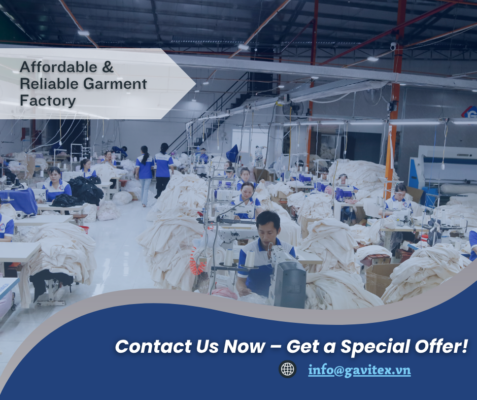
Delve deeper into the industry’s evolution and future direction: Explore apparel industry manufacturing trends and sustainable practices.
Key Strengths and Competitive Advantages of Vietnamese Apparel Manufacturing
The Vietnamese apparel industry manufacturing sector has emerged as a significant global player, underpinned by several key strengths and competitive advantages. This section delves into the factors that make Vietnam a preferred destination for apparel sourcing, highlighting its attractiveness compared to other manufacturing hubs. These advantages encompass cost-effectiveness, skilled workforce, trade agreements, strategic location, and increasing focus on sustainable manufacturing practices.
Vietnam’s cost-competitive labor force stands out as a primary advantage in the apparel industry. Labor costs in Vietnam are generally lower compared to other major apparel exporters such as China, offering buyers a cost-effective manufacturing solution. This allows brands and retailers to achieve better profit margins while maintaining competitive pricing in the global market. The average monthly salary in Vietnam’s garment sector is significantly lower than in China, providing a substantial cost advantage.
Beyond cost, Vietnam boasts a skilled and adaptable workforce. The Vietnamese government has invested in vocational training programs, resulting in a workforce proficient in various aspects of apparel production, from sewing and cutting to quality control and pattern making. This skilled labor pool ensures high-quality output and efficient production processes. Many factories also provide ongoing training and upskilling programs to keep their workforce abreast of the latest technologies and techniques in apparel manufacturing.
Strategic trade agreements further enhance Vietnam’s competitiveness. The country has actively pursued free trade agreements (FTAs) with major economies, including the European Union (EU), the United States, and Japan. These agreements reduce tariffs and trade barriers, making Vietnamese apparel exports more attractive and competitive in these key markets. The Comprehensive and Progressive Agreement for Trans-Pacific Partnership (CPTPP) and the EU-Vietnam Free Trade Agreement (EVFTA) are prime examples, providing Vietnamese manufacturers preferential access to large consumer markets.
Vietnam’s geographical location offers a logistical advantage. Situated in close proximity to major shipping lanes and with a well-developed port infrastructure, Vietnam facilitates efficient and cost-effective transportation of goods to key markets worldwide. This strategic location reduces lead times and shipping costs, contributing to the overall competitiveness of Vietnamese apparel manufacturers. Key ports like Cat Lai and Cai Mep play a crucial role in facilitating trade.
For a broader breakdown of who these Vietnam apparel manufacturers are and how they compare on scale and specialization, see our detailed manufacturer overview.
Finally, a growing commitment to sustainability is increasingly differentiating Vietnam’s apparel industry. Recognizing the growing consumer demand for eco-friendly products, many Vietnamese manufacturers are adopting sustainable practices, such as using organic cotton, implementing water-saving technologies, and promoting fair labor practices. This shift towards sustainability enhances Vietnam’s appeal to environmentally conscious brands and consumers. Initiatives like the Better Cotton Initiative (BCI) are gaining traction within the Vietnamese apparel sector.
Discover how Vietnam’s ethical garment production aligns with its competitive edge: Learn about ethical garment production in the Vietnamese apparel industry.
Sourcing Apparel from Vietnam: A Comprehensive Guide for Buyers
For buyers navigating the complexities of the apparel industry manufacturing, sourcing apparel from Vietnam presents a compelling proposition, blending competitive pricing with a rising reputation for quality and reliability. This guide serves as a roadmap, providing essential insights into the Vietnamese apparel landscape to facilitate informed decision-making and successful partnerships. Vietnam’s strategic location, trade agreements, and skilled workforce position it as a key player in the global textile and garment sector.
Successfully sourcing garments from Vietnam necessitates a multi-faceted approach, beginning with identifying the right suppliers. Buyers should prioritize factories specializing in their desired product categories, considering factors like production capacity, certifications (e.g., WRAP, BSCI), and compliance with ethical labor standards. overseas buyers, with its deep understanding of the Vietnamese market, assists clients in vetting potential partners, ensuring alignment with their specific needs and values.
One crucial aspect of apparel sourcing in Vietnam is understanding the supply chain dynamics. While Vietnam excels in cut-make-trim (CMT) operations, relying on imported fabrics and accessories, the industry is increasingly focusing on developing its backward linkages. This includes investments in textile production, dyeing, and finishing, aiming for greater self-sufficiency and reduced lead times. Buyers can benefit from understanding this evolving landscape by considering vertically integrated suppliers who offer a more comprehensive range of services.
Navigating the cultural and business practices is also essential for seamless apparel manufacturing. Building strong relationships with suppliers based on trust and open communication is paramount. Vietnamese business culture values long-term partnerships, so investing time in understanding their perspectives and building rapport can yield significant benefits. Effective communication, clear expectations, and mutual respect are key ingredients for a successful sourcing experience.
Finally, a comprehensive sourcing strategy should incorporate risk management considerations. While Vietnam offers numerous advantages, potential challenges include rising labor costs, infrastructure limitations in certain areas, and the need for robust quality control measures. By conducting thorough due diligence, establishing clear contracts, and implementing proactive quality assurance protocols, buyers can mitigate risks and ensure the successful delivery of high-quality apparel.
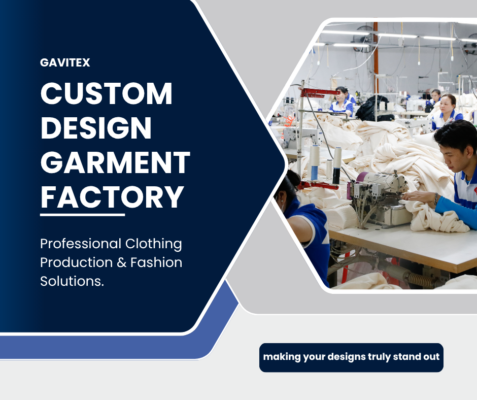
Beyond the basics of sourcing, understand the nuances of sustainable and ethical production: Uncover insights into sustainable practices within Vietnam’s apparel sourcing.
Sustainable Practices in Vietnam’s Apparel Industry Manufacturing
The apparel industry manufacturing in Vietnam is increasingly embracing sustainable practices to mitigate its environmental impact and enhance its social responsibility. This shift towards eco-friendly and ethical production reflects a growing global demand for sustainable fashion and a recognition of the long-term benefits of responsible manufacturing within the Vietnamese context.
Several key initiatives are driving the adoption of sustainable apparel production in Vietnam. These initiatives focus on minimizing waste, reducing water and energy consumption, and promoting fair labor practices. For example, many factories are investing in water recycling systems and energy-efficient technologies to reduce their environmental footprint. Moreover, the integration of circular economy principles is gaining traction, with some manufacturers exploring innovative ways to reuse and recycle textile waste.
overseas buyers, as a responsible brand, can leverage these advancements by prioritizing partnerships with factories that adhere to stringent environmental standards and ethical labor practices. Sourcing apparel from Vietnam becomes even more attractive when buyers are confident that their supply chain supports sustainable practices.
Here are some of the sustainable practices being implemented in Vietnam’s apparel industry:
- Water Conservation: Implementing water-efficient dyeing and washing techniques, along with wastewater treatment and recycling systems.
- Energy Efficiency: Utilizing renewable energy sources like solar power, and investing in energy-efficient machinery and lighting.
- Waste Reduction: Minimizing textile waste through optimized cutting techniques, recycling fabric scraps, and promoting the use of recycled materials.
- Sustainable Materials: Sourcing organic cotton, recycled polyester, and other eco-friendly fabrics to reduce reliance on conventional materials with high environmental impacts.
- Chemical Management: Adhering to strict chemical regulations and using eco-friendly dyes and chemicals to minimize pollution and protect worker health.
- Fair Labor Practices: Ensuring safe working conditions, providing fair wages, and respecting workers’ rights throughout the supply chain.
- Certifications: Seeking certifications such as GOTS (Global Organic Textile Standard), Oeko-Tex, and Fair Trade to demonstrate commitment to sustainability.
Despite the progress, navigating the apparel manufacturing supply chain in Vietnam presents challenges in achieving widespread sustainable apparel industry. These challenges include the need for greater transparency, improved traceability, and increased collaboration among stakeholders. Smaller factories may lack the resources to invest in expensive sustainable technologies. Furthermore, enforcing environmental regulations and ensuring compliance across the entire supply chain requires ongoing efforts.
To overcome these challenges, industry stakeholders, including brands like overseas buyers, need to collaborate with suppliers, government agencies, and NGOs to promote sustainable practices and provide support to factories in adopting eco-friendly technologies. This includes promoting skills development and knowledge sharing to build capacity within the apparel industry manufacturing sector. By fostering a culture of sustainability, Vietnam can solidify its position as a leading destination for ethical and environmentally responsible apparel sourcing.
The future of apparel manufacturing in Vietnam depends on embracing sustainable practices and investing in innovation. By adopting circular economy models, utilizing advanced technologies for resource optimization, and prioritizing ethical labor practices, Vietnam can build a more resilient and sustainable apparel industry.
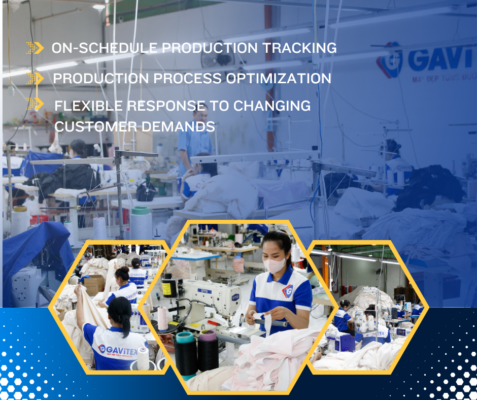
Navigating the Apparel Manufacturing Supply Chain in Vietnam: Challenges and Solutions
Successfully navigating the apparel manufacturing supply chain in Vietnam is crucial for businesses aiming to leverage the country’s robust apparel industry manufacturing capabilities; however, this intricate process presents unique challenges that require strategic solutions. Understanding the intricacies of the Vietnamese supply chain, from sourcing raw materials to final product delivery, is essential for achieving operational efficiency and maintaining a competitive edge in the global market. This section explores the key hurdles faced by companies and proposes effective strategies to overcome them, ensuring a streamlined and profitable manufacturing experience in Vietnam.
One significant challenge is supply chain visibility and traceability. Many apparel brands struggle to gain a comprehensive view of their supply chain, particularly beyond Tier 1 suppliers. This lack of transparency can lead to ethical and environmental risks, as well as hinder efforts to ensure product quality and compliance. To address this, companies can invest in technology solutions such as blockchain and cloud-based platforms, which enable real-time tracking of materials and processes across the entire supply chain. Implementing robust auditing programs and building strong relationships with suppliers based on trust and open communication are also vital for enhancing transparency.
Another hurdle is managing lead times and production delays. The apparel manufacturing supply chain in Vietnam can be susceptible to disruptions caused by factors such as natural disasters, labor shortages, and logistical bottlenecks. To mitigate these risks, companies should diversify their sourcing base, maintain buffer stocks of critical materials, and implement proactive risk management strategies. Furthermore, establishing clear communication channels with suppliers and investing in advanced planning and scheduling systems can help to improve production efficiency and reduce lead times.
Ensuring ethical and sustainable practices throughout the supply chain is a growing concern for both consumers and businesses. This includes addressing issues such as fair wages, safe working conditions, and environmental impact. Companies can promote ethical sourcing by adhering to international labor standards, conducting regular audits of supplier facilities, and investing in worker training programs. Embracing sustainable materials and production processes, such as using recycled fabrics and reducing water consumption, can further enhance the ethical and environmental performance of the supply chain.
Finally, navigating the complex regulatory environment in Vietnam can pose a challenge for apparel manufacturers. Staying abreast of evolving trade regulations, customs procedures, and labor laws is crucial for ensuring compliance and avoiding costly penalties. Engaging with local experts, such as legal consultants and trade associations, can provide valuable guidance and support in navigating the regulatory landscape. Furthermore, investing in training programs for employees on compliance-related matters can help to foster a culture of ethical and responsible business practices.
Unravel the complexities and discover solutions for a more sustainable supply chain: Read more about sustainable practices in apparel manufacturing.
Technology and Innovation in Vietnam’s Apparel Manufacturing Sector
Technology and innovation are rapidly transforming the apparel industry manufacturing sector in Vietnam, driving efficiency, productivity, and sustainability. The adoption of advanced technologies is crucial for Vietnamese manufacturers to remain competitive in the global market and meet the evolving demands of consumers.
The Vietnamese apparel manufacturing sector is witnessing a surge in the integration of technologies such as automation, robotics, and 3D printing. These advancements are revolutionizing various aspects of the garment production process, from design and prototyping to cutting, sewing, and finishing. For instance, Computer-Aided Design (CAD) and Computer-Aided Manufacturing (CAM) systems are enabling faster design cycles, optimized material utilization, and improved accuracy in cutting and pattern making. Furthermore, the implementation of automated sewing machines and robotic arms is enhancing production speed, reducing labor costs, and minimizing errors.
Digitalization is also playing a significant role in optimizing supply chain management within the apparel industry manufacturing in Vietnam. Technologies like blockchain and cloud computing are improving traceability, transparency, and collaboration across the supply chain. This allows manufacturers to track the movement of raw materials, monitor production processes, and ensure compliance with ethical and environmental standards. The use of data analytics and Artificial Intelligence (AI) is enabling better demand forecasting, inventory management, and production planning, leading to reduced waste and improved efficiency.
Sustainable practices are increasingly becoming a priority for Vietnamese apparel manufacturers, and technology is playing a vital role in driving this transition. The adoption of water-saving technologies, such as dyeing machines with reduced water consumption and water recycling systems, is helping to minimize the environmental impact of textile production. The use of eco-friendly materials, such as organic cotton and recycled polyester, is also gaining traction, driven by consumer demand for sustainable fashion. Furthermore, technology is enabling better waste management, with textile recycling and upcycling initiatives gaining momentum.
The Future of Apparel Manufacturing in Vietnam: Trends and Opportunities
The future of apparel manufacturing in Vietnam is poised for significant growth and transformation, driven by evolving global trends and emerging opportunities within the apparel industry manufacturing sector. Vietnam’s textile and garment industry is no longer just about low-cost production; it’s increasingly about embracing innovation, sustainability, and higher-value manufacturing processes to solidify its position as a key player in the global supply chain. This evolution presents both challenges and exciting prospects for brands like overseas buyers and other stakeholders in the industry.
One prominent trend shaping the future is the increasing adoption of sustainable manufacturing practices. Growing consumer awareness and stricter regulations are pushing Vietnamese manufacturers to invest in eco-friendly technologies, such as water-saving dyeing techniques, the use of recycled materials, and the implementation of circular economy models. For example, several factories are now using solar power and biomass energy to reduce their carbon footprint. The rise of ethical sourcing will further compel businesses to demonstrate transparency and accountability throughout their supply chains.
Another key trend is the integration of technology and automation. To remain competitive, Vietnamese manufacturers are investing in advanced machinery, robotics, and digital solutions to enhance productivity, improve quality control, and reduce lead times. Automation streamlines production processes, minimizes errors, and allows for greater customization. Furthermore, the adoption of Industry 4.0 principles, including data analytics and artificial intelligence, enables manufacturers to optimize resource allocation, predict demand fluctuations, and make data-driven decisions.
The shift towards higher-value manufacturing is also crucial for Vietnam’s future in the apparel industry. This entails moving beyond basic garment assembly to offering more comprehensive services, such as design, product development, and supply chain management. By upskilling the workforce and investing in R&D, Vietnamese manufacturers can cater to the growing demand for full-package solutions and capture a larger share of the value chain.
Finally, capitalizing on free trade agreements (FTAs) remains a critical opportunity. Vietnam’s participation in various FTAs, such as the Comprehensive and Progressive Agreement for Trans-Pacific Partnership (CPTPP) and the EU-Vietnam Free Trade Agreement (EVFTA), provides preferential access to key markets, attracting foreign investment and boosting export growth. To fully leverage these agreements, Vietnamese manufacturers must focus on meeting international standards, improving product quality, and enhancing their competitiveness.
Explore the future of Vietnamese apparel manufacturing beyond trends and opportunities: Discover apparel industry manufacturing trends, sustainable practices, and ethical garment production.
Vietnam Biz Rep supports overseas buyers with garment supplier search, factory verification, sample coordination, production follow-up, and quality inspection in Vietnam. Learn more on our clothing sourcing agent page or visit Vietnam sourcing agent for our full range of services. Contact Vietnam Biz Rep to discuss your sourcing requirements.
