

The landscape of Vietnam Apparel Manufacturers is critically important for businesses seeking cost-effective and reliable sourcing partners in 2025. This vietnambizrep analysis delves into the key players shaping the textile industry in Vietnam, providing actionable insights on navigating the complexities of sourcing apparel, understanding supply chain dynamics, and evaluating the manufacturing capabilities available. We’ll break down the current trends in garment production, explore strategies for ensuring quality control and ethical sourcing, and highlight the impact of trade agreements on Vietnam’s apparel export market, ultimately empowering you to make informed decisions for your business.
Finding the Right Vietnam Apparel Manufacturer: A Comprehensive Guide
Sourcing from Vietnam apparel manufacturers offers significant advantages, but navigating the process requires a strategic approach. This comprehensive guide, by Vietnam Biz Rep, aims to equip you with the knowledge and tools necessary to find the perfect manufacturing partner in Vietnam, ensuring your business objectives are met with quality, efficiency, and ethical considerations. From understanding the landscape to evaluating potential partners, we’ll guide you through each step of the journey.
Identifying the right apparel manufacturing partner in Vietnam starts with clearly defining your specific needs. Consider factors such as your desired product types (woven, knitted, sportswear), order quantities, target price points, and quality expectations. Having a detailed technical pack and bill of materials (BOM) ready will streamline the communication process and allow potential manufacturers to provide accurate quotes.
Next, research and compile a list of potential Vietnam apparel manufacturers that align with your requirements. Online directories like Alibaba, industry trade shows, and referrals from other businesses can be valuable resources. Vietnambizrep offers curated lists of vetted manufacturers, saving you time and effort. When evaluating potential partners, verify their certifications (e.g., WRAP, BSCI) and assess their production capabilities, equipment, and workforce skills.
Effective communication is paramount throughout the selection process. Schedule virtual or in-person meetings with shortlisted manufacturers to discuss your project in detail, clarify any questions, and gauge their responsiveness and professionalism. Request samples and prototypes to assess their quality standards and attention to detail. Conduct thorough due diligence, including factory audits, to ensure compliance with ethical and environmental regulations.
Ultimately, selecting the right apparel manufacturer in Vietnam is an investment that requires careful planning, research, and communication. By following this guide and partnering with a trusted sourcing agent like Vietnambizrep, you can minimize risks, optimize costs, and build a long-term, mutually beneficial relationship.
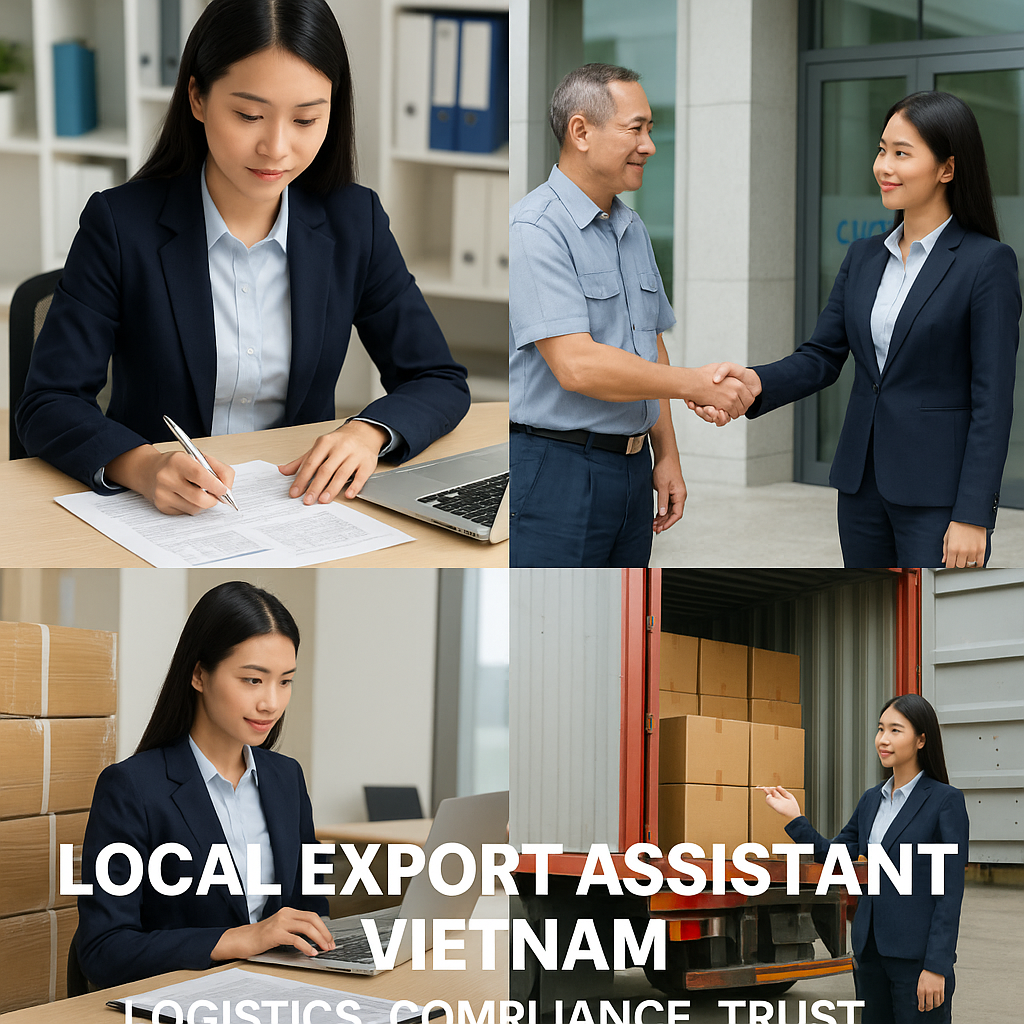
Want to find the best fit for your brand? Explore a comprehensive guide to choosing the right apparel manufacturer in Vietnam.
Vietnam Apparel Manufacturing Landscape: Key Trends and Opportunities
The Vietnam apparel manufacturing landscape is undergoing significant evolution, presenting both exciting opportunities and critical trends for brands seeking reliable vietnam apparel manufacturers. This dynamic sector is shaped by factors such as shifting global trade patterns, increasing demand for sustainable practices, and advancements in technology, all contributing to Vietnam’s rising prominence as a key player in the global apparel supply chain.
Vietnam’s apparel industry is experiencing several key trends. Increased foreign direct investment (FDI) in textile and garment production is expanding capacity and technological capabilities. Furthermore, Vietnam’s strategic location and participation in numerous free trade agreements (FTAs), including the Comprehensive and Progressive Agreement for Trans-Pacific Partnership (CPTPP) and the EU-Vietnam Free Trade Agreement (EVFTA), provide manufacturers preferential access to major markets. This access, combined with competitive labor costs and a growing skilled workforce, makes Vietnam an attractive sourcing destination.
Several opportunities are emerging within the Vietnam apparel manufacturing sector. The growing demand for sustainable and ethically produced apparel is pushing manufacturers to adopt eco-friendly practices and improve working conditions. This trend presents a chance for manufacturers to cater to conscious consumers and gain a competitive edge. Additionally, the rise of e-commerce and fast fashion is creating demand for agile and responsive production capabilities. Manufacturers who can offer short lead times, flexible order quantities, and value-added services are well-positioned to capitalize on this opportunity. Finally, the shift towards higher-value products, such as technical textiles and sportswear, is creating space for manufacturers to specialize and increase profitability.
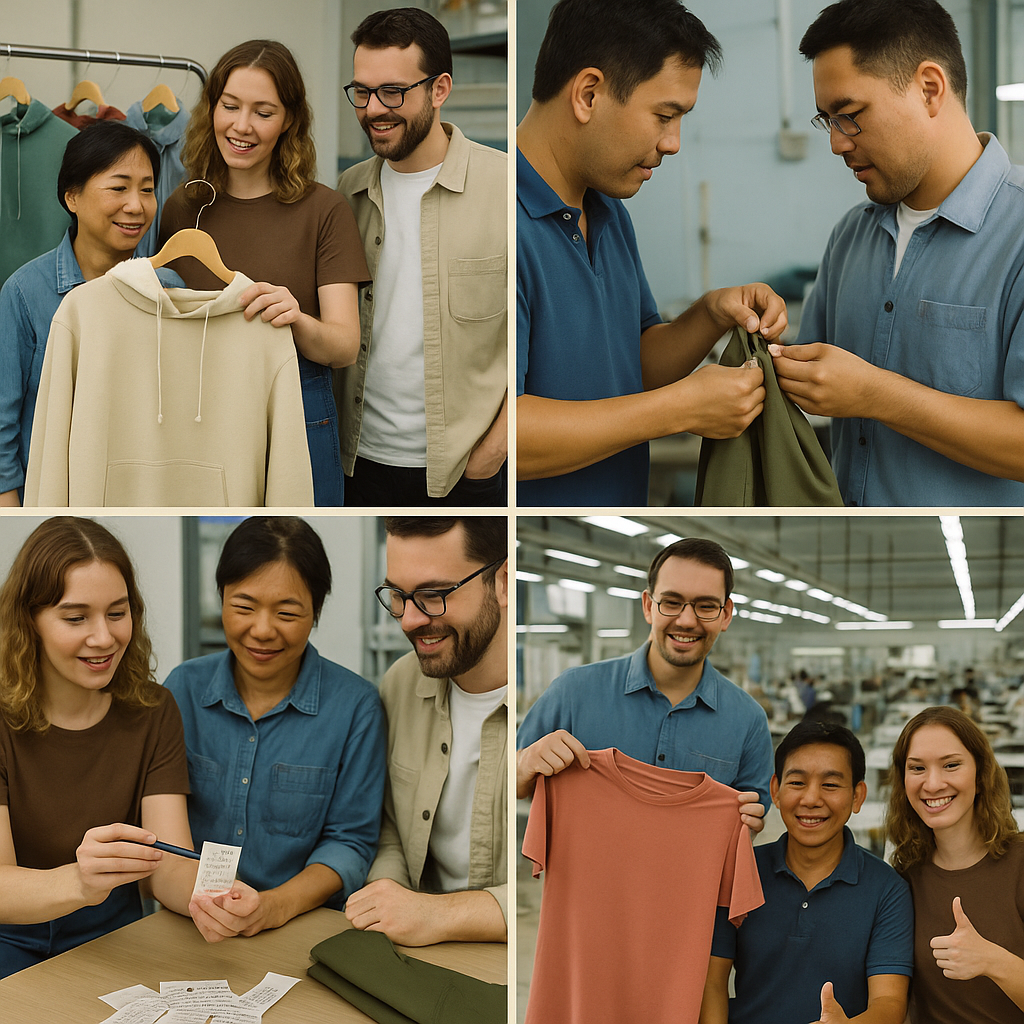
Interested in capitalizing on the latest trends? Discover key opportunities in Vietnam’s evolving garment industry.
Types of Apparel Manufacturers in Vietnam: Understanding Your Options
Navigating the Vietnam apparel manufacturing landscape requires understanding the diverse range of apparel manufacturers available. Choosing the right type of manufacturer is crucial for your project’s success, as each specializes in different product types, order volumes, and service offerings. Vietnambizrep helps you to decode the landscape, ensuring alignment between your needs and a manufacturer’s capabilities.
One key distinction lies between original equipment manufacturers (OEM) and original design manufacturers (ODM). OEM manufacturers produce goods based on your existing designs and specifications. You provide the technical drawings, patterns, and material requirements, and the manufacturer executes the production. This is ideal if you have a fully developed product and are simply seeking a cost-effective production partner. On the other hand, ODM manufacturers offer design and development services in addition to manufacturing. They can help you refine your designs, select appropriate materials, and even create new products based on your concepts. This option is suitable if you need assistance with the design process or are looking to leverage a manufacturer’s expertise in product development.
Beyond OEM and ODM, it’s also important to differentiate between cut-make-trim (CMT) manufacturers and full-package production. CMT manufacturers handle only the cutting, sewing, and finishing of garments, requiring you to source and supply all materials. This option gives you greater control over material selection but places a heavier burden on your sourcing and logistics capabilities. Full-package production encompasses the entire manufacturing process, from sourcing raw materials and trims to producing, packaging, and shipping the finished goods. While potentially more expensive, full-package production simplifies the process and reduces your administrative overhead, making it a popular choice for businesses looking for a hassle-free solution.
Finally, consider the size and specialization of the manufacturer. Some Vietnamese clothing manufacturers specialize in specific product categories, such as sportswear, knitwear, or outerwear. Others cater to niche markets, such as sustainable or ethical fashion. Selecting a manufacturer with relevant experience and expertise in your product category can significantly improve quality and efficiency. Likewise, understanding the scale of operation – whether a small workshop, a medium-sized factory, or a large-scale enterprise – is crucial to ensure they can handle your order volume and meet your deadlines. Consider your production volume, as some manufacturers specialize in small-batch production while others are geared toward large-scale orders. By carefully evaluating your options and choosing the right type of Vietnam apparel manufacturer, you can set yourself up for success.
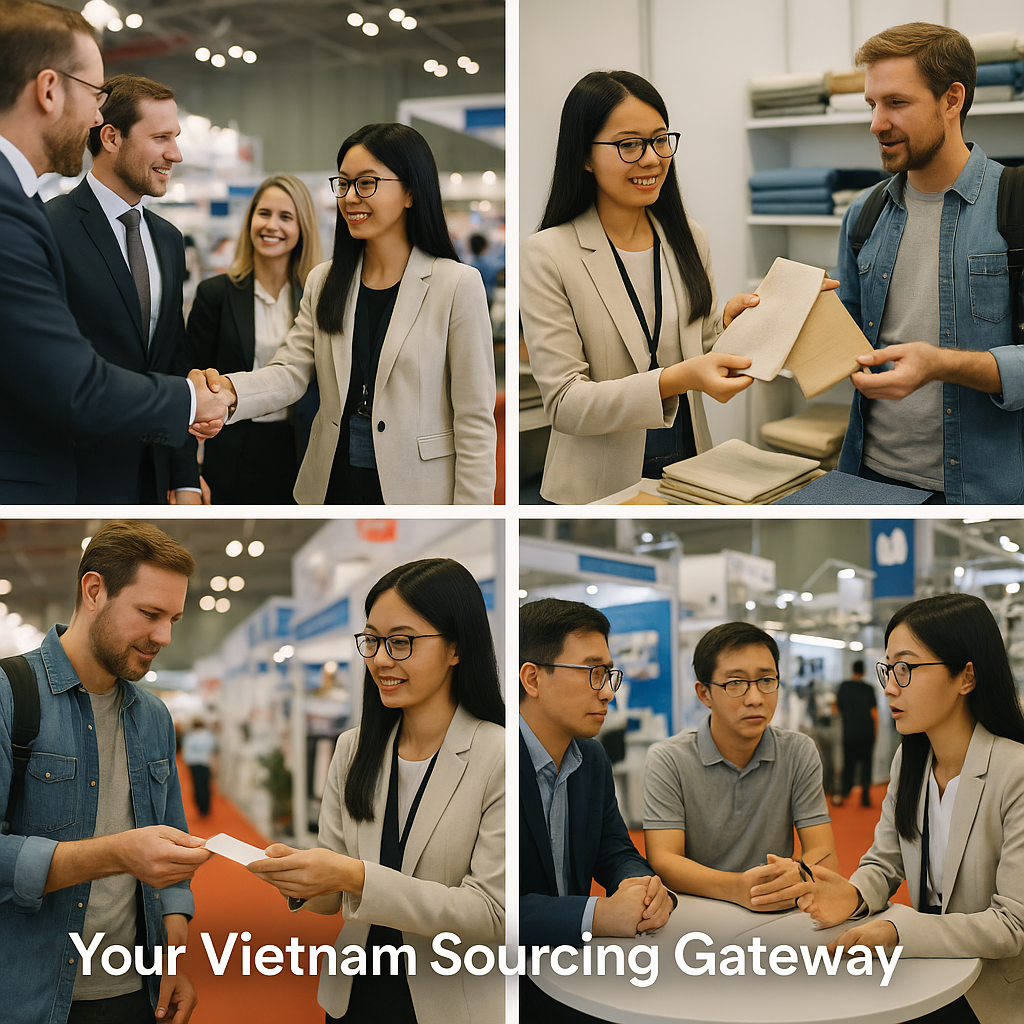
Looking for the best apparel manufacturers in Vietnam? Understand your options with our breakdown of the different manufacturers.
How to Evaluate and Select a Vietnam Apparel Manufacturer: Key Criteria
Selecting the right Vietnam apparel manufacturer is a critical decision that can significantly impact your brand’s success. This section will guide you through the essential criteria for evaluating potential partners, ensuring a strong fit for your specific needs and objectives in the dynamic landscape of Vietnam’s garment industry.
When navigating the selection process, several key factors warrant careful consideration. These include assessing the manufacturer’s capabilities, experience, quality control procedures, ethical compliance, communication proficiency, pricing structure, and overall reliability. A thorough evaluation across these areas will empower you to make an informed decision and establish a mutually beneficial and successful manufacturing partnership.
Here’s a detailed breakdown of the key criteria to consider:
-
Production Capabilities and Capacity: Evaluate the manufacturer’s capacity to handle your order volume, the range of products they can produce (knitwear, woven garments, etc.), and their equipment. Do they have the specialized machinery required for your specific designs? Consider their minimum order quantities (MOQs) and lead times to determine if they align with your business needs. Visiting their factory for an audit, or requesting a virtual tour, will provide first-hand insights into their operations.
-
Experience and Expertise: Prioritize manufacturers with a proven track record of producing apparel similar to your product line. Inquire about their experience working with international brands and their understanding of export regulations. Request references from past clients and review their online presence (if any) to gauge their reputation and client satisfaction.
-
Quality Control Processes: A robust quality control system is essential for ensuring consistent product quality. Understand their quality control procedures at each stage of production, from raw material sourcing to final inspection. Do they adhere to international quality standards like AQL (Acceptable Quality Level)? Request sample products to assess their workmanship and attention to detail.
-
Ethical and Social Compliance: Partner with manufacturers who uphold ethical labor practices and adhere to social compliance standards. Verify their compliance with local labor laws, including fair wages, safe working conditions, and prohibition of child labor. Look for certifications like WRAP (Worldwide Responsible Accredited Production) or BSCI (Business Social Compliance Initiative) to demonstrate their commitment to ethical manufacturing.
-
Communication and Responsiveness: Effective communication is crucial for a smooth manufacturing process. Assess their responsiveness to your inquiries, their language proficiency, and their ability to provide clear and timely updates on your order. Do they have dedicated account managers who can address your concerns and facilitate communication between your team and their production staff?
-
Cost and Pricing Structure: Obtain detailed cost breakdowns from multiple manufacturers to compare pricing and identify any hidden costs. Understand their payment terms and currency exchange rates. While price is a significant factor, prioritize value over the lowest price, considering the manufacturer’s quality, reliability, and ethical practices.
-
Certifications and Compliance: Confirm that the manufacturer possesses all necessary certifications and licenses to operate legally and ethically in Vietnam. This includes certifications related to labor standards, environmental protection, and product safety. Understanding and adhering to the Legal Aspects of Manufacturing Apparel in Vietnam is crucial.
By carefully evaluating potential apparel manufacturers in Vietnam based on these criteria, you can mitigate risks, establish a reliable supply chain, and ensure the successful production of high-quality garments that meet your brand’s standards. Vietnambizrep can assist you in navigating this complex process, leveraging our expertise to connect you with reputable and reliable manufacturers in Vietnam.
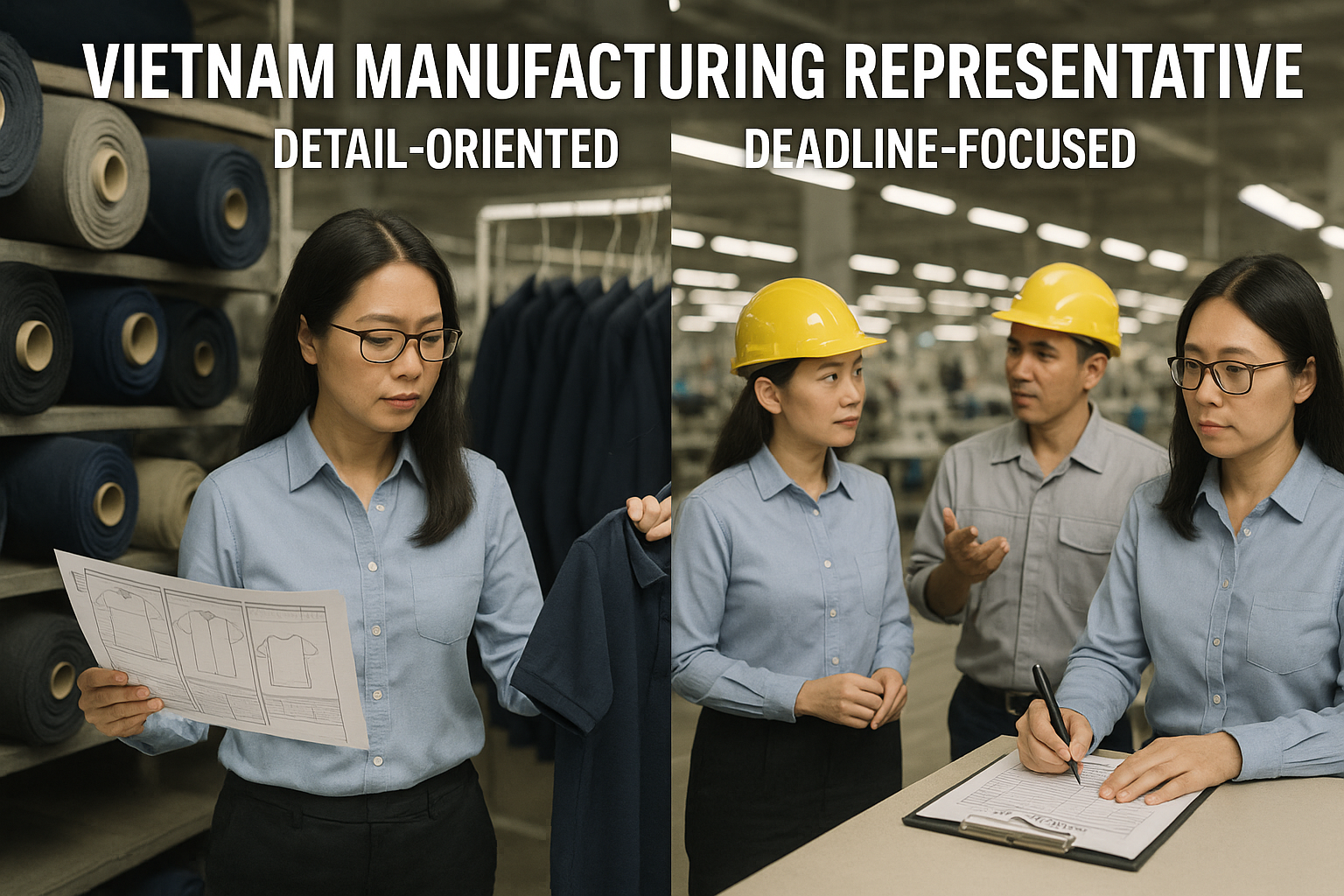
Struggling to make the right choice? Learn the key criteria for evaluating and selecting a top Vietnam apparel manufacturer.
Navigating the Apparel Manufacturing Process in Vietnam: A Step-by-Step Guide
Successfully navigating the apparel manufacturing process in Vietnam requires a structured approach, and this guide provides a detailed roadmap for brands seeking to establish or optimize their supply chains with Vietnam apparel manufacturers. Understanding each stage, from initial design to final shipment, is crucial for ensuring quality, efficiency, and ultimately, profitability in the dynamic Vietnamese manufacturing landscape. This section will outline the essential steps, providing actionable insights for a smooth and successful production journey with Vietnamese clothing manufacturers.
Here’s a step-by-step guide:
-
Design and Specification: This initial phase involves creating detailed tech packs that include comprehensive information on design, materials, measurements, construction techniques, and any specific requirements for your clothing production. Clear and precise specifications are vital for accurate sampling and production.
-
Manufacturer Selection and Negotiation: The next step involves selecting the right Vietnam apparel manufacturers based on their capabilities, expertise, and pricing. Compare quotes from multiple manufacturers, and carefully review their terms and conditions. Vietnambizrep can assist in identifying suitable manufacturers based on your specific needs.
-
Sampling and Prototyping: Before mass production, requesting samples and prototypes is essential. This allows you to evaluate the manufacturer’s ability to meet your quality standards, identify potential issues, and make necessary adjustments to the design or specifications. Be prepared to pay for sampling, as it involves labor and material costs.
-
Order Placement and Production Planning: Once you approve the sample, place your order with a clear purchase order outlining the quantity, price, delivery date, and payment terms. The manufacturer will then create a production plan, considering lead times for material sourcing, cutting, sewing, and finishing.
-
Manufacturing and Quality Control: During production, regular quality control checks are crucial. Implement a comprehensive quality control plan, either through your own team or a third-party inspection agency, to identify and address any defects or deviations from the approved sample. This includes inspecting raw materials, in-process production, and finished garments.
-
Shipping and Logistics: Upon completion of production, arrange for shipping and logistics. This involves coordinating with freight forwarders, customs brokers, and transportation companies to ensure timely and cost-effective delivery of your goods. Understand the import regulations and requirements of your destination country.
-
Payment and Reconciliation: Adhere to the agreed-upon payment terms, typically involving an initial deposit, progress payments, and a final payment upon completion of the order. Reconcile all invoices and shipping documents to ensure accuracy and resolve any discrepancies promptly.
By following these steps and engaging with experienced partners like Vietnambizrep, brands can effectively navigate the Vietnam apparel manufacturing process and achieve their production goals.

Building a Successful Partnership with Your Vietnam Apparel Manufacturer: Communication and Collaboration
Establishing strong communication and collaboration channels is paramount for forging a successful and enduring partnership with your Vietnam apparel manufacturers, directly impacting the quality, timeliness, and overall success of your apparel production. Open and transparent dialogue ensures that both parties are aligned on expectations, addressing potential issues proactively and fostering a relationship built on trust and mutual respect. This is especially crucial when navigating the complexities of overseas apparel manufacturing.
Effective communication is a two-way street, requiring clear and concise articulation from both vietnambizrep and the manufacturer. Key elements include:
- Establishing clear communication protocols: Determine the preferred channels (email, phone calls, video conferences) and frequency of communication. Designate key contacts on both sides to streamline information flow and avoid miscommunication.
- Language proficiency: Ensure that communication is conducted in a language that both parties understand clearly. Consider hiring a translator or interpreter if necessary. Many established apparel factories in Vietnam have English-speaking representatives, but confirming this beforehand is essential.
- Cultural sensitivity: Be mindful of cultural differences that may influence communication styles and business practices. Understanding and respecting these nuances can significantly enhance the working relationship.
Beyond clear communication, proactive collaboration is key to resolving issues efficiently and maintaining project momentum. This involves:
- Regular progress updates: Request consistent updates on the production process, including timelines, potential delays, and any challenges encountered.
- Openness to feedback: Be receptive to feedback from the manufacturer regarding design feasibility, material sourcing, and production efficiency. Their expertise can offer valuable insights for optimizing your products.
- Collaborative problem-solving: Approach challenges as opportunities for joint problem-solving, fostering a spirit of partnership rather than blame. Discuss solutions openly and transparently to arrive at the best outcome for both parties. For instance, if a fabric sourcing issue arises, work together to identify alternative materials that meet your quality standards and budget.
- On-site visits (when possible): Visiting the manufacturer’s facilities allows for firsthand observation of the production process, strengthening relationships, and facilitating face-to-face discussions. Even virtual tours can offer valuable insights.
Building a strong partnership requires investing time and effort in cultivating a positive and collaborative relationship. By prioritizing clear communication, proactive collaboration, and mutual respect, vietnambizrep can establish a solid foundation for long-term success with its Vietnam apparel manufacturer.

Want a smooth and productive relationship? Discover how to build a successful partnership through effective communication and collaboration.
Cost Considerations for Apparel Manufacturing in Vietnam: A Detailed Breakdown
Understanding the cost considerations is crucial when considering Vietnam apparel manufacturers for your production needs. This section provides a detailed breakdown of the various factors that influence the final price of your apparel, helping you make informed decisions and optimize your budget when venturing into apparel sourcing in Vietnam. Successfully navigating the intricacies of apparel manufacturing costs in Vietnam necessitates a thorough understanding of labor expenses, material sourcing, production scale, and other often-overlooked variables.
Several key elements contribute to the overall cost of apparel manufacturing in Vietnam. These include direct costs like raw materials and labor, as well as indirect costs such as overhead, shipping, and import duties. A comprehensive understanding of these components enables businesses to accurately estimate expenses and negotiate favorable terms with their chosen Vietnam apparel manufacturer.
Here’s a closer look at the different cost components:
-
Labor Costs: While Vietnam offers competitive labor rates compared to other manufacturing hubs, it’s essential to consider skill level, complexity of the garment, and any overtime requirements. Factories specializing in high-end or intricate designs may command higher labor costs.
-
Material Costs: The price of fabric, trims, and other materials can fluctuate based on market demand, origin, and quality. Sourcing materials locally in Vietnam can often be more cost-effective than importing them. Building relationships with reliable fabric suppliers that VietnamBizRep can help connect you with is key.
-
Production Volume: Larger production runs typically result in lower per-unit costs due to economies of scale. Negotiate pricing tiers with your manufacturer based on volume.
-
Factory Overhead: This includes rent, utilities, machinery maintenance, and administrative expenses. These costs are factored into the manufacturer’s pricing.
-
Shipping and Logistics: Transportation costs can vary significantly depending on the shipping method (air, sea, or land), distance, and any applicable tariffs or duties. Consider consolidating shipments to minimize these expenses.
-
Import Duties and Taxes: Be aware of any import duties or taxes that may apply when bringing your finished apparel into your target market. Consult with customs brokers or import specialists to ensure compliance and avoid unexpected costs.
-
Quality Control Costs: Investing in robust quality control measures throughout the manufacturing process can prevent costly defects and rework down the line. This may include hiring third-party inspection services.
-
Compliance and Certification Costs: If you require your manufacturer to adhere to specific ethical or environmental standards, be prepared to cover the costs associated with certifications and audits.
Curious about the actual costs involved? Get a detailed breakdown of cost considerations for apparel manufacturing in Vietnam.
Quality Control in Vietnam Apparel Manufacturing: Ensuring Your Standards are Met
Quality control is paramount in Vietnam apparel manufacturing to guarantee that the final products meet the required standards and customer expectations. Effective quality control not only safeguards a brand’s reputation but also minimizes costly returns, rework, and potential damage to customer relationships when sourcing from Vietnam apparel manufacturers. Let’s delve into the crucial aspects of quality assurance in this sector.
Effective quality control processes in Vietnam apparel manufacturing encompass several key stages, starting with initial inspections of raw materials and components. This involves verifying fabric quality, color consistency, and the integrity of accessories like buttons and zippers. Then in-process inspections are performed during different stages of production, such as cutting, sewing, and finishing, to identify and rectify any defects early on. Final inspections are conducted on finished garments to ensure they adhere to the specified standards for size, fit, construction, and overall appearance, thereby verifying standards are met by Vietnam apparel manufacturers.
Building a robust quality control system requires a multifaceted approach. Here are some critical considerations:
- Clearly Defined Quality Standards: Establish detailed specifications for all aspects of the garment, including fabric, construction, measurements, and finishing. These standards should be communicated effectively to the Vietnam apparel manufacturer and used as a benchmark for inspections.
- Comprehensive Inspection Protocols: Implement a structured inspection process with defined checklists and acceptance criteria at each stage of production. Regular audits and assessments can help identify areas for improvement and ensure consistent application of standards.
- Skilled Quality Control Personnel: Invest in training and development for quality control staff. Equip them with the necessary skills and knowledge to identify defects, interpret quality standards, and implement corrective actions.
- Advanced Technology and Equipment: Utilize modern testing equipment and technology to enhance the accuracy and efficiency of quality control processes. This may include fabric testing machines, color assessment tools, and automated inspection systems.
- Strong Communication and Collaboration: Foster open communication and collaboration between the brand and the Vietnam apparel manufacturer. Regular meetings and feedback sessions can help address any quality concerns promptly and effectively.
By prioritizing quality control, brands can confidently navigate Vietnam apparel manufacturing and ensure that their products meet the highest standards, fostering long-term success.
Concerned about maintaining high standards? Learn how to ensure your quality standards are consistently met in Vietnam apparel manufacturing.
Ethical and Sustainable Apparel Manufacturing in Vietnam: Considerations and Best Practices
Navigating the ethical and sustainable apparel manufacturing landscape in Vietnam is crucial for brands seeking responsible sourcing and a positive impact. As global demand for ethically produced garments rises, Vietnam, a major player in apparel manufacturing, is increasingly focusing on sustainable practices and fair labor standards. This section explores the key considerations and best practices for achieving ethical and sustainable apparel production with vietnambizrep in Vietnam.
Adopting ethical manufacturing requires brands to prioritize fair labor practices, safe working conditions, and respect for workers’ rights. This involves ensuring compliance with international labor standards, such as those set by the International Labour Organization (ILO), and conducting regular audits to monitor factories’ adherence to these standards. Furthermore, transparency in the supply chain is essential, allowing consumers to trace the origins of their garments and hold brands accountable for their practices.
Sustainable apparel manufacturing in Vietnam encompasses a range of environmental considerations, from reducing waste and conserving water to using eco-friendly materials. Some best practices include:
- Utilizing recycled and organic materials: Sourcing fabrics made from recycled polyester or organic cotton reduces the environmental impact of raw material production.
- Implementing water-saving technologies: Dyeing and finishing processes often consume large amounts of water; factories can adopt technologies that minimize water usage and treat wastewater effectively.
- Reducing energy consumption: Switching to renewable energy sources, such as solar power, and implementing energy-efficient equipment can significantly lower the carbon footprint of apparel production.
- Waste reduction and recycling programs: Implementing programs to minimize fabric waste during cutting and sewing, and recycling textile scraps, promotes a circular economy.
Building a sustainable supply chain also involves collaborating with Vietnam apparel manufacturers who share a commitment to ethical and sustainable practices. Choosing factories with certifications like GOTS (Global Organic Textile Standard) or Fair Trade can provide assurance of their commitment. Furthermore, brands can invest in training and education programs for factory workers to promote awareness of ethical and environmental issues. Ultimately, embracing ethical and sustainable apparel manufacturing in Vietnam not only benefits the environment and workers but also enhances a brand’s reputation and resonates with increasingly conscious consumers.
Committed to ethical and sustainable practices? Explore considerations and best practices for ethical and sustainable apparel manufacturing in Vietnam.
Legal Aspects of Manufacturing Apparel in Vietnam: Compliance and Regulations
Navigating the legal aspects of apparel manufacturing in Vietnam is crucial for businesses aiming to establish a sustainable and compliant supply chain, and choosing the right vietnam apparel manufacturers is only the first step. Understanding and adhering to Vietnamese laws and regulations protects your investment, ensures smooth operations, and minimizes potential risks.
Several key areas demand meticulous attention to ensure compliance within the Vietnamese legal framework. These include:
-
Business Registration and Licensing: Foreign companies involved in apparel production must obtain the necessary licenses and permits to operate legally in Vietnam. This involves registering the business with the relevant authorities, such as the Department of Planning and Investment (DPI), and securing an investment certificate. The specific requirements vary depending on the business structure (e.g., limited liability company, joint venture).
-
Labor Laws: Vietnam has comprehensive labor laws protecting workers’ rights, including minimum wage requirements, working hours, overtime compensation, and workplace safety standards. Adhering to these regulations is essential for maintaining ethical and sustainable manufacturing practices and avoiding legal repercussions. Ensure contracts with apparel factories clearly stipulate compliance with Vietnamese labor laws.
-
Customs and Import/Export Regulations: Importing raw materials and exporting finished goods are subject to strict customs regulations. Businesses must accurately declare goods, pay applicable duties and taxes, and comply with all import/export licensing requirements. Incorrect declarations or failure to comply can result in penalties, delays, and even seizure of goods. Consulting with customs brokers is often beneficial.
-
Environmental Regulations: Vietnam is increasingly focused on environmental protection. Apparel manufacturers must comply with regulations related to waste management, pollution control, and energy consumption. This may involve implementing wastewater treatment systems, using environmentally friendly materials, and obtaining environmental permits. Ignoring these regulations can lead to fines and operational disruptions.
-
Intellectual Property Rights (IPR): Protecting your designs and trademarks is critical. Vietnam has laws in place to protect IPR, but enforcement can be challenging. Register your trademarks and designs in Vietnam and implement measures to prevent counterfeiting and infringement. Choose vietnam apparel manufacturers with a proven track record of respecting IPR.
-
Contracts and Agreements: All agreements with suppliers, distributors, and other partners should be clearly documented and legally sound. Ensure contracts are reviewed by legal professionals familiar with Vietnamese law to protect your interests and minimize potential disputes. This includes specifying payment terms, delivery schedules, quality standards, and dispute resolution mechanisms.
By diligently addressing these legal aspects, businesses can forge strong, compliant, and successful partnerships with vietnam apparel manufacturers, mitigating risks and fostering long-term growth in the Vietnamese market. Engaging legal counsel specializing in Vietnamese business law is highly recommended to ensure ongoing compliance and navigate the complexities of the regulatory landscape.
Need to stay compliant with local laws? Understand the legal aspects of manufacturing apparel in Vietnam and ensure full compliance.
Overcoming Challenges in Vietnam Apparel Manufacturing: Solutions and Strategies
Successfully navigating the Vietnam apparel manufacturing landscape requires understanding and addressing potential challenges with effective solutions and well-defined strategies. While Vietnam offers numerous advantages for apparel sourcing, businesses must be prepared to tackle issues like supply chain disruptions, quality control concerns, labor shortages, and evolving regulatory requirements. By proactively identifying these obstacles and implementing appropriate countermeasures, brands can mitigate risks and ensure a smooth, profitable manufacturing experience with their Vietnam apparel manufacturers.
One significant challenge is supply chain vulnerability. Global events, natural disasters, and fluctuations in raw material costs can disrupt the flow of goods, impacting production schedules and increasing expenses.
Solutions to mitigate supply chain disruptions:
- Diversifying sourcing: Establishing relationships with multiple suppliers reduces reliance on a single source, minimizing the impact of disruptions.
- Building buffer inventory: Maintaining a strategic inventory of critical raw materials and finished goods can cushion against temporary shortages.
- Investing in supply chain visibility: Implementing technology solutions to track goods throughout the supply chain provides real-time insights and enables proactive problem-solving.
- Developing strong relationships with logistics providers: Collaborating closely with reliable logistics partners ensures efficient transportation and delivery.
Maintaining consistent quality standards can be another hurdle in Vietnam apparel manufacturing. Variations in material quality, inconsistencies in production processes, and inadequate quality control measures can lead to defects and customer dissatisfaction.
Strategies for enhanced quality control:
- Implementing a comprehensive quality management system: Establishing clear quality standards, procedures, and documentation ensures consistent production quality.
- Conducting thorough factory audits: Regularly assessing factories to verify compliance with quality standards and identify areas for improvement.
- Providing training and support to factory workers: Equipping workers with the necessary skills and knowledge to perform their tasks accurately and efficiently.
- Employing independent quality control inspectors: Engaging third-party inspectors to conduct on-site inspections and ensure products meet required standards.
Labor shortages and workforce skill gaps can also pose challenges to apparel production in Vietnam. Attracting and retaining skilled workers, particularly in specialized roles, requires proactive measures.
Solutions to address labor challenges:
- Offering competitive wages and benefits: Providing attractive compensation packages and benefits packages can help attract and retain qualified workers.
- Investing in worker training and development: Providing on-the-job training, vocational programs, and opportunities for skill enhancement can improve worker productivity and reduce turnover.
- Promoting a positive work environment: Fostering a culture of respect, fairness, and employee well-being can improve worker morale and reduce absenteeism.
- Automating repetitive tasks: Implementing automation technologies can reduce reliance on manual labor and improve efficiency.
Finally, navigating the legal and regulatory landscape is essential for compliance and smooth operations. Staying up-to-date with evolving regulations related to labor laws, environmental standards, and trade policies can be complex.
Strategies for legal and regulatory compliance:
- Engaging legal experts: Seeking advice from legal professionals with expertise in Vietnam’s regulatory environment ensures compliance with all applicable laws and regulations.
- Conducting regular compliance audits: Periodically assessing operations to identify and address any potential compliance gaps.
- Establishing strong relationships with government agencies: Maintaining open communication with relevant government agencies facilitates smooth regulatory processes.
- Staying informed about regulatory changes: Actively monitoring regulatory updates and adapting operations accordingly.
Buyers sourcing apparel from Vietnam can use Vietnam factory sourcing support to identify and compare clothing manufacturers, and arrange quality control inspections to ensure production standards are met before shipment.
Vietnam Biz Rep helps overseas buyers find suppliers, verify factories, coordinate samples, inspect goods, and follow up production in Vietnam. Learn more about our Vietnam sourcing agent services or contact us to discuss your sourcing requirements.
For a wider view of the sector these manufacturers operate in, see our overview of the Vietnam garment industry guide.
