
Finding reliable suppliers in Vietnam is crucial for businesses looking to optimize costs and ensure product quality, especially in today’s competitive market. Navigating the Vietnamese sourcing landscape can be complex, but with the right strategies, businesses can unlock significant advantages. This article, under the category of vietnambizrep, provides a practical guide on how to find suppliers in vietnam, covering essential steps such as supplier verification, due diligence, factory audit, understanding Vietnamese business culture, and negotiation tactics to establish successful and long-term partnerships in 2025. Finally, we delve into leveraging platforms like B2B marketplaces and trade shows to streamline your sourcing process and mitigate potential risks.
Understanding the Vietnamese Supplier Landscape: A Comprehensive Overview
Navigating how to find suppliers in Vietnam requires a thorough understanding of its unique supplier landscape. Vietnam has emerged as a significant sourcing destination, attracting global businesses seeking competitive pricing and diverse manufacturing capabilities. This overview delves into the key characteristics, regional specializations, and evolving dynamics that define the Vietnamese supplier market.
Vietnam’s manufacturing sector is broadly diverse, ranging from textiles and garments to electronics and furniture. This diversity offers businesses a wide array of potential suppliers, but also necessitates careful segmentation to identify those best suited to specific needs. A 2023 report by the General Statistics Office of Vietnam indicated that the manufacturing sector accounts for approximately 25% of the country’s GDP, highlighting its economic importance and the breadth of its supplier base.
The geographical distribution of suppliers is another crucial aspect. The Southern region, particularly around Ho Chi Minh City, is traditionally strong in textiles, footwear, and plastics. The Northern region, centered around Hanoi, is increasingly focused on electronics, automotive components, and heavy industry. Understanding these regional specializations can streamline the supplier search process and improve efficiency.
Finally, the Vietnamese supplier landscape is undergoing constant evolution, driven by factors such as increasing labor costs, technological advancements, and integration into global supply chains. Businesses seeking to establish long-term sourcing relationships in Vietnam must stay informed about these trends to adapt their strategies and maintain a competitive edge. For example, the shift towards higher-value manufacturing and increased adoption of automation technologies are reshaping the capabilities and expectations of Vietnamese suppliers.

Delve deeper into Vietnam’s diverse industries and pinpoint the perfect fit for your sourcing needs. Explore key industry insights here.
Defining Your Supplier Needs: The Key to a Successful Search
Before embarking on the journey of how to find suppliers in Vietnam, clearly defining your supplier needs is paramount to a successful search and ultimately, a profitable business relationship. This crucial initial step ensures you’re targeting the right suppliers, saving you valuable time and resources, and minimizing potential risks associated with mismatched expectations. It’s about establishing a solid foundation for your sourcing strategy in the dynamic Vietnamese market.
Identifying precise requirements will significantly streamline your search for Vietnamese suppliers. Consider these critical aspects:
- Product Specifications: Specify in detail the required material, dimensions, technical specifications, and quality standards. For example, if you’re sourcing textiles, define the fabric type (cotton, silk, polyester), GSM (grams per square meter), weave, and any specific certifications required.
- Production Capacity: Determine the volume of products you need and the supplier’s ability to meet your demand, both now and in the future. Understanding the supplier’s production capacity is especially critical. Are you seeking a supplier capable of scaling with your business growth?
- Quality Standards: Clearly outline your quality expectations, including acceptable defect rates, testing procedures, and compliance requirements (e.g., ISO certifications, REACH compliance).
- Pricing and Payment Terms: Research the prevailing market prices for your desired products and establish a realistic budget. Understand payment term expectations in Vietnam.
- Lead Times: Define the acceptable lead times for production and delivery.
- Location Preferences: Certain industries tend to cluster in specific regions of Vietnam (e.g., footwear in Binh Duong province, furniture in Dong Nai province).
- Certifications and Compliance: Identify any required certifications (e.g., ISO, WRAP) or compliance standards (e.g., environmental regulations, labor laws) that your suppliers must possess.
By meticulously outlining these supplier needs, businesses significantly increase their chances of finding a suitable partner in Vietnam and establishing a mutually beneficial, long-term relationship. This thorough preparation lays the groundwork for effective communication, efficient negotiation, and ultimately, a successful sourcing venture.
Leveraging Online Marketplaces: Finding Suppliers Through Alibaba, Global Sources, and More
For businesses seeking how to find suppliers in Vietnam, leveraging online marketplaces offers a powerful and efficient avenue to connect with a vast network of potential partners. These platforms, including industry giants like Alibaba and Global Sources, along with other options, provide a centralized hub for sourcing Vietnamese suppliers across diverse product categories. Understanding how to effectively utilize these platforms is critical for a successful sourcing strategy.
Alibaba, as one of the world’s largest B2B marketplaces, presents a massive directory of Vietnamese suppliers. To maximize its potential, conduct thorough searches using specific keywords related to your product needs. For instance, instead of simply searching for “clothing supplier,” refine your search with terms like “organic cotton clothing manufacturer Vietnam” or “custom sportswear supplier Hanoi.” Furthermore, carefully evaluate supplier profiles, paying close attention to their verification status (e.g., Gold Supplier, Verified Supplier), transaction history, and customer reviews. This initial screening process helps narrow down your options to the most credible and reliable candidates.
Global Sources, another prominent online marketplace, distinguishes itself through its focus on verified suppliers and its commitment to providing in-depth supplier information. A key advantage of Global Sources is its rigorous verification process, which involves on-site audits and assessments of suppliers’ capabilities. When exploring Global Sources, utilize the platform’s advanced search filters to target suppliers based on specific criteria such as product certifications, export experience, and production capacity. Additionally, attending Global Sources’ online and offline trade shows can provide opportunities for direct engagement with potential Vietnamese suppliers and a closer look at their offerings.
Beyond Alibaba and Global Sources, several other online platforms can facilitate your search for suppliers in Vietnam. Consider exploring platforms like EC21, Made-in-China.com, and industry-specific marketplaces. These platforms often cater to niche industries and may offer access to specialized Vietnamese manufacturers that are not readily found on larger platforms. Each platform has its strengths and weaknesses, so dedicating time to compare features, supplier directories, and verification processes is essential. Always prioritize platforms with robust supplier verification mechanisms and transparent feedback systems to mitigate the risk of encountering unreliable or fraudulent suppliers.

Unlock the power of online marketplaces to connect with Vietnamese suppliers. Discover proven strategies for sourcing on B2B platforms.
Local B2B Platforms and Directories: Exploring Vietnam’s Supplier Ecosystem
For businesses looking at how to find suppliers in Vietnam, exploring local B2B platforms and directories is crucial for tapping into the country’s diverse supplier ecosystem. These platforms offer a concentrated view of Vietnamese businesses, often categorized by industry and product type, facilitating easier sourcing compared to broader international marketplaces. Utilizing these resources can unveil hidden gems and foster relationships with suppliers deeply rooted in the local market.
These platforms often provide more detailed company profiles, including certifications and production capabilities, than international counterparts, allowing for more informed decisions. Furthermore, language support and payment options tailored to the Vietnamese market can streamline communication and transactions, reducing potential friction in the sourcing process. Therefore, understanding the unique benefits these local platforms offer is essential for successful supplier discovery in Vietnam.
Several prominent Vietnamese B2B platforms and directories serve as valuable resources. VCCI (Vietnam Chamber of Commerce and Industry) maintains a comprehensive directory of its members, offering a verified list of businesses across various sectors. Vietnam Export is another online portal showcasing Vietnamese manufacturers and exporters, providing detailed product listings and company information. In addition, specialized directories like Food Vietnam focus on specific industries, enabling targeted searches for suppliers in niche markets. Each of these resources presents a unique avenue for connecting with potential partners within Vietnam’s dynamic business environment.
Using these local platforms effectively requires a strategic approach. Start by defining your specific product or service needs and identifying relevant keywords in both English and Vietnamese. Utilize the platform’s search functionalities, filtering by industry, location, and certifications to narrow down potential suppliers. Scrutinize company profiles, paying close attention to production capacity, quality control measures, and customer testimonials. Remember, direct communication with suppliers through the platform is key to assessing their responsiveness and overall suitability for your business needs.
While local B2B directories provide a valuable starting point, it’s crucial to supplement online research with offline verification. Cross-reference supplier information with other sources, such as industry associations or government databases, to confirm their legitimacy and compliance. Consider visiting supplier facilities in person to assess their capabilities firsthand and build rapport. This multifaceted approach, combining online discovery with offline validation, maximizes the chances of finding reliable and trustworthy suppliers in Vietnam.
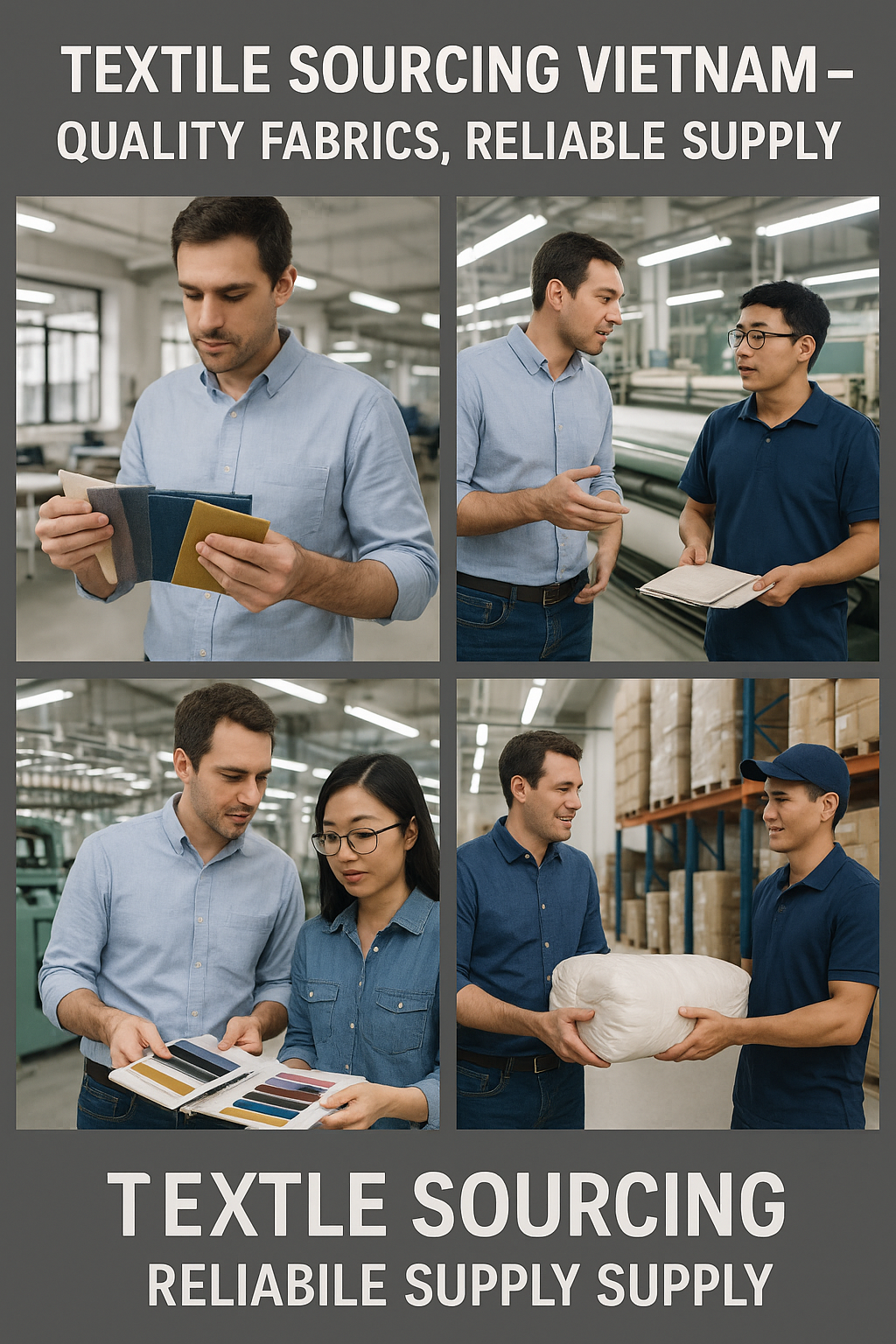
Uncover hidden gems and connect directly with local manufacturers. Browse Vietnam’s leading B2B directories and exporter listings.
Trade Shows and Exhibitions: Face-to-Face Supplier Discovery in Vietnam
For businesses actively seeking how to find suppliers in Vietnam, attending trade shows and exhibitions offers a powerful and direct approach to face-to-face supplier discovery. These events bring together a diverse range of Vietnamese manufacturers, distributors, and service providers under one roof, enabling efficient comparison and relationship building. By participating in these events, companies gain valuable insights into the Vietnamese market, assess product quality firsthand, and initiate direct negotiations with potential partners.
Trade shows and exhibitions in Vietnam provide a distinct advantage: direct interaction. Rather than relying solely on online profiles or brochures, buyers can physically examine products, evaluate manufacturing capabilities, and engage in detailed discussions with suppliers’ representatives. This direct communication allows for a deeper understanding of a supplier’s expertise, production processes, and overall suitability for a business’s specific needs. This real-time interaction can often uncover details and nuances that might be missed in a virtual setting, leading to more informed decisions.
Identifying the right trade shows is crucial. Vietnam hosts numerous exhibitions covering various industries, including textiles, furniture, agriculture, and technology. Researching industry-specific events relevant to your product sourcing needs is paramount. Websites like Vietnam Trade Fair, Biztradeshows, and official government portals offer comprehensive calendars of upcoming events, allowing you to pinpoint exhibitions that align with your sourcing objectives and target specific Vietnamese manufacturing sectors.
Beyond simply attending, strategic preparation is key for maximizing the benefits of supplier discovery at exhibitions. Develop a clear list of your sourcing requirements, prepare specific questions to ask potential suppliers, and bring product samples or specifications for reference. Many companies also find it beneficial to schedule meetings in advance with exhibitors they are particularly interested in, ensuring focused discussions and efficient use of time. Actively networking and gathering contact information will enable you to follow up with promising suppliers and further explore potential partnerships.
One often-overlooked benefit of attending trade shows and exhibitions is the opportunity to conduct immediate, informal due diligence. Observing a supplier’s booth, the quality of their product displays, and the professionalism of their representatives offers valuable insights into their overall business practices. You can also discreetly inquire about their reputation and experience from other attendees or industry experts present at the event, gathering valuable, real-time feedback that can inform your decision-making process.
Trade shows and exhibitions not only facilitate supplier discovery but also provide invaluable market intelligence. By observing competitor activity, identifying emerging trends, and engaging in conversations with other industry players, you can gain a deeper understanding of the Vietnamese business landscape. This knowledge can inform your sourcing strategy, product development efforts, and overall market positioning within the region.
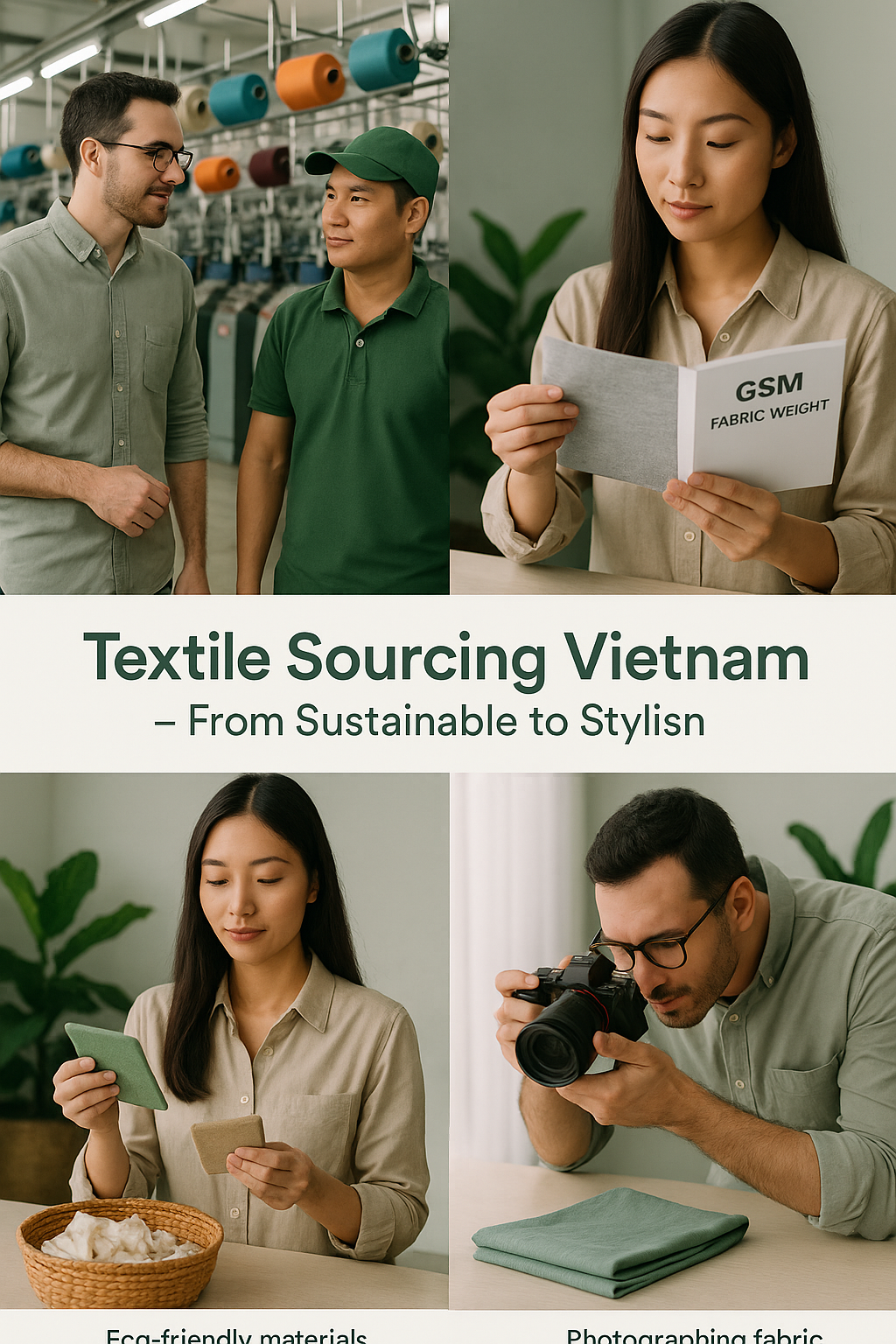
Engaging Sourcing Agents and Consultants: Expert Assistance for Finding the Right Suppliers
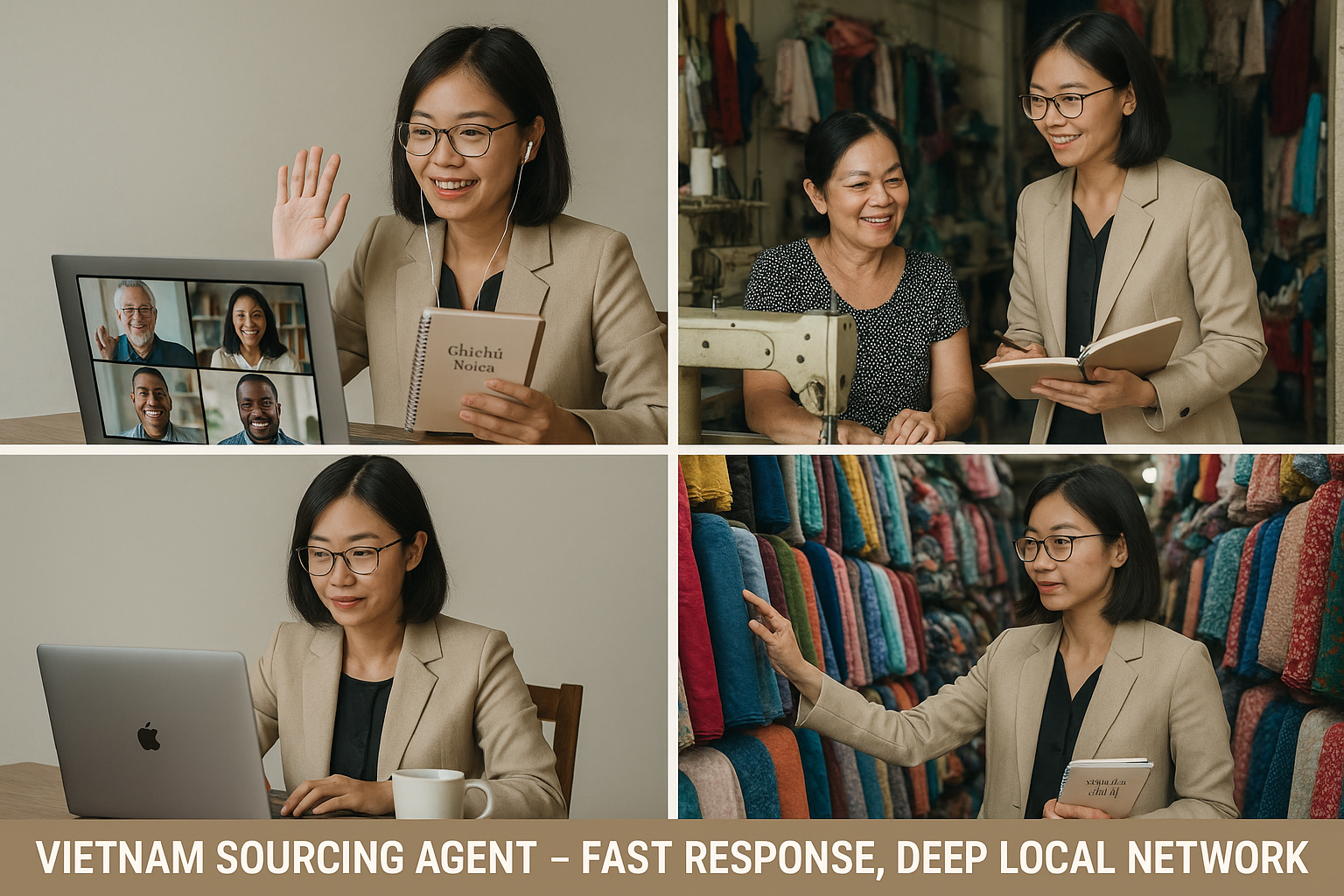
Navigating the complexities of how to find suppliers in Vietnam can be significantly streamlined by engaging sourcing agents and consultants, who offer expert assistance in identifying suitable partners. These professionals possess in-depth knowledge of the Vietnamese market, local regulations, and supplier networks, saving you time and resources while mitigating potential risks. Their expertise helps bridge cultural and communication gaps, ensuring smoother transactions and fostering stronger relationships with Vietnamese suppliers.
The value of engaging sourcing agents lies in their ability to tailor their services to your specific needs. They can assist with tasks ranging from initial supplier identification and qualification to negotiation, quality control, and logistics management. This comprehensive support allows businesses to focus on their core competencies while benefiting from the agent’s specialized knowledge of the Vietnamese sourcing landscape. For instance, a sourcing agent specializing in textiles can identify factories with specific certifications and production capabilities relevant to your product requirements.
Sourcing consultants, on the other hand, offer strategic guidance and advice throughout the sourcing process. They can help you define your sourcing strategy, assess supplier risks, and develop effective negotiation tactics. Moreover, they bring insights into industry trends and best practices, enabling you to make informed decisions and optimize your sourcing operations in Vietnam.
Choosing the right agent or consultant is crucial for success. Look for professionals with:
- Proven Experience: A track record of successful sourcing projects in your industry.
- Strong Network: An established network of reliable and reputable suppliers in Vietnam.
- Cultural Understanding: Deep understanding of Vietnamese business culture and practices.
- Transparency: Open and honest communication about fees, processes, and potential challenges.
While expert assistance comes at a cost, the benefits often outweigh the investment, particularly for businesses new to sourcing from Vietnam. By engaging sourcing agents and consultants, you can navigate the market with confidence, secure favorable terms, and build long-term partnerships with reliable Vietnamese suppliers.
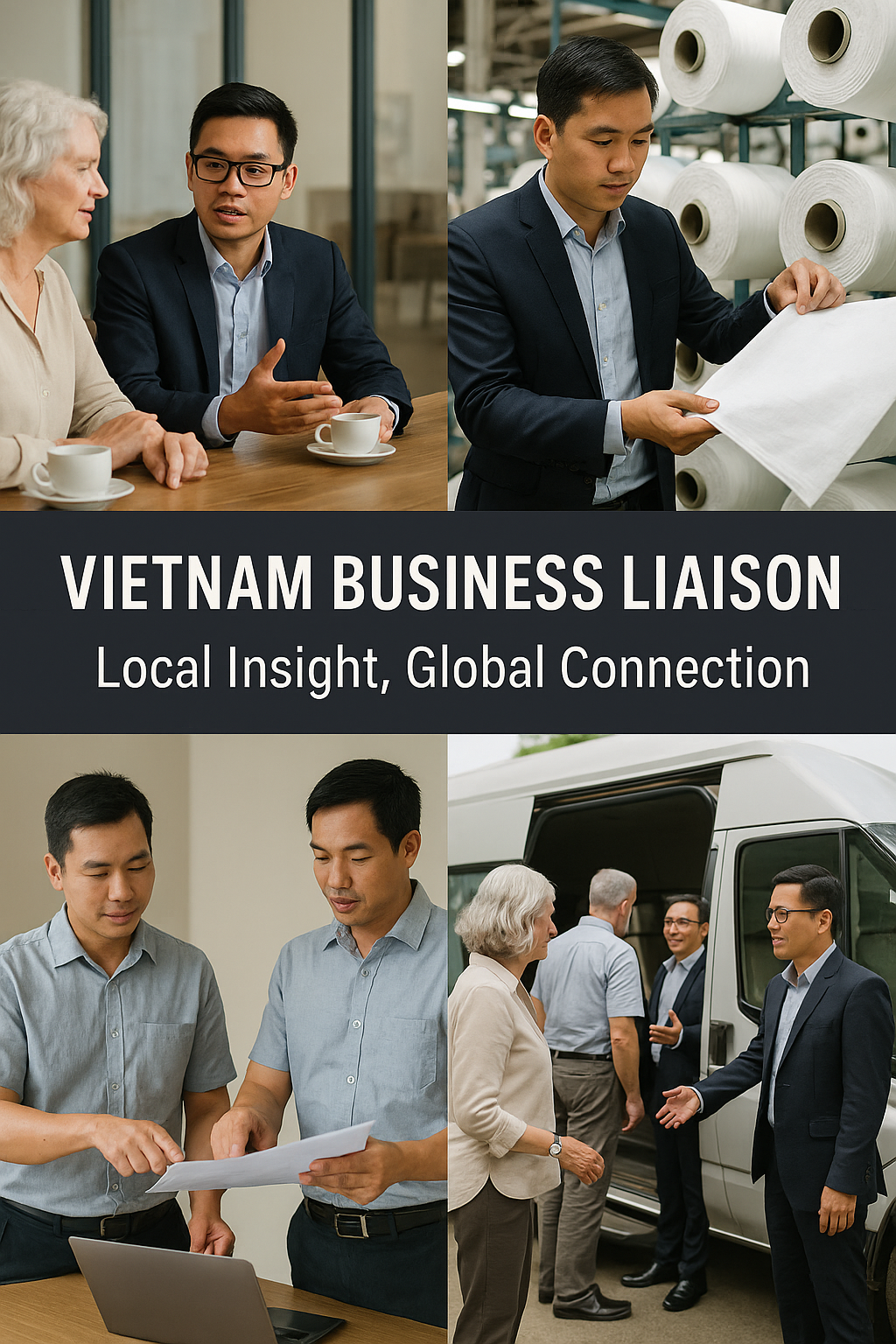
Need a helping hand navigating the Vietnamese market? Learn how sourcing agents can streamline your supplier search.
Due Diligence: Verifying Suppliers’ Credentials and Capabilities
Before solidifying any partnership in Vietnamese sourcing, performing thorough due diligence is paramount to safeguard your investment and ensure a reliable supply chain. This crucial process involves verifying the credentials and capabilities of potential suppliers in Vietnam, mitigating risks associated with fraud, substandard quality, and unethical practices – a key step in how to find suppliers in Vietnam.
Conducting thorough due diligence helps you avoid potential pitfalls and build a secure foundation for your sourcing activities:
-
Business Registration and Legal Compliance: Begin by verifying the supplier’s business registration certificate (Giấy chứng nhận đăng ký doanh nghiệp) and ensuring they are legally authorized to operate in Vietnam. Cross-reference this information with official government databases to confirm its authenticity.
-
Factory Audits and Site Visits: If feasible, conduct on-site factory audits to assess the supplier’s production capacity, quality control measures, and working conditions. Alternatively, engage a reputable third-party inspection agency to conduct these audits on your behalf. Vietnambizrep can assist you with arranging reliable factory audits.
-
Financial Stability Assessment: Evaluate the supplier’s financial health to ensure they can fulfill your orders and remain a stable partner in the long term. Request financial statements and credit reports, and consider engaging a financial analyst to assess their solvency and profitability.
-
Quality Control Systems: Investigate the supplier’s quality control procedures and certifications (e.g., ISO 9001). Request samples of their products and conduct thorough testing to ensure they meet your required standards. Remember that consistently high product quality is vital for maintaining your brand reputation.
-
Ethical and Social Compliance: Assess the supplier’s adherence to ethical labor practices and environmental regulations. Verify their compliance with relevant international standards and local laws to ensure your sourcing activities are socially responsible and sustainable.
-
References and Customer Feedback: Request references from the supplier’s existing customers and contact them to gather feedback on their experience working with the supplier. This provides valuable insights into the supplier’s reliability, communication skills, and commitment to customer satisfaction.
-
Intellectual Property Protection: Take necessary precautions to protect your intellectual property rights when working with Vietnamese suppliers. Implement confidentiality agreements (NDAs) and clearly define ownership of designs, trademarks, and other intellectual property assets in your contracts.
By meticulously conducting due diligence, you can significantly reduce the risks associated with sourcing in Vietnam and establish partnerships with trustworthy and capable suppliers who can contribute to your business success.
(Estimated word count: 315)
Protect your investment by thoroughly vetting potential partners. Discover essential due diligence steps for Vietnamese suppliers.
Negotiating and Contracting: Securing Favorable Terms with Vietnamese Suppliers
Successfully navigating the negotiation and contracting process is paramount to securing favorable terms with Vietnamese suppliers, ensuring both profitability and sustainable partnerships. Understanding the nuances of Vietnamese business culture, legal frameworks, and industry-specific pricing strategies is crucial when finding suppliers in Vietnam and establishing mutually beneficial agreements. Effective negotiation and contracting not only impacts your bottom line but also sets the stage for long-term collaboration and mutual success.
The negotiation phase necessitates thorough preparation, including a deep understanding of your own requirements, the supplier’s cost structure, and prevailing market prices. Knowing your walk-away point and having alternative suppliers in mind provides leverage. Demonstrating cultural sensitivity is also vital; building rapport and showing respect for Vietnamese customs can significantly improve your negotiating position. For example, understanding the importance of face (saving face) can help you avoid confrontational tactics and instead adopt a collaborative approach focused on finding common ground.
Contracting with Vietnamese suppliers requires careful attention to detail and a clear understanding of Vietnamese law. Your contract should comprehensively address key elements such as product specifications, quality standards, pricing terms, payment schedules, delivery timelines, intellectual property protection, and dispute resolution mechanisms. Engaging legal counsel familiar with Vietnamese commercial law is highly recommended to ensure your contract is enforceable and protects your interests. Moreover, clearly defining force majeure clauses and specifying the governing law (ideally Vietnamese law for contracts executed in Vietnam) are essential safeguards.
Beyond the formal contract, building strong relationships with your suppliers is crucial for long-term success. Regular communication, prompt payment, and a collaborative approach to problem-solving can foster trust and loyalty. Consider incorporating incentives for early delivery, exceeding quality standards, or achieving cost reduction targets to further strengthen the partnership. By viewing your suppliers as strategic partners, rather than merely transactional vendors, you can unlock significant value and ensure a reliable supply chain for your business.
Building Long-Term Relationships: Fostering Sustainable Partnerships for Success
Building long-term relationships with Vietnamese suppliers is crucial for sustained success in sourcing from Vietnam, moving beyond transactional interactions to create mutually beneficial partnerships. Establishing these strong relationships allows for better communication, increased trust, and ultimately, more favorable terms and consistent quality when seeking how to find suppliers in Vietnam.
Strong supplier relationships in Vietnam offer several key advantages:
- Enhanced Communication: Clear and open communication channels enable prompt resolution of issues and foster a deeper understanding of each other’s needs and expectations.
- Improved Quality Control: Suppliers invested in a long-term partnership are more likely to prioritize consistent product quality and adherence to agreed-upon standards.
- Priority Treatment: Loyal customers often receive preferential treatment, such as priority order fulfillment and access to new product offerings.
- Cost Savings: Strong relationships can lead to more favorable pricing and payment terms over time, as trust and mutual understanding grow.
Investing time and effort in nurturing these relationships is essential. This goes beyond simply placing orders and paying invoices. Here are some strategies for fostering sustainable partnerships:
- Regular Communication: Maintain consistent contact with your suppliers through emails, phone calls, and face-to-face meetings whenever possible. Schedule regular check-ins to discuss performance, address concerns, and explore new opportunities.
- Cultural Sensitivity: Demonstrate an understanding and respect for Vietnamese business culture. This includes being mindful of communication styles, gift-giving customs, and the importance of building personal relationships.
- Transparency and Honesty: Be upfront and honest in your dealings with suppliers. Share information about your business needs and expectations openly, and address any issues promptly and fairly.
- Fair Pricing and Payment Terms: Negotiate mutually agreeable pricing and payment terms that are fair to both parties. Consider offering incentives for early payment or volume discounts.
- Visit Your Suppliers: Whenever feasible, visit your suppliers’ facilities to gain a better understanding of their operations and build personal relationships with their team.
- Provide Feedback and Support: Offer constructive feedback to your suppliers on their performance, and provide support to help them improve their processes and capabilities.
Remember that Vietnamese business culture values relationships and trust. Building lasting partnerships requires patience, commitment, and a genuine desire to work collaboratively towards shared goals. By fostering strong supplier relationships, businesses can unlock the full potential of sourcing from Vietnam and achieve long-term success.
Overcoming Challenges: Addressing Common Issues in Sourcing from Vietnam
Navigating the landscape of how to find suppliers in Vietnam involves understanding and proactively addressing potential challenges to ensure a successful sourcing journey. Sourcing from Vietnam, while offering numerous advantages, isn’t without its hurdles; being aware of these common issues and developing strategies to mitigate them is crucial for businesses aiming to establish reliable supply chains.
One frequent obstacle is the communication barrier. While many Vietnamese suppliers have English-speaking representatives, nuances in language and cultural differences can lead to misunderstandings. To overcome this, consider:
- Employing a local sourcing agent like vietnambizrep who understands both the Vietnamese business culture and your requirements.
- Clearly defining product specifications and quality standards with detailed documentation and visuals.
- Utilizing translation services or language learning apps to facilitate smoother communication.
Another key challenge revolves around quality control. Maintaining consistent product quality can be difficult if not properly managed. A proactive approach should include:
- Conducting thorough due diligence on potential suppliers, including factory visits and audits.
- Establishing a robust quality control process, including inspections at various stages of production.
- Clearly outlining acceptable quality levels (AQL) in contracts to avoid ambiguity.
Finally, intellectual property protection is a concern that demands careful consideration. Counterfeit products are prevalent in some sectors. Mitigating risk involves:
- Registering your trademarks and patents in Vietnam.
- Conducting background checks on suppliers to assess their reputation and ethical practices.
- Including clauses in contracts that explicitly address IP protection and penalties for infringement.
By proactively addressing these potential pitfalls, businesses can minimize risks and maximize the benefits of sourcing from Vietnam.
Navigate potential pitfalls and ensure a smooth sourcing experience. Learn how to overcome common challenges in Vietnam’s export landscape.
Alternative Strategies: Finding Suppliers in Vietnam Through Networking and Referrals
Beyond online platforms and trade shows, networking and referrals offer valuable alternative avenues for how to find suppliers in Vietnam. Tapping into your existing network and leveraging referrals can uncover hidden gems and establish trust more readily, proving particularly effective when building relationships with Vietnamese businesses. These strategies, distinct from traditional sourcing methods, often lead to identifying reliable Vietnamese suppliers who may not actively participate in online marketplaces or exhibitions.
Leveraging your network within Vietnam or those with strong ties to the country is a powerful starting point. Attending industry-specific events, joining business associations like EuroCham or AmCham Vietnam, and connecting with alumni networks can provide access to valuable contacts. These connections can offer firsthand recommendations and introductions to reputable Vietnamese manufacturers and suppliers, often leading to more personalized service and better deals.
Referrals, in particular, carry significant weight in Vietnamese business culture. A warm introduction from a trusted source can significantly expedite the process of building rapport and establishing credibility. Don’t hesitate to ask your existing contacts, including sourcing agents, consultants, or even other businesses you work with, for referrals to potential suppliers in your desired industry. This approach can help you bypass the often-challenging initial stages of supplier discovery and quickly identify companies with a proven track record. In essence, referrals act as a pre-screening process, increasing the likelihood of finding reliable and trustworthy suppliers in Vietnam.
Overseas buyers sourcing from Vietnam can use Vietnam factory sourcing support to identify and shortlist manufacturers, then conduct supplier verification to confirm production capacity, certifications, and business credentials before placing orders.
Furthermore, online professional networking platforms such as LinkedIn can facilitate identifying and connecting with professionals working within the Vietnamese manufacturing sector. Actively participating in relevant industry groups, engaging in conversations, and seeking recommendations can expand your network and open doors to potential supplier relationships. Remember, building strong relationships takes time and effort, but the rewards of finding reliable and trustworthy Vietnamese suppliers through networking and referrals are well worth the investment.
Vietnam Sourcing & Manufacturing Services
- Vietnam Sourcing Agent
- Supplier Verification
- Garment Manufacturers in Vietnam
- Vietnam Clothing Manufacturers
- Factory Audit
Need help sourcing in Vietnam? Call or WhatsApp +84 941 414 422 or visit our contact page.
Once you’ve shortlisted candidates, see our Vietnam supplier verification guide.
