

Effective supplier sourcing is no longer just a cost-cutting measure; it’s a strategic imperative for businesses aiming to gain a competitive edge in 2025. In today’s dynamic market, understanding the nuances of supplier selection, risk management, negotiation strategies, and performance evaluation is crucial for optimizing your supply chain and achieving sustainable growth. This vietnambizrep guide dives deep into the methodologies behind successful sourcing strategies, offering practical insights on how to identify, assess, and build lasting relationships with key suppliers. We’ll explore the critical role of contract negotiation, the importance of robust quality control processes, and the implementation of effective supplier relationship management (SRM)** to drive efficiency and maximize value within your supply chain.
Understanding Supplier Sourcing: A Comprehensive Guide
Supplier sourcing is the foundational process of identifying, evaluating, and engaging with potential suppliers to acquire the goods and services a business needs. More than just finding vendors, effective supplier sourcing is a strategic undertaking that ensures a company can secure the best possible value, quality, and reliability from its supply chain. This comprehensive guide, by Vietnam Biz Rep, will delve into the core concepts of supplier sourcing, its significance, and its crucial steps.
At its core, supplier sourcing is about building strong relationships with the right partners. It’s a continuous process of market research, assessment, and negotiation aimed at optimizing the supply chain. By understanding the market landscape and identifying potential vendors, companies can gain a competitive advantage. A successful supplier sourcing strategy goes beyond simply finding the cheapest option; it focuses on long-term value and building partnerships that contribute to the overall success of the business.
The process includes several key elements:
- Identifying business needs: Clearly defining what goods or services are required.
- Market Research: Investigating potential suppliers.
- Supplier Evaluation: Assessing suppliers’ capabilities and qualifications.
- Negotiation: Reaching agreements on pricing and terms.
- Contracting: Formalizing the agreement.
Ultimately, understanding supplier sourcing is vital for any business seeking to optimize its operations, enhance profitability, and build a resilient and competitive supply chain. By adopting a strategic and proactive approach to sourcing, businesses can secure a sustainable advantage in today’s dynamic global marketplace.

Explore further: Unlocking global sourcing opportunities in Vietnam by 2025.
The Strategic Importance of Supplier Sourcing for Business Success
In today’s competitive landscape, supplier sourcing plays a pivotal role in driving business success. Strategic supplier sourcing, encompassing the identification, evaluation, and engagement of suppliers, transcends mere cost reduction and directly impacts a company’s profitability, innovation, and market position. It is no longer a transactional function but a strategic imperative that shapes the very foundation of a company’s operational efficiency and competitive advantage.
Effective supplier sourcing yields significant benefits that directly contribute to enhanced business performance. These advantages span across various facets of the organization, creating a ripple effect that fosters sustainable growth:
- Cost Optimization: Sourcing strategically enables businesses to secure competitive pricing, reduce procurement expenses, and improve overall profitability through favorable payment terms and efficient resource utilization. A study by McKinsey found that companies with best-in-class procurement practices can achieve cost savings of up to 20%.
- Enhanced Product Quality: Partnering with reliable suppliers ensures access to high-quality raw materials and components, leading to superior product quality, improved customer satisfaction, and reduced warranty claims.
- Innovation and Competitive Advantage: Collaborating with innovative suppliers fosters knowledge sharing, technology transfer, and the co-creation of new products and services, providing a distinct competitive edge in the market.
- Risk Mitigation: Diversifying the supplier base and implementing robust risk management strategies minimize supply chain disruptions, ensuring business continuity and resilience in the face of unforeseen events. For example, having alternative suppliers can mitigate the impact of natural disasters or geopolitical instability.
- Improved Efficiency and Agility: Streamlining the sourcing process and establishing strong supplier relationships enhance operational efficiency, reduce lead times, and improve responsiveness to changing market demands. This agility is crucial for businesses operating in dynamic industries.
Ultimately, a well-defined supplier sourcing strategy empowers businesses to gain a competitive advantage, optimize resource allocation, and achieve sustainable growth in an increasingly complex global marketplace. By viewing supplier sourcing as a strategic function, businesses can unlock its full potential and drive long-term business success.

Key Stages of the Supplier Sourcing Process: A Step-by-Step Breakdown
The supplier sourcing process is a systematic, multi-stage undertaking crucial for businesses seeking to optimize their supply chain and achieve cost-effectiveness. This process involves a series of well-defined steps, each playing a vital role in identifying, evaluating, and ultimately selecting the most suitable vendors to meet an organization’s specific needs. Effective supplier sourcing goes beyond simply finding the cheapest option; it focuses on establishing long-term partnerships with suppliers who can deliver value, quality, and reliability.
The initial stage of the sourcing process involves needs assessment and requirements definition. This critical step necessitates a thorough understanding of the organization’s specific requirements, including volume, quality standards, delivery schedules, and any other pertinent specifications. For instance, a manufacturing company sourcing raw materials would need to define the precise grade, purity, and quantity of materials required for its production processes. Accurate forecasting, coupled with clearly defined key performance indicators (KPIs), ensures that the sourcing efforts are aligned with the overall business objectives, contributing to informed procurement decisions.
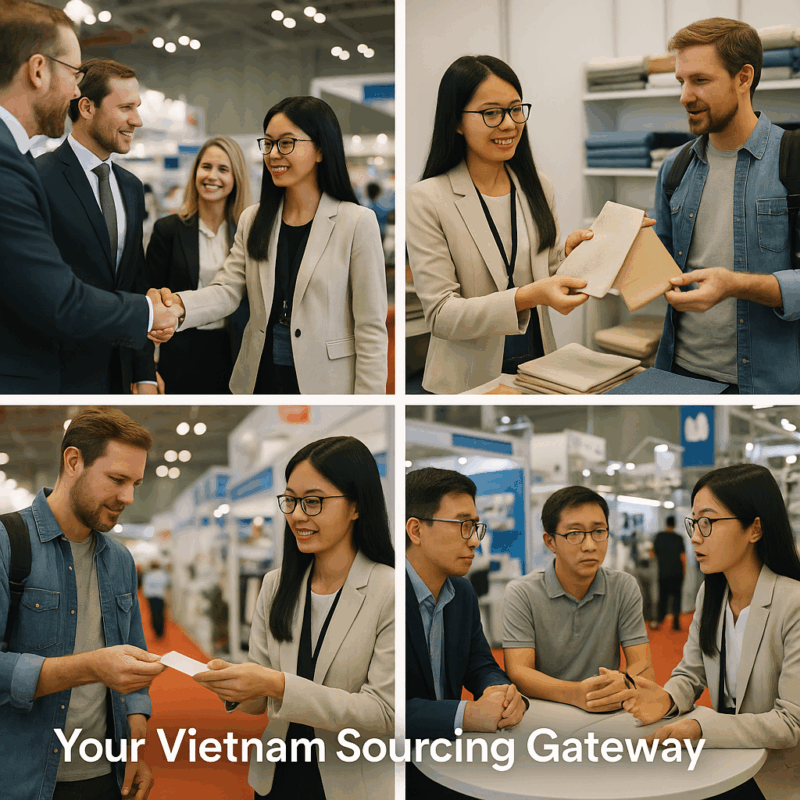
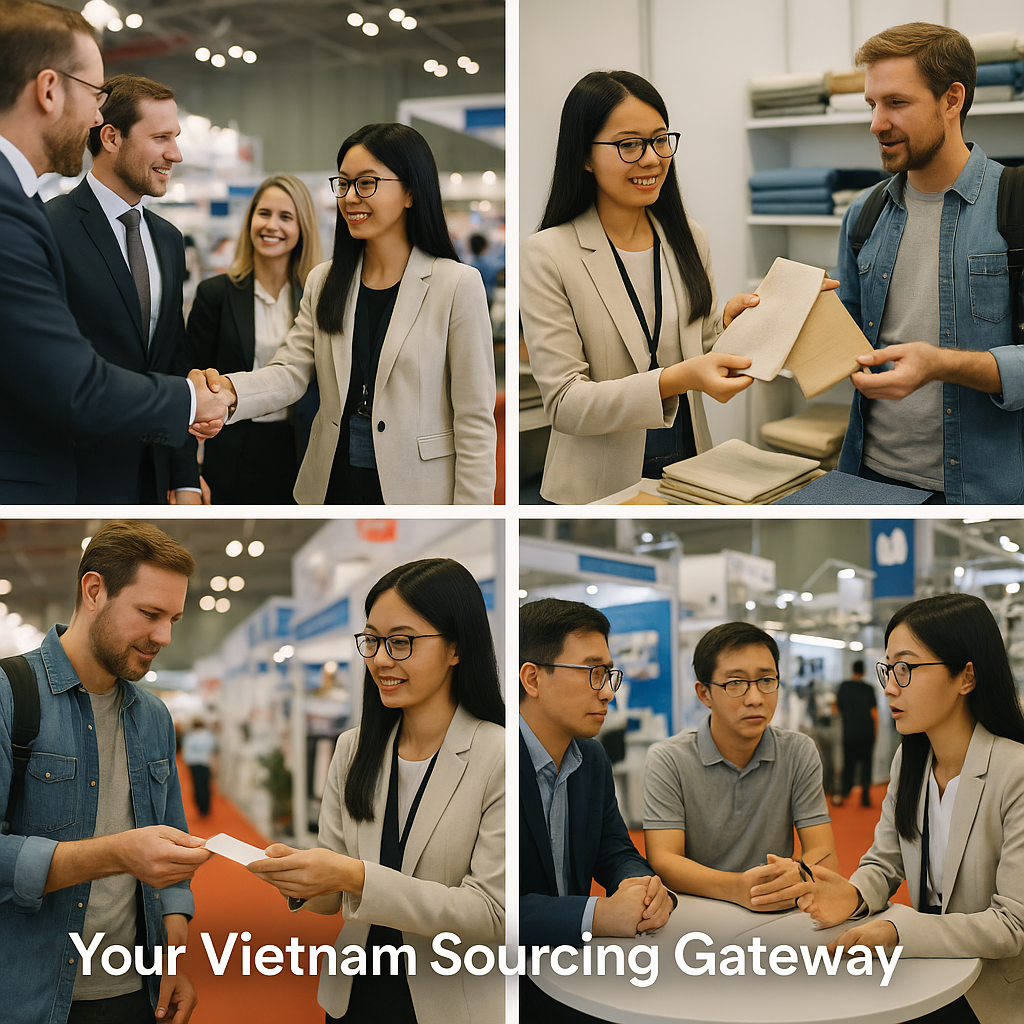
The subsequent phase focuses on market research and supplier identification. This involves actively seeking out potential suppliers through various channels such as industry directories, trade shows, online databases, and referrals. A strategic approach to market research goes beyond simply compiling a list of potential vendors; it involves analyzing market trends, understanding supplier capabilities, and assessing the competitive landscape. For example, a company looking to source packaging materials may research suppliers specializing in sustainable packaging solutions to align with its environmental goals. This phase often incorporates tools like Porter’s Five Forces to analyze industry dynamics and identify potential risks and opportunities.
Following supplier identification is the crucial stage of supplier evaluation and selection. This involves a rigorous assessment of potential suppliers based on pre-determined criteria, such as financial stability, production capacity, quality control processes, and pricing. Supplier questionnaires, site visits, and sample testing are commonly employed to gather the necessary information for evaluation. A scoring system, often using a weighted average based on the importance of each criterion, can provide a structured approach to comparing and ranking suppliers. For example, a company sourcing electronic components might prioritize suppliers with ISO 9001 certification and a proven track record of on-time delivery.
Negotiation and contract development constitute the next key stage. Once a preferred supplier is identified, the organization enters into negotiations to establish mutually agreeable terms and conditions, including pricing, payment terms, delivery schedules, and quality standards. A well-crafted contract serves as a legal framework for the relationship, outlining the rights and responsibilities of both parties and providing mechanisms for dispute resolution. Service Level Agreements (SLAs) are often incorporated to clearly define performance expectations and ensure accountability. For instance, a contract might include penalties for late deliveries or substandard quality.
The final stage focuses on onboarding and ongoing supplier management. After the contract is finalized, the supplier is formally onboarded, which involves integrating them into the organization’s systems and processes. Ongoing supplier management includes monitoring supplier performance, conducting regular performance reviews, and addressing any issues or concerns that may arise. This also entails fostering a collaborative relationship with the supplier to drive continuous improvement and innovation. The monitoring process might include tracking KPIs, conducting regular audits, and soliciting feedback from internal stakeholders. For example, vietnambizrep would actively manage its supplier relationships to ensure consistent quality and competitive pricing.
Types of Supplier Sourcing Strategies: Choosing the Right Approach for Your Needs
Effectively navigating the world of supplier sourcing requires a strategic approach, and understanding the different types of sourcing strategies is crucial for making the right choices to align with your business objectives. Different approaches to supplier sourcing exist, each with its own strengths and weaknesses, and the optimal choice depends on various factors like industry, company size, risk tolerance, and the nature of the goods or services being procured. Selecting the right sourcing strategy is not merely a tactical decision; it is a fundamental element of your overall business plan, influencing everything from cost control and supply chain resilience to innovation and competitive advantage.
One common strategy is single sourcing, where a company relies on a single supplier for a particular item or service. While this can foster strong relationships and potentially lead to better pricing through volume discounts, it also introduces significant risk. Should the supplier face disruptions – be it financial instability, natural disasters, or quality issues – your entire supply chain could be jeopardized. Conversely, multiple sourcing involves using several suppliers for the same item. This approach mitigates the risk associated with single sourcing by providing backup options and encouraging competition among suppliers, potentially driving down costs and improving service. However, managing multiple relationships can be more complex and may dilute the benefits of volume purchasing.
Another strategic choice lies between domestic sourcing and global sourcing. Domestic sourcing offers advantages such as shorter lead times, easier communication, and reduced exposure to geopolitical risks. It can also support local economies and enhance a company’s reputation for social responsibility. Global sourcing, on the other hand, can unlock access to lower labor costs, specialized expertise, and a wider range of materials. A recent study by Deloitte indicates that companies engaging in strategic global sourcing can achieve cost savings of up to 25%. However, global sourcing introduces challenges related to cultural differences, language barriers, longer supply chains, and potential ethical concerns regarding labor practices.
Finally, companies must decide between insourcing and outsourcing their supply needs. Insourcing involves producing goods or services internally, providing greater control over quality and processes. This approach is often favored when proprietary technology or sensitive information is involved. Outsourcing, conversely, involves contracting with external providers to handle specific functions or produce certain goods. This can free up internal resources, reduce capital expenditures, and allow companies to focus on their core competencies. According to a report by McKinsey, companies that strategically outsource non-core functions can improve efficiency by as much as 30%.

Delve deeper: Discover the benefits and strategies of outsourcing to Vietnam for optimal efficiency.
Essential Skills and Qualities of an Effective Sourcing Professional
The success of supplier sourcing hinges not only on strategic processes but also on the capabilities of the professionals driving them; therefore, cultivating the essential skills and qualities of an effective sourcing professional is paramount for Vietnambizrep and any organization aiming to optimize its supply chain. These professionals are the linchpins connecting businesses with reliable suppliers, negotiating favorable terms, and mitigating potential risks throughout the procurement lifecycle. In essence, a skilled sourcing specialist acts as a strategic partner, contributing significantly to a company’s bottom line and competitive advantage.
Effective communication skills are indispensable for any sourcing professional. This encompasses the ability to clearly articulate requirements to potential suppliers, actively listen to their proposals, and negotiate mutually beneficial agreements. For instance, a sourcing manager might need to explain complex technical specifications to a manufacturer in China or negotiate pricing terms with a distributor in Europe. These communication skills should be effective via many mediums such as email, phone calls, video conferences, and in-person meetings.
Strong analytical and problem-solving abilities are equally crucial. Sourcing professionals must be adept at analyzing market trends, evaluating supplier capabilities, and identifying potential risks within the supply chain. They must also possess the ability to think critically and creatively to overcome challenges, such as supply disruptions or quality issues. Consider, for example, a sourcing team that anticipates a shortage of a key raw material and proactively identifies alternative suppliers to ensure uninterrupted production.
Negotiation prowess is a cornerstone skill. A proficient sourcing professional can secure the best possible terms for their organization while maintaining positive relationships with suppliers. This involves understanding negotiation strategies, conducting thorough research, and being prepared to walk away from unfavorable deals. Data analysis from sources such as McKinsey & Company and Deloitte show that companies with a strong negotiation strategy often experience cost savings of 5-15% on their sourcing spend.
Furthermore, a deep understanding of the industry and market dynamics is essential. This knowledge allows sourcing specialists to identify emerging trends, anticipate potential disruptions, and make informed decisions about supplier selection and risk mitigation. Staying up-to-date on industry news, attending trade shows, and networking with other professionals are all valuable ways to enhance this expertise. They need to understand the supplier sourcing market to make informed and strategic decisions.
Finally, ethical conduct and integrity are non-negotiable. Sourcing professionals must adhere to the highest ethical standards in all their dealings with suppliers, ensuring fairness, transparency, and compliance with relevant regulations. This builds trust and fosters long-term, mutually beneficial relationships that are essential for sustainable success. In a 2023 survey by the Institute for Supply Management (ISM), 87% of respondents indicated that ethical conduct is a critical factor in their supplier selection process, highlighting the importance of integrity in supplier relationships.

Leveraging Technology for Streamlined and Efficient Supplier Sourcing
In today’s rapidly evolving business landscape, leveraging technology is no longer optional but a necessity for achieving streamlined and efficient supplier sourcing. The integration of advanced technological solutions transforms traditional supplier sourcing processes, enhancing vietnambizrep’s ability to identify, evaluate, and onboard the best suppliers while minimizing costs and risks. By adopting these technologies, businesses can optimize their entire supply chain, resulting in significant improvements in efficiency and overall business performance.
Technology plays a crucial role in automating and centralizing various aspects of supplier sourcing. Sourcing professionals can now utilize sophisticated e-procurement platforms, which provide a single point of access for managing supplier information, issuing requests for proposals (RFPs), and conducting online auctions. For instance, cloud-based solutions enable real-time collaboration and data sharing, ensuring all stakeholders are informed and aligned throughout the sourcing process.
Furthermore, data analytics and artificial intelligence (AI) are transforming how companies identify and assess potential suppliers. AI-powered tools can analyze vast datasets, including supplier websites, industry reports, and social media, to identify potential suppliers that meet specific criteria. Advanced analytics platforms provide insights into supplier performance, financial stability, and risk profiles, enabling informed decision-making. This minimizes the reliance on manual research and reduces the risk of selecting unreliable suppliers.
Another significant advancement is the use of blockchain technology to enhance transparency and traceability in the supply chain. Blockchain provides a secure and immutable record of transactions and product information, which can help to verify supplier credentials, track product origins, and prevent fraud. For example, companies in the food and beverage industry are using blockchain to trace the journey of products from farm to table, ensuring product safety and compliance with regulations.
Finally, communication and collaboration tools such as video conferencing and instant messaging streamline interactions with suppliers. These tools facilitate real-time communication, enabling quick responses to inquiries, efficient negotiation, and effective problem-solving. Vietnambizrep can leverage these technologies to build stronger relationships with suppliers, improve communication, and enhance collaboration.

Dive deeper: Explore top Vietnam supplier websites for streamlined sourcing.
Mitigating Risks and Ensuring Compliance in Supplier Sourcing
Effective mitigating risks and ensuring compliance are paramount in supplier sourcing, safeguarding business operations and protecting brand reputation within the complex landscape of global supply chains. The purpose of this section is to give a thorough manual for businesses wishing to successfully manage the complexities of compliance and risk mitigation in their supplier sourcing procedures. Proactive risk management and rigorous compliance adherence are not merely procedural necessities but also strategic assets that can enhance resilience, sustainability, and long-term profitability.
Robust risk management in supplier sourcing involves proactively identifying, assessing, and mitigating potential disruptions across the supply chain. This encompasses a wide array of risks, including:
- Financial instability of suppliers: Regularly assess supplier financial health to avoid disruptions due to bankruptcy or insolvency. (Bloomberg) reports increasing supplier bankruptcies, emphasizing the need for rigorous financial vetting.
- Geopolitical instability: Monitor political situations and trade regulations that could impact supply routes and costs.
- Natural disasters: Diversify sourcing locations and implement contingency plans to mitigate the impact of events like floods, earthquakes, or pandemics.
- Cybersecurity threats: Ensure suppliers have robust cybersecurity measures to protect sensitive data and prevent supply chain disruptions. A 2023 IBM study found that supply chain attacks increased by 42% year-over-year.
- Quality control issues: Implement rigorous quality control processes and regular audits to ensure product standards are maintained.
Ensuring compliance within supplier sourcing requires adherence to a complex web of regulations and ethical standards. Companies must ensure their suppliers comply with:
- Labor laws: Verify fair wages, safe working conditions, and the absence of child labor. (The International Labour Organization (ILO)) sets global standards for labor practices.
- Environmental regulations: Ensure suppliers minimize their environmental impact, adhere to waste management protocols, and comply with emissions standards.
- Data privacy regulations: Verify suppliers comply with regulations like GDPR (General Data Protection Regulation) and CCPA (California Consumer Privacy Act) when handling sensitive data.
- Anti-corruption laws: Implement policies and conduct due diligence to prevent bribery and corruption throughout the supply chain.
- Trade compliance: Adhere to import/export regulations, including tariffs, sanctions, and trade agreements.
Leveraging technology is crucial for effective risk mitigation and compliance in supplier sourcing. Implementing tools like supply chain visibility platforms and AI-powered risk assessment solutions can enhance transparency, streamline processes, and improve decision-making. These technologies provide real-time insights into supplier performance, identify potential risks, and automate compliance checks, enabling businesses to proactively address issues and maintain a resilient supply chain. For instance, blockchain technology can ensure traceability and transparency in supply chains, verifying the origin and ethical sourcing of products.
Read on: Learn how to confidently buy wholesale products from Vietnam while mitigating risks.
Measuring and Improving the Performance of Your Supplier Sourcing Efforts
Measuring the performance of supplier sourcing is critical for ensuring that your efforts are contributing to business success and achieving desired outcomes. Without a robust system for evaluating supplier sourcing effectiveness, it’s challenging to identify areas for improvement and maximize the value derived from your supply chain. This section will outline key metrics, strategies, and best practices for evaluating and enhancing your supplier sourcing initiatives.
- Key Performance Indicators (KPIs): Establishing relevant KPIs is fundamental to gauging the success of your supplier sourcing activities.
- Cost Savings: Measure the reduction in procurement costs achieved through effective sourcing strategies.
- Supplier Quality: Monitor product or service quality through defect rates, customer feedback, and compliance audits.
- Delivery Performance: Track on-time delivery rates to ensure suppliers meet agreed-upon timelines.
- Lead Time Reduction: Assess the decrease in the time it takes to receive goods or services after placing an order.
- Supplier Diversity: Measure the percentage of spend allocated to diverse suppliers to promote inclusivity.
- Risk Mitigation: Evaluate the effectiveness of strategies to minimize supply chain disruptions.
Data collection and analysis are essential components of measuring supplier sourcing performance. Implementing technology, such as procurement software or data analytics tools, can automate data gathering, generate reports, and provide insights into sourcing trends. Regularly reviewing and analyzing data allows you to identify areas where performance falls short of expectations.
Once you have established metrics and collected data, the next step is to implement strategies for improving supplier sourcing. Consider the following approaches:
- Supplier Relationship Management (SRM): Investing in strong relationships with key suppliers can lead to improved collaboration, innovation, and performance. Regular communication, feedback, and joint problem-solving are crucial.
- Strategic Sourcing: Continuously evaluate and refine your sourcing strategies to align with business objectives and market dynamics. Consider consolidating spend with fewer suppliers, exploring alternative sourcing models, or leveraging technology to streamline processes.
- Process Optimization: Identify and eliminate inefficiencies in your sourcing processes. This may involve automating tasks, standardizing procedures, or implementing lean principles to reduce waste and improve cycle times.
- Training and Development: Invest in training for your sourcing team to enhance their skills and knowledge. This includes negotiation, contract management, risk assessment, and technology proficiency.
- Continuous Improvement: Foster a culture of continuous improvement within your sourcing organization. Regularly solicit feedback from stakeholders, conduct post-project reviews, and implement lessons learned to drive ongoing performance gains.
For example, a manufacturing company discovered that its supplier quality was consistently below target. By implementing a supplier development program that included training, on-site visits, and collaborative problem-solving, the company was able to improve supplier quality by 20% within six months.
By consistently measuring and improving your supplier sourcing efforts, you can enhance your organization’s competitiveness, reduce costs, and build a resilient supply chain.
Vietnam Biz Rep helps overseas buyers find suppliers, verify factories, coordinate samples, inspect goods, and follow up production in Vietnam. Learn more about our Vietnam sourcing agent services or contact us to discuss your sourcing requirements.
