

Here’s a concise and engaging introduction for your article on outsourcing to Vietnam, designed to be SEO-friendly and appealing to a target audience seeking practical, data-driven insights:
Outsourcing to Vietnam is no longer just a trend; it’s a strategic imperative for businesses aiming to optimize costs, enhance efficiency, and gain a competitive edge in 2025. This article, falling under the vietnambizrep category, provides a comprehensive analysis of outsourcing benefits, delving into key aspects such as cost savings, access to a skilled workforce, and improved operational scalability. We’ll explore the IT outsourcing, manufacturing outsourcing, and business process outsourcing (BPO) landscapes in Vietnam, highlighting the challenges and opportunities, and offering practical guidance on how to choose the right outsourcing partner and ensure a successful outsourcing strategy for your organization.
Why Outsource to Vietnam: Key Benefits and Advantages
Choosing to outsource to Vietnam presents a compelling proposition for businesses seeking to optimize operations and gain a competitive edge; the key benefits stem from a potent mix of cost-effectiveness, a skilled workforce, and a business-friendly environment. This strategic move allows companies to tap into a rapidly developing economy with a strong focus on technology and innovation, resulting in significant advantages across various aspects of their operations.
-
Cost Optimization: One of the most attractive aspects of outsourcing to Vietnam is the significant reduction in operational costs. Labor costs are considerably lower compared to developed countries, translating into substantial savings on salaries, benefits, and infrastructure. Businesses can reallocate these resources to core activities, driving growth and innovation.
-
Access to a Skilled and Growing Workforce: Vietnam boasts a young, dynamic, and highly educated workforce. The country’s education system places a strong emphasis on STEM fields (Science, Technology, Engineering, and Mathematics), producing a steady stream of talented professionals proficient in areas such as software development, IT support, and engineering. This readily available talent pool mitigates the challenges of finding and recruiting qualified personnel in other locations.
-
Focus on Core Competencies: By delegating non-core tasks to Vietnamese outsourcing partners, businesses can focus on their core competencies and strategic initiatives. This allows for greater efficiency, innovation, and ultimately, improved competitiveness in the global market. Freeing up internal resources enables companies to concentrate on activities that directly contribute to revenue generation and market share expansion.
-
Improved Efficiency and Productivity: Outsourcing to Vietnam can lead to significant improvements in efficiency and productivity. Vietnamese outsourcing providers often leverage advanced technologies and streamlined processes to deliver high-quality services efficiently. Moreover, they are adept at adapting to different time zones and work schedules, ensuring round-the-clock operations and faster turnaround times.
-
Favorable Business Environment: The Vietnamese government has actively promoted foreign investment and created a business-friendly environment. This includes simplified regulations, tax incentives, and infrastructure development, making Vietnam an attractive destination for outsourcing. The country’s political stability and commitment to economic reforms further enhance its appeal as a reliable outsourcing partner.
-
Strong Government Support: The Vietnamese government actively supports the growth of the outsourcing industry, recognizing its importance to the country’s economic development. This support translates into favorable policies, infrastructure investments, and initiatives to enhance the skills of the workforce, creating a conducive environment for outsourcing operations.
By leveraging these key benefits and advantages, businesses can unlock new opportunities for growth, innovation, and profitability through outsourcing to Vietnam.
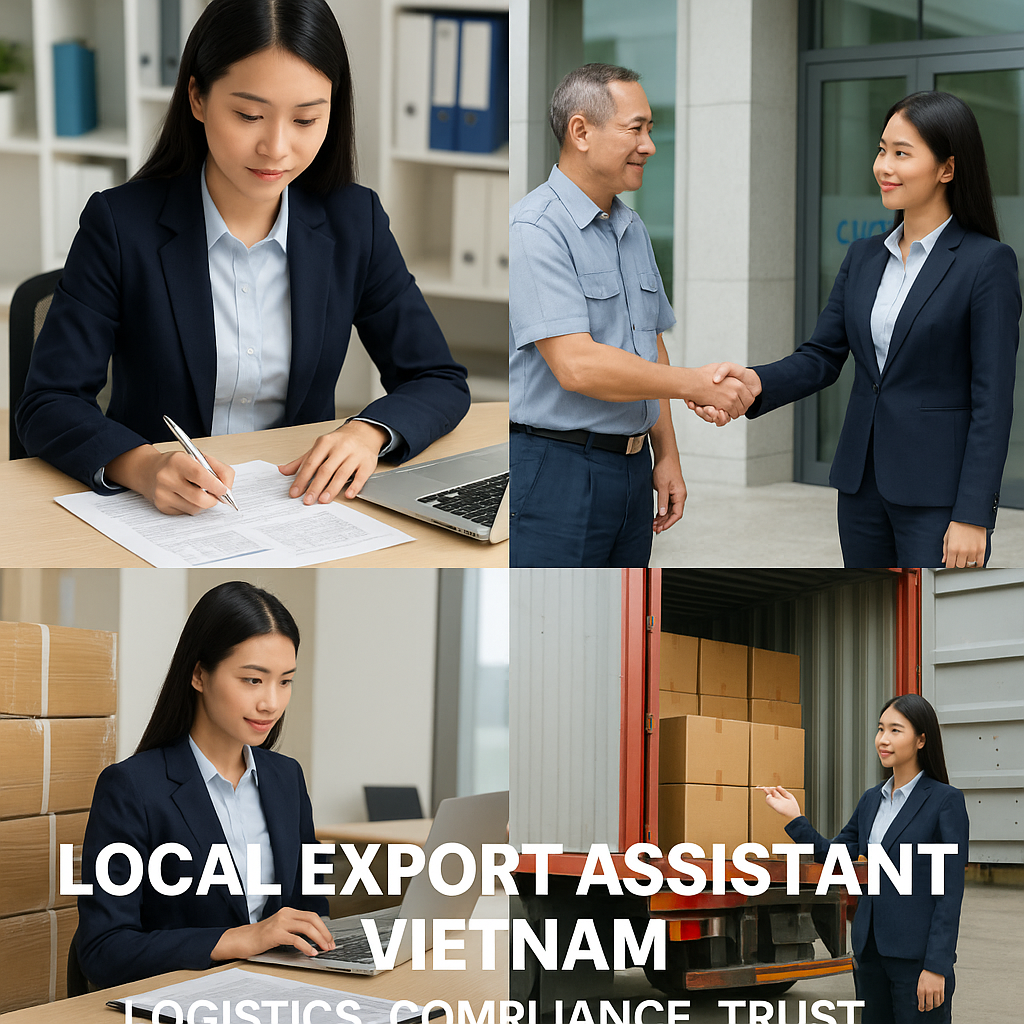
Unlock the potential of your business by understanding the full scope of outsourcing benefits in Vietnam and how they translate to real-world advantages.
Vietnam’s Outsourcing Industry: An Overview of Strengths and Specializations
Vietnam’s outsourcing industry has emerged as a compelling destination for businesses worldwide seeking cost-effective and high-quality solutions, solidifying its position as a key player in the global outsourcing landscape. This section provides an in-depth look at the strengths and specializations that define Vietnam’s competitive advantage in attracting companies looking to outsource to Vietnam.
Vietnam’s advantages in the outsourcing sector can be attributed to a combination of factors, with cost competitiveness standing out as a primary driver. The country offers significantly lower labor costs compared to other established outsourcing hubs. A report by Deloitte suggests that labor costs in Vietnam are approximately 30-50% lower than those in China. This cost advantage allows businesses to achieve substantial savings on operational expenses, making Vietnam an attractive option for companies seeking to optimize their budgets.
Beyond cost, Vietnam boasts a young, dynamic, and increasingly skilled workforce. The country has a large pool of engineering, IT, and business graduates entering the labor market each year. This translates to a readily available talent pool capable of handling a wide range of outsourcing tasks. Furthermore, the Vietnamese government has been actively investing in education and training programs to further enhance the skills of its workforce, ensuring that it remains competitive in the global market.
Vietnam’s outsourcing industry isn’t just about offering general services; it has developed specializations in key sectors, making it a strategic partner for specific business needs. These specializations include:
- IT Outsourcing: Vietnam is rapidly gaining recognition as a hub for software development, mobile app development, and testing services. The country’s strong technical talent pool and competitive pricing make it an attractive destination for businesses looking to outsource software development projects.
- Business Process Outsourcing (BPO): BPO in Vietnam encompasses a range of services, including customer support, data entry, and back-office operations. Companies are drawn to Vietnam’s BPO sector for its skilled workforce, favorable labor costs, and increasingly sophisticated infrastructure.
- Manufacturing Outsourcing: Vietnam has a long history of manufacturing, particularly in sectors such as textiles, electronics, and footwear. Its strategic location, competitive labor costs, and government support have made it a popular choice for businesses seeking to outsource manufacturing operations.
The Vietnamese government also plays a crucial role in fostering a favorable environment for the outsourcing industry. The government offers various incentives to foreign investors, including tax breaks and simplified business procedures. This proactive approach has contributed significantly to the growth and development of Vietnam’s outsourcing sector.
In conclusion, Vietnam’s outsourcing industry thrives on a foundation of cost-effectiveness, a highly skilled workforce, government support, and growing specialization in key sectors, making it a viable and attractive option for businesses seeking to outsource to Vietnam and gain a competitive edge in the global market.

Discover the specific sectors where Vietnam shines and how their expertise can align with your business needs by exploring Vietnam’s industrial specializations.
Top Outsourcing Services in Vietnam: A Comprehensive Guide
Vietnam has emerged as a prominent destination for outsourcing, offering a diverse range of services to businesses worldwide. Understanding the breadth and depth of these services is crucial for companies looking to leverage Vietnam’s potential to optimize their operations and achieve cost-effectiveness. This guide delves into the top outsourcing services available in Vietnam, highlighting their key features and benefits.
Vietnam’s outsourcing industry is experiencing significant growth, driven by a young, skilled workforce, competitive labor costs, and a stable political environment. The country’s strategic location in Southeast Asia and its increasing integration into the global economy further enhance its attractiveness as an outsourcing hub. As a result, a wide array of outsourcing services have flourished to meet the evolving needs of businesses across various sectors.
Here’s a detailed overview of the leading outsourcing services in Vietnam:
-
Information Technology Outsourcing (ITO): Vietnam’s ITO sector is renowned for its expertise in software development, application maintenance, and IT support. Vietnamese IT professionals possess strong technical skills, particularly in areas such as web development, mobile app development, cloud computing, and data analytics. Companies like FPT Software and TMA Solutions are key players in this sector, serving clients globally. (Example: A US-based e-commerce company outsourcing its mobile app development to a Vietnamese IT firm to reduce costs and accelerate time-to-market.)
-
Business Process Outsourcing (BPO): BPO in Vietnam encompasses a wide range of services, including customer service, data entry, accounting, and human resources. The country’s multilingual workforce and strong customer service orientation make it an ideal location for companies seeking to enhance their customer experience and streamline their back-office operations. Viettel Business Solutions and BPO.MP are prominent BPO providers in Vietnam. (Example: A European insurance company outsourcing its claims processing to a Vietnamese BPO provider to improve efficiency and reduce operational costs.)
-
Manufacturing Outsourcing: Vietnam has become a major hub for manufacturing outsourcing, particularly in industries such as textiles, electronics, and footwear. The country’s competitive labor costs, coupled with its improving infrastructure and favorable investment policies, make it an attractive destination for companies seeking to reduce their manufacturing expenses and expand their production capacity. Key players in this sector include Pou Chen Group and Regina Miracle International. (Example: A US-based apparel company outsourcing its garment production to a Vietnamese manufacturer to take advantage of lower labor costs and favorable trade agreements.)
-
Software Development Outsourcing: With a rapidly growing pool of talented and cost-effective software developers, Vietnam has become a prime location for software development outsourcing. This includes custom software development, mobile app development, web development, and software testing. The country’s strong focus on STEM education has resulted in a highly skilled workforce capable of handling complex software projects. Many global companies are turning to Vietnam for their software development needs, benefiting from both cost savings and quality output.
-
Digital Marketing Outsourcing: The increasing importance of digital marketing has fueled the growth of digital marketing outsourcing in Vietnam. Vietnamese agencies offer a range of services, including search engine optimization (SEO), social media marketing, content marketing, and pay-per-click (PPC) advertising. Companies can leverage Vietnam’s digital marketing expertise to enhance their online presence, generate leads, and drive sales. (Example: A Singaporean startup outsourcing its social media marketing to a Vietnamese digital agency to reach a wider audience and build brand awareness.)
-
Call Center Outsourcing: Vietnam’s call center industry is experiencing rapid expansion, driven by the country’s multilingual capabilities and strong customer service focus. Vietnamese call centers provide a range of services, including customer support, technical support, and sales. The country’s competitive labor costs and favorable business environment make it an attractive location for companies seeking to improve their customer service operations. FPT Contact Center and Gimasys are key players in this sector. (Example: An Australian telecommunications company outsourcing its customer support to a Vietnamese call center to provide 24/7 support and reduce operational costs.)
By understanding the diverse range of outsourcing services available in Vietnam, businesses can make informed decisions and leverage the country’s strengths to achieve their strategic objectives.

Ready to find the right partner? Browse the essential services available in Vietnam and start your search with our comprehensive directory of outsourcing providers.
How to Choose the Right Outsourcing Partner in Vietnam: A Step-by-Step Approach
Selecting the right outsourcing partner in Vietnam is a critical decision that can significantly impact your business’s success. This step-by-step guide provides a structured approach to navigating the complexities of Vietnamese outsourcing, ensuring you find a partner that aligns with your specific needs and goals. With the increasing popularity of outsourcing to Vietnam, understanding the selection process is paramount for achieving optimal results.
Choosing a suitable outsourcing vendor requires a meticulous evaluation process, encompassing several key stages. By following a structured approach, businesses can mitigate risks and enhance the likelihood of establishing a successful and mutually beneficial partnership.
Here’s a comprehensive guide to help you make the right choice:
-
Define Your Outsourcing Goals and Requirements: Before initiating your search, clearly articulate your objectives for outsourcing to Vietnam. What specific tasks or processes are you looking to delegate? What are your expectations regarding quality, turnaround time, and communication? Documenting your requirements will help you narrow down potential partners that possess the necessary expertise and capabilities.
-
Research Potential Outsourcing Providers: Conduct thorough research to identify potential outsourcing companies in Vietnam. Utilize online directories, industry publications, and professional networks to compile a list of vendors that specialize in your desired service areas. Consider factors such as the provider’s experience, client testimonials, and industry certifications. Vietnambizrep can assist you in this process, leveraging our local expertise to connect you with reputable and reliable partners.
-
Evaluate Expertise and Experience: Assess each potential partner’s expertise and experience in your specific industry and service requirements. Request case studies, client references, and examples of previous work to gauge their capabilities. Look for evidence of a proven track record of delivering high-quality results and meeting client expectations.
-
Assess Communication and Collaboration Capabilities: Effective communication and collaboration are essential for a successful outsourcing partnership. Evaluate the potential partner’s communication infrastructure, language proficiency, and cultural sensitivity. Ensure they have established processes for regular communication, project updates, and issue resolution.
-
Review Security and Data Protection Measures: Data security and privacy are paramount when outsourcing any business processes. Scrutinize the potential partner’s security protocols, data encryption practices, and compliance with relevant data protection regulations, such as GDPR or CCPA. Verify that they have robust measures in place to safeguard your sensitive information.
-
Conduct Site Visits and Audits (If Possible): If feasible, consider visiting the potential partner’s facilities in Vietnam to assess their operations firsthand. This allows you to evaluate their infrastructure, team capabilities, and overall working environment. Conduct audits to ensure compliance with quality standards and security protocols.
-
Negotiate Contract Terms and Pricing: Once you have identified your preferred partner, negotiate contract terms and pricing that align with your budget and requirements. Clearly define the scope of work, deliverables, payment schedule, and intellectual property rights. Ensure that the contract includes provisions for dispute resolution and termination.
-
Establish a Trial Period: Before committing to a long-term contract, consider establishing a trial period to assess the partner’s performance and compatibility. This allows you to evaluate their ability to meet your expectations and address any issues that may arise.
-
Monitor Performance and Provide Feedback: After the partnership is established, continuously monitor the partner’s performance against agreed-upon metrics and key performance indicators (KPIs). Provide regular feedback to ensure continuous improvement and address any challenges that may arise.
-
Build a Strong Relationship: Cultivate a strong and collaborative relationship with your outsourcing partner. Regular communication, mutual respect, and a shared commitment to success are essential for building a long-term, mutually beneficial partnership.

Why Vietnam vs. Other Outsourcing Destinations: A Comparative Analysis
Outsourcing to Vietnam has become increasingly attractive, but understanding how it stacks up against other popular destinations is crucial for informed decision-making. This section provides a comparative analysis of Vietnam against other key outsourcing hubs, highlighting strengths, weaknesses, and specific areas where each excels. Examining factors such as cost, talent pool, infrastructure, and cultural compatibility will help businesses determine the optimal location for their outsourcing needs.
Vietnam’s appeal stems from its competitive pricing and burgeoning tech talent, but other nations present unique advantages. China, for instance, boasts an established infrastructure and massive scale, while India offers a deep pool of experienced IT professionals. The Philippines, with its strong English proficiency, is a compelling option for customer service outsourcing. Examining these differences ensures your outsourcing destination aligns with your goals.
Here’s a comparison of key aspects:
- Cost: Vietnam generally offers lower labor costs compared to India, China, and the Philippines, making it a cost-effective option for many outsourcing projects.
- Talent Pool: While India has a larger and more established IT talent pool, Vietnam’s talent pool is rapidly growing, with a strong focus on software development and engineering. The Philippines excels in customer service roles.
- Infrastructure: China possesses a more developed infrastructure, especially in major cities, while Vietnam’s infrastructure is still developing, though improving rapidly.
- English Proficiency: The Philippines boasts higher English proficiency levels than Vietnam, making it ideal for voice-based processes.
- Cultural Compatibility: Vietnam shares closer cultural ties with Western countries compared to China, potentially facilitating smoother communication and project management.
Planning an Outsourcing Assignment in Vietnam
Define the work scope, deliverables, quality measures, information-security requirements, and responsibilities before choosing an outsourcing provider. Compare providers using the same brief, proposed team structure, communication process, pricing basis, and transition plan.
For manufacturing and sourcing assignments, confirm the supplier’s relevant product experience, sample process, inspection requirements, and documentation. Record open risks and approval points in writing so the buyer and provider can manage changes consistently.
Future Trends in Vietnam’s Outsourcing Sector: What to Expect
The future of outsourcing to Vietnam looks promising, marked by significant shifts and advancements. Vietnam is solidifying its position as a competitive hub for outsourcing services, driven by technological advancements, evolving client demands, and strategic government support.
-
Digital Transformation and Automation: Expect to see increased adoption of automation, AI, and cloud computing in Vietnam’s outsourcing industry. This digital transformation will enhance efficiency, reduce costs, and enable Vietnamese providers to offer more sophisticated services. For instance, robotic process automation (RPA) is becoming increasingly prevalent in tasks such as data entry, customer service, and finance.
-
Focus on Higher-Value Services: Beyond traditional BPO (Business Process Outsourcing) and ITO (Information Technology Outsourcing), Vietnamese firms are expanding into areas like research and development (R&D), product design, and data analytics. This shift reflects Vietnam’s growing expertise and skilled workforce, positioning it to compete for more complex and higher-value projects.
-
Growth of Niche Specializations: While Vietnam has strengths in areas like software development and manufacturing, expect to see the emergence of niche specializations catering to specific industries. These could include fintech, healthcare IT, or e-commerce solutions, allowing Vietnamese providers to differentiate themselves and attract clients with specialized needs.
-
Increased Cybersecurity Focus: As global data security concerns rise, Vietnamese outsourcing providers will need to prioritize cybersecurity measures. Expect to see investments in advanced security technologies, compliance certifications (e.g., ISO 27001), and robust data protection policies to build trust with international clients.
-
Sustainability and Ethical Outsourcing: There’s a growing global demand for ethical and sustainable business practices. Expect Vietnamese outsourcing providers to adopt more sustainable practices, such as reducing carbon footprint, promoting fair labor practices, and investing in employee training and development. This will enhance their appeal to socially conscious clients.
-
Government Support and Policy Initiatives: The Vietnamese government will continue to play a crucial role in shaping the outsourcing sector. Expect to see policies aimed at attracting foreign investment, developing infrastructure, and promoting innovation. This support will further enhance Vietnam’s competitiveness as an outsourcing destination.
These trends suggest that Vietnam’s outsourcing sector is poised for continued growth and evolution. By embracing new technologies, focusing on higher-value services, and prioritizing sustainability and security, Vietnamese providers can solidify their position as key players in the global outsourcing landscape.
To protect sourcing quality, buyers working with Vietnamese suppliers can arrange Vietnam quality control inspections during production and coordinate pre-shipment inspection in Vietnam before goods are shipped.
Vietnam Biz Rep helps overseas buyers find suppliers, verify factories, coordinate samples, inspect goods, and follow up production in Vietnam. Learn more about our Vietnam sourcing agent services or contact us to discuss your sourcing requirements.
For help identifying and comparing specific manufacturing facilities, see our directory of Vietnam factories guide.
