


Vietnam cut and sew manufacturer capability refers to the core garment construction process — pattern development, fabric cutting, sewing and assembly, and finishing — that turns an approved design into a finished apparel product. It’s a production skill set, distinct from a commercial engagement model such as CMT (Cut, Make, Trim), where the buyer supplies materials and the manufacturer is contracted only for the cutting, sewing, and trimming labor; the same factory can often offer both. This article, falling under the category of garment manufacturers in Vietnam, delves into the essential aspects of finding the right partner, exploring the benefits of outsourcing garment production to Vietnam, understanding manufacturing processes and quality control measures, and navigating the landscape of ethical sourcing and sustainable practices. Finally, we’ll equip you with a practical guide to selecting a suitable manufacturer and building a long-term, successful relationship to drive your business forward in 2025.
Cut and Sew Manufacturing in Vietnam: An Overview of the Industry
Cut and sew manufacturing in Vietnam has emerged as a significant force in the global apparel and textile industry, attracting international brands seeking cost-effective and high-quality production. This overview will explore the key factors driving its growth and defining its current landscape.
-
A Thriving Textile Hub: Vietnam’s strategic location, stable political climate, and favorable trade agreements have fostered a robust manufacturing sector. The country boasts a skilled workforce and a growing infrastructure, making it an attractive destination for garment production. As of 2023, Vietnam’s textile and apparel exports reached over $40 billion, demonstrating its competitiveness in the global market.
-
Competitive Advantages: Several factors contribute to Vietnam’s appeal. Lower labor costs compared to China and other developed nations are a primary driver. Additionally, the Vietnamese government actively promotes foreign investment and provides incentives for businesses operating in the sector. Free Trade Agreements (FTAs) with major economies like the EU, the US (through CPTPP), and Japan further enhance its export capabilities.
-
Specialization and Capabilities: Vietnamese cut and sew manufacturers offer a wide range of services, from basic apparel production to complex garment construction. Many factories specialize in specific product categories, such as sportswear, outerwear, or knitwear. This specialization allows them to develop expertise and optimize their processes, ensuring consistent quality and efficiency. Beyond apparel, textile manufacturing also includes footwear, bags and even technical textiles.
-
Growth and Future Trends: The Vietnam cut and sew industry is expected to continue its growth trajectory in the coming years. Increased investment in automation and technology will further enhance productivity and efficiency. Sustainability is also becoming a major focus, with manufacturers adopting eco-friendly practices and materials to meet the growing demand for ethical and sustainable fashion. Vietnam Biz Rep is poised to support these emerging trends and to connect brands with the most suitable and sustainable Vietnamese manufacturers.
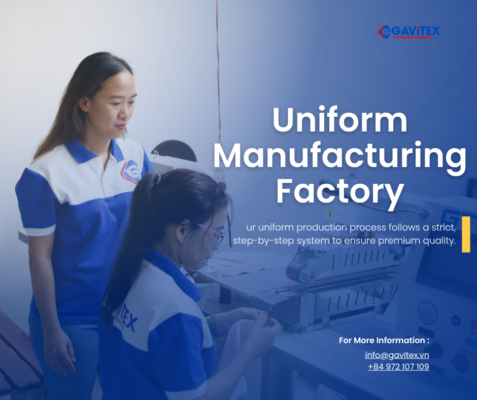
Looking for a reliable Vietnam cut and sew manufacturer? Dive deeper into the industry to understand the landscape.
Services Offered by Vietnam Cut and Sew Manufacturers: A Comprehensive Guide
Vietnam cut and sew manufacturers provide a diverse range of services that extend beyond simply cutting and sewing fabric; they offer comprehensive solutions catering to various needs of apparel brands and businesses. These services encompass the entire production process, from initial design conceptualization to final product delivery, making them a valuable partner for companies seeking efficient and cost-effective manufacturing solutions.
- Design and Pattern Making: Many Vietnam cut and sew manufacturers offer design and pattern-making services. These manufacturers can assist with initial design development, creating patterns, and grading sizes. For example, overseas buyers can work with clients’ sketches or existing garments to create accurate patterns suitable for mass production.
- Fabric Sourcing: Sourcing the right fabric is critical for apparel production, and Vietnamese manufacturers often provide assistance in this area. They leverage their extensive networks to source a wide variety of fabrics, including cotton, polyester, silk, and blends, and can advise on the best materials for specific product needs. For instance, some may specialize in organic cotton or sustainable fabrics, catering to brands with eco-conscious values.
- Sampling and Prototyping: Before mass production, creating samples is essential to ensure quality and fit. Cut and sew manufacturers in Vietnam offer sampling and prototyping services, allowing brands to review and approve designs before proceeding. These samples can be used for photoshoots, sales presentations, and fitting sessions.
- Cutting and Sewing: The core of their offering, cut and sew manufacturing, involves precisely cutting fabric according to the approved patterns and then sewing the pieces together to create the final garment. Vietnamese factories often employ skilled workers and modern equipment to ensure high-quality workmanship and efficient production.
- Printing, Embroidery, and Embellishment: To add unique details and branding, many Vietnam cut and sew manufacturers offer printing, embroidery, and embellishment services. These services can include screen printing, digital printing, embroidery, sequin application, and other decorative techniques.
- Quality Control: Vietnamese manufacturers typically implement rigorous quality control procedures throughout the production process. This includes inspecting fabrics, checking measurements, and ensuring that the finished garments meet the required standards. overseas buyers, for instance, conducts multiple quality checks at different stages of production to minimize defects.
- Packaging and Labeling: The final stage involves packaging and labeling the finished garments for shipment. Cut and sew manufacturers in Vietnam can provide various packaging options, including polybags, cartons, and custom packaging. They can also attach hangtags, care labels, and other branding elements to the garments.
- Shipping and Logistics: Some Vietnam cut and sew factories offer shipping and logistics services to streamline the delivery of finished goods. They can handle export documentation, customs clearance, and transportation to the client’s desired location. This provides a convenient end-to-end solution for brands looking to outsource their apparel production.
By understanding the diverse services offered by Vietnam cut and sew manufacturers, businesses can make informed decisions when selecting a partner and leverage the country’s manufacturing capabilities to create high-quality apparel products.
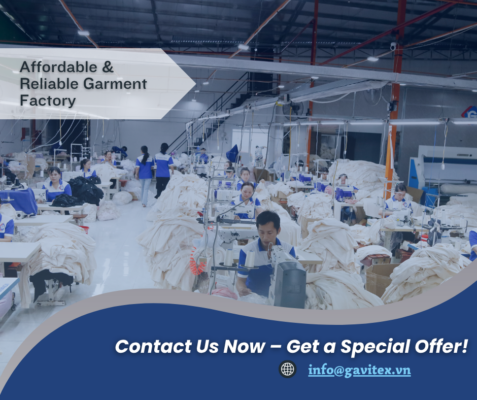
Want to understand the full spectrum of offerings? Explore the comprehensive guide to Vietnam’s cut and sew services.
Quality Control Standards in Vietnam’s Cut and Sew Industry: Ensuring Excellence
Quality control standards are paramount in Vietnam’s burgeoning cut and sew industry, guaranteeing customer satisfaction and solidifying the country’s position as a reliable global apparel sourcing destination; as a prominent Vietnam cut and sew manufacturer, overseas buyers understands that rigorous adherence to these standards is not merely an option, but a necessity for sustained success in the competitive garment market. This dedication to quality allows Vietnamese manufacturers to meet and exceed the expectations of international buyers.
To ensure consistent product quality, Vietnamese factories implement a multi-stage quality control process. This often starts with inspecting raw materials like fabrics and trims for defects against defined benchmarks (e.g., color fastness, tensile strength). Throughout the production cycle, in-process inspections identify and rectify any deviations from the agreed-upon specifications, preventing errors from escalating. The final inspection prior to shipment verifies that each garment meets all quality standards, including measurements, stitching, and overall finishing.
Several key factors contribute to effective quality control within Vietnam’s cut and sew industry.
- Skilled Workforce: Vietnam boasts a skilled and trainable workforce, a significant advantage for manufacturers.
- Modern Equipment: Investment in modern sewing machines, cutting equipment, and inspection tools enhances precision and efficiency.
- International Certifications: Many Vietnamese manufacturers, pursue international certifications like ISO 9001 and WRAP, demonstrating their commitment to globally recognized quality management systems and ethical production practices.
- AQL (Acceptable Quality Limit): Applying AQL sampling methods is vital.
- Standard Operating Procedures (SOPs): Factories establish detailed SOPs to standardize manufacturing processes and ensure consistency.
Ultimately, the focus on quality control standards in Vietnam’s cut and sew industry directly benefits businesses like overseas buyers and their clients. By maintaining stringent quality throughout the entire manufacturing process, brands can minimize defects, reduce returns, protect their reputation, and ultimately, deliver exceptional garments to their customers. This commitment to excellence is a cornerstone of the long-term success of Vietnamese apparel manufacturers.
(Approx. 280 words)
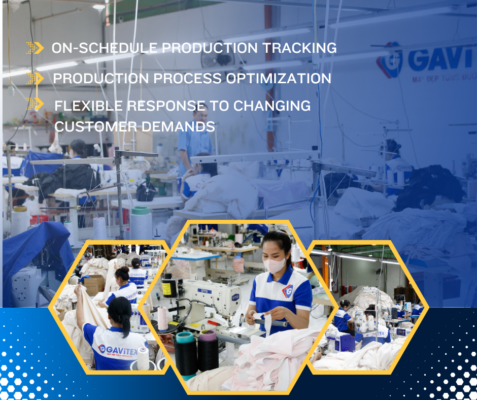
Concerned about quality? Discover the quality control standards that ensure excellence in Vietnam’s cut and sew industry.
Cost Factors in Vietnam Cut and Sew Manufacturing: A Price Breakdown
Understanding the cost factors involved in Vietnam cut and sew manufacturing is crucial for businesses seeking to optimize their production expenses. Utilizing a Vietnam cut and sew manufacturer offers competitive pricing, but a clear breakdown of these costs is essential for accurate budgeting and informed decision-making.
Several elements contribute to the overall cost of apparel manufacturing in Vietnam. These primary drivers include raw materials, labor, overhead, and shipping. Careful management and negotiation within each of these areas can significantly impact the final price breakdown.
- Raw Materials: The price of fabrics, trims (buttons, zippers, labels), and packaging directly affects production costs. Sourcing these materials locally in Vietnam can reduce expenses compared to importing them. The type and quality of materials chosen also play a significant role in determining the final cost. For instance, organic cotton or specialized performance fabrics will generally command higher prices.
- Labor Costs: While labor costs in Vietnam are generally lower than in many Western countries, they are not the only factor. Complexity of the garment design, skill level required, and production time all contribute. Furthermore, factors such as minimum wage regulations and benefits packages provided by the Vietnam cut and sew manufacturer also impact labor expenses.
- Overhead Expenses: These encompass operational costs like factory rent, utilities, equipment maintenance, and administrative salaries. A well-managed factory with efficient processes will generally have lower overhead, translating to more competitive pricing. overseas buyers, for example, invests in streamlined processes to minimize overhead costs.
- Shipping and Logistics: Transportation costs from the factory to the final destination are a significant consideration. Factors influencing shipping costs include distance, mode of transport (sea, air, land), and any associated tariffs or duties. Negotiating favorable shipping rates and optimizing logistics can help mitigate these expenses.
- Order Quantity: Larger production runs often result in lower per-unit costs due to economies of scale. Vietnam cut and sew manufacturers typically offer tiered pricing based on order volume, making it advantageous to consolidate orders whenever possible.
Businesses must carefully evaluate these cost factors to accurately estimate the overall expense of cut and sew manufacturing in Vietnam. By partnering with a reputable Vietnam cut and sew manufacturer and understanding the drivers behind pricing, companies can optimize their production costs and achieve their business goals.
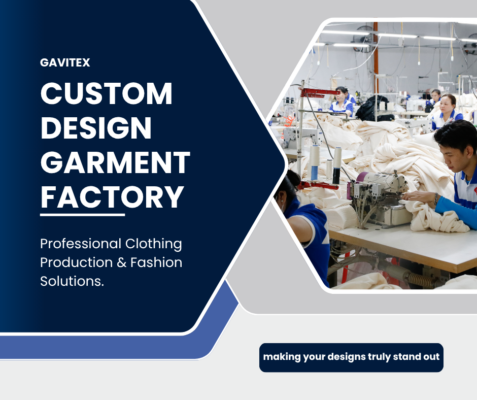
Curious about the costs involved? Get a detailed price breakdown of Vietnam’s cut and sew manufacturing.
Navigating Legal and Ethical Considerations When Working with Vietnamese Manufacturers
When sourcing cut and sew manufacturing in Vietnam, understanding and adhering to both legal and ethical considerations is paramount for building a sustainable and reputable supply chain. Engaging with a Vietnam cut and sew manufacturer requires a proactive approach to ensure compliance with Vietnamese laws, international labor standards, and ethical business practices. This not only mitigates potential risks but also fosters a positive working relationship built on trust and transparency.
Legal Compliance: A Foundation for Collaboration
Navigating the legal landscape in Vietnam involves understanding key regulations related to labor, environment, and business operations. Labor laws govern aspects like working hours, wages, and worker safety. Ensuring your Vietnam cut and sew manufacturer adheres to these regulations prevents labor exploitation and potential legal repercussions. Environmental regulations dictate waste management and pollution control, vital for minimizing your environmental footprint. Contract law defines the legal framework for your agreements; clearly defined contracts protect both parties and establish expectations. For example, a well-drafted contract should specify product quality standards, delivery timelines, payment terms, and dispute resolution mechanisms.
Upholding Ethical Standards: Building a Responsible Supply Chain
Beyond legal compliance, ethical considerations play a crucial role in establishing a responsible and sustainable supply chain. Fair labor practices are fundamental. This includes ensuring fair wages, safe working conditions, and the right to organize. Transparency and traceability are also essential. Demand visibility into the supply chain to ensure materials are sourced ethically and responsibly. This requires working with manufacturers who are open about their sourcing practices and willing to provide information about their suppliers. Furthermore, combating corruption is crucial. Avoid engaging in any practices that could be construed as bribery or corruption. Prioritize manufacturers with a strong commitment to ethical business conduct.
Practical Steps for Due Diligence and Mitigation
Several practical steps can be taken to ensure legal and ethical compliance when working with Vietnamese manufacturers. Conduct thorough due diligence to vet potential partners. This includes visiting factories, reviewing certifications, and checking references. Implementing a code of conduct that outlines your expectations for ethical behavior is essential. Regularly auditing your suppliers to ensure compliance with your code of conduct and relevant laws is also recommended. Invest in building strong relationships with your cut and sew manufacturer, based on open communication and mutual respect. This creates an environment where issues can be addressed proactively and ethically.
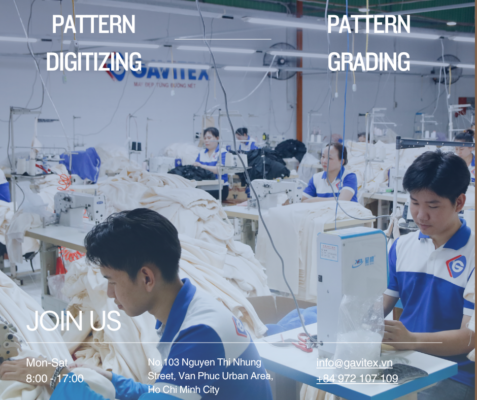
Want to ensure ethical and legal compliance? Learn how to navigate the legal and ethical considerations when sourcing from Vietnam.
Building a Successful Partnership with Your Vietnam Cut and Sew Manufacturer: Best Practices
Establishing a strong and productive partnership with your Vietnam cut and sew manufacturer is crucial for achieving your business goals in the garment industry; by implementing best practices in communication, transparency, and quality control, you can foster a mutually beneficial relationship that leads to consistent, high-quality production and long-term success. This involves not only selecting the right cut and sew manufacturer but also nurturing the relationship through clear expectations and mutual understanding.
Effective communication forms the bedrock of a successful collaboration. Articulate your requirements clearly from the outset, providing detailed specifications, technical drawings, and samples to your Vietnamese manufacturer. This proactive approach minimizes misunderstandings and ensures that the manufacturer fully comprehends your vision, preventing costly errors and delays. For instance, overseas buyers prioritize clear communication channels, utilizing project management software and regular video conferences to facilitate seamless interaction with its manufacturing partners.
Transparency is equally essential in building trust and fostering a long-lasting partnership. Openly share your production plans, forecasting, and any potential challenges you anticipate with your Vietnam cut and sew manufacturer. This allows them to proactively plan resources, manage capacity, and address any issues that may arise, allowing the manufacturer to adjust their operations to meet your demands. Furthermore, maintaining transparency regarding payment terms and ethical sourcing practices reinforces a sense of fairness and mutual respect.
Quality control is another pivotal aspect that defines a successful partnership with a Vietnam cut and sew manufacturer. Establish clear quality standards and expectations from the outset, including acceptable defect rates, measurement tolerances, and testing protocols. Implement a robust quality control system that encompasses inspections at various stages of the production process, from raw materials to finished goods. For example, consider implementing a system that includes initial inspections of fabrics, in-process checks during cutting and sewing, and final inspections before shipment. By establishing quality control as a shared responsibility, you can ensure consistent product quality and minimize the risk of defects.
Furthermore, understand the cost factors involved in Vietnam cut and sew manufacturing to negotiate fair and competitive pricing. Be aware of the various cost components, including material costs, labor costs, overhead expenses, and shipping fees. By having a clear understanding of these factors, you can engage in informed discussions with your manufacturer and arrive at a mutually acceptable pricing structure. This can also involve exploring opportunities for cost optimization, such as sourcing materials locally or streamlining production processes.
Finally, nurturing a strong personal relationship with your Vietnamese manufacturer can go a long way in fostering a successful partnership. Take the time to visit their facilities, meet their team, and learn about their culture and values. Building a personal connection can strengthen communication, build trust, and create a sense of shared commitment to achieving mutual goals. Remember, a successful partnership is built on mutual respect, understanding, and a shared commitment to quality and success.
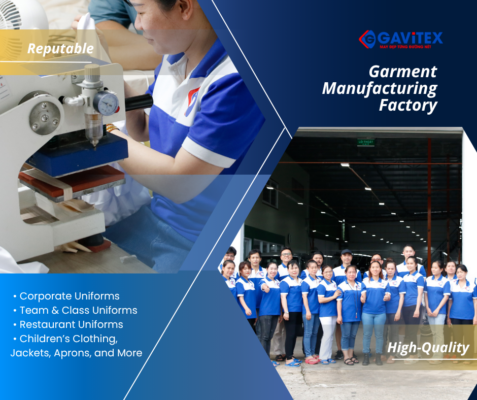
Ready to build a lasting relationship? Discover the best practices for partnering with a Vietnam cut and sew manufacturer.
Related Vietnam Sourcing & Manufacturing Services
- CMT Garment Factory in Vietnam
- Garment Manufacturers in Vietnam
- Vietnam Clothing Manufacturers
- OEM Clothing Manufacturer in Vietnam
- Vietnam Sourcing Agent
Need support in Vietnam? Call or WhatsApp +84 941 414 422 or visit our contact page to discuss your project with Vietnam Biz Rep.
