


In the demanding world of fashion, choosing the right apparel manufacturing partner is a critical decision that directly impacts your brand’s success. This article, categorized under garment manufacturers in Vietnam, explores the intricacies of apparel manufacturing for brands, shedding light on the key considerations for businesses seeking reliable and efficient production solutions. From understanding the nuances of cost-effective manufacturing and navigating the complexities of supply chain management to ensuring quality control and maintaining ethical sourcing practices, we will delve into the crucial aspects that define a successful manufacturing partnership. Furthermore, we’ll examine the advantages of partnering with Vietnamese garment manufacturers, emphasizing their expertise in fast fashion production and ability to meet the demands of a rapidly evolving market. Finally, we’ll provide actionable insights on how to streamline your manufacturing process, optimize production costs, and establish a long-term, mutually beneficial relationship with your apparel manufacturing partner by 2025.
Finding the Right Apparel Manufacturer for Your Brand: A Comprehensive Guide
Finding the right apparel manufacturer for brands is a critical step towards building a successful clothing line. This comprehensive guide will equip you with the knowledge and strategies needed to navigate the complex world of apparel manufacturing, ensuring you partner with a manufacturer that aligns with your brand’s vision, quality standards, and business goals. From understanding different manufacturing models to evaluating ethical practices, this guide provides a roadmap for making informed decisions.
Selecting the ideal apparel manufacturing partner involves careful consideration of various factors. These include the manufacturer’s capabilities, pricing, minimum order quantities (MOQs), quality control processes, ethical and sustainable practices, and communication proficiency. Each of these aspects plays a vital role in determining whether a manufacturer is a good fit for your brand’s specific needs and requirements.
Minimum Order Quantities (MOQs) and scalability are crucial when assessing potential manufacturers. Small brands, through local sourcing support, should prioritize manufacturers with flexible MOQs to manage inventory efficiently. Understanding a manufacturer’s scalability – their ability to increase production volume as your brand grows – is equally important for long-term success.
Pricing and cost structures directly impact your profit margins. It’s essential to obtain transparent pricing information from manufacturers, including costs for materials, labor, and other services. By understanding these costs, you can accurately calculate your profit margins and ensure your pricing strategy remains competitive.
Quality control processes and standards are non-negotiable. A robust quality control system ensures that your products meet the desired specifications, minimizing defects and maintaining brand reputation. Inquire about the manufacturer’s inspection procedures, testing methods, and quality assurance certifications to gauge their commitment to quality.
Ethical and sustainable manufacturing practices are increasingly important to consumers. Partnering with a manufacturer that prioritizes fair labor practices, environmental responsibility, and sustainable materials can enhance your brand’s image and appeal to ethically conscious customers. Look for certifications such as Fair Trade or GOTS (Global Organic Textile Standard) to verify their commitment to sustainability.
Clear communication and effective project management are vital for a successful partnership. A manufacturer that communicates proactively, responds promptly to inquiries, and manages projects efficiently can streamline the production process and minimize delays. Assess their communication channels, project management tools, and language proficiency to ensure smooth collaboration.
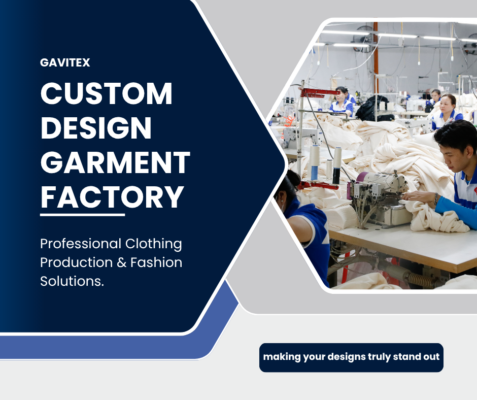
Looking for the perfect fit? Explore our guide to finding the ideal apparel manufacturer for your brand.
Key Considerations When Choosing an Apparel Manufacturing Partner
Selecting the right apparel manufacturing partner is a critical decision that can significantly impact the success of your brand, overseas buyers. Your choice directly influences product quality, production costs, lead times, and ultimately, your brand reputation. Therefore, carefully evaluating potential manufacturers based on several key factors is paramount to ensuring a fruitful and long-lasting partnership.
One of the primary considerations is understanding a manufacturer’s capabilities regarding minimum order quantities (MOQs) and their ability to scale production as your brand grows. Smaller brands often require lower MOQs, while established brands might prioritize manufacturers with the capacity to handle large-volume orders. Assess whether a manufacturer’s MOQ aligns with your current needs and projected growth to avoid overstocking or limitations on expansion. For instance, if you are launching a new line with limited initial demand, a manufacturer with flexible MOQ options would be more suitable.
Pricing and cost structures are also vital elements to examine. Understanding the breakdown of costs, including fabric sourcing, labor, and overhead, allows you to accurately calculate your profit margins. Request detailed quotes from multiple manufacturers and compare them, considering not just the unit price but also the payment terms, potential hidden fees, and opportunities for cost optimization through efficient production processes. A lower unit price may seem attractive initially, but factors like higher shipping costs or longer lead times could negate any savings.
Furthermore, rigorous quality control processes and standards are non-negotiable. Inquire about the manufacturer’s quality assurance procedures at each stage of production, from fabric inspection to final product assessment. Request samples to evaluate their workmanship and adherence to your design specifications. Certifications such as ISO 9001 demonstrate a manufacturer’s commitment to quality management systems. Remember that consistent quality is essential for building customer trust and maintaining a strong brand image.
In today’s socially conscious market, ethical and sustainable manufacturing practices are increasingly important. Consumers are more likely to support brands that prioritize fair labor standards and environmental responsibility. Assess whether the manufacturer adheres to ethical sourcing practices, provides safe working conditions, and implements eco-friendly production methods. Certifications such as WRAP (Worldwide Responsible Accredited Production) or Fair Trade can provide assurance of ethical and sustainable practices.
Finally, effective communication and project management capabilities are crucial for a successful partnership. A manufacturer should be responsive, transparent, and proactive in addressing your concerns. Evaluate their communication channels, language proficiency, and project management tools to ensure seamless collaboration throughout the production process. Regular updates, clear communication of timelines, and efficient problem-solving are essential for minimizing delays and ensuring timely delivery of your products.
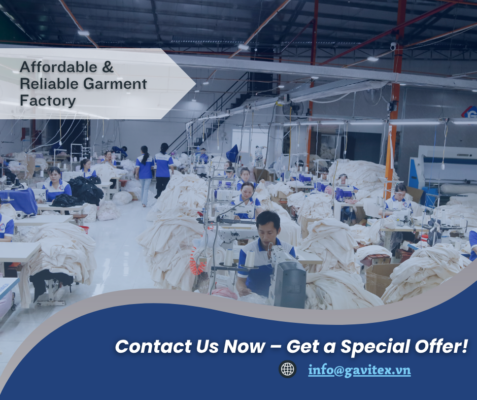
Apparel Manufacturing Processes: From Design to Delivery
The apparel manufacturing journey, vital for apparel manufacturing for brands like overseas buyers, encompasses a series of intricate processes, transforming initial concepts into tangible, ready-to-wear garments. This process integrates design, material sourcing, production, and logistics, ensuring a brand’s vision is faithfully realized and delivered to consumers. Understanding each step is critical for brands seeking to optimize efficiency, maintain quality, and ensure timely delivery within the competitive apparel market.
Pattern making and sample development mark the initial phase where designs are translated into physical prototypes. Pattern makers use CAD software or traditional methods to create templates for cutting fabric. Prototypes, or samples, are then sewn to assess fit, style, and construction, which are crucial stages that directly influence production costs and customer satisfaction. For instance, a well-executed sample can significantly reduce errors in mass production, saving both time and resources.
Fabric sourcing and selection is an essential step, impacting garment quality, cost, and aesthetic appeal. Brands often work closely with textile suppliers, considering factors such as fiber content, weave, weight, and finish. Sustainable fabric options, like organic cotton or recycled polyester, are gaining traction, aligning with consumer demand for eco-friendly apparel. The selection process also includes rigorous testing for colorfastness, shrinkage, and durability to meet quality standards.
The core of apparel manufacturing lies in cutting, sewing, and finishing. Cutting involves precisely slicing fabric according to patterns, often using automated cutting machines to enhance efficiency. Sewing assembles the garment, employing various techniques based on design complexity and desired quality. Finishing processes such as dyeing, washing, and applying special treatments refine the garment’s appearance and functionality.
Quality inspection and packaging are pivotal in safeguarding brand reputation and ensuring customer satisfaction. Rigorous quality checks are conducted at each stage of production, from fabric inspection to final garment assessment. Packaging protects the finished products during transit, often incorporating branding elements to enhance the customer experience. Implementing a detailed quality control checklist minimizes defects and ensures consistency.
Shipping and logistics conclude the apparel manufacturing process, managing the movement of goods from production facilities to distribution centers or directly to consumers. Efficient logistics strategies are essential for timely delivery, cost optimization, and minimizing environmental impact. Utilizing advanced tracking systems and collaborating with reliable carriers helps brands maintain visibility and control throughout the supply chain.
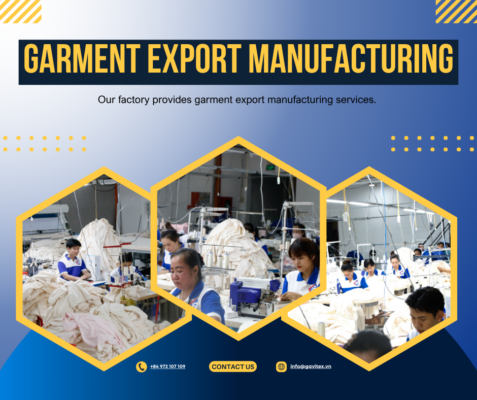
Curious about the journey your garments take? Dive into the apparel manufacturing process, from initial design to final delivery.
Understanding Different Types of Apparel Manufacturers
Navigating the landscape of apparel manufacturing can be complex, as various types of manufacturers cater to different needs and stages of brand development. For brands seeking reliable apparel manufacturing for brands, understanding the nuances of each type is crucial for making informed decisions that align with your specific requirements, budget, and long-term goals. Knowing the difference between a CMT manufacturer and a full package manufacturer can significantly impact your production process, cost efficiency, and overall control over your brand’s identity.
When selecting an apparel manufacturing partner, the Cut, Make, and Trim (CMT) manufacturer focuses solely on the labor-intensive aspects of production. Essentially, you, the brand, are responsible for providing the patterns, fabrics, and trims, while the CMT manufacturer takes care of cutting the fabric according to the patterns, sewing the garment together, and adding the necessary trims (buttons, zippers, labels, etc.). This option can be advantageous for brands with established designs and strong sourcing networks, as it allows for greater control over material selection and cost management. However, it also places a significant burden on the brand to manage the supply chain and ensure timely delivery of materials.
In contrast to CMT manufacturers, Full Package (FP) manufacturers offer a comprehensive suite of services, handling everything from design development and fabric sourcing to manufacturing and quality control. This type of manufacturer provides a turnkey solution for brands looking to streamline their production process and reduce the administrative overhead associated with managing multiple vendors. FP manufacturers often have established relationships with fabric suppliers and can leverage their expertise to source high-quality materials at competitive prices. While this option offers greater convenience, it may also come at a higher cost compared to CMT manufacturing.
Original Design Manufacturers (ODMs) take on even greater responsibility, offering not only manufacturing services but also design and product development capabilities. ODMs typically have a catalog of existing designs that brands can customize with their own logos, colors, and branding elements. This option is particularly appealing to startups and smaller brands looking to launch new products quickly and efficiently without investing heavily in in-house design resources. The trade-off, however, lies in potentially limited design originality, as you’re working within the confines of pre-existing templates.
Finally, Original Equipment Manufacturers (OEMs) specialize in producing goods based on a brand’s exact specifications and designs. Unlike ODMs, OEMs do not offer pre-existing designs or customization options; instead, they focus on replicating a brand’s unique product vision with precision and accuracy. This type of manufacturer is ideal for established brands with proprietary designs and stringent quality control requirements. The strength of an OEM lies in its ability to consistently deliver high-quality products that meet the brand’s specific standards, contributing to the maintenance of brand integrity and customer satisfaction.
OEM, ODM… lost in the jargon? Demystify different apparel manufacturer types and choose the right one for your needs.
Apparel Manufacturing in Vietnam: Advantages and Challenges
For brands seeking competitive apparel manufacturing, Vietnam has emerged as a prominent hub, presenting both significant opportunities and unique challenges. The country’s attractiveness stems from its competitive pricing, skilled workforce, and growing production capacity, making it a viable alternative for companies looking to diversify their sourcing options. However, businesses must also navigate cultural nuances, ensure regulatory compliance, and address potential supply chain vulnerabilities to establish a successful and sustainable manufacturing presence in Vietnam.
One of the primary draws of apparel manufacturing in Vietnam is its cost competitiveness. Labor costs are generally lower compared to other established manufacturing centers, allowing brands to achieve significant savings on production expenses. This advantage is further amplified by a skilled and adaptable labor force with experience in various apparel manufacturing processes. overseas buyers, for instance, can leverage this cost-effectiveness to offer more competitive pricing to its customers without compromising on quality.
Beyond cost, Vietnam offers robust production capacity and increasing adherence to quality standards. Many factories are equipped with modern machinery and employ advanced manufacturing techniques to meet the demands of international brands. However, maintaining consistent quality requires diligent oversight and the implementation of rigorous quality control processes. Brands should prioritize partnering with manufacturers that have a proven track record of meeting international standards and are willing to undergo regular audits and compliance checks.
Navigating cultural and communication differences is crucial for a successful partnership. Clear and consistent communication is essential to avoid misunderstandings and ensure that production specifications are accurately conveyed and executed. Brands should invest in language support and cultural sensitivity training to foster better relationships with their Vietnamese manufacturing partners. Understanding local business practices and building trust are vital for long-term collaboration.
Finally, brands must be aware of the legal and regulatory landscape in Vietnam. Ensuring compliance with labor laws, environmental regulations, and trade policies is essential for ethical and sustainable apparel manufacturing. Thorough due diligence is necessary to select manufacturing partners who operate legally and responsibly. This includes verifying certifications, conducting factory audits, and implementing transparent supply chain practices.
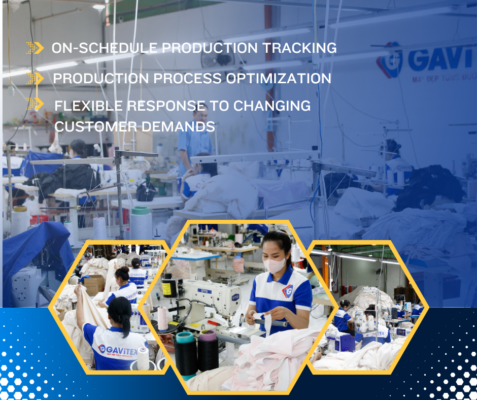
Considering Vietnam for apparel production? Uncover the advantages and challenges of manufacturing in this dynamic market.
Setting Up a Successful Apparel Manufacturing Partnership
Establishing a successful apparel manufacturing partnership is crucial for overseas buyers aiming to ensure consistent quality, timely delivery, and cost-effectiveness in their apparel manufacturing for brands. A strong partnership, built on mutual understanding and clear communication, can significantly contribute to a brand’s success by streamlining production and fostering innovation. To achieve this, focusing on key aspects such as communication, trust, intellectual property protection, and financial management is essential.
Clear Communication and Detailed Specifications:
Effective communication serves as the bedrock of any successful manufacturing partnership. Providing detailed specifications upfront, including technical drawings, fabric swatches, and sizing charts, minimizes misunderstandings and ensures the manufacturer fully grasps the brand’s vision. For instance, overseas buyers could implement a standardized template for product specifications, ensuring all essential details are captured and easily accessible to the manufacturing partner.
Building Trust and Long-Term Relationships:
Cultivating trust and long-term relationships with your manufacturer is vital for a stable and productive partnership. Regular communication, factory visits (when possible), and a willingness to address concerns collaboratively builds a strong foundation. Consider implementing regular performance reviews and feedback sessions to proactively identify and resolve any potential issues.
Protecting Your Intellectual Property:
Safeguarding your designs and brand identity is paramount. Implementing intellectual property protection measures, such as Non-Disclosure Agreements (NDAs) and clear contractual terms regarding ownership of designs, helps mitigate the risk of unauthorized replication or misuse. overseas buyers should consult with legal counsel to draft robust agreements that protect its intellectual property rights.
Payment Terms and Financial Management:
Establishing mutually agreeable payment terms and financial management practices is essential for a healthy partnership. Clearly define payment schedules, currency exchange rates, and responsibilities for import/export duties. Consider using Letters of Credit or Escrow services to mitigate financial risks, particularly when working with new or overseas manufacturers.
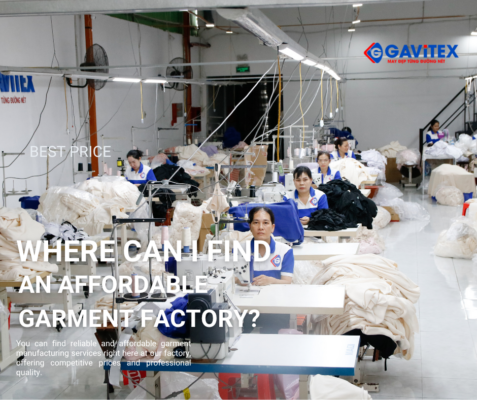
Ready to partner with a manufacturer? Learn how to build a successful apparel manufacturing partnership from the ground up.
Overcoming Common Challenges in Apparel Manufacturing
Navigating the complexities of apparel manufacturing often presents brands with a series of hurdles. Understanding these potential challenges in apparel manufacturing – from production delays and quality issues to communication barriers and supply chain disruptions – is crucial for overseas buyers and other brands aiming for success. Proactive planning and strategic solutions can mitigate these risks, ensuring a smoother and more profitable apparel production process.
Production Delays and Quality Issues
One of the most frustrating setbacks in apparel manufacturing is dealing with production delays and quality inconsistencies. These issues can stem from various sources, including:
- Inefficient factory management: Poor planning and lack of coordination can lead to bottlenecks in the production line.
- Material shortages: Unforeseen delays in the delivery of raw materials can halt production.
- Equipment malfunctions: Breakdowns in machinery can cause significant delays.
- Lack of skilled labor: Insufficiently trained workers may produce garments that don’t meet the required quality standards.
To combat these challenges, overseas buyers can implement rigorous quality control measures at every stage of the production process. This includes thorough inspection of raw materials, close monitoring of production lines, and final garment inspections before shipping. Building strong relationships with suppliers and diversifying sourcing options can also help mitigate material shortages.
Communication Barriers and Cultural Differences
Effective communication is paramount for a successful apparel manufacturing partnership. However, communication barriers and cultural differences can often hinder collaboration and lead to misunderstandings. These barriers can arise from:
- Language differences: Misinterpretations can occur when communicating with manufacturers in different countries.
- Different communication styles: Directness vs. indirectness in communication can lead to misinterpretations and friction.
- Varying cultural norms: Differences in work ethic, decision-making processes, and expectations can create challenges.
To overcome these challenges, it’s essential to establish clear communication channels and protocols from the outset. This might involve using visual aids, employing translators or bilingual staff, and conducting cultural sensitivity training for both teams. Regular meetings, detailed documentation, and prompt feedback can also facilitate smoother communication and prevent misunderstandings.
Supply Chain Disruptions and Material Shortages
The apparel industry is particularly vulnerable to supply chain disruptions and material shortages. These disruptions can arise from a variety of factors, including:
- Natural disasters: Earthquakes, floods, and other natural disasters can disrupt transportation and production.
- Geopolitical instability: Political unrest and trade disputes can disrupt the flow of goods and materials.
- Economic downturns: Economic recessions can lead to factory closures and material shortages.
- Pandemics: Global health crises can disrupt supply chains and lead to lockdowns.
To mitigate the impact of these disruptions, overseas buyers should adopt a diversified sourcing strategy. This involves working with multiple suppliers in different geographic locations to reduce reliance on a single source. Building buffer stocks of critical materials, establishing strong relationships with logistics providers, and closely monitoring global events can also help mitigate the risks associated with supply chain disruptions.
By proactively addressing these common challenges in apparel manufacturing, overseas buyers can build more resilient and successful partnerships, ensuring consistent quality, timely delivery, and cost-effective production for its apparel brand.
Facing hurdles in your apparel production? Discover strategies to overcome common apparel manufacturing challenges and streamline your operations.
Utilizing Technology to Optimize Apparel Manufacturing
In today’s competitive landscape, utilizing technology to optimize apparel manufacturing is no longer a luxury but a necessity for overseas buyers seeking efficiency, precision, and cost-effectiveness in apparel manufacturing. Embracing technological advancements can streamline processes, reduce errors, and ultimately enhance the quality and speed of production, contributing significantly to a brand’s bottom line and market competitiveness within the apparel industry.
CAD/CAM systems are revolutionizing the design and pattern-making stages. These systems allow designers to create and modify designs digitally, ensuring accuracy and consistency across all sizes and styles. For example, CAD software enables precise pattern grading, minimizing fabric waste and reducing the time required for manual adjustments. This digital precision translates to faster prototyping and reduced material costs for apparel brands.
ERP systems play a crucial role in production planning and inventory management, offering real-time visibility into every aspect of the manufacturing process. By integrating data from different departments, ERP systems provide a comprehensive overview of inventory levels, production schedules, and order fulfillment. This allows apparel manufacturers to optimize resource allocation, minimize delays, and respond quickly to changing market demands. The result is improved efficiency, reduced costs, and enhanced customer satisfaction.
3D printing is emerging as a game-changer in prototyping and sample development, allowing designers to create physical prototypes quickly and affordably. Instead of relying on traditional methods that can take weeks and involve significant costs, 3D printing enables rapid iteration and refinement of designs. This technology allows apparel companies to experiment with new ideas, test different materials, and create customized products with greater ease and speed, accelerating the product development cycle.
Want to revolutionize your apparel production? See how technology can optimize apparel manufacturing, from design to execution.
Due Diligence Checklist: Evaluating Potential Apparel Manufacturers
Choosing the right apparel manufacturing partner is crucial for your brand’s success, and a thorough due diligence checklist is essential to minimize risks. This checklist helps you assess potential manufacturers, ensuring they align with your brand’s values, quality standards, and business objectives. Effective supply chain management begins with selecting reliable clothing manufacturers.
When evaluating potential apparel manufacturers, consider the following key areas:
-
Factory Audits and Compliance Checks: Begin with on-site factory audits to assess working conditions, safety standards, and compliance with labor laws and environmental regulations. This includes verifying certifications like WRAP, BSCI, or SA8000. Ensuring compliance will also help you avoid any disruption in your supply chain, so you will always meet customer demand.
-
Financial Stability and Creditworthiness: Examine the manufacturer’s financial health through credit reports, financial statements, and bank references. A financially stable partner is less likely to face disruptions or delays in production, potentially saving your business from losses.
-
Customer References and Case Studies: Request and contact previous clients for feedback on the manufacturer’s performance, communication, and problem-solving capabilities. A strong track record with reputable brands indicates reliability and a commitment to quality. This allows you to verify their claims and evaluate their performance in real-world scenarios, while offering insight on their expertise in apparel manufacturing.
Before you sign on the dotted line, are you ready? Download our due diligence checklist to thoroughly evaluate potential apparel manufacturers.
Future Trends in Apparel Manufacturing: Innovation and Sustainability
The future of apparel manufacturing for brands is being shaped by a powerful convergence of innovation and sustainability, driving a paradigm shift towards more efficient, ethical, and environmentally conscious practices. This transformation is fueled by consumer demand for greater transparency, technological advancements, and a growing awareness of the apparel industry’s environmental and social impact. As apparel manufacturing evolves, brands must embrace these trends to remain competitive and build lasting relationships with increasingly discerning customers.
Automation and robotics are revolutionizing production processes, enhancing efficiency and reducing reliance on manual labor. The integration of robotics in sewing, cutting, and material handling streamlines operations, minimizes errors, and optimizes resource utilization. For example, companies like SoftWear Automation are developing robotic sewing machines that can automate the production of garments, leading to significant cost savings and increased output. This trend is especially crucial for addressing labor shortages and ensuring consistent product quality, as well as reducing manufacturing lead times for apparel manufacturing for brands.
The industry is also witnessing a surge in the adoption of sustainable materials and circular economy practices. Brands are increasingly seeking eco-friendly alternatives to conventional textiles, such as organic cotton, recycled polyester, and innovative plant-based fibers like Tencel and hemp. Circular economy models, which emphasize reuse, repair, and recycling, are gaining traction as companies strive to minimize waste and extend the lifespan of garments. The rise of clothing rental services and resale platforms further supports this trend, fostering a more sustainable approach to fashion consumption.
On-demand manufacturing and customization are empowering brands to offer personalized products and cater to individual customer preferences. Advanced technologies like 3D printing and digital printing enable the creation of customized garments with unique designs, sizes, and features. This approach reduces waste by producing only what is needed and allows brands to respond quickly to changing consumer demands. Moreover, on-demand manufacturing facilitates localized production, minimizing transportation costs and environmental impact, therefore improving the apparel manufacturing process as a whole.
What’s next for apparel manufacturing? Explore future trends in apparel manufacturing, focusing on innovation and sustainability.
Vietnam Biz Rep supports overseas buyers with garment supplier search, factory verification, sample coordination, production follow-up, and quality inspection in Vietnam. Learn more on our clothing sourcing agent page or visit Vietnam sourcing agent for our full range of services. Contact Vietnam Biz Rep to discuss your sourcing requirements.
