

Finding the right apparel production partner is crucial for fashion brands aiming for quality and scalability. This guide delves into the complexities of selecting the ideal garment manufacturers in Vietnam, exploring key factors like production capabilities, ethical sourcing, and supply chain management. Discover how to assess minimum order quantities (MOQs), evaluate quality control processes, and understand the nuances of cost negotiation. We’ll also cover essential aspects of contract manufacturing, ensuring your brand finds a reliable partner to achieve its production goals.
Vietnam’s Apparel Manufacturing Landscape: Opportunities and Challenges
Vietnam’s burgeoning apparel manufacturing landscape presents a compelling proposition for businesses seeking strategic apparel production partners. However, alongside the significant opportunities, lie potential challenges that demand careful consideration and proactive mitigation strategies for successful and sustainable partnerships. This section delves into both the advantages and disadvantages inherent in choosing Vietnam as a hub for garment production.
Vietnam has emerged as a global leader in clothing production, propelled by a combination of factors that attract international brands and retailers. The country’s competitive labor costs, strategic geographic location facilitating efficient logistics, and favorable trade agreements like the CPTPP and EVFTA are key drivers behind its prominence in the textile industry. Furthermore, the Vietnamese government’s consistent efforts to improve infrastructure and streamline business regulations have contributed to a more attractive investment climate.
Despite the allure, businesses must acknowledge the hurdles present within the Vietnamese apparel industry. Rising labor costs, while still competitive, are on an upward trajectory, potentially impacting long-term cost-effectiveness. Furthermore, challenges related to supply chain disruptions, particularly regarding raw material sourcing and logistics bottlenecks, can impact production timelines and profitability. Finally, maintaining consistent quality control and adherence to international compliance standards requires diligent oversight and robust monitoring systems when working with apparel manufacturers.
Ensuring ethical sourcing and sustainable production practices is also a significant concern. While many Vietnamese factories are committed to responsible manufacturing, instances of labor exploitation and environmental violations can damage a brand’s reputation and create legal liabilities. Therefore, comprehensive due diligence, ongoing audits, and transparent communication are crucial for aligning with responsible production standards in the Vietnamese garment sector.
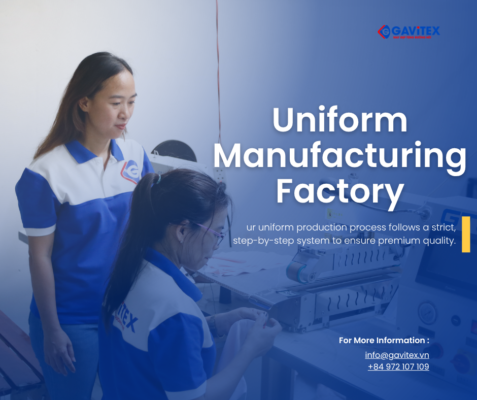
Explore Vietnam’s apparel manufacturing landscape to understand the opportunities and challenges before partnering with a clothing manufacturer.
Key Criteria for Evaluating Apparel Production Partners: Beyond Price
When selecting an apparel production partner, while price is undoubtedly a consideration, focusing solely on it can be a costly mistake. A truly valuable partnership hinges on a multitude of factors that contribute to the overall success of your apparel manufacturing endeavor, including quality, reliability, and ethical practices. Evaluating potential clothing manufacturers through a wider lens will help overseas buyers secure lasting, mutually beneficial relationships that drive long-term growth.
Beyond the bottom line, several crucial aspects should be considered when vetting potential apparel production partners:
- Quality Control & Assurance: Consistent quality is paramount. Inquire about their quality control processes, from raw material sourcing to final product inspection. Ask for samples and conduct thorough quality checks to ensure their standards align with yours.
- Production Capacity & Flexibility: Assess whether the manufacturer can handle your current and projected order volumes. Determine their capacity for scaling production and adapting to fluctuating demand.
- Communication & Responsiveness: Clear and timely communication is the cornerstone of a successful partnership. Evaluate their responsiveness to inquiries and their ability to proactively address potential issues.
- Ethical & Sustainable Practices: In today’s market, consumers are increasingly concerned about ethical and sustainable sourcing. Ensure your partner adheres to fair labor practices and environmental standards. Request certifications and conduct audits to verify their commitment.
- Technical Capabilities & Expertise: Depending on the complexity of your designs, assess the manufacturer’s technical capabilities, including their equipment, skilled workforce, and experience with various fabrics and garment construction techniques.
Considering these criteria in addition to cost allows you to select a production partner that is prepared to supply high-quality products that also align with the ethics of the brand. Furthermore, prioritizing quality control, communication, ethical practices, and technical expertise over simply price mitigates risks associated with subpar goods, delays, or even damage to your brand’s reputation.
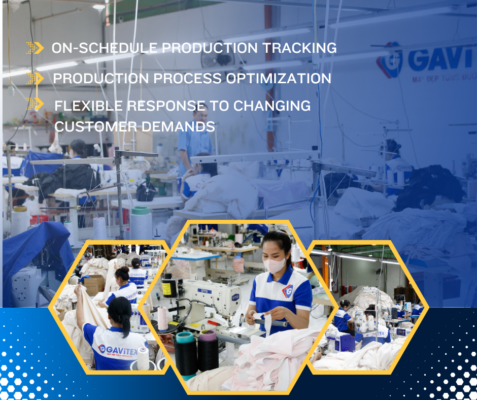
Discover the key criteria beyond price for evaluating apparel production partners and ensuring a successful collaboration.
Due Diligence: Verifying Credentials and Capabilities of Potential Partners
Thorough due diligence is paramount when selecting an apparel production partner in Vietnam, extending far beyond initial impressions to validate claims and assess long-term viability. This process involves a comprehensive evaluation of a potential partner’s legitimacy, financial stability, production capabilities, and ethical compliance to mitigate risks and ensure a successful collaboration. By meticulously verifying credentials and capabilities, brands like overseas buyers can confidently navigate the Vietnamese apparel manufacturing landscape and secure partnerships that align with their values and business objectives.
The first crucial step is verifying the manufacturer’s legal standing in Vietnam. This includes obtaining copies of their business license and relevant permits to ensure they are authorized to operate within the apparel sector. Checking their tax registration also confirms their compliance with local regulations. Additionally, it’s essential to verify their export license, especially if you intend to import the finished goods directly. A thorough investigation into any past legal disputes or regulatory violations can reveal potential red flags and help you avoid partnering with a problematic entity.
Next, assess the potential partner’s financial stability. Requesting audited financial statements for the past few years provides insight into their revenue, profitability, and debt levels. A healthy financial record indicates a stable and reliable partner capable of fulfilling their contractual obligations. Consider requesting references from their existing clients to gauge their performance and satisfaction levels. Evaluating their banking relationships and creditworthiness can further validate their financial standing.
Production capabilities are another critical area to scrutinize. Conduct a factory audit to assess their infrastructure, equipment, and workforce. Evaluate their production capacity to ensure they can meet your volume requirements and timelines. Examine their quality control processes and certifications, such as ISO 9001, to ensure they adhere to industry standards. Visiting their factory allows for a firsthand evaluation of their operational efficiency and commitment to quality.
Finally, verify their commitment to ethical and sustainable practices. Request information on their labor standards, environmental policies, and social compliance audits. Certifications like WRAP, BSCI, or SEDEX demonstrate their adherence to internationally recognized ethical sourcing standards. Inquire about their initiatives to reduce waste, conserve water, and promote fair labor practices. Partnering with a socially responsible manufacturer not only aligns with your brand values but also mitigates reputational risks.
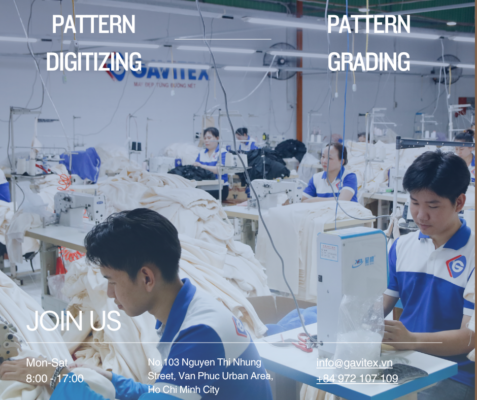
Learn how to conduct thorough due diligence to verify the credentials and capabilities of potential apparel production partners.
Legal and Contractual Considerations: Protecting Your Interests in Vietnam
Navigating the legal landscape and understanding the contractual requirements are critical steps in safeguarding your interests when establishing an apparel production partner relationship in Vietnam. These considerations extend beyond simple agreements; they form the bedrock of a secure and profitable collaboration. Failing to address these aspects adequately can expose your business to significant risks, including intellectual property infringement, breach of contract, and financial losses.
Securing your brand and design rights necessitates a proactive approach. This includes registering your trademarks and designs with the National Office of Intellectual Property of Vietnam (NOIP). This registration provides legal protection against counterfeiting and unauthorized use of your intellectual property. Furthermore, incorporating confidentiality clauses and non-disclosure agreements (NDAs) within your contracts with Vietnamese manufacturers is essential to prevent sensitive information from falling into the wrong hands. These agreements should clearly define what constitutes confidential information, the scope of permitted use, and the consequences of unauthorized disclosure.
Crafting robust contracts is paramount to a successful partnership. These documents should explicitly outline the scope of work, including product specifications, quality standards, delivery timelines, and payment terms. Clear and unambiguous language is crucial to avoid misunderstandings and disputes. Furthermore, include clauses addressing force majeure, dispute resolution mechanisms (such as arbitration), and governing law. Specify which jurisdiction’s laws will govern the contract in case of disagreements, considering the relative strengths and weaknesses of Vietnamese and international law.
To strengthen your legal position, consider these key actions:
- Conduct thorough due diligence: Verify the legal status and business licenses of potential partners.
- Engage local legal counsel: Benefit from their expertise in Vietnamese law and business practices.
- Draft comprehensive contracts: Cover all essential aspects of the production agreement.
- Register your intellectual property: Secure your brand and designs in Vietnam.
- Enforce your rights: Be prepared to take legal action if necessary to protect your interests.
By prioritizing these legal and contractual considerations, you can mitigate potential risks, foster trust, and build a strong foundation for a long-term, mutually beneficial apparel production partnership with Vietnamese manufacturers.
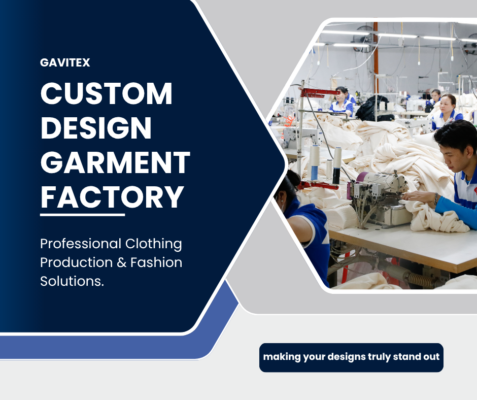
Navigate the legal and contractual landscape in Vietnam to safeguard your interests when working with apparel manufacturers.
Building a Successful Long-Term Partnership: Communication and Collaboration
Cultivating a successful long-term partnership with your apparel production partner in Vietnam goes far beyond simply securing a low price; it hinges on establishing robust communication channels and fostering a collaborative spirit. This ensures alignment on expectations, minimizes misunderstandings, and promotes mutual growth, ultimately contributing to the success of overseas buyers and its manufacturing collaborators. Building a strong rapport and a shared understanding of goals will pave the way for a productive and enduring relationship.
Effective communication forms the bedrock of any thriving partnership, especially when navigating the complexities of international apparel manufacturing. Establishing clear and consistent communication protocols is crucial. This involves agreeing on preferred communication channels (e.g., email, phone, video conferencing), defining response times, and designating key points of contact on both sides. Regular meetings, even virtual ones, can help maintain open dialogue, address emerging issues promptly, and reinforce a sense of shared purpose between overseas buyers and its apparel production partner.
Collaboration, in turn, strengthens the partnership by encouraging joint problem-solving and shared decision-making. View your Vietnamese manufacturer not just as a vendor but as an extension of your team. Soliciting their input on design feasibility, material sourcing, and production processes can lead to valuable insights and innovative solutions. By fostering a sense of ownership and shared responsibility, you empower your partner to contribute their expertise and become invested in the success of your apparel products.
Furthermore, transparency in communication is key. Being open about your business objectives, market trends, and potential challenges fosters trust and allows your apparel production partner to anticipate and adapt to changing needs. Sharing data on sales performance, customer feedback, and quality control metrics enables them to optimize their processes and improve product quality, contributing to a mutually beneficial long-term relationship. For instance, consistently sharing overseas buyers‘s sales forecasts allows the manufacturer to efficiently plan their production capacity and manage raw material procurement, avoiding delays and ensuring timely delivery.
Finally, don’t underestimate the power of regular feedback. Constructive feedback, both positive and negative, is essential for continuous improvement. Acknowledge and appreciate your partner’s efforts, and address any concerns or issues promptly and professionally. Implementing a formal feedback mechanism, such as regular performance reviews, ensures that both parties are aligned on expectations and committed to achieving shared goals, solidifying a successful long-term partnership between overseas buyers and its Vietnamese manufacturers.
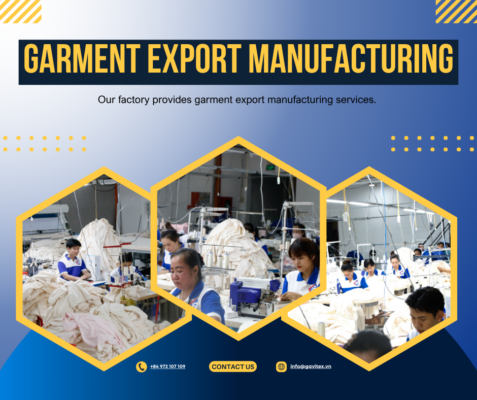
Navigating Cultural Differences: Fostering Effective Communication with Vietnamese Manufacturers
Successfully collaborating with Vietnamese apparel production partners requires a deep understanding and respect for cultural nuances that can significantly impact communication and relationship building. Failing to acknowledge and adapt to these differences can lead to misunderstandings, delays, and ultimately, a strained partnership. This section explores key cultural considerations and practical strategies for fostering effective communication with Vietnamese manufacturers, ensuring a smoother and more productive working relationship.
One of the primary cultural differences to be aware of is the emphasis on face (saving face) in Vietnamese culture. Direct criticism or confrontation can be perceived as disrespectful and damaging to the relationship. Instead, it’s crucial to adopt a more subtle and indirect approach when addressing concerns or providing feedback. For example, instead of directly pointing out errors, try framing the issue as a collaborative problem-solving opportunity. Moreover, hierarchy plays a significant role, with respect for seniority being paramount. Always address senior members of the team with appropriate titles and demonstrate deference in communication.
Building trust is foundational to any successful partnership in Vietnam, and this is often achieved through relationship-building activities that go beyond formal business discussions. Taking the time to learn about your partners’ families, interests, and personal backgrounds can significantly strengthen rapport. While efficiency and directness are valued in Western business cultures, the Vietnamese often prioritize building a strong personal connection before delving into complex business matters. Consider scheduling informal meetings or social events to foster a sense of camaraderie and mutual understanding. Furthermore, it’s important to be patient; building trust takes time and consistent effort.
Effective communication extends beyond simply speaking the same language. Nonverbal cues can carry significant meaning in Vietnamese culture. For instance, avoiding direct eye contact may be a sign of respect, particularly when interacting with senior members of the team. Similarly, a hesitant “yes” might indicate agreement, but could also signify a desire to avoid conflict or a lack of complete understanding. Clarifying understanding through open-ended questions and actively listening to verbal and nonverbal cues is essential. To minimize miscommunication, consider using visual aids, providing written instructions, and confirming understanding through multiple channels.
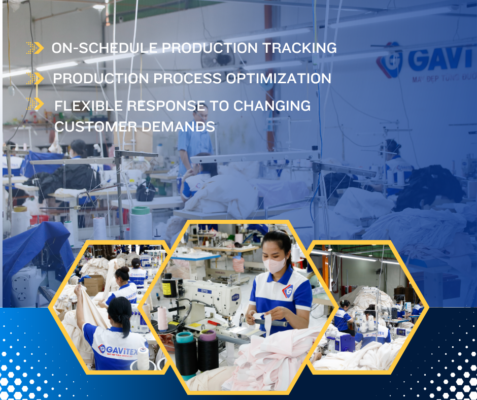
Master the art of navigating cultural differences to foster effective communication with Vietnamese apparel manufacturers.
Sustainability and Ethical Sourcing: Aligning with Responsible Production Practices
In today’s conscientious market, sustainability and ethical sourcing have become paramount considerations for apparel brands seeking a reliable apparel production partner in Vietnam. Meeting consumer expectations for environmentally friendly and socially responsible practices is no longer optional; it’s a business imperative that impacts brand reputation, customer loyalty, and ultimately, the bottom line. This section explores how overseas buyers and other brands can align with responsible production practices in Vietnam.
Adopting sustainable practices within the apparel supply chain significantly minimizes environmental impact. Apparel manufacturers can achieve this through multiple methods. These include investing in water-saving technologies, utilizing renewable energy sources like solar power, and implementing waste reduction programs that minimize textile waste through recycling and upcycling. For example, companies are increasingly exploring innovative dyeing techniques that use less water and chemicals, reducing pollution and resource consumption. Moreover, prioritizing organic cotton, recycled polyester, and other sustainable materials promotes biodiversity and reduces reliance on harmful pesticides and synthetic fibers.
Ethical sourcing ensures fair labor practices and safe working conditions throughout the apparel production process. Reputable apparel production partners in Vietnam adhere to international labor standards, including fair wages, reasonable working hours, and the prohibition of child labor. Brands should actively seek partners with certifications like Fair Trade, SA8000, or WRAP (Worldwide Responsible Accredited Production), which demonstrate a commitment to ethical labor practices. Regular audits and factory visits are essential to verify compliance and address any potential issues proactively.
Transparency and traceability are crucial components of a sustainable and ethical supply chain. By implementing technologies like blockchain, brands can track the journey of their products from raw materials to finished goods, ensuring accountability and preventing exploitation. Consumers are increasingly demanding to know where their clothes come from and how they are made, and brands that embrace transparency can build trust and foster stronger relationships with their customers. This proactive approach not only helps mitigate risks but also strengthens the brand’s commitment to responsible apparel production.
Discover how to align with sustainable and ethical sourcing practices when partnering with apparel manufacturers in Vietnam.
Technology and Innovation in Vietnamese Apparel Production: Automation and Beyond
The Vietnamese apparel industry is undergoing a significant transformation, driven by the adoption of technology and innovation, extending far beyond basic automation. This evolution is crucial for Vietnamese apparel manufacturers looking to enhance their competitive edge, optimize apparel production, and attract global apparel production partners seeking efficient and high-quality manufacturing solutions.
Increasingly, automation is becoming a cornerstone of modernizing apparel manufacturing in Vietnam. Manufacturers are investing in advanced sewing machines with automated features, robotic cutting systems, and automated material handling systems to reduce manual labor, improve accuracy, and accelerate production cycles. For instance, Lectra and Gerber Technology, major players in providing CAD/CAM solutions, are seeing growing adoption in Vietnam.
Beyond basic automation, Vietnamese apparel manufacturers are exploring cutting-edge technologies. 3D printing for prototyping, artificial intelligence (AI) for predictive maintenance and quality control, and the Internet of Things (IoT) for real-time production monitoring are gaining traction. These technologies allow for more agile manufacturing processes, reduced waste, and improved product quality, enabling apparel production that is both cost-effective and responsive to changing market demands.
Furthermore, the adoption of digital platforms and data analytics is transforming supply chain management. Vietnamese manufacturers are utilizing these tools to enhance transparency, improve communication with apparel production partners, and optimize inventory management. This digital integration allows for more efficient collaboration, reduced lead times, and improved overall supply chain resilience.
Explore the latest technology and innovation in Vietnamese apparel production, including automation and beyond, to enhance your manufacturing processes.
Case Studies: Successful Apparel Partnerships in Vietnam
Examining case studies of successful apparel partnerships in Vietnam offers valuable insights into the strategies and best practices that drive positive outcomes when collaborating with Vietnamese apparel manufacturers. These real-world examples, including those potentially involving established market participants and overseas buyers, highlight the multifaceted nature of successful collaboration, demonstrating that factors beyond just cost are crucial for achieving long-term success.
Several key aspects contribute to the success of these apparel production partnerships. Firstly, a clear understanding of the Vietnamese apparel manufacturing landscape is essential. Consider Company A, a European brand specializing in sustainable activewear. They strategically chose a Vietnamese factory known for its ethical sourcing and commitment to eco-friendly practices. This alignment of values, combined with the factory’s expertise in technical fabrics, led to a successful product launch and a strong brand reputation. This demonstrates the importance of matching your brand’s values and needs with the manufacturer’s capabilities.
Secondly, robust due diligence plays a crucial role. Brand B, a US-based fashion retailer, initially faced challenges due to a lack of thorough verification. However, after implementing a comprehensive due diligence process that included on-site audits, financial stability checks, and assessment of labor practices, they were able to identify and partner with a reliable factory. The result was a significant improvement in product quality, on-time delivery, and ethical sourcing. Such case highlight why verifying credentials of potential apparel production partner is important.
Finally, effective communication and collaboration are paramount. Company C, an Australian designer, invested in building strong relationships with their Vietnamese manufacturing team through regular communication, cultural sensitivity training, and collaborative problem-solving. This fostered a sense of trust and mutual respect, leading to increased efficiency, innovation, and responsiveness to market demands. This example illustrates how communication and collaboration can boost partnership with Vietnamese manufacturers.
Read case studies of successful apparel partnerships in Vietnam and learn from real-world examples.
Vietnam Biz Rep supports overseas buyers with garment supplier search, factory verification, sample coordination, production follow-up, and quality inspection in Vietnam. Learn more on our clothing sourcing agent page or visit Vietnam sourcing agent for our full range of services. Contact Vietnam Biz Rep to discuss your sourcing requirements.
