

For businesses seeking to scale production and optimize costs, finding the right OEM clothing manufacturer in Vietnam is paramount. This article, categorized under garment manufacturers in Vietnam, delves into the critical aspects of selecting a reliable partner. We’ll explore the benefits of OEM manufacturing, covering key considerations such as quality control, production capacity, compliance certifications, and communication strategies. Gain insights into navigating the Vietnamese garment industry landscape, understanding pricing structures, and establishing long-term, successful partnerships with Vietnamese clothing manufacturers, ensuring your business thrives in the competitive global market by 2025.
Finding the Right OEM Clothing Manufacturer in Vietnam: A Comprehensive Guide
Finding the right OEM clothing manufacturer in Vietnam is crucial for businesses seeking reliable and cost-effective apparel production. This comprehensive guide provides a structured approach to navigate the complexities of selecting a suitable manufacturing partner, ensuring quality output and a smooth production process.
Vietnam has emerged as a prominent hub for OEM clothing manufacturing, attracting businesses globally due to its competitive labor costs, skilled workforce, and strategic location. Selecting the ideal manufacturer, however, requires careful consideration of several key aspects.
Here’s a step-by-step approach to help you pinpoint the perfect match:
-
Define Your Specific Requirements: Before embarking on your search, clarify your exact needs.
- Production Volume: Determine your desired order quantities. Some manufacturers specialize in large-scale production, while others cater to smaller runs.
- Clothing Styles and Complexity: Assess the technical expertise required. Do you need basic garments or intricate designs?
- Fabric and Material Sourcing: Identify preferred materials and any specific sourcing requirements (e.g., organic cotton, recycled polyester).
- Quality Standards: Define acceptable quality levels and any certifications required (e.g., WRAP, BSCI).
-
Conduct Thorough Research: Explore potential manufacturers through online directories, industry trade shows, and referrals. Consider joining industry-specific online forums or groups. Look for clothing factories in Vietnam that specialize in your niche.
-
Evaluate Capabilities and Expertise: Once you have a list of potential partners, delve deeper into their capabilities. Assess their machinery, quality control processes, and experience with similar products. Inquire about their sample-making process, lead times, and minimum order quantities (MOQs).
-
Assess Communication and Responsiveness: Effective communication is paramount. Choose a manufacturer that is responsive, transparent, and capable of clearly understanding your needs. Look for a dedicated account manager who can provide regular updates and address any concerns promptly.
-
Request and Evaluate Samples: Prioritize sample production. Request samples of your designs to assess the manufacturer’s workmanship, material sourcing, and attention to detail. Examine the samples closely for any defects or deviations from your specifications.
-
Conduct Factory Audits (If Possible): If feasible, conduct on-site factory audits to verify the manufacturer’s facilities, working conditions, and compliance with ethical standards. This can provide valuable insights into their operational practices and commitment to social responsibility.
-
Negotiate Pricing and Payment Terms: Discuss pricing structures and payment terms transparently. Request a detailed cost breakdown to understand all associated expenses, including materials, labor, and shipping. Negotiate payment schedules that align with your cash flow.
By following this comprehensive guide, businesses can confidently navigate the Vietnamese OEM clothing manufacturing landscape and establish successful, long-term partnerships. Vietnam Biz Rep supports overseas buyers through supplier sourcing, factory verification, sample coordination, and apparel supply chain follow-up in Vietnam.
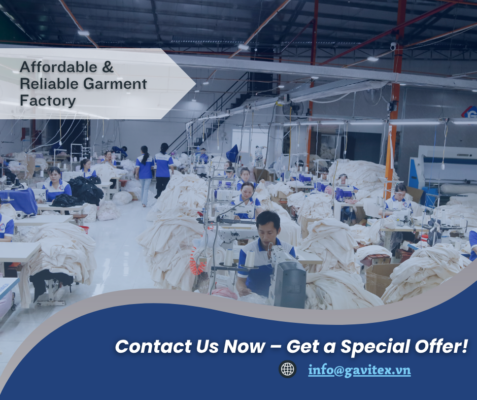
Looking for a reliable OEM clothing manufacturer? Explore our comprehensive guide to navigate your options.
What Are the Key Benefits of Choosing an OEM Clothing Manufacturer in Vietnam?
Opting for an OEM clothing manufacturer in Vietnam presents a multitude of compelling advantages for businesses looking to streamline production, enhance profitability, and access a dynamic and competitive market. These benefits stem from Vietnam’s unique position as a global manufacturing hub, characterized by skilled labor, competitive pricing, and a growing commitment to quality and innovation in the garment industry. Leveraging the expertise of Vietnamese OEM partners enables brands to focus on core competencies like design and marketing, while entrusting the complexities of manufacturing to capable hands.
One of the most significant advantages is cost-effectiveness. Vietnam’s labor costs are generally lower compared to other major manufacturing countries like China, allowing companies to achieve substantial savings on production. Furthermore, the presence of a well-established supply chain ecosystem reduces sourcing and logistics expenses. For example, sourcing fabrics and accessories locally can significantly decrease lead times and transportation costs, contributing to a more efficient and economical manufacturing process. Data from the General Statistics Office of Vietnam consistently shows lower labor costs compared to regional competitors, translating to direct savings for brands utilizing Vietnamese manufacturers.
Beyond cost savings, quality and reliability are key benefits. Many Vietnamese OEM clothing manufacturers have invested heavily in modern technology and training to meet international quality standards. This commitment to quality ensures that the final products meet the required specifications and customer expectations, reducing the risk of returns and enhancing brand reputation. Increasingly, Vietnamese factories are adopting lean manufacturing principles and implementing quality control systems that rival those in developed countries.
Another advantage is flexibility and scalability. OEM manufacturers in Vietnam can often accommodate both small and large production runs, providing businesses with the flexibility to adjust their orders based on market demand. This scalability is particularly beneficial for startups and growing companies that may not have the resources to commit to large minimum order quantities. This agility enables brands to respond quickly to changing trends and optimize their inventory management.
Finally, access to a strategic location and trade agreements provides further advantages. Vietnam’s geographical location in Southeast Asia facilitates efficient shipping to major markets in Asia, Europe, and North America. Additionally, Vietnam has signed numerous free trade agreements (FTAs) with countries around the world, which can reduce tariffs and other trade barriers, making it easier and more affordable to import and export goods. These trade agreements, such as the CPTPP and EVFTA, provide preferential access to key markets and further enhance the competitiveness of OEM clothing manufacturing in Vietnam.
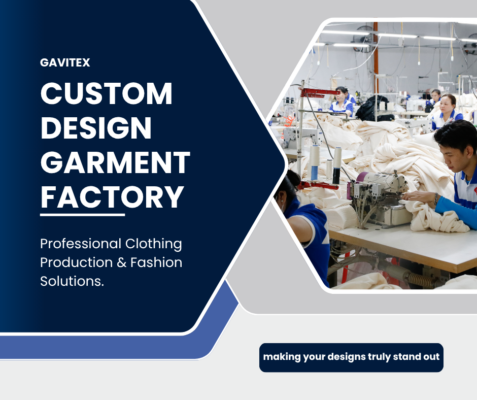
Want to understand the advantages of Vietnamese OEM apparel manufacturing? Discover the key benefits for your brand.
Evaluating OEM Clothing Manufacturers in Vietnam: Essential Criteria and Due Diligence
Choosing the right OEM clothing manufacturer in Vietnam requires a thorough evaluation process and diligent due diligence to ensure a successful and mutually beneficial partnership. This section will delve into the essential criteria and steps necessary to assess potential manufacturing partners, mitigating risks and maximizing the chances of achieving your desired outcomes.
When evaluating potential OEM partners in Vietnam, several key criteria warrant careful consideration. These factors significantly impact the quality of your product, the efficiency of your supply chain, and the overall success of your clothing line.
- Manufacturing Capabilities and Expertise: Evaluate the manufacturer’s technical expertise, equipment, and capacity to handle your specific clothing designs and production volumes. Do they possess experience working with the fabrics and styles you require? Request samples of their past work and assess their ability to meet your quality standards. Overseas buyers should always prioritize factories with advanced machinery and skilled technicians.
- Quality Control Processes: A robust quality control system is crucial. Investigate the manufacturer’s quality assurance procedures, from raw material inspection to finished product assessment. Are they certified by recognized international standards like ISO 9001? Do they have in-house testing facilities? Understanding their commitment to quality will help prevent costly defects and ensure customer satisfaction.
- Ethical and Social Compliance: Verify the manufacturer’s adherence to ethical labor practices and environmental regulations. Ensure they comply with Vietnamese labor laws and international standards like WRAP or BSCI. Ethical sourcing is not only a moral imperative but also increasingly important for brand reputation and consumer trust. A factory tour can provide valuable insights into their working conditions.
- Communication and Responsiveness: Effective communication is paramount for a smooth manufacturing process. Assess the manufacturer’s responsiveness to your inquiries, their clarity in communication, and their ability to understand your needs. Do they have an English-speaking point of contact? A strong communication channel minimizes misunderstandings and facilitates efficient problem-solving.
- Pricing and Payment Terms: Obtain detailed price quotations and understand the cost breakdown for each stage of the manufacturing process. Compare pricing across different manufacturers, considering factors like MOQ (Minimum Order Quantity), lead times, and payment terms. Negotiate favorable payment terms that align with your cash flow and project milestones.
- Location and Logistics: Consider the manufacturer’s location and its proximity to ports or transportation hubs. Convenient access to logistics infrastructure can significantly reduce shipping costs and lead times. Manufacturers in key industrial zones often offer advantages in terms of infrastructure and supply chain efficiency.
Conducting thorough due diligence is essential to validate the information provided by potential manufacturers and assess their reliability. This involves:
- Factory Audits: Consider conducting on-site audits to assess the manufacturer’s facilities, equipment, quality control processes, and ethical compliance. You can either conduct the audit yourself or hire a reputable third-party auditing firm.
- Reference Checks: Request references from previous clients and contact them to inquire about their experiences working with the manufacturer. Ask about the quality of the products, their communication skills, and their ability to meet deadlines.
- Legal and Financial Review: Review the manufacturer’s business license, certifications, and financial stability. Ensure they have a solid track record and are financially capable of fulfilling your orders. Engaging a local legal expert can provide valuable insights into Vietnamese business practices and regulations.
By meticulously evaluating potential OEM partners and conducting thorough due diligence, you can significantly increase your chances of finding a reliable and capable clothing manufacturer in Vietnam that meets your specific needs and helps you achieve your business goals.
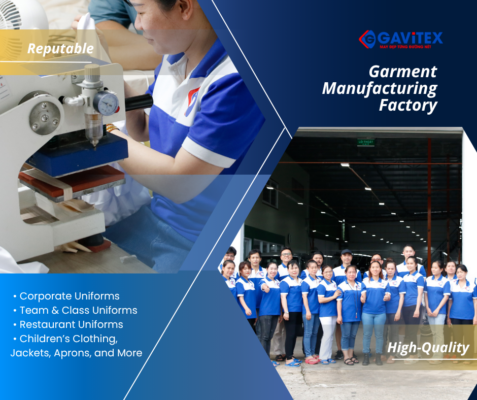
Ensuring ethical and sustainable sourcing? Learn essential criteria for evaluating Vietnamese OEM manufacturers.
Navigating the OEM Clothing Manufacturing Process in Vietnam: From Design to Delivery
Understanding the OEM clothing manufacturing process in Vietnam is crucial for businesses seeking efficient and reliable production. This section provides a detailed roadmap, guiding you through each stage, from initial design concepts to the final delivery of your clothing products. We will break down the complexities of manufacturing clothes in Vietnam, ensuring you are well-prepared to navigate the process successfully with a Vietnamese manufacturer.
The OEM clothing manufacturing process typically encompasses several key phases. These include design and specification, pattern making, sample creation, fabric sourcing and procurement, production, quality control, and finally, delivery. Each of these steps requires meticulous attention to detail and clear communication between the client and the OEM manufacturer to ensure that the final product aligns with the initial vision and meets the required quality standards.
Design and Specification
This initial stage involves clearly defining your product requirements. Creating detailed tech packs that outline design specifications, including measurements, materials, colors, and construction methods, is essential. Accurate and comprehensive design documentation minimizes misunderstandings and sets the foundation for a smooth production process. Many manufacturers offer design consultation services to help refine your concepts and ensure feasibility.
Pattern Making and Sample Creation
Once the design is finalized, skilled pattern makers create digital or physical patterns that serve as the blueprint for production. A prototype or sample garment is then produced. This crucial step allows you to evaluate the design, fit, and overall quality before committing to a full production run. Reputable manufacturers use advanced technology to ensure the highest accuracy.
Fabric Sourcing and Procurement
The selection of appropriate fabrics is paramount to the success of your clothing line. OEM manufacturers typically offer fabric sourcing services, leveraging their extensive network of suppliers to find the best materials that meet your quality and budget requirements. Factors such as fabric weight, composition, colorfastness, and durability are carefully considered.
Production
After the sample is approved and fabrics are procured, the production phase begins. This involves cutting, sewing, and assembling the garments according to the established patterns and specifications. Efficient production planning, skilled labor, and adherence to quality control standards are essential to ensure timely delivery and minimize defects.
Quality Control
Quality control is an integral part of the clothing manufacturing process. Reputable OEM clothing manufacturers in Vietnam implement rigorous quality checks throughout production. These checks may include inspecting raw materials, monitoring sewing processes, and conducting final inspections to ensure that the garments meet the required standards.
Delivery
The final stage involves packaging, shipping, and delivering the finished products to your designated location. Reliable logistics and efficient customs clearance are critical to ensure timely and cost-effective delivery. Understanding Incoterms (International Commercial Terms) is also important for defining responsibilities for shipping, insurance, and customs duties between the buyer and seller.
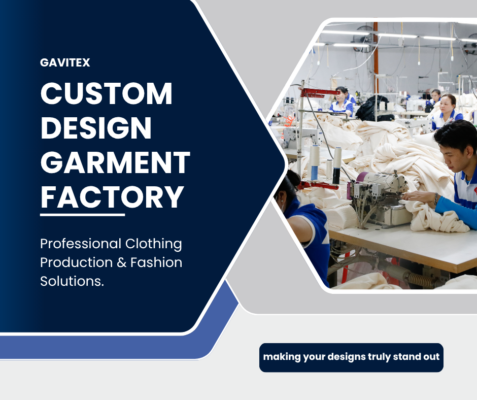
Curious about the full production cycle? Uncover the OEM clothing manufacturing process in Vietnam, step by step.
Cost Factors Affecting OEM Clothing Manufacturing in Vietnam: What to Expect
Understanding the cost factors involved in OEM clothing manufacturing in Vietnam is crucial for businesses aiming to optimize their production budgets and make informed decisions. As a popular destination for garment production, Vietnam offers competitive pricing, but various elements influence the final cost. Let’s explore these key factors to help overseas buyers anticipate expenses when partnering with a Vietnamese OEM clothing manufacturer.
Several elements significantly impact the cost of OEM clothing production in Vietnam, with material costs being a primary driver. The price of fabric, trims, and other components directly correlates with the overall manufacturing expenses. For instance, using high-quality, imported organic cotton will naturally increase costs compared to locally sourced synthetic fabrics. Furthermore, labor costs, encompassing wages, benefits, and other employment-related expenses, play a pivotal role. While Vietnam boasts competitive labor rates compared to developed countries, variations exist across different regions and factories. Therefore, it’s vital to understand these nuances to accurately budget for your clothing production.
Beyond material and labor, production volume significantly affects unit costs in Vietnam’s OEM clothing manufacturing sector. Higher volumes typically lead to lower per-unit expenses due to economies of scale, spreading fixed costs across a larger production run. Conversely, smaller orders often incur higher per-unit costs as factories need to cover setup and overhead expenses. Complexity of design also contributes to the final price. Intricate designs with multiple components, specialized stitching, or custom embellishments require more skilled labor and time, thereby raising production costs. Working with a manufacturer requires clear communication on design specifications to get accurate quotes.
Finally, shipping and logistics costs and compliance and certification costs should also be considered. Transportation expenses, import duties, and other logistical fees can add a considerable amount to the total cost of your order. These expenses will vary based on factors such as shipping method (air vs. sea), destination, and trade agreements. Moreover, compliance with ethical and environmental standards, as well as certifications like WRAP or BSCI, can influence costs. Factories adhering to these standards may have higher operational expenses, but they also ensure responsible and sustainable manufacturing practices, which are increasingly valued by consumers. Therefore, a holistic view of all these elements ensures accurate cost projections for your OEM clothing ventures in Vietnam.
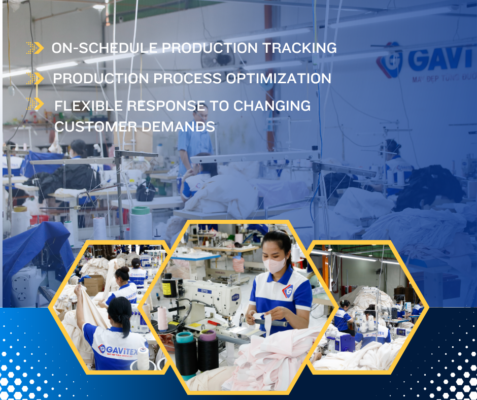
Avoiding Common Pitfalls When Working with OEM Clothing Manufacturers in Vietnam
Navigating the landscape of OEM clothing manufacturing in Vietnam can be highly rewarding, but it’s crucial to be aware of potential pitfalls that can impact your project’s success; proactively addressing these common challenges when working with a Vietnamese OEM clothing manufacturer will help safeguard your investment, timelines, and product quality. Understanding and avoiding these mistakes is key to forging a strong, productive relationship with your OEM partner.
One frequent issue stems from inadequate communication. Language barriers, cultural differences, and varying business practices can easily lead to misunderstandings about design specifications, quality standards, and delivery timelines. Establishing clear lines of communication, using visual aids like technical drawings and samples, and employing bilingual staff or translators are essential steps to mitigate this risk.
Another significant pitfall is choosing the wrong manufacturer. Selecting a partner solely based on price without thoroughly vetting their capabilities, experience, and ethical practices can lead to disastrous results. Before committing, conduct due diligence to assess their factory conditions, compliance with labor laws, quality control processes, and previous client feedback. Visiting the factory in person is highly recommended, but at a minimum, request detailed documentation and conduct video conferences.
Intellectual property (IP) protection is another critical area of concern. Vietnam’s legal framework for IP enforcement is still developing, and the risk of design theft or counterfeiting is real. To safeguard your designs, it is crucial to:
- Register your designs: Secure legal protection in Vietnam and relevant international markets.
- Sign NDAs: Utilize Non-Disclosure Agreements (NDAs) with your manufacturer, and their key employees, and subcontractors.
- Limit design disclosure: Share only essential information with the manufacturer, breaking down complex designs into smaller, manageable components if possible.
- Monitor production: Regularly inspect the production process to ensure compliance and prevent unauthorized duplication.
Finally, poor contract negotiation can lead to future disputes and financial losses. Ensure your contract clearly defines product specifications, quality standards, payment terms, delivery schedules, and liability clauses. Seek legal counsel to review the contract and protect your interests. Don’t assume that verbal agreements are binding; everything must be documented in writing.
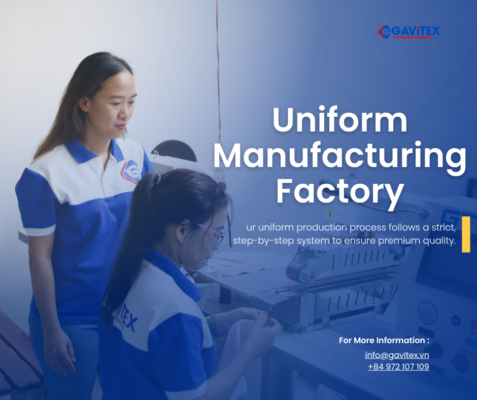
Protect your investment! Learn how to avoid common pitfalls when working with Vietnamese OEM manufacturers.
Emerging Trends and the Future of OEM Clothing Manufacturing in Vietnam
The emerging trends in OEM clothing manufacturing in Vietnam are reshaping the landscape, presenting both opportunities and challenges for brands and manufacturers alike. These trends encompass technological advancements, sustainability initiatives, evolving consumer demands, and shifts in global supply chains, all impacting how clothing is designed, produced, and distributed. Understanding these trends is crucial for businesses seeking to remain competitive and capitalize on the potential of the Vietnamese garment industry.
Technological Advancements and Automation: The integration of advanced technologies like automation, AI, and 3D printing is increasingly prevalent in Vietnamese garment factories. This adoption leads to increased efficiency, reduced lead times, and improved product quality. For example, automated cutting and sewing machines are becoming commonplace, minimizing errors and maximizing fabric utilization. Moreover, AI-powered quality control systems ensure consistent standards, leading to fewer defects and higher customer satisfaction in OEM clothing manufacturing.
Sustainability and Ethical Sourcing: Growing consumer awareness of environmental and social issues is driving demand for sustainable and ethically produced clothing. OEM clothing manufacturers in Vietnam are responding by adopting eco-friendly practices, such as using organic cotton, recycled fabrics, and water-saving dyeing techniques. Certifications like GOTS (Global Organic Textile Standard) and Fair Trade are becoming increasingly important, ensuring transparency and accountability throughout the supply chain. Overseas buyers, as responsible brands, should prioritize partnering with factories committed to these standards to meet the evolving needs of conscious consumers.
Digitalization and E-commerce Integration: The rise of e-commerce has significantly impacted the OEM clothing manufacturing sector. Many Vietnamese manufacturers are now offering online platforms for design collaboration, order management, and supply chain tracking. This digitalization streamlines communication, improves transparency, and allows for faster turnaround times. Furthermore, the integration of e-commerce platforms enables manufacturers to directly connect with brands and retailers, cutting out intermediaries and increasing profitability.
Focus on Value-Added Services: To differentiate themselves in a competitive market, OEM clothing manufacturers in Vietnam are expanding their service offerings beyond basic production. This includes providing design assistance, pattern making, sample development, and private labeling services. By offering these value-added services, manufacturers can become strategic partners for brands, fostering long-term relationships and ensuring higher customer retention. Overseas buyers can leverage these services to enhance their product development process and create unique, high-quality garments.
Shifting Global Supply Chains: Geopolitical factors and trade tensions are driving a diversification of global supply chains. Vietnam is emerging as a key alternative sourcing destination for clothing production, attracting brands seeking to reduce their reliance on traditional manufacturing hubs. This trend is expected to continue, further boosting the growth of the OEM clothing manufacturing industry in Vietnam. However, it also necessitates that manufacturers invest in infrastructure, technology, and skilled labor to meet the increasing demand and maintain their competitive edge.
Emphasis on Skilled Labor and Training: The future of OEM clothing manufacturing in Vietnam hinges on the availability of a skilled workforce. Manufacturers are investing in training programs to upskill their employees in areas such as advanced sewing techniques, pattern making, and quality control. This focus on skilled labor ensures that Vietnamese factories can produce high-quality garments that meet the demanding standards of international brands.
The future of OEM clothing manufacturing in Vietnam is bright, driven by technological innovation, sustainability initiatives, and a strategic focus on value-added services. By embracing these trends, Vietnamese manufacturers can solidify their position as key players in the global garment industry, offering brands like overseas buyers a reliable and competitive sourcing option.
What’s next for apparel manufacturing in Vietnam? Explore emerging trends like carbon-neutral factories and sustainable practices.
Frequently Asked Questions: OEM Clothing Manufacturing in Vietnam
What does OEM mean in Vietnam’s clothing manufacturing industry?
OEM (Original Equipment Manufacturing) means a factory produces garments strictly to your own designs, patterns, and specifications — you retain full ownership of the design while the manufacturer handles production.
How is OEM different from private label manufacturing?
OEM starts from tech packs and patterns you already own, while our private label clothing manufacturer guide covers factories that can also help develop the design itself. If your designs are finalized, OEM is typically the faster route; if you need design support, private label may be the better starting point.
What should I ask about MOQs and lead times before signing with an OEM factory?
As outlined in the due-diligence section above, minimum order quantities and lead times vary significantly by factory and product complexity — always request written MOQ and lead-time commitments during your evaluation rather than relying on general estimates.
Does Vietnam Biz Rep manufacture the garments directly?
No. Vietnam Biz Rep is a buyer-side sourcing and verification partner — we help you identify, vet, and audit OEM factories in Vietnam; we are not a factory or manufacturer ourselves.
Related Vietnam Sourcing & Manufacturing Services
- Vietnam Clothing Manufacturers
- Private Label Clothing Manufacturer in Vietnam
- CMT Garment Factory in Vietnam
- Vietnam Cut and Sew Manufacturer
- Low MOQ Clothing Manufacturer in Vietnam
- Vietnam Sourcing Agent
Need support in Vietnam? Call or WhatsApp +84 941 414 422 or visit our contact page to discuss your project with Vietnam Biz Rep.
