

The Clothing production for export sector is a cornerstone of global trade, demanding efficiency and strategic planning. This guide delves into optimizing garment manufacturing in Vietnam, focusing on critical aspects such as cost management, supply chain optimization, quality control processes, and leveraging Free Trade Agreements (FTAs) to maximize profitability. Gain practical insights into scaling your export operations, understanding compliance and sustainability standards, and navigating the evolving landscape of international garment trade to achieve a competitive edge in 2025.
Vietnam’s Garment Export Industry: An Overview for International Businesses
The Vietnamese garment export industry has emerged as a significant global player, presenting lucrative opportunities for international businesses seeking cost-effective and quality clothing production for export. As a major contributor to Vietnam’s economy, the industry benefits from a strategic geographical location, competitive labor costs, and a growing network of free trade agreements. This overview will explore the key facets of this dynamic sector, including its market size, major export destinations, and the advantages it offers to international businesses like overseas buyers.
Vietnam’s garment sector is a powerhouse, fueled by the demand for apparel, textiles, and footwear in key markets like the United States, Europe, and Japan. The country’s ascension as a leading garment exporter is underpinned by continuous investments in technology and infrastructure, aligning it with global standards and making it an attractive hub for outsourcing and contract manufacturing.
Several factors contribute to Vietnam’s prowess in clothing production for export.
- Competitive Labor Costs: Vietnam’s labor costs are significantly lower than those in developed countries, making it a cost-effective option for businesses seeking to reduce production expenses.
- Strategic Location: Its proximity to major shipping lanes and ports facilitates efficient logistics and transportation of goods to international markets.
- Trade Agreements: Vietnam has actively pursued free trade agreements with major economies, reducing tariffs and trade barriers, which further enhances its attractiveness as an export hub.
- Government Support: The Vietnamese government provides incentives and support to the garment industry, fostering a favorable business environment.
Understanding the landscape of Vietnam’s garment export industry is crucial for international businesses aiming to establish a foothold in this dynamic market. Vietnam Biz Rep, with its expertise and resources, can guide businesses through the complexities of the industry, ensuring successful and sustainable clothing production for export.
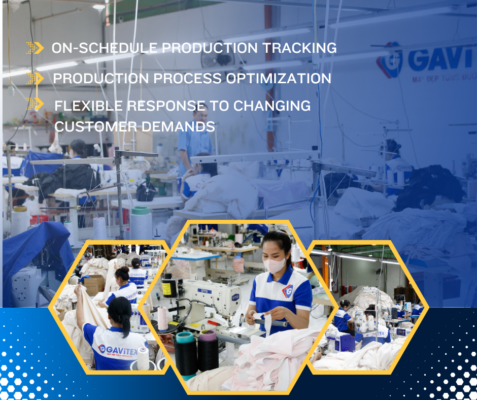
Want to tap into Vietnam’s booming apparel market? Discover how to ensure your clothing production is sustainable and competitive for global trade.
For international businesses eyeing the global apparel market, Vietnam’s garment export industry presents a compelling landscape, experiencing substantial growth and becoming a key player in clothing production for export. The country has steadily risen in prominence as a reliable and competitive sourcing destination for apparel, attracting significant foreign investment and showcasing a commitment to quality and innovation. Vietnam’s strategic location, coupled with its favorable trade agreements, has fueled the growth of its garment exports. The country’s participation in various free trade agreements (FTAs), including the Comprehensive and Progressive Agreement for Trans-Pacific Partnership (CPTPP) and the EU-Vietnam Free Trade Agreement (EVFTA), offers preferential access to major markets, thereby reducing tariffs and enhancing its competitive edge. Furthermore, Vietnam’s political stability and relatively low labor costs compared to other manufacturing hubs have made it an attractive destination for international clothing brands. The Vietnamese garment industry is characterized by a diverse range of manufacturers, from large-scale factories with advanced technology to smaller enterprises specializing in niche products. This diversity enables the industry to cater to a wide spectrum of customer needs, ranging from fast fashion to high-end apparel. Key product categories include sportswear, casual wear, outerwear, and workwear, reflecting the industry’s adaptability and capacity to meet evolving global fashion trends. The industry’s strength also lies in its ability to offer full-package production services, encompassing design, sourcing, manufacturing, and logistics. Beyond economic factors, compliance with ethical and regulatory standards is increasingly becoming a focus for the Vietnamese garment industry. Many factories are actively pursuing certifications such as WRAP, BSCI, and Sedex to demonstrate their commitment to fair labor practices, environmental sustainability, and workplace safety. This focus aligns with the growing demand from international consumers and brands for ethically produced apparel, reinforcing Vietnam’s position as a responsible sourcing partner.
Setting Up Clothing Production in Vietnam: Key Considerations for Exporters
For exporters considering clothing production for export in Vietnam, a comprehensive understanding of key considerations is paramount for success. Vietnam has emerged as a significant hub for garment manufacturing, attracting international businesses due to its competitive labor costs, strategic location, and established infrastructure. However, successfully setting up clothing production requires careful planning and attention to various factors.
One of the initial and most important steps involves thorough market research and analysis. Before committing resources, exporters must assess the demand for their specific clothing products in target markets. This includes understanding prevailing fashion trends, consumer preferences, and competitive landscape. Moreover, a feasibility study should be conducted to evaluate the potential profitability of clothing production in Vietnam, taking into account factors such as production costs, transportation expenses, and import duties.
Selecting the right manufacturing partner is equally crucial. Exporters can choose between various options, including Original Equipment Manufacturers (OEMs), Original Design Manufacturers (ODMs), and full-package suppliers. OEMs produce garments according to the exporter’s designs and specifications, while ODMs offer design and development services in addition to manufacturing. Full-package suppliers handle the entire production process, from sourcing raw materials to packaging and shipping. When evaluating potential partners, consider their production capacity, quality control standards, compliance with ethical and regulatory standards, and communication capabilities. Building a strong relationship with your Vietnamese garment manufacturers is vital for long-term success, as it fosters trust, transparency, and collaboration.
Navigating the legal and regulatory framework is essential for compliance and smooth operations. Exporters must familiarize themselves with Vietnamese labor laws, environmental regulations, and trade policies. This includes obtaining the necessary permits and licenses, adhering to safety standards, and complying with export regulations. It is advisable to seek legal counsel to ensure full compliance with all applicable laws and regulations.
Securing financing and managing costs effectively are critical for maintaining competitiveness. Exporters should explore various financing options, such as bank loans, export credit agencies, and private equity. They should also carefully manage production costs, including raw material costs, labor costs, and overhead expenses. Negotiating favorable terms with suppliers and optimizing production processes can help reduce costs and improve profitability.
Finally, implementing robust quality control and assurance processes is essential for ensuring that garments meet export standards. This includes establishing clear quality specifications, conducting regular inspections, and implementing corrective action plans. By prioritizing quality, exporters can build a reputation for reliable products and maintain customer satisfaction. By carefully considering these factors, exporters can effectively set up clothing production in Vietnam and capitalize on the country’s growing garment industry.
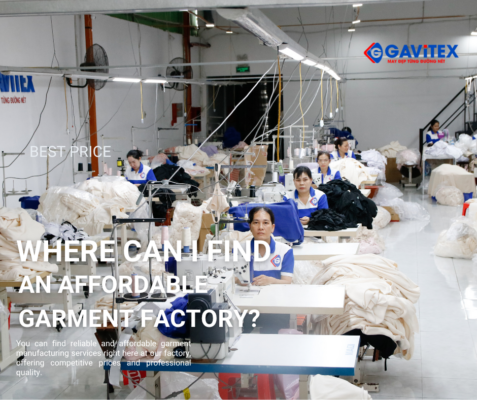
Planning to establish clothing production in Vietnam? Before you start, learn how sustainable apparel manufacturing can boost your global trade.
Prior to initiating clothing production, exporters must meticulously assess several critical factors. These include:
Factory Selection and Due Diligence: Identifying a reliable and capable Vietnamese garment manufacturer is crucial. Conduct thorough due diligence, evaluating factors such as production capacity, quality control processes, ethical compliance, and financial stability. Consider visiting potential factories to assess their capabilities firsthand. Buyers should performing independent audits to verify factory claims and ensure alignment with your brand values. Legal and Regulatory Compliance: Navigate the complex legal and regulatory landscape of Vietnam. This encompasses understanding labor laws, environmental regulations, tax obligations, and import/export procedures. Intellectual Property Protection: Safeguarding your intellectual property is paramount. Register your trademarks and designs in Vietnam to prevent counterfeiting and unauthorized production. Implement contractual safeguards with manufacturers to protect your designs and trade secrets. Cost Analysis and Budgeting: Develop a detailed cost analysis encompassing all aspects of clothing production, including raw materials, labor, manufacturing overhead, transportation, and import duties. Factor in potential fluctuations in currency exchange rates and commodity prices. Supply Chain Management: Establish a robust supply chain to ensure timely and efficient sourcing of raw materials and delivery of finished goods. Consider partnering with reputable suppliers of fabrics, trims, and accessories. Implement effective logistics and inventory management systems. Quality Control: Implement rigorous quality control procedures throughout the production process, from raw material inspection to final product assessment. Establish clear quality standards and conduct regular audits to ensure compliance. Cultural Understanding: Cultivate an understanding of Vietnamese business culture and communication styles. Build strong relationships with your Vietnamese partners based on mutual trust and respect. By carefully addressing these key considerations, exporters can significantly enhance their prospects for successful and sustainable clothing production for export in Vietnam.
Sourcing and Procurement Strategies for Export-Quality Clothing Production in Vietnam
Developing robust sourcing and procurement strategies is paramount for international businesses seeking to establish or expand their clothing production for export in Vietnam. Efficiently sourcing high-quality materials and managing procurement processes directly impacts product quality, production costs, and overall profitability. This section will explore key considerations and strategies to optimize sourcing and procurement within Vietnam’s dynamic garment industry.
To achieve export-quality clothing production, a multi-faceted approach to sourcing and procurement is crucial.
- Supplier Identification and Evaluation: Thoroughly vet potential suppliers, considering factors such as production capacity, certifications (e.g., WRAP, BSCI), quality control systems, and adherence to ethical labor practices. This involves not only assessing their current capabilities but also their potential for long-term partnerships and scalability.
- Material Sourcing: Explore diverse sourcing options, including domestic suppliers, import channels, and direct relationships with textile mills. Consider factors like fabric type, composition, lead times, and minimum order quantities when selecting materials. Prioritize suppliers that can consistently deliver materials meeting your quality standards and sustainability requirements.
- Negotiation and Contracting: Develop strong negotiation skills to secure competitive pricing and favorable contract terms with suppliers. Ensure contracts clearly outline quality specifications, delivery schedules, payment terms, and dispute resolution mechanisms. Regular communication and performance reviews are essential for maintaining healthy supplier relationships.
- Cost Management: Implement strategies to control procurement costs, such as volume discounts, competitive bidding, and value engineering. Explore opportunities to streamline the supply chain and reduce transportation costs. Regularly monitor market trends and material prices to identify potential cost savings.
- Risk Management: Develop contingency plans to mitigate potential disruptions to the supply chain, such as natural disasters, political instability, or supplier bankruptcies. Diversify your supplier base and maintain buffer stocks of critical materials to minimize the impact of unforeseen events.
Effective sourcing and procurement also hinges on embracing technology and fostering strong relationships. Implementing a robust Enterprise Resource Planning (ERP) system, for instance, can streamline procurement processes, improve inventory management, and enhance supply chain visibility. Collaborating closely with Vietnamese garment manufacturers, understanding their capabilities and challenges, is essential for building trust and achieving mutual success. By adopting a strategic approach to sourcing and procurement, international businesses can enhance the competitiveness of their clothing production for export from Vietnam.
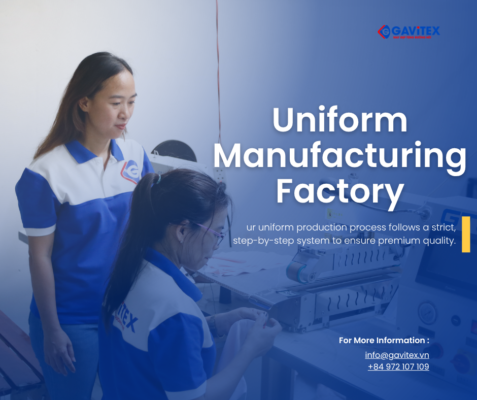
Effective sourcing not only impacts the bottom line but also influences the overall reputation of the exporter. To guarantee export-quality clothing production, a strategic approach to sourcing and procurement in Vietnam must prioritize several key areas:
Supplier Identification and Evaluation: Identifying reliable suppliers of raw materials, fabrics, and accessories is paramount. Quality Assurance at the Source: Implementing rigorous quality control measures at the supplier’s facility is essential to prevent defects and ensure materials meet export standards. This includes pre-production inspections and testing. Logistics and Supply Chain Optimization: Efficient logistics management minimizes delays and transportation costs. Strategies include consolidating shipments, utilizing Free Trade Agreements (FTAs), and establishing clear communication channels with suppliers. Adopting a diversified sourcing strategy reduces reliance on single suppliers and mitigates potential supply chain vulnerabilities. Developing strong, long-term relationships with multiple Vietnamese suppliers fosters trust and collaboration, ensuring a consistent supply of high-quality materials. This includes active participation in industry trade shows and leveraging local sourcing agents to identify new opportunities. Furthermore, understanding the nuances of Vietnamese regulations and compliance requirements is essential for ethical and sustainable sourcing. Prioritizing suppliers who adhere to international labor standards and environmental regulations protects your brand’s reputation and ensures long-term viability in the export market. Engaging with local experts and industry associations can provide valuable insights into navigating the regulatory landscape and building a responsible supply chain.
Vietnamese Garment Manufacturing Compliance: Ethical and Regulatory Standards for Exporters
For exporters venturing into clothing production for export from Vietnam, understanding and adhering to Vietnamese garment manufacturing compliance is not just a legal obligation, but also a crucial factor for building a sustainable and reputable business. Compliance encompasses a wide range of ethical and regulatory standards, covering labor practices, environmental protection, workplace safety, and product quality, all of which are essential for accessing global markets and maintaining a positive brand image. Failing to meet these standards can result in significant penalties, reputational damage, and loss of business opportunities.
Vietnam’s legal framework governing the garment industry includes the Labor Code, the Law on Environmental Protection, and various regulations related to workplace safety and product quality. These regulations address issues such as minimum wage, working hours, social insurance, waste management, and chemical usage. For instance, the Labor Code stipulates a maximum working week of 48 hours, with overtime capped at 300 hours per year. Beyond legal requirements, ethical considerations play a vital role in compliance. International buyers and consumers increasingly demand transparency and responsible sourcing, expecting garment manufacturers to uphold fair labor practices, ensure safe working conditions, and minimize their environmental impact.
Ethical standards in Vietnamese garment manufacturing emphasize fair treatment of workers, including providing safe working conditions, paying fair wages, and prohibiting child labor and forced labor. Many international brands have their own codes of conduct that suppliers must adhere to, often going beyond the minimum legal requirements. These codes typically cover areas such as freedom of association, anti-discrimination, and grievance mechanisms. For example, a factory committed to ethical compliance would invest in proper ventilation, provide personal protective equipment (PPE) for workers, and implement regular safety training programs.
Regulatory compliance in Vietnam’s garment sector involves adhering to a complex web of national laws and international agreements, particularly those related to trade and product safety. Exporters need to be aware of regulations concerning customs procedures, import duties, and export restrictions. Moreover, specific product standards, such as those related to flammability, chemical content, and labeling, must be met to ensure market access. For instance, garments exported to the EU must comply with the REACH regulation, which restricts the use of certain hazardous chemicals.
Therefore, a robust compliance strategy should include:
- Conducting thorough due diligence on potential manufacturing partners to assess their compliance track record.
- Implementing a comprehensive monitoring system to ensure ongoing adherence to ethical and regulatory standards.
- Providing regular training for workers and management on relevant regulations and best practices.
- Establishing clear communication channels for reporting and addressing compliance concerns.
- Seeking independent audits and certifications to demonstrate commitment to responsible sourcing.
By prioritizing Vietnamese garment manufacturing compliance, exporters not only mitigate risks but also gain a competitive edge in the global marketplace, fostering trust with customers and building long-term sustainable partnerships with Vietnamese manufacturers.
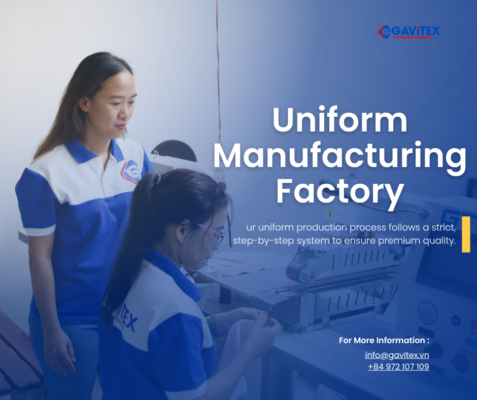
Navigating compliance in Vietnamese garment manufacturing can be tricky. Find out how ethical and sustainable practices support export and global trade.
Understanding and adhering to both ethical and regulatory standards not only ensures legal operation but also safeguards your brand’s reputation and promotes sustainable practices within the garment industry. Vietnam’s commitment to integrating into the global economy has led to the development of a comprehensive legal framework governing garment manufacturing. These regulations encompass various aspects, including labor laws, environmental protection, and product safety standards. Specifically, exporters must be aware of regulations related to minimum wage, working hours, environmental permits, and chemical usage. Ignorance of these regulations can result in hefty fines, production delays, and even legal action. Ethical considerations are equally important for businesses engaged in clothing production for export from Vietnam. This involves ensuring fair labor practices, safe working conditions, and respect for human rights throughout the supply chain. Child labor, forced labor, and discrimination are strictly prohibited under Vietnamese law and international standards. overseas buyers can demonstrate their commitment to ethical sourcing by implementing robust supplier auditing programs and promoting transparency in their operations. To effectively navigate the landscape of Vietnamese garment manufacturing compliance, consider the following:
Labor Laws: Ensure compliance with Vietnam’s labor code, including regulations on wages, working hours, overtime, and social security contributions. Environmental Regulations: Adhere to environmental standards related to wastewater treatment, air emissions, and waste management. This includes obtaining necessary environmental permits and implementing sustainable production practices. Social Compliance Audits: Conduct regular social compliance audits to assess suppliers’ adherence to ethical labor practices and human rights standards. These audits can be performed by independent third-party organizations. Transparency and Traceability: Promote transparency throughout the supply chain by tracking the origin of raw materials and monitoring production processes. This helps ensure accountability and reduces the risk of unethical practices. By prioritizing ethical and regulatory standards in Vietnamese garment manufacturing, exporters can build a sustainable and responsible business that benefits both their bottom line and the communities in which they operate.
Quality Control and Assurance in Clothing Production for Export from Vietnam
Ensuring quality control and assurance is paramount in clothing production for export from Vietnam, as it directly impacts brand reputation, customer satisfaction, and ultimately, business success. A robust quality management system, encompassing everything from raw material inspection to final product assessment, is essential for Vietnamese garment manufacturers aiming to compete in the global market.
The process of quality control in Vietnam’s garment sector typically involves several key stages. Firstly, raw materials, such as fabrics and trims, undergo rigorous inspection to verify their compliance with established standards. Secondly, during the production phase, in-process checks are conducted to identify and rectify any defects or deviations from specifications. Finally, finished garments are subjected to a comprehensive final inspection, covering aspects such as measurements, stitching, embellishments, and overall appearance.
Implementing effective quality assurance measures goes beyond mere inspection and requires a proactive approach. This entails establishing clear quality standards, implementing standardized operating procedures (SOPs), providing adequate training to workers, and utilizing appropriate equipment and technologies. Moreover, it involves fostering a culture of quality within the organization, where every employee understands their role in maintaining high standards. Statistical process control (SPC) and other data-driven methods can further enhance quality by identifying trends and patterns that may indicate potential problems.
International buyers often require Vietnamese garment manufacturers to comply with specific quality standards and certifications, such as ISO 9001, to demonstrate their commitment to quality. These certifications provide assurance that the manufacturer has implemented a well-defined quality management system and adheres to internationally recognized best practices. Regular audits and assessments are conducted to ensure ongoing compliance and identify areas for improvement.
By prioritizing quality control and assurance throughout the entire clothing production process, Vietnamese garment manufacturers can build trust with international buyers, reduce the risk of costly defects and returns, and enhance their competitiveness in the global market for clothing production for export.
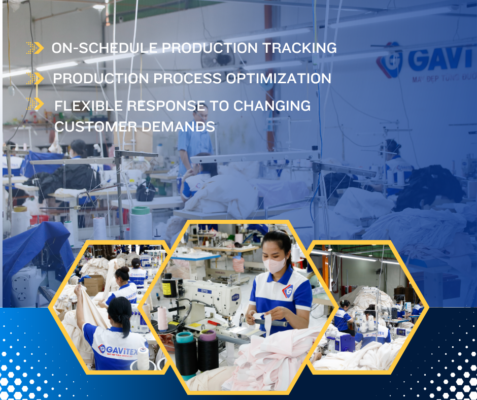
Maintaining quality is paramount for clothing exports from Vietnam. See how sustainable apparel manufacturing enhances quality and global competitiveness.
This entails verifying the quality and specifications of fabrics, threads, buttons, zippers, and other components before they enter the production line. Subsequent steps include in-process inspections conducted at various stages of garment assembly to identify and rectify any defects early on. Finally, final inspections are performed on finished garments to ensure they meet the required standards for sizing, stitching, colorfastness, and overall appearance. Utilizing AQL (Acceptable Quality Limit) sampling methods helps to maintain consistent quality while minimizing inspection costs. Furthermore, quality assurance extends beyond mere defect detection; it encompasses a proactive approach to preventing defects from occurring in the first place. By emphasizing prevention over detection, Vietnamese garment factories can minimize waste, reduce rework, and improve overall efficiency, ultimately leading to higher quality products and increased customer satisfaction. The adoption of international quality management systems, such as ISO 9001, can further enhance quality assurance in clothing production. These systems provide a framework for establishing and maintaining a documented quality management system, ensuring that processes are consistently followed and continuously improved. Moreover, independent audits by third-party certification bodies can provide an objective assessment of a factory’s quality management practices, lending credibility to its claims of quality and compliance. Partnering with reputable inspection agencies through local sourcing support, experienced in garment inspection and textile testing, can also provide invaluable support in ensuring product quality and compliance with international standards.
Supply Chain Management for Exporting Clothing from Vietnam: Optimizing Logistics and Costs
Effective supply chain management is crucial for international businesses engaged in clothing production for export from Vietnam, directly impacting profitability and competitiveness. Streamlining the process, from sourcing raw materials to delivering finished products, requires a strategic approach that minimizes expenses and maximizes efficiency. This involves careful planning, execution, and control across all stages of the supply chain, considering factors like transportation, warehousing, inventory management, and communication.
One critical aspect of optimizing logistics and costs is strategic sourcing and procurement. Sourcing high-quality materials at competitive prices is essential. Vietnam’s garment industry benefits from local sources of fabrics and trims, but it’s vital to establish strong relationships with reliable suppliers. Vietnam Biz Rep, with its experience in the Vietnamese garment sector, can attest that negotiating favorable payment terms and lead times, consolidating orders to leverage volume discounts, and exploring alternative sourcing options are all key strategies for cost reduction.
Efficient transportation management plays a significant role in minimizing supply chain expenses. Selecting the most appropriate mode of transport – sea, air, or land – depends on factors like speed, cost, and the nature of the goods. Optimizing routes, consolidating shipments, and negotiating competitive rates with carriers are crucial steps. Moreover, leveraging technology for real-time tracking and visibility can help identify potential bottlenecks and delays, allowing for proactive problem-solving.
Inventory management is another key area for optimization. Maintaining optimal inventory levels minimizes warehousing costs and reduces the risk of obsolescence. Implementing Just-in-Time (JIT) inventory management can significantly reduce carrying costs. Forecasting demand accurately, improving inventory turnover, and streamlining warehousing processes are essential components of effective inventory control.
Finally, technology adoption is transforming supply chain management. Implementing Enterprise Resource Planning (ERP) systems, utilizing cloud-based platforms for data sharing, and leveraging data analytics for predictive insights can greatly enhance efficiency and reduce costs. By integrating these technologies, businesses can gain real-time visibility into their supply chains, make informed decisions, and optimize processes across the board.
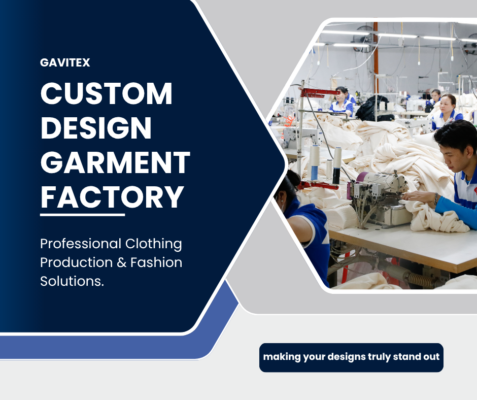
Struggling with your clothing supply chain in Vietnam? Learn how sustainable practices can streamline logistics and boost your export trade.
A well-managed supply chain not only ensures timely delivery of high-quality clothing production for export but also significantly impacts profitability and competitiveness in the global market. In the context of Vietnam’s dynamic garment industry, understanding and implementing best practices in supply chain management is paramount for success. The initial step in optimizing the supply chain involves selecting the right logistics partners. This includes freight forwarders, customs brokers, and transportation providers. Evaluating potential partners based on their experience in handling garment exports from Vietnam, their network coverage, and their ability to offer competitive rates is essential. For example, consider their familiarity with the specific requirements of exporting to key markets like the US, EU, or Japan, as these markets often have stringent regulations and compliance standards. To further enhance efficiency, companies should embrace technology to streamline their supply chain processes. Implementing a robust Enterprise Resource Planning (ERP) system can provide real-time visibility into inventory levels, production schedules, and shipping status. This allows for proactive decision-making and helps to avoid potential disruptions. Moreover, utilizing data analytics can identify bottlenecks and inefficiencies in the supply chain, enabling targeted improvements. Managing inventory effectively is another critical aspect of supply chain optimization. Holding excessive inventory ties up capital and increases storage costs, while insufficient inventory can lead to delays and lost sales. Implementing a Just-in-Time (JIT) inventory management system can help to minimize inventory levels while ensuring that materials are available when needed. This requires close collaboration with suppliers and accurate demand forecasting. Another effective method is to diversify sourcing and procurement to mitigate risks. Establishing relationships with multiple suppliers reduces dependence on any single source and provides flexibility in case of disruptions such as natural disasters or geopolitical events. Furthermore, negotiating favorable payment terms with suppliers can improve cash flow and reduce financing costs. To navigate ethical standards, companies should actively implement sustainable practices throughout the supply chain. This encompasses fair labor practices, environmentally friendly production methods, and responsible sourcing of materials. By integrating sustainability into their supply chain, businesses not only fulfill their ethical obligations but also enhance their brand reputation and appeal to environmentally conscious consumers. Finally, strong relationships with Vietnamese garment manufacturers are vital for successful supply chain management. Regular communication, mutual trust, and a shared commitment to quality and efficiency are essential for building long-term partnerships. By fostering collaborative relationships, companies can improve responsiveness, reduce lead times, and ultimately optimize their supply chain performance.
Technology and Innovation in Vietnam’s Clothing Production for Export
Technology and innovation are rapidly transforming Vietnam’s clothing production for export, driving efficiency, sustainability, and competitiveness in the global market. The integration of advanced technologies is helping Vietnamese manufacturers meet the increasing demands for faster turnaround times, higher quality, and more customized products. This shift is crucial for maintaining Vietnam’s position as a leading garment exporter and attracting international businesses seeking reliable and innovative production partners.
The adoption of automation is revolutionizing various stages of the clothing production process. Automated cutting machines ensure precision and minimize fabric waste, while robotic sewing systems increase production speed and reduce labor costs. 3D printing is also emerging as a valuable tool for prototyping and creating intricate designs, enabling manufacturers to offer more innovative and customized solutions to their clients.
Digitalization plays a key role in streamlining operations and enhancing communication within the supply chain. Enterprise Resource Planning (ERP) systems are used to manage inventory, track orders, and optimize production schedules. Cloud-based platforms facilitate real-time collaboration between designers, manufacturers, and clients, ensuring seamless communication and faster decision-making. Furthermore, the use of Big Data analytics helps manufacturers identify trends, predict demand, and optimize their production processes for maximum efficiency.
Another significant area of innovation is the development and adoption of sustainable manufacturing practices. Vietnamese garment factories are increasingly investing in water-efficient dyeing technologies, energy-saving equipment, and the use of recycled and organic materials. These efforts not only reduce the environmental impact of clothing production but also cater to the growing demand for eco-friendly and ethically sourced garments in the export market. For example, Vietnam Biz Rep is actively involved with promoting the use of sustainable alternatives for our clients.
The integration of technology also extends to quality control and assurance. Automated inspection systems utilize artificial intelligence (AI) and machine vision to detect defects and ensure that garments meet the required quality standards. This technology significantly reduces the risk of errors and improves the overall quality of clothing production for export, enhancing the reputation of Vietnamese manufacturers in the global market.
Curious about the latest technology transforming Vietnam’s clothing production? Explore how these innovations support sustainable apparel manufacturing and global trade.
As the garment industry in Vietnam seeks to maintain its position as a leading exporter, the adoption of advanced technologies and innovative practices is becoming increasingly crucial for businesses aiming to thrive. Automated cutting machines, robotic sewing systems, and automated material handling equipment are enhancing precision, reducing labor costs, and accelerating production cycles. For instance, companies like TNG Investment and Trading JSC have invested in advanced sewing robots, reporting significant gains in productivity and reductions in defect rates. The adoption of these technologies not only improves efficiency but also addresses labor shortages, a pressing concern in the industry. Digitalization and data analytics are playing a pivotal role in optimizing clothing production processes. Data analytics tools provide valuable insights into production bottlenecks, enabling manufacturers to identify areas for improvement and streamline operations. The application of digital technologies allows for real-time monitoring, predictive maintenance, and improved decision-making, leading to enhanced efficiency and reduced waste. Vietnamese garment factories are exploring eco-friendly materials, water-saving technologies, and energy-efficient production methods to minimize their environmental impact. Initiatives such as using recycled fabrics, implementing closed-loop water systems, and adopting renewable energy sources are becoming increasingly common. overseas buyers, as a responsible brand, should prioritize manufacturers who demonstrate a commitment to sustainable practices, aligning with the growing global demand for environmentally conscious clothing production. 3D printing and prototyping are transforming the design and development process in Vietnam’s clothing production. These technologies enable manufacturers to create rapid prototypes, experiment with new designs, and customize products according to specific customer requirements. 3D printing allows for the production of intricate designs and complex patterns that would be difficult or impossible to achieve using traditional methods. This capability enhances design flexibility, reduces lead times, and enables faster response to changing market trends. Smart factories and IoT solutions are creating interconnected and data-driven clothing production environments. Internet of Things (IoT) devices are being deployed to monitor equipment performance, track inventory levels, and optimize energy consumption. Smart factories leverage real-time data and machine learning algorithms to automate decision-making, improve operational efficiency, and enhance overall productivity. The integration of IoT solutions enables seamless communication between different stages of the production process, fostering greater transparency and control.
Building Strong Relationships with Vietnamese Garment Manufacturers: A Guide for Exporters
Establishing robust relationships with Vietnamese garment manufacturers is paramount for exporters aiming to achieve long-term success in the clothing production for export sector. These relationships, built on trust, mutual respect, and clear communication, significantly impact product quality, lead times, and overall supply chain efficiency. This guide delves into practical strategies for fostering and maintaining these critical partnerships.
Cultivating a successful rapport begins with cultural sensitivity and effective communication. Understanding Vietnamese business etiquette, such as the importance of hierarchical structures and saving face, is crucial. For example, always addressing senior management respectfully and avoiding direct criticism can foster a more collaborative environment. Clear, concise communication in both English and, ideally, Vietnamese (even basic phrases) demonstrates commitment and respect. Investing in translation services or hiring bilingual staff can bridge communication gaps and prevent misunderstandings. Furthermore, regular face-to-face meetings, when possible, reinforce the relationship and allow for more nuanced discussions than email or phone calls alone.
Transparency and fair business practices are cornerstones of lasting partnerships. Providing manufacturers with clear and detailed specifications, realistic deadlines, and fair pricing demonstrates respect for their expertise and resources. Openly communicating any potential challenges or changes to the order allows them to proactively address issues and maintain production schedules. Moreover, adhering to agreed-upon payment terms and promptly resolving any disputes fosters trust and encourages long-term commitment. This ethical approach not only strengthens relationships but also minimizes the risk of supply chain disruptions and ensures consistent quality.
Long-term collaboration requires a shared vision and continuous improvement. Partnering with manufacturers who are willing to invest in technology upgrades, employee training, and sustainable practices aligns interests and drives mutual success. Regularly providing feedback on product quality and offering support for process improvement initiatives encourages innovation and enhances overall competitiveness. Visiting production facilities, observing operations firsthand, and engaging in open dialogue with workers can provide valuable insights and foster a stronger sense of partnership. By viewing manufacturers as strategic allies rather than mere suppliers, exporters can unlock significant value and achieve sustainable growth in the dynamic Vietnamese garment industry.
Want to foster lasting partnerships with Vietnamese garment manufacturers? Discover how aligning with their sustainable apparel manufacturing practices will strengthen your global trade relationships.
These relationships transcend mere transactional interactions; they require cultivating trust, mutual respect, and open communication channels. By prioritizing long-term partnerships, exporters can leverage the expertise and capabilities of Vietnamese manufacturers, fostering a collaborative environment that drives innovation and shared success in the garment industry. Cultural Sensitivity and Communication: Recognizing and respecting Vietnamese business culture is fundamental to building rapport. Effective communication is key; ensure clear, concise communication in both written and verbal forms, addressing any language barriers with interpreters or bilingual staff. Transparency and Honesty: Openness about your expectations, requirements, and concerns fosters a strong foundation for collaboration. Share information regarding your production forecasts, design specifications, and quality standards transparently. This honesty allows manufacturers to accurately assess their capabilities and provide realistic timelines and pricing, avoiding potential conflicts down the line. Fair Pricing and Payment Terms: Negotiate prices fairly, considering the manufacturer’s costs, desired profit margins, and market conditions. Avoid pushing for excessively low prices, which can compromise quality or lead to unethical labor practices. Offering reasonable payment terms, such as letters of credit or staged payments, demonstrates your commitment to the partnership and helps manufacturers manage their cash flow effectively. Regular Communication and Factory Visits: Maintain consistent communication through regular calls, emails, and video conferences. Schedule regular factory visits to build personal connections with the management team and workers. These visits allow you to observe production processes firsthand, address any issues promptly, and reinforce your commitment to quality and ethical sourcing. Investing in Training and Development: Investing in the training and development of your Vietnamese garment manufacturing partners strengthens their capabilities and improves the quality of their products. Provide technical assistance, share best practices, and offer opportunities for skill enhancement to help them meet your specific requirements and stay competitive in the global market. Respecting Intellectual Property: Protecting your designs and intellectual property is crucial for maintaining a competitive edge. Implement clear confidentiality agreements and enforce them rigorously. Work with manufacturers who have a proven track record of respecting intellectual property rights and safeguarding sensitive information. This focus on partnership will provide a crucial advantage for overseas buyers and others operating in the sector.
Trends and Future Outlook for Vietnam’s Clothing Production for Export Market
The future of Vietnam’s clothing production for export appears promising, driven by evolving global trends and the country’s strategic advantages in the garment industry. The Vietnamese garment sector is poised for continued growth and diversification, with sustainability, technological advancements, and shifting consumer demands playing pivotal roles.
Several key trends are shaping the future of Vietnamese garment exports:
- Increased Focus on Sustainability: Global consumers are increasingly demanding eco-friendly and ethically produced clothing. This trend pushes Vietnamese manufacturers to adopt sustainable practices like using recycled materials, reducing water consumption, and improving working conditions. Companies that embrace sustainable production will gain a competitive edge in the international market.
- Digital Transformation and Automation: To enhance efficiency and reduce costs, Vietnamese garment factories are investing in automation technologies, such as robotic sewing machines and AI-powered quality control systems. These technologies boost productivity and enable manufacturers to handle complex orders more effectively.
- Diversification of Export Markets: While the US and EU remain major export destinations, Vietnamese garment producers are actively diversifying into new markets, including Asia (e.g., Japan, South Korea), Canada, and Australia. This strategy reduces reliance on specific markets and mitigates risks associated with economic fluctuations or trade policies.
- Emphasis on Value-Added Products: The shift from basic apparel to higher-value products like technical textiles and branded apparel is gaining momentum. Vietnamese manufacturers are enhancing their design capabilities and investing in R&D to create innovative products that command higher prices in the global market.
- E-commerce and Online Sales: The rise of e-commerce provides new opportunities for Vietnamese garment exporters to reach international customers directly. Many manufacturers are establishing online sales channels or partnering with e-commerce platforms to expand their market presence.
Looking ahead, the Vietnamese government’s support for the garment industry, coupled with favorable trade agreements and a skilled workforce, will continue to drive growth. However, challenges such as rising labor costs, supply chain disruptions, and increased competition from other garment-producing countries need to be addressed to ensure the long-term competitiveness of Vietnam’s clothing production for export.
What does the future hold for Vietnam’s clothing export market? Uncover the trends driving sustainable apparel manufacturing and their impact on global trade.
The future of Vietnam’s clothing production for export is poised for continued growth, driven by evolving consumer demands, technological advancements, and strategic trade agreements. Vietnam’s established position as a major player in global textile and apparel sourcing, combined with its competitive labor costs and government support, paints a promising picture for the clothing export sector. However, navigating the complexities of a rapidly changing global landscape will be crucial for sustained success. Several significant trends are already impacting the Vietnamese garment industry. Firstly, sustainability is becoming increasingly important, with consumers demanding eco-friendly materials and ethical production practices. Brands are prioritizing partnerships with manufacturers who can demonstrate a commitment to sustainable clothing production. Secondly, the rise of e-commerce is driving demand for faster turnaround times and more flexible production models. Vietnamese garment manufacturers are adapting by investing in technology and streamlining their supply chains. Finally, the ongoing trade tensions and shifting geopolitical landscapes are creating both challenges and opportunities for the industry. Looking ahead, technology adoption will be a critical factor in maintaining competitiveness. Automation, artificial intelligence (AI), and advanced data analytics are expected to play a more significant role in optimizing production processes, improving quality control, and enhancing supply chain efficiency. The integration of these technologies will enable Vietnamese manufacturers to respond more quickly to changing market demands and offer customized solutions. Moreover, diversifying export markets beyond traditional partners like the United States and the European Union will be essential for mitigating risks and capturing new growth opportunities. Investing in upskilling the workforce to meet the demands of a more technologically advanced industry will also be paramount. Furthermore, supply chain resilience will be a major focus area. The disruptions caused by the COVID-19 pandemic highlighted the vulnerability of global supply chains, prompting businesses to seek more reliable and diversified sourcing options. Vietnamese manufacturers that can offer greater transparency, traceability, and flexibility in their supply chains will be well-positioned to attract international buyers. This includes investing in robust risk management strategies and developing strong relationships with suppliers across the value chain. As overseas buyers, we understand this and are committed to ensuring a resilient supply chain for our partners.
Frequently Asked Questions
What export documentation does a Vietnamese clothing factory typically prepare?
For most overseas orders, expect a commercial invoice, packing list, and bill of lading as standard, with a certificate of origin added when the buyer needs preferential tariff treatment under a trade agreement such as the EVFTA or CPTPP. Buyers should confirm early which documents their customs broker requires, since gaps here are a common cause of shipment delays.
Does export-focused production cost more than production for the domestic Vietnamese market?
Not inherently — the price difference usually comes from compliance and packaging requirements (export cartons, country-of-origin labeling, buyer-specific QC standards) rather than the manufacturing process itself. Factories experienced in exporting to your target market can usually fold these requirements into their standard quote.
Vietnam Biz Rep supports overseas buyers with export-ready garment sourcing — including factory verification, documentation checks, and pre-shipment quality inspection in Vietnam. Learn more on our clothing sourcing agent page, or visit Vietnam sourcing agent for our full range of services. Contact Vietnam Biz Rep to discuss your export production needs.
