

clothing production services are no longer a luxury, but a necessity for brands aiming for scalability, efficiency, and profitability in today’s competitive market. This guide, tailored for pragmatic decision-makers, cuts through the fluff to deliver actionable insights into navigating the world of garment manufacturers in Vietnam. We’ll explore the critical factors to consider when selecting a partner, delve into the nuances of sourcing fabrics, optimizing production costs, ensuring quality control, and understanding the intricacies of supply chain management. By 2025, mastering these elements will be crucial for success.
Quality Control and Ethical Considerations in Clothing Production Services
In the realm of clothing production services, ensuring impeccable quality control and upholding stringent ethical considerations are paramount for businesses aiming to build a sustainable and reputable brand, particularly when outsourcing to countries like Vietnam. This goes beyond just meeting basic standards; it’s about fostering trust with consumers and contributing to a more responsible global fashion industry.
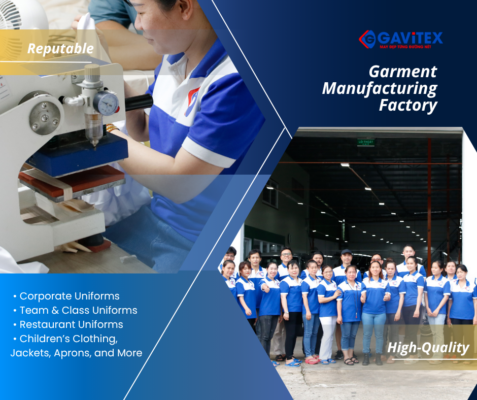
Effective quality control throughout the entire clothing manufacturing process is crucial, encompassing everything from raw material sourcing to the final finished product. overseas buyers, as a provider of clothing production services, understands that this involves implementing rigorous inspection protocols at each stage. For instance, textile testing laboratories play a vital role in evaluating the fabric’s composition, strength, and colorfastness. Furthermore, during the cutting and sewing phases, experienced quality inspectors meticulously check for seam integrity, stitching accuracy, and overall garment construction. Pre-shipment inspections, conducted by independent third-party agencies, provide an additional layer of assurance, ensuring that the final product adheres to the agreed-upon quality standards before leaving the factory. This multi-layered approach minimizes defects and ensures consistent product quality, safeguarding a brand’s reputation.
Beyond quality, ethical considerations are increasingly important to consumers and, therefore, must be a priority for any clothing production company. This encompasses fair labor practices, safe working conditions, and environmental sustainability. Child labor, forced labor, and unsafe factory environments are unacceptable. Companies engaging in clothing manufacturing in Vietnam must ensure that their suppliers adhere to international labor standards and local regulations. Independent audits, such as those conducted by WRAP (Worldwide Responsible Accredited Production) or Sedex (Supplier Ethical Data Exchange), can provide valuable insights into a factory’s ethical compliance. Furthermore, sustainable clothing production practices, such as using eco-friendly materials, reducing water consumption, and minimizing waste, are becoming increasingly crucial for brands seeking to appeal to environmentally conscious consumers. Vietnam Biz Rep is committed to working with suppliers who share its dedication to ethical and sustainable practices, contributing to a more responsible and transparent supply chain.
Cost Factors and Price Negotiation Strategies for Clothing Manufacturing
Understanding the cost factors inherent in clothing manufacturing and developing effective price negotiation strategies are crucial for businesses seeking competitive clothing production services, especially when considering outsourcing to Vietnam. Achieving profitability and maintaining quality hinge on a clear grasp of these elements.
Several interconnected elements significantly influence the final cost of clothing production. These cost drivers span from raw material sourcing to labor expenses and logistical considerations:
- Raw Materials: The type, quality, and origin of fabrics, trims, and other materials directly impact production costs. Cotton, polyester, and specialized textiles command different price points, with fluctuations depending on market demand and supply chain dynamics.
- Labor Costs: Vietnam’s competitive labor costs have historically been a major draw for manufacturers. However, wages are rising, and businesses must factor in minimum wage regulations, social insurance contributions, and potential overtime pay.
- Manufacturing Complexity: Intricate designs, elaborate embellishments, and specialized techniques increase production time and require skilled labor, thus driving up costs. Simple, streamlined designs are generally more cost-effective.
- Order Quantity: Economies of scale play a significant role. Larger orders typically result in lower per-unit costs due to the amortization of fixed expenses like pattern making and setup fees across a greater volume.
- Quality Control: Implementing rigorous quality control measures adds to the initial cost, but it reduces the risk of defects, returns, and reputational damage, ultimately saving money in the long run. overseas buyers places a high priority on quality to ensure cost-effectiveness.
- Logistics and Shipping: Transportation costs, import duties, and customs clearance charges contribute to the overall landed cost. Efficient supply chain management and strategic partnerships with logistics providers can mitigate these expenses.
To secure favorable pricing for clothing manufacturing services, businesses should employ proactive negotiation strategies. Effective price negotiation requires a comprehensive approach that blends preparation, market knowledge, and clear communication.
- Thorough Research: Before entering negotiations, conduct in-depth research on prevailing market rates for similar garments, material costs, and labor rates in Vietnam. This benchmarking provides a strong foundation for justifying your desired pricing.
- Detailed Specifications: Provide potential manufacturers with precise tech packs, including detailed specifications for materials, construction, and finishing. Clear communication minimizes misunderstandings and reduces the likelihood of costly errors.
- Competitive Bidding: Solicit quotes from multiple clothing production companies to foster competition and identify the most competitive pricing.
- Long-Term Partnerships: Establish long-term relationships with reliable manufacturers. These collaborations often result in preferential pricing, improved communication, and greater flexibility. overseas buyers values building lasting relationships with its clients.
- Volume Commitments: Offering larger order quantities in exchange for price reductions can incentivize manufacturers and unlock economies of scale.
- Payment Terms: Negotiate favorable payment terms, such as milestone-based payments or extended credit periods, to manage cash flow effectively.
- Transparency and Open Communication: Maintain transparent and open communication with manufacturers throughout the negotiation process. Clearly articulate your expectations, concerns, and budget constraints.
- Be Prepared to Walk Away: Knowing your bottom line and being willing to walk away from a deal that doesn’t meet your requirements strengthens your negotiating position.
Key Services Offered by Clothing Production Companies in Vietnam
Clothing production companies in Vietnam offer a comprehensive suite of services catering to diverse client needs, from initial design conceptualization to final product delivery. These services extend beyond simple manufacturing, encompassing design and development, sourcing, production, quality control, and logistics, making them invaluable partners for businesses looking to outsource garment manufacturing. Understanding these key services is crucial for effectively leveraging Vietnam’s robust clothing industry and maximizing the benefits of clothing production services.
Many clothing manufacturers in Vietnam provide design and development assistance, particularly beneficial for startups or brands lacking in-house design expertise. This design service can encompass trend analysis, pattern making, sample development, and technical specifications. overseas buyers, for instance, can collaborate with clients to refine their design ideas, ensuring they are both aesthetically appealing and manufacturable, which minimizes potential production hurdles.
Sourcing forms a critical part of clothing production, and many companies in Vietnam offer extensive sourcing capabilities. This encompasses fabric selection, trim procurement (buttons, zippers, labels), and finding the best suppliers for specific requirements. Strong supplier relationships translate to cost-effective procurement and high-quality materials, directly impacting the finished product’s quality and profit margins.
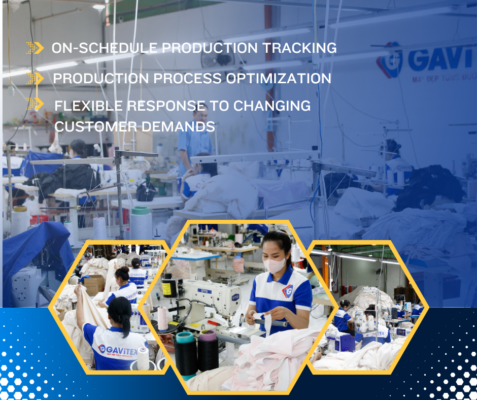
The core of these companies lies in their production expertise. These services span cutting, sewing, assembly, and finishing. Utilizing advanced technology and skilled labor, Vietnam’s clothing production services are proficient in handling diverse garment types, from basic apparel to intricate designs. Production efficiency and capacity vary across manufacturers, making it essential to evaluate capabilities against specific project demands.
Quality control is a cornerstone of reputable clothing production companies in Vietnam. Stringent quality checks occur at every stage, from raw material inspection to final product assessment. Employing AQL (Acceptable Quality Level) standards and rigorous testing procedures ensures adherence to client specifications and minimizes defects, safeguarding brand reputation.
Finally, many clothing production companies offer comprehensive logistics and shipping services. This entails handling customs clearance, packaging, and coordinating transportation to the client’s desired destination. Seamless logistics minimize delays and ensures timely delivery of finished goods.
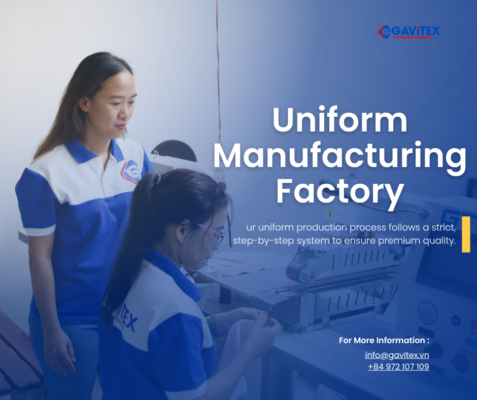
Eager to see production in action? Explore the details of apparel production in Vietnam.
Understanding Vietnam’s Clothing Manufacturing Landscape: Trends and Opportunities
Vietnam’s clothing manufacturing landscape presents a dynamic arena for businesses seeking reliable and cost-effective clothing production services. As a key player in the global textile and apparel industry, Vietnam offers a blend of competitive advantages and evolving trends that shape its opportunities and challenges. Understanding these nuances is crucial for overseas buyers looking to establish or expand their sourcing and production operations in the region.
The Vietnamese clothing industry has experienced significant growth, driven by factors such as competitive labor costs, strategic geographic location, and increasing integration into global supply chains. Data from the Vietnam Textile and Apparel Association (Vitas) indicates a steady increase in export value, solidifying Vietnam’s position as a major manufacturing hub. This growth is further fueled by free trade agreements (FTAs) with key markets like the EU and the US, which provide preferential access and reduce trade barriers.
Several trends are shaping the future of clothing production in Vietnam. These include:
- Increased focus on sustainable practices: Rising consumer awareness and stricter environmental regulations are driving demand for eco-friendly materials and ethical production processes.
- Adoption of advanced technologies: Automation, digitization, and other technological advancements are being implemented to improve efficiency, reduce costs, and enhance product quality.
- Shift towards higher-value products: Vietnamese manufacturers are increasingly focusing on producing more sophisticated and specialized garments, rather than simply relying on mass production of basic items.
- Growing domestic market: The rising middle class and increasing consumer spending in Vietnam are creating new opportunities for local brands and retailers.
For overseas buyers and other businesses, these trends represent significant opportunities. By embracing sustainable practices, investing in technology, and focusing on higher-value products, Vietnamese manufacturers can enhance their competitiveness and attract new customers. The growing domestic market also provides a valuable avenue for growth and diversification. However, it’s important to note that the landscape also presents challenges, such as rising labor costs, increasing competition, and the need to comply with evolving regulations. Addressing these challenges effectively will be crucial for companies seeking to succeed in Vietnam’s vibrant clothing production sector.
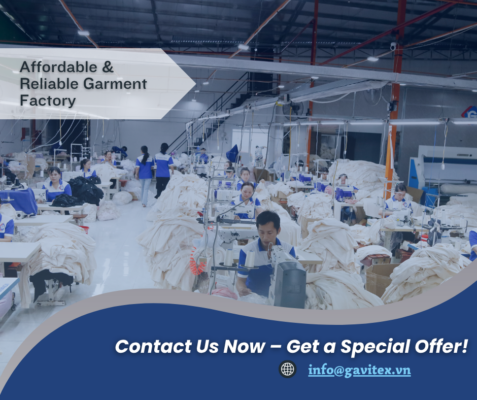
Planning to export? Learn key aspects of clothing production for export from Vietnam.
Overcoming Challenges in Outsourcing Clothing Production to Vietnam
Outsourcing clothing production services to Vietnam presents a compelling opportunity for overseas buyers, but successfully navigating the landscape requires a proactive approach to address potential hurdles. Vietnam’s burgeoning apparel industry offers competitive pricing and skilled labor, yet companies must be prepared to tackle issues ranging from quality control to communication barriers to ensure a smooth and profitable partnership. By understanding these common pitfalls and implementing effective mitigation strategies, brands can unlock the full potential of Vietnamese clothing manufacturing.
One significant challenge is maintaining consistent quality control throughout the production process. To overcome this, overseas buyers should implement a multi-tiered quality assurance system. This includes pre-production inspections of raw materials, in-line inspections during manufacturing, and final inspections before shipment. For instance, statistically, factories with independent quality control teams experience up to 20% fewer defects (Source: Industry Surveys). Furthermore, clear and detailed technical specifications, regular communication with the factory, and on-site visits (if possible) are crucial to ensuring that the final products meet overseas buyers’s standards.
Another common challenge is communication and cultural differences. Language barriers, variations in business etiquette, and differing expectations can lead to misunderstandings and delays. overseas buyers can mitigate these issues by working with factories that have dedicated English-speaking account managers and by investing in cross-cultural training for its staff. Building strong relationships based on trust and mutual respect is essential for long-term success. Consider utilizing visual aids and detailed product specifications to minimize ambiguity in communication.
Supply chain disruptions also pose a considerable risk. Unexpected events such as natural disasters, port congestion, or political instability can disrupt production schedules and impact delivery times. Diversifying sourcing options, establishing backup suppliers, and closely monitoring geopolitical developments can help mitigate these risks. For example, having a “Plan B” for fabric sourcing can prevent delays if a primary supplier faces unforeseen challenges.
Intellectual property protection is another key consideration when outsourcing to Vietnam. While Vietnam has strengthened its IP laws, enforcement can still be challenging. overseas buyers should take proactive steps to protect its designs and trademarks by registering them in Vietnam, implementing strict confidentiality agreements with its manufacturing partners, and carefully vetting potential factories. Regularly auditing factories to ensure compliance with IP regulations can also help minimize the risk of infringement.
Finally, ensuring ethical labor practices is paramount. Consumers are increasingly demanding transparency and accountability from brands regarding their supply chains. overseas buyers should partner with factories that adhere to international labor standards and conduct regular audits to ensure fair wages, safe working conditions, and compliance with all applicable laws. This not only protects the brand’s reputation but also promotes a more sustainable and responsible manufacturing ecosystem.
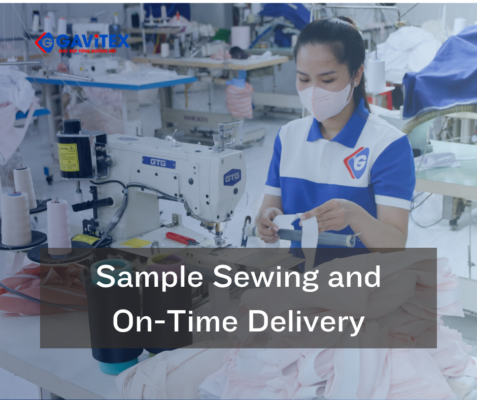
Legal and Contractual Aspects of Engaging Clothing Production Services in Vietnam
Navigating the legal and contractual landscape is crucial for businesses seeking clothing production services in Vietnam. Understanding the specific legal framework governing manufacturing, import/export, and labor practices is essential for a successful and compliant outsourcing partnership.
Securing legally sound contracts protects your business interests when outsourcing clothing production. It’s crucial to address key elements, including:
- Payment Terms: Clearly define payment schedules, currencies, and acceptable payment methods to avoid future disputes.
- Intellectual Property Protection: Incorporate clauses safeguarding your designs, trademarks, and other intellectual property from unauthorized use or infringement. overseas buyers highly recommends partnering with legal counsel specializing in Vietnamese law to ensure your IP is adequately protected within the local legal framework.
- Quality Standards: Explicitly outline quality control procedures, acceptance criteria, and remedies for defects. This should include agreed-upon AQL (Acceptable Quality Limit) levels and inspection protocols.
- Production Timelines: Specify realistic production schedules with clear milestones and penalties for delays.
- Termination Clauses: Define the conditions under which either party can terminate the contract, including notice periods and associated penalties.
- Dispute Resolution: Agree on a mechanism for resolving disputes, such as arbitration, to avoid costly and time-consuming litigation. Many contracts specify arbitration under the rules of the Vietnam International Arbitration Centre (VIAC).
Beyond the contract, businesses should be aware of key Vietnamese laws impacting garment manufacturing:
- Labor Law: Vietnam’s Labor Code governs employment relationships, including minimum wage, working hours, and employee benefits. Compliance is vital to avoid legal repercussions and maintain ethical sourcing practices.
- Investment Law: The Investment Law regulates foreign investment in Vietnam, including the legal requirements for establishing a manufacturing entity or engaging in contract manufacturing.
- Commercial Law: This law governs commercial transactions, including contracts for the sale of goods, ensuring that transactions adhere to Vietnamese legal standards.
- Customs Law: Understanding import and export regulations is crucial for the seamless movement of raw materials and finished goods. Businesses should familiarize themselves with tariff rates, customs procedures, and documentation requirements.
Engaging a reputable legal firm with expertise in Vietnamese commercial law is a worthwhile investment. They can help draft and review contracts, ensure compliance with local regulations, and mitigate potential legal risks associated with clothing production services.
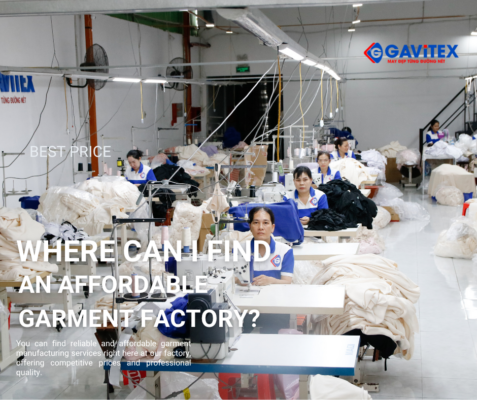
Need legal guidance? Understand the importance of clothing manufacturing consulting for successful ventures.
Vietnam Biz Rep supports overseas buyers with garment supplier search, factory verification, sample coordination, production follow-up, and quality inspection in Vietnam. Learn more on our clothing sourcing agent page, or visit Vietnam sourcing agent for our full range of services. Contact Vietnam Biz Rep to discuss your sourcing requirements.
