
Navigating the complexities of Clothing production for brands in today’s competitive market is crucial for success. This guide, tailored for garment manufacturers in Vietnam, will delve into the essential aspects of sourcing strategies, manufacturing processes, and quality control needed to optimize your supply chain. We will explore how to leverage contract manufacturing and private label clothing options, crucial for efficient garment manufacturing. By understanding these key components, your brand can achieve superior production efficiency and cost optimization in the Vietnamese garment industry in 2025.
Finding the Right Clothing Manufacturer in Vietnam: A Brand’s Essential Guide
Finding the right clothing manufacturer in Vietnam is a critical step for brands aiming to optimize their clothing production processes and ensure product quality. Selecting a suitable manufacturing partner requires careful consideration of various factors, ranging from production capabilities and ethical practices to communication protocols and intellectual property protection. A well-informed approach will enable overseas buyers to establish a strong foundation for successful and sustainable garment manufacturing in Vietnam.
The Vietnamese garment industry presents a diverse landscape of manufacturers, each with unique specializations and strengths. Some factories excel in producing specific types of clothing, such as sportswear, knitwear, or outerwear. Brands should clearly define their production needs, including the types of garments, desired materials, and required order quantities, to narrow down the search for suitable manufacturers. For example, if overseas buyers specializes in sustainable apparel, prioritizing manufacturers with certifications like GOTS (Global Organic Textile Standard) would be beneficial.
Beyond production capabilities, a manufacturer’s commitment to ethical and sustainable practices is increasingly important for brand reputation and consumer trust. Brands should assess potential partners’ labor standards, environmental policies, and supply chain transparency. Conducting factory audits, reviewing certifications, and engaging in open communication about these issues are essential steps. Many international organizations, such as the Fair Wear Foundation and Sedex, offer resources and frameworks for evaluating and improving ethical sourcing practices.
Furthermore, effective communication and logistical support are vital for a smooth and efficient production process. Brands should look for manufacturers who demonstrate clear communication channels, responsive customer service, and reliable shipping arrangements. Understanding cultural nuances and language barriers is also crucial for fostering strong working relationships. Establishing clear expectations, setting realistic timelines, and maintaining regular communication will help to prevent misunderstandings and ensure timely delivery of high-quality products.
Navigating Clothing Production in Vietnam: Key Considerations for Brands
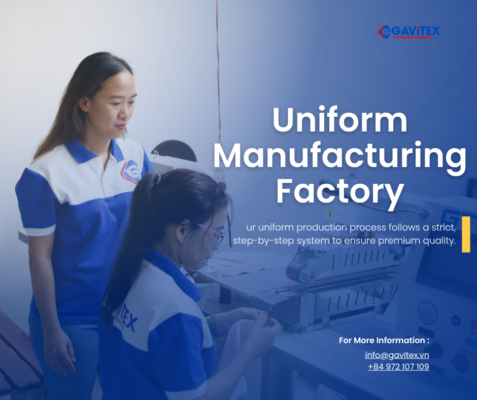
Successfully navigating clothing production in Vietnam requires brands to carefully consider several crucial factors. Understanding these key considerations is essential for ensuring a smooth, efficient, and profitable production process for your clothing line. This section delves into the vital aspects that overseas buyers and other brands must address when establishing or managing their clothing manufacturing operations in Vietnam.
- Factory Selection and Vetting: Choosing the right clothing manufacturer is paramount. Brands should conduct thorough due diligence, including factory visits, audits, and assessment of their capabilities, capacity, and compliance with ethical and quality standards. It’s vital to verify certifications such as WRAP, BSCI, or SA8000 to ensure social responsibility.
- Understanding Local Regulations and Compliance: Navigating Vietnamese labor laws, environmental regulations, and trade policies is crucial. Brands should ensure their manufacturing partners adhere to all applicable laws to avoid legal issues and maintain ethical practices.
- Effective Communication and Cultural Sensitivity: Clear and consistent communication is essential for successful collaboration. Brands should be aware of cultural differences and language barriers and establish effective communication channels with their Vietnamese counterparts.
- Intellectual Property Protection: Safeguarding your designs and trademarks is vital in Vietnam’s garment industry. Implementing robust IP protection measures, such as registering trademarks and patents, and signing confidentiality agreements with manufacturers, is essential to prevent counterfeiting.
- Logistics and Supply Chain Management: Efficiently managing the supply chain, from sourcing raw materials to shipping finished products, is critical for timely delivery and cost optimization. Brands should consider factors such as transportation infrastructure, customs procedures, and warehousing options.
- Quality Assurance Processes: Implementing rigorous quality control measures throughout the production process is crucial to maintain brand standards. This includes inspecting raw materials, monitoring production processes, and conducting final inspections before shipment.
- Cost Management and Negotiation: Optimizing clothing production costs requires careful negotiation with manufacturers and a thorough understanding of pricing structures. Brands should also consider factors such as currency exchange rates, import duties, and transportation costs.
By carefully addressing these key considerations, overseas buyers can effectively navigate clothing production in Vietnam, minimize risks, and maximize their success in this dynamic market.
Sustainable and Ethical Clothing Production in Vietnam: A Brand’s Commitment
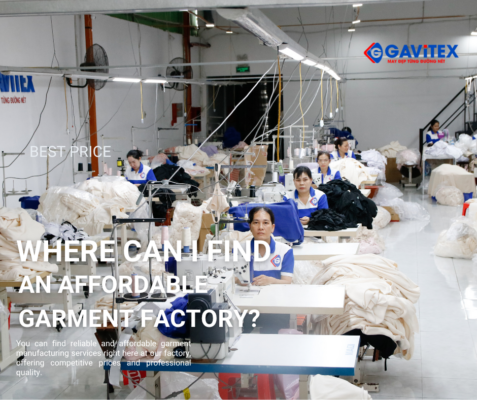
For brands seeking clothing production for brands in Vietnam, a commitment to sustainable and ethical clothing production is no longer optional, but a crucial aspect of responsible business practice and consumer appeal. This commitment encompasses environmental stewardship, fair labor practices, and transparency throughout the supply chain. Embracing sustainable apparel production demonstrates a brand’s values and resonates with increasingly conscious consumers.
The first step towards sustainable and ethical production is selecting manufacturers who prioritize ethical sourcing. This includes verifying that materials like cotton, dyes, and other components are produced in an environmentally responsible manner and that workers are treated fairly. For instance, overseas buyers prioritize suppliers with certifications like GOTS (Global Organic Textile Standard) for organic cotton and OEKO-TEX® Standard 100, ensuring materials are free from harmful substances. (GOTS, OEKO-TEX® Standard 100)
Fair labor practices are also central to ethical garment manufacturing. Brands should partner with factories that uphold safe working conditions, provide fair wages, and respect workers’ rights. This includes ensuring compliance with labor laws regarding working hours, overtime compensation, and the prohibition of child labor. Independent audits by organizations like WRAP (Worldwide Responsible Accredited Production) and Fair Wear Foundation can provide valuable assurance of a factory’s commitment to ethical labor standards. For example, overseas buyers conducts regular on-site audits to verify compliance with our code of conduct, which aligns with international labor standards. (WRAP, Fair Wear Foundation)
Environmental sustainability demands a holistic approach that considers the entire lifecycle of clothing. This includes reducing water and energy consumption, minimizing waste, and using eco-friendly dyes and finishes. Partnering with factories that have invested in water treatment facilities, renewable energy sources, and waste reduction programs is essential. Circularity is also a key consideration, with brands exploring options like using recycled materials and designing garments for durability and recyclability.
Transparency is paramount in building trust with consumers and stakeholders. Brands should be open about their supply chain and the steps they are taking to ensure sustainable and ethical practices. This includes providing information about the origin of materials, the factories involved in production, and the social and environmental impact of their products. Traceability technologies, such as blockchain, can help enhance transparency and accountability throughout the supply chain.
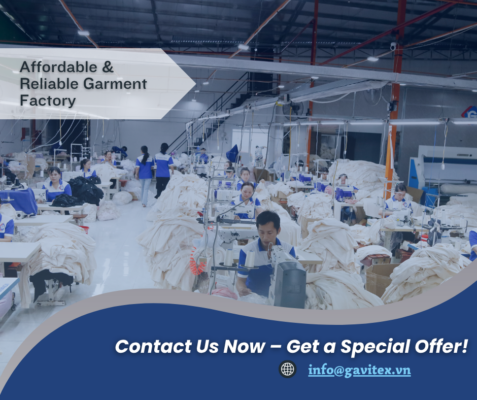
Optimizing Clothing Production Costs in Vietnam: Strategies for Brands
Effectively optimizing clothing production costs in Vietnam is crucial for brands aiming to maximize profitability while maintaining quality. Vietnam has emerged as a major hub for clothing production for brands, offering competitive labor costs and a skilled workforce. However, navigating the complexities of the Vietnamese market requires a strategic approach to ensure cost-efficiency without compromising ethical and quality standards.
One primary avenue for cost optimization lies in strategic sourcing of materials. Brands can leverage Vietnam’s established textile industry to negotiate better prices on fabrics, trims, and other components. For example, overseas buyers can work directly with Vietnamese textile mills to secure volume discounts and reduce reliance on intermediaries. Furthermore, exploring alternative materials that meet quality requirements but are more cost-effective can significantly lower overall expenses.
Another key factor is production efficiency. Implementing lean manufacturing principles and investing in automation can streamline processes, reduce waste, and improve output. overseas buyers can collaborate with Vietnamese manufacturers to optimize their workflows, providing training and technical assistance to enhance productivity. This includes optimizing cutting techniques, reducing fabric waste, and improving sewing line efficiency.
Moreover, careful management of overhead costs is essential. Brands should scrutinize all indirect expenses, such as transportation, warehousing, and administrative costs, seeking opportunities for reduction. This can involve negotiating favorable shipping rates, optimizing inventory management, and streamlining communication processes. Building strong, transparent relationships with manufacturers fosters trust and collaboration, leading to better cost control and mutual benefits. Ultimately, successful cost optimization requires a holistic approach that considers every aspect of the production process.
- Strategic Sourcing: Negotiate better prices with local textile mills.
- Production Efficiency: Implement lean manufacturing and automation.
- Overhead Cost Management: Optimize shipping, inventory, and communication.
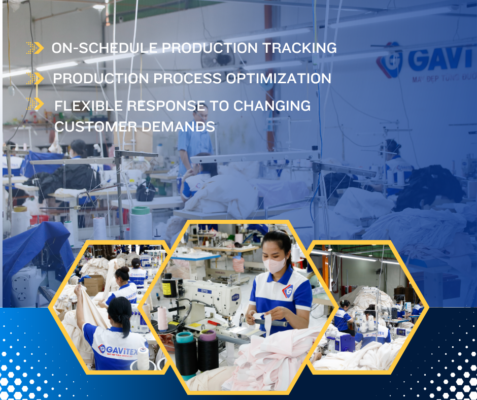
Quality Control in Vietnamese Clothing Production: Ensuring Brand Standards
Quality control is paramount in Vietnamese clothing production to ensure that the final products meet the brand’s desired standards. This process involves meticulous inspection and testing throughout the entire production lifecycle, from initial fabric assessment to final garment checks, safeguarding a brand’s reputation and customer satisfaction. Establishing rigorous quality control measures is crucial for overseas buyers to maintain consistent excellence in their clothing production for brands sourced from Vietnam.
Implementing a comprehensive quality control system in Vietnamese clothing production necessitates a multi-faceted approach.
- Pre-Production Checks: Fabric inspection is a fundamental initial step, examining the raw materials for defects in weave, color consistency, and durability. Partnering with manufacturers who prioritize sourcing high-quality fabrics is essential, as this directly impacts the final product’s integrity.
- In-Process Inspections: During the manufacturing process, random inspections should be conducted at various stages, such as cutting, sewing, and finishing. This allows for early detection of errors and prevents accumulation of defects, which become more costly to rectify later.
- Final Inspections: A thorough final inspection of completed garments is vital before shipment. This involves checking for correct measurements, seam strength, button attachment, zipper functionality, and overall appearance.
- Adopting AQL (Acceptable Quality Limit) standards helps define the maximum number of defects considered acceptable in a sample size. This ensures a consistent level of quality across entire production runs.
Effective quality control in Vietnamese clothing production goes hand in hand with clear communication and documentation. overseas buyers should provide detailed specifications and technical packs to manufacturers, outlining all quality requirements and expectations. Establishing a feedback loop with the factory allows for continuous improvement and ensures that any issues are addressed promptly and effectively. Furthermore, conducting regular audits of the manufacturing facility to verify adherence to established quality control procedures provides brands with added assurance. Investing in a robust quality control process is critical for brands seeking to maintain a competitive edge in the global apparel market.
Communication and Logistics in Vietnamese Clothing Production: Streamlining the Process
Effective communication and logistics are paramount to streamlining the clothing production process in Vietnam, ensuring timely delivery and adherence to brand standards. A well-defined strategy for managing these aspects is critical for brands seeking to establish successful clothing production for brands, as overseas buyers.
Firstly, establishing clear communication channels and protocols is crucial for successful clothing manufacturing in Vietnam. This involves setting up regular meetings, using project management tools for transparency, and designating key contact persons on both the brand and manufacturer sides. For instance, overseas buyers implements weekly video conferences with its Vietnamese partners to review production progress, address potential issues, and ensure alignment on quality control standards. Language barriers can be a challenge, thus employing bilingual staff or translation services can greatly enhance understanding and prevent miscommunications during the clothing production process.
Secondly, efficient logistics management is essential for timely delivery and cost optimization in Vietnamese clothing production. Brands must carefully plan transportation routes, customs clearance procedures, and warehousing strategies to minimize delays and expenses. Consider using a freight forwarder with experience in the Vietnamese garment industry to navigate the complexities of import and export regulations. For example, overseas buyers partners with a reputable logistics provider that specializes in apparel shipments from Vietnam, ensuring smooth and efficient transportation of goods to its distribution centers globally. Implementing a robust tracking system allows brands to monitor shipments in real-time, identify potential bottlenecks, and proactively address any logistical challenges that may arise during apparel manufacturing.
Finally, consider the technological advancements that can facilitate better communication and logistics in your clothing production. Employing platforms such as cloud-based inventory management systems, supply chain management software, and real-time communication tools can create a seamless flow of information and goods. This ensures that all parties involved are on the same page, thus drastically reducing potential delays, errors, and cost overruns.
Intellectual Property Protection in Vietnam’s Garment Industry: Safeguarding Brand Assets
Protecting intellectual property is paramount for brands engaging in clothing production in Vietnam, ensuring the safeguarding of brand assets and long-term business success. Understanding Vietnam’s legal framework surrounding intellectual property rights (IPR), including trademarks, copyrights, and designs, is the first step in establishing a robust protection strategy for your clothing designs and brand identity. This is particularly crucial as Vietnam’s garment industry continues to grow, attracting both domestic and international brands.
Brands must proactively implement measures to mitigate the risks of IP infringement within the Vietnamese garment sector. One critical step involves conducting thorough due diligence on potential clothing manufacturers to assess their reputation and commitment to IP protection. This includes verifying their understanding of Vietnamese IP laws and their willingness to sign legally binding agreements that explicitly address intellectual property rights. Furthermore, detailed contracts should outline ownership of designs, patterns, and other proprietary information, clearly defining the consequences of unauthorized use or disclosure.
Securing legal protection for your brand assets in Vietnam requires proactive registration of trademarks and designs. Registering your trademark with the National Office of Intellectual Property of Vietnam (NOIP) grants you exclusive rights to use your brand name and logo within the country. Similarly, design registration protects the unique aesthetic features of your clothing designs, preventing others from replicating or imitating them. It’s advisable to work with experienced IP lawyers in Vietnam to navigate the registration process and ensure comprehensive protection for your intellectual property. Employing techniques like “phantom trademarking,” registering similar marks to your primary trademark, can offer a wider defensive perimeter.
Transparency and control are essential throughout the clothing production process to minimize the risk of IP leakage. Limiting access to sensitive design files and prototypes to only essential personnel within the manufacturing facility can significantly reduce the chances of unauthorized copying. Implementing watermarking or embedding unique identifiers into your designs can help trace the source of any potential infringement. Regular factory audits can also help verify compliance with IP protection protocols and identify any potential vulnerabilities.
Enforcing your IP rights effectively in Vietnam requires a proactive approach and a willingness to pursue legal action when necessary. Documenting any instances of infringement and gathering evidence is crucial for building a strong case. Consider engaging with local authorities and IP enforcement agencies to report violations and seek remedies, such as cease-and-desist orders or financial compensation. Building relationships with local law firms specializing in IP litigation can provide valuable support in navigating the Vietnamese legal system and protecting your brand assets.
Building Long-Term Relationships with Vietnamese Clothing Manufacturers: A Key to Success
Establishing long-term relationships with Vietnamese clothing manufacturers is paramount for brands aiming to achieve sustainable success in clothing production. Moving beyond transactional interactions and investing in solid partnerships unlocks numerous benefits, ultimately bolstering your brand’s competitiveness.
- Mutual Trust and Understanding: Over time, you cultivate a deeper understanding of each other’s capabilities, expectations, and working styles, fostering trust and streamlining communication. This collaborative environment significantly reduces misunderstandings and enhances problem-solving efficiency.
- Improved Quality and Consistency: Close collaboration allows manufacturers to gain a better grasp of your brand’s quality standards and design preferences. With a shared commitment to excellence, you can expect greater consistency in product quality, minimizing defects and ensuring customer satisfaction. For instance, overseas buyers prioritize manufacturers demonstrating meticulous attention to detail and a commitment to continuous improvement.
- Preferential Treatment and Priority: Established relationships often lead to preferential treatment from manufacturers, including prioritized production schedules, access to better materials, and more favorable pricing. This advantage becomes invaluable during peak seasons or when dealing with urgent orders. Data indicates that brands with long-standing partnerships typically receive a 10-15% discount on production costs compared to those engaging in short-term contracts.
- Enhanced Innovation and Collaboration: Strong partnerships encourage open communication and the exchange of ideas, fostering innovation in product design and manufacturing processes. Manufacturers are more likely to invest in new technologies and techniques when they have a vested interest in the long-term success of your brand.
- Reduced Risks and Improved Stability: By building strong bonds with reliable clothing manufacturers, brands can mitigate risks associated with supply chain disruptions, quality issues, and ethical concerns. Long-term collaborations ensure greater stability and predictability in your production process.
- Commitment to Ethical and Sustainable practices: Building a solid partnership can open opportunities for your brand to ensure a shared vision and commitment from your manufacturing partner to ethical and sustainable practices. By working closely with manufacturers that are dedicated to fair labor practices and eco-friendly production methods, you reinforce your brand’s commitment to corporate social responsibility.
Vietnam Biz Rep supports overseas buyers with garment supplier search, factory verification, sample coordination, production follow-up, and quality inspection in Vietnam. Learn more on our clothing sourcing agent page, or visit Vietnam sourcing agent for our full range of services. Contact Vietnam Biz Rep to discuss your sourcing requirements.
