
Unlocking the potential of Vietnamese exports starts with access to a comprehensive vietnam exporters directory, a critical resource for businesses seeking to expand their global reach. This directory serves as a gateway, connecting international buyers with reputable Vietnamese suppliers across diverse sectors, from agricultural products and textiles to electronics and manufacturing. Within the realm of vietnambizrep, this article will delve into the intricacies of leveraging a reliable Vietnam Exporters Directory to identify key partners, conduct thorough due diligence, understand export regulations, and ultimately, boost your sourcing efficiency and maximize your return on investment in the Vietnamese market.
Finding Reliable Vietnam Exporters: A Comprehensive Guide
Finding reliable Vietnam exporters is crucial for businesses seeking to tap into the country’s growing export market; this guide provides a comprehensive overview of how to identify and vet potential partners. The rise of Vietnam exporters directory has facilitated this process, but a strategic approach is still paramount. Navigating the nuances of sourcing from Vietnam requires due diligence, industry knowledge, and a clear understanding of the Vietnamese business culture.
To effectively locate dependable suppliers, begin by defining your specific needs and target industries. Are you looking for manufacturers of garments, suppliers of agricultural products, or distributors of electronics? A focused approach will streamline your search. Utilize online resources such as the vietnambizrep’s network, industry-specific trade associations, and government export promotion agencies to identify potential Vietnam exporters.
Once you have a list of potential partners, conduct thorough due diligence. Verify their business registration, export licenses, and compliance with relevant industry standards. Request references from previous clients and conduct site visits if possible. Evaluate their production capacity, quality control processes, and communication capabilities. A proactive approach to due diligence minimizes the risk of encountering unreliable or fraudulent suppliers.
Consider these key factors when assessing potential Vietnam exporters:
- Experience and Reputation: Look for exporters with a proven track record and positive reputation within their industry.
- Product Quality and Compliance: Ensure that the exporter’s products meet your required quality standards and comply with relevant regulations.
- Pricing and Payment Terms: Negotiate competitive pricing and establish clear payment terms that protect your interests.
- Communication and Responsiveness: Choose exporters who are responsive to your inquiries and communicate effectively throughout the sourcing process.
By following these guidelines, businesses can navigate the complexities of the Vietnamese export market and establish successful partnerships with reliable Vietnam exporters.
Dig deeper into the specifics: Master the art of finding reliable suppliers in Vietnam.
Top Vietnam Export Products and Industries to Target
Identifying the top Vietnam export products and industries provides crucial insights for businesses seeking reliable Vietnam exporters directory. Vietnam’s export landscape is diverse, ranging from electronics and footwear to agricultural products and textiles, offering numerous opportunities for international trade. Understanding the strengths of each sector allows you to strategically target the most promising Vietnamese suppliers for your specific needs.
Several key industries drive Vietnam’s export growth. Electronics, including smartphones, computer parts, and integrated circuits, represent a significant portion of the country’s export revenue. The footwear and apparel industry also remains a cornerstone of Vietnam’s export economy, benefiting from competitive labor costs and established manufacturing capabilities. Furthermore, agricultural products, such as rice, coffee, seafood, and fruits, continue to be vital exports, reflecting Vietnam’s strength in agricultural production.
To capitalize on Vietnam’s export potential, consider targeting the following industries:
- Electronics: Vietnam is becoming a major hub for electronics manufacturing, attracting investments from global tech companies.
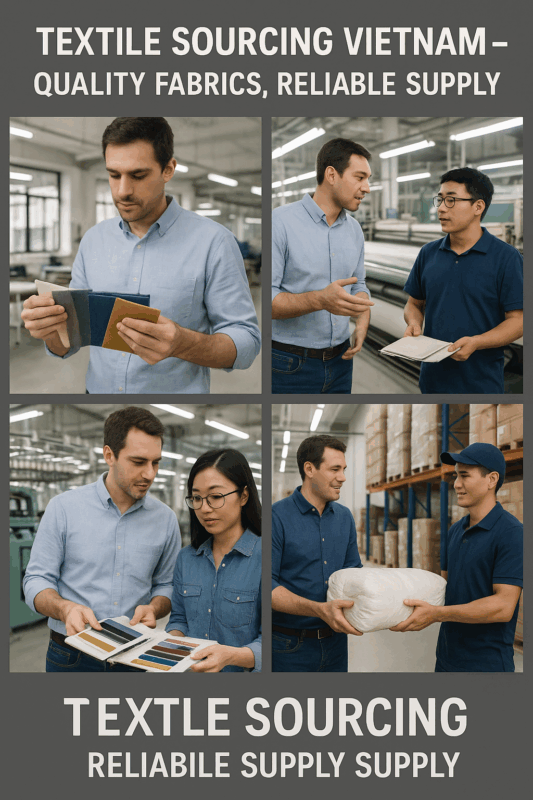
- Textiles and Garments: With a large workforce and competitive pricing, Vietnam’s textile industry offers a wide range of apparel products.
- Footwear: Vietnam is a leading producer of footwear, exporting to major markets worldwide.
- Seafood: Vietnam’s aquaculture and fisheries industries contribute significantly to seafood exports.
- Coffee: Vietnam is one of the world’s largest coffee exporters, particularly Robusta coffee.
- Cashew Nuts: Vietnam is a global leader in cashew nut production and export.
- Wood and Furniture: Vietnam’s wood processing industry is growing, exporting furniture and wood products to various countries.
By focusing on these key sectors, businesses can leverage the Vietnam exporters directory to find reliable partners and capitalize on the country’s export strengths.
(Approximately 250 words)

Unsure where to start? Explore the most promising export products and industries in Vietnam.
Key Factors to Consider When Selecting a Vietnam Exporter
Choosing the right Vietnam exporter is paramount to the success of your international sourcing endeavors. Navigating the complexities of the vietnam exporters directory and making an informed decision requires careful consideration of several key factors. This section will delve into those factors, ensuring you partner with a reliable and capable exporter.
Firstly, product expertise and specialization is crucial. The exporter should possess in-depth knowledge of the specific product category you are sourcing. For instance, an exporter specializing in agricultural products like rice or coffee will likely have a better understanding of quality control, storage, and transportation requirements compared to a general trading company. Verify their experience and track record in the relevant sector to assess their suitability.
Secondly, production capacity and scalability are critical for meeting your current and future demands. A Vietnam exporter must demonstrate the ability to consistently supply the required quantities while maintaining quality standards. Inquire about their manufacturing facilities, workforce size, and production processes. Ask for references from existing clients to gauge their ability to handle large orders and adapt to changing market demands. A factory visit, if possible, can provide valuable insights into their operations.
Thirdly, quality control and certifications significantly impact the final product. The exporter should have robust quality control measures in place, adhering to international standards such as ISO 9001. Request copies of their certifications and inquire about their testing procedures. A reputable exporter will be transparent about their quality assurance process, demonstrating a commitment to delivering products that meet your specifications and regulatory requirements. This includes compliance with relevant environmental and social standards.
Fourthly, pricing and payment terms should be clearly defined and competitive. Obtain multiple quotes from different Vietnam exporters to compare prices and identify potential cost savings. Understand the payment terms offered, including the percentage of the deposit required, payment schedule, and accepted methods of payment (e.g., Letter of Credit, Telegraphic Transfer). Negotiate favorable terms while ensuring that the exporter is adequately compensated for their services.
Finally, communication and responsiveness are essential for a smooth and efficient collaboration. A reliable Vietnam exporter should be responsive to your inquiries, provide timely updates, and communicate effectively in your preferred language. Assess their communication skills during the initial stages of the relationship to determine if they are a good fit for your business. Clear and open communication will minimize misunderstandings and facilitate problem-solving.
Don’t make costly mistakes! Learn the essential factors for selecting the right Vietnam exporter.
Essential Due Diligence for Vietnam Exporters: Minimizing Risks
Conducting thorough due diligence is crucial when engaging with Vietnam exporters. This process helps mitigate potential risks associated with fraud, non-compliance, and quality issues, ensuring a smoother and more secure business transaction. A robust due diligence strategy not only protects your investment but also fosters long-term, reliable partnerships with Vietnam suppliers.
Before finalizing any agreements, verify the exporter’s legal standing. Confirm their business registration with the relevant Vietnamese authorities, such as the Ministry of Planning and Investment (MPI). A legitimate business will have a valid business registration certificate and tax identification number. Utilizing resources like the Vietnam National Business Registration Portal can provide essential verification.
Next, assess the exporter’s financial stability. Request financial statements or a credit report to evaluate their ability to fulfill orders and manage potential liabilities. A financially sound exporter is less likely to experience disruptions in production or shipping, safeguarding your supply chain. Consider engaging a local accounting firm to conduct a thorough financial review for added assurance.
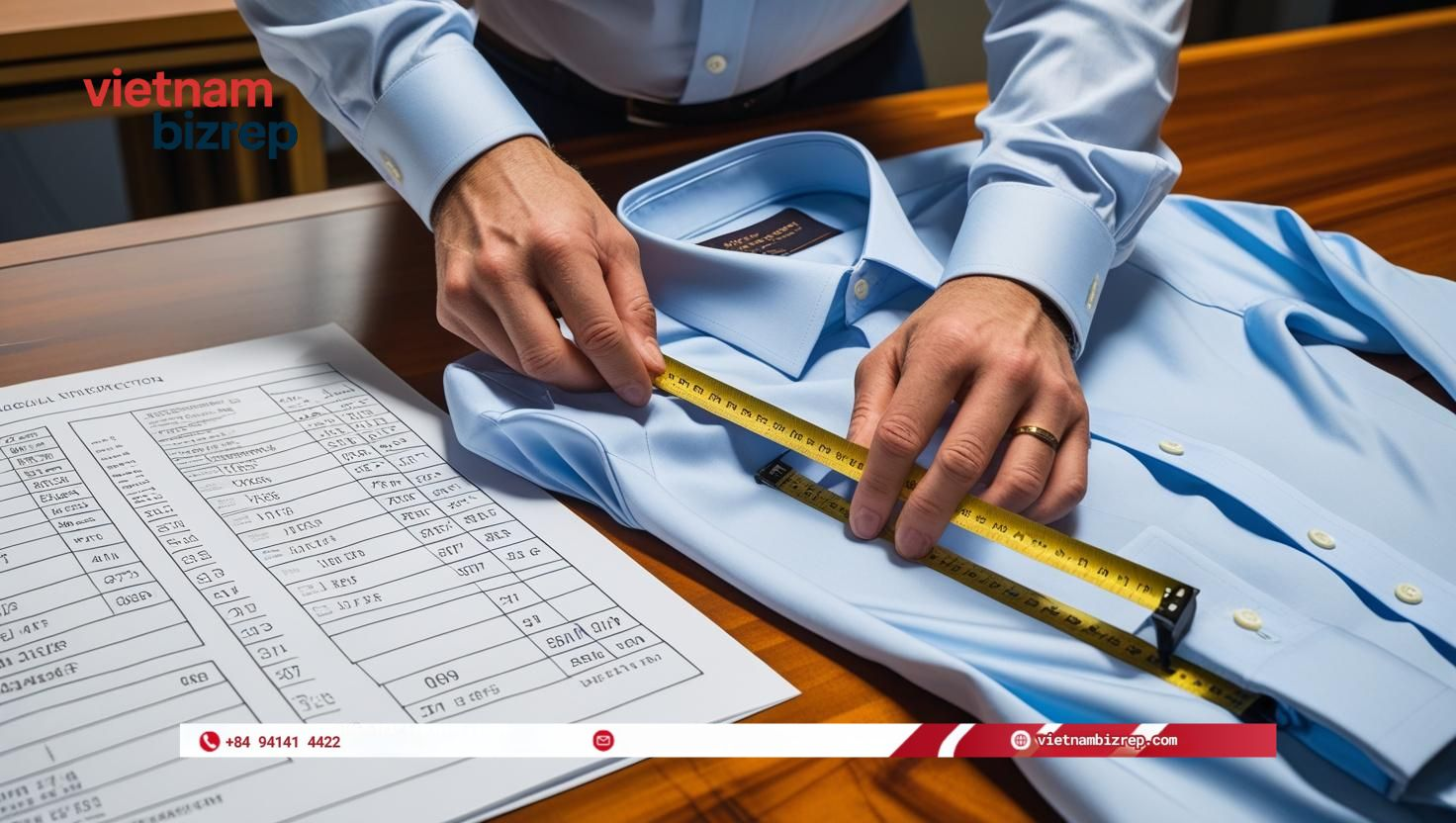
Furthermore, evaluate the exporter’s production capabilities and quality control processes. Request information on their manufacturing facilities, equipment, and certifications, such as ISO 9001. On-site inspections, either personally or through a trusted third-party inspection company like Bureau Veritas or SGS, are highly recommended to verify their claims and assess the quality of their products firsthand. This proactive approach minimizes the risk of receiving substandard goods.
Finally, check references and reviews from previous clients to gather insights into the exporter’s reliability and business practices. Contacting other businesses that have worked with the exporter can provide valuable information about their communication skills, adherence to deadlines, and overall professionalism. Independent review platforms, while needing careful assessment, can also offer a broader view of the exporter’s reputation.
Navigating Vietnam Export Regulations and Documentation
Effectively navigating Vietnam export regulations and understanding the necessary documentation is crucial for any business seeking to leverage a Vietnam exporters directory for sourcing. This process, while potentially complex, is vital for ensuring smooth transactions, avoiding costly delays, and maintaining compliance with Vietnamese and international trade laws, thereby solidifying your partnerships with vietnambizrep.
Successfully exporting from Vietnam hinges on a firm grasp of the regulatory landscape. Vietnam’s export regulations are governed by a variety of laws, decrees, and circulars issued by different government agencies, requiring exporters to stay informed and adapt to evolving requirements. vietnambizrep offers guidance and resources to help businesses decipher these regulations.
Key Documents for Vietnam Exports:
- Commercial Invoice: This document details the transaction, including the price, quantity, and description of the goods.
- Packing List: A detailed list outlining the contents of each package, including weight and dimensions.
- Bill of Lading/Air Waybill: This serves as a receipt for the shipment and a contract of carriage.
- Export Declaration: A document submitted to Vietnamese customs authorities declaring the goods being exported.
- Certificate of Origin: Certifies the country of origin of the goods, potentially affecting import duties in the destination country.
- Export Permit (if required): Certain goods, such as those related to natural resources or national security, may require an export permit.
- Other certificates: Depending on the product, other certificates such as phytosanitary certificates, health certificates, or quality certificates may be required.
Understanding Customs Procedures:
Vietnam’s customs procedures are generally efficient, but businesses must adhere to specific steps to avoid delays.
- Register as an Exporter: Ensure your company is properly registered with the relevant Vietnamese authorities.
- Prepare Documentation: Gather all necessary documents, ensuring accuracy and completeness.
- Submit Export Declaration: File the export declaration electronically or manually with the customs authorities.
- Customs Inspection: Goods may be subject to inspection by customs officials.
- Payment of Taxes and Duties: Pay any applicable export taxes or duties.
- Release of Goods: Once all requirements are met, the goods will be released for export.
Staying Compliant:
Compliance with Vietnam export regulations is not a one-time effort but an ongoing process.
- Stay Updated: Regularly monitor changes to export regulations through official government channels and reliable sources like vietnambizrep.
- Seek Expert Advice: Consult with customs brokers, legal professionals, or trade consultants to ensure compliance.
- Maintain Accurate Records: Keep detailed records of all export transactions for audit purposes.
By understanding and adhering to Vietnam’s export regulations and documentation requirements, businesses can minimize risks, ensure smooth transactions, and build successful long-term partnerships with Vietnam exporters.
(Approximately 300 words)

Leveraging Vietnam Exporters Directories for Business Growth
Are you looking to expand your business by sourcing products from Vietnam? Vietnam exporters directories can be invaluable tools for connecting with potential suppliers and boosting business growth. These directories act as a central hub, offering a wealth of information to streamline the process of finding reliable Vietnamese exporters and navigating the complexities of international trade.
Vietnam exporters directories provide a focused and efficient way to identify businesses that align with your specific needs. Instead of sifting through general business listings or relying on potentially outdated information, these directories curate comprehensive profiles, often including details such as product categories, contact information, certifications, and export experience. This targeted approach saves you time and resources, allowing you to quickly narrow down your search and focus on the most promising candidates.
One of the key advantages of utilizing Vietnam exporters directories is the enhanced accessibility they offer. Many directories provide advanced search filters, allowing you to refine your search based on factors like industry, product type, location, or specific certifications. For instance, if you’re looking for a Vietnamese supplier of sustainable wooden furniture, you can apply filters to identify companies that meet your specific criteria. Some directories even offer features like company ratings and reviews, providing additional insights into the reliability and performance of potential partners.
However, it’s crucial to select reputable Vietnam exporters directories to ensure the accuracy and validity of the information. Look for directories that are regularly updated, feature verified company profiles, and offer a wide range of search options. Consider directories maintained by government agencies, industry associations, or established trade organizations, as these tend to have stricter vetting processes. For example, the Ministry of Industry and Trade (MOIT) of Vietnam often publishes or endorses certain directories.
To maximize the benefits of Vietnam exporters directories, integrate them into a broader sourcing strategy. Use the directories to identify potential suppliers, then conduct thorough due diligence to verify their legitimacy, financial stability, and export capabilities. Combining directory information with independent research and direct communication will help you make informed decisions and build successful long-term partnerships with Vietnamese exporters.
Want to unlock rapid growth? Discover how to leverage Vietnam exporters directories for business expansion.
Building Strong Relationships with Vietnam Exporters: Communication and Negotiation
Establishing strong relationships with Vietnam exporters is crucial for long-term business success, going beyond simply finding a vietnam exporters directory. Cultivating these relationships requires effective communication and skillful negotiation, built on trust and mutual understanding. This section will delve into how to foster these vital connections, moving beyond mere transactional interactions.
Effective communication is the bedrock of any successful partnership with Vietnam exporters. Clear, concise, and culturally sensitive communication prevents misunderstandings, fosters trust, and streamlines the entire export process. Consider these key aspects:
- Language Proficiency: While many Vietnamese exporters have English-speaking representatives, having someone on your team who speaks Vietnamese or is familiar with Vietnamese business etiquette can be a significant advantage. This demonstrates respect and facilitates deeper understanding.
- Active Listening: Pay close attention to the exporter’s needs, concerns, and perspectives. Ask clarifying questions and summarize their points to ensure you’re on the same page.
- Responsiveness: Promptly respond to inquiries, emails, and phone calls. This shows that you value their time and are committed to building a strong working relationship.
- Transparency: Be open and honest about your expectations, requirements, and any potential challenges. Transparency builds trust and allows for collaborative problem-solving.
- Cultural Sensitivity: Understanding Vietnamese business culture is paramount. For instance, face (saving face) is a crucial concept. Avoid direct confrontation or criticism in public settings. Politeness and respect are highly valued.
Negotiation is another key element in building strong relationships with Vietnam exporters. It’s not about winning at all costs, but rather about finding mutually beneficial agreements that foster long-term collaboration. Strategies for effective negotiation include:
- Thorough Preparation: Research the exporter’s background, products, and market conditions. Understand your own needs and priorities, and be prepared to justify your position.
- Building Rapport: Take the time to build a personal connection with the exporter. Show genuine interest in their business and their culture. This can create a more collaborative and productive atmosphere.
- Focus on Mutual Benefit: Frame negotiations as a win-win situation. Highlight the benefits that the agreement will bring to both parties.
- Flexibility and Compromise: Be willing to compromise on certain points to reach a mutually acceptable agreement. Show flexibility and creativity in finding solutions.
- Clear Documentation: Ensure that all agreements are clearly documented in writing. This helps to avoid misunderstandings and provides a record of the terms agreed upon.
Furthermore, consider investing in regular face-to-face meetings, if possible. Building a strong rapport in person can solidify relationships and lead to greater trust. According to a 2019 report by the Hinrich Foundation, personal relationships are a significant factor in successful trade relationships in Asia. Remember, finding reliable Vietnam exporters is just the first step; nurturing those relationships through open communication and strategic negotiation is what drives sustained growth.
Understanding Vietnam’s Export Landscape: Trends and Opportunities
Understanding Vietnam’s export landscape is crucial for businesses seeking reliable Vietnam exporters and opportunities for growth; this section delves into the current trends shaping the nation’s export economy and the potential benefits for those who engage with Vietnamese suppliers and industries. Vietnam’s strategic location, competitive labor costs, and increasing integration into global supply chains have fueled its remarkable export growth, making it an attractive destination for international trade.
Vietnam’s export sector is experiencing dynamic shifts, driven by factors such as free trade agreements, technological advancements, and evolving consumer demands. The country has become a major player in sectors like electronics, textiles, footwear, and agricultural products. For example, electronics exports have surged in recent years, propelled by investments from multinational corporations seeking to diversify their manufacturing bases, showcasing a significant opportunity for those in the tech supply chain.
One key trend is the diversification of Vietnam’s export markets. While the United States and China remain major destinations, Vietnam is actively expanding its trade relationships with countries in Europe, Asia, and beyond. The Comprehensive and Progressive Agreement for Trans-Pacific Partnership (CPTPP) and the EU-Vietnam Free Trade Agreement (EVFTA) have created new pathways for Vietnamese goods and services, enhancing its attractiveness as a sourcing hub. Businesses can leverage these trade agreements to access preferential tariffs and streamlined customs procedures when working with Vietnam exporters.
Another significant opportunity lies in the increasing sophistication of Vietnam’s manufacturing capabilities. The country is moving beyond basic manufacturing and assembly towards higher-value-added activities such as design, research, and development. This shift is evident in the growing number of Vietnamese companies investing in technology and innovation, signaling a move towards more advanced export products. Foreign businesses can benefit from partnering with these companies to access cutting-edge products and solutions.
However, it’s important to acknowledge the challenges. While the export landscape presents considerable opportunities, businesses must be aware of factors such as infrastructure limitations, bureaucratic hurdles, and the need for robust quality control measures. Thorough due diligence and building strong relationships with Vietnam exporters are essential to mitigate these risks and ensure successful trade partnerships. By staying informed about the latest trends and understanding the challenges, businesses can effectively navigate Vietnam’s export market and capitalize on the numerous opportunities it offers.
Stay ahead of the curve: Uncover the emerging trends and opportunities in Vietnam’s export landscape.
Alternatives to Directories: Finding Vietnam Exporters Through Other Channels
While a vietnam exporters directory can be a valuable resource, relying solely on it can limit your options. Discovering alternative methods to find Vietnam exporters offers a broader and potentially more tailored approach to sourcing the right partners for your business. These channels often provide access to exporters not actively listed in directories, uncovering hidden gems and niche specialists.
Several potent alternatives can supplement or even surpass the usefulness of traditional directories of Vietnam exporters. Consider these options:
-
Industry Trade Shows and Exhibitions: Attending trade shows in Vietnam related to your target product category can provide invaluable face-to-face interaction with potential exporters. These events offer a chance to assess product quality, discuss requirements directly, and build relationships. For example, Vietnam Expo is a prominent international trade fair held annually in Ho Chi Minh City.
-
Online Marketplaces: Platforms like Alibaba, Global Sources, and Made-in-China host numerous Vietnam-based exporters. These marketplaces provide a readily searchable database with supplier profiles, product listings, and reviews, but it’s essential to conduct thorough due diligence before engaging.
-
Government Trade Promotion Agencies: Organizations like the Vietnam Trade Promotion Agency (VIETRADE) offer assistance to foreign businesses seeking Vietnamese exporters. They provide information, introductions, and support to navigate the export landscape.
-
Networking and Referrals: Leverage your existing network and seek referrals from industry contacts, business associations, or other companies already sourcing from Vietnam. Personal recommendations can provide valuable insights and access to reliable export partners.
-
Social Media and Online Forums: Platforms like LinkedIn and industry-specific online forums can be surprisingly effective for finding Vietnam exporters. Engage in relevant groups, participate in discussions, and search for companies or individuals specializing in your desired products.
-
Professional Sourcing Agents: Engaging a reputable sourcing agent with expertise in the Vietnam export market can streamline the process. These agents have established networks, conduct due diligence, and manage logistics, saving you time and resources.
By exploring these diverse channels, businesses can move beyond the limitations of exporters directories and discover a wider range of potential partners in Vietnam. This multifaceted approach enhances the chances of finding the most suitable and reliable Vietnam exporters for their specific needs.
Directories not your thing? Explore alternative channels for sourcing Vietnam exporters.
Buyers researching exporters through directories may also want to visit in person — our guide to the wholesale market in Ho Chi Minh City covers what to expect on the ground.
Vietnam Biz Rep helps overseas buyers find suppliers, verify factories, coordinate samples, inspect goods, and follow up production in Vietnam. Learn more about our Vietnam sourcing agent services or contact us to discuss your sourcing requirements.
