

Unlocking the potential of vietnam embroidery factory sourcing is crucial for businesses seeking high-quality, cost-effective production in 2025. This article, under the vietnambizrep category, dives deep into navigating the landscape of Vietnamese embroidery manufacturing, exploring key factors like factory selection criteria, quality control processes, and supply chain management. We’ll equip you with actionable insights into understanding embroidery techniques, negotiating favorable contracts, and ensuring compliance with ethical labor practices, ultimately guiding you toward establishing a successful and sustainable partnership with a reputable embroidery supplier in Vietnam.
Finding the Right Vietnam Embroidery Factory: Key Considerations
Selecting the ideal Vietnam embroidery factory is a crucial step towards successful production, demanding careful assessment of several key factors. This process involves more than just identifying a factory; it’s about establishing a partnership that aligns with your brand’s values, quality standards, and production needs in the realm of handcrafted textiles.
When searching for a suitable embroidery manufacturer in Vietnam, consider the following aspects:
-
Experience and Expertise: Assess the factory’s track record in producing similar products. Look for factories with a proven history of successful projects and a deep understanding of embroidery techniques, fabric sourcing, and quality control. Request samples of their previous work to evaluate their skill level and attention to detail. For instance, a factory specializing in high-end fashion embroidery might not be the best fit for mass-producing embroidered patches.
-
Minimum Order Quantity (MOQ): Verify if the factory’s MOQ aligns with your order volume. Some factories specialize in large-scale production, while others cater to smaller, more customized orders. Discuss your projected order sizes and ensure that the factory can accommodate your needs without compromising quality or driving up costs excessively.
-
Communication Proficiency: Effective communication is vital for a smooth production process. Ensure that the factory’s staff is proficient in your preferred language (e.g., English) and responsive to your inquiries. Clear and timely communication minimizes misunderstandings, prevents delays, and fosters a collaborative partnership.
-
Factory Size and Capacity: Consider the factory’s size and production capacity in relation to your current and future needs. A larger factory may offer greater scalability, while a smaller factory may provide more personalized attention. Evaluate their equipment, workforce, and overall infrastructure to ensure they can handle your order volume and maintain consistent quality.
-
Ethical and Environmental Practices: Evaluate the factory’s commitment to ethical labor practices and environmental sustainability. Ensure they comply with fair labor standards, provide safe working conditions, and minimize their environmental impact. Request information about their certifications, audits, and policies related to social responsibility. Partnering with a factory that prioritizes ethical and environmental responsibility can enhance your brand’s reputation and resonate with socially conscious consumers.
By thoroughly evaluating these key considerations, businesses can find the right Vietnam embroidery factory to meet their specific needs, ensuring high-quality products, ethical production practices, and a successful long-term partnership.
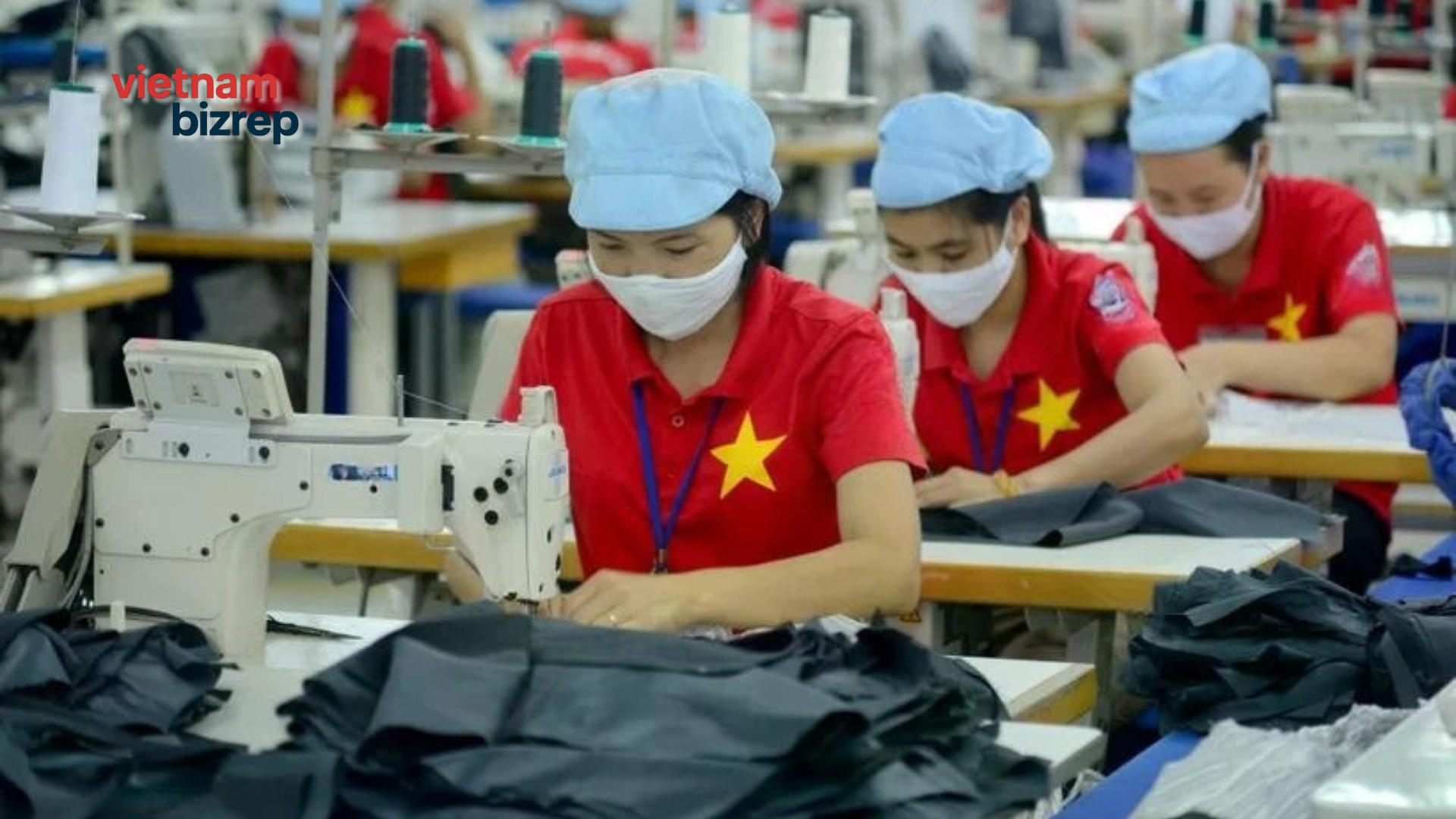
Want to navigate the complexities of sourcing? Discover essential factors for selecting the ideal Vietnam embroidery factory for your needs.
Vietnam Embroidery Factory Capabilities: Understanding Production Capacity and Specialization
Understanding the capabilities of a Vietnam embroidery factory is crucial for ensuring your production needs are met and your desired quality is achieved; therefore, this section delves into the essential aspects of evaluating a factory’s production capacity and its areas of specialization within the intricate world of vietnamese embroidery. By carefully examining these factors, businesses can make informed decisions when selecting a vietnam embroidery supplier that aligns with their specific requirements.
Assessing production capacity involves more than just looking at the size of the factory; it requires a comprehensive understanding of their resources. This includes evaluating the number of skilled artisans they employ, the quantity and types of embroidery machines available (e.g., manual, semi-automatic, automatic), and their material sourcing network. Factories with higher worker numbers and advanced equipment can generally handle larger orders and meet tight deadlines, while a diverse material sourcing network suggests the ability to work with a wider range of designs and fabrics. For instance, a factory boasting 500 artisans and 100 embroidery machines will likely possess a greater production capacity than a smaller facility with just 50 artisans and 10 machines.
Beyond sheer volume, specialization plays a significant role in the final product’s quality and suitability. Some embroidery factories in Vietnam focus on specific types of embroidery, such as hand embroidery, machine embroidery, or a combination of both. Others may specialize in particular products, such as clothing, home decor items, or accessories. Therefore, inquire about the factory’s experience with similar projects to yours, and request samples of their previous work to gauge their expertise. Vietnambizrep advises confirming that their specialization matches your products, ensuring high-quality output.
Furthermore, many vietnam embroidery factories now embrace technological advancements to enhance their capabilities. Computerized embroidery machines allow for intricate designs and mass production, while laser cutting technology enables precise fabric cutting and applique work. When selecting your embroidery manufacturer, assess the extent to which they utilize these technologies to optimize their production process. Embracing modern technology can lead to faster turnaround times, improved accuracy, and greater design possibilities.

Curious about production output? Explore the nuances of Vietnam embroidery factory capabilities, from capacity to specific areas of expertise.
Quality Control and Ethical Practices at Vietnam Embroidery Factories: Ensuring Compliance and Sustainability
The quality control processes and ethical practices implemented at Vietnam embroidery factories are crucial for ensuring compliance with international standards and promoting sustainable manufacturing. (Vietnam embroidery factories) are increasingly under scrutiny regarding the quality of their output and the ethical considerations surrounding labor practices and environmental impact.
-
Robust Quality Control Systems: Implementing comprehensive quality control systems is paramount for Vietnam embroidery manufacturers to meet the demands of global markets. These systems should encompass every stage of production, from the initial selection of raw materials to the final inspection of finished products. Factories often utilize AQL (Acceptable Quality Level) standards to define acceptable defect rates, with regular audits and inspections conducted to maintain consistent quality. For instance, a factory might implement a four-point system for fabric inspection, identifying and classifying defects to minimize their impact on the final product.
-
Ethical Labor Practices: Adherence to ethical labor practices is not just a moral imperative but also a business necessity for Vietnam embroidery factories. This includes ensuring fair wages, providing safe working conditions, and prohibiting child labor. Many factories are adopting SA8000 certification, which demonstrates their commitment to social accountability standards. Regular audits by independent organizations help to verify compliance with these standards, ensuring that workers are treated with respect and dignity.
-
Sustainable Manufacturing: Vietnam embroidery factories are progressively embracing sustainable manufacturing practices to minimize their environmental footprint. This involves using eco-friendly materials, reducing waste, and conserving energy. Some factories are investing in water treatment facilities to recycle wastewater, while others are exploring the use of organic cotton and natural dyes. By adopting these practices, Vietnam embroidery suppliers can contribute to a more sustainable future while also enhancing their brand image.
-
Compliance with International Standards: Maintaining compliance with international standards is essential for Vietnam embroidery factories to compete in the global marketplace. This includes adhering to regulations related to product safety, environmental protection, and labor rights. Factories often undergo certifications such as ISO 9001 (quality management), ISO 14001 (environmental management), and Oeko-Tex Standard 100 (textile safety). These certifications provide assurance to buyers that the products are manufactured according to established guidelines and meet stringent quality requirements.
Cost Factors and Pricing Structures in Vietnam Embroidery Manufacturing
Understanding the cost factors and pricing structures is crucial when considering Vietnam embroidery manufacturing. Successfully navigating the landscape of embroidery production requires a comprehensive grasp of elements influencing the final cost, from raw materials to labor and logistical considerations within the Vietnamese context. This knowledge empowers businesses to make informed decisions and secure competitive pricing for their embroidery needs.
Several key cost drivers shape the overall pricing in Vietnam embroidery factories. Firstly, the cost of materials such as fabric, threads (cotton, silk, polyester), and embellishments (beads, sequins) significantly impact the final price; the higher the quality and complexity of these materials, the greater the cost. Secondly, labor costs which encompass wages, benefits, and training for skilled artisans, play a vital role. Furthermore, production volume impacts pricing, with larger orders often leading to lower per-unit costs due to economies of scale.
Beyond direct production costs, various indirect expenses need consideration. These include overhead costs related to factory operations (rent, utilities), administrative expenses, and quality control measures. Additionally, shipping and logistics costs, including transportation, customs duties, and insurance, are essential components when calculating the total landed cost of the embroidered goods. VietnamBizRep assists businesses by providing detailed cost breakdowns from potential partners to ensure transparency.
The pricing structures employed by Vietnam embroidery suppliers typically fall into a few categories. Cost-plus pricing, where the factory adds a markup to cover costs and profit, is a common method. Competitive pricing, where prices are set based on market rates and competitor offerings, is also prevalent. Another structure is value-based pricing, where the price reflects the perceived value and quality of the embroidery. Negotiating favorable pricing structures and payment terms (e.g., Letter of Credit, T/T) with Vietnamese factories is crucial for cost optimization.
Finally, it’s essential to remember that ethical practices and sustainability initiatives can also impact pricing. Factories committed to fair wages, safe working conditions, and environmentally responsible production may have slightly higher costs compared to those that prioritize maximizing profits at all costs. Businesses should weigh these factors carefully and prioritize working with Vietnam embroidery factories that align with their values and promote responsible manufacturing.

Communication and Logistics When Working with a Vietnam Embroidery Supplier
Effective communication and streamlined logistics are paramount for successful collaboration with a Vietnam embroidery factory. Establishing clear channels and efficient processes ensures smooth order fulfillment, minimizes misunderstandings, and fosters a strong working relationship.
Successfully managing the intricacies of communication and logistics when collaborating with a Vietnam embroidery supplier requires a multi-faceted approach:
- Establishing Clear Communication Channels: Designate primary contacts on both ends, utilizing email, instant messaging, and video conferencing for regular updates and issue resolution. Providing multilingual support or hiring a translator can significantly reduce miscommunication.
- Order Management and Tracking: Implement a system for efficient order placement, tracking, and management. This includes detailed purchase orders, production schedules, and real-time tracking of shipments.
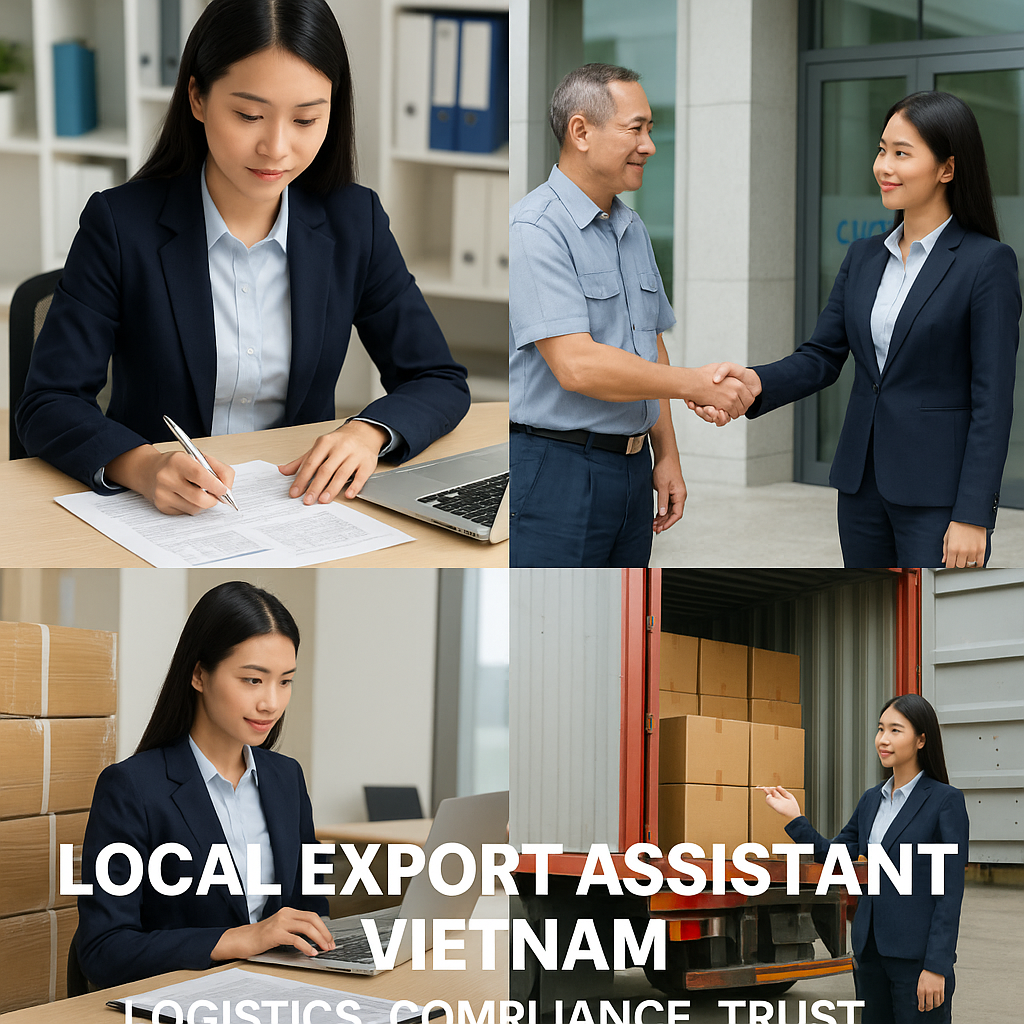
- Logistics and Shipping: Carefully consider shipping options, including sea freight, air freight, and express delivery, to balance cost and delivery time. Familiarize yourself with import/export regulations and customs procedures in both Vietnam and your country.
- Quality Control and Inspection: Establish a clear quality control process, including pre-production samples, in-process inspections, and final product inspections. This ensures that the embroidery meets your specifications and quality standards.
- Addressing Potential Challenges: Be prepared to address potential challenges such as language barriers, cultural differences, and time zone differences. Proactive communication and problem-solving are crucial for maintaining a positive working relationship.
To optimize logistics and prevent delays, clearly define shipping terms (e.g., FOB, CIF) and assign responsibilities for each stage of the process. Utilize reputable freight forwarders with experience in handling textile shipments from Vietnam. Furthermore, proactive communication regarding potential delays or changes in production schedules is crucial to maintain transparency and build trust. By prioritizing open communication and carefully managing logistics, businesses can cultivate successful and long-lasting partnerships with Vietnam embroidery factories.
Navigating Legal and Cultural Considerations in Vietnam Embroidery Manufacturing
Successfully engaging with a Vietnam embroidery factory requires careful attention to both the legal framework and the nuances of Vietnamese culture. Understanding these aspects is crucial for building strong, sustainable business relationships and ensuring smooth operation of your embroidery manufacturing projects. This section will explore key legal considerations and cultural sensitivities to help you navigate the Vietnamese business landscape effectively.
One of the primary legal considerations is ensuring compliance with Vietnam’s labor laws. These laws govern working conditions, wages, and employee benefits. For example, Circular 47/2015/TT-BLDTBXH details guidelines on labor contracts, working hours, and rest periods. Verifying that your chosen embroidery factory adheres to these standards not only ensures ethical sourcing but also minimizes the risk of legal complications and reputational damage for your brand. Failing to comply can lead to fines, legal disputes, and damage to your company’s reputation.
Beyond labor laws, it’s essential to address intellectual property rights. Vietnam is a member of the World Trade Organization (WTO) and has laws in place to protect trademarks, designs, and copyrights. However, enforcement can be challenging. Implementing robust contracts that clearly define IP ownership and confidentiality is a critical step. Partnering with a Vietnam embroidery supplier that has a proven track record of respecting intellectual property is also vital.
Cultural sensitivity is equally important. In Vietnamese culture, face or saving face is a significant concept. Direct criticism or confrontation should be avoided. Instead, use a diplomatic and respectful approach when addressing concerns or issues with the embroidery factory. Building rapport through personal connections and demonstrating respect for Vietnamese customs can greatly enhance your business relationship. For instance, presenting business cards with both hands or taking time to learn a few basic Vietnamese phrases can show respect and build trust.
Finally, be aware of the importance of guanxi (relationships) in Vietnamese business culture. Business decisions are often influenced by personal connections and trust. Building strong relationships with key personnel at the Vietnam embroidery factory can facilitate communication, problem-solving, and long-term collaboration. This might involve spending time getting to know your counterparts, participating in social events, or offering small, thoughtful gifts. Nurturing these relationships can lead to more favorable terms, smoother operations, and a more resilient partnership.

Building Long-Term Relationships with Vietnam Embroidery Factories: Partnership and Growth
Cultivating long-term relationships with Vietnam embroidery factories is crucial for sustained success and mutual growth in the embroidery business. Establishing these partnerships transcends transactional interactions, evolving into strategic alliances that foster innovation, improve quality, and ensure reliable production. This section explores the essential elements of building robust relationships with Vietnamese manufacturers, emphasizing communication, trust, and shared goals.
-
Open and Consistent Communication: Maintaining transparent communication channels is paramount. Regular updates on market trends, design changes, and production schedules facilitate proactive adjustments and prevent misunderstandings. For instance, implementing weekly video conferences or establishing a dedicated communication liaison can significantly enhance information flow.
-
Mutual Respect and Cultural Sensitivity: Acknowledging and respecting cultural nuances within Vietnamese business practices strengthens relationships. Understanding local customs, such as the importance of face and building trust, can lead to more effective negotiations and collaboration. This could involve learning basic Vietnamese phrases or being mindful of hierarchical structures within the factory.
-
Fair Pricing and Contractual Agreements: Negotiating fair pricing that recognizes the factory’s overhead and profit margins while remaining competitive is essential for long-term sustainability. Clear and comprehensive contractual agreements outlining payment terms, quality standards, and intellectual property rights protect both parties. For example, contracts should specify acceptable defect rates and procedures for resolving disputes.
-
Investing in Training and Development: Providing training and development opportunities for factory workers enhances their skills and improves product quality. This could involve offering workshops on new embroidery techniques, quality control procedures, or sustainable manufacturing practices. Investing in the workforce demonstrates a commitment to the factory’s success and fosters loyalty.
-
Collaborative Problem-Solving: Approaching challenges as collaborative opportunities strengthens partnerships. Instead of assigning blame, working together to identify the root cause of problems and implement effective solutions fosters trust and mutual respect. For example, if a quality issue arises, working with the factory to analyze the production process and identify areas for improvement can prevent future occurrences.
-
Long-Term Vision and Shared Goals: Aligning long-term visions and establishing shared goals create a strong foundation for enduring partnerships. This involves discussing future growth plans, market expansion strategies, and sustainability initiatives. When both parties are working towards common objectives, they are more likely to invest in the relationship and overcome challenges together. Vietnambizrep can play a pivotal role in facilitating these strategic alignments.
Before placing orders with any supplier, overseas buyers are advised to conduct a Vietnam factory audit to assess production facilities, compliance, and capacity. A local supplier verification service can confirm business legitimacy, certifications, and production capability.
Vietnam Biz Rep helps overseas buyers find suppliers, verify factories, coordinate samples, inspect goods, and follow up production in Vietnam. Learn more about our Vietnam sourcing agent services or contact us to discuss your sourcing requirements.
