

Importing branded shoes from Vietnam presents a lucrative opportunity for businesses worldwide seeking competitive pricing and high-quality manufacturing. This comprehensive guide, tailored for pragmatic business professionals like you, will delve into the intricacies of sourcing reputable suppliers, navigating export regulations, understanding customs procedures, and mastering quality control to ensure a seamless import process. Within the vietnambizrep category, we’ll equip you with actionable strategies for negotiating favorable contracts, minimizing supply chain risks, and ultimately maximizing your profit margins when importing footwear from Vietnam in 2025.
Identifying Reputable Branded Shoe Suppliers in Vietnam: A Comprehensive Guide
Sourcing branded shoes from Vietnam can be a lucrative venture, but finding reputable suppliers is crucial for success; this guide provides a comprehensive overview of how to import branded shoes from Vietnam by identifying reliable partners. Navigating the Vietnamese market requires a strategic approach, focusing on verification and due diligence to ensure you partner with legitimate businesses that can meet your quality and authenticity standards. By understanding the landscape and implementing effective screening methods, you can mitigate risks and establish a sustainable supply chain.
To begin your search for branded shoe suppliers, leverage online platforms and industry directories. Alibaba, Global Sources, and specialized B2B marketplaces often list Vietnamese manufacturers and suppliers. However, it’s vital to scrutinize listings, verify business licenses, and check for certifications like ISO 9001 or WRAP (Worldwide Responsible Accredited Production), which indicate adherence to international standards. Participation in relevant trade shows, such as the Vietnam International Shoe Machinery & Material Industry Exhibition (Shoes & Leather Vietnam), allows for face-to-face interactions and firsthand assessment of product quality.
Beyond online research, consider these steps for identifying reliable shoe manufacturers:
- Factory Visits: Schedule on-site visits to assess production capacity, quality control processes, and working conditions. Direct observation provides invaluable insights that online profiles cannot convey.
- Reference Checks: Request and contact references from previous clients to gather feedback on the supplier’s reliability, product quality, and communication skills.
- Third-Party Inspections: Engage a reputable inspection agency to conduct pre-shipment inspections, verifying product quality, quantity, and compliance with agreed-upon specifications.
Protecting your business involves thoroughly vetting potential branded shoe providers and ensuring compliance with Vietnamese regulations.

Learn more about finding reliable suppliers in our detailed guide: How to Find Suppliers in Vietnam.
Legal Considerations for Importing Branded Shoes from Vietnam: Protecting Your Business
Navigating the legal landscape of importing branded shoes from Vietnam is crucial for safeguarding your business and ensuring compliance. Understanding the legal considerations involved in this process helps protect your investment and prevents potential legal repercussions. This section provides a comprehensive overview of the key legal aspects you need to be aware of.
Successfully importing footwear requires careful attention to various regulations related to intellectual property rights, customs compliance, and product safety standards. Failing to adhere to these regulations can lead to serious consequences, including seizure of goods, fines, and legal action. Therefore, conducting thorough due diligence and seeking expert legal advice are paramount to mitigate risks and ensure a smooth import process.
Here are key areas to consider:
-
Intellectual Property Rights: Ensuring that you have the legal right to import branded shoes is paramount. This involves verifying the authenticity of the products and obtaining permission from the brand owner or authorized distributor. Importing counterfeit or infringing goods can result in severe legal penalties, including criminal charges and substantial fines. For instance, working with Vietnambizrep can help authenticate suppliers and verify brand authorizations.
-
Customs Compliance: Accurate declaration of goods and adherence to Vietnamese and importing country’s customs regulations are critical. This includes providing correct product descriptions, values, and country of origin information. Failure to comply with customs laws can lead to delays, penalties, and seizure of goods. Consult with a customs broker to ensure compliance with all relevant regulations.
-
Import Licenses and Permits: Depending on the importing country, you may need to obtain specific licenses and permits to import shoes. Research the requirements of your destination country and ensure that you have all the necessary documentation prior to shipment. Failure to obtain the required licenses and permits can result in shipment delays and legal penalties. For example, the US requires compliance with the Textile Fiber Products Identification Act (TFPIA).
-
Product Safety Standards: Branded shoes must meet the safety standards of the importing country. This includes regulations regarding materials used, chemical content, and labeling requirements. Ensure that your suppliers comply with these standards and provide testing reports to verify compliance. Non-compliance can lead to product recalls and legal action. For example, in the EU, footwear must comply with REACH regulations regarding chemical substances.
-
Contract Law: Having a legally sound contract with your Vietnamese shoe supplier is essential to protect your interests. The contract should clearly define the terms of the agreement, including product specifications, pricing, payment terms, delivery schedules, and dispute resolution mechanisms. Seek legal advice to ensure that the contract adequately protects your rights and interests.
By diligently addressing these legal considerations, you can significantly reduce the risks associated with importing branded shoes from Vietnam and protect your business from potential legal liabilities.
Assessing Shoe Quality and Authenticity: Due Diligence Strategies for Importers.
Ensuring shoe quality and authenticity is paramount for importers aiming to import branded shoes from Vietnam and protect their business reputation. Diligence strategies are critical in verifying the quality of materials, construction, and design to meet international standards and consumer expectations. This process helps minimize risks associated with counterfeit products and substandard goods.
To effectively assess shoe quality, importers should implement several key strategies:
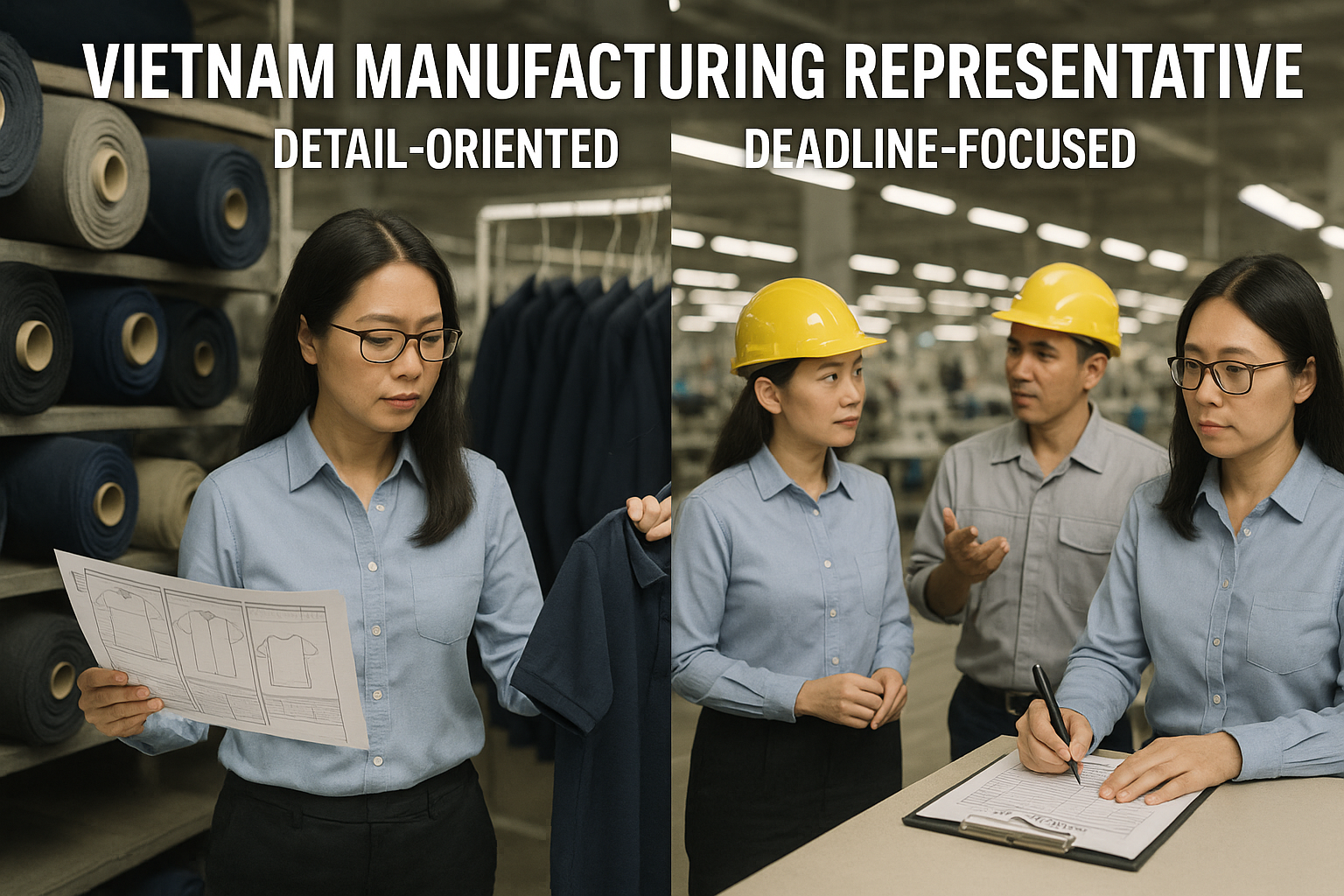
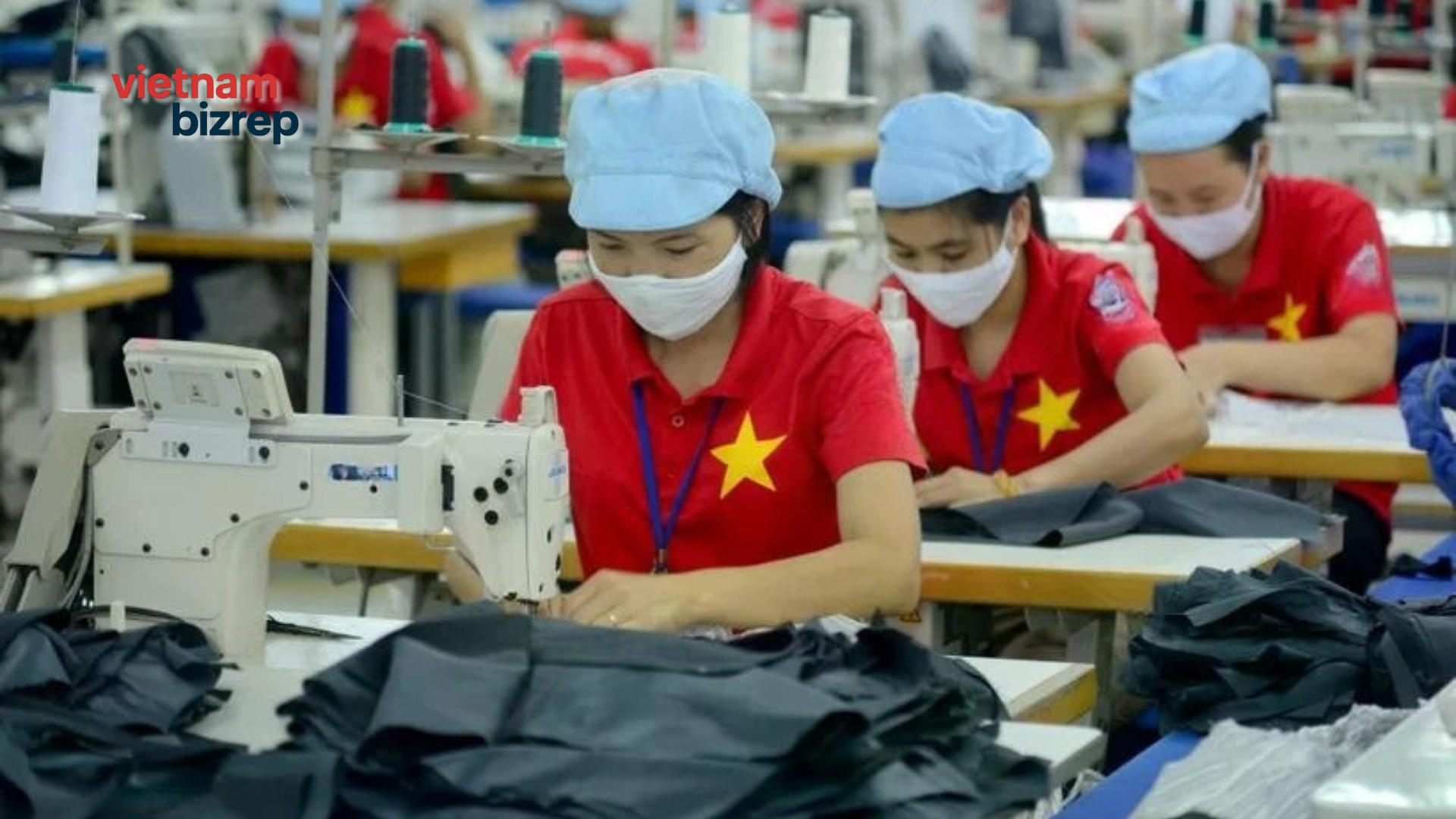
- Supplier Audits: Conducting thorough audits of potential Vietnamese shoe suppliers is vital to verify their manufacturing capabilities, quality control processes, and adherence to ethical labor practices. This includes on-site inspections to assess factory conditions, equipment, and the skills of the workforce.
- Material Testing: Requesting material testing reports from certified laboratories ensures that the raw materials used in shoe production meet required specifications for durability, safety, and environmental compliance. Testing should cover parameters such as tear strength, abrasion resistance, and chemical content.
- Sample Inspection: Before placing bulk orders, importers should request and meticulously inspect samples of the shoes. This involves evaluating the stitching quality, sole adhesion, overall construction, and conformity to the brand’s design. Any deviations or defects should be promptly addressed with the supplier.
- Third-Party Inspection: Engaging independent inspection agencies to conduct quality checks during various stages of production, from raw material sourcing to finished goods, provides an objective assessment of shoe quality. These agencies can identify potential issues and ensure corrective actions are implemented.
- Factory Visits: Visiting the Vietnamese manufacturers’ facilities in person helps you assess their production capabilities, quality control processes, and overall professionalism. It also allows you to build a stronger relationship with the supplier and communicate your quality expectations directly.
Verifying authenticity is equally crucial to prevent the import of counterfeit branded shoes. Importers can employ the following measures:
- Trademark Verification: Confirming the supplier’s legal authorization to manufacture and export shoes bearing specific trademarks is essential. Importers should request documentation such as trademark licenses and authorization letters from the brand owner.
- Detailed Product Specifications: Providing suppliers with comprehensive product specifications, including design drawings, material specifications, and manufacturing guidelines, helps minimize the risk of deviations and unauthorized alterations.
- Secure Packaging and Labeling: Implementing secure packaging and labeling measures, such as holographic stickers, QR codes, and tamper-evident seals, can deter counterfeiting and enable consumers to verify the authenticity of the shoes.
- Background Checks: Conducting background checks on potential suppliers, including their business history, reputation, and any previous involvement in counterfeiting activities, helps identify and mitigate risks. Reputable sources of information include industry associations, trade directories, and government agencies.
- Monitoring Market Trends: Staying informed about emerging counterfeiting trends and techniques allows importers to proactively adapt their due diligence strategies and implement new measures to combat the illicit trade.
By implementing these comprehensive due diligence strategies, importers can effectively assess shoe quality and authenticity, minimize risks, and protect their business interests in the branded shoe market from Vietnam.

Negotiating Favorable Terms and Pricing with Vietnamese Shoe Manufacturers: Maximizing Profitability.
Successfully negotiating favorable terms and pricing with Vietnamese shoe manufacturers is crucial for importers aiming to maximize profitability when importing branded shoes from Vietnam. This involves understanding the nuances of the Vietnamese market, building strong supplier relationships, and employing effective negotiation strategies to secure the best possible deals.
Several factors influence the pricing of shoes manufactured in Vietnam. These include:
- Material costs: Fluctuations in raw material prices (leather, rubber, textiles) directly affect the final price.
- Labor costs: Vietnam’s labor costs, while generally competitive, can vary based on location and skill level.
- Production volume: Larger orders often qualify for volume discounts, reducing the per-unit cost.
- Manufacturing complexity: Intricate designs and specialized features can increase production costs.
To achieve favorable pricing, conduct thorough market research to benchmark prices from different suppliers. Preparing to negotiate with data on prevailing material costs and labor rates empowers you to justify your target prices. Furthermore, emphasizing a long-term partnership based on mutual benefit, rather than solely focusing on price reduction, fosters trust and cooperation, ultimately resulting in more advantageous terms.
Building a strong relationship extends beyond initial negotiations. Consistent communication, prompt payment, and a commitment to fair business practices contribute to a more collaborative and mutually beneficial partnership. Consider offering incentives for early payment or agreeing to minimum order quantities to demonstrate your commitment and potentially unlock further discounts. By adopting these strategies, importers can successfully negotiate favorable terms and pricing with Vietnamese shoe manufacturers, enhancing their profitability and securing a competitive edge in the global market.
Navigating Vietnamese Customs and Import Regulations: A Step-by-Step Export Process
Understanding and adhering to Vietnamese customs regulations is crucial for successfully importing branded shoes from Vietnam. This section provides a detailed, step-by-step guide to navigate the export process, ensuring a smooth and compliant transaction for your business, and minimizing potential delays or penalties.
To successfully export branded shoes from Vietnam, importers must meticulously follow a multi-stage process. This process encompasses everything from preparing the necessary documentation to complying with inspection procedures.
Here’s a breakdown of the key steps:
-
Step 1: Preparing Essential Documentation: The initial stage involves gathering all required export documents. This includes a commercial invoice, packing list, bill of lading (or airway bill for air freight), export permit (if required for certain types of shoes), certificate of origin (C/O) to potentially benefit from preferential tariff rates, and other documents as specified by Vietnamese customs. Accurate and complete documentation is paramount to avoid delays and ensure compliance.
-
Step 2: Customs Declaration: Once the documentation is prepared, the exporter (typically the Vietnamese shoe manufacturer, or Vietnambizrep acting on your behalf) must submit a customs declaration to the Vietnamese Customs authorities. This declaration provides detailed information about the goods being exported, including their description, quantity, value, and origin. The declaration can be submitted electronically through the Vietnam Automated Cargo Clearance System (VNACCS).
-
Step 3: Customs Inspection: Vietnamese Customs may conduct a physical inspection of the shoe shipment to verify the accuracy of the declared information and ensure compliance with regulations. The level of inspection depends on various factors, including the risk profile of the exporter and the type of goods being exported. If selected for inspection, the exporter will need to cooperate with customs officials and provide access to the goods.
-
Step 4: Duty and Tax Payment (if applicable): While export duties are generally not levied in Vietnam, certain taxes or fees may apply depending on the specific type of shoes and the export destination. The exporter is responsible for paying any applicable duties or taxes before the goods can be released for shipment.
-
Step 5: Export Clearance: After the customs declaration has been processed, the goods have been inspected (if required), and all applicable duties and taxes have been paid, Vietnamese Customs will issue an export clearance. This clearance authorizes the exporter to ship the goods out of Vietnam.
-
Step 6: Shipping and Logistics: With export clearance secured, the exporter can proceed with arranging the shipping and logistics for the shoe shipment. This includes selecting a suitable mode of transport (sea, air, or land), booking freight space, and coordinating with a freight forwarder or shipping company to transport the goods to their final destination.
-
Step 7: Post-Export Compliance: Even after the shoes have been exported, it’s crucial to maintain accurate records of all export transactions for a specified period (usually five years) to comply with post-export audit requirements.
Navigating Vietnamese import regulations can seem daunting, but by diligently following these steps and seeking expert guidance when needed, importers can ensure compliance and avoid costly disruptions to their supply chain when importing branded shoes from Vietnam. Working with a reputable sourcing agent like Vietnambizrep can significantly simplify this process, as we possess in-depth knowledge of local regulations and can assist with all aspects of the export process.
Logistics and Shipping Options for Importing Shoes from Vietnam: Cost-Effective Strategies.
Choosing the right logistics and shipping options is crucial for importing branded shoes from Vietnam efficiently and cost-effectively. Understanding the available methods, from sea freight to air freight, and optimizing your supply chain can significantly impact your profitability when importing shoes from Vietnam. This section explores diverse shipping methods and strategies to minimize expenses while maintaining reliable delivery timelines for your shoe imports.
Several factors influence the choice of shipping method when importing shoes: volume, urgency, and budget.
- Sea freight is generally the most cost-effective option for large shipments, but transit times can be longer, typically ranging from 20 to 45 days.
- Air freight offers faster delivery, usually within 3 to 7 days, but at a higher cost, making it suitable for urgent orders or smaller volumes.
- Express shipping, handled by companies like DHL, FedEx, and UPS, provides the quickest delivery times but is the most expensive option. Selecting the optimal mode hinges on balancing speed requirements with budgetary constraints.
Effective cost-effective strategies involve consolidating shipments, negotiating rates with freight forwarders, and leveraging Incoterms. Consolidating multiple orders into a single shipment reduces per-unit shipping costs. Building strong relationships with Vietnamese shoe suppliers and freight forwarders allows for better negotiation of shipping rates. Familiarizing yourself with Incoterms, such as FOB (Free on Board) and CIF (Cost, Insurance, and Freight), enables you to understand cost responsibilities and optimize your overall shipping expenses. For example, negotiating FOB terms allows you to control the shipping process and potentially secure better rates. Finally, consider working with a reputable logistics partner like Vietnambizrep that has expertise in Vietnamese import/export regulations and can advise on the most efficient routing and customs clearance procedures.
Building Long-Term Relationships with Vietnamese Shoe Suppliers: Sustainable Business Practices
Building long-term relationships with Vietnamese shoe suppliers is paramount for ensuring a stable supply chain and fostering sustainable business practices. Importing branded shoes from Vietnam requires more than just finding a supplier; it demands cultivating trust, mutual respect, and a shared commitment to ethical and environmentally responsible operations.
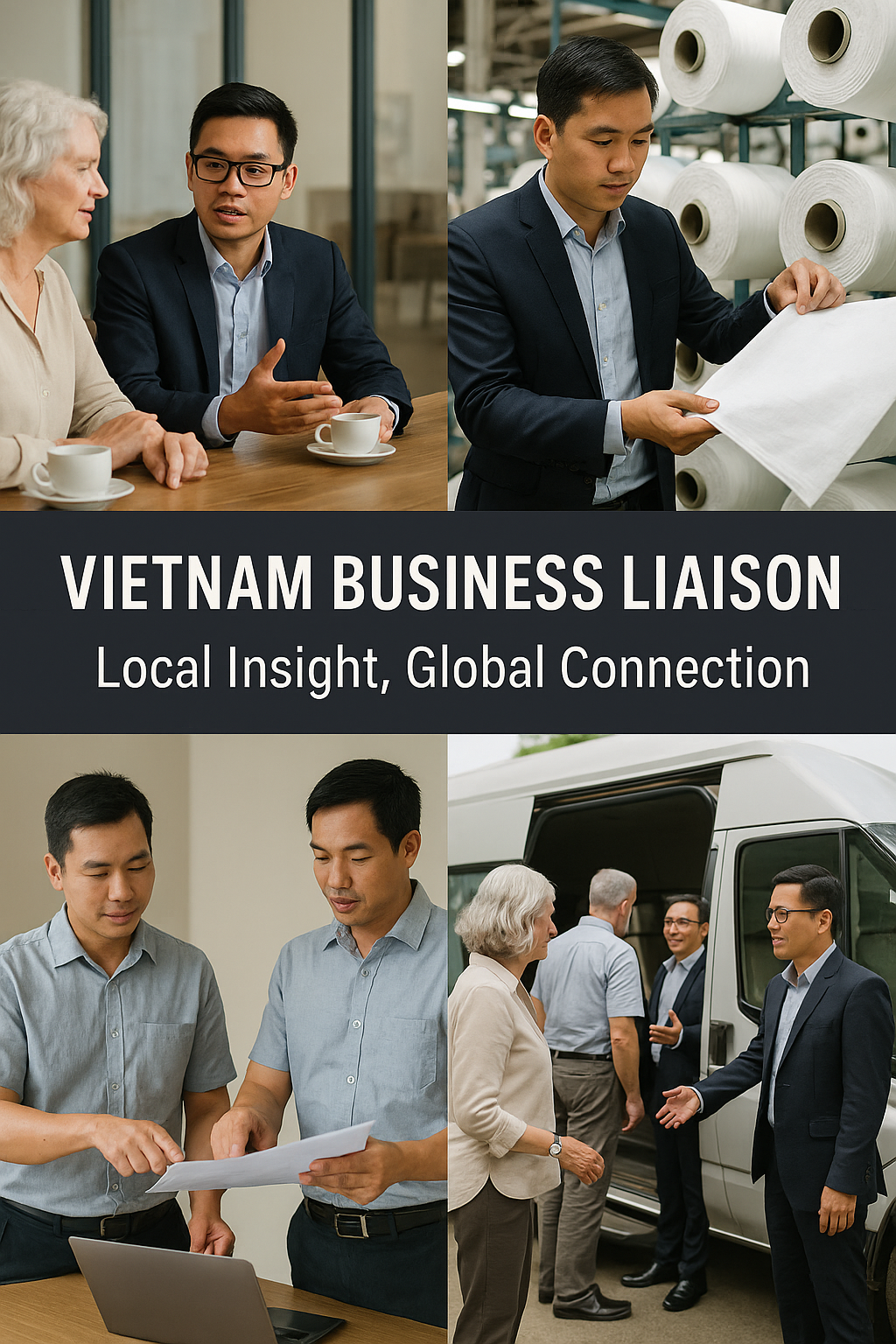
To cultivate a lasting partnership with Vietnamese shoe manufacturers, prioritize transparent communication and ethical dealings. Effective communication involves clearly defining expectations, addressing concerns promptly, and maintaining open dialogue throughout the business relationship. Ethical conduct encompasses fair pricing, respecting intellectual property rights, and adhering to labor standards. For example, Vietnambizrep can assist in conducting due diligence to ensure suppliers comply with international labor laws and environmental regulations, minimizing risks and promoting ethical sourcing.
Adopting sustainable practices strengthens relationships with Vietnamese shoe suppliers by aligning business goals with social and environmental responsibility. This includes supporting suppliers who invest in eco-friendly materials, reduce waste, and improve working conditions. By prioritizing suppliers committed to sustainability, importers can enhance their brand reputation and appeal to environmentally conscious consumers. Consider offering incentives for suppliers to adopt greener practices, such as preferential pricing or long-term contracts, incentivizing their commitment to sustainable production methods. This collaborative approach not only reduces environmental impact but also fosters trust and loyalty between partners.
Investing in cultural understanding and fostering mutual respect is crucial for building strong, enduring relationships with Vietnamese suppliers. Familiarize yourself with Vietnamese business etiquette, values, and customs to demonstrate respect and build rapport. Regular visits to supplier facilities, attending industry events in Vietnam, and learning basic Vietnamese phrases can significantly enhance communication and strengthen bonds. Furthermore, recognizing and celebrating cultural holidays or milestones with your suppliers can foster a sense of camaraderie and demonstrate genuine appreciation for their partnership.
These practices contribute to a more resilient and ethical supply chain, benefiting both your business and the Vietnamese community.
Payment Methods and Financial Security When Importing Shoes from Vietnam: Minimizing Risks
Choosing the right payment methods and implementing robust financial security measures is crucial when importing branded shoes from Vietnam to minimize risks. Understanding the nuances of Vietnamese business practices and international trade regulations is paramount to safeguard your investment and ensure smooth transactions. This section delves into various payment options, strategies to mitigate financial risks, and essential due diligence steps.
Selecting appropriate payment methods significantly impacts financial security during import transactions.
- Letters of Credit (L/C) offer a high level of security, as payment is guaranteed by a bank upon fulfillment of specific conditions outlined in the agreement. This method provides strong protection for both the buyer and seller, especially for large transactions.
- Documentary Collections involve banks acting as intermediaries to handle documents and payments, offering a balance between security and cost-effectiveness. However, the buyer only receives the documents (and thus, the goods) after payment or acceptance of a draft.
- Telegraphic Transfers (TT), also known as wire transfers, are a fast and convenient option, but generally carry higher risk. It’s crucial to establish trust with your Vietnamese supplier before opting for TT payments, especially for initial orders.
- Using escrow services, where a neutral third party holds funds until goods are received and inspected, can further enhance security, particularly for new business relationships.
Mitigating financial risks requires a multifaceted approach encompassing due diligence, contract negotiation, and insurance. Before committing to any payment, conduct thorough background checks on your Vietnamese shoe suppliers to assess their financial stability and reputation. Obtain credit reports, verify business licenses, and seek references from other importers. Furthermore, negotiate clear payment terms in your contract, including milestones for partial payments, inspection rights, and dispute resolution mechanisms. Consider purchasing trade credit insurance to protect against potential losses due to supplier insolvency or non-payment. This insurance safeguards your investment and provides recourse in case of unforeseen circumstances.
To bolster financial security, consider these practices:
- Diversify suppliers: Avoid relying solely on a single supplier to reduce the impact of potential disruptions.
- Regular audits: Conduct periodic audits of your suppliers’ operations to ensure compliance with quality standards and ethical business practices.
- Currency hedging: Manage currency exchange rate fluctuations by utilizing hedging instruments to stabilize costs and protect profit margins.
- Secure communication channels: Employ secure communication channels for all financial transactions to prevent fraud and data breaches.
Common Challenges and Solutions When Importing Branded Shoes from Vietnam: Troubleshooting Guide
Importing branded shoes from Vietnam can be a lucrative venture, but it’s not without its hurdles. This troubleshooting guide addresses common challenges encountered during the import process and offers actionable solutions to mitigate risks and ensure a smooth operation. Understanding these potential pitfalls is crucial for businesses seeking to capitalize on the growing Vietnamese footwear industry.
One of the primary obstacles importers face is counterfeit products. To combat this, rigorous due diligence is essential. Verifying the supplier’s credentials, requesting samples for thorough inspection, and conducting factory audits are vital steps. Furthermore, engaging a third-party inspection agency can provide an unbiased assessment of product authenticity before shipment. For example, organizations like Bureau Veritas or SGS offer these services, and are crucial to protect your brand.
Another significant challenge is quality control. Inconsistent manufacturing standards can lead to defective or substandard products. Implementing a robust quality control system is paramount. This involves establishing clear quality specifications, conducting inspections at various stages of production, and having a system in place for addressing defects promptly. Regular communication with the manufacturer and on-site visits can also help maintain quality standards.
Navigating customs regulations can also be complex. Misunderstanding or failing to comply with Vietnamese and international import regulations can result in delays, fines, or even seizure of goods. To avoid these issues, it is recommended to work with a reputable customs broker who possesses in-depth knowledge of the relevant laws and procedures. This expert can guide you through the necessary paperwork, ensure compliance, and expedite the clearance process.
Finally, communication barriers can hinder effective collaboration. Language differences and cultural nuances can lead to misunderstandings and delays. Investing in translation services or hiring bilingual staff can bridge this gap. Building strong relationships with your Vietnamese suppliers through regular communication, cultural sensitivity, and mutual respect is crucial for long-term success. Attending trade shows and factory visits can help in this process.
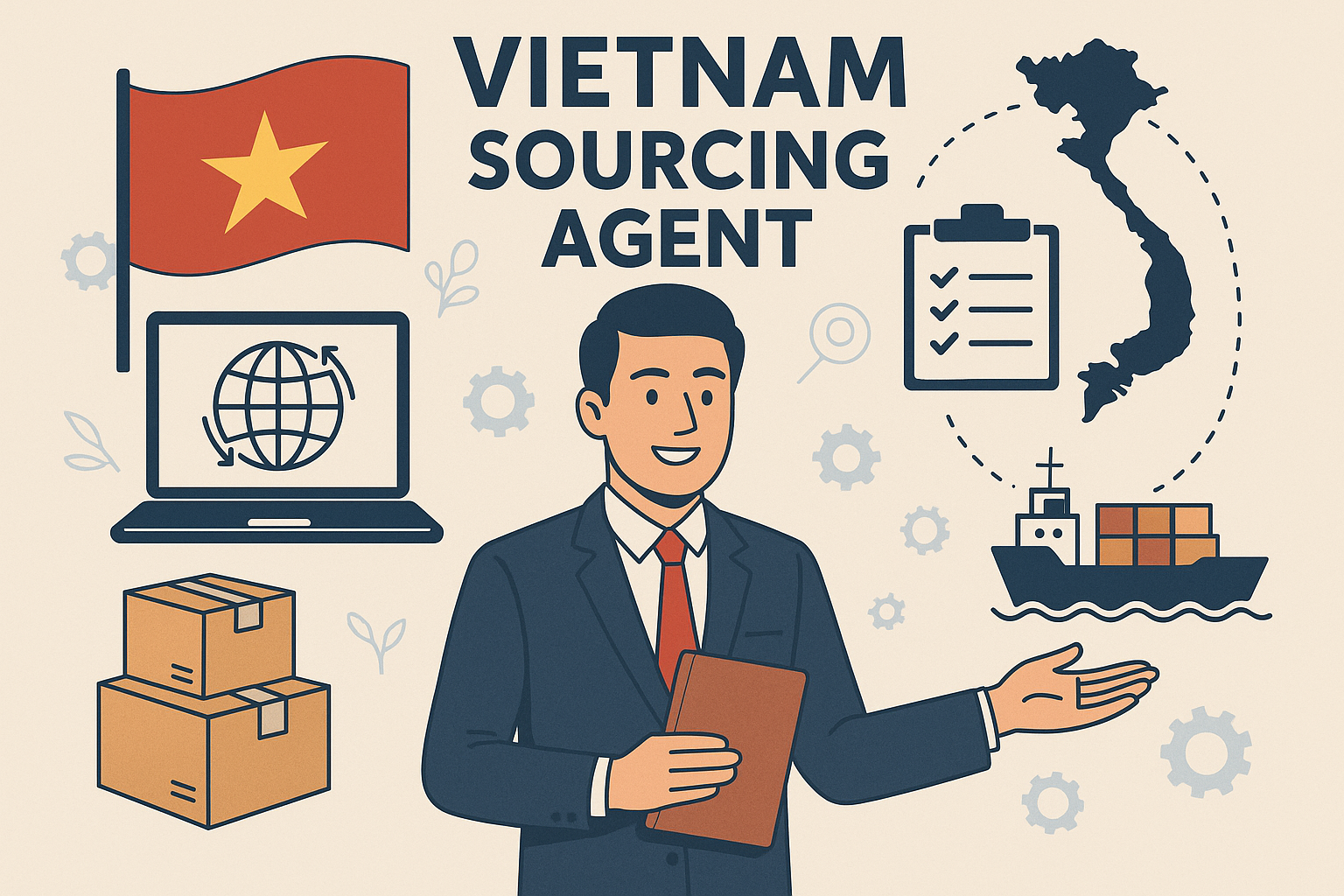
Vietnam Biz Rep helps overseas buyers find suppliers, verify factories, coordinate samples, inspect goods, and follow up production in Vietnam. Learn more about our Vietnam sourcing agent services or contact us to discuss your sourcing requirements.
If footwear is your specific product category, see our guide to finding a Vietnam shoe factory guide.
