


Navigating the complexities of the apparel industry services landscape is crucial for success in today’s competitive market. This article, tailored for the pragmatic professional, cuts through the noise to deliver actionable insights into key areas such as garment manufacturing in Vietnam, vital for optimizing your supply chain and boosting profitability. We’ll delve into essential aspects like sourcing strategies, exploring how to identify reliable garment manufacturers and establish robust quality control processes. Furthermore, we will examine supply chain optimization techniques to streamline your operations, reduce costs, and enhance efficiency. Finally, we’ll analyze the latest trends in sustainable apparel production, providing you with the knowledge to meet the growing demand for eco-conscious fashion. Equip yourself with the knowledge to thrive in the apparel industry in 2025.
Key Apparel Industry Services in Vietnam: From Design to Distribution
The apparel industry services in Vietnam offer a comprehensive suite of solutions, effectively covering every stage of the clothing manufacturing process, from initial design concepts to final distribution. This end-to-end approach, facilitating a seamless supply chain, has positioned Vietnam as a key player in the global garment sector and contributes significantly to the efficiency and cost-effectiveness sought by international brands. These services encompass not only the physical production of garments but also critical pre- and post-production phases that ensure quality and timely delivery.
Design and Product Development: Vietnamese apparel manufacturers are increasingly offering design and product development services to cater to brands seeking creative input and technical expertise. This includes trend analysis, fabric sourcing, pattern making, sampling, and prototyping. For instance, a manufacturer might assist a brand in developing a new line of sustainable activewear, from initial sketches to creating a fully functional prototype. The ability to provide design support reduces lead times and streamlines the development process.
Sourcing and Procurement: A critical aspect of apparel industry services involves sourcing high-quality raw materials and components. Vietnam has a growing network of suppliers providing fabrics, trims, and accessories. Manufacturers often have established relationships with these suppliers, enabling them to negotiate competitive prices and ensure the timely availability of materials. This sourcing expertise is especially valuable for brands seeking specific materials or sustainable options.
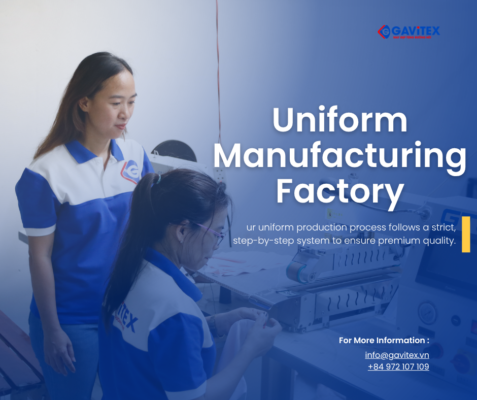
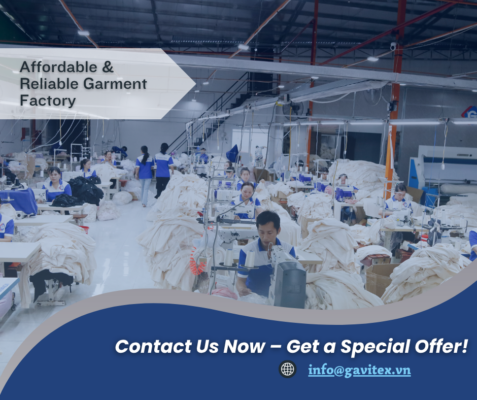
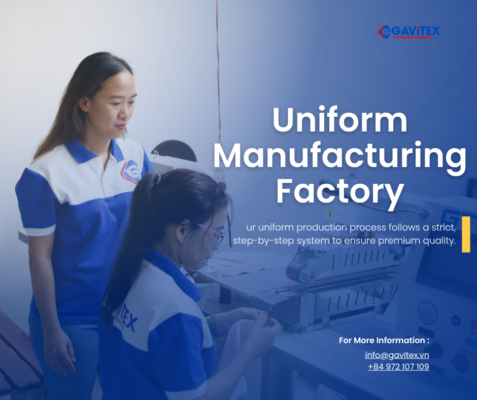
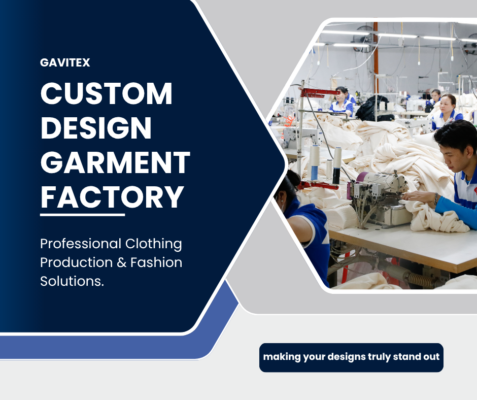
Manufacturing and Production: The core of the apparel industry services is, of course, manufacturing. Vietnamese factories are equipped with modern machinery and skilled labor to produce a wide range of garments, from basic apparel to complex designs. Production capabilities include cutting, sewing, finishing, and quality control. Lean manufacturing principles and efficient production processes are increasingly adopted to optimize output and minimize waste. For example, many factories are implementing automated cutting systems and modular production lines to enhance efficiency and reduce labor costs.
Quality Control and Assurance: Maintaining high quality standards is paramount in the apparel industry. Vietnamese manufacturers typically have stringent quality control procedures in place, covering all stages of production. This includes inspecting raw materials, monitoring production processes, and conducting final product inspections. Many factories also obtain certifications such as ISO 9001 to demonstrate their commitment to quality management.
Logistics and Distribution: The final stage of apparel industry services involves logistics and distribution. This encompasses warehousing, packaging, labeling, and shipping. Many manufacturers offer complete logistics solutions, managing the entire process from factory to customer. They work with established logistics providers to ensure timely and cost-effective delivery to destinations worldwide. The rise of e-commerce has also spurred the development of specialized logistics services tailored to online retail.
Finding the Right Garment Manufacturer in Vietnam: A Due Diligence Checklist
Finding the right garment manufacturer in Vietnam is a critical step for apparel businesses looking to optimize their supply chain and ensure quality production. Selecting a reliable apparel industry services partner requires thorough due diligence to minimize risks and maximize the potential for a successful and long-term collaboration. This section provides a comprehensive checklist to guide you through the process of evaluating potential manufacturers, ensuring they meet your specific needs and compliance standards.
Before committing to a manufacturer, assessing their capabilities is essential. Start by verifying their business license and certifications to confirm their legal standing and compliance with industry regulations. Conduct a thorough factory audit, either in person or through a reputable third-party inspection service, to evaluate their production capacity, equipment, and overall operational efficiency. Understanding their experience with similar products and materials to yours is also key; request samples and references to assess their quality control processes and adherence to your desired standards.
Here’s a checklist to guide your due diligence:
- Legal and Financial Stability: Verify business license, tax registration, and financial statements.
- Production Capacity and Capabilities: Assess equipment, workforce, and production volume.
- Quality Control Systems: Review quality assurance procedures and certifications (e.g., ISO 9001).
- Ethical and Social Compliance: Check for certifications like WRAP, BSCI, or SA8000, and adherence to labor laws.
- Communication and Responsiveness: Evaluate their communication skills and response time to inquiries.
- Intellectual Property Protection: Understand their policies and measures to safeguard your designs.
- Pricing and Payment Terms: Obtain clear and transparent pricing structures and payment terms.
- Logistics and Shipping: Assess their shipping capabilities and experience with international logistics.
Beyond basic checks, delving into a manufacturer’s ethical and social responsibility practices is vital. Request information on their labor standards, ensuring they comply with Vietnamese labor laws and international norms regarding working hours, wages, and employee welfare. Confirm their commitment to environmental sustainability by inquiring about their waste management practices, water usage, and energy efficiency initiatives. Checking for certifications like WRAP, BSCI, or SA8000 can provide assurance of their ethical and social compliance. overseas buyers, as a responsible brand, prioritizes partnerships with manufacturers who share these values.
Finally, clear communication and understanding of contractual terms are paramount. Evaluate the manufacturer’s communication skills and responsiveness to inquiries, ensuring they can effectively understand and address your needs. Obtain a detailed and transparent pricing structure, including all costs associated with production, materials, and shipping. Review the contract carefully, paying close attention to clauses related to intellectual property protection, quality control, and dispute resolution. Establishing clear expectations and safeguards from the outset will foster a strong and mutually beneficial partnership with your Vietnamese garment manufacturer.
Navigating Legal and Regulatory Compliance for Apparel Manufacturing in Vietnam
Successfully navigating the landscape of legal and regulatory compliance is crucial for any company engaged in apparel industry services in Vietnam. Understanding and adhering to Vietnamese law not only ensures smooth operations but also safeguards your business from potential penalties and legal disputes. This section delves into the key aspects of compliance, offering a practical guide for apparel manufacturers and related businesses operating in Vietnam.
Vietnam’s legal framework for manufacturing, including the apparel industry, is governed by a complex web of laws and regulations spanning investment, labor, customs, environmental protection, and more. Overseas buyers and foreign investors need to be acutely aware of these regulations to avoid pitfalls. Key areas of focus include:
- Investment Law: Regulates the establishment and operation of foreign-invested enterprises, including licensing and investment incentives.
- Labor Law: Sets standards for employment contracts, working hours, wages, social insurance, and workplace safety, ensuring fair treatment of employees in the garment factories.
- Environmental Protection Law: Enforces regulations on waste management, pollution control, and environmental impact assessments, crucial for sustainable apparel manufacturing.
- Customs Law: Governs the import and export of goods, including raw materials, finished products, and equipment, affecting the supply chain of apparel manufacturers.
- Law on Enterprises: Sets out legal frameworks for enterprise establishment and operation.
- Specialized laws and regulations: Governing specific aspects of the apparel industry such as textile and garment labeling regulations, fire safety regulations, and regulations on chemicals management.
Due diligence is vital before establishing or partnering with a garment manufacturer in Vietnam. This involves thoroughly vetting potential partners to ensure they have the necessary licenses, permits, and certifications to operate legally. For example, verifying the manufacturer’s compliance with environmental regulations, such as having a valid environmental impact assessment (EIA), is crucial to avoid potential legal repercussions. In addition, investigating the manufacturer’s labor practices, including compliance with minimum wage laws and social insurance requirements, is important for ensuring ethical and sustainable sourcing. Failing to conduct adequate due diligence can lead to legal issues, financial losses, and reputational damage.
Staying up-to-date with regulatory changes is also essential for maintaining compliance in Vietnam. The Vietnamese legal system is constantly evolving, with new laws and regulations being issued regularly. Subscribing to legal updates from reputable sources, such as law firms specializing in foreign investment in Vietnam, and engaging with local industry associations can help businesses stay informed about these changes. Furthermore, seeking guidance from experienced legal counsel is highly recommended to ensure that your business operations remain compliant with the latest legal requirements.
The Cost of Apparel Manufacturing in Vietnam: Factors and Price Benchmarks
Understanding the cost of apparel manufacturing in Vietnam is crucial for businesses seeking competitive advantages in the global market; the apparel industry benefits from a nuanced interplay of factors that ultimately determine the final price of production. This section delves into the key elements influencing apparel production costs in Vietnam and provides benchmarks to guide your sourcing decisions, ensuring you can effectively leverage apparel industry services within this dynamic landscape. Exploring these dynamics will help navigate the financial aspects of sourcing garments from Vietnam, leading to informed and cost-effective partnerships.
Several factors significantly impact garment manufacturing costs in Vietnam. Labor costs, while still competitive compared to many Western countries, are increasing due to economic growth and rising living standards; therefore, understanding minimum wage regulations and average worker productivity is essential. The type and quality of materials used also play a vital role, with imported fabrics and trims often adding to the overall expense. Furthermore, production volume, lead times, and the complexity of designs influence pricing, with intricate patterns and smaller orders generally incurring higher costs. The level of automation and technology adopted by the manufacturer directly correlates with efficiency and thus affects price, as well.
When assessing price benchmarks for apparel manufacturing in Vietnam, consider the following categories:
- Basic apparel (T-shirts, simple dresses): Prices can range from $1 to $5 per piece, depending on fabric quality and order volume.
- Mid-range apparel (Pants, skirts, blouses): Expect to pay between $5 and $15 per piece, reflecting more complex designs and potentially higher-quality materials.
- High-end apparel (Jackets, tailored suits): Costs can exceed $15 per piece, driven by specialized fabrics, intricate construction, and demanding quality control.
Factory certifications and compliance also factor into pricing. Factories adhering to international standards like WRAP or BSCI may command slightly higher prices, reflecting their commitment to ethical labor practices and environmental sustainability; however, this investment often translates to reduced risks and enhanced brand reputation. Furthermore, currency exchange rates and import duties on raw materials can fluctuate, impacting the final landed cost of your apparel.
Sustainable Apparel Manufacturing in Vietnam: Options and Opportunities
Sustainable apparel manufacturing in Vietnam presents a compelling avenue for brands like overseas buyers to enhance their apparel industry services by embracing environmentally and socially responsible practices. This section delves into the various options and opportunities available within the Vietnamese market for creating sustainable clothing production. Vietnam, a key player in the global textile and garment industry, is increasingly recognizing the importance of sustainability, driving innovation and investment in greener manufacturing processes.
Several avenues exist for brands aiming to incorporate sustainable practices:
- Eco-Friendly Materials: Sourcing organic cotton, recycled polyester (rPET), and innovative plant-based fabrics like Tencel and linen drastically reduces the environmental impact compared to conventional materials. Vietnamese suppliers are expanding their offerings in this domain. Many factories are now working with suppliers that are certified to Global Organic Textile Standard (GOTS) or OEKO-TEX standards.
- Water Conservation: Implementing water-efficient dyeing and washing techniques are crucial in a water-intensive industry. This includes adopting technologies like air dyeing and investing in water recycling systems.
- Waste Reduction: Embracing circular economy principles through minimizing fabric waste, utilizing fabric scraps, and designing for durability can significantly reduce landfill contributions. Some factories are using 3D printing to make clothing samples to reduce waste.
- Ethical Labor Practices: Ensuring fair wages, safe working conditions, and respecting workers’ rights are fundamental to sustainable apparel manufacturing. This includes partnering with factories that are certified by organizations like Fair Wear Foundation.
- Energy Efficiency: Transitioning to renewable energy sources like solar power, optimizing energy consumption, and using energy-efficient machinery can drastically reduce carbon footprint. Many factories are implementing LED lighting and efficient air conditioning systems.
- Certifications and Standards: Obtaining certifications like Bluesign, Fair Trade, and WRAP demonstrates a commitment to sustainability and provides transparency for consumers.
Vietnam presents a significant opportunity for overseas buyers and other brands to position themselves as leaders in sustainable apparel industry services. The country’s established manufacturing infrastructure, coupled with a growing awareness of sustainability, creates a fertile ground for innovation and responsible business practices. By embracing sustainable practices, overseas buyers can enhance its brand image, attract environmentally conscious customers, and contribute to a more sustainable future for the apparel industry. The increasing demand from western markets for sustainable products is driving many Vietnamese factories to improve their sustainability credentials.
Technology and Innovation in Vietnamese Apparel Manufacturing
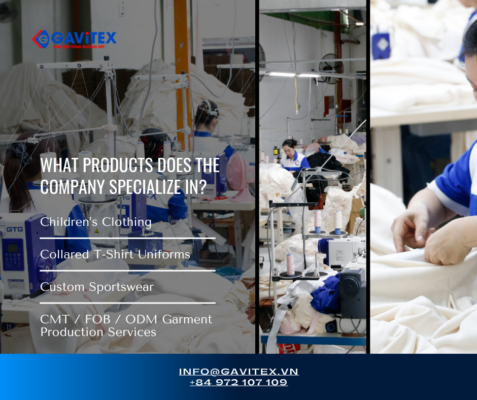
The Vietnamese apparel manufacturing sector is undergoing a significant transformation driven by technological advancements and innovative practices, enhancing its competitiveness in the global apparel industry services market. This evolution encompasses the integration of automation, digitalization, and sustainable technologies, allowing manufacturers to optimize production processes, improve product quality, and respond more effectively to market demands. Furthermore, these advancements contribute to enhanced efficiency, reduced lead times, and greater flexibility in catering to diverse customer requirements.
The adoption of automation is revolutionizing various stages of apparel production in Vietnam. Technologies such as Computer-Aided Design (CAD) and Computer-Aided Manufacturing (CAM) are streamlining the design and pattern-making processes. Automated cutting machines and robotic sewing systems are increasing precision and speed, reducing labor costs, and minimizing material waste. For example, laser cutting technology ensures accuracy and consistency in cutting intricate designs, while robotic arms can handle repetitive sewing tasks with greater speed and efficiency than manual labor.
Digitalization is also playing a pivotal role in transforming apparel manufacturing in Vietnam. Enterprise Resource Planning (ERP) systems are being implemented to integrate and manage various business functions, including supply chain management, production planning, and inventory control. This integration provides real-time visibility into operations, enabling manufacturers to make data-driven decisions and optimize resource allocation. Furthermore, the use of Big Data analytics helps identify trends, predict demand, and personalize products, leading to improved customer satisfaction and increased sales.
Vietnamese apparel manufacturers are also increasingly embracing sustainable technologies and practices. This includes the adoption of water-saving dyeing techniques, the use of eco-friendly materials, and the implementation of energy-efficient production processes. For instance, digital printing reduces water consumption compared to traditional dyeing methods, while recycled fabrics minimize environmental impact. These initiatives not only contribute to environmental sustainability but also enhance the brand image and appeal to environmentally conscious consumers.
Looking ahead, the Vietnamese apparel manufacturing industry is poised for further technological advancements. The integration of Artificial Intelligence (AI) and Machine Learning (ML) will enable manufacturers to automate complex tasks, optimize production processes, and improve product quality. Furthermore, the adoption of 3D printing and virtual prototyping will allow for faster product development and customization.
Here are some key areas where technology and innovation are making a difference:
- Automation of Cutting and Sewing: Reducing labor costs and improving accuracy.
- Digital Printing: Minimizing water usage and enabling customized designs.
- ERP Systems: Streamlining supply chain management and production planning.
- AI-Powered Quality Control: Identifying defects and ensuring product quality.
- Sustainable Materials and Processes: Reducing environmental impact and appealing to conscious consumers.
Trends Shaping the Future of Apparel Industry Services in Vietnam
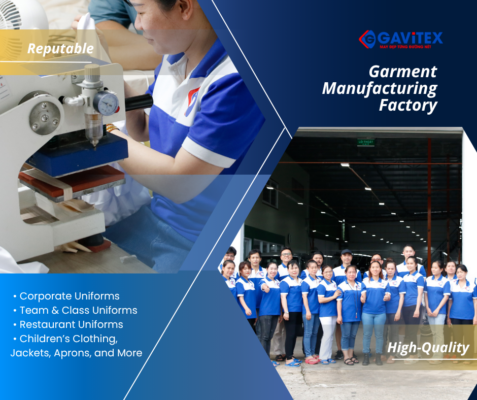
The future of apparel industry services in Vietnam is being reshaped by several key trends, transforming the nation’s role in the global fashion supply chain. These changes impact everything from garment manufacturing processes to supply chain management, creating both opportunities and challenges for businesses like overseas buyers and others operating within the industry.
One prominent trend is the increasing adoption of digital technologies across the apparel manufacturing sector. This includes the implementation of AI-powered design tools, 3D printing for prototyping, and advanced data analytics for optimizing production efficiency and supply chain visibility. These innovations enable faster turnaround times, reduced waste, and more personalized product offerings, empowering Vietnamese manufacturers to compete on a global scale. For instance, the use of predictive analytics can help manufacturers anticipate demand fluctuations and adjust production schedules accordingly, minimizing overstocking and maximizing profitability.
Another significant trend is the growing emphasis on sustainable apparel manufacturing. Consumers are increasingly demanding eco-friendly and ethically produced clothing, pushing brands and manufacturers to adopt sustainable practices. This includes using recycled materials, reducing water consumption, implementing fair labor practices, and minimizing carbon emissions. Vietnamese apparel manufacturers are responding by investing in green technologies and obtaining certifications such as GOTS (Global Organic Textile Standard) and OEKO-TEX, demonstrating their commitment to environmental responsibility. Furthermore, brands are partnering with Vietnamese suppliers to develop circular economy models, focusing on reducing waste and extending the life cycle of garments.
Finally, the rise of e-commerce and direct-to-consumer (DTC) brands is significantly influencing the apparel industry services landscape in Vietnam. E-commerce platforms are creating new avenues for Vietnamese manufacturers to reach global customers directly, bypassing traditional retail channels. This requires manufacturers to offer more flexible and responsive supply chain solutions, including small-batch production, personalized customization, and efficient order fulfillment. DTC brands are also seeking partnerships with Vietnamese manufacturers who can provide end-to-end services, from design and prototyping to production and distribution. overseas buyers and other service providers must adapt to these evolving e-commerce demands by offering integrated digital solutions and customized manufacturing services.
Vietnam Biz Rep supports overseas buyers with garment supplier search, factory verification, sample coordination, production follow-up, and quality inspection in Vietnam. Learn more on our clothing sourcing agent page or visit Vietnam sourcing agent for our full range of services. Contact Vietnam Biz Rep to discuss your sourcing requirements.
