
Apparel procurement and apparel sourcing get used interchangeably, but they cover different parts of the buying process: sourcing is about finding and qualifying a manufacturer, while procurement is what happens after that: negotiating pricing and terms, issuing purchase orders, tracking production against a schedule, and managing supplier performance across multiple orders. This guide focuses on that ongoing procurement side: cost analysis, quality control, compliance, and how to structure purchase orders with garment manufacturers in Vietnam so expectations are clear before production starts. As your sourcing and procurement agent, we handle this coordination on your behalf across multiple orders and suppliers.
Understanding Apparel Procurement: A Comprehensive Guide for Garment Manufacturers in Vietnam
Apparel procurement is a critical function for garment manufacturers in Vietnam, directly impacting profitability, product quality, and supply chain efficiency. This comprehensive guide delves into the intricacies of apparel procurement, equipping Vietnamese manufacturers with the knowledge needed to navigate the complexities of sourcing materials, negotiating contracts, and ensuring ethical and sustainable practices. Mastering apparel procurement allows businesses to optimize their operations, improve their competitive advantage, and meet the evolving demands of the global fashion industry.
Effective apparel procurement extends beyond simply purchasing materials; it encompasses strategic decision-making, robust supplier relationship management, and meticulous quality control. For garment manufacturers in Vietnam, this means carefully evaluating local versus international sourcing options, understanding the nuances of Incoterms, and implementing rigorous quality control procedures at every stage of the procurement process. By embracing a holistic approach to apparel procurement, businesses can minimize risks, enhance transparency, and build a resilient supply chain that supports long-term growth.
- Strategic Sourcing: Selecting the right suppliers based on factors like price, quality, lead time, and reliability.
- Contract Negotiation: Securing favorable terms and conditions that protect the manufacturer’s interests.
- Quality Assurance: Implementing procedures to ensure that materials meet the required standards.
- Supply Chain Management: Optimizing the flow of materials from source to production.
- Risk Mitigation: Identifying and addressing potential disruptions to the supply chain.
Ultimately, a deep understanding of apparel procurement empowers Vietnamese garment manufacturers to make informed decisions, optimize resource allocation, and thrive in a competitive global market. By focusing on sustainable sourcing, ethical labor practices, and technological innovation, these manufacturers can position themselves for long-term success and contribute to a more responsible and resilient fashion industry.
Want a deeper dive into the entire sourcing process? Explore our guide on apparel procurement and discover the secrets to successful supply chains and quality garments.
Sourcing Strategies for Apparel Materials: Optimizing Cost and Quality in Vietnam
In the competitive landscape of apparel procurement in Vietnam, developing effective sourcing strategies for apparel materials is paramount for garment manufacturers aiming to optimize both cost and quality. Strategic material sourcing directly impacts profitability, product quality, and supply chain resilience, making it a crucial aspect of business operations for overseas buyers.
Developing a successful apparel material sourcing strategy in Vietnam requires careful consideration of several key factors. First, a thorough understanding of your specific needs and requirements is essential. This includes defining your target product quality, desired cost points, and production volumes. It is also crucial to identify the specific types of materials needed, such as fabrics (cotton, polyester, silk), trims (buttons, zippers, labels), and packaging materials. In addition, conducting market research to identify potential suppliers is of utmost importance. This involves evaluating their capabilities, certifications, and financial stability, to ensure they meet your specific criteria.
For Vietnamese manufacturers, optimizing cost and quality necessitates a balanced approach to local and international sourcing. Engaging with local suppliers provides advantages such as reduced lead times, lower transportation costs, and enhanced responsiveness. Simultaneously, exploring international sourcing opportunities may grant access to specialized materials, competitive pricing, or innovative technologies not readily available within Vietnam. By strategically combining both sourcing strategies, garment manufacturers can achieve a synergistic effect, strengthening their overall competitiveness in the global market.
Building strong relationships with suppliers is also essential for Vietnamese manufacturers. This includes establishing clear communication channels, setting mutually beneficial contract terms, and fostering trust and collaboration. By working closely with suppliers, manufacturers can ensure a consistent supply of high-quality materials, negotiate favorable pricing, and develop long-term partnerships that are mutually beneficial.
Negotiating Contracts and Payment Terms: Best Practices for Apparel Procurement in Vietnam
In the dynamic landscape of apparel procurement in Vietnam, mastering the art of negotiating contracts and establishing favorable payment terms is paramount for garment manufacturers to ensure profitability and mitigate risks. Securing advantageous agreements requires a strategic approach that balances cost optimization with the need for reliable supply chains and high-quality materials. By understanding the nuances of contract law, payment structures, and risk mitigation, manufacturers can establish a solid foundation for sustainable growth in the competitive Vietnamese apparel market.
A critical aspect of successful negotiations lies in comprehensive preparation. Before entering discussions, manufacturers should conduct thorough market research to understand prevailing prices for raw materials, labor costs, and transportation expenses. This knowledge empowers them to set realistic targets and justify their positions during contract negotiations. Additionally, clearly defining the scope of work, quality standards, and delivery schedules upfront minimizes potential disputes and ensures both parties are aligned on expectations.
Building strong relationships with suppliers forms the cornerstone of favorable contract outcomes. Instead of solely focusing on driving down prices, cultivating trust and mutual benefit fosters long-term partnerships. This can translate into more flexible payment terms, preferential pricing, and priority access to materials during periods of high demand. For example, overseas buyers can leverage its reputation for fair dealing and ethical practices to secure better deals with suppliers, demonstrating a commitment to sustainable and collaborative sourcing.
When it comes to payment terms, several options are available, each with its own advantages and drawbacks. Letters of Credit (L/C) offer a secure payment method for both parties, particularly in international transactions. However, they can be costly and time-consuming to administer. Open Account terms, where payment is made after the goods are received, provide more flexibility but also carry a higher risk of non-payment. Negotiating a hybrid approach, such as a partial upfront payment followed by installments upon completion of key milestones, can strike a balance between risk mitigation and cash flow management.
Furthermore, understanding Incoterms (International Commercial Terms) is crucial for clarifying responsibilities and costs associated with shipping and delivery. Incoterms define who bears the risk of loss or damage to goods during transit and who is responsible for import duties, taxes, and other related expenses. By carefully selecting the appropriate Incoterm, manufacturers can avoid unexpected costs and ensure smooth logistics operations. For instance, FOB (Free on Board) places the responsibility for transportation costs and insurance on the buyer once the goods are loaded onto the vessel, while CIF (Cost, Insurance, and Freight) includes these costs in the seller’s price.
To further mitigate risks, apparel procurement contracts should include clauses addressing quality control, intellectual property rights, and dispute resolution mechanisms. Specifying clear quality standards and inspection procedures helps ensure that materials meet the required specifications. Protecting intellectual property safeguards designs and trademarks from unauthorized use. Including a clause for arbitration or mediation provides a framework for resolving disputes efficiently and amicably, minimizing the need for costly litigation.
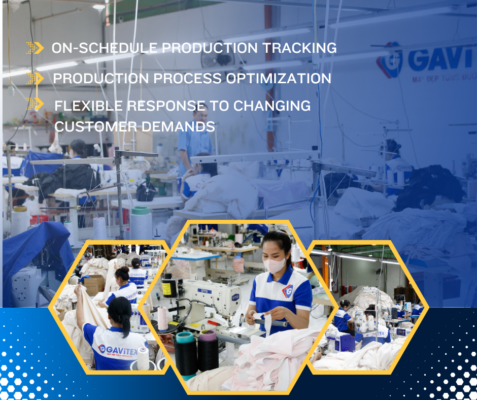
Looking for a complete overview of how to manage your sourcing and supply chains effectively? See our guide to apparel procurement for tips on optimising cost and achieving quality.
Quality Control and Compliance in Apparel Procurement: Ensuring Product Excellence in Vietnam
In the competitive apparel procurement landscape of Vietnam, implementing robust quality control measures and adhering to stringent compliance standards are paramount for ensuring product excellence and maintaining a competitive edge for garment manufacturers. This section delves into the critical aspects of quality assurance and regulatory adherence within the Vietnamese apparel industry, offering insights into best practices for achieving superior product quality and navigating the complexities of local and international regulations.
To achieve the highest standards, Vietnamese manufacturers must prioritize quality control and compliance throughout the garment manufacturing process.
Implementing Quality Control Procedures at the Source
Effective quality control begins at the source, demanding proactive measures to monitor and manage quality throughout the supply chain. This involves implementing rigorous inspection protocols for raw materials, components, and work-in-progress, ensuring adherence to specified standards and minimizing defects. Furthermore, establishing clear communication channels with suppliers and providing them with comprehensive quality guidelines are crucial for fostering a culture of quality consciousness and preventing potential issues before they escalate, improving overall product excellence.
Here’s a checklist of essential elements for implementing quality control:
- Raw Material Inspection
- In-process Inspection
- Final Inspection
- Defect Management
- Supplier Communication
Understanding Vietnamese and International Compliance Standards
Navigating the regulatory landscape requires a thorough understanding of both Vietnamese and international compliance standards. Vietnamese manufacturers must adhere to local regulations pertaining to product safety, labeling requirements, and environmental protection. Additionally, compliance with international standards such as REACH, Oeko-Tex, and CPSIA is essential for accessing global markets and meeting the expectations of international buyers. This comprehensive understanding enables manufacturers to proactively address potential compliance issues, avoid costly penalties, and demonstrate their commitment to ethical and responsible manufacturing practices.
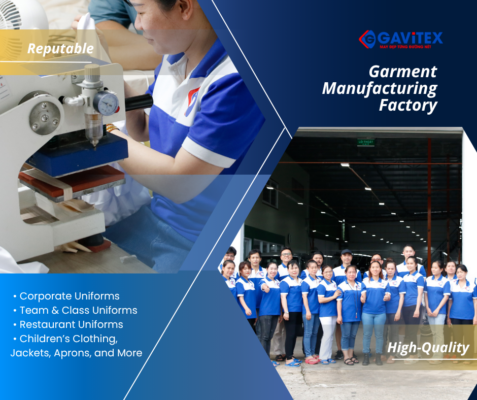
Want to ensure top-quality garments? Our complete guide to apparel procurement reveals the ins and outs of sourcing, supply chain management and quality checks.
Technology and Apparel Procurement: Leveraging Digital Tools in Vietnam
In Vietnam’s dynamic garment manufacturing sector, the integration of technology in apparel procurement is no longer a luxury, but a necessity for staying competitive and efficient. The adoption of digital tools enables manufacturers to streamline their sourcing processes, improve transparency, and ultimately optimize costs while maintaining quality. This section explores how Vietnamese garment manufacturers can effectively utilize digital solutions to revolutionize their procurement strategies.
The apparel industry in Vietnam is rapidly embracing digital transformation, and procurement processes are no exception. Implementing ERP systems can centralize data, automate workflows, and provide real-time visibility into inventory levels, supplier performance, and order status. For example, a manufacturer can use an ERP system to track fabric consumption, automatically generate purchase orders when stock levels fall below a certain threshold, and monitor supplier lead times to prevent production delays. This leads to better decision-making and reduced operational costs.
Blockchain technology offers another avenue for enhancing transparency and traceability in the apparel supply chain. By recording every transaction and movement of goods on a distributed ledger, blockchain can help manufacturers verify the origin of materials, ensure compliance with ethical sourcing standards, and combat counterfeiting. This is particularly important for brands that are committed to sustainability and want to provide consumers with verifiable information about their products. overseas buyers, as a leading manufacturer, can leverage blockchain to demonstrate its commitment to responsible sourcing and build trust with its customers.
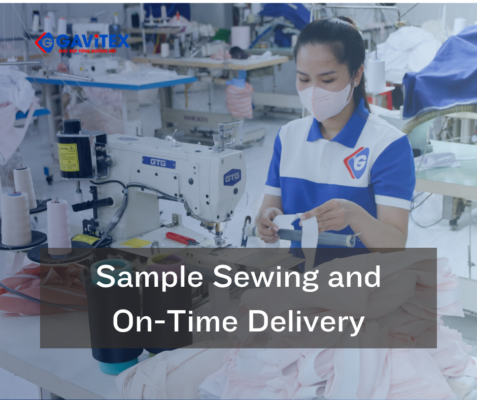
Sustainable Apparel Procurement: Ethical and Environmental Considerations for Vietnamese Manufacturers
For Vietnamese manufacturers in the apparel procurement landscape, embracing sustainable apparel procurement is no longer a trend but a necessity for long-term success and responsible business practices. This section delves into the ethical and environmental factors that garment manufacturers in Vietnam must consider when sourcing materials and managing their supply chains. By understanding these considerations, manufacturers can minimize their environmental impact, ensure fair labor practices, and enhance their brand reputation in the global market.
Adopting sustainable practices offers a competitive advantage for Vietnamese apparel manufacturers, attracting environmentally conscious consumers and complying with increasingly stringent international regulations. This involves carefully evaluating suppliers, materials, and processes to reduce waste, conserve resources, and promote fair treatment of workers throughout the supply chain. By focusing on sustainability, companies not only contribute to a healthier planet but also build stronger, more resilient businesses.
Sourcing Sustainable Materials and Reducing Environmental Impact
The cornerstone of sustainable apparel procurement lies in the selection of materials. Vietnamese manufacturers can significantly reduce their environmental footprint by prioritizing sustainable materials. These materials include:
- Organic cotton: Grown without synthetic pesticides and fertilizers, reducing water pollution and promoting soil health.
- Recycled polyester: Made from recycled plastic bottles, diverting waste from landfills and conserving petroleum resources.
- Innovative textiles: Such as Tencel (made from sustainably sourced wood pulp) and recycled nylon, offering eco-friendly alternatives to conventional materials.
- Plant-based dyes: Employing natural dyes extracted from plants instead of harmful chemical dyes, minimizing water contamination.
Beyond material selection, manufacturers should also focus on reducing waste throughout the production process. This can be achieved through initiatives such as:
- Implementing closed-loop systems: Recycling and reusing textile scraps.
- Optimizing cutting patterns: Minimizing fabric waste during cutting.
- Investing in water-efficient dyeing and finishing technologies: Reducing water consumption and pollution.
By actively seeking out sustainable materials and implementing waste reduction strategies, Vietnamese apparel manufacturers can demonstrate their commitment to environmental stewardship and enhance their competitiveness in the global market.
Ensuring Fair Labor Practices in the Supply Chain
Ethical considerations are paramount in sustainable apparel procurement, requiring manufacturers to ensure fair labor practices throughout their supply chains. This encompasses several key aspects:
- Fair wages and benefits: Ensuring workers receive wages that meet or exceed the legal minimum wage and provide adequate benefits such as healthcare and social security.
- Safe and healthy working conditions: Providing a safe and healthy work environment, free from hazards and risks.
- Freedom of association and collective bargaining: Respecting workers’ rights to form and join trade unions and bargain collectively.
- Elimination of child labor and forced labor: Ensuring that no child labor or forced labor is used in the production of garments.
To ensure fair labor practices, Vietnamese manufacturers should conduct thorough due diligence on their suppliers. This includes:
- Regular audits: Assessing suppliers’ compliance with labor standards.
- Supplier training: Providing training to suppliers on ethical sourcing and labor rights.
- Transparency and traceability: Tracking the origin of materials and labor throughout the supply chain.
By prioritizing fair labor practices, Vietnamese apparel manufacturers can uphold ethical standards, protect workers’ rights, and build a more sustainable and responsible industry. overseas buyers, in particular, should champion these practices to reinforce its commitment to social responsibility within the apparel procurement sector.
Concerned about sustainability and responsible sourcing? Dive into our comprehensive guide on apparel procurement for a deeper look at supply chain management and creating quality garments.
Logistics and Supply Chain Management for Apparel Procurement in Vietnam
Efficient logistics and supply chain management are critical components of successful apparel procurement in Vietnam, impacting cost, lead times, and overall competitiveness. Effective supply chain strategies are essential for garment manufacturers in Vietnam to optimize the flow of goods, information, and finances, from raw materials to finished products. By streamlining processes and leveraging technology, apparel businesses can enhance responsiveness to market demands and improve profitability.
One of the key aspects of apparel supply chain management is optimizing shipping and transportation costs. Vietnam’s strategic location and well-developed infrastructure, including seaports like Cai Mep and Hai Phong, offer opportunities for cost-effective shipping. Manufacturers should explore various transportation modes, such as sea freight, air freight, and inland trucking, to determine the most efficient and economical options for different types of materials and finished goods.
Another critical element is managing inventory and lead times effectively. Apparel manufacturers should implement inventory management techniques like Just-in-Time (JIT) or Economic Order Quantity (EOQ) to minimize holding costs and reduce the risk of obsolescence. By closely monitoring demand patterns and collaborating with suppliers, businesses can forecast material requirements accurately and optimize lead times. Building strong relationships with suppliers and negotiating favorable terms are also key to enhancing supply chain efficiency.
Need a holistic view of the entire process, from material selection to delivery? Find out with our guide on apparel procurement.
Risk Management in Apparel Procurement: Navigating Challenges in Vietnam
Effective risk management is crucial for garment manufacturers in Vietnam to ensure stable apparel procurement processes and protect their bottom line. The complexities of the global apparel supply chain, coupled with the specific challenges of the Vietnamese market, demand a proactive and comprehensive approach to identify, assess, and mitigate potential disruptions. Successfully navigating these challenges enables overseas buyers, and other manufacturers, to maintain consistent production, meet customer demands, and achieve sustainable growth.
One of the primary concerns in Vietnamese apparel procurement is identifying and mitigating supply chain disruptions. These disruptions can stem from a variety of sources, including:
- Natural disasters: Vietnam is prone to typhoons, floods, and droughts, which can significantly impact raw material production and transportation.
- Political and economic instability: Fluctuations in exchange rates, changes in trade policies, and geopolitical events can all disrupt the flow of goods and increase costs.
- Labor unrest: Strikes and labor shortages can delay production and affect the availability of finished goods.
- Supplier performance: Unreliable suppliers can lead to delays, quality issues, and reputational damage. For example, a sudden surge in demand combined with a supplier’s inability to scale production could result in late deliveries and order fulfillment issues.
To address these potential disruptions, Vietnamese garment manufacturers should focus on developing contingency plans for procurement challenges. This includes:
- Diversifying the supplier base: Relying on a single supplier increases vulnerability. Expanding the network to include multiple suppliers, both local and international, reduces dependence and provides alternative sources.
- Building strategic partnerships: Establishing strong relationships with key suppliers allows for better communication, collaboration, and proactive problem-solving.
- Implementing robust inventory management: Maintaining buffer stocks of critical raw materials can help mitigate the impact of supply chain disruptions.
- Utilizing risk assessment tools: Employing software and methodologies to identify, assess, and prioritize risks allows for informed decision-making and targeted mitigation strategies. For instance, a risk assessment matrix can categorize risks based on their likelihood and impact, enabling manufacturers to focus on the most critical threats.
Wondering how to anticipate and mitigate risks in the apparel sourcing process? Read our full guide on apparel procurement to manage sourcing, supply chains and quality.
Future Trends in Apparel Procurement: Innovation and Adaptation for Vietnamese Manufacturers
The future of apparel procurement for Vietnamese manufacturers hinges on embracing innovation and adapting to rapidly evolving industry trends. As global competition intensifies and consumer demands shift, Vietnamese garment businesses must leverage emerging technologies and sustainable practices to maintain their competitive edge in apparel sourcing. This section explores the key trends shaping the future of garment procurement, focusing on how Vietnamese manufacturers can proactively adapt to thrive.
One of the most significant shifts is the rise of AI and automation in procurement. Artificial intelligence (AI) is revolutionizing traditional procurement processes by automating tasks such as supplier selection, price negotiation, and order processing. For example, AI-powered platforms can analyze vast datasets to identify the most cost-effective and reliable suppliers, predict potential supply chain disruptions, and optimize inventory management. Vietnamese manufacturers can leverage AI to streamline their procurement operations, reduce costs, and improve efficiency.
Data analytics is also playing an increasingly vital role in informed decision-making within apparel procurement. By collecting and analyzing data from various sources, including supplier performance, market trends, and customer feedback, manufacturers can gain valuable insights into optimizing their procurement strategies. For instance, data analytics can help identify opportunities to consolidate suppliers, negotiate better prices, and improve product quality. Investing in data analytics capabilities will empower Vietnamese garment businesses to make data-driven decisions that enhance their competitiveness and profitability.
Stay ahead of the curve: explore future trends and unlock actionable insights into apparel procurement for optimized sourcing, resilient supply chains, and superior garment quality.
Before finalizing any supplier, buyers are advised to conduct a Vietnam factory audit to assess production facilities and compliance. A local supplier verification service can help confirm certifications, capacity, and business legitimacy.
Vietnam Biz Rep supports overseas buyers with garment supplier search, factory verification, sample coordination, production follow-up, and quality inspection in Vietnam. Learn more on our clothing sourcing agent page or visit Vietnam sourcing agent for our full range of services. Contact Vietnam Biz Rep to discuss your sourcing requirements.
