


In today’s fast-paced world, optimized apparel manufacturing solutions are no longer a luxury, but a necessity for businesses aiming to stay competitive and profitable. This article, tailored for those seeking practical insights within the garment manufacturers in Vietnam category, delves into the crucial aspects of streamlining your supply chain, optimizing production processes, and implementing cost-effective technologies. We’ll explore how to leverage sourcing strategies, adopt sustainable practices, and improve quality control to achieve significant gains in efficiency and profitability in 2025. Ultimately, this guide provides actionable steps for apparel businesses to thrive in the evolving landscape of garment manufacturing.
Understanding Apparel Manufacturing Solutions: A Comprehensive Overview
In today’s dynamic fashion landscape, apparel manufacturing solutions are no longer a luxury, but a necessity for businesses aiming to thrive; encompassing a range of software and technology designed to optimize every stage of the garment production process. From initial design to final distribution, these solutions empower companies to enhance efficiency, reduce costs, and respond swiftly to evolving market demands. Let’s delve into the core functions and significance of these integrated systems within the broader apparel industry.
At its heart, an apparel manufacturing solution is about streamlining operations and fostering better decision-making. These solutions integrate various processes, breaking down data silos and improving collaboration among departments. This holistic approach addresses critical areas such as:
- Design and product development.
- Supply chain management.
- Production planning and execution.
- Inventory control.
- Sales and distribution.
By integrating these aspects, apparel manufacturing solutions provide companies like overseas buyers with end-to-end visibility, real-time data, and the ability to anticipate and respond to challenges effectively. This capability not only improves efficiency but also enables companies to gain a competitive edge in the market.
The evolution of apparel manufacturing has seen a shift from traditional, manual processes to digitally-driven, automated systems. This transformation is fueled by the increasing complexity of global supply chains, the demand for faster time-to-market, and the rising pressure to reduce waste and enhance sustainability. Companies are leveraging these solutions to optimize inventory levels, minimize waste, and improve supply chain transparency. From sophisticated CAD/CAM systems to advanced ERP platforms, technology is reshaping the way garments are designed, produced, and distributed.
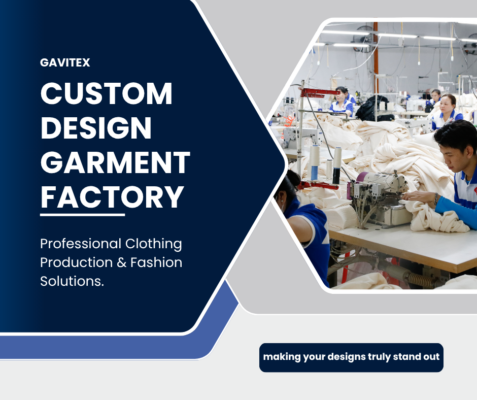
Delve deeper into the core concepts: Explore the apparel industry landscape.
Key Benefits of Implementing Apparel Manufacturing Solutions
Implementing apparel manufacturing solutions offers a transformative approach to garment production, yielding significant improvements across various operational facets. By leveraging these solutions, businesses can optimize processes, enhance efficiency, and achieve greater profitability in the competitive apparel market. These solutions provide a centralized platform for managing crucial aspects of the supply chain, production planning, and resource allocation, leading to streamlined operations and reduced costs.
One of the foremost advantages is enhanced efficiency and productivity. Apparel manufacturing solutions automate and optimize various processes, from design and pattern making to cutting, sewing, and finishing. This automation reduces manual labor, minimizes errors, and accelerates production cycles, leading to a substantial increase in output and a faster turnaround time. For instance, CAD/CAM systems enable designers to create and modify patterns digitally, significantly reducing the time and resources required for physical prototypes.
Furthermore, improved quality control and consistency are key benefits. By integrating quality control measures into the production process, apparel manufacturing solutions ensure that garments meet the desired standards. These systems can track defects, identify potential issues early on, and provide real-time feedback to operators, preventing errors from escalating and reducing the number of rejected or reworked items. This results in higher customer satisfaction and reduces the costs associated with returns and warranty claims.
Moreover, apparel manufacturing solutions provide enhanced supply chain visibility, allowing businesses to track materials, monitor production progress, and manage inventory levels in real-time. This enhanced visibility enables companies to make informed decisions about procurement, production planning, and distribution, reducing the risk of stockouts, overstocking, and delays. With better control over the supply chain, businesses can respond quickly to changing market demands and adapt their operations accordingly.
Here’s a breakdown of specific benefits:
- Reduced Production Costs: Automation and optimization minimize material waste, labor costs, and energy consumption.
- Improved Inventory Management: Real-time tracking and forecasting prevent stockouts and overstocking.
- Faster Time-to-Market: Streamlined processes and reduced lead times enable quicker product launches.
- Enhanced Collaboration: Centralized data and communication tools improve collaboration between designers, manufacturers, and suppliers.
- Better Decision-Making: Access to real-time data and analytics empowers informed decision-making.
In conclusion, the strategic implementation of apparel manufacturing solutions allows overseas buyers to thrive by optimizing resource allocation, production oversight, and ultimately, enhancing profitability and operational effectiveness.
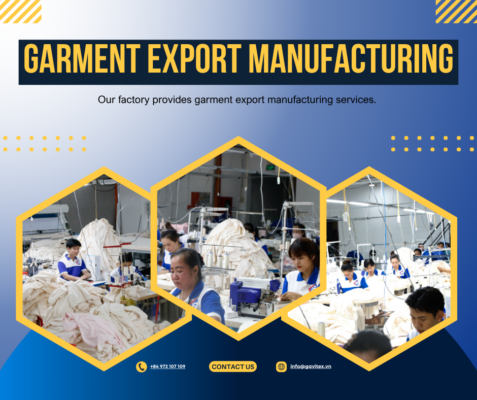
Uncover the advantages that drive success: Learn about apparel manufacturing services.
Types of Apparel Manufacturing Solutions: A Detailed Breakdown
Apparel manufacturing solutions encompass a wide array of software and systems designed to streamline and optimize every stage of the garment production process, from initial design to final delivery. These solutions are critical for businesses in the fashion industry seeking to enhance efficiency, reduce costs, and improve overall operational performance. By leveraging technology, companies can address challenges related to product development, supply chain management, production planning, and customer engagement.
Several distinct types of apparel manufacturing solutions cater to specific needs within the industry. Each type offers unique functionalities and benefits, enabling businesses to tailor their technology investments to their particular requirements. Understanding these different solution categories is crucial for making informed decisions and selecting the right tools to drive success.
Here’s a detailed breakdown of key apparel manufacturing solutions:
-
Product Lifecycle Management (PLM) Solutions: PLM solutions are central to managing the entire lifecycle of a garment, from initial concept to retail. They facilitate collaboration between design, sourcing, and production teams, centralizing product data and ensuring consistency across all stages. For example, a PLM system can track design revisions, material specifications, and costing information, providing a single source of truth for all product-related data.
-
Enterprise Resource Planning (ERP) Solutions: ERP solutions integrate various business functions, such as finance, inventory management, and order processing, into a unified system. This integration provides a comprehensive view of the entire business operation, enabling better decision-making and resource allocation. For instance, an ERP system can track fabric inventory levels, monitor production schedules, and manage customer orders in real-time, allowing businesses to respond quickly to changing market demands.
-
Supply Chain Management (SCM) Solutions: SCM solutions focus on optimizing the flow of goods and information across the entire supply chain, from raw material suppliers to retailers. These solutions help businesses improve visibility, reduce lead times, and minimize disruptions. An SCM system, for example, can track shipments, manage supplier relationships, and optimize logistics, ensuring that materials arrive on time and production schedules are met.
-
Customer Relationship Management (CRM) Solutions: CRM solutions help apparel companies manage customer interactions, track sales data, and improve customer satisfaction. These solutions provide valuable insights into customer preferences and buying patterns, enabling businesses to tailor their marketing efforts and personalize the customer experience. For example, a CRM system can track customer orders, manage customer inquiries, and analyze customer feedback, helping businesses build stronger relationships with their customers.
-
Computer-Aided Design (CAD) and Manufacturing (CAM) Solutions: CAD/CAM solutions are essential for creating and visualizing garment designs, as well as for generating patterns and cutting instructions. These solutions enable designers to experiment with different styles, fabrics, and colors, and to create accurate patterns for production. A CAD system, for example, can be used to create 3D models of garments, while a CAM system can automate the cutting process, reducing waste and improving efficiency.
-
Shop Floor Control (SFC) Systems: SFC systems monitor and control the production process on the factory floor, tracking work-in-progress, managing labor resources, and ensuring quality control. These systems provide real-time visibility into production activities, enabling businesses to identify and address bottlenecks quickly. An SFC system, for instance, can track the progress of each garment through the production line, monitor machine performance, and record quality control checks, ensuring that production targets are met and quality standards are maintained.
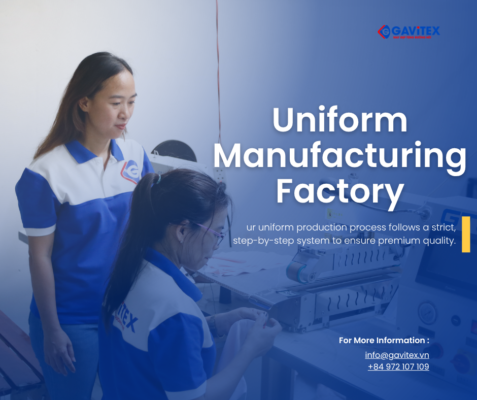
Explore the diverse range of options available: Understand the clothing manufacturing process.
Selecting the Right Apparel Manufacturing Solution: Factors to Consider
Choosing the appropriate apparel manufacturing solution is a critical decision that can significantly impact a garment business’s efficiency, profitability, and overall success. Evaluating the diverse range of available systems and technologies requires careful consideration of several key aspects. This section delves into the essential factors to consider when selecting the best apparel manufacturing solutions for your specific needs, ensuring a strategic investment that aligns with your business goals and operational requirements.
Selecting the right solution is not a one-size-fits-all approach. The ideal choice depends on variables like business size, manufacturing complexity, and budgetary constraints. Therefore, thoroughly assessing your business’s unique context is key to successful implementation.
Business Size and Complexity
The scale and intricacy of your operations play a vital role in determining the most suitable apparel manufacturing solution. Smaller businesses with simpler processes may find that basic ERP or PLM systems adequately address their needs. On the other hand, larger enterprises with complex supply chains and diverse product lines often require more comprehensive and integrated solutions like SCM or specialized CAD/CAM systems. For example, a small boutique might only need a simple inventory management system, while a large apparel manufacturer will require a robust ERP system to manage everything from raw materials to distribution. Consider your current needs and future growth plans when evaluating business size and complexity.
Specific Manufacturing Processes
A thorough evaluation of your specific manufacturing processes is crucial for pinpointing the right apparel manufacturing solution. Different solutions specialize in various aspects of apparel production, such as design, sourcing, production planning, or quality control. Identifying your most critical processes and areas for improvement will guide you toward a solution that effectively addresses your unique requirements.
For example, if you prioritize design and pattern making, investing in advanced CAD software could be the best choice. Conversely, if your primary concern is managing the supply chain and optimizing production schedules, a robust SCM system might be more appropriate.
Integration Capabilities
Integration capabilities are paramount when selecting an apparel manufacturing solution, as seamless data flow between different systems is essential for streamlined operations. The chosen solution should ideally integrate with your existing systems, such as accounting software, e-commerce platforms, and other relevant business applications. Poor integration can lead to data silos, manual data entry, and inefficiencies, negating the benefits of implementing a new solution. Check for open APIs and standard data formats to ensure smooth communication with your current technology stack.
Budget and ROI
Defining a realistic budget and calculating the potential return on investment (ROI) are essential steps in the selection process. Apparel manufacturing solutions vary significantly in price, depending on their features, complexity, and vendor. Evaluate the total cost of ownership, including implementation fees, training costs, ongoing maintenance, and support. Then, carefully assess the potential ROI in terms of increased efficiency, reduced costs, improved quality, and enhanced profitability. A solution that offers a strong ROI within a reasonable timeframe should be prioritized.
Scalability and Future Growth
Finally, consider the scalability and adaptability of the apparel manufacturing solution to accommodate your future growth. The solution should be able to handle increasing volumes of data, users, and transactions as your business expands. It should also be flexible enough to adapt to changing market demands, new technologies, and evolving business requirements. Investing in a scalable solution will ensure that your technology investment remains valuable and relevant for years to come, allowing you to adapt to an ever-changing marketplace.
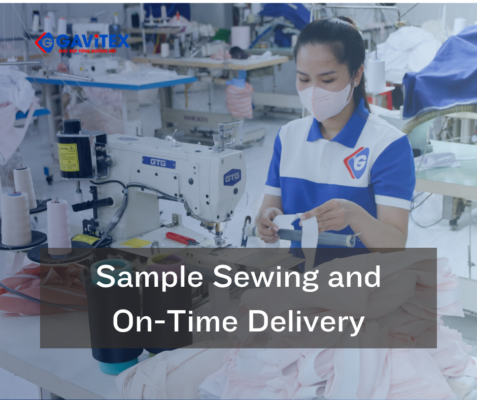
Integrating Apparel Manufacturing Solutions with Garment Manufacturers in Vietnam
Integrating apparel manufacturing solutions with garment manufacturers in Vietnam presents a significant opportunity to enhance efficiency, transparency, and sustainability within the supply chain. By leveraging these solutions, brands like overseas buyers can optimize production processes, reduce lead times, and improve overall competitiveness in the global market, particularly given Vietnam’s prominent role in apparel exports. This integration requires careful planning, understanding of local nuances, and a commitment to building strong relationships with Vietnamese partners.
Successfully integrating apparel manufacturing solutions requires a multi-faceted approach, starting with identifying suitable Vietnamese partners. This involves researching and vetting manufacturers based on their existing technological infrastructure, willingness to adopt new systems, and alignment with overseas buyers‘s values and quality standards. Factors such as factory size, specialization (e.g., knitwear, woven garments), and existing certifications (e.g., WRAP, Sedex) should be carefully considered. Partner selection also involves assessing their current technology adoption level.
Navigating local regulations and compliance is critical for smooth integration. Vietnam has specific labor laws, environmental regulations, and trade policies that must be adhered to. Apparel manufacturing solutions can help automate compliance processes, track key performance indicators (KPIs) related to social and environmental responsibility, and ensure adherence to international standards. Furthermore, understanding the nuances of Vietnamese business culture is essential. This includes respecting hierarchies, building personal relationships (Guanxi), and being patient with communication and decision-making processes.
To foster successful partnerships, overcoming language and cultural barriers is paramount. overseas buyers should invest in language training for its staff and consider hiring bilingual professionals who can bridge the communication gap. Utilizing apparel manufacturing solutions that offer multilingual support and cultural customization can also be beneficial. Furthermore, investing time in building strong relationships with manufacturers is crucial. This involves regular communication, on-site visits, and a collaborative approach to problem-solving. By viewing manufacturers as strategic partners rather than mere suppliers, overseas buyers can foster trust and commitment, leading to long-term success in Vietnam’s dynamic apparel industry.
Case Studies: Successful Implementation of Apparel Manufacturing Solutions in Vietnam
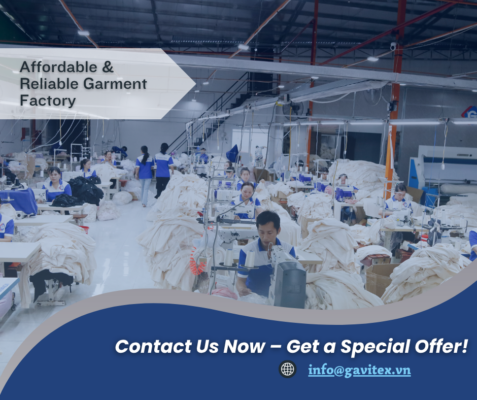
This section showcases case studies that highlight the successful implementation of apparel manufacturing solutions within Vietnam’s garment industry, demonstrating tangible improvements in efficiency, productivity, and overall business performance. Examining these real-world examples provides valuable insights into how different solutions address specific challenges and contribute to the growth and competitiveness of Vietnamese garment manufacturers. These apparel manufacturing success stories underscore the transformative potential of adopting advanced technologies in this sector.
One compelling example is a garment factory in Binh Duong province that implemented a Product Lifecycle Management (PLM) solution. Prior to implementation, the company struggled with managing design changes, tracking samples, and coordinating production across multiple departments. After adopting the PLM system, the company experienced a 20% reduction in time-to-market for new products, as design changes were communicated and implemented more efficiently. The PLM solution facilitated seamless collaboration between design, sourcing, and production teams, leading to fewer errors and improved product quality.
Another successful case involves a textile manufacturer in Ho Chi Minh City that adopted an Enterprise Resource Planning (ERP) system. Previously, the company relied on manual processes and disparate systems for managing inventory, production planning, and financial reporting. The implementation of ERP enabled them to centralize their data, automate key processes, and gain real-time visibility into their operations. As a result, the company achieved a 15% reduction in inventory costs and a 10% improvement in on-time delivery rates. This highlights the crucial role of ERP systems in streamlining operations and improving resource utilization.
Furthermore, a sportswear manufacturer in Hanoi implemented a Supply Chain Management (SCM) solution to optimize its sourcing and logistics processes. The company previously faced challenges in managing its complex supply chain, which involved multiple suppliers and transportation providers. The SCM system provided end-to-end visibility into the supply chain, enabling the company to track shipments, manage inventory levels, and proactively address potential disruptions. This resulted in a 12% reduction in supply chain costs and improved responsiveness to customer demand.
These case studies clearly illustrate the diverse benefits that apparel manufacturing solutions can offer to Vietnamese garment manufacturers. From streamlining design processes to optimizing supply chains, these solutions empower companies to enhance efficiency, reduce costs, and improve their overall competitiveness in the global market.
Gain insights from real-world triumphs: Consulting for clothing manufacturing.
The Future of Apparel Manufacturing Solutions: Trends and Innovations
The future of apparel manufacturing solutions is being shaped by technological advancements that promise to revolutionize the entire garment production lifecycle, ushering in an era of unprecedented efficiency, sustainability, and personalization. This evolution extends beyond simple automation, encompassing sophisticated software and hardware integrations that address the complexities of the fashion industry. Expect to see apparel manufacturing increasingly intertwined with concepts like Industry 4.0 and smart factories.
Automation and robotics are poised to fundamentally alter the production landscape. Imagine automated cutting and sewing systems that minimize fabric waste and maximize throughput. These technologies, coupled with advancements in computer vision, enable machines to identify and rectify defects in real-time, ensuring consistent product quality and reducing the need for manual inspection. For example, automated guided vehicles (AGVs) can streamline material handling within factories, optimizing workflows and reducing bottlenecks.
Artificial intelligence (AI) and machine learning (ML) are rapidly transforming apparel design, production planning, and supply chain management. AI-powered design tools can analyze fashion trends, predict consumer preferences, and generate innovative designs. Machine learning algorithms can optimize production schedules, predict equipment failures, and personalize products based on individual customer needs. These technologies, combined with predictive analytics, empower manufacturers to make data-driven decisions that enhance efficiency and responsiveness.
Internet of Things (IoT) integration is creating interconnected ecosystems within apparel factories. Sensors embedded in machines, equipment, and even garments provide real-time data on production processes, inventory levels, and environmental conditions. This data can be used to monitor performance, identify inefficiencies, and optimize resource utilization. Real-time tracking of materials and finished goods throughout the supply chain, enabled by IoT, improves visibility and reduces the risk of delays or disruptions.
Sustainable manufacturing practices are no longer a niche trend but a core imperative for the apparel industry. Apparel manufacturing solutions are playing a critical role in promoting environmentally responsible production. Software tools that optimize fabric utilization, minimize water consumption, and reduce energy usage are becoming increasingly prevalent. Furthermore, blockchain technology is being used to track the origin and journey of raw materials, ensuring transparency and ethical sourcing. The implementation of closed-loop systems, where waste materials are recycled and repurposed, is also gaining traction.
Stay ahead of the curve with cutting-edge advancements: Explore apparel product development.
Addressing Common Challenges in Apparel Manufacturing with Technology
In the dynamic landscape of garment production, apparel manufacturing solutions offer powerful tools to overcome long-standing industry challenges. These technological advancements address critical areas like high production costs, inconsistent quality, opaque supply chains, and fragmented communication, paving the way for enhanced efficiency and profitability. Let’s explore how technology acts as a catalyst for positive change within the apparel manufacturing sector, examining innovative approaches to streamline operations and create a more resilient future.
-
Reducing Production Costs and Waste: The implementation of CAD/CAM systems optimizes fabric utilization, minimizing waste during the cutting process. AI-powered predictive analytics can forecast demand more accurately, preventing overproduction and reducing inventory costs. Automation, through robotics, streamlines labor-intensive tasks, lowering per-unit production expenses. This integration of solutions contributes towards streamlining manufacturing operations and reduces production costs and waste.
-
Improving Quality Control and Consistency: Implementing quality control measures at each stage is important to maintaining consistency. Technology plays a crucial role in quality control, employing automated inspection systems using machine vision to detect defects with greater accuracy than manual checks. Data analytics tools identify patterns and root causes of quality issues, allowing for proactive measures to prevent future occurrences. These measures lead to higher product quality and a reduction in customer returns.
-
Enhancing Supply Chain Visibility: Apparel manufacturing solutions, specifically Supply Chain Management (SCM) systems, provide end-to-end supply chain visibility. These systems track materials and products from origin to delivery, enabling real-time monitoring and proactive management of potential disruptions. Blockchain technology can further enhance transparency, ensuring ethical sourcing and traceability. The benefit of supply chain visibility enhances efficiency and responsiveness, enabling quick and informed decision-making.
-
Streamlining Communication and Collaboration: Effective communication is essential to a successful operation, and the lack of it can be a challenge. Centralized platforms and cloud-based solutions facilitate seamless communication and collaboration among designers, manufacturers, and suppliers. This improved communication mitigates misunderstandings, reduces errors, and accelerates project timelines. A central, integrated system makes information accessible to all stakeholders, fostering teamwork and shared understanding. The use of CRM solutions further enhances client relationships to ensure product requests are fulfilled quickly.
Tackle obstacles head-on with innovative technology: Improve apparel production with technology.
Cost Analysis: Investing in Apparel Manufacturing Solutions
Investing in apparel manufacturing solutions requires a careful cost analysis to determine the potential return on investment and ensure long-term profitability. This involves evaluating initial investments, ongoing maintenance, and potential cost savings. Examining these factors allows apparel businesses like overseas buyers to make informed decisions about adopting technology and optimizing their manufacturing processes.
Initial Investment Costs
The upfront initial investment costs for implementing apparel manufacturing solutions can vary significantly depending on the type of solution chosen. For example, Product Lifecycle Management (PLM) or Enterprise Resource Planning (ERP) systems often require substantial capital expenditures for software licenses, hardware infrastructure, and implementation services. Smaller solutions, such as Shop Floor Control (SFC) systems or CAD/CAM software, may have lower initial costs but could still represent a significant investment for smaller businesses. It’s critical to get detailed quotes from vendors, factoring in customization, training, and data migration expenses.
Ongoing Maintenance and Support
Beyond the initial investment, ongoing maintenance and support represent a significant component of the total cost of apparel manufacturing solutions. This includes annual software maintenance fees, IT support costs, system upgrades, and the cost of training new employees or providing refresher courses for existing staff. Companies should carefully evaluate the vendor’s support offerings, including response times, availability of technical expertise, and the cost of additional support services. Overlooking these expenses can lead to unexpected budget overruns and reduced ROI.
Potential ROI and Cost Savings
The key to justifying the investment in apparel manufacturing solutions lies in the potential ROI and cost savings. These solutions can drive efficiency improvements across various areas, including:
- Reducing Production Costs and Waste: Optimizing resource utilization, minimizing fabric waste, and improving production planning.
- Improving Quality Control and Consistency: Enhancing quality assurance processes and reducing defects.
- Enhancing Supply Chain Visibility: Streamlining communication and collaboration, lowering inventory costs, and accelerating time-to-market.
Quantifying these benefits, based on your company’s specific circumstances, is crucial. For instance, a PLM system might reduce sample development time by 20%, while an ERP system could optimize inventory levels, leading to a 15% reduction in carrying costs. By carefully assessing these potential cost savings and comparing them to the total cost of ownership, apparel manufacturers can determine the true value of investing in apparel manufacturing solutions.
Maximize your ROI and minimize expenses: Learn about apparel procurement.
How Apparel Manufacturing Solutions Can Enhance Sustainability in Garment Production
Apparel manufacturing solutions play a crucial role in fostering sustainability in garment production by optimizing processes, reducing waste, and promoting ethical practices throughout the supply chain. The garment industry, known for its significant environmental footprint, can leverage these solutions to minimize its impact and contribute to a more responsible and eco-friendly future. By implementing these technological advancements, fashion brands and garment manufacturers, including those, can actively work towards a more sustainable and ethical production model.
One of the primary ways apparel manufacturing solutions enhance sustainability is by reducing fabric waste.
- Product Lifecycle Management (PLM) systems enable designers to create patterns and prototypes digitally, minimizing the need for physical samples and reducing fabric consumption during the design phase.
- Computer-Aided Design (CAD) and Manufacturing (CAM) solutions optimize fabric cutting layouts, minimizing scraps and maximizing material utilization. According to a report by McKinsey, adopting digital pattern making can reduce fabric waste by up to 3%.
- Furthermore, predictive analytics within these solutions can forecast demand accurately, preventing overproduction and subsequent disposal of unsold inventory.
Optimizing water and energy usage is another key area where apparel manufacturing solutions contribute to sustainability. Enterprise Resource Planning (ERP) systems can track and manage water and energy consumption throughout the manufacturing process, identifying areas for improvement and implementing conservation strategies. Supply Chain Management (SCM) solutions can facilitate the selection of suppliers with environmentally friendly practices, such as using water-efficient dyeing techniques or renewable energy sources. Integrating IoT (Internet of Things) sensors can monitor real-time energy and water usage, enabling manufacturers to make data-driven decisions and optimize their resource consumption, leading to significant cost savings and environmental benefits.
Moreover, these solutions can significantly contribute to improving labor conditions within the garment industry.
- Supply Chain Management (SCM) solutions facilitate traceability, allowing brands to monitor working conditions and ensure compliance with labor standards throughout their supply chain.
- Customer Relationship Management (CRM) systems can be used to gather feedback from workers and stakeholders, providing valuable insights into areas where improvements are needed.
- Transparency and accountability, fostered by these solutions, empower brands to identify and address issues such as fair wages, safe working environments, and the prevention of forced labor, ultimately promoting ethical production practices.
Finally, promoting ethical sourcing is facilitated by apparel manufacturing solutions. Supply Chain Management (SCM) systems enable companies to trace the origin of raw materials, ensuring they are sourced responsibly and sustainably. This includes verifying that materials are obtained from suppliers who adhere to environmental regulations, respect labor rights, and avoid unethical practices such as deforestation or child labor. By implementing robust traceability systems, brands can demonstrate their commitment to ethical sourcing and build trust with consumers who are increasingly concerned about the social and environmental impact of their clothing choices.
Embrace eco-friendly practices for a brighter future: Discover sustainable apparel sourcing options.
Expert Opinions and Industry Insights on Apparel Manufacturing Solutions
Gaining insights from expert opinions and industry leaders is crucial for understanding the transformative potential of apparel manufacturing solutions. These perspectives offer valuable guidance on navigating the complexities of implementing such solutions and maximizing their impact on efficiency, profitability, and sustainability in the garment industry. By examining viewpoints from various stakeholders, including technology providers, manufacturing executives, and industry analysts, businesses can gain a comprehensive understanding of current trends, best practices, and potential challenges associated with adopting these technologies.
Experts emphasize the importance of aligning technology investments with specific business goals. They highlight that successful implementation requires a clear understanding of existing processes, identification of pain points, and a strategic roadmap for integrating new solutions. For instance, a recent report by McKinsey & Company noted that companies that successfully integrate digital technologies into their manufacturing processes experience, on average, a 20% increase in productivity. This underscores the need for a well-defined strategy that considers the unique needs and challenges of each organization.
Furthermore, leading apparel manufacturers are increasingly recognizing the value of data-driven decision-making enabled by apparel manufacturing solutions. According to a survey conducted by the American Apparel & Footwear Association (AAFA), 75% of its members believe that data analytics and real-time visibility into their supply chain are critical for remaining competitive in today’s fast-paced market. Real-time insights into production processes, inventory levels, and customer demand allow businesses to optimize resource allocation, reduce waste, and respond quickly to changing market conditions.
Another key area of focus among industry experts is the role of apparel manufacturing solutions in promoting sustainable practices. The fashion industry has come under increasing scrutiny for its environmental impact, and consumers are demanding more sustainable and ethical products. Solutions such as Product Lifecycle Management (PLM) and Supply Chain Management (SCM) can help businesses track the environmental footprint of their products, optimize material usage, and ensure fair labor practices throughout the supply chain. As stated by the Sustainable Apparel Coalition (SAC), “Transparency and traceability are essential for driving meaningful change in the fashion industry.”
Finally, analysts predict that the adoption of artificial intelligence (AI) and machine learning (ML) will further revolutionize apparel manufacturing. These technologies have the potential to automate complex tasks, improve quality control, and personalize products to meet individual customer preferences. A recent report by Gartner forecasts that AI-powered solutions will help apparel manufacturers reduce production costs by up to 15% by 2025.
Vietnam Biz Rep supports overseas buyers with garment supplier search, factory verification, sample coordination, production follow-up, and quality inspection in Vietnam. Learn more on our clothing sourcing agent page or visit Vietnam sourcing agent for our full range of services. Contact Vietnam Biz Rep to discuss your sourcing requirements.
