

Finding reliable apparel cut and sew contractors is crucial for any clothing brand aiming for consistent quality and scalable production, and is one of the most common challenges in the garment industry in 2025. This article delves into the world of garment manufacturers in Vietnam, exploring the key factors to consider when selecting the right partner. We’ll cover essential aspects like assessing production capacity, understanding quality control processes, navigating communication and lead times, and negotiating fair pricing and minimum order quantities (MOQs). Finally, this in-depth guide will provide actionable steps to help you find the best fit for your brand’s needs, ensuring successful and long-lasting manufacturing partnerships.
Finding the Right Apparel Cut and Sew Contractor: A Comprehensive Guide
Navigating the complexities of apparel cut and sew contractors can be daunting, but a strategic approach is crucial for brands aiming to optimize production, maintain quality, and achieve profitability. This comprehensive guide provides a roadmap for apparel businesses seeking the perfect manufacturing partner, particularly in a dynamic market like Vietnam.
Finding the right cut and sew manufacturer requires a multi-faceted assessment, encompassing not only production capabilities but also ethical considerations, communication proficiency, and a shared vision for growth. Before diving into the search, clearly define your brand’s needs and expectations. What specific garment types are you producing? What is your desired production volume and timeline? What are your quality standards and budget constraints? Answers to these questions will serve as a compass, guiding you toward contractors that align with your business objectives.
- Define Your Needs: Outline specific requirements such as garment types, production volume, timelines, quality standards, and budget.
- Research Potential Contractors: Conduct thorough research online and through industry networks to identify potential partners.
- Assess Capabilities: Evaluate contractors’ facilities, equipment, workforce skills, and experience in producing similar garments.
- Evaluate Quality Control Processes: Inquire about their quality control measures at each stage of production, from fabric inspection to final product assessment.
- Check Ethical and Social Compliance: Ensure contractors adhere to ethical labor practices, environmental regulations, and social responsibility standards.
- Communicate Effectively: Establish clear communication channels and protocols for efficient collaboration throughout the production process.
- Negotiate Terms and Pricing: Negotiate favorable terms, pricing, and payment schedules that align with your budget and production needs.
- Establish a Strong Partnership: Foster a long-term relationship built on trust, transparency, and mutual respect for sustainable growth.
Beyond the initial assessment, consider the contractor’s experience with similar garment types, their capacity for handling your desired production volume, and their commitment to quality control. A contractor specializing in high-fashion dresses may not be the best fit for producing durable workwear, for example. Furthermore, assess their facilities, equipment, and workforce skills to ensure they can meet your specific needs. Remember that the best partnership goes beyond simply finding a vendor; it’s about establishing a collaborative relationship based on shared goals, transparency, and mutual respect. For instance, overseas buyers prioritizes clear communication and ethical practices in all its partnerships, ensuring a smooth and reliable production process.
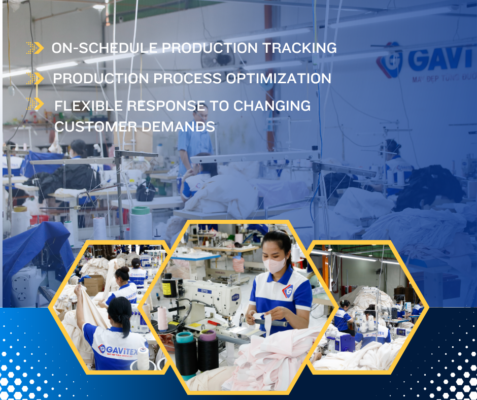
Want to find the *perfect* fit for your brand? Explore the key elements of a successful partnership with a cut and sew contractor.
Vietnam’s Garment Manufacturing Landscape: An Overview for Apparel Brands
Vietnam has emerged as a significant player in the global garment manufacturing industry, attracting numerous apparel brands seeking reliable and cost-effective production solutions. This overview aims to provide apparel brands with a comprehensive understanding of Vietnam’s garment sector, highlighting its strengths, opportunities, and key characteristics relevant to sourcing and apparel cut and sew contractors. Understanding the dynamics of this landscape is crucial for brands looking to establish successful manufacturing partnerships in Vietnam.
Vietnam’s garment industry benefits from a skilled workforce, competitive labor costs, and strategic geographic location. The sector encompasses a wide range of capabilities, from basic cut and sew operations to specialized garment production and textile manufacturing. Its export-oriented nature is supported by favorable trade agreements and government policies that encourage foreign investment, making it an attractive destination for brands seeking to outsource apparel production.
Several factors contribute to Vietnam’s prominence in apparel manufacturing. Firstly, the country boasts a large and relatively young workforce with a strong work ethic and adaptability to new technologies. Secondly, government initiatives aimed at modernizing the textile and garment industry, such as investments in infrastructure and training programs, have improved productivity and efficiency. Furthermore, Vietnam’s participation in free trade agreements, including the Comprehensive and Progressive Agreement for Trans-Pacific Partnership (CPTPP) and the EU-Vietnam Free Trade Agreement (EVFTA), provides preferential access to key export markets.
However, brands should also be aware of the challenges and complexities within the Vietnamese garment industry. These include increasing competition from other low-cost manufacturing destinations, rising labor costs in certain regions, and the need for enhanced sustainability and ethical labor practices. Additionally, navigating the regulatory environment and ensuring consistent quality control can require careful planning and due diligence.
For apparel brands looking to establish a presence in Vietnam, understanding the regional distribution of garment factories is essential. Key manufacturing hubs include Ho Chi Minh City and surrounding provinces in the South, Hanoi and the Red River Delta region in the North, and Da Nang and the Central region. Each region offers different strengths in terms of specialization, infrastructure, and labor availability, influencing the choice of location for sourcing and partnering with cut and sew contractors.
Finally, staying informed about future trends and developments in Vietnam’s apparel cut and sew industry is critical for long-term success. This includes understanding the increasing adoption of automation and digitalization, the growing emphasis on sustainable manufacturing practices, and the evolving consumer demand for high-quality and ethically produced garments. By staying ahead of the curve, brands can leverage Vietnam’s manufacturing capabilities to gain a competitive advantage in the global apparel market.
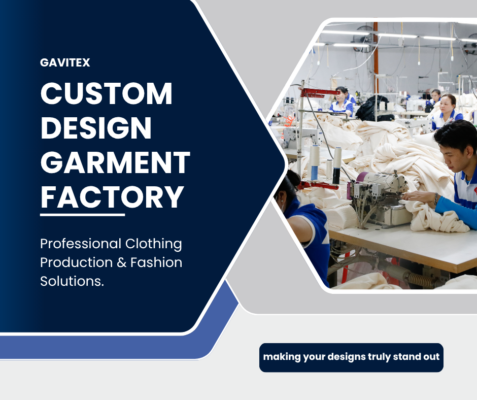
Curious about the ins and outs of production in Vietnam? Dive deeper into Vietnam’s dynamic garment industry and discover its potential for your brand.
Key Criteria for Evaluating Apparel Cut and Sew Contractors in Vietnam
Selecting the right apparel cut and sew contractors in Vietnam is crucial for brands aiming to achieve high-quality production, cost-effectiveness, and reliable partnerships. This section will delve into the essential criteria for evaluating potential contractors, ensuring you make informed decisions that align with your brand’s objectives and quality standards. Evaluating beyond just price points is crucial when selecting an apparel cut and sew contractor.
Here’s a breakdown of key criteria to consider:
-
Manufacturing Capabilities and Expertise: Asses the contractor’s range of services, from pattern making and sampling to cutting, sewing, and finishing. Look for contractors with experience in handling your specific fabric types, garment styles, and production volume requirements. It is advisable to look at their expertise in providing specialized garment construction techniques and processes, such as embroidery, embellishments, or unique finishing touches.
For buyers specifically evaluating construction capability, comparing a few Vietnam cut-and-sew manufacturers side by side can reveal differences in pattern-making accuracy and seam quality before committing to a production run.
-
Quality Assurance and Certifications: A robust quality control system is non-negotiable. Inquire about their quality assurance processes at each stage of production, from initial fabric inspection to final garment checks. Certifications like ISO 9001 demonstrate a commitment to quality management systems. Gaining insights into their defect rates and implementing strategies to address potential issues can also prove highly beneficial.
-
Production Capacity and Lead Times: Ensure the contractor has sufficient production capacity to meet your current and future needs. Clarify lead times for sampling, production, and shipping, considering potential seasonal fluctuations or unexpected demands. It is crucial to assess the production capability of the apparel cut and sew contractor to ensure they can meet your demands with speed and efficiency.
-
Ethical and Social Compliance: Partnering with contractors who adhere to ethical labor practices and social responsibility standards is vital for maintaining your brand’s reputation. Verify compliance with labor laws, fair wages, safe working conditions, and environmental regulations. Audit reports from organizations like WRAP (Worldwide Responsible Accredited Production) or BSCI (Business Social Compliance Initiative) can provide valuable insights.
-
Communication and Collaboration: Effective communication is key to a successful partnership. Evaluate the contractor’s responsiveness, language proficiency, and willingness to collaborate on design and production challenges. The best contractors view themselves as an extension of your team, proactively offering solutions and maintaining open lines of communication.
-
Financial Stability and Transparency: Assess the contractor’s financial stability to ensure they can fulfill their obligations. Request financial statements, credit reports, and references from other clients. Transparency in pricing, costing, and payment terms is essential for building trust and preventing misunderstandings.
-
Technology and Innovation: Contractors who invest in modern technology and innovative processes can offer greater efficiency, accuracy, and flexibility. Inquire about their use of CAD/CAM systems, automated cutting machines, and other technologies that can enhance production quality and reduce lead times.
By thoroughly evaluating potential apparel cut and sew contractors in Vietnam based on these criteria, overseas buyers can establish strong, reliable partnerships that drive success in the competitive apparel market.
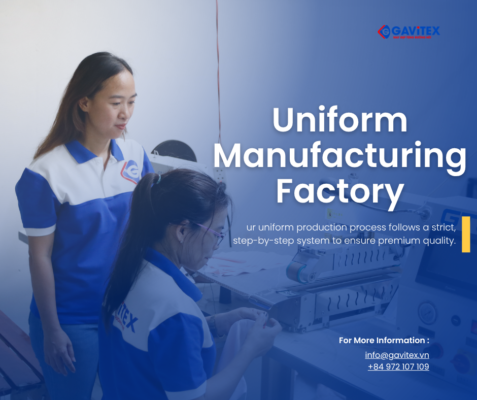
Ready to make a smart choice? Uncover the essential factors for assessing apparel cut and sew contractors in Vietnam and ensure you’re selecting the best fit.
Cost Considerations When Outsourcing Apparel Production to Vietnam
Understanding the cost implications is paramount when considering apparel cut and sew contractors in Vietnam. Vietnam has emerged as a competitive hub for garment manufacturing, attracting apparel brands globally due to its attractive pricing. However, a thorough analysis of all potential costs is essential for accurate budgeting and maximizing profitability when outsourcing apparel production to Vietnam. This section will delve into the various cost factors that influence the overall expenses of manufacturing clothing in Vietnam, providing brands with the knowledge to make informed decisions.
One of the most significant factors influencing apparel production costs in Vietnam is labor costs. While generally lower than in developed countries, labor costs can vary depending on the region, the complexity of the garment, and the skill level required. For instance, specialized garments or intricate designs may command higher labor rates. Brands need to research and compare labor costs across different regions and factories to find the optimal balance between cost and quality.
Material costs also play a crucial role in determining the overall expenses of apparel manufacturing. The cost of fabrics, trims, and other raw materials can fluctuate based on global market conditions, supplier relationships, and the quantity ordered. Building strong relationships with reliable material suppliers in Vietnam can help brands secure competitive pricing and ensure a consistent supply of high-quality materials. Furthermore, exploring options for locally sourced materials can reduce transportation costs and lead times.
Beyond labor and materials, brands must consider additional indirect costs associated with apparel manufacturing in Vietnam. These may include:
- Shipping and logistics costs: Transporting finished goods from Vietnam to the destination market can add significantly to the overall cost.
- Import duties and taxes: Understanding the applicable tariffs and taxes is crucial for accurate cost forecasting.
- Quality control expenses: Investing in quality control measures, such as on-site inspections and testing, is essential for ensuring the quality of the finished product and minimizing costly defects.
- Communication and travel expenses: Managing communication and coordinating with Vietnamese contractors may involve travel and communication expenses, which should be factored into the budget.
Finally, it’s crucial to factor in the minimum order quantities (MOQs) imposed by cut and sew contractors. MOQs can significantly impact cost, particularly for smaller brands or those producing niche products. Negotiating MOQs with contractors or exploring options for smaller production runs can help manage costs effectively. By carefully evaluating all these cost considerations, apparel brands can effectively plan their budget and establish a successful outsourcing partnership with Vietnamese manufacturers.
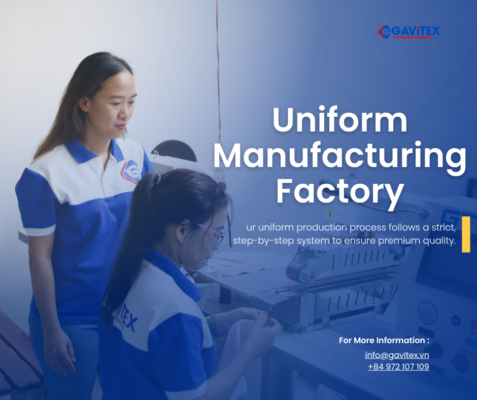
Is outsourcing to Vietnam really cost-effective? Breakdown the true costs involved in apparel production outsourcing and optimize your budget.
Quality Control in Apparel Manufacturing: Ensuring Excellence with Vietnamese Contractors
Quality control is paramount in apparel manufacturing, and achieving excellence with Vietnamese contractors requires a strategic and multi-faceted approach. Given the increasing popularity of Vietnam as a sourcing destination for apparel brands, implementing robust quality control procedures is essential to maintain brand reputation and customer satisfaction in apparel production. These procedures ensure that the final product meets the required standards and specifications.
Establishing clear standards and specifications forms the foundation for effective quality control. Define acceptable quality levels (AQL) for different types of defects, encompassing everything from stitching errors and fabric flaws to sizing inconsistencies. For instance, a brand might stipulate an AQL of 2.5 for critical defects and 4.0 for minor defects. Supplying detailed tech packs, including precise measurements, material specifications, and construction details, is equally vital. This documentation serves as the benchmark against which the finished products will be assessed.
Implementing a comprehensive inspection process throughout the production cycle is crucial. This involves conducting initial inspections of raw materials to verify their quality and compliance with specifications. During the cut and sew stages, in-process inspections should be performed to identify and rectify any deviations from the tech pack. A final inspection, conducted before shipment, ensures that the finished garments meet all required standards. To illustrate, overseas buyers could implement a four-point inspection system for fabrics, or utilize random sampling techniques during the sewing process to detect potential flaws early on.
To ensure consistent quality control, investing in training and capacity building for Vietnamese contractors is a worthwhile endeavor. Offering training programs on quality standards, inspection techniques, and problem-solving skills empowers the contractor’s workforce to proactively identify and address potential issues. Furthermore, providing the necessary tools and equipment, such as calibrated measuring devices and defect-marking systems, enhances their ability to perform thorough inspections. By fostering a culture of quality within the contractor’s organization, brands can cultivate a long-term partnership built on trust and mutual commitment to excellence.
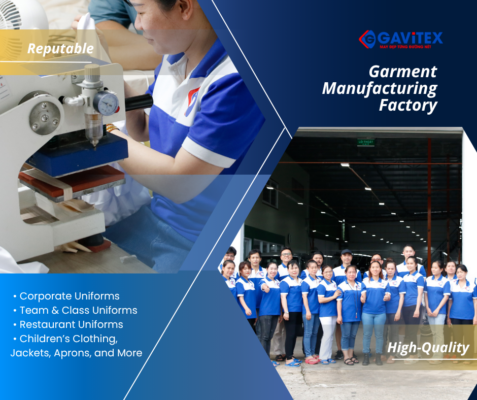
Worried about maintaining brand quality? Learn how to guarantee excellence when partnering with Vietnamese apparel manufacturers.
Navigating Legal and Ethical Considerations with Apparel Contractors in Vietnam
Successfully navigating the Vietnamese apparel manufacturing landscape requires a thorough understanding of both the legal and ethical considerations involved in working with apparel cut and sew contractors. Ensuring compliance with Vietnamese law and upholding ethical labor standards are not only crucial for avoiding legal repercussions but also for maintaining your brand’s reputation and fostering sustainable business practices. This section delves into the key legal and ethical aspects that apparel brands should be aware of when partnering with Vietnamese manufacturers.
Vietnam’s legal framework governing garment manufacturing is continuously evolving. It’s crucial to stay informed about the latest regulations concerning labor laws, environmental protection, and intellectual property rights to ensure your cut and sew contractors are operating lawfully. Regularly auditing your suppliers’ compliance with these regulations is a proactive step toward mitigating potential legal risks, safeguarding your brand’s supply chain and promoting sustainable apparel production.
Ethical sourcing in Vietnam goes beyond legal compliance, encompassing fair labor practices, safe working conditions, and environmental responsibility. Transparency in the supply chain is paramount; brands need to understand the origin of materials, the processes involved in manufacturing, and the working conditions of those producing their garments. Implementing robust social audits and supplier codes of conduct helps ensure that workers are treated with dignity and respect, and that environmental impact is minimized. For example, brands can partner with organizations like the Fair Labor Association (FLA) or WRAP (Worldwide Responsible Accredited Production) to conduct independent assessments and verify compliance.
Protecting your intellectual property (IP) is another crucial legal consideration. Vietnam has laws in place to protect trademarks, patents, and copyrights, but enforcement can be challenging. Implementing contracts with enforceable IP clauses is essential to prevent counterfeiting and unauthorized production. Thorough due diligence on potential apparel contractors and continuous monitoring of their operations are vital for safeguarding your designs and brand identity. Engaging with local legal experts can provide valuable guidance on navigating Vietnam’s IP landscape and enforcing your rights effectively.
Finally, maintaining open communication and collaboration with your Vietnamese contractors is key to fostering ethical and legally compliant operations. Establish clear expectations regarding labor standards, environmental practices, and IP protection from the outset. Regularly engage with your suppliers, conduct site visits, and provide training to promote best practices and build a strong, mutually beneficial partnership. By prioritizing legal compliance and ethical sourcing, apparel brands can build resilient and sustainable supply chains in Vietnam, ensuring both business success and positive social impact.
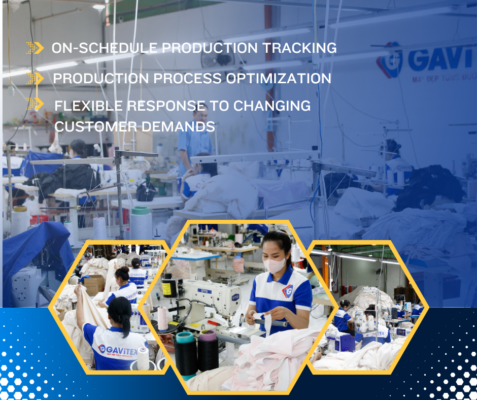
Protect your brand and your values. Discover the legal and ethical aspects of working with apparel contractors in Vietnam and ensure responsible sourcing.
Optimizing Communication and Collaboration with Your Cut and Sew Contractor
Effective communication and collaboration are paramount for a successful partnership with your apparel cut and sew contractor. This section delves into the best practices for establishing clear, consistent, and productive communication channels, ensuring seamless project execution and minimizing potential misunderstandings between your apparel brand and your Vietnamese manufacturing partner.
To foster a strong working relationship with your cut and sew contractor, consider implementing the following strategies:
- Establish Clear Communication Channels: Define preferred communication methods (email, phone calls, video conferencing, project management software) and response times. Designate key contacts on both sides to streamline information flow and avoid confusion.
- Detailed Tech Packs: Provide comprehensive tech packs with precise specifications, measurements, and material details. Include high-resolution images, sketches, and samples to eliminate ambiguity.
- Regular Progress Updates: Schedule frequent check-ins to monitor production progress, address potential issues, and ensure adherence to timelines. Utilize visual aids like photos and videos to track progress.
- Cultural Sensitivity: Be mindful of cultural differences and communication styles. Practice active listening and demonstrate respect for your contractor’s expertise. Consider using a translator or interpreter if language barriers exist.
- Proactive Problem Solving: Encourage open communication and collaboration in addressing challenges. Establish a clear process for resolving disputes and implementing corrective actions.
- Feedback and Continuous Improvement: Regularly provide constructive feedback on your contractor’s performance. Encourage them to share their insights and suggestions for improving processes and quality.
- Leverage Technology: Utilize project management software, cloud-based file sharing platforms, and communication tools to enhance collaboration and transparency. Tools like Asana, Trello, or even shared Google Drive folders can be invaluable.
- On-Site Visits (When Possible): Regular visits to the manufacturing facility, when feasible, allow for face-to-face interaction, relationship building, and a deeper understanding of the production process.
- Document Everything: Maintain detailed records of all communication, decisions, and changes made throughout the production process. This documentation serves as a valuable reference and helps prevent misunderstandings.
By prioritizing open communication, mutual respect, and a collaborative approach, your apparel brand can build a strong and successful partnership with your Vietnamese cut and sew contractor, leading to high-quality products and long-term growth.
Tired of miscommunication and delays? Master the art of effective communication and collaboration with your cut and sew contractor.
Scaling Your Apparel Production with Vietnamese Manufacturers: Strategies for Growth
For apparel brands aiming to expand their market reach and scale apparel production, partnering with Vietnamese manufacturers, especially cut and sew contractors, can be a strategic move. Vietnam has emerged as a global hub for garment manufacturing, offering a combination of competitive pricing, skilled labor, and a growing infrastructure conducive to handling large-scale production runs. Therefore, it’s crucial to understand the optimal strategies for growth, leveraging the strengths of Vietnamese manufacturers, to achieve sustainable and profitable expansion.
To effectively scale your apparel production, begin by assessing your current capacity and forecasting future demand. This involves analyzing sales data, identifying growth opportunities, and projecting the volume of garments you’ll need to produce to meet anticipated customer needs. Accurate forecasting informs your production planning and helps you determine the level of scaling required with your Vietnamese cut and sew contractors. For example, a brand projecting a 30% increase in sales over the next year will need to work closely with its manufacturing partner to ensure they can accommodate this growth.
Next, evaluate your existing relationship with your Vietnamese apparel cut and sew contractor. Is your current contractor equipped to handle the increased volume while maintaining quality standards? Consider factors such as their production capacity, equipment capabilities, workforce size, and quality control processes. If your existing contractor cannot meet your scaling needs, explore options such as expanding their facilities, outsourcing certain production stages, or partnering with additional contractors. Vietnam Biz Rep, with its established network and expertise, can assist in identifying and vetting suitable partners to augment your production capacity.
- Optimize your supply chain for efficiency and responsiveness. This involves streamlining processes such as sourcing raw materials, managing inventory, and coordinating logistics. Work closely with your Vietnamese manufacturer to identify bottlenecks in the supply chain and implement solutions to improve efficiency and reduce lead times. For example, implementing just-in-time inventory management can minimize storage costs and ensure that materials are available when needed.
- Invest in technology and automation. Implementing automated cutting machines, computerized sewing systems, and other advanced technologies can significantly increase production speed and accuracy. This can help you scale your production without sacrificing quality or increasing labor costs.
- Diversify your product offerings. Expanding your product line can help you reach new markets and increase your overall sales volume. Work with your Vietnamese manufacturer to develop new designs and styles that appeal to a wider range of customers.
Furthermore, maintain open communication and collaboration with your Vietnamese apparel cut and sew contractors throughout the scaling process. Regularly share your production forecasts, sales data, and market insights to enable them to anticipate your needs and plan accordingly. Establishing clear communication channels and fostering a strong working relationship will ensure that you can effectively address any challenges that may arise and maintain a smooth production process. Consistent communication is key, especially when scaling production, to avoid misunderstandings and delays.
Finally, consider the long-term implications of scaling your apparel production. This includes factors such as sustainability, ethical sourcing, and social responsibility. Ensure that your Vietnamese manufacturing partner adheres to ethical labor practices and environmental standards. Implementing sustainable production practices, such as using eco-friendly materials and minimizing waste, can enhance your brand’s reputation and appeal to environmentally conscious consumers. By focusing on sustainable scaling, apparel brands can ensure their growth is both profitable and responsible.
Ready to expand your production? Discover proven strategies for scaling your apparel manufacturing with Vietnamese partners.
Future Trends in Vietnam’s Apparel Cut and Sew Industry and How to Prepare
The apparel cut and sew industry in Vietnam is on the cusp of significant transformation, driven by technological advancements, evolving consumer demands, and a growing focus on sustainability; therefore, understanding these future trends is crucial for apparel brands looking to partner with Vietnamese cut and sew contractors. Staying ahead of the curve will enable brands to leverage Vietnam’s manufacturing capabilities more effectively and maintain a competitive edge in the global market.
One of the most significant trends is the increasing adoption of automation and advanced technologies within Vietnamese garment factories. Robotics, AI-powered design tools, and advanced cutting machines are becoming more prevalent, enhancing efficiency, reducing lead times, and minimizing errors in the apparel production process. To prepare, brands should seek out cut and sew contractors who are investing in these technologies and demonstrate a commitment to innovation. overseas buyers, for instance, prioritizes partnerships with manufacturers who actively integrate technology to improve production outcomes.
Another key trend is the rising demand for sustainable and ethical apparel manufacturing. Consumers are increasingly conscious of the environmental and social impact of their clothing purchases, pushing brands to prioritize eco-friendly materials, fair labor practices, and transparent supply chains. Vietnamese manufacturers are responding by adopting sustainable production methods, such as using organic cotton, recycled materials, and water-saving technologies. Brands can prepare by partnering with contractors who have certifications like GOTS (Global Organic Textile Standard) or Fair Trade, and by implementing rigorous supply chain audits to ensure ethical sourcing.
The growing importance of supply chain diversification is also shaping the future of the Vietnamese apparel industry. Geopolitical factors and disruptions like the COVID-19 pandemic have highlighted the need for brands to reduce their reliance on single sourcing locations. Vietnam offers a stable and competitive manufacturing base, making it an attractive alternative for brands looking to diversify their supply chains. To prepare, brands should research and vet multiple apparel cut and sew contractors in Vietnam, developing backup plans and building strong relationships with several key partners.
Finally, the increasing integration of digital technologies is revolutionizing how apparel is designed, produced, and marketed. 3D design software, virtual prototyping, and online collaboration tools are enabling faster product development cycles and more efficient communication between brands and manufacturers. Brands should embrace these technologies and seek out Vietnamese contractors who are proficient in using them, facilitating seamless collaboration and accelerating time-to-market.
Stay ahead of the curve! Explore the future trends shaping Vietnam’s apparel industry and prepare your brand for success.
Choosing Apparel Cut and Sew Contractors for Your Production Plan
When selecting a contractor, compare candidates against the same product specification, approved sample, order forecast, and quality requirements. Ask how the factory manages technical development, material receipt, cutting, sewing, finishing, and inspection for the product category you plan to place.
Review capacity evidence, sample workmanship, quality records, and communication responsibilities before assigning production. A factory visit or documented remote review can help buyers confirm whether the proposed production line, equipment, and process controls fit the order requirements.
For examples of the questions to prepare during sourcing, see our apparel manufacturing services guide.
Before committing to a supplier, overseas buyers can use Vietnam factory sourcing support to identify and shortlist suitable manufacturers, then follow up with supplier verification services to confirm production capabilities and compliance.
Vietnam Biz Rep supports overseas buyers with garment supplier search, factory verification, sample coordination, production follow-up, and quality inspection in Vietnam. Learn more on our clothing sourcing agent page or visit Vietnam sourcing agent for our full range of services. Contact Vietnam Biz Rep to discuss your sourcing requirements.
