

brand manufacturing services are critical for businesses seeking to scale production efficiently and cost-effectively. This article delves into the world of garment manufacturers in Vietnam, exploring how they provide comprehensive manufacturing solutions, from initial design and sourcing fabrics to final production and quality control. We will examine the benefits of outsourcing garment production to Vietnam, highlighting the country’s competitive advantages in terms of cost, skill, and infrastructure. Furthermore, this guide will provide practical insights on how to select the right private label manufacturing partner and navigate the complexities of contract manufacturing, ensuring a successful and profitable collaboration in 2025.
Why Choose Vietnam for Your Brand’s Garment Manufacturing?
When seeking reliable and cost-effective brand manufacturing services, Vietnam has emerged as a compelling destination for apparel brands worldwide. The country’s rise as a global garment manufacturing hub stems from a confluence of factors, making it an attractive alternative to traditional sourcing locations. From competitive labor costs and a skilled workforce to a strategic geographic location and a growing commitment to sustainability, Vietnam offers a unique blend of advantages that can significantly benefit your brand.
One of the most significant draws is Vietnam’s cost-competitiveness. Compared to China and other established manufacturing hubs, Vietnam offers lower labor costs, translating into potential savings on production expenses. While cost shouldn’t be the sole determining factor, it allows brands to allocate resources to other crucial areas like design, marketing, and product development. This advantage is particularly beneficial for emerging brands or those seeking to optimize their supply chain for greater profitability.
Beyond cost, Vietnam boasts a skilled and adaptable workforce with a long history in garment production. Decades of experience have fostered a deep understanding of manufacturing processes, quality control, and garment construction. Vietnamese workers are known for their diligence, attention to detail, and ability to meet demanding production schedules. Many factories have invested in modern equipment and training programs to further enhance the workforce’s capabilities, ensuring high-quality output for your brand.
Furthermore, Vietnam’s strategic location in Southeast Asia provides convenient access to key markets and suppliers. Its proximity to major shipping routes and ports facilitates efficient transportation of raw materials and finished goods. This geographic advantage reduces lead times and shipping costs, enabling brands to respond quickly to changing market demands and deliver products to customers more efficiently.
Finally, Vietnam is increasingly embracing sustainable and ethical manufacturing practices. Growing consumer awareness and brand responsibility are driving a shift towards more sustainable production methods. Many Vietnamese factories are adopting eco-friendly technologies, implementing fair labor practices, and seeking certifications like WRAP and Fair Trade. Partnering with a Vietnamese manufacturer committed to sustainability can enhance your brand’s image and appeal to environmentally conscious consumers, solidifying its position in the market.
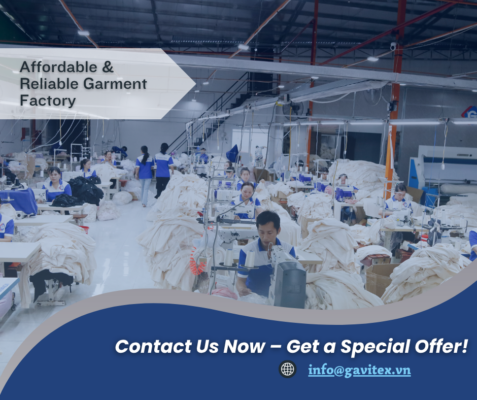
Explore the strategic advantages of Vietnamese garment production for your brand.
What “Brand Manufacturing Services” Entail in Vietnam: A Comprehensive Overview
Brand manufacturing services in Vietnam offer a comprehensive suite of solutions designed to empower businesses seeking to produce high-quality garments while leveraging the country’s competitive advantages. These services extend far beyond simple cut, make, and trim (CMT) arrangements, encompassing a holistic approach to apparel production, from initial design conceptualization to final delivery. Understanding the breadth of these services is crucial for brands looking to establish successful manufacturing partnerships in Vietnam.
Here’s a breakdown of the key components typically included within brand manufacturing services:
-
Product Development & Design Assistance: Many Vietnamese manufacturers, particularly those aiming to serve international brands, offer design support. This can include trend analysis, fabric sourcing guidance, technical design assistance (creating tech packs), pattern making, and sample development. They help translate your initial concepts into production-ready designs, ensuring feasibility and cost-effectiveness. This full-service design support is a hallmark of a true private-label OEM manufacturer, as opposed to a factory that only executes finished tech packs.
-
Fabric & Trim Sourcing: A significant advantage of manufacturing in Vietnam is access to a diverse range of fabrics and trims, both locally produced and imported. Brand manufacturing services often include sourcing these materials, managing supplier relationships, negotiating prices, and ensuring quality control of all inputs. This streamlined sourcing process helps reduce lead times and optimize material costs.
-
Manufacturing & Production: This is the core of the service, encompassing cutting, sewing, assembling, and finishing garments according to your specifications. Vietnamese manufacturers offer various production capabilities, from small-batch production to large-scale manufacturing, catering to diverse brand needs. They implement quality control measures throughout the production process to minimize defects and ensure consistency.
-
Quality Control & Assurance: Rigorous quality control is paramount. Brand manufacturing services include inspections at various stages of production, from initial fabric inspection to final garment inspection. AQL (Acceptable Quality Limit) standards are typically used to determine the acceptable defect rate. This ensures that the finished products meet your quality expectations and comply with relevant regulations.
-
Packaging & Labeling: This service involves packaging garments according to your brand’s requirements, including tagging, labeling, and packing into cartons. Accurate labeling is critical for compliance with import regulations and for conveying brand information to consumers. Manufacturers can often handle custom packaging requests to enhance your brand presentation.
-
Logistics & Shipping: Many brand manufacturing service providers in Vietnam offer end-to-end logistics solutions, managing the transportation of finished goods from their factory to your designated location. This includes handling customs clearance, documentation, and coordination with freight forwarders, simplifying the export process for international brands.
-
Compliance & Ethical Sourcing: Increasingly, brands are prioritizing ethical and sustainable manufacturing practices. Vietnamese manufacturers offering comprehensive services will often assist with social compliance audits, environmental certifications, and traceability initiatives. This ensures that your production aligns with your brand’s values and meets international standards for responsible manufacturing.
-
Communication & Project Management: Effective communication is essential for a successful manufacturing partnership. These services provide dedicated account managers who serve as the primary point of contact, facilitating communication between your brand and the factory. They manage project timelines, track production progress, and address any issues that may arise.
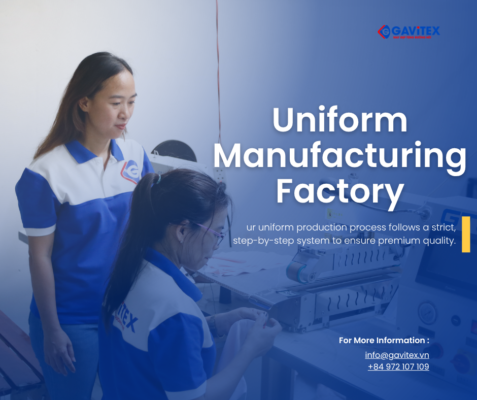
Uncover the full spectrum of brand manufacturing services available in Vietnam to optimize your production.
Finding the Right Garment Manufacturer in Vietnam: Due Diligence and Selection Criteria
Identifying the ideal garment manufacturer in Vietnam is crucial for brands seeking high-quality brand manufacturing services, requiring careful due diligence and a well-defined set of selection criteria. This process involves more than just finding a factory; it’s about establishing a long-term partnership with a reliable entity capable of meeting your brand’s specific needs and upholding your standards. Successfully navigating this phase directly impacts product quality, production timelines, and overall profitability.
When searching for a garment manufacturer, it’s paramount to conduct thorough due diligence. Begin by verifying the manufacturer’s legal standing and operational licenses in Vietnam. A physical factory visit is indispensable to assess their production capacity, machinery, and working conditions. Requesting and scrutinizing certifications such as WRAP (Worldwide Responsible Accredited Production) or Sedex (Supplier Ethical Data Exchange) provides insights into their commitment to ethical and sustainable practices.
To refine your selection criteria, consider these key factors:
- Production Capabilities: Does the manufacturer specialize in the type of garments your brand requires? Review their past work and request samples to gauge their technical proficiency.
- Quality Control: What quality control measures are in place throughout the production process? A robust QC system minimizes defects and ensures consistent product quality.
- Communication: Effective communication is vital for a successful partnership. Assess their responsiveness, language proficiency, and willingness to collaborate.
- Pricing and Minimum Order Quantities (MOQs): Obtain clear pricing quotes and understand their MOQs. Compare pricing structures from multiple manufacturers to ensure competitive rates.
- Lead Times: Determine if their production lead times align with your brand’s timelines. Inquire about their capacity to handle rush orders or unexpected delays.
- Financial Stability: Assess the manufacturer’s financial health to ensure their long-term viability as a partner. Request financial statements or credit reports for review.
Partnering with a sourcing agency can streamline this process, leveraging their expertise and network to identify suitable manufacturers that align with your brand’s requirements and values. Ultimately, selecting the right garment manufacturer in Vietnam demands a comprehensive evaluation process that goes beyond price, prioritizing quality, reliability, and ethical conduct.
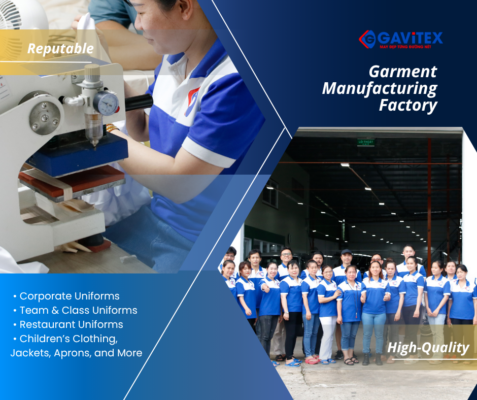
Learn how to navigate the vendor selection process and choose the perfect Vietnamese garment manufacturer for your needs.
Key Considerations for Design and Development with Vietnamese Manufacturers
Successfully navigating the design and development phase with Vietnamese garment manufacturers is crucial for achieving your brand’s vision while optimizing production. When leveraging brand manufacturing services in Vietnam, a proactive approach to design communication, technical specifications, and sample approvals will ensure smooth production runs and high-quality results. This section outlines key considerations to guide your brand through this critical stage.
-
Detailed Tech Packs are Paramount: A comprehensive tech pack serves as the cornerstone of effective communication. It should include detailed sketches with precise measurements, fabric specifications (including weight, composition, and finish), construction details (stitch types, seam allowances), and any special instructions for embellishments or treatments. Providing clear and unambiguous information minimizes the risk of misinterpretation and errors during sampling and production. Consider including visual references, Pantone color codes, and detailed grading charts.
-
Embrace Prototyping and Sampling: Before committing to bulk production, invest in thorough prototyping and sampling. Request multiple samples at different stages of development, such as first prototypes, fit samples, and pre-production samples. Each sample round provides an opportunity to refine the design, address potential issues, and ensure accurate execution. Be prepared to provide detailed feedback on each sample, clearly articulating any necessary adjustments or modifications.
-
Understanding Vietnamese Sizing Standards: While global sizing charts exist, understanding nuances of Vietnamese sizing is crucial, especially if targeting the local market or expecting variations in body types. Discuss sizing expectations upfront, and if necessary, provide your own grading charts tailored to your brand’s target demographic. Working with manufacturers familiar with your desired market’s sizing preferences can minimize fit issues and customer returns.
-
Leverage Local Expertise in Materials and Techniques: Vietnamese manufacturers often possess deep expertise in local fabrics, embellishments, and garment construction techniques. Don’t hesitate to tap into this knowledge base. Collaborate with your manufacturer to explore innovative materials or cost-effective construction methods that can enhance your designs. For instance, they might suggest alternative fabric blends or embellishment techniques that achieve the desired look while reducing production costs.
-
Clear Communication is Key: Effective communication is paramount to a successful design and development process. Establish clear communication channels with your manufacturer, including designated points of contact for design, technical, and production matters. Utilize visual aids such as sketches, photos, and videos to clarify your instructions. Be proactive in addressing any questions or concerns the manufacturer may have and provide timely feedback on samples and prototypes. Consider using translation services if language barriers exist.
By prioritizing these key considerations, your brand can foster strong collaborations with Vietnamese garment manufacturers, resulting in high-quality products that meet your design vision and market demands.
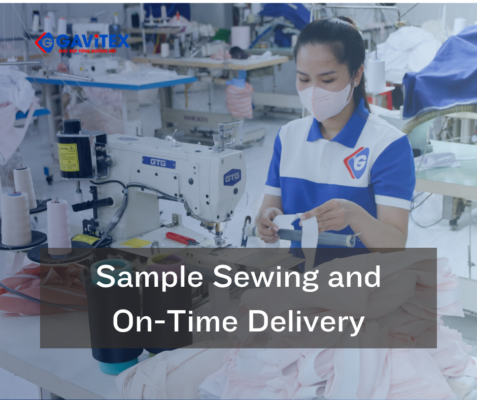
Delve into essential design and development strategies to maximize collaboration with Vietnamese manufacturers.
Sourcing Fabrics and Materials in Vietnam: Options and Best Practices
Sourcing fabrics and materials is a critical aspect of brand manufacturing services in Vietnam, influencing both the quality and cost-effectiveness of your final product. Vietnam’s textile industry has grown significantly, offering diverse options for raw materials, from locally produced fabrics to imported specialties, making it crucial to understand the landscape for informed decision-making in your garment manufacturing strategy. This section delves into the various sourcing channels, highlighting best practices for securing high-quality materials while navigating the complexities of the Vietnamese market.
Vietnam boasts a growing domestic textile industry, providing access to a range of locally produced fabrics like cotton, polyester, and blends, particularly strong in basic and mid-range materials suitable for everyday apparel. Engaging directly with local mills or through established trading houses allows for potentially lower costs and shorter lead times, fostering more agile supply chain management. However, consistently assessing the quality and consistency of locally sourced materials is crucial, especially when compared to international standards.
For specialized or high-end fabrics such as organic cotton, linen, silk, or performance textiles, relying on imports is often necessary, opening doors to suppliers from countries like China, South Korea, and Taiwan. This approach grants access to a wider variety of textures, finishes, and technical specifications, enabling brands to create truly distinctive and innovative garments. Understanding import regulations and duties becomes essential when opting for imported materials, impacting the overall cost structure of your garment manufacturing.
When navigating the Vietnamese fabric market, establishing strong relationships with reputable suppliers is paramount to secure fair pricing, consistent quality, and timely delivery. Thorough due diligence, including factory visits and quality audits, is essential to verify supplier capabilities and ensure ethical sourcing practices. Many international brands, including overseas buyers, prioritize suppliers committed to sustainability and fair labor practices, reflecting a growing global trend towards responsible sourcing.
Here are some best practices for sourcing fabrics and materials in Vietnam:
- Detailed Specifications: Provide manufacturers with comprehensive tech packs outlining precise fabric requirements, including weight, composition, construction, and performance characteristics.
- Sampling and Testing: Request fabric samples from multiple suppliers and conduct thorough testing to ensure they meet your quality and performance standards.
- Negotiation and Contracts: Negotiate pricing and payment terms carefully, and establish legally binding contracts that protect your interests and guarantee material quality.
- Supply Chain Transparency: Map your supply chain to understand the origin of your materials and ensure ethical and sustainable sourcing practices.
- Quality Control: Implement rigorous quality control procedures throughout the production process to identify and address any material defects early on.
By carefully considering your sourcing options and implementing best practices, you can ensure access to high-quality fabrics and materials, contributing to the success and sustainability of your brand manufacturing ventures in Vietnam.
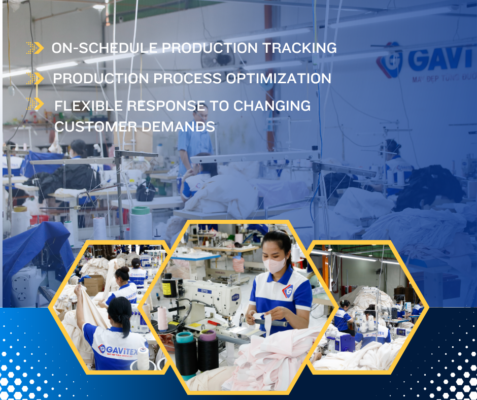
Discover the best methods for sourcing high-quality fabrics and materials within the Vietnamese market.
Navigating Production and Quality Control: Ensuring Excellence in Your Garment Order
Achieving exceptional quality in garment manufacturing requires a strategic approach to production and quality control, ensuring your brand manufacturing services deliver products that meet and exceed expectations. A robust quality control system integrated throughout the production process is paramount to safeguarding your brand’s reputation and customer satisfaction when partnering with Vietnamese manufacturers.
Effective production control begins with meticulous planning and communication. This involves clearly defining quality standards, tolerances, and acceptable defect levels before production commences. Sharing detailed tech packs, including specifications for fabric, stitching, and embellishments, is crucial. Regular communication with the manufacturer, along with detailed production schedules, allows for proactive identification and resolution of potential issues.
To ensure consistent quality throughout the entire production run, implement a multi-stage quality control process:
- Pre-Production Inspection (PPI): Verify the quality of raw materials, fabrics, and trims before they enter the production line. This is a critical step in preventing substandard materials from being used.
- In-Process Inspection (IPI): Conduct inspections at various stages of production, such as cutting, sewing, and finishing. IPI allows for early detection of defects and minimizes the risk of large-scale production errors.
- Final Inspection (FRI): Perform a comprehensive inspection of finished garments before shipment. This includes checking for defects in stitching, sizing, color consistency, and overall workmanship. The Acceptance Quality Limit (AQL) should be clearly defined.
For instance, overseas buyers should adopt a strict AQL standard of 2.5 for major defects and 4.0 for minor defects. Employing qualified quality control inspectors who understand garment construction and quality standards is crucial. These inspectors should be independent from the production team to ensure objectivity. Providing them with clear guidelines, checklists, and measuring tools will help them conduct thorough inspections.
Moreover, Vietnam‘s garment factories are increasingly adopting advanced technologies for quality control, such as computer-aided design (CAD) systems for pattern making, automated cutting machines for precision, and sophisticated testing equipment for fabric performance. These technologies, coupled with rigorous inspection protocols, contribute to enhancing the quality and consistency of garment production.
By prioritizing production and quality control and working closely with reputable Vietnamese manufacturers, overseas buyers can deliver exceptional garments that align with its brand values and customer expectations.
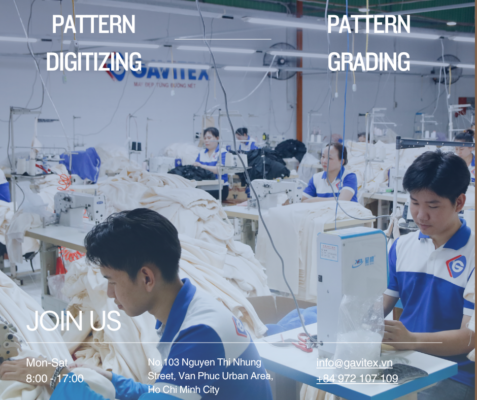
Find out how to maintain impeccable quality control throughout the Vietnamese garment production process.
Legal and Regulatory Compliance for Garment Manufacturing in Vietnam
Navigating the legal landscape is crucial for brand manufacturing services in Vietnam, ensuring smooth operations and mitigating potential risks. Understanding and adhering to Vietnamese regulations governing foreign investment, labor laws, trade regulations, and intellectual property rights is paramount for overseas buyers and other brands seeking to establish or maintain garment manufacturing operations in the country. This encompasses everything from securing the necessary business licenses and permits to complying with environmental protection standards and ensuring fair labor practices.
Successfully operating a garment manufacturing business within Vietnam necessitates a comprehensive grasp of the country’s intricate legal and regulatory framework. Foreign investors must navigate regulations concerning investment registration, which includes acquiring an Investment Registration Certificate (IRC) and an Enterprise Registration Certificate (ERC). These certificates legitimize your business operations and define the scope of permissible activities, including garment production. Furthermore, adherence to Vietnamese labor laws is non-negotiable, encompassing aspects such as employment contracts, working hours, wages, social insurance, and workplace safety standards, ensuring a fair and ethical working environment.
Moreover, overseas buyers must be cognizant of regulations concerning trade and customs. This entails understanding import and export duties, complying with rules of origin, and fulfilling customs procedures to ensure the seamless flow of raw materials and finished goods across borders. Vietnam has entered into numerous free trade agreements (FTAs) with countries and regions worldwide, offering preferential tariff rates and streamlined trade processes. For instance, the Comprehensive and Progressive Agreement for Trans-Pacific Partnership (CPTPP) and the EU-Vietnam Free Trade Agreement (EVFTA) can significantly reduce import/export costs.
Protecting your intellectual property (IP) is another critical aspect of legal compliance. Registering your trademarks, designs, and patents in Vietnam is essential to safeguard your brand and prevent counterfeiting. Vietnam’s IP law provides mechanisms for enforcing IP rights and combating infringement, but proactive registration and monitoring are crucial. Beyond these core areas, manufacturers must also comply with regulations related to fire safety, environmental protection, and other industry-specific standards to ensure responsible and sustainable operations.
Communication and Cultural Nuances When Working with Vietnamese Manufacturers
Successfully navigating communication and cultural nuances is paramount for fostering strong, productive relationships with Vietnamese garment manufacturers, ultimately impacting the success of your brand manufacturing services. Understanding these subtle yet significant aspects can prevent misunderstandings, build trust, and streamline the entire production process, enhancing collaboration and ensuring your vision is realized effectively.
Effective communication goes beyond simple translation; it requires awareness of Vietnamese business etiquette. For instance, direct confrontation is generally avoided. Instead of directly criticizing a mistake, try framing it as an opportunity for improvement. This approach respects Vietnamese culture which values harmony and saving face. Building Rapport through small talk before diving into business matters is also highly appreciated, showing respect and fostering a more collaborative environment. Always use formal titles and addresses unless explicitly invited to do otherwise.
Another key area to consider is cultural sensitivity. The Vietnamese culture places high value on hierarchy and respect for elders and those in positions of authority. Demonstrating respect for senior members of the manufacturing team and understanding the chain of command is crucial. Decision-making can be a more deliberate process in Vietnam, requiring patience and consistent follow-up. Be mindful of holidays such as Tet (Lunar New Year), which can significantly impact production timelines, and plan accordingly. Understanding these elements will help you build better relationship with garment manufacturers in Vietnam.
Here are some helpful tips when communicating:
- Use clear and concise language: Avoid jargon and complex sentence structures.
- Confirm understanding: Regularly check that your message has been correctly interpreted.
- Be patient and respectful: Allow time for responses and avoid rushing decisions.
- Utilize visual aids: Drawings, samples, and detailed specifications can minimize miscommunication.
By prioritizing clear communication, demonstrating cultural sensitivity, and adapting your approach to align with Vietnamese customs, your brand overseas buyers can establish strong, mutually beneficial relationships with garment manufacturers in Vietnam, leading to higher quality products and a smoother production process within your brand manufacturing services.
Sustainable and Ethical Manufacturing Options in Vietnam: A Growing Trend
Vietnam’s garment industry is increasingly embracing sustainable and ethical manufacturing, reflecting a global shift towards responsible sourcing and production practices for brand manufacturing services. This growing trend presents significant opportunities for brands seeking to align their values with their supply chain and cater to conscious consumers.
The move towards sustainability in Vietnam is fueled by various factors. Firstly, consumer demand for eco-friendly and ethically produced clothing is rising, pushing brands to seek manufacturers that can meet these demands. Secondly, international regulations and standards, such as those set by the Global Organic Textile Standard (GOTS) and Fair Wear Foundation, are influencing manufacturing practices. Finally, Vietnamese manufacturers themselves are recognizing the long-term benefits of sustainable practices, including improved resource efficiency, reduced waste, and enhanced brand reputation.
Several options are available for brands looking for sustainable garment manufacturing in Vietnam:
- Eco-friendly Materials: Sourcing fabrics made from recycled materials (e.g., recycled polyester, recycled cotton), organic cotton, or innovative sustainable fibers like Tencel and Linen. Many Vietnamese suppliers are now offering a wider range of these eco-conscious textiles.
- Ethical Labor Practices: Partnering with factories that prioritize fair wages, safe working conditions, and respect for workers’ rights. Independent certifications like WRAP (Worldwide Responsible Accredited Production) and BSCI (Business Social Compliance Initiative) can help verify ethical compliance.
- Water and Energy Conservation: Opting for manufacturers that invest in water-saving technologies (e.g., water recycling systems, low-impact dyeing) and utilize renewable energy sources (e.g., solar power).
- Waste Reduction and Circularity: Working with factories that implement waste management programs, reduce fabric waste through optimized cutting techniques, and explore circular economy initiatives like textile recycling and upcycling.
- Transparency and Traceability: Prioritizing supply chain transparency to track the origin of materials and ensure ethical and environmental standards are met throughout the production process. Technologies like blockchain are increasingly being used to enhance traceability.
The increasing adoption of sustainable practices in Vietnam’s garment sector presents several advantages for overseas buyers and other brands. It allows them to reduce their environmental impact, improve their brand image, and meet the growing demand for ethical and sustainable products. However, it’s crucial to conduct thorough due diligence to ensure that manufacturers genuinely adhere to these practices and possess the necessary certifications.
Cost Breakdown: Understanding the Pricing Structure of Garment Manufacturing in Vietnam
Understanding the cost breakdown is crucial for businesses considering brand manufacturing services in Vietnam. This involves dissecting the various factors that contribute to the final price of your garment order, allowing you to budget effectively and negotiate favorable terms with Vietnamese manufacturers.
Several interconnected elements shape the pricing landscape of garment production in Vietnam. Understanding these facets is key to making informed decisions and optimizing your manufacturing costs. These factors often include material expenses, labor costs, factory overhead, and shipping charges. Additionally, the complexity of the design, the order quantity, and the level of quality control demanded will significantly influence the final price point. Let’s explore these in detail.
Material Costs: This constitutes a significant portion of the overall cost. The type of fabric chosen (cotton, silk, polyester, etc.), its quality, and any embellishments (buttons, zippers, labels) directly impact the final price. Sourcing strategies, like utilizing local Vietnamese suppliers, can sometimes lower material expenses compared to importing materials.
Labor Costs: Vietnam benefits from a competitive labor market. While wages have been increasing, they generally remain lower than in many other garment-producing countries. The complexity of the garment construction will influence labor time, thereby impacting the cost. Keep in mind that skilled labor for intricate designs may command higher rates.
Factory Overhead: This encompasses the factory’s operational expenses, including rent, utilities, machinery maintenance, and administrative staff salaries. These costs are typically factored into the per-unit price. Factories with modern equipment and efficient processes might have higher overhead but can also offer faster turnaround times and improved quality.
Production Volume and Complexity: Order quantity significantly influences per-unit cost; larger orders typically yield lower prices due to economies of scale. The complexity of garment design, including intricate patterns, embellishments, and specialized sewing techniques, also drives up the cost. Streamlining designs and opting for simpler constructions can help reduce expenses.
Quality Control: Rigorous quality control measures add to the cost but are essential for ensuring high-quality garments that meet brand standards. Investing in thorough inspections throughout the production process helps prevent defects and costly rework. Different levels of quality control (e.g., AQL standards) will influence the price.
Shipping and Logistics: Transportation costs, including freight charges, insurance, and customs duties, must be factored into the overall budget. The shipping method (sea, air, land) and the destination will affect these expenses. Careful planning of logistics and exploring different shipping options can help optimize these costs.
Vietnam Biz Rep supports overseas buyers with garment supplier search, factory verification, sample coordination, production follow-up, and quality inspection in Vietnam. Learn more on our clothing sourcing agent page or visit Vietnam sourcing agent for our full range of services. Contact Vietnam Biz Rep to discuss your sourcing requirements.
