

Finding the right brand-exclusive garment factory is crucial for businesses aiming to maintain quality control and brand consistency in 2025. This guide delves into the intricacies of securing a manufacturing partner that aligns perfectly with your brand’s unique needs, focusing on identifying suitable factories in Vietnam, understanding the benefits of exclusive manufacturing agreements, and navigating the challenges of overseeing production. We will analyze key metrics such as cost efficiency, production capacity, and quality assurance processes to help you make informed decisions in the garment manufacturers in Vietnam category. Finally, practical advice is provided on contract negotiation and building long-term relationships with your chosen partner, ensuring a seamless and successful collaboration.
Defining BrandExclusive: What It Means for Garment Manufacturing
In garment manufacturing, a brand-exclusive garment factory signifies a dedicated production partner committed to serving the specific needs and standards of a single brand, providing customized and focused manufacturing solutions. This is more than just contract manufacturing; it represents a deeper, more strategic relationship. This specialization contrasts with factories that handle multiple brands simultaneously, often leading to diluted focus and potential compromises in quality control and brand identity.
Some manufacturers market themselves specifically around brand-focused garment production, structuring their entire operation to serve a small number of exclusive client brands rather than running a general contract line.
A brand-exclusive arrangement offers several key advantages. Firstly, it allows for greater control over the entire production process, from sourcing raw materials to the final quality check. This level of oversight ensures that the garments align perfectly with the brand’s vision and quality expectations. Secondly, it fosters a stronger collaborative environment, where the factory becomes intimately familiar with the brand’s aesthetic, target market, and specific requirements. This shared understanding leads to more efficient communication, fewer errors, and ultimately, a superior product. For example, overseas buyers, choosing a brand-exclusive model, could ensure all sustainable practices are rigorously implemented throughout their supply chain, aligning with their brand values.
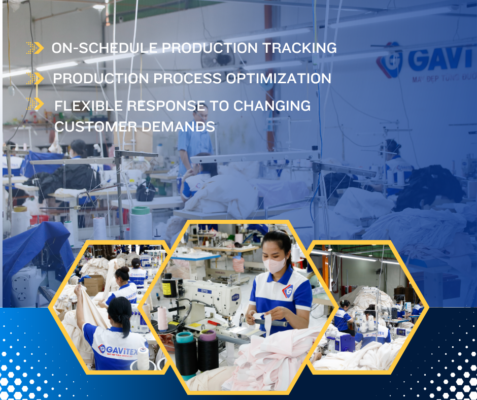
Furthermore, brand exclusivity allows for customized manufacturing processes. This can include tailoring production lines to specific garment types, investing in specialized equipment, and implementing unique quality control protocols. The garment factory can invest in capabilities and training specific to your brand’s particular needs, offering a level of customization that a multi-brand factory simply cannot provide. This exclusivity provides businesses such as overseas buyers, significant benefits in quality consistency and product innovation.
Want to understand how a BrandExclusive approach can revolutionize your garment manufacturing? Let’s explore the core elements.
Vietnam as a Hub for BrandExclusive Garment Factories: Advantages and Considerations
Vietnam has emerged as a premier destination for brand-exclusive garment factories, offering a compelling blend of cost-effectiveness, skilled labor, and a strategic geographic location that appeals to global fashion brands seeking dedicated manufacturing partnerships. This section delves into the multifaceted advantages of choosing Vietnam as your manufacturing hub, while also addressing crucial considerations to ensure a successful and sustainable operation.
One of the primary draws of Vietnam is its competitive labor costs. Compared to other manufacturing powerhouses like China, Vietnam offers significantly lower wages, reducing overall production expenses for brands. Coupled with a young and increasingly skilled workforce, this cost advantage doesn’t compromise on quality. The Vietnamese government has also actively invested in vocational training programs to enhance the expertise of garment workers, fostering a culture of continuous improvement within the industry. For instance, statistics from the General Statistics Office of Vietnam consistently show lower average monthly wages in the garment sector compared to China.
Beyond cost, Vietnam’s stable political environment and its commitment to international trade agreements provide a favorable business climate. The country’s participation in various free trade agreements, including the CPTPP and EVFTA, offers preferential access to key markets, reducing tariffs and streamlining trade processes. This accessibility allows brands to efficiently distribute their products globally. Furthermore, Vietnam’s strategic location within Southeast Asia provides convenient access to other important markets and supply chains.
However, there are important factors to consider when establishing a brand-exclusive garment production facility in Vietnam. While labor costs are attractive, brands must ensure compliance with local labor laws and ethical sourcing standards. Implementing fair wages, providing safe working conditions, and respecting workers’ rights are not only ethical imperatives but also crucial for maintaining brand reputation and consumer trust. Additionally, navigating the complexities of Vietnamese regulations and building strong relationships with local suppliers require careful planning and cultural sensitivity.
Infrastructure development is another consideration. While Vietnam has made significant strides in improving its transportation network and port facilities, logistical challenges can still arise, particularly in remote areas. Brands should carefully assess the infrastructure capabilities of potential factory locations and invest in logistics solutions to ensure efficient supply chain management. Partnering with experienced local agents and consultants can help mitigate these challenges.
Finally, protecting your brand’s intellectual property is paramount. Vietnam has made progress in strengthening its IP protection laws, but vigilance is still necessary. Brands should register their trademarks and designs in Vietnam and implement robust security measures within their factories to prevent counterfeiting and unauthorized production. Working with reputable garment factories that prioritize IP protection is crucial for safeguarding your brand’s assets.
Key Capabilities to Look for in a BrandExclusive Garment Factory in Vietnam
When seeking a brand-exclusive garment factory for your apparel manufacturing in Vietnam, focusing on specific capabilities is paramount to ensure product quality, brand consistency, and successful collaboration. Choosing the right manufacturing partner is a critical decision, as they will be essentially acting as an extension of your brand. Thus, thoroughly assessing their strengths, resources, and expertise is essential for aligning production with your brand’s vision and quality standards.
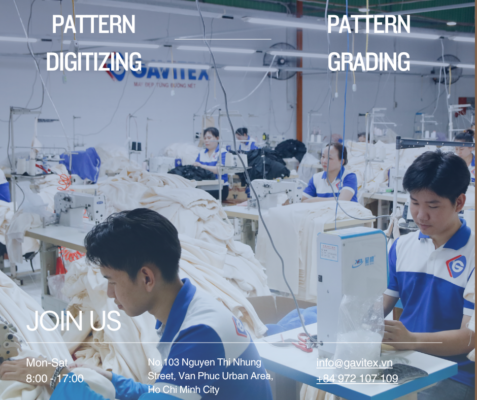
Firstly, cutting-edge technology and infrastructure are crucial. A modern factory should possess advanced equipment like automated cutting machines, computer-aided design (CAD) systems, and sophisticated sewing machinery. This ensures precision, efficiency, and the ability to handle complex designs. For example, factories equipped with Gerber or Lectra CAD systems can optimize fabric utilization and minimize waste, boosting both cost-effectiveness and sustainability. Moreover, their infrastructure should support seamless production flow, efficient inventory management, and effective quality control at every stage.
Secondly, look for specialized expertise and skilled labor. A brand-exclusive garment factory should demonstrate a deep understanding of various fabric types, garment construction techniques, and finishing processes relevant to your specific product lines. A workforce skilled in pattern making, sewing, quality inspection, and other related areas is essential for producing high-quality garments. Factories that invest in training and development programs for their employees are more likely to maintain a skilled and motivated workforce.
Thirdly, comprehensive quality control measures are indispensable. The factory should implement rigorous quality checks at every stage of production, from raw material inspection to final garment inspection. This includes detailed inspection reports, defect tracking systems, and adherence to international quality standards. For instance, factories that follow AQL (Acceptable Quality Level) standards ensure that products meet pre-defined quality benchmarks, minimizing the risk of defective items reaching the market.
Fourthly, supply chain management proficiency is necessary for seamless operations. An efficient supply chain ensures timely sourcing of raw materials, streamlined production processes, and on-time delivery of finished goods. A factory with established relationships with reliable suppliers of fabrics, trims, and other components can effectively manage lead times and minimize disruptions. Strong supply chain management also allows for greater flexibility and responsiveness to changing market demands.
Finally, consider design and product development support. Many brand-exclusive garment factories offer value-added services such as design assistance, sample creation, and product development. This can be especially beneficial for brands that need help refining their designs, sourcing new materials, or creating prototypes. Factories with experienced design teams and product development capabilities can act as strategic partners, helping brands stay ahead of trends and innovate their product offerings.
Certifications and Compliance: Ensuring Ethical and Sustainable Production
In the realm of brand-exclusive garment manufacturing, certifications and compliance serve as cornerstones for ensuring ethical and sustainable production practices. As a brand, partnering with a garment factory that prioritizes these aspects is not just about adhering to regulations; it’s about building trust, safeguarding your brand reputation, and contributing to a more responsible and environmentally conscious industry.
Meeting internationally recognized standards demonstrates a factory’s commitment to fair labor practices, environmental protection, and product safety. These certifications act as tangible proof of a factory’s adherence to ethical guidelines and its dedication to minimizing its environmental footprint. Examples of these are:
- Fair Wear Foundation (FWF): Focuses on improving labor conditions in the garment industry.
- Worldwide Responsible Accredited Production (WRAP): Certifies facilities based on 12 principles covering human resources, health and safety, environmental practices, and legal compliance.
- Business Social Compliance Initiative (BSCI): Provides a system for companies to monitor and improve social performance in their supply chain.
- SA8000: A social accountability standard based on ILO conventions, focusing on worker rights, workplace conditions, and management systems.
These certifications often require rigorous audits and continuous improvement, giving brands confidence in their manufacturing partners.
Beyond social compliance, environmental certifications are crucial for sustainable production. Brand-exclusive garment factories should actively pursue certifications that demonstrate their commitment to minimizing environmental impact. OEKO-TEX certification, for example, ensures that textiles are free from harmful substances, protecting both workers and consumers. Similarly, Global Organic Textile Standard (GOTS) certification guarantees that organic fibers are used and processed according to environmentally sound criteria. Furthermore, factories should adhere to local environmental regulations and demonstrate a proactive approach to reducing waste, conserving water, and managing energy consumption. overseas buyers always prioritizes the environmental and ethical to bring the best experience.
For businesses like overseas buyers, Intellectual Property Protection is of utmost importantance. Beyond certifications, maintaining transparency throughout the supply chain is essential. Brands should actively engage with their manufacturing partners to understand their sourcing practices, production processes, and waste management strategies. Regular communication, factory visits, and collaborative problem-solving are crucial for fostering a strong partnership built on trust and shared values. By prioritizing certifications and compliance, brands can ensure that their brand-exclusive garment factory in Vietnam operates ethically, sustainably, and in alignment with their values.
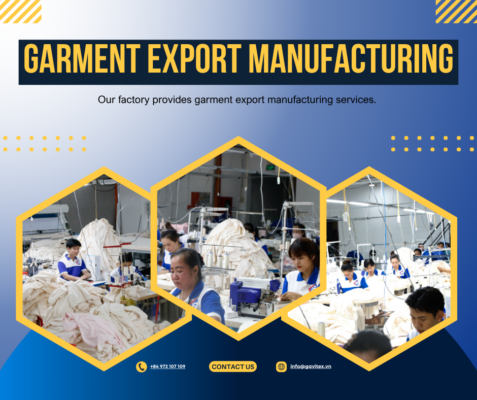
Establishing a Strong Partnership: Communication and Collaboration Strategies
Establishing a strong partnership with a brand-exclusive garment factory hinges on effective communication and well-defined collaboration strategies. A successful relationship ensures smooth operations, high-quality output, and ultimately, the protection and enhancement of your brand’s reputation. Investing in building these foundational elements translates into long-term success in your garment manufacturing endeavors.
Open and transparent communication forms the bedrock of any successful partnership with a garment factory. This involves establishing clear channels for regular updates, feedback, and issue resolution. Utilizing project management tools, video conferencing, and designated points of contact can streamline communication and ensure everyone stays informed throughout the production process. For example, overseas buyers can implement weekly video calls with the factory’s production manager to discuss progress, address potential roadblocks, and ensure alignment with design specifications.
Collaboration extends beyond simple communication; it requires a shared understanding of goals and expectations. Clearly defined roles and responsibilities, documented in a service-level agreement (SLA), minimize ambiguity and prevent misunderstandings. For instance, the SLA should outline the factory’s responsibilities regarding quality control, lead times, and adherence to ethical labor practices. Furthermore, fostering a collaborative environment where both parties feel comfortable sharing ideas and concerns is crucial for continuous improvement and innovation.
To ensure seamless collaboration, consider the following strategies:
- Regular On-Site Visits: Schedule routine visits to the factory to observe production processes, meet with key personnel, and build rapport.
- Joint Problem-Solving Sessions: Encourage open discussions to address challenges and develop mutually beneficial solutions.
- Cross-Functional Training: Provide opportunities for your team and the factory’s team to learn from each other’s expertise.
- Performance Reviews: Conduct regular performance reviews to assess the partnership’s effectiveness and identify areas for improvement.
By prioritizing clear communication and fostering a collaborative spirit, brands like overseas buyers can cultivate strong, mutually beneficial relationships with their brand-exclusive garment factories, paving the way for long-term success and sustainable growth.
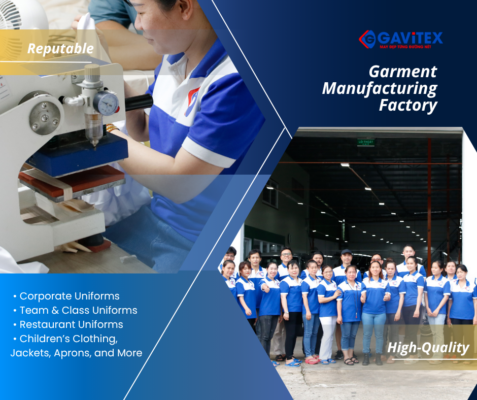
Cost Considerations: Negotiating Pricing and Understanding Value
Understanding cost considerations is critical when partnering with a brand-exclusive garment factory. Effective negotiation and a clear understanding of the value offered are essential to maximizing ROI for your clothing line while maintaining quality and ethical production standards. Securing a favorable price point requires a strategic approach, leveraging industry insights and transparent communication throughout the negotiation process.
When evaluating proposals from garment manufacturers in Vietnam, it’s vital to dissect the pricing structure. A detailed breakdown of costs, including materials (fabric, trims, etc.), labor, overhead (factory rent, utilities), and profit margins, will provide valuable insights. Remember, the lowest price doesn’t always equate to the best value. Factors like quality control processes, lead times, communication responsiveness, and the factory’s commitment to ethical practices all contribute to the overall value proposition.
To effectively negotiate pricing, research prevailing market rates for similar products and production volumes in Vietnam. This benchmark will empower you to identify potential areas for cost reduction. Don’t hesitate to ask for price adjustments based on order volume, payment terms (e.g., upfront deposit vs. staged payments), or alternative sourcing options for materials. Building a strong relationship with your brand-exclusive garment factory based on mutual respect and transparency can lead to more favorable pricing arrangements in the long run. Furthermore, consider the long-term benefits of a sustainable and ethical supply chain, as consumers are increasingly willing to pay a premium for products that align with their values, which can ultimately enhance your brand’s reputation and profitability.
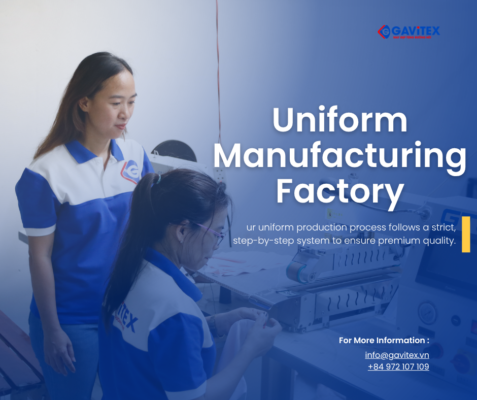
Protecting Your Brand: Intellectual Property and Confidentiality Agreements
Safeguarding your intellectual property is paramount when engaging a brand-exclusive garment factory, especially in a competitive market like Vietnam, where maintaining a unique brand identity is crucial for success. This section outlines how to protect your designs and brand secrets through robust intellectual property measures and legally binding confidentiality agreements.
Protecting your brand starts with understanding the types of intellectual property rights relevant to garment manufacturing. These rights commonly include copyrights for your unique designs, trademarks for your brand name and logo, and potentially patents if your garments incorporate innovative functional features. It’s essential to register your trademarks and copyrights in Vietnam to establish legal ownership and the right to enforce these rights against infringement. Before partnering with any garment factory, conduct thorough due diligence to ensure they have a strong record of respecting intellectual property and adhering to ethical business practices.
Confidentiality agreements (NDAs) are vital tools for protecting sensitive information shared with your brand-exclusive garment factory. An NDA should clearly define what constitutes confidential information – including designs, patterns, technical specifications, pricing, and marketing strategies – and explicitly prohibit the factory from disclosing this information to third parties or using it for their own benefit. Furthermore, ensure the agreement includes clauses addressing data security, limiting access to confidential information only to authorized personnel within the factory, and outlining the consequences of a breach of confidentiality. It’s advisable to have your NDA reviewed by a lawyer specializing in intellectual property law in Vietnam to ensure it is enforceable under local regulations.
Enforcement is key to protecting your brand. Your contract with the garment factory should clearly outline procedures for monitoring compliance with intellectual property and confidentiality obligations. This includes the right to conduct audits of the factory’s facilities and systems, as well as clear remedies in case of a breach, such as financial penalties, termination of the agreement, and legal action. Proactive monitoring, combined with swift and decisive action against any violations, will send a clear message that you take your brand protection seriously. Partnering with overseas buyers, known for its commitment to ethical and legal compliance, can provide an added layer of assurance in safeguarding your intellectual property during the garment manufacturing process in Vietnam.
Scaling Your Production: Growth and Future Capabilities
For brands partnering with a brand-exclusive garment factory, understanding the potential for scaling production is paramount for long-term success and capturing future market opportunities. This section explores how a dedicated garment manufacturing partner can facilitate growth and adapt to evolving business needs, ensuring your brand remains competitive and responsive to consumer demands.
A key indicator of a garment factory’s scalability is its existing infrastructure and capacity for expansion. Consider factors such as:
- Available space and resources: Does the factory have room to accommodate additional machinery, equipment, and personnel as production volumes increase?
- Technological adaptability: Is the factory willing to invest in new technologies and automation to enhance efficiency and output?
- Supply chain robustness: Can the factory effectively manage increased raw material sourcing, inventory management, and logistics to support larger production runs?
Beyond physical capabilities, a brand-exclusive garment factory should also demonstrate a commitment to future-proofing its operations. This includes:
- Investment in workforce training and development: Ensuring employees possess the skills necessary to operate advanced equipment and manage complex processes.
- Adoption of sustainable manufacturing practices: Minimizing environmental impact and aligning with growing consumer preferences for eco-friendly products. overseas buyers, for instance, prioritizes factories employing water-saving technologies and waste reduction programs.
- Diversification of product offerings: Exploring opportunities to expand into new garment categories or value-added services to cater to evolving market trends.
A collaborative approach is critical for successfully scaling production. Open communication, shared forecasting, and proactive problem-solving are essential for ensuring a smooth and efficient growth trajectory. Regular performance reviews and joint planning sessions allow both the brand and the garment factory to identify potential bottlenecks, optimize processes, and proactively address any challenges that may arise. This collaborative relationship will ultimately drive sustainable growth and maximize the benefits of a brand-exclusive garment factory partnership.
Case Studies: Success Stories of BrandExclusive Garment Manufacturing in Vietnam
BrandExclusive garment manufacturing in Vietnam has become a compelling strategy for international brands seeking to optimize production, enhance control, and ensure quality. By partnering with dedicated garment factories committed to brand exclusivity, companies can cultivate success stories built on trust, efficiency, and shared values. This section will explore real-world examples of how this model has fostered growth and innovation, providing insights into the tangible benefits of brand-focused partnerships.
Several international brands have witnessed significant improvements in product quality, turnaround time, and overall supply chain efficiency through brand-exclusive arrangements with Vietnamese factories. These collaborations often involve establishing clear communication channels, implementing rigorous quality control measures, and investing in advanced technologies, leading to enhanced brand reputation and customer satisfaction. The success of brand exclusivity hinges on a deeply rooted understanding of the brand’s unique identity and a shared commitment to delivering exceptional products.
One notable success story involves a European sportswear brand that partnered with a overseas buyers garment factory in Vietnam to create a dedicated production line for its performance apparel. By providing specialized training, investing in advanced machinery tailored to the brand’s specific requirements, and fostering a collaborative environment, the factory significantly reduced production defects by 15% and shortened lead times by 20%. This allowed the brand to respond more quickly to market trends and increase its market share in a highly competitive industry.
Another compelling example is a US-based fashion retailer that chose a brand-exclusive garment factory in Vietnam to manufacture its high-end denim collection. The factory’s commitment to ethical and sustainable practices, coupled with its ability to meet the retailer’s stringent quality standards, resulted in a 30% increase in sales and a significant boost to the brand’s image. This demonstrates the power of brand exclusivity in building trust with consumers who increasingly value transparency and responsible production.
- Reduced Production Defects: From 15%
- Shortened Lead Times: From 20%
- Increase in sales: From 30%
These case studies highlight the potential of brand-exclusive garment manufacturing in Vietnam to drive business growth, enhance brand value, and create lasting partnerships. By carefully selecting a factory that aligns with their values and investing in a collaborative relationship, brands can unlock significant benefits and achieve remarkable success in the global marketplace.
Vietnam Biz Rep supports overseas buyers with garment supplier search, factory verification, sample coordination, production follow-up, and quality inspection in Vietnam. Learn more on our clothing sourcing agent page or visit Vietnam sourcing agent for our full range of services. Contact Vietnam Biz Rep to discuss your sourcing requirements.
