

Securing robust clothing manufacturing support is crucial for garment businesses aiming for efficiency and profitability in today’s competitive market. Navigating the complexities of supply chain optimization, ensuring quality control, and achieving cost-effective production are vital for success, especially for businesses involved in garment manufacturing in Vietnam. This article provides a practical guide to understanding key aspects of production planning, sourcing strategies, compliance standards, and leveraging technology for enhanced manufacturing processes, helping you make informed decisions to optimize your garment manufacturing operations. We’ll delve into strategies for finding the right garment manufacturers in Vietnam, streamlining your manufacturing process, and ensuring adherence to ethical manufacturing practices in 2025.
Navigating Clothing Manufacturing Support in Vietnam: A Comprehensive Guide
Successfully navigating clothing manufacturing support in Vietnam requires a thorough understanding of the resources and assistance available to garment businesses. This guide serves as a roadmap for both domestic and international companies seeking to optimize their clothing manufacturing operations within Vietnam, providing insights into the various support systems that can foster growth and efficiency. From financial incentives to technical assistance, a well-informed approach can significantly enhance a manufacturer’s competitiveness in the global market.
Vietnam’s garment industry benefits from a range of support mechanisms designed to enhance its manufacturing capabilities. These include initiatives aimed at improving production processes, enhancing product quality, and fostering sustainable practices. Understanding the landscape of support for garment manufacturers involves identifying key government programs, industry associations, and international organizations that offer valuable resources and guidance.
One crucial aspect is accessing financial support. Vietnamese garment factories can explore numerous financial support options, including loans, grants, and investment opportunities that can fuel expansion and technological upgrades. These programs often target specific areas such as energy efficiency, worker training, and export promotion. By understanding the eligibility criteria and application procedures for these financial instruments, companies can secure the necessary funding to drive innovation and enhance their operational capabilities.
Furthermore, effectively navigating clothing manufacturing support means leveraging resources for supply chain optimization and sourcing assistance. The Vietnamese government and various industry bodies actively promote initiatives that help garment manufacturers streamline their supply chains, reduce costs, and improve overall efficiency. This support extends to identifying reliable suppliers, negotiating favorable contracts, and implementing best practices in logistics and inventory management. For example, Vietnam Biz Rep is committed to help you with that.
Finally, export assistance and market access programs play a vital role in the success of Vietnamese clothing manufacturers. The government provides a range of services to facilitate exports, including market research, trade show participation, and assistance with customs procedures. By taking advantage of these programs, manufacturers can expand their reach into new markets, increase their sales, and strengthen their position in the global garment industry.
Uncover the secrets to ethical and sustainable apparel production: Explore our comprehensive guide to apparel manufacturing services in Vietnam.
Government Incentives and Policies for Garment Manufacturers in Vietnam
The Vietnamese government actively supports the growth of its garment industry through a range of incentives and policies designed to attract investment and enhance competitiveness, positioning Vietnam as a key player in clothing manufacturing support. These initiatives aim to streamline operations, reduce costs, and boost the overall attractiveness of Vietnam as a manufacturing hub. They encompass various aspects, from tax benefits and land use incentives to simplified customs procedures.
Several government policies directly benefit garment manufacturers. One significant incentive is preferential tax rates for companies investing in specific regions or sectors. For instance, businesses operating in economically disadvantaged areas may be eligible for reduced corporate income tax rates for a defined period. Furthermore, the government offers tax holidays, allowing qualifying companies to be exempt from paying corporate income tax for a certain number of years. These financial advantages significantly lower the operational costs for businesses in the garment sector.
Beyond tax incentives, the Vietnamese government provides support through land use policies. Garment factories may benefit from reduced land rental fees or exemptions, particularly when located in industrial parks or economic zones designated for manufacturing activities. Simplified administrative procedures for land acquisition and usage rights further facilitate the establishment and expansion of garment manufacturing facilities. This support helps businesses secure the necessary land resources efficiently and cost-effectively.
The government also focuses on trade facilitation to support Vietnamese clothing manufacturers. Streamlined customs procedures and reduced import/export duties can significantly expedite the movement of goods, making it easier for garment companies to source materials and export finished products. Vietnam’s participation in numerous free trade agreements (FTAs) further enhances market access for its garment products, eliminating or reducing tariffs in key export markets. The Ministry of Industry and Trade (MOIT) actively promotes these FTAs and provides guidance to businesses on how to leverage them effectively, increasing the appeal for clothing manufacturing support in Vietnam.
Financial Support Options: Loans, Grants, and Investment Opportunities for Vietnamese Garment Factories
Securing adequate financial support is crucial for Vietnamese garment factories to thrive in a competitive global market, and this section details available loans, grants, and investment opportunities. Access to finance allows clothing manufacturers to upgrade equipment, expand production capacity, and implement sustainable practices, driving both economic growth and industry advancement. This exploration will empower businesses to navigate the landscape of funding options in Vietnam.
Several government initiatives aim to bolster the garment industry by providing financial assistance. For example, the Support Industry Development Program offers preferential loan interest rates to enterprises investing in modern technologies and equipment. Furthermore, specific regions often have dedicated grant programs designed to attract foreign direct investment (FDI) in the textile sector. These government incentives are critical for reducing the financial burden on businesses seeking to innovate and expand.
Beyond governmental aid, various financial institutions in Vietnam offer tailored loan products for garment factories. Banks like Vietcombank and BIDV provide working capital loans, equipment financing, and export credit specifically designed to meet the needs of the apparel industry. The Vietnam Development Bank (VDB) also offers concessional loans for projects promoting sustainable development and technological upgrades within the clothing manufacturing sector.
Attracting investment is another viable pathway for Vietnamese garment factories to secure funding. Venture capital firms and private equity funds are increasingly interested in the potential of the Vietnamese textile and garment industry. Showcasing a clear business plan, demonstrating growth potential, and adhering to international standards are key to attracting investors. Furthermore, participation in industry events and trade shows can provide opportunities to network with potential investment partners.
Technological Upgrades and Innovation Support for Clothing Manufacturing
The integration of technological upgrades is crucial for Vietnamese clothing manufacturing to enhance productivity, improve quality, and maintain competitiveness in the global market, and understanding the types of support for these innovations is essential for sustainable growth. Modernizing garment factories through technology adoption helps streamline processes, reduce waste, and increase overall efficiency in the clothing manufacturing support ecosystem.
Several initiatives and programs are available to support Vietnamese garment manufacturers in adopting advanced technologies. These initiatives frequently include financial aid, technical assistance, and training programs geared toward maximizing the advantages of new technology. For example, the Vietnamese government offers tax incentives and subsidies to businesses that invest in state-of-the-art machinery and equipment. Simultaneously, international organizations and NGOs provide technical expertise and best practices for implementing innovative solutions in the garment industry. By taking advantage of these support systems, garment manufacturers can effectively improve their operational capabilities and maintain a competitive advantage.
Furthermore, promoting innovation in clothing manufacturing requires a focus on research and development (R&D) and collaboration between industry and academia. Funding for R&D projects allows for the development of novel materials, automation technologies, and sustainable manufacturing practices. Industry-academia partnerships promote the exchange of knowledge and expertise, assisting garment factories in applying cutting-edge technology to their activities. This cooperative strategy encourages a culture of innovation, which drives long-term development and resilience in the face of shifting market demands.
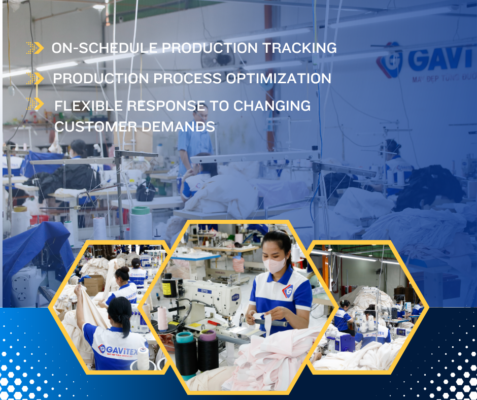
Training and Skill Development Programs for Garment Workers in Vietnam
Training and skill development programs are crucial for enhancing the capabilities of garment workers in Vietnam, enabling them to meet the evolving demands of the clothing manufacturing industry and boosting the sector’s competitiveness. These programs play a vital role in improving productivity, quality, and overall efficiency within Vietnamese garment factories, leading to higher wages and better working conditions for employees. Investment in workforce development is essential for the sustainable growth of the clothing manufacturing sector.
Several initiatives are underway to address the skill gap in the garment industry. Government-sponsored programs, often in collaboration with international organizations and private companies like overseas buyers, offer vocational training in areas such as sewing techniques, pattern making, quality control, and machine maintenance. For example, the Ministry of Labor, Invalids and Social Affairs (MOLISA) has partnered with the International Labour Organization (ILO) to implement projects aimed at improving the quality and relevance of vocational training programs for garment workers.
Industry-specific training programs are also gaining prominence. These programs are designed to address the specific needs of clothing manufacturers and equip workers with the skills required to operate advanced machinery, implement lean manufacturing principles, and adapt to new technologies. Many large garment factories invest in in-house training centers to provide continuous learning opportunities for their employees, fostering a culture of continuous improvement and innovation. These training programs often cover specialized areas like CAD/CAM (Computer-Aided Design/Computer-Aided Manufacturing), textile design, and supply chain management, contributing to a more skilled and versatile workforce.
To ensure the effectiveness of training programs, it is essential to incorporate practical, hands-on learning experiences. Simulation labs, on-the-job training, and apprenticeships are valuable methods for developing the skills and confidence of garment workers. Furthermore, programs should be regularly evaluated and updated to reflect changes in technology, market trends, and industry best practices. This adaptive approach will ensure that Vietnamese garment factories maintain a competitive edge in the global market and continue to attract investment and create jobs.
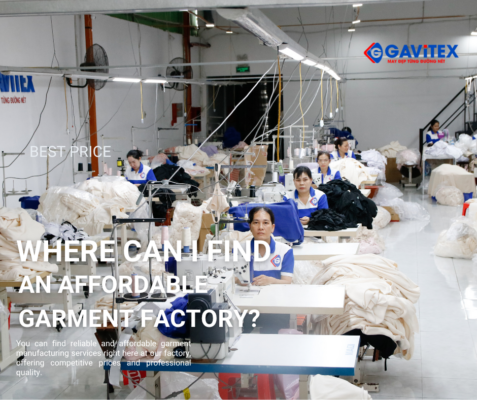
Supply Chain Optimization and Sourcing Assistance for Garment Manufacturing
Supply chain optimization and sourcing assistance are crucial for Vietnamese garment manufacturers aiming to enhance efficiency, reduce costs, and improve competitiveness in the global market; successful clothing manufacturing support hinges on mastering these elements. This involves streamlining the flow of materials, information, and finances from raw material suppliers to the end consumer, ultimately ensuring timely delivery of high-quality products at competitive prices.
Effective supply chain optimization in Vietnam’s garment sector begins with a comprehensive assessment of current processes, identifying bottlenecks and areas for improvement. This often involves implementing advanced technologies such as supply chain management (SCM) software and enterprise resource planning (ERP) systems to enhance visibility and coordination across the entire supply chain, allowing for better forecasting, inventory management, and order fulfillment. For instance, a factory might use SCM software to track fabric shipments from suppliers in China, monitor production progress in real-time, and optimize delivery routes to minimize transportation costs.
Sourcing assistance plays a vital role in securing reliable and cost-effective sources of raw materials, components, and services. This involves identifying and vetting potential suppliers, negotiating favorable terms and conditions, and establishing long-term partnerships. Many garment manufacturers in Vietnam benefit from working with specialized sourcing agents who have extensive knowledge of the local market and can help them navigate the complexities of finding the right suppliers. Beyond initial sourcing, some buyers also retain a Vietnam manufacturing representative for ongoing on-the-ground support once production is underway. Furthermore, embracing sustainable sourcing practices, such as using organic cotton or recycled materials, can enhance a company’s brand image and appeal to environmentally conscious consumers.
Several organizations and initiatives provide support to Vietnamese garment factories in their supply chain optimization and sourcing efforts.
- Government agencies, such as the Ministry of Industry and Trade (MOIT), offer programs and resources to help manufacturers improve their competitiveness and access new markets.
- Industry associations, such as the Vietnam Textile and Apparel Association (VITAS), provide training, networking opportunities, and advocacy support.
- International organizations, such as the International Trade Centre (ITC), offer technical assistance and capacity building programs to help Vietnamese businesses integrate into global value chains.
By leveraging these resources and adopting best practices in supply chain optimization and sourcing, Vietnamese garment manufacturers can enhance their operational efficiency, reduce costs, and improve their overall competitiveness in the global market. This holistic approach ensures that factories can maintain consistent quality and delivery times while adhering to ethical and sustainable practices.
Ready to optimize your garment supply chain? Discover our sourcing assistance services for ethical and efficient apparel production.
Export Assistance and Market Access Programs for Vietnamese Clothing Manufacturers
To bolster the clothing manufacturing support in Vietnam, numerous export assistance and market access programs are in place to empower Vietnamese clothing manufacturers to expand their reach in the global market. These initiatives aim to facilitate international trade, reduce barriers, and enhance the competitiveness of Vietnamese garment factories on a global scale.
Several governmental and non-governmental organizations offer extensive export assistance to Vietnamese clothing businesses. For instance, the Vietnam Trade Promotion Agency (VIETRADE) actively organizes trade fairs, business matching events, and market research programs to connect manufacturers with potential international buyers. Furthermore, VIETRADE provides vital information on export regulations, customs procedures, and market trends, equipping businesses with the knowledge needed for successful international ventures.
Market access programs are crucial for Vietnamese clothing manufacturers aiming to penetrate new markets. Vietnam’s participation in various Free Trade Agreements (FTAs), such as the Comprehensive and Progressive Agreement for Trans-Pacific Partnership (CPTPP) and the EU-Vietnam Free Trade Agreement (EVFTA), significantly enhances market access by reducing or eliminating tariffs and other trade barriers. Garvitex, as well as other garment manufacturers, can leverage these agreements to gain a competitive edge in key export markets. The Ministry of Industry and Trade (MOIT) plays a pivotal role in negotiating and implementing these FTAs, ensuring that Vietnamese businesses can reap the full benefits of preferential trade arrangements.
To further enhance the clothing manufacturing support, the Vietnamese government offers various financial incentives and technical assistance programs designed to promote exports. These include export credit guarantees, export refinancing schemes, and support for participation in international trade shows. Moreover, the government encourages the adoption of international quality standards and certifications, which are essential for gaining access to discerning markets. By capitalizing on these resources, Vietnamese clothing manufacturers can elevate their product quality, strengthen their brand recognition, and expand their presence in the global arena.
Interested in expanding your market reach? Learn about export assistance and market access programs for Vietnamese clothing manufacturers.
Vietnam Biz Rep supports overseas buyers with garment supplier search, factory verification, sample coordination, production follow-up, and quality inspection in Vietnam. Learn more on our clothing sourcing agent page, or visit Vietnam sourcing agent for our full range of services. Contact Vietnam Biz Rep to discuss your sourcing requirements.
