


clothing manufacturing offerings are the backbone of any successful fashion brand, ensuring quality, scalability, and profitability. This guide, tailored for garment manufacturers in Vietnam and brands seeking efficient production, delves into the comprehensive world of clothing production, from initial design and fabric sourcing to cutting, sewing, and final quality checks. Explore the diverse manufacturing processes, understand the importance of ethical sourcing, and learn how to navigate supply chain management effectively. We’ll break down the key considerations for choosing the right garment factory and optimizing your production costs to achieve sustainable growth in the competitive apparel market.
Understanding Clothing Manufacturing Offerings: A Comprehensive Guide
Clothing manufacturing offerings encompass a wide array of services and processes, transforming design concepts into tangible garments, and this guide provides a comprehensive overview. From initial design and material sourcing to production, quality control, and logistics, understanding these offerings is crucial for brands aiming to create successful clothing lines. overseas buyers, as a leading garment manufacturer, understands the intricacies of the entire clothing manufacturing process and provides tailored services to meet diverse client needs.
The core of clothing manufacturing offerings lies in the ability to translate designs into production-ready patterns and samples. This involves not only creating accurate patterns but also selecting appropriate fabrics, trims, and construction techniques. Garment manufacturers often provide design assistance, helping brands refine their concepts and choose materials that align with their aesthetic vision and budget. Effective communication and collaboration between the brand and the manufacturer are vital in this stage to ensure the final product meets expectations.
Material sourcing and fabric selection are integral aspects of clothing production offerings, dictating the look, feel, and performance of the final garment. Manufacturers provide access to a vast network of suppliers, offering a wide range of fabrics, from natural fibers like cotton and linen to synthetic materials like polyester and nylon. They can also assist with custom fabric development, creating unique textiles that differentiate a brand’s clothing line. The selection process often considers factors like cost, availability, lead times, and sustainability, ensuring the chosen materials meet the brand’s specific requirements.
Quality control and assurance are paramount in garment manufacturing offerings, ensuring that each garment meets the specified standards for construction, fit, and finish. Manufacturers implement rigorous quality control procedures throughout the production process, from inspecting raw materials to conducting in-line inspections and final audits. These procedures help identify and rectify any defects, ensuring that only high-quality garments reach the end customer. Adhering to international quality standards and certifications like ISO 9001 demonstrates a manufacturer’s commitment to quality excellence.
Want to delve deeper into the **apparel production and sourcing landscape**? Explore our comprehensive guide to clothing manufacturing offerings.
Core Services Offered by Garment Manufacturers in Vietnam: A Detailed Overview
Vietnam’s garment manufacturers provide a comprehensive range of clothing manufacturing offerings, attracting global brands seeking reliable and cost-effective production solutions. These services extend beyond simply sewing garments, encompassing design, material sourcing, and quality assurance, making Vietnam a prime destination for apparel sourcing. Understanding the breadth of these core services is crucial for businesses looking to establish successful partnerships within the Vietnamese textile industry.
Material sourcing and fabric selection are fundamental aspects of the services provided. Vietnamese garment factories often have established relationships with local and international textile suppliers, offering clients access to a wide array of fabrics, trims, and accessories. They can assist in identifying suitable materials based on design specifications, performance requirements, and budget considerations, ensuring that the final product meets the desired quality and aesthetic. This includes options ranging from natural fibers like cotton and linen to synthetic materials like polyester and nylon.
Design and pattern making services are also commonly offered, catering to clients who require assistance in developing their clothing designs. Some manufacturers have in-house design teams capable of creating original designs or adapting existing ones to suit specific market needs. They can also provide pattern making services, ensuring accurate garment construction and fit. Utilizing CAD/CAM technology, these services ensure precision and efficiency in the design and pre-production phases, which is a huge part of the clothing manufacturing offerings.
Quality control and assurance represent another critical service. Vietnamese garment manufacturers implement rigorous quality control procedures at every stage of production, from initial fabric inspection to final garment finishing. These procedures often include:
- Inspecting raw materials for defects
- Monitoring production processes to ensure adherence to quality standards
- Conducting final inspections to identify any flaws before shipment
This commitment to quality helps to minimize defects, reduce returns, and ensure customer satisfaction.
Furthermore, many Vietnamese manufacturers offer customization and private label manufacturing options. This allows brands to create unique clothing lines with their own branding and designs, providing a significant advantage in the competitive apparel market. Private label services may include:
- Custom label design and placement
- Hangtag creation
- Packaging options tailored to the brand’s identity
The adoption of sustainable and ethical clothing manufacturing practices is an increasingly important service. Many Vietnamese factories are investing in eco-friendly technologies and implementing ethical labor practices to meet the growing demand for responsible apparel production. This includes initiatives such as using organic cotton, reducing water consumption, and ensuring fair wages and safe working conditions for employees. This demonstrates an understanding of the consumers shifting preference in the fashion landscape.
Exploring Different Types of Clothing Manufacturing Models: OEM, ODM, and More
Understanding the various clothing manufacturing models is crucial for businesses looking to optimize their supply chain and production processes; beyond the common Original Equipment Manufacturing (OEM) and Original Design Manufacturing (ODM) approaches, a spectrum of options exists, each offering unique advantages and disadvantages for businesses in the garment industry.
Original Equipment Manufacturing (OEM): In this model, a company provides a manufacturer, such as overseas buyers, with a detailed design and specifications for a product; the manufacturer then produces the product according to those specifications, often under the brand name of the company that provided the design. The OEM approach is ideal for businesses that have established designs and prioritize maintaining strict control over the production process, for example, a fashion brand with proprietary designs for its signature line would benefit from OEM because they can ensure production aligns perfectly with their vision.
Original Design Manufacturing (ODM): ODM empowers manufacturers to design and produce products based on their own expertise and designs, which are then branded by the purchasing company. This is suitable for businesses seeking to quickly introduce new products or expand their offerings without investing heavily in research and development; a clothing retailer looking to launch a new line of basic t-shirts, for instance, might opt for ODM, leveraging the manufacturer’s existing designs and production capabilities to bring the product to market efficiently.
Beyond OEM and ODM, other models exist that cater to specific needs:
- Cut, Make, and Trim (CMT): This model involves the manufacturer providing only the labor to cut, sew, and finish garments, based on patterns and materials provided by the client.
- Full Package Production (FPP): In FPP, the manufacturer handles everything from design and material sourcing to production and packaging, offering a comprehensive solution for brands that want to outsource the entire manufacturing process.
- Private Label Manufacturing: A manufacturer creates generic products that are then branded and sold by another company.
Selecting the right clothing manufacturing model hinges on a company’s resources, design capabilities, and desired level of control over the production process; by carefully evaluating these factors, businesses can forge successful partnerships with manufacturers and achieve their production goals.
Material Sourcing and Fabric Selection: A Key Component of Garment Manufacturing Offerings
Material sourcing and fabric selection are integral aspects of comprehensive clothing manufacturing offerings, profoundly influencing the final product’s quality, cost, and appeal. The selection of appropriate materials dictates not only the garment’s aesthetic but also its functionality, durability, and suitability for the target market. Therefore, a strategic approach to material sourcing is essential for manufacturers aiming to deliver high-quality and competitive clothing manufacturing solutions.
The process of material sourcing extends beyond simply choosing a fabric; it encompasses a detailed evaluation of various factors, starting with fiber content. For example, cotton offers breathability and comfort, making it suitable for everyday wear, while polyester provides durability and wrinkle resistance, ideal for activewear or outerwear. Other considerations include weave type, weight, and finish, each impacting the fabric’s texture, drape, and performance. overseas buyers, as a leading provider of garment manufacturing in Vietnam, offers expertise in guiding clients through this intricate selection process.
Furthermore, a robust material sourcing strategy considers the supplier’s reliability, lead times, and ethical practices. Manufacturers prioritize establishing relationships with reputable suppliers who adhere to fair labor standards and environmentally responsible practices. This commitment to ethical sourcing not only aligns with growing consumer demand for sustainable apparel but also mitigates potential risks associated with supply chain disruptions and reputational damage. For instance, the Business Social Compliance Initiative (BSCI) is an example of a standard that clothing manufacturers in Vietnam are increasingly adopting when it comes to ethical sourcing.
Finally, effective material sourcing involves a keen understanding of market trends and consumer preferences. Staying abreast of the latest fabric innovations, color palettes, and design aesthetics enables manufacturers to offer cutting-edge products that resonate with target consumers. This proactive approach to material selection contributes significantly to the success of clothing lines, allowing brands to differentiate themselves in a competitive marketplace.
Quality Control and Assurance in Clothing Manufacturing: Ensuring High Standards
In the realm of clothing manufacturing, quality control and assurance are paramount to delivering products that meet customer expectations and uphold brand reputation. These processes encompass a series of systematic checks and measures implemented throughout the production cycle, from initial fabric inspection to final garment assessment. Effective quality control not only minimizes defects but also contributes to enhanced efficiency, reduced waste, and ultimately, increased customer satisfaction within the garment manufacturing sector.
The implementation of robust quality control systems begins with rigorous material inspection. Before production commences, fabrics and other components undergo thorough examination to identify any flaws, inconsistencies in color, or deviations from specified standards. For example, at overseas buyers, each batch of fabric is subjected to a battery of tests, including tensile strength, colorfastness, and shrinkage assessments, to ensure it meets our stringent criteria before being integrated into the clothing manufacturing process. This proactive approach prevents defective materials from entering the production line, minimizing downstream issues and ensuring the final product’s integrity.
During the clothing manufacturing process, in-line inspections play a crucial role in identifying and rectifying defects as they arise. Trained quality control personnel are stationed at strategic points along the production line to monitor various stages, such as cutting, sewing, and finishing. These inspections involve scrutinizing seams, stitching, button attachments, and overall garment construction to ensure adherence to design specifications and quality standards. For example, a seam that is not properly secured or a button that is loosely attached would be flagged and corrected immediately, preventing further defects from accumulating. This real-time monitoring and intervention are critical for maintaining consistent quality throughout the clothing manufacturing process.
Final inspection represents the last line of defense in the quality control process. Once garments have completed all manufacturing stages, they undergo a comprehensive final assessment to detect any remaining defects or deviations. This inspection typically involves a thorough visual examination, dimensional measurements, and functional tests, such as zipper operation and button closure. Garments that fail to meet the required standards are either reworked to correct the defects or rejected entirely. The stringent final inspection ensures that only high-quality, defect-free products reach the customer, safeguarding the brand’s reputation and fostering customer loyalty.
Design and Pattern Making Services: From Concept to Production-Ready Designs
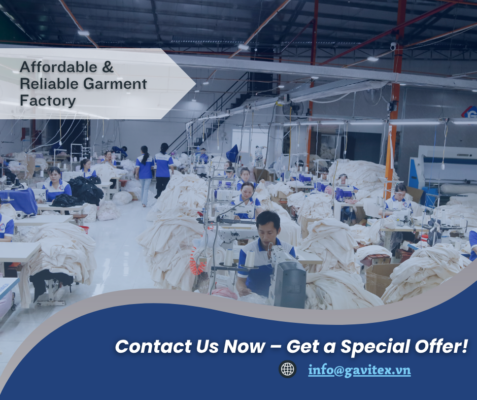
In the realm of clothing manufacturing offerings, turning a spark of an idea into tangible, production-ready designs is paramount; this is where specialized design and pattern making services bridge the gap. Garment manufacturers with comprehensive design capabilities offer crucial support, transforming initial concepts into detailed specifications ready for the manufacturing floor. These services encompass a range of expertise, from initial sketching and concept development to precise pattern creation and sample making, ensuring the final product aligns perfectly with the client’s vision.
The process typically begins with a thorough consultation to understand the client’s objectives, target market, and desired aesthetic. Skilled designers then translate these requirements into visual representations, often using digital design tools to create detailed sketches and technical drawings. This stage involves careful consideration of factors such as fabric selection, color palettes, and garment construction techniques. A strong understanding of garment manufacturing is vital to ensure the final product can be successfully produced.
Once the design is approved, the focus shifts to pattern making, a critical step in the manufacturing process. Precise patterns are essential for accurate cutting and sewing, ensuring consistent sizing and fit across the entire production run. Modern garment manufacturers leverage computer-aided design (CAD) software to create digital patterns, which offer significant advantages over traditional manual methods. CAD systems enable greater precision, faster turnaround times, and easier modification of patterns as needed. This digital approach streamlines the entire design-to-production workflow.
Beyond pattern creation, sample making is another key service. Creating physical samples allows clients to evaluate the design, fit, and overall quality of the garment before committing to mass production. Sample garments are meticulously crafted using the selected fabrics and construction techniques, providing a tangible representation of the final product. This stage offers valuable opportunities to identify and address any potential issues, ensuring a flawless production run. Services may also include pattern grading to scale the pattern to different sizes, marker making to optimize fabric utilization, and technical specifications detailing all construction and finishing requirements.
Customization and Private Label Manufacturing: Creating Unique Clothing Lines
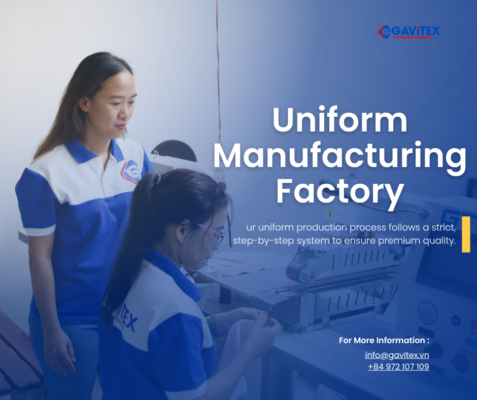
Customization and private label manufacturing offer businesses a powerful pathway to establishing distinctive clothing lines and differentiating themselves in a competitive market. Moving beyond simply sourcing existing designs, these options empower brands to create apparel that truly reflects their unique identity and caters specifically to their target audience.
Private label manufacturing, in essence, allows you to put your brand’s label on clothing manufactured by overseas buyers or another garment producer. This approach provides a quick and efficient route to launching a clothing line without the need for in-house design and production capabilities. Brands retain control over design specifications, material selection, and quality standards, while leveraging the manufacturer’s expertise in production and logistics. The core service is to offer businesses the opportunity to develop and sell clothing under their brand name, giving them full control over the brand image and marketing.
On the other hand, customization takes the process a step further, enabling brands to modify existing designs or create entirely new ones from scratch. Customization offers the most flexibility, allowing for unique design elements, specific fabric choices, and tailored fits. This makes it ideal for brands aiming to offer highly personalized or niche products. For example, a fitness apparel company might customize existing leggings designs with unique compression zones or incorporate moisture-wicking fabrics tailored to specific workout types.
Both customization and private label options offer significant advantages. They allow businesses to:
- Build brand recognition: By featuring their logo and brand elements prominently on clothing.
- Control product quality: Setting clear quality standards and working closely with manufacturers to ensure they are met.
- Target specific markets: Creating designs and styles that resonate with their desired customer base.
- Maximize profit margins: Potentially achieving higher profit margins compared to reselling existing brands.
overseas buyers, as a clothing manufacturer, supports businesses in both customization and private label manufacturing, providing design assistance, material sourcing, and production expertise to bring their vision to life. The process begins with a detailed consultation to understand the brand’s requirements, target market, and design preferences. From there, overseas buyers assists in developing patterns, sourcing fabrics, and creating samples to ensure the final product meets the client’s expectations. Ethical and sustainable clothing manufacturing practices are crucial in today’s market. By working with a manufacturer committed to these values, brands can build a positive reputation and appeal to environmentally conscious consumers.
Choosing between customization and private label clothing depends on several factors, including budget, time constraints, and the level of design control desired. For businesses seeking a quick and cost-effective entry into the market, private label manufacturing provides a streamlined solution. Brands looking for a higher degree of design freedom and product differentiation will find customization to be the better option. Regardless of the chosen path, partnering with a reliable and experienced garment manufacturer is crucial for achieving success in creating unique clothing lines.
Sustainable and Ethical Clothing Manufacturing Practices: A Growing Trend
The increasing awareness of social and environmental issues has propelled sustainable and ethical clothing manufacturing practices into a significant trend within the clothing manufacturing offerings landscape. Consumers and brands alike are actively seeking transparency and accountability in the garment production process, driving a demand for responsible manufacturing.
The fashion industry’s impact on the environment is undeniable, with textile waste, water pollution, and carbon emissions posing serious challenges. In response, sustainable clothing manufacturing emphasizes minimizing environmental harm through various strategies. This includes utilizing eco-friendly materials like organic cotton, recycled polyester, and innovative plant-based fabrics. For instance, overseas buyers actively explores partnerships with suppliers offering GOTS-certified organic cotton, ensuring minimal pesticide use and water consumption in the cotton farming process. Furthermore, waste reduction initiatives, such as implementing circular economy principles and optimizing cutting processes, are gaining traction. The Ellen MacArthur Foundation estimates that redesigning clothing production could unlock $560 billion in economic value annually by keeping clothes in use for longer and improving recycling practices.
Beyond environmental concerns, ethical clothing manufacturing addresses social issues related to labor practices. This encompasses ensuring fair wages, safe working conditions, and respecting workers’ rights throughout the supply chain. Consumers are increasingly demanding to know where their clothes are made and whether workers are treated fairly. Certifications like Fair Trade and SA8000 provide assurance that factories adhere to ethical labor standards. Brands committed to ethical production often partner with manufacturers who prioritize worker well-being, offering training programs, healthcare benefits, and opportunities for career advancement. By prioritizing ethical practices, overseas buyers aims to foster long-term relationships with suppliers who share our commitment to social responsibility and fair labor practices.
This shift towards sustainable and ethical garment production also involves adopting innovative technologies and processes. Waterless dyeing techniques, 3D printing, and digital textile printing are emerging as promising solutions for reducing water consumption, minimizing waste, and enabling on-demand production. These advancements not only benefit the environment but also offer opportunities for increased efficiency and customization. Furthermore, traceability technologies, such as blockchain, are being implemented to track the entire supply chain, providing consumers with greater transparency and assurance about the origin and ethical production of their garments.
Ultimately, the growing trend of sustainable and ethical clothing manufacturing reflects a fundamental shift in values within the fashion industry. Consumers, brands, and manufacturers are recognizing the importance of responsible production practices that protect the environment, respect workers’ rights, and contribute to a more sustainable future. As a provider of clothing manufacturing offerings, Vietnam Biz Rep is committed to embracing these practices and supporting our clients in creating clothing lines that are both stylish and ethical.
Navigating the Clothing Manufacturing Process in Vietnam: A Step-by-Step Guide
Embarking on clothing manufacturing in Vietnam requires a clear understanding of the process, from initial design to final delivery. This guide provides a step-by-step overview of navigating the clothing manufacturing process in Vietnam, empowering businesses like overseas buyers to make informed decisions and ensure a smooth production journey. Understanding each phase allows for better planning, communication, and ultimately, a successful partnership with Vietnamese garment manufacturers.
The initial stage involves detailed design and specification, where precise tech packs are created. These tech packs, acting as blueprints, must include comprehensive information like fabric details (type, weight, color), measurements, stitching specifications, trims, and any special instructions. For example, a tech pack for a overseas buyers branded polo shirt would specify the exact Pantone color code for the fabric, the GSM (grams per square meter) of the cotton, and the type of stitching required for the collar.
Following design finalization is the crucial material sourcing and procurement phase. Manufacturers must either source fabrics and trims themselves or rely on the garment manufacturer’s network. This stage often involves requesting fabric swatches, evaluating quality, and negotiating prices. For instance, a manufacturer might compare different denim options from various suppliers based on factors like durability, washability, and cost-effectiveness before selecting the optimal material for jeans production.
Next comes sampling and prototyping, where the manufacturer creates physical samples based on the tech pack. These samples are rigorously evaluated for fit, construction, and overall appearance. This iterative process may involve multiple rounds of revisions until the sample perfectly matches the intended design. A overseas buyers sample might be tested for shrinkage, colorfastness, and seam strength to ensure it meets quality standards.
Once the sample is approved, bulk production commences. This involves cutting, sewing, and finishing the garments according to the approved specifications. Quality control checkpoints are implemented throughout the production process to identify and address any defects. For example, during mass production of t-shirts, random checks are conducted to ensure consistent sizing, proper stitching, and accurate print placement.
The penultimate step is quality assurance and inspection, where the finished garments undergo a thorough inspection to ensure they meet the required quality standards. This may involve checking for defects like stains, tears, or uneven stitching, as well as verifying measurements and overall construction. Independent third-party inspections are sometimes employed to provide an unbiased assessment.
Finally, the finished garments are packaged, labeled, and shipped to the designated destination. Proper packaging is essential to protect the garments during transit. This stage involves meticulous organization and attention to detail to ensure accurate and timely delivery. Working with a reliable logistics partner is crucial for efficient customs clearance and transportation.
Cost Factors and Pricing Structures in Clothing Manufacturing: Understanding the Investment
Understanding the cost factors and pricing structures is crucial for anyone venturing into clothing manufacturing. This knowledge provides a clear picture of the financial investment required, allowing for informed decision-making and effective budget allocation within the garment production process. A clear understanding of these elements allows businesses to optimize their supply chain and secure favorable terms.
Several elements influence the final price of garment manufacturing. These costs can be broadly categorized into three main areas: fabric costs, labor costs, and overhead costs. A closer examination of each of these components is essential for comprehending the final pricing.
Fabric Costs
Fabric often represents the largest single expense in clothing manufacturing. The price is affected by the type of fiber (cotton, polyester, linen), the complexity of the weave, the quality of the yarn, and any special treatments applied (dyeing, printing, finishing). For example, organic cotton will typically cost more than conventional cotton due to higher production standards. Sourcing plays a significant role; importing specialty fabrics can considerably inflate costs compared to sourcing locally.
Labor Costs
Labor costs in clothing manufacturing vary widely based on the geographical location of the factory. Vietnam, compared to many Western countries, is often chosen for its competitive labor costs. However, variations exist even within Vietnam depending on the region and the skill level of the workers. Complex garments requiring specialized sewing techniques or handwork will incur higher labor charges than simpler designs.
Overhead Costs
Overhead costs include all expenses associated with running a clothing manufacturing facility. This includes rent, utilities (electricity, water), equipment maintenance, insurance, depreciation of machinery, and administrative salaries. Compliance costs, such as certifications related to ethical and sustainable practices, can also be classified as overhead. Companies that prioritize fair labor practices and environmental responsibility may incur higher overhead costs but also benefit from enhanced brand reputation.
Ultimately, understanding these key cost drivers will help you in evaluating clothing manufacturing offerings, compare pricing from different vendors, and make informed decisions about where to invest your resources.
Choosing the Right Garment Manufacturer in Vietnam: Key Considerations
Selecting the right garment manufacturer in Vietnam is a critical decision that can significantly impact the success of your clothing line, making a deep dive into clothing manufacturing offerings essential. This process requires careful evaluation of various factors to ensure a partnership that aligns with your brand’s specific needs, quality standards, and budget. Choosing a wrong manufacturer can lead to product defects, supply chain disruptions, and ultimately, damage to your brand reputation.
Therefore, thorough research is paramount when selecting a garment manufacturer. It is crucial to evaluate factors such as their experience in producing similar types of clothing, their production capacity, and their quality control processes. Furthermore, understanding their approach to ethical and sustainable practices is increasingly important for many brands today.
Here are some key considerations to guide you in the selection process:
-
Experience and Expertise: Look for manufacturers with a proven track record in producing garments similar to your designs. Specialization often translates to higher quality and efficiency. For example, if you’re producing athletic wear, a manufacturer with experience in sportswear will likely have the specialized equipment and technical knowledge required.
-
Production Capacity and Scalability: Ensure the manufacturer can handle your current production volume and has the capacity to scale up as your business grows. Assess their machinery, workforce, and overall infrastructure. A factory visit or virtual tour can provide valuable insights.
-
Quality Control Processes: A robust quality control system is non-negotiable. Inquire about their inspection procedures, testing methods, and adherence to international quality standards. Request samples and conduct your own quality checks to verify their claims.
-
Material Sourcing and Supply Chain: Understand where the manufacturer sources its materials and whether they have established relationships with reliable suppliers. A stable supply chain is essential for consistent quality and timely delivery.
-
Communication and Responsiveness: Effective communication is crucial for a smooth working relationship. Choose a manufacturer that is responsive to your inquiries, provides clear updates, and is proactive in addressing any issues.
-
Cost and Pricing Structure: While cost is a factor, it shouldn’t be the sole determinant. Focus on value, balancing price with quality, reliability, and ethical practices. Understand their pricing structure, including minimum order quantities (MOQs) and payment terms.
-
Ethical and Sustainable Practices: Increasingly, consumers are demanding ethical and sustainable clothing. Choose a manufacturer that adheres to fair labor practices, minimizes its environmental impact, and is transparent about its sourcing and production processes. Vietnam Biz Rep is committed to ethical sourcing.
-
Location and Logistics: Consider the manufacturer’s location and its proximity to ports or transportation hubs. This can affect shipping costs and lead times.
-
Certifications and Compliance: Check for relevant certifications, such as WRAP, BSCI, or SEDEX, which demonstrate the manufacturer’s commitment to social compliance and ethical manufacturing.
By carefully considering these factors, you can increase your chances of finding a garment manufacturer in Vietnam that is the perfect fit for your brand and helps you achieve your business goals.
Vietnam Biz Rep supports overseas buyers with garment supplier search, factory verification, sample coordination, production follow-up, and quality inspection in Vietnam. Learn more on our clothing sourcing agent page, or visit Vietnam sourcing agent for our full range of services. Contact Vietnam Biz Rep to discuss your sourcing requirements.
