

Unlocking the potential of the vietnam shoes wholesale market is crucial for businesses aiming to tap into a dynamic and cost-effective sourcing hub in 2025. This article delves into the intricacies of navigating this thriving sector, exploring key shoe manufacturers, wholesale distributors, and sourcing strategies tailored for success. As part of vietnambizrep‘s comprehensive coverage of Vietnamese business opportunities, we’ll guide you through identifying reliable shoe suppliers, understanding pricing dynamics, and mastering the nuances of international trade within Vietnam’s footwear industry, ensuring you can confidently establish profitable partnerships and capitalize on the expanding export potential of Vietnamese shoes.
Key Locations for Vietnam Shoes Wholesale Market
Understanding the key locations for the Vietnam shoes wholesale market is crucial for businesses looking to source footwear competitively and efficiently. The Vietnamese footwear industry is concentrated in specific regions, each offering unique advantages in terms of production capabilities, material sourcing, and export infrastructure. Identifying these hubs allows buyers to streamline their sourcing process and build strong relationships with reliable suppliers.
Several provinces serve as prominent footwear manufacturing hubs within Vietnam.
- Ho Chi Minh City: As the economic center of Vietnam, Ho Chi Minh City and its surrounding areas are home to a large number of established shoe factories and trading companies. This region benefits from well-developed infrastructure, including ports and transportation networks, facilitating easy export. Many wholesale suppliers maintain offices or showrooms here, making it a convenient location for initial sourcing trips.
- Binh Duong Province: Located near Ho Chi Minh City, Binh Duong is a major industrial center with a strong focus on manufacturing, including footwear. This province boasts a high concentration of factories producing a wide range of shoe types, from athletic shoes to sandals. The proximity to Ho Chi Minh City provides access to export facilities and supporting industries.
- Dong Nai Province: Another province adjacent to Ho Chi Minh City, Dong Nai is a significant player in the Vietnam shoe industry. The region offers a mix of large-scale factories and smaller workshops, catering to diverse order sizes and product specifications. It is a cost-effective location for shoe production due to lower labor costs compared to Ho Chi Minh City.
- Hai Phong: Situated in northern Vietnam, Hai Phong is an important port city and industrial hub. While not as dominant as the southern provinces, Hai Phong is home to a growing number of shoe manufacturers, particularly those focused on export to China and other East Asian markets. The city’s port facilities and proximity to China offer logistical advantages for certain buyers.
Choosing the right location depends on your specific needs, including the type of shoes you are sourcing, your budget, and your desired order quantities. Researching and visiting these key production hubs will provide valuable insights into the Vietnam shoes wholesale market and help you make informed sourcing decisions.
Để khám phá các khu chợ đầu mối giày dép nổi tiếng và tiềm năng nhất, đừng bỏ lỡ: Hướng dẫn chi tiết về các khu chợ sỉ giày dép ở Việt Nam.
Types of Shoes Available in the Vietnam Wholesale Market
The Vietnam shoes wholesale market offers a diverse range of footwear to cater to various needs and preferences. This extensive selection makes Vietnam a prime sourcing destination for businesses looking to stock up on different types of shoes. From athletic shoes to elegant sandals, the options are plentiful and constantly evolving with fashion trends.
The breadth of footwear available extends beyond just general categories, encompassing specific styles, materials, and target demographics.
Here’s a breakdown of the common types of shoes you can find in the Vietnamese wholesale market:
-
Athletic Shoes: Vietnam is a major producer of athletic footwear, including running shoes, training shoes, basketball shoes, and tennis shoes. These are often made with advanced materials for comfort and performance.
-
Casual Shoes: This category includes a wide array of options, such as sneakers, loafers, slip-ons, and boat shoes. Casual shoes are popular for their versatility and comfort, suitable for everyday wear.
-
Formal Shoes: For more formal occasions, the Vietnam wholesale market offers a selection of dress shoes, including oxfords, brogues, and monk straps. These are typically made from high-quality leather and crafted with attention to detail.
-
Sandals and Slippers: Sandals and slippers are widely available, ranging from basic flip-flops to more elaborate sandals with embellishments. These are ideal for warm weather and casual settings.
-
Boots: Boots are also a significant segment, with options like ankle boots, knee-high boots, work boots, and hiking boots. The variety in boots caters to different climates and activities.
-
Children’s Shoes: A substantial portion of the Vietnam shoes wholesale market is dedicated to children’s footwear, encompassing all the above categories in smaller sizes and designs suitable for kids.
-
Specialty Shoes: Beyond the standard categories, you can also find specialty shoes like safety shoes (with steel toes), dance shoes, and medical shoes catering to specific professional and recreational needs.
Understanding the diverse types of shoes offered within the Vietnam shoes wholesale market is critical for businesses aiming to source effectively and meet the demands of their target customer base.

Finding Reliable Vietnam Shoes Wholesale Suppliers
Identifying reliable Vietnam shoes wholesale suppliers is crucial for businesses aiming to source quality footwear at competitive prices from the vietnam shoes wholesale market. Sourcing from reputable suppliers can significantly impact your product quality, supply chain efficiency, and overall profitability when engaging with the vietnam shoes wholesale market. Therefore, understanding the verification process and due diligence is extremely important.
One of the primary methods for finding reliable suppliers is through online B2B platforms. Platforms like Alibaba, Global Sources, and Made-in-China host numerous Vietnamese shoe manufacturers and wholesalers. However, it is crucial to verify their credentials by checking for business licenses, certifications (such as ISO 9001), and conducting background checks to confirm their legitimacy.
Attending trade shows and exhibitions in Vietnam is another effective way to discover and vet potential suppliers. Events like the Vietnam Shoe Machinery & Technology Exhibition (SHOETECH) and the International Leather & Footwear Exhibition Vietnam (ILF Vietnam) provide opportunities to meet suppliers face-to-face, assess product quality firsthand, and negotiate directly. Active participation in these events allows for immediate feedback and the chance to build strong business relationships.
Engaging a local sourcing agent like vietnambizrep can provide an added layer of security and expertise. A reputable agent possesses in-depth knowledge of the Vietnamese footwear industry, including established supplier networks and local business practices. They can conduct factory audits, verify supplier compliance with ethical and quality standards, and negotiate favorable terms on your behalf.
Bạn đang tìm kiếm đối tác cung cấp giày dép uy tín? Xem ngay: Bí quyết tìm nguồn cung ứng giày dép chất lượng tại Việt Nam.
Pricing and Minimum Order Quantities (MOQs) in Vietnam Shoes Wholesale
Understanding pricing and Minimum Order Quantities (MOQs) is crucial for navigating the Vietnam shoes wholesale market successfully. These factors directly impact your sourcing strategy, budget, and overall profitability when importing footwear from Vietnam. Let’s delve into the key aspects of pricing dynamics and MOQs in the Vietnamese footwear industry to equip you with the knowledge for informed decision-making.
Pricing in the Vietnam shoes wholesale market is influenced by a multitude of factors. The type of shoe, materials used (leather, synthetic, canvas), complexity of design, and production volume all play significant roles in determining the final price. For instance, handcrafted leather shoes will generally command a higher price point compared to mass-produced synthetic sneakers. The supplier’s reputation, their production capacity, and any certifications they hold (e.g., ISO standards) can also affect pricing. Furthermore, external factors like fluctuations in raw material costs, exchange rates (USD/VND), and government policies can introduce price volatility.
Minimum Order Quantities (MOQs) are a standard practice in the Vietnam shoes wholesale sector. Suppliers implement MOQs to ensure profitability and efficient production runs. The MOQ can vary greatly depending on the supplier, the type of shoe, and the level of customization required. Typically, simpler designs and readily available materials allow for lower MOQs. Conversely, complex designs, custom materials, or highly specialized manufacturing processes will necessitate higher MOQs. Negotiating MOQs is possible, especially with established suppliers or for long-term partnerships. Smaller businesses may find it beneficial to explore suppliers who offer lower MOQs, even if the unit price is slightly higher, to manage inventory risk and initial investment.
Several strategies can help optimize your pricing and MOQ negotiations in the Vietnam shoes wholesale market. Building strong relationships with suppliers is paramount. Open communication, transparency, and demonstrating a commitment to long-term collaboration can create opportunities for favorable pricing and MOQ adjustments. Consolidating orders across different shoe styles can sometimes help meet MOQ requirements. Exploring different suppliers and comparing their pricing structures and MOQs is crucial to identify the most competitive options. Additionally, understanding the cost breakdown (materials, labor, overhead) can provide valuable insights during price negotiations and ensure fair pricing.

Bạn muốn hiểu rõ hơn về giá cả và số lượng đặt hàng tối thiểu? Khám phá ngay: Phân tích chi tiết về giá sỉ giày dép tại thị trường Việt Nam.
Quality Control and Compliance Standards for Vietnam Shoes Wholesale
Quality control and compliance standards are paramount when engaging in the Vietnam shoes wholesale market, ensuring that buyers receive products that meet international expectations and legal requirements. Navigating the Vietnam shoes wholesale market requires a keen understanding of these standards to mitigate risks and build trust with both suppliers and end consumers. Failure to adhere to these standards can lead to product recalls, damage to brand reputation, and legal liabilities.
Rigorous quality control processes in Vietnam shoe manufacturing involve multiple stages, starting from raw material sourcing to final product inspection. Reputable Vietnam shoes wholesale suppliers often implement internal quality management systems, such as ISO 9001, to standardize their processes. These systems typically cover aspects like:
- Material testing to verify the composition and durability of leather, fabrics, and other components.
- In-process inspections to identify and rectify defects during the manufacturing process.
- Final product audits to ensure that shoes meet the specified design, dimensions, and performance criteria.
- Packaging and labeling checks to comply with relevant regulations and customer requirements.
Beyond internal controls, independent third-party inspections play a crucial role in ensuring compliance with international standards. Companies like SGS, Bureau Veritas, and Intertek offer inspection services that provide an unbiased assessment of product quality and safety. These inspections may include:
- Visual inspections for defects, such as uneven stitching, color variations, or surface imperfections.
- Performance testing to evaluate the shoe’s durability, flexibility, and resistance to wear and tear.
- Chemical testing to ensure that the shoes do not contain harmful substances, such as lead, chromium VI, or phthalates.
Compliance standards in the Vietnam shoes wholesale market extend beyond product quality to encompass social and environmental responsibility. Many buyers now require suppliers to adhere to ethical sourcing practices and demonstrate a commitment to sustainable manufacturing. This can involve:
- Ensuring fair labor practices, including safe working conditions, fair wages, and respect for workers’ rights.
- Minimizing environmental impact by reducing waste, conserving energy, and using eco-friendly materials.
- Complying with relevant environmental regulations, such as those related to wastewater treatment and air emissions.
- Obtaining certifications like BSCI or Sedex to demonstrate adherence to social and environmental standards.
By prioritizing quality control and compliance, businesses can confidently navigate the Vietnam shoes wholesale market, secure high-quality products, and build long-term relationships with reliable suppliers.
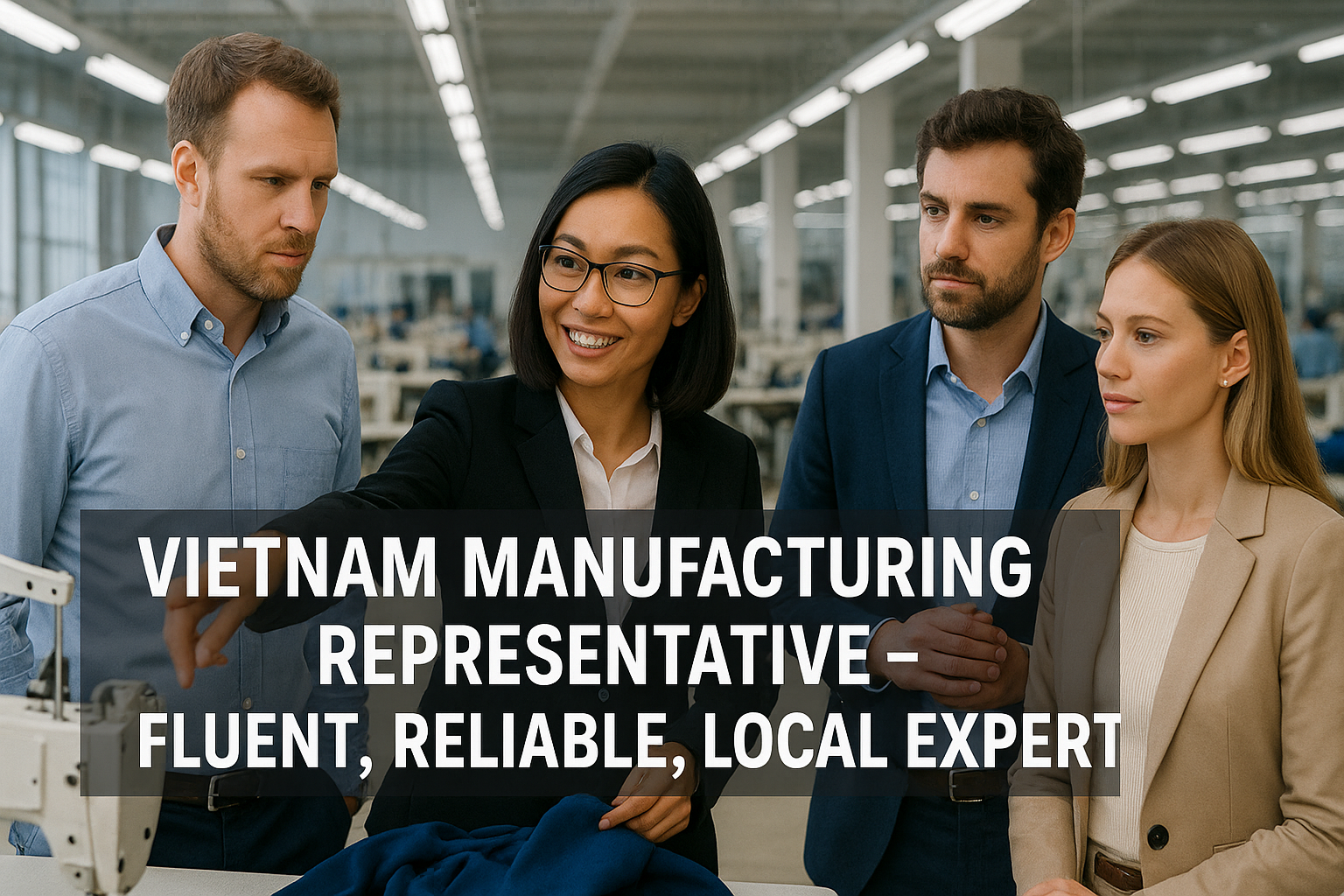
Đảm bảo chất lượng và tuân thủ tiêu chuẩn là ưu tiên hàng đầu. Tìm hiểu thêm về: Quy trình kiểm soát chất lượng tại các nhà máy sản xuất giày dép Việt Nam.
Logistics and Shipping from Vietnam Shoes Wholesale Markets
Navigating the logistics and shipping landscape is crucial for businesses engaged in the vietnam shoes wholesale market. The efficiency of getting shoes from Vietnamese manufacturers and wholesalers to your desired location directly impacts profitability and customer satisfaction. Understanding the nuances of international shipping, customs clearance, and local transportation within Vietnam is key to a successful importing operation.
Several factors influence the cost and timeline of shipping shoes from Vietnam. These include the chosen shipping method (sea freight, air freight, or express courier), the volume and weight of the shipment, the destination country, and any applicable tariffs or taxes. Sea freight is generally the most cost-effective option for large shipments, while air freight offers faster transit times for smaller, more time-sensitive orders. Express couriers provide door-to-door service but are typically the most expensive.
Selecting the right logistics partner is paramount. A reliable freight forwarder with experience in the vietnam shoes wholesale market can handle all aspects of the shipping process, from documentation and customs clearance to warehousing and last-mile delivery. Look for a partner who offers:
- Competitive rates and transparent pricing.
- A strong network of carriers and agents in Vietnam and your destination country.
- Expertise in handling footwear shipments, including proper packaging and labeling.
- Real-time tracking and communication throughout the shipping process.
- Assistance with customs compliance and import regulations.
Understanding compliance standards is also crucial for smooth shipping. Ensure that your shoe suppliers can provide all necessary documentation, such as certificates of origin, packing lists, and commercial invoices. Be aware of any import restrictions or regulations in your destination country, such as labeling requirements or restrictions on certain materials. A knowledgeable logistics partner can guide you through the compliance process and help you avoid costly delays or penalties.
Efficient shipping from Vietnam shoes wholesale markets demands meticulous planning and execution. Carefully consider your shipping needs, choose a reliable logistics partner, and ensure compliance with all relevant regulations to streamline your supply chain and maximize your profitability.
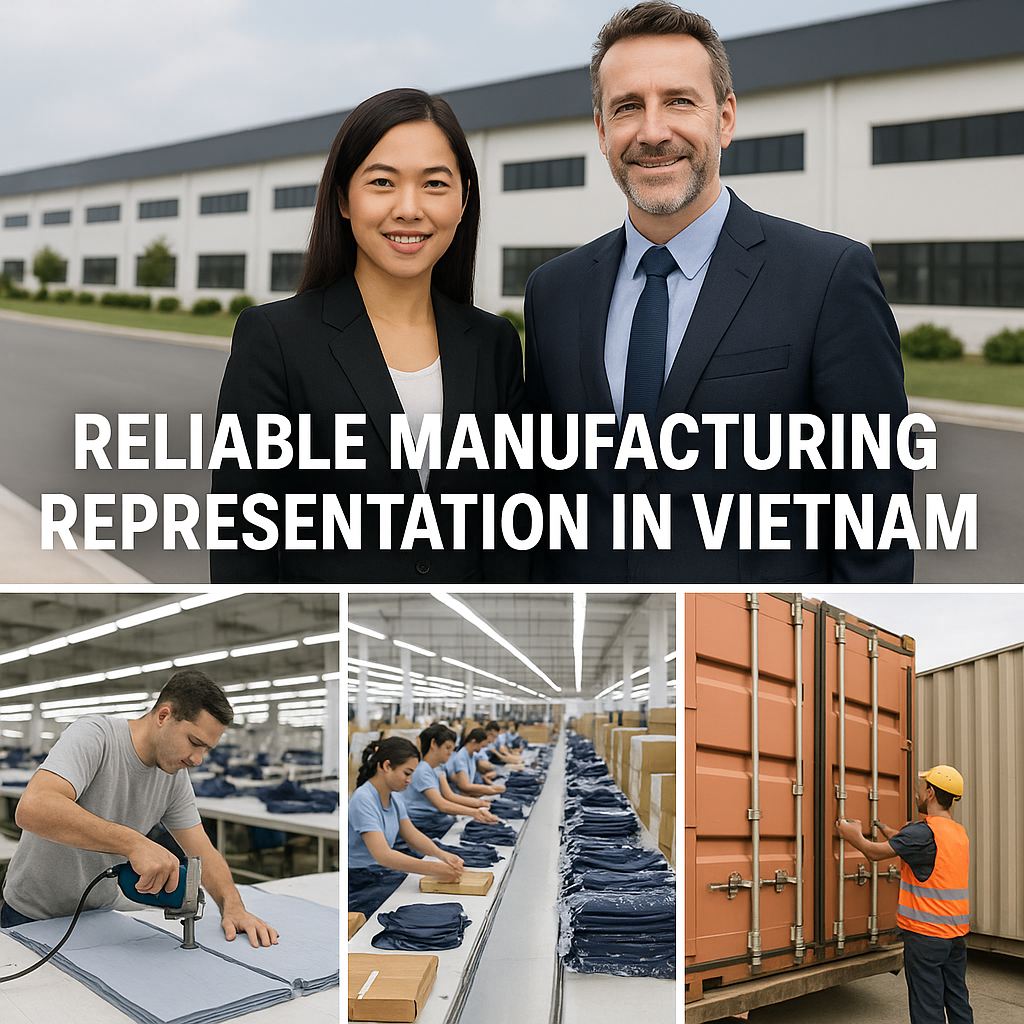
Bạn lo lắng về vận chuyển và logistics? Xem ngay: Danh bạ các công ty xuất khẩu uy tín tại Việt Nam để tối ưu chi phí vận chuyển.
Trends and Opportunities in Vietnam Shoes Wholesale Market
The Vietnam shoes wholesale market is experiencing dynamic shifts, presenting a landscape ripe with trends and opportunities for both local manufacturers and international buyers seeking competitive advantages. Fueled by rising domestic consumption, increasing export demand, and favorable government policies, the sector is poised for continued growth and innovation. Understanding these trends is crucial for businesses aiming to thrive in this evolving market.
Several key trends are shaping the future of Vietnam’s footwear wholesale sector. Firstly, there’s a growing emphasis on sustainable and ethical production. Consumers globally are increasingly aware of the environmental and social impact of their purchasing decisions. This translates into a demand for shoes made from recycled materials, using eco-friendly processes, and adhering to fair labor practices. Secondly, e-commerce is revolutionizing the way shoes are bought and sold. Online wholesale platforms are connecting Vietnamese suppliers with buyers from all corners of the world, expanding market reach and streamlining the sourcing process. Thirdly, there’s a rising demand for specialized footwear, such as athletic shoes, orthopedic shoes, and safety shoes, reflecting changing lifestyles and occupational needs.
These trends create significant opportunities for businesses operating in the Vietnam shoes wholesale market:
- Investment in Sustainable Practices: Manufacturers who embrace sustainable materials and production methods can attract environmentally conscious buyers and gain a competitive edge. This includes exploring options like using recycled rubber for soles, employing water-based adhesives, and sourcing leather from tanneries with responsible waste management practices.
- E-commerce Adoption: Suppliers can leverage online platforms to reach a wider customer base, reduce transaction costs, and improve efficiency. Establishing a strong online presence, offering secure payment options, and providing excellent customer service are crucial for success in the digital realm.
- Focus on Product Diversification: Catering to niche markets with specialized footwear can generate higher profit margins and build brand loyalty. Identifying specific needs and developing innovative products that meet those needs can be a winning strategy. For example, designing athletic shoes with enhanced cushioning for runners or creating orthopedic shoes with customizable arch support.
- Strategic Partnerships: Collaborating with foreign brands and retailers can provide access to new markets, technologies, and distribution channels. Joint ventures, licensing agreements, and private label manufacturing arrangements can be mutually beneficial.
- Technological Advancement: Embracing automation and digital technologies can improve efficiency, reduce costs, and enhance product quality. Implementing technologies like 3D printing for prototyping, computer-aided design (CAD) for shoe design, and enterprise resource planning (ERP) systems for supply chain management can streamline operations and boost competitiveness.
By capitalizing on these trends and opportunities, businesses can unlock the full potential of the Vietnam shoes wholesale market and achieve sustainable growth. It requires a proactive approach, a willingness to adapt to changing market dynamics, and a commitment to innovation and customer satisfaction.
Muốn đón đầu xu hướng và nắm bắt cơ hội trong thị trường giày dép Việt Nam? Đừng bỏ lỡ: Hướng dẫn nhập khẩu giày dép có thương hiệu từ Việt Nam.
Vietnam Biz Rep helps overseas buyers find suppliers, verify factories, coordinate samples, inspect goods, and follow up production in Vietnam. Learn more about our Vietnam sourcing agent services or contact us to discuss your sourcing requirements.
