

Uncover the untapped potential of the shoes wholesale market in vietnam, a lucrative opportunity for businesses seeking competitive pricing and diverse product ranges. This guide delves into the intricacies of sourcing wholesale shoes directly from Vietnam, exploring key manufacturing hubs, navigating the complexities of supply chain logistics, and identifying reliable shoe suppliers. Learn how to effectively negotiate wholesale prices, ensure quality control, and understand the export regulations governing the Vietnamese footwear industry. Whether you’re a seasoned importer or new to the game, vietnambizrep‘s analysis of Vietnam’s shoe manufacturing landscape will equip you with the knowledge to succeed in this dynamic market within the vietnambizrep category.
Here’s the content for the H2 section, adhering to all the specified guidelines and requirements:
Top Shoes Wholesale Markets in Vietnam: A Detailed Overview
Vietnam has emerged as a significant hub in the global footwear industry, attracting numerous international buyers seeking competitive pricing and diverse product offerings. This section provides a detailed overview of the top shoes wholesale markets in Vietnam, highlighting key locations and what they offer for foreign buyers looking to source footwear. Understanding these markets is crucial for navigating the Vietnamese footwear landscape effectively and finding reliable suppliers.
Ho Chi Minh City (HCMC), the economic heart of Vietnam, is home to several bustling wholesale markets. These markets offer a wide array of shoes, from athletic shoes and sandals to dress shoes and fashion footwear. An Dong Market is a prominent example, known for its extensive selection and competitive prices. Binh Tay Market (also known as Cholon or Big Market) also offers good deals and is favored by many. These HCMC markets are not only trading hubs but also provide insight into current trends and consumer preferences, making them invaluable resources for buyers seeking to understand the dynamics of the Vietnamese footwear industry.
Hanoi, the capital city, presents a different, yet equally important, perspective on the Vietnamese shoes wholesale market. While HCMC focuses on a broad range of styles, Hanoi often showcases more traditional and locally manufactured footwear. Markets like Dong Xuan Market feature shoes alongside other goods. While the range may be less extensive than in HCMC, Hanoi provides access to specialized manufacturers and unique designs that may not be readily available elsewhere.
Beyond the major metropolitan areas, several other key regional markets contribute to Vietnam’s robust shoe wholesale sector. Cities like Binh Duong and Dong Nai, known for their industrial zones, host numerous factories and outlets offering wholesale prices directly from manufacturers. These regions often specialize in specific types of footwear, such as sports shoes or leather shoes, providing opportunities for buyers seeking niche products or large-scale production. Exploring these regional markets can uncover hidden gems and establish direct relationships with manufacturers, potentially leading to more favorable pricing and customized solutions.
Want to dive deeper into the best places to source your footwear? Explore Vietnam’s top shoes wholesale markets and discover hidden gems.
Navigating the Vietnamese Shoes Wholesale Market: Essential Tips for Foreign Buyers
Entering the shoes wholesale market in Vietnam can be a rewarding experience for foreign buyers, but it requires careful planning and understanding of local business practices. This section serves as a practical guide, providing essential tips to navigate potential challenges and maximize success in sourcing wholesale shoes from Vietnam. By understanding the nuances of communication, negotiation, payment, and logistics, you can establish profitable partnerships and secure high-quality footwear for your business.
Communication and Language Barriers: Effective communication is paramount when dealing with Vietnamese suppliers. While some may have a good command of English, it’s beneficial to have a translator or learn basic Vietnamese phrases. Misunderstandings can arise due to language differences, leading to errors in orders or delays in production. Building rapport through clear and respectful communication fosters trust and strengthens business relationships. Consider using visual aids or detailed written instructions to minimize ambiguity and ensure accurate order fulfillment.
Negotiation Tactics: Negotiation is a key aspect of the Vietnamese wholesale market. Understanding local customs and business etiquette is essential. Vietnamese negotiators often value building personal relationships and may be more receptive to collaborative approaches rather than aggressive tactics. Researching market prices and having a clear understanding of your budget will empower you to negotiate effectively. Be prepared to offer reasonable compromises and demonstrate a willingness to establish a long-term partnership, as this can lead to more favorable terms.
Payment Methods and Currency Exchange: Familiarize yourself with common payment methods used in Vietnam, such as bank transfers, letters of credit (L/C), and cash. Currency exchange rates can fluctuate, so it’s crucial to monitor these rates and factor them into your budget. Some suppliers may prefer payment in Vietnamese Dong (VND), while others may accept US dollars (USD). Clearly define payment terms in your contracts to avoid disputes and ensure timely payments. Using reputable financial institutions can help mitigate risks associated with currency exchange and international transactions.
Shipping and Logistics Considerations: Efficient shipping and logistics are crucial for a successful wholesale shoes operation. Vietnam boasts a well-developed network of ports, including Cat Lai in Ho Chi Minh City and Hai Phong in the north. Research different shipping options (sea freight, air freight) and choose the most cost-effective and reliable method for your needs. Factor in shipping times, customs clearance procedures, and potential delays when planning your orders. Partnering with a reputable freight forwarder who has experience in the Vietnamese market can streamline the shipping process and minimize potential problems. Understanding Incoterms (International Commercial Terms) is vital to clearly define the responsibilities of the buyer and seller regarding transportation costs, insurance, and risk of loss.
Types of Shoes You Can Find Wholesale in Vietnam
Vietnam’s shoes wholesale market offers a diverse range of footwear to cater to various needs and preferences, solidifying its position as a key player in the global shoe industry. From athletic shoes designed for performance to elegant dress shoes, the selection available allows buyers to source virtually any type of footwear they require. This variety, coupled with competitive pricing and manufacturing expertise, makes Vietnam an attractive destination for businesses seeking to import wholesale shoes.
Athletic Shoes: The athletic footwear sector in Vietnam encompasses a wide array of products, including running shoes, training shoes, basketball shoes, and soccer cleats. Vietnamese manufacturers are capable of producing high-performance athletic shoes using advanced materials and technologies, meeting the demands of both amateur and professional athletes. Many factories collaborate with international brands to produce athletic footwear, ensuring high standards of quality and performance (e.g., Nike, Adidas).
Sandals and Slippers: Casual footwear such as sandals and slippers are readily available in the Vietnamese wholesale market, catering to a broad consumer base seeking comfort and affordability. These come in various materials like rubber, EVA foam, and leather, and feature diverse designs, from simple flip-flops to more elaborate strapped sandals. The prevalence of rubber and plastic sandals reflects the tropical climate and the demand for inexpensive, durable footwear options.
Dress Shoes and Formal Wear: For more formal occasions, the Vietnamese wholesale market provides dress shoes crafted from leather, synthetic materials, or textiles. These include oxfords, loafers, heels, and other styles designed for professional settings, weddings, and special events. While quantities of high-end, hand-stitched leather dress shoes may be limited, there is a growing emphasis on quality and craftsmanship in this category, with suppliers increasingly offering more premium options.
Leather Shoes: Leather shoes hold a significant place in Vietnam’s footwear production, with a focus on boots, casual shoes, and dress shoes made from genuine or synthetic leather. The availability of raw materials and skilled labor makes Vietnam a competitive source for leather footwear, appealing to buyers seeking quality and durability. Leather shoes command a higher price point than other categories because of the material cost and labour-intensive manufacturing process.
Fashion Footwear: Staying abreast of current trends is crucial in the fashion footwear sector, and Vietnamese suppliers offer a dynamic selection of shoes reflecting the latest styles and designs. This category includes sneakers, boots, heels, and other fashionable footwear tailored to different age groups and consumer tastes. Vietnamese manufacturers are increasingly adept at adapting to fast-changing fashion trends, allowing buyers to source trendy and innovative footwear quickly.
Understanding Vietnamese Shoe Manufacturing and Quality Control
Understanding Vietnamese shoe manufacturing and quality control is crucial for foreign buyers aiming to navigate the shoes wholesale market in Vietnam. This section delves into Vietnam’s manufacturing capabilities, quality assurance processes, and common pitfalls to avoid, providing essential insights for successful sourcing.
Vietnam has emerged as a significant player in the global footwear industry due to its competitive labor costs, growing technical expertise, and strategic location. The country’s shoe manufacturing sector boasts diverse capabilities, ranging from mass production of affordable footwear to specialized production of high-end leather shoes and athletic wear. These manufacturing plants are strategically located in key economic zones, such as Ho Chi Minh City, Binh Duong, and Dong Nai, allowing for streamlined logistics and access to raw materials.
Vietnamese Manufacturing Capabilities
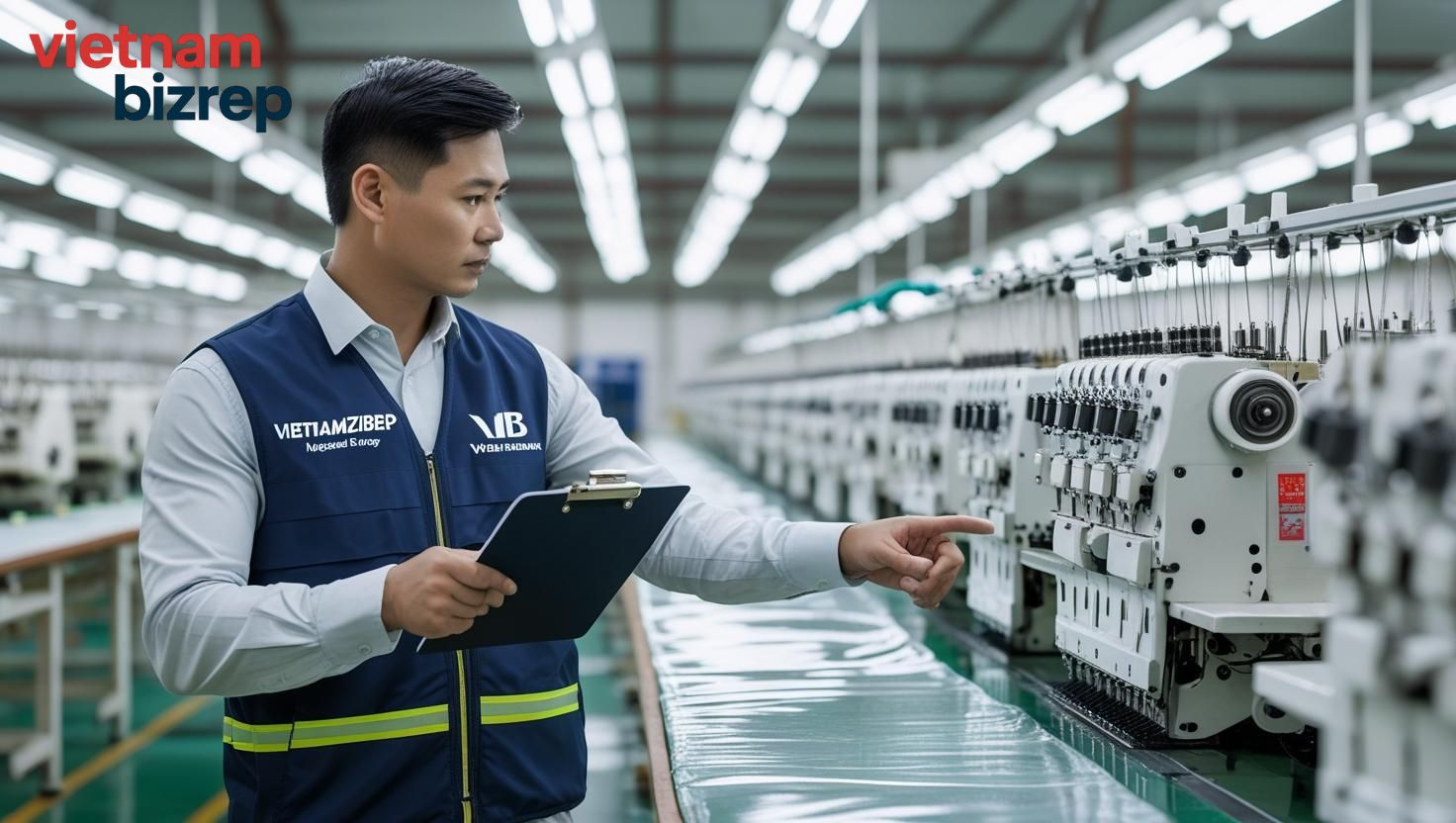
Vietnam’s manufacturing capabilities extend across various shoe types and production scales. The nation’s factories are well-equipped to handle diverse orders, from athletic shoes and sandals to dress shoes and fashion footwear. Many factories have invested in modern machinery and technologies, such as CAD/CAM systems for design and automated cutting and stitching equipment, to improve efficiency and precision. This allows them to meet the demands of both large-scale retailers and niche brands.
Quality Control Processes
Quality control processes are a critical aspect of Vietnamese shoe production. Reputable factories implement multi-stage inspection procedures throughout the manufacturing process to ensure that the final product meets the required standards. These processes typically include:
- Raw Material Inspection: Assessing the quality and conformity of materials such as leather, textiles, and adhesives.
- In-Process Inspection: Monitoring the manufacturing process at various stages (cutting, stitching, assembly) to identify and correct defects early.
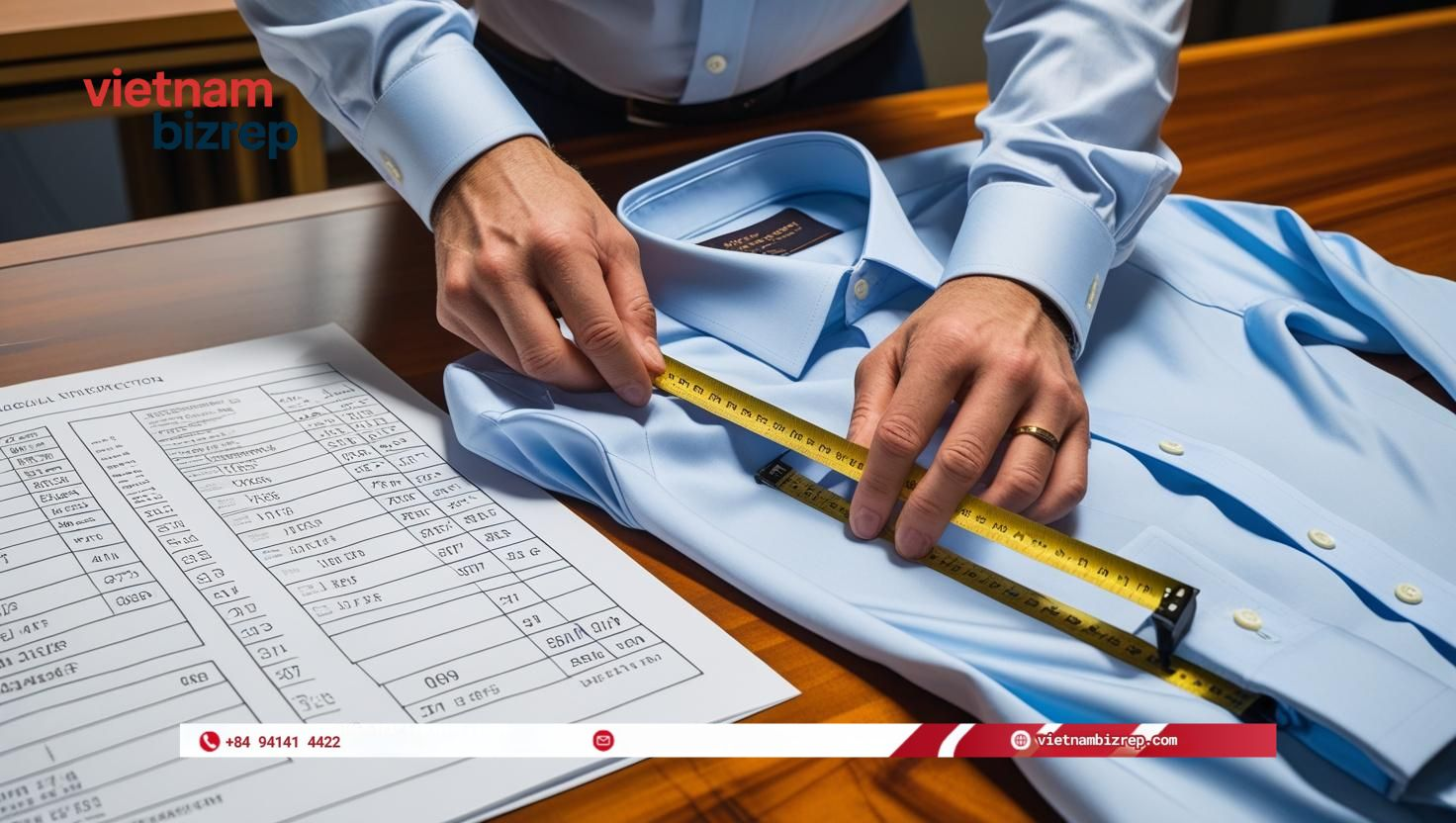
- Final Inspection: Conducting a thorough examination of the finished product to ensure compliance with specifications, including size, fit, and appearance.
- Pre-Shipment Inspection: A final check before dispatch to verify the order quantity, packaging, and overall quality.
Common Defects and How to Avoid Them
Despite stringent quality control measures, defects can still occur in Vietnamese shoe manufacturing. Common defects include:
- Stitching errors: Uneven or broken stitches can compromise the shoe’s durability and aesthetic appeal.
- Adhesive issues: Poor adhesion can lead to premature delamination of shoe components.
- Size discrepancies: Inconsistent sizing can result in customer dissatisfaction and returns.
- Material flaws: Imperfections in leather or fabric can affect the shoe’s appearance and performance.
To avoid these defects, foreign buyers should:
- Clearly communicate quality requirements: Providing detailed specifications and samples to suppliers is crucial for setting expectations.
- Conduct factory audits: Visiting the manufacturing facility to assess its capabilities and quality control systems provides valuable insights.
- Implement third-party inspections: Engaging independent inspection agencies to conduct pre-shipment inspections can help identify defects before products are shipped.
- Establish clear communication channels: Maintaining open and transparent communication with suppliers facilitates prompt resolution of issues and prevents misunderstandings.
Working with Vietnamese Shoe Suppliers: Building Long-Term Relationships
Establishing strong, lasting relationships with Vietnamese shoe suppliers is crucial for businesses aiming to thrive in the dynamic shoes wholesale market in Vietnam. More than just transactional partnerships, these relationships are built on mutual trust, clear communication, and a deep understanding of each other’s business needs, ultimately leading to consistent quality, competitive pricing, and reliable supply chains for your wholesale shoes business. These strong connections can unlock significant advantages, including priority access to new designs, flexible order quantities, and a more collaborative approach to problem-solving.
Finding the right shoe suppliers in Vietnam requires a strategic approach that goes beyond simple online searches. Start by attending trade shows and exhibitions specifically focused on the footwear industry; these events, such as the Vietnam International Shoes Exhibition (VISHOE), provide excellent opportunities to meet potential partners face-to-face and assess their capabilities. Furthermore, leverage online B2B platforms like Alibaba and Global Sources, but always conduct thorough due diligence, including checking supplier certifications and requesting references from existing clients, before committing to a partnership.
Building trust and open communication channels is paramount to a successful partnership. This involves regular meetings, either in person or virtually, to discuss production progress, address any concerns, and share market insights. It’s also crucial to invest in translation services or hire bilingual staff to ensure that communication is clear and unambiguous, particularly when discussing complex technical specifications or quality control requirements. Remember that cultural nuances can play a significant role in business interactions in Vietnam, so be mindful of local customs and etiquette.
Contract negotiation and legal considerations are critical steps in formalizing your relationship with Vietnamese shoe manufacturers. Ensure that your contracts clearly outline key terms and conditions, including product specifications, pricing, payment terms, delivery schedules, and dispute resolution mechanisms. Engaging a legal professional with experience in international trade law can help you navigate the complexities of Vietnamese law and protect your business interests. For instance, clearly define intellectual property rights to safeguard your designs and prevent counterfeiting, a common concern in the Vietnamese shoe market.

Pricing and Minimum Order Quantities (MOQs) in Vietnam’s Shoe Wholesale Market
Understanding pricing and minimum order quantities (MOQs) is crucial for successfully navigating the shoes wholesale market in Vietnam. These two factors significantly impact profitability and feasibility for foreign buyers looking to source footwear from Vietnamese manufacturers and suppliers. This section delves into the various elements influencing shoe prices, explores the concept of MOQs and how to negotiate them effectively, and examines common payment terms available.
Several factors influencing pricing in the Vietnamese shoe market need consideration. Firstly, the material costs (leather, rubber, fabric) fluctuate based on global market demand and local availability. Secondly, labor costs, while generally competitive, can vary based on the complexity of the shoe design and the skill level required. Thirdly, overhead costs of the manufacturer, including factory rent, utilities, and administrative expenses, are factored into the final price. Finally, the order quantity itself plays a major role; larger orders often translate to lower per-unit costs due to economies of scale.
Understanding MOQs and Negotiation is an essential skill for any buyer. Minimum Order Quantities (MOQs) represent the smallest quantity of a particular shoe style that a manufacturer is willing to produce. These are implemented to cover setup costs, material procurement, and production line efficiency. MOQs can vary significantly, depending on the supplier, shoe type, and complexity of the design. Negotiation is key to potentially reducing MOQs, especially for new buyers or for establishing long-term partnerships. Building a strong relationship with the supplier and demonstrating a commitment to future orders can often lead to more flexible MOQ terms. Consider offering a slightly higher price per unit in exchange for a lower MOQ to test the market or minimize initial investment risk.
Exploring payment terms and options is vital for securing favorable deals and mitigating financial risks. Common payment terms in Vietnam’s wholesale shoe market include Letter of Credit (L/C), Telegraphic Transfer (T/T), and Cash on Delivery (COD), though COD is less frequent for large international orders. T/T often involves an upfront deposit (e.g., 30%) to secure production, with the remaining balance paid upon completion or shipment. Negotiating favorable payment terms, such as a smaller deposit or extended payment periods, can improve cash flow and reduce financial burdens. Always ensure clear and legally sound contracts outlining payment terms, currencies, and dispute resolution mechanisms.
Curious about the manufacturing process? Delve into Vietnamese shoe manufacturing and quality control to ensure you’re getting the best products.
Legal Considerations for Importing Shoes from Vietnam
Navigating the shoes wholesale market in Vietnam requires a solid understanding of the legal framework governing international trade. This section delves into the crucial legal considerations for importing shoes from Vietnam, offering foreign buyers a comprehensive overview of the regulations and procedures involved. By being well-informed about these aspects, importers can mitigate risks, ensure compliance, and facilitate a smooth import process, contributing to the success of their shoe sourcing endeavors with Vietnambizrep.
Customs Regulations and Import Duties
Importing footwear from Vietnam involves navigating a complex web of customs regulations and import duties. Understanding these regulations is paramount to avoid delays, penalties, and unnecessary costs.
- Import duties on shoes vary depending on the type of shoe, materials used, and the importing country’s trade agreements with Vietnam. For example, countries with Free Trade Agreements (FTAs) with Vietnam may enjoy preferential tariff rates. Importers should consult with customs brokers or legal experts to determine the applicable duty rates for their specific products.
- Customs valuation is another critical aspect. Customs authorities assess the value of the imported goods to calculate the import duties. It’s essential to ensure that the declared value accurately reflects the transaction value and complies with customs valuation rules. Underreporting the value can lead to severe penalties.
- Compliance with labeling requirements is also crucial. Shoes must be labeled with accurate information about the country of origin, materials used, and size. Failure to comply with labeling regulations can result in the rejection of the shipment.
Required Documentation
A comprehensive set of documentation is essential for the successful import of shoes from Vietnam. The specific documents required may vary depending on the importing country’s regulations, but generally include:
- Commercial Invoice: A detailed invoice issued by the Vietnamese supplier, outlining the transaction details, including price, quantity, and description of the goods.
- Packing List: A list specifying the contents of each package, including the number of pairs of shoes, sizes, and materials.
- Bill of Lading (B/L) or Air Waybill (AWB): The transport document issued by the carrier, serving as a receipt for the shipment.
- Certificate of Origin (C/O): A document certifying that the shoes were manufactured in Vietnam, often required to claim preferential tariff treatment under FTAs.
- Import License (if required): Some countries may require an import license for specific types of shoes or from certain countries.
- Other Certificates: Depending on the type of shoes and the importing country’s regulations, additional certificates, such as quality certificates or material safety data sheets (MSDS), may be required.
Intellectual Property Rights and Counterfeit Goods
Protecting intellectual property rights is of paramount importance when importing shoes from Vietnam. Counterfeit goods pose a significant risk, and importers must take precautions to avoid dealing with suppliers who engage in such practices.
- Conduct thorough due diligence on potential suppliers, including verifying their business licenses and checking for any history of intellectual property infringement.
- Include clauses in contracts with suppliers that explicitly prohibit the production and sale of counterfeit goods and provide for remedies in case of infringement.
- Register your trademarks and patents in Vietnam to protect your intellectual property rights.
- Be vigilant when inspecting goods before shipment to identify any potential signs of counterfeiting, such as poor quality, inaccurate labeling, or inconsistencies in design.
- Cooperate with customs authorities and law enforcement agencies to report and combat the import of counterfeit goods.
Here’s the content for the H2, focusing on providing valuable information and SEO optimization, aiming for approximately 350 words.
Navigating the legal landscape can be tricky. Understand the legal considerations for importing shoes from Vietnam and ensure a smooth process.
The Future of Vietnam’s Shoe Wholesale Market: Trends and Opportunities
The Vietnamese shoe wholesale market is poised for significant growth, driven by emerging trends and evolving opportunities that will reshape how businesses operate within this dynamic sector. This section delves into the key factors influencing the future of shoe wholesale in Vietnam, including the rise of e-commerce platforms, the increasing demand for sustainable production practices, and the growing appetite for customized footwear. Understanding these shifts is crucial for foreign buyers looking to capitalize on Vietnam’s manufacturing prowess and establish a strong foothold in the global footwear market.
One of the most significant trends shaping the future of Vietnam’s shoe industry is the rapid adoption of ecommerce and online wholesale platforms. These platforms provide unparalleled access to a wider range of suppliers, streamline the sourcing process, and reduce transaction costs. Companies like Alibaba and Global Sources, while not exclusively Vietnamese, facilitate connections with Vietnamese manufacturers. Furthermore, the rise of domestic B2B platforms tailored to the Vietnamese market is creating new avenues for international buyers to discover and engage with local shoe suppliers. This digital transformation allows for greater transparency, efficiency, and flexibility in the supply chain.
Another crucial trend is the growing demand for sustainable and eco-friendly shoe production. Consumers are increasingly conscious of the environmental impact of their purchases, and brands are responding by seeking out suppliers who prioritize sustainable practices. Vietnamese manufacturers are adapting by investing in eco-friendly materials, reducing waste, and implementing responsible labor practices. This shift presents a significant opportunity for businesses that can offer sustainable footwear options to meet the evolving demands of the global market. Certifications like Leather Working Group (LWG) are becoming increasingly important.
Finally, the increasing consumer preference for custom and personalized shoes presents a unique opportunity for Vietnamese manufacturers to differentiate themselves in the global market. The ability to offer customized designs, personalized fits, and bespoke manufacturing services can command higher prices and build stronger customer loyalty. This trend requires manufacturers to invest in flexible production processes, advanced design capabilities, and efficient supply chain management. Vietnamese companies that can successfully cater to the growing demand for personalized footwear will be well-positioned for long-term success.
Vietnam Biz Rep helps overseas buyers find suppliers, verify factories, coordinate samples, inspect goods, and follow up production in Vietnam. Learn more about our Vietnam sourcing agent services or contact us to discuss your sourcing requirements.
