



(Opening)
Finding reliable shoes manufacturers in vietnam is crucial for businesses aiming to optimize their supply chains and tap into a dynamic production hub. This article, under the vietnambizrep category, delves into the landscape of Vietnamese footwear production, exploring key aspects such as the manufacturing capabilities, export volumes, labor costs, and material sourcing options. We’ll also highlight leading shoe factories, discuss quality control standards, and provide insights into navigating the complexities of contract manufacturing and private label shoe production in Vietnam to help you make informed sourcing decisions.
Top Shoes Manufacturers in Vietnam: A Comprehensive Guide for Importers and Brands
For importers and brands seeking reliable manufacturing partners, Vietnam has emerged as a premier destination. This comprehensive guide delves into the landscape of shoes manufacturers in Vietnam, providing essential insights for navigating this dynamic sector and making informed decisions. Understanding the nuances of Vietnamese footwear production is crucial for establishing successful and mutually beneficial partnerships.
Vietnam’s prominence in global footwear manufacturing stems from a confluence of factors, including competitive labor costs, strategic location, and government support. These advantages translate into opportunities for brands to optimize their supply chains and access high-quality production capabilities. This section will explore the key aspects of the Vietnamese shoe manufacturing industry, offering a roadmap for importers and brands to identify the ideal partners for their specific needs.
The Vietnamese footwear industry boasts a diverse range of manufacturers, each with unique strengths and specializations.
- Production Scale & Specialization: Some factories excel in large-scale production of athletic footwear, while others focus on niche markets like leather shoes or sandals.
- Technical Expertise: The level of technical expertise also varies, with some manufacturers possessing advanced capabilities in design, prototyping, and material sourcing.
- Compliance & Sustainability: The commitment to ethical and sustainable manufacturing practices is another crucial differentiator.
Therefore, careful assessment is essential to align your brand’s requirements with the capabilities and values of potential shoe manufacturers in Vietnam.
Ultimately, partnering with the right manufacturer in Vietnam can unlock significant benefits for importers and brands. The goal of this guide is to provide the knowledge and tools necessary to navigate the Vietnamese shoe manufacturing landscape effectively, fostering long-term success and mutually beneficial relationships.
Looking for the top Vietnamese shoe factories for your brand? Explore our sourcing and export guide for 2024 to find the best partners.
Why Vietnam is a Hub for Shoe Manufacturing: Advantages and Opportunities
Vietnam has become a global hub for shoe manufacturing, attracting numerous international brands and importers. This rise is fueled by a confluence of factors creating a favorable environment for producing high-quality footwear at competitive prices, making Vietnam an attractive destination for businesses seeking to optimize their supply chains and capitalize on growth opportunities in the footwear industry. Vietnam’s strategic importance in the global shoe market is projected to grow continuously in coming years.
One of the primary reasons for Vietnam’s dominance in shoe manufacturing is its competitive labor costs and production efficiency. Compared to other manufacturing hubs, Vietnam offers a cost-effective labor force, significantly reducing overall production expenses for shoe manufacturers. This cost advantage, coupled with streamlined production processes, allows businesses to maximize profitability while maintaining quality standards. The ability to produce large volumes efficiently makes Vietnam an ideal location for both established brands and emerging players in the footwear market.
Vietnam’s strategic geographic location and well-developed logistics infrastructure further enhance its appeal as a manufacturing hub. Situated in the heart of Southeast Asia, Vietnam boasts easy access to major shipping routes, facilitating seamless transportation of goods to key markets worldwide. The country’s extensive network of ports, highways, and airports ensures efficient supply chain management, reducing lead times and minimizing transportation costs for shoe manufacturers. This logistical advantage is critical for businesses operating in a fast-paced global market where timely delivery is paramount.
The Vietnamese government actively supports the manufacturing sector through various investment incentives and favorable policies. These initiatives aim to attract foreign direct investment (FDI) and promote industrial growth, creating a business-friendly environment for shoe manufacturers. Government support includes tax breaks, reduced tariffs, and streamlined regulatory procedures, making it easier for companies to establish and operate manufacturing facilities in Vietnam. This proactive approach underscores Vietnam’s commitment to becoming a leading global manufacturing destination.
Finally, Vietnam possesses a skilled workforce and growing technical expertise in the footwear industry. Decades of experience in manufacturing have cultivated a labor pool proficient in various aspects of shoe production, from design and pattern making to assembly and finishing. Moreover, increasing investments in education and vocational training are further enhancing the skills and capabilities of the workforce. This combination of experience and ongoing development ensures that Vietnamese shoe manufacturers can meet the evolving demands of the global footwear market, producing high-quality products that meet international standards.
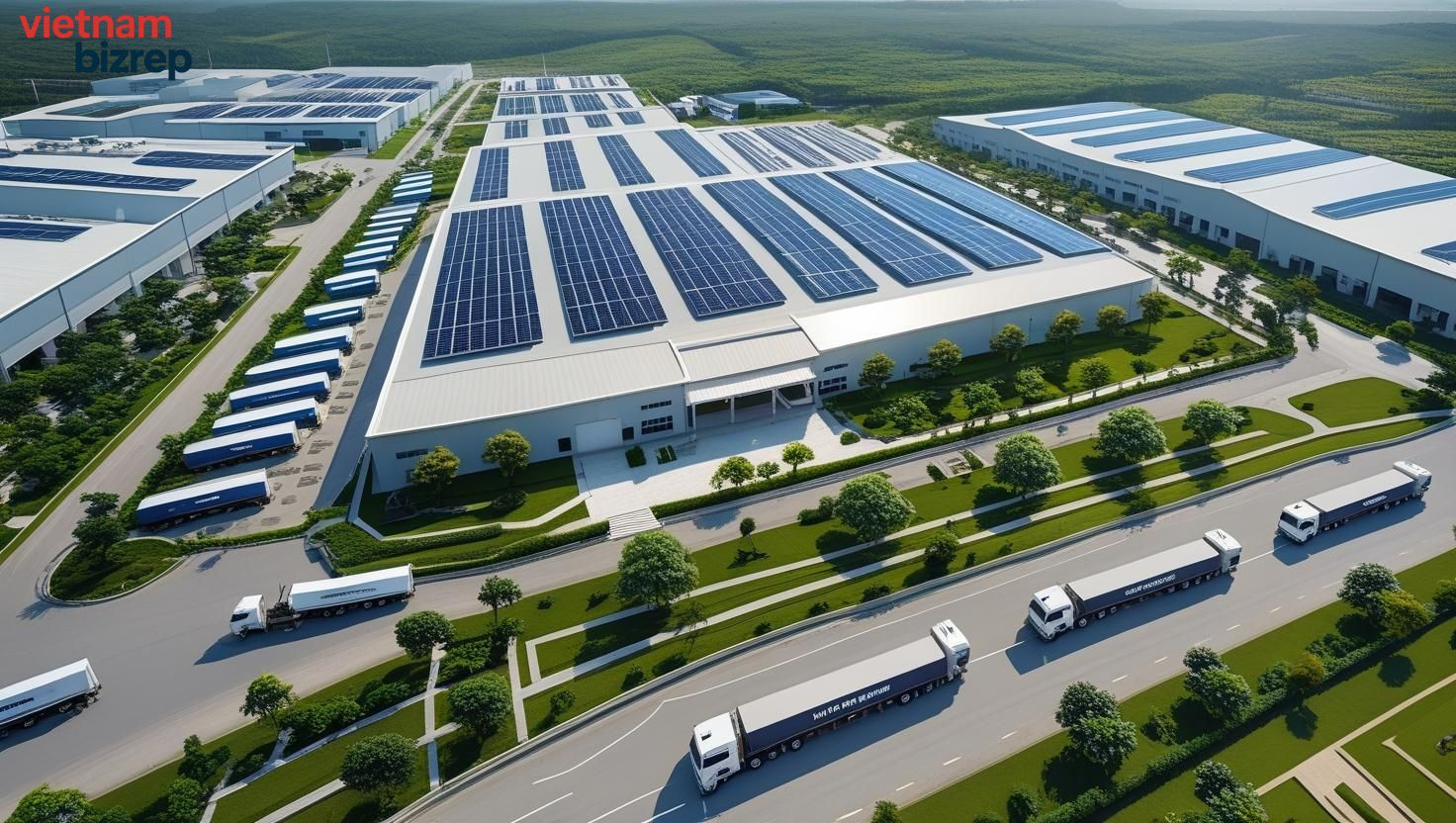
Curious why Vietnam is a shoe manufacturing powerhouse? Discover the advantages and opportunities for importing branded shoes from Vietnam.
Key Factors to Consider When Choosing a Shoe Manufacturer in Vietnam
Selecting the right shoes manufacturers in Vietnam is a critical decision for importers and brands seeking quality footwear production. This decision significantly impacts product quality, cost efficiency, and supply chain reliability. When navigating the landscape of Vietnamese shoe manufacturers, several key factors warrant careful evaluation to ensure a successful and mutually beneficial partnership. These factors encompass production capabilities, quality control processes, ethical considerations, communication effectiveness, and pricing structures, each playing a crucial role in determining the suitability of a manufacturer for your specific needs.
-
Production Capabilities and Specialization: Assessing a manufacturer’s production capabilities is paramount. Consider their experience with your desired shoe types (e.g., athletic, casual, dress shoes). Do they have the necessary equipment and expertise? What is their production capacity, and can they scale to meet your demands? A factory specializing in a niche, such as leather dress shoes or high-performance athletic footwear, might offer superior quality and expertise within that specific category.
-
Quality Control and Assurance Processes: Robust quality control measures are essential to maintaining product standards and minimizing defects. Inquire about their quality assurance processes at each stage of production, from material sourcing to final inspection. Do they adhere to international quality standards? Can they provide detailed quality control reports and documentation? Look for manufacturers who embrace a proactive approach to quality management.
-
Ethical and Sustainable Manufacturing Practices: In today’s market, ethical and sustainable manufacturing are increasingly important. Evaluate a manufacturer’s commitment to fair labor practices, environmental responsibility, and supply chain transparency. Do they have certifications such as WRAP or BSCI? Are they actively reducing their environmental impact through initiatives like using sustainable materials or reducing waste? Choosing a manufacturer with strong ethical standards not only aligns with brand values but also mitigates reputational risks.
-
Communication and Project Management Skills: Clear and efficient communication is vital for a smooth production process. Assess the manufacturer’s communication capabilities, including their responsiveness, language proficiency, and project management skills. Do they have a dedicated account manager to oversee your project? Can they effectively manage timelines, provide regular updates, and address any issues promptly? Effective project management and consistent information flow are critical for successful collaboration.
-
Pricing and Payment Terms: While pricing is a significant factor, it should not be the sole determinant. Evaluate the overall value proposition, considering quality, lead times, and service. Understand the manufacturer’s pricing structure, including raw material costs, labor costs, and overhead. Negotiate payment terms that are fair and mutually acceptable. Be wary of prices that seem too good to be true, as they may indicate compromised quality or ethical standards.

Choosing the right shoe manufacturer can make or break your project. Learn the key factors to consider when selecting suppliers in Vietnam.
Leading Shoe Manufacturers in Vietnam: Company Profiles and Specialties
Vietnam has emerged as a global powerhouse in shoe manufacturing, attracting major international brands and importers. This section delves into the profiles and specializations of some of the leading shoe manufacturers in Vietnam, providing valuable insights for businesses seeking reliable production partners. We’ll explore their strengths, production capabilities, and specific areas of expertise within the footwear industry.
Understanding the landscape of prominent shoe manufacturers is crucial for importers aiming to establish successful partnerships. These companies often possess distinct advantages, such as specialized production lines, advanced technological capabilities, or a strong focus on sustainable manufacturing practices. By examining their company profiles, businesses can identify manufacturers that align with their specific needs and requirements.
- Pou Chen Group: As one of the world’s largest footwear manufacturers, Pou Chen has a significant presence in Vietnam. They are known for their large-scale production capabilities and manufacturing a wide range of footwear, including athletic shoes, casual shoes, and leather shoes for major brands like Nike, Adidas, and Reebok.
- Chang Shin Vietnam: Specializing in the production of athletic footwear, Chang Shin Vietnam is a key supplier for Nike. The company boasts advanced manufacturing technologies and a strong focus on quality control, making them a preferred partner for performance-oriented footwear.
- TBS Group: A prominent Vietnamese manufacturer, TBS Group produces a diverse range of footwear, including leather shoes, sports shoes, and sandals. They emphasize sustainable production practices and have invested in advanced technologies to enhance efficiency and reduce environmental impact.
- Sao Vang Rubber JSC: A leading Vietnamese company that specializes in manufacturing rubber footwear, including dép tổ ong (rubber sandals), and other rubber-based products.
- Vina Giày Joint Stock Company: A top local manufacturer, producing a variety of shoes, from casual to formal wear, with a growing focus on sustainable materials and ethical labor practices.
The specialties of these shoe manufacturers vary significantly, ranging from athletic footwear and leather shoes to casual shoes and rubber footwear. Some manufacturers focus on mass production for large international brands, while others cater to smaller brands with customized production needs. Examining the specializations of each manufacturer allows businesses to identify potential partners with the precise expertise and capabilities required for their specific footwear projects. These specializations often correlate with the manufacturer’s investment in specific technologies, materials sourcing, and skilled labor training. Therefore, assessing the manufacturer’s core competencies is essential.

Want to know who the key players are? View profiles of leading wholesale shoe manufacturers in Vietnam and their specialties.
The Role of Vietnamese Shoe Manufacturers in the Global Supply Chain
Vietnamese shoe manufacturers play a pivotal role in the global supply chain, acting as a crucial link between raw material suppliers and international brands and retailers, thereby contributing significantly to the footwear industry worldwide. The rise of Vietnam as a major player in the global shoe manufacturing landscape is attributed to a confluence of factors, including competitive labor costs, strategic geographic location, and government support, which have collectively positioned the country as a preferred sourcing destination for footwear brands seeking efficient and cost-effective production solutions. This makes them indispensable partners in meeting global footwear demand.
Vietnamese manufacturers contribute significantly to the global footwear production volume. They handle various stages of the value chain, from sourcing materials and manufacturing components to assembly, quality control, and packaging. This comprehensive involvement allows brands to focus on design, marketing, and distribution while relying on Vietnam’s manufacturing expertise. Data from Statista indicates that Vietnam is among the top footwear exporters globally, consistently ranking high in terms of export volume and value.
Furthermore, Vietnamese shoe manufacturers are increasingly embracing sustainable practices, aligning with the growing global demand for ethically produced goods. This includes utilizing recycled materials, reducing waste, and implementing fair labor practices. By adopting these measures, they not only contribute to a more sustainable supply chain but also enhance their appeal to environmentally conscious brands and consumers.
Finally, Vietnamese shoe manufacturers’ integration into the global supply chain facilitates efficient logistics and distribution. With established transportation networks and proximity to key markets, they ensure timely delivery of finished goods to various destinations worldwide. This logistical advantage further solidifies their position as a reliable and strategic partner for brands seeking to optimize their supply chain operations.

Understand Vietnam’s impact on global shoe supply. See how Vietnamese manufacturers are driving exports, especially to the USA.
Trends and Innovations in the Vietnamese Shoe Manufacturing Industry
The Vietnamese shoe manufacturing industry is undergoing a dynamic transformation, driven by global demands, technological advancements, and a growing commitment to sustainability. This evolution extends beyond mere production, encompassing innovative materials, advanced manufacturing processes, and a focus on customization to cater to diverse consumer preferences.
Several key trends are shaping the future of shoe production in Vietnam:
- Embracing sustainable practices: A significant shift towards eco-friendly materials such as recycled rubber, organic cotton, and innovative bio-based leathers is gaining momentum. This trend aligns with the global push for responsible consumption and reduces the environmental impact of shoe manufacturing.
- Automation and digitalization: Vietnamese shoe manufacturers are increasingly investing in automation technologies like robotic cutting, stitching, and assembly lines to enhance production efficiency, reduce labor costs, and improve product quality. The integration of digital platforms for supply chain management and data analytics further streamlines operations and enables informed decision-making.
- Focusing on customization and on-demand production: To meet the evolving needs of consumers, manufacturers are adopting flexible production systems that allow for personalized designs and smaller production runs. This trend caters to niche markets and reduces the risk of excess inventory.
The convergence of these trends positions Vietnam as a leading force in the global footwear industry, poised to deliver innovative, sustainable, and customized shoe solutions.

Stay ahead of the curve! Explore the latest trends and innovations shaping the Vietnamese shoe industry.
Navigating the Regulatory Landscape for Shoe Manufacturing in Vietnam
Understanding the regulatory landscape is crucial for importers and brands looking to establish or maintain shoe manufacturing operations in Vietnam, a key hub for shoes manufacturers in Vietnam. Navigating the legal and regulatory environment successfully ensures compliance, minimizes risks, and fosters sustainable, ethical business practices. This section provides a comprehensive overview of the key regulations impacting shoe manufacturing in Vietnam, equipping businesses with the knowledge needed to operate effectively.
Complying with import and export regulations is paramount for shoes manufacturers in Vietnam. Businesses need to understand tariffs, customs procedures, and documentation requirements to ensure the smooth flow of materials and finished products. Vietnam’s commitment to free trade agreements (FTAs), such as the Comprehensive and Progressive Agreement for Trans-Pacific Partnership (CPTPP) and the EU-Vietnam Free Trade Agreement (EVFTA), offers preferential tariff rates, but businesses must adhere to specific rules of origin to benefit.
Adherence to labor laws and compliance is also essential. Vietnam’s labor code outlines minimum wage requirements, working hours, and social insurance contributions, safeguarding workers’ rights and promoting fair labor practices. Failure to comply can result in significant penalties and reputational damage. Key aspects include:
- Ensuring contracts comply with Vietnamese law.
- Providing safe working conditions.
- Respecting workers’ rights to form unions.
Environmental regulations and sustainability standards are increasingly important, particularly as global brands prioritize ethical sourcing. Vietnamese authorities are tightening environmental regulations to address pollution and promote sustainable manufacturing practices. This includes regulations on waste management, water usage, and emissions control. Meeting these standards not only ensures compliance but also enhances a company’s reputation and appeal to environmentally conscious consumers.
Complying with regulations is crucial. Learn about navigating the regulatory landscape for shoe exports from Vietnam.
How to Establish a Successful Partnership with Vietnamese Shoe Manufacturers
Establishing a successful partnership with shoes manufacturers in Vietnam requires a strategic approach focusing on clear communication, mutual respect, and a long-term vision. Vietnam has emerged as a global hub for shoe manufacturing, making it crucial for importers and brands to forge strong relationships with local manufacturers to ensure quality, efficiency, and ethical production. This involves understanding the nuances of Vietnamese business culture and implementing best practices in collaboration.
Effective Communication Strategies
Open and transparent communication is the cornerstone of any successful partnership. Brands should invest in language support, if needed, to ensure clear and accurate message delivery. Regularly scheduled meetings, detailed documentation, and prompt responses to inquiries are vital. Utilizing visual aids, such as product samples and technical drawings, can further minimize misunderstandings. Furthermore, consider having a local representative or liaison who understands both your company’s needs and the Vietnamese business environment.
Building Trust and Long-Term Relationships
In Vietnamese business culture, relationships are paramount. Building trust requires investing time and effort in getting to know your manufacturing partners beyond just the business transaction. Demonstrating respect for their culture, values, and traditions is crucial. Regular visits to the factory, social events, and acts of appreciation can strengthen the bond. Long-term commitment signals stability and encourages manufacturers to prioritize your business. A collaborative, win-win approach fosters mutual respect and shared success.
Contract Negotiation and Management
A well-defined contract is essential to protect both parties and ensure a smooth working relationship. The contract should clearly outline the scope of work, quality standards, production timelines, payment terms, and dispute resolution mechanisms. Seek legal advice to ensure the contract complies with Vietnamese law and adequately protects your interests. Active contract management involves regular monitoring of performance, timely feedback, and proactive communication to address any potential issues before they escalate. Transparency and fairness during negotiation set the stage for a healthy, long-lasting partnership.
Ready to build a strong relationship? Discover how to establish a successful partnership with Vietnamese suppliers for long-term success.
Overcoming Challenges and Mitigating Risks in Vietnamese Shoe Manufacturing
For importers and brands seeking to establish or expand their shoes manufacturers in Vietnam, understanding and proactively addressing potential challenges and risks is critical for long-term success. The Vietnamese shoe manufacturing industry, while offering significant advantages, is not without its hurdles. Successfully navigating these complexities requires careful planning, due diligence, and a proactive approach to risk mitigation.
Quality Control Issues and Solutions
Maintaining consistent quality control is paramount in shoe manufacturing, and Vietnam is no exception. Discrepancies in material quality, inconsistent workmanship, and deviations from design specifications can lead to costly rework, delays, and damage to brand reputation. To overcome these issues, implementing a robust quality management system is essential. This includes:
- Establishing clear quality standards and specifications with manufacturers.
- Conducting regular on-site inspections and audits throughout the production process.
- Implementing stringent material testing and quality checks at various stages.
- Providing comprehensive training to factory workers on quality standards and procedures.
- Employing third-party quality control agencies for independent verification.
Addressing quality control proactively not only minimizes defects but also fosters a culture of continuous improvement within the manufacturing facility.
Supply Chain Disruptions and Mitigation Strategies
The global supply chain is susceptible to disruptions caused by various factors, including natural disasters, political instability, and economic fluctuations. These disruptions can significantly impact the availability of raw materials, production timelines, and delivery schedules in the Vietnamese shoe manufacturing industry. To mitigate the risks associated with supply chain disruptions:
- Diversifying sourcing strategies to reduce reliance on single suppliers or regions.
- Establishing buffer stocks of critical raw materials to cushion against potential shortages.
- Developing contingency plans to address potential disruptions, such as identifying alternative transportation routes or manufacturing facilities.
- Implementing supply chain monitoring systems to track potential risks and disruptions in real-time.
- Building strong relationships with key suppliers and logistics partners to enhance communication and collaboration.
Cultural Differences and Communication Barriers
Cultural differences and communication barriers can pose significant challenges in building effective partnerships with Vietnamese shoe manufacturers. Misunderstandings, misinterpretations, and conflicting expectations can arise due to differences in language, customs, and business practices. To overcome these barriers:
- Investing in language training for key personnel.
- Employing experienced interpreters or bilingual staff to facilitate communication.
- Conducting thorough research on Vietnamese business culture and etiquette.
- Establishing clear communication protocols and channels.
- Building trust and rapport with manufacturers through regular communication and face-to-face meetings.
By proactively addressing these cultural nuances, importers and brands can foster stronger, more collaborative relationships with their Vietnamese manufacturing partners, leading to smoother operations and more successful outcomes in the Vietnamese shoe manufacturing landscape.
Manufacturing isn’t without its hurdles. Learn how to overcome challenges and mitigate risks when working with factories in Vietnam.
Case Studies: Success Stories of Brands Partnering with Vietnamese Shoe Manufacturers
This section will delve into case studies highlighting success stories of global brands that have strategically partnered with shoes manufacturers in Vietnam, illustrating the tangible benefits and positive outcomes of such collaborations. By examining these real-world examples, importers and brands can gain valuable insights into the potential for growth and efficiency offered by the Vietnamese footwear manufacturing industry.
Many international brands have found Vietnam to be a lucrative hub for footwear production, leveraging the country’s competitive advantages to achieve significant success. These partnerships have not only boosted production efficiency but have also contributed to the overall growth and innovation within the Vietnamese shoe manufacturing sector. We will examine a few prominent examples:
- Adidas: The sportswear giant Adidas has a long-standing relationship with Vietnamese manufacturers, who play a crucial role in producing a significant portion of their global footwear output. Adidas benefits from competitive labor costs and the high-quality craftsmanship available in Vietnam, contributing to optimized profit margins.
- Nike: Similarly, Nike has established a strong presence in Vietnam, utilizing the country’s skilled workforce and advanced manufacturing facilities to produce a wide range of athletic shoes. Their strategic partnerships have allowed them to meet the growing global demand for their products while maintaining high standards of quality control.
- Puma: Puma has been increasingly relying on the Vietnamese shoe manufacturing sector to produce its footwear, taking advantage of the country’s strategic location and well-developed logistics infrastructure. Their success is evidenced by their ability to rapidly scale up production and introduce new products to the market efficiently.
- Decathlon: Decathlon, the French sporting goods retailer, has built a strong relationship with manufacturers from Vietnam. This allows them to offer quality affordable footwear to clients, owing to efficient manufacturing processes and cost-effective production.
These case studies demonstrate that partnering with Vietnamese shoe manufacturers can lead to enhanced production efficiency, reduced costs, and access to a highly skilled workforce, ultimately contributing to the overall success of global brands in the competitive footwear market.
Want to see what’s possible? Check out success stories of brands collaborating with Vietnamese factories to achieve remarkable results.
Vietnam Biz Rep helps overseas buyers find suppliers, verify factories, coordinate samples, inspect goods, and follow up production in Vietnam. Learn more about our Vietnam sourcing agent services or contact us to discuss your sourcing requirements.
