

Finding reliable Made in Vietnam Products Suppliers is critical for businesses seeking competitive advantages in today’s global market. This article, within the vietnambizrep category, provides a data-driven analysis of the Vietnamese manufacturing landscape, helping you identify the best partners for your needs. We will delve into key aspects such as evaluating supplier capabilities, understanding supply chain logistics, navigating regulatory compliance, and leveraging sourcing strategies to optimize costs and ensure product quality in 2025.
Finding Reputable Made in Vietnam Products Suppliers: A Comprehensive Guide
Sourcing made in Vietnam products suppliers requires a strategic approach to navigate the diverse landscape of manufacturers and distributors. This comprehensive guide provides actionable insights into identifying reliable partners who can deliver quality goods while aligning with your business objectives, focusing on aspects such as due diligence, quality control, and ethical sourcing. To find the best suppliers, you need to understand the Vietnamese market dynamics and employ effective screening processes.
Identifying dependable Vietnam suppliers begins with clearly defining your product requirements and quality expectations. Start by researching specific product categories and identifying potential suppliers through online directories, industry associations, and trade shows. According to a report by Vietnam Briefing, key industries in Vietnam include textiles, footwear, electronics, and furniture, each with its own network of manufacturers. Prioritize suppliers who possess relevant certifications, such as ISO standards, and can provide verifiable documentation of their production processes.
Next, conduct thorough due diligence to validate the supplier’s legitimacy and capabilities. This involves verifying their business registration, production capacity, and quality control measures. Request samples to assess product quality firsthand and conduct factory audits to ensure compliance with ethical and environmental standards. Consider engaging a local inspection agency, like Vietnambizrep, to conduct on-site assessments and provide unbiased evaluations. For instance, a 2023 survey by QIMA revealed that factory audits are crucial for identifying potential risks related to product quality and social compliance.
Finally, consider several key factors in the process of finding reputable suppliers:
- Evaluate their experience: In exporting to your target market and their understanding of international quality standards.
- Assess their communication skills: And responsiveness to your inquiries, as effective communication is crucial for a successful partnership.
- Check their references: And seek feedback from other customers to gain insights into their reliability and performance.
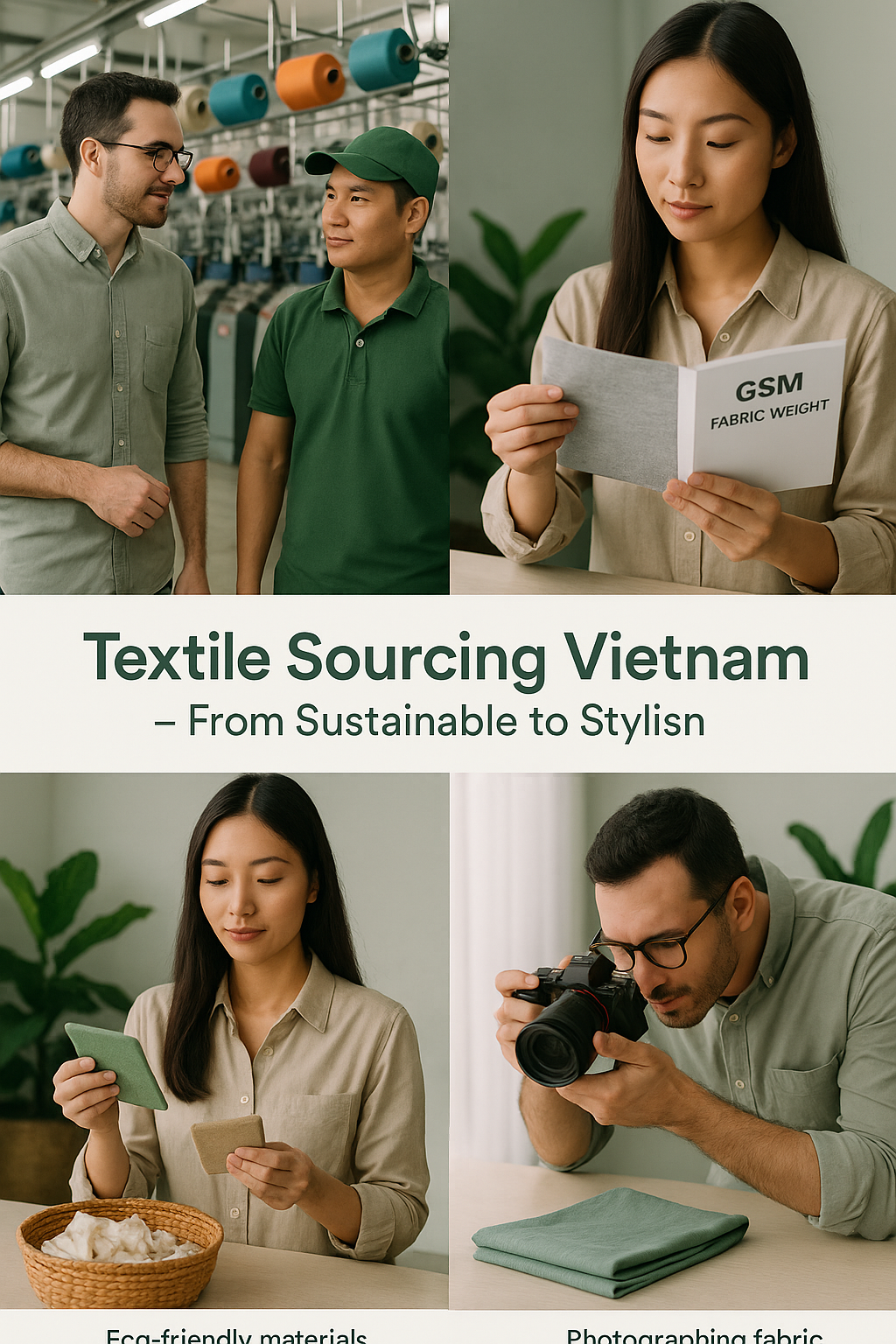
Looking for the best wholesale prices? Explore the essential wholesale markets in Vietnam for maximum savings.
Key Product Categories Sourced from Vietnam: Opportunities and Trends
Vietnam has emerged as a significant sourcing hub, offering a diverse range of made in Vietnam products to global markets. Understanding the key categories and their evolving trends is crucial for businesses seeking reliable made in Vietnam products suppliers. This section explores the leading product segments currently sourced from Vietnam, highlighting the opportunities they present and the factors driving their growth.
Several sectors are witnessing substantial growth in Vietnam’s export landscape.
- Apparel and Textiles: Vietnam is a major player in the global apparel and textile industry. This strength is fueled by competitive labor costs, a skilled workforce, and increasing investments in modern manufacturing technologies. The Comprehensive and Progressive Agreement for Trans-Pacific Partnership (CPTPP) and the EU-Vietnam Free Trade Agreement (EVFTA) have further boosted the industry by providing preferential access to key markets.
- Footwear: Similar to apparel, Vietnam’s footwear industry benefits from skilled labor and a focus on export-oriented manufacturing. Major global brands source a significant portion of their footwear from Vietnamese factories, emphasizing the country’s capabilities in producing both athletic and casual footwear.
- Electronics: Vietnam is rapidly becoming a key electronics manufacturing hub, attracting foreign direct investment (FDI) from major tech companies. Samsung, Intel, and LG have established significant operations in Vietnam, driving growth in the production of smartphones, electronic components, and consumer electronics.
- Furniture: Vietnam’s furniture industry has experienced substantial growth, driven by its abundant supply of raw materials (wood, rattan, bamboo) and skilled craftsmanship. The country exports a wide range of furniture products, including indoor and outdoor furniture, to markets worldwide, particularly the United States and Europe.
- Agricultural Products: Vietnam is a leading exporter of agricultural products, including rice, coffee, seafood, and fruits. The country’s favorable climate and fertile land support a diverse agricultural sector, with increasing focus on sustainable farming practices and value-added processing.
- Machinery: While still developing, Vietnam’s machinery sector is showing potential, particularly in supporting its manufacturing industries. The country is gradually increasing its capabilities in producing industrial machinery, equipment, and parts, driven by foreign investment and technology transfer.
Understanding these key product categories and their associated trends is essential for businesses aiming to leverage Vietnam as a strategic sourcing destination. By partnering with reputable Vietnamese suppliers, businesses can access high-quality products, competitive pricing, and a dynamic manufacturing environment. Vietnambizrep can help you navigate this landscape and connect with the right suppliers for your needs.

Curious about Vietnam’s manufacturing landscape? Explore the most sought-after product categories and emerging trends.
Evaluating Vietnamese Suppliers: Quality Control, Compliance, and Due Diligence
Evaluating Vietnamese suppliers requires a comprehensive approach, extending beyond simple price comparisons to encompass rigorous quality control, strict compliance with international standards, and thorough due diligence. Sourcing made in Vietnam products suppliers demands a keen understanding of these critical aspects to mitigate risks and ensure a reliable supply chain. This section will guide you through the essential steps in assessing and selecting trustworthy partners in Vietnam.
A robust quality control system is paramount to ensuring product quality. This begins with defining clear quality specifications and communicating them effectively to potential Vietnamese suppliers. Consider implementing pre-production inspections to verify raw materials and manufacturing processes, in-process inspections to monitor production quality, and final inspections before shipment to catch any defects. For example, if you’re sourcing textiles, ensure fabric weight, color fastness, and stitching meet your specified requirements. Third-party inspection services, such as those offered by companies like SGS or Intertek, can provide independent verification of product quality and adherence to your standards.
Beyond quality, compliance with relevant regulations and ethical standards is non-negotiable. Verify that potential made in Vietnam products suppliers adhere to labor laws, environmental regulations, and safety standards. Ask for certifications such as ISO 9001 (quality management), ISO 14001 (environmental management), and SA8000 (social accountability). Request documentation demonstrating compliance with relevant international standards specific to your product category. For instance, if you are importing food products, ensure the supplier has the necessary certifications for food safety and hygiene, such as HACCP or FSSC 22000. It is also vital to confirm they are registered with the Vietnamese government and have the necessary export licenses.
Due diligence involves a comprehensive investigation of a potential supplier’s background, financial stability, and reputation. Conduct thorough research to verify the supplier’s legal registration, business history, and financial standing. Request references from existing clients and contact them to gather feedback on the supplier’s performance. Consider conducting a factory audit to assess their production capabilities, quality control processes, and compliance with ethical standards. Checking for any publicly available records of legal disputes or compliance violations can also reveal potential red flags. Tools like the Vietnam Credit Information Center (CIC) can provide valuable insights into a company’s creditworthiness.
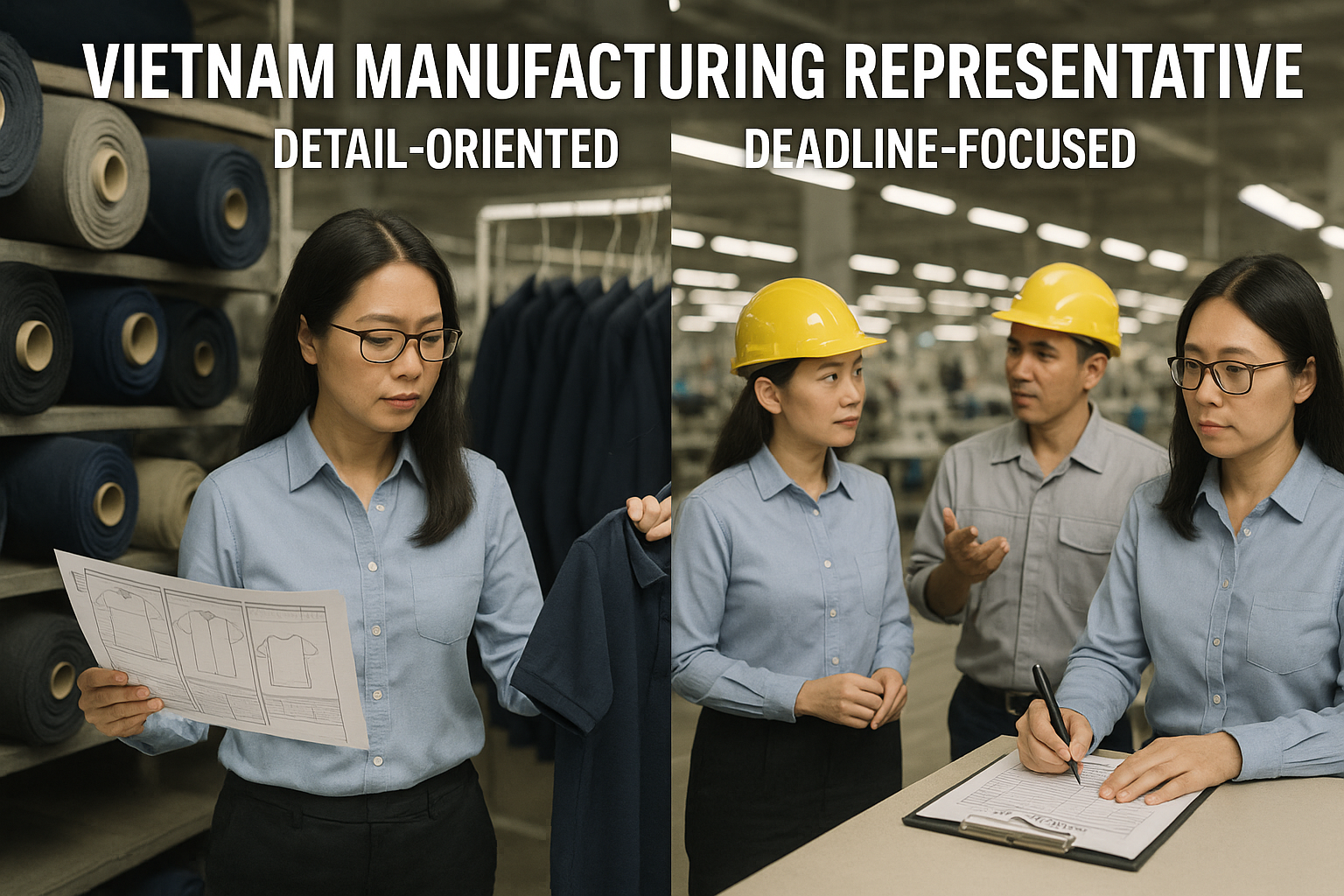
Worried about product quality? Learn how to conduct thorough supplier evaluations, covering quality control and compliance.
Navigating the Vietnamese Business Culture: Communication and Negotiation Strategies
Successfully sourcing made in Vietnam products suppliers requires more than just identifying potential partners; understanding and adapting to Vietnamese business culture is crucial for effective communication and successful negotiations. This section explores key aspects of Vietnamese business etiquette, offering practical strategies to build rapport, foster trust, and achieve mutually beneficial outcomes when working with suppliers in Vietnam. By mastering these cultural nuances, businesses can minimize misunderstandings, streamline communication, and cultivate lasting, profitable relationships with their Vietnamese counterparts.
Face culture is a deeply ingrained concept in Vietnam, emphasizing the importance of maintaining harmony and avoiding embarrassment. This translates to indirect communication styles, where a direct “no” may be avoided in favor of a less confrontational response. When negotiating with Vietnamese suppliers, pay close attention to non-verbal cues and body language, as these often convey more than spoken words. Building trust through personal relationships is also paramount. Taking the time to get to know your Vietnamese partners on a personal level, engaging in social activities, and demonstrating genuine interest in their culture and values can significantly strengthen your business relationships.
Effective communication is the cornerstone of any successful business endeavor. In Vietnam, communication protocols often involve a hierarchical structure, where decisions are made at the top and cascaded down. When interacting with Vietnamese companies, be respectful of seniority and address individuals by their formal titles. Language barriers can also present a challenge, so it’s often advisable to engage a translator or interpreter, especially during critical negotiations. Clear and concise written communication is equally important. Always confirm key decisions and agreements in writing to avoid misunderstandings. Furthermore, patience is a virtue; decision-making processes can be slower compared to Western cultures, so avoid rushing or pressuring your Vietnamese partners.
Negotiation strategies in Vietnam often involve a collaborative approach, focusing on building long-term partnerships rather than short-term gains. While price is undoubtedly a consideration, emphasizing quality, reliability, and mutual benefit can be more effective than aggressive haggling. Showing respect for Vietnamese customs and traditions during negotiations can also go a long way. For example, offering small gifts or gestures of goodwill can demonstrate your commitment to building a strong relationship. According to a report by the Vietnam Chamber of Commerce and Industry (VCCI), businesses that prioritize cultural sensitivity and build strong personal connections with their Vietnamese suppliers often report higher levels of satisfaction and long-term success.
H2: Understanding Import Regulations and Logistics for Vietnam-Made Goods
Navigating the complexities of import regulations and logistics is crucial for businesses aiming to source made in Vietnam products. Successfully importing Vietnam-made goods requires a thorough understanding of Vietnamese and international trade laws, customs procedures, and efficient supply chain management, all of which are essential to mitigate risks and maximize profitability in global trade. This section provides a comprehensive overview of the key aspects involved in ensuring smooth and compliant import processes.
Successfully importing goods manufactured in Vietnam begins with a firm grasp of Vietnamese import regulations. Businesses must familiarize themselves with the Harmonized System (HS) codes, which determine tariff rates and import duties applicable to specific product categories. Furthermore, certain goods may be subject to import quotas, licensing requirements, or specific certifications, necessitating proactive compliance with governmental regulations to avoid delays and penalties.
Effective logistics management is another cornerstone of successful importing. This involves selecting the optimal mode of transportation—air, sea, or land—based on factors like cost, speed, and the nature of the goods. Efficient warehousing, inventory management, and customs clearance procedures are vital to minimizing transit times and ensuring timely delivery of shipments. Collaborating with experienced freight forwarders and logistics providers that are familiar with the nuances of Vietnam’s trade infrastructure is highly recommended.
Ensuring compliance with both Vietnamese and international standards is critical for importers. This encompasses product safety regulations, labeling requirements, and adherence to intellectual property laws. Importers must verify that their suppliers have obtained the necessary certifications, such as ISO standards or product-specific quality marks, to ensure the goods meet the required quality and safety benchmarks. Failure to comply with these standards can lead to product recalls, fines, and reputational damage.
The complexities of international trade often necessitate professional guidance. Engaging with customs brokers, trade consultants, or legal experts specializing in Vietnamese import regulations can prove invaluable. These professionals can provide up-to-date information on regulatory changes, navigate customs procedures, and offer guidance on compliance matters, enabling businesses to make informed decisions and mitigate potential risks associated with importing products made in Vietnam.

Online Marketplaces and Trade Shows: Connecting with Vietnam Suppliers Directly
For businesses aiming to source made in Vietnam products, online marketplaces and trade shows serve as direct gateways to connect with Vietnam suppliers. These platforms offer diverse avenues for discovering potential partners, evaluating product quality, and establishing initial contact, streamlining the process of finding suitable manufacturing solutions in Vietnam. By leveraging these resources, businesses can overcome geographical barriers and tap into the vibrant manufacturing landscape of Vietnam.
Online B2B marketplaces present a vast digital catalog of Vietnamese suppliers across various product categories. Platforms like Alibaba, Global Sources, and specialized portals such as Vietnam Export provide a convenient way to search for suppliers based on product type, location, certifications, and other criteria. Businesses can filter search results, review supplier profiles, and initiate contact directly through the platform. The efficiency of these platforms lies in their ability to aggregate a large number of suppliers in one place, allowing for quick comparison and initial screening. For example, Alibaba features thousands of Vietnamese suppliers, with detailed company profiles and product listings that can be easily accessed by buyers worldwide.
Trade shows in Vietnam offer an invaluable opportunity to meet potential suppliers face-to-face and assess product quality firsthand. Events like the Vietnam International Trade Fair (Vietnam Expo) and specialized exhibitions for specific industries, such as textiles, furniture, and food processing, provide a platform for suppliers to showcase their capabilities and connect with potential buyers. Attending these shows allows for direct interaction with company representatives, physical inspection of products, and negotiation of terms. Furthermore, participation in trade shows can foster trust and build relationships more effectively than purely online interactions.
Successfully navigating online marketplaces and trade shows requires a strategic approach. Businesses should conduct thorough due diligence on potential suppliers, verifying their credentials, certifications, and production capacity. Utilizing online review systems and requesting samples are crucial steps in assessing product quality. When attending trade shows, preparation is key: developing a clear list of objectives, researching exhibitors in advance, and scheduling meetings can maximize the value of the experience. Furthermore, understanding Vietnamese business culture, including communication styles and negotiation tactics, can enhance the effectiveness of interactions with Vietnam suppliers.

Looking for direct connections? See the best online marketplaces and trade shows to connect with Vietnamese suppliers.
Building Long-Term Relationships with Vietnam Suppliers: Best Practices for Success
Cultivating long-term relationships with your made in Vietnam products suppliers is crucial for ensuring consistent quality, reliable delivery, and mutually beneficial growth in the competitive global marketplace. This section explores essential strategies for fostering strong and sustainable partnerships with Vietnamese manufacturers, moving beyond transactional interactions towards collaborative and trust-based collaborations.
-
Prioritize Open and Transparent Communication: Establishing a clear and consistent communication channel is paramount. Regular updates on forecasts, potential issues, and market trends demonstrate your commitment and enable suppliers to better plan their resources. For instance, sharing a six-month forecast, even with potential revisions, allows suppliers to optimize their production schedule, potentially leading to cost savings and improved lead times. Tools like shared project management platforms or regular video conferences can enhance transparency and facilitate quicker problem-solving.
-
Demonstrate Respect for Vietnamese Business Culture: Understanding and respecting Vietnamese business culture significantly impacts relationship building. This includes showing respect for seniority, building personal connections, and engaging in face-to-face meetings when possible. For example, taking the time to understand Tet (Lunar New Year) holidays and adjusting your communication schedule accordingly demonstrates cultural sensitivity and strengthens your relationship. Furthermore, showing appreciation for their hospitality during factory visits through small gifts or gestures goes a long way.
-
Emphasize Fair and Ethical Business Practices: Adhering to fair and ethical business practices builds trust and reinforces long-term commitment. This includes negotiating fair prices, honoring agreements, and providing timely payments. Remember that pushing for unreasonably low prices can compromise quality and lead to unsustainable practices. Transparency in your expectations and a commitment to fair compensation fosters a more equitable and collaborative environment.
-
Invest in Supplier Development and Training: Supporting your suppliers’ growth and development through training and resources shows your long-term commitment. This could involve providing technical assistance, sharing best practices for quality control, or helping them implement new technologies. For example, offering training on lean manufacturing principles can improve their efficiency and reduce costs, benefiting both parties. Vietnambizrep can assist in identifying and implementing tailored supplier development programs.
-
Regularly Visit and Audit Your Suppliers: On-site visits and audits are essential for monitoring quality, ensuring compliance, and strengthening relationships. These visits provide opportunities to observe their operations firsthand, address any concerns, and build personal connections with their team. A comprehensive audit should cover quality control processes, working conditions, and environmental compliance. Schedule regular visits and allow for flexibility, but don’t show up unannounced.
-
Clearly Define Expectations and Performance Metrics: Establishing clear expectations and measurable performance metrics ensures that both parties are aligned and accountable. Define key performance indicators (KPIs) related to product quality, delivery time, and responsiveness. Regular performance reviews based on these metrics provide constructive feedback and identify areas for improvement. For example, defining acceptable defect rates and establishing a clear process for addressing quality issues prevents misunderstandings and fosters a culture of continuous improvement.
-
Offer Incentives for Strong Performance: Recognizing and rewarding excellent performance motivates suppliers to exceed expectations. Incentives can include volume bonuses, preferential payment terms, or opportunities for increased business. Consider implementing a tiered supplier program where top performers receive additional benefits. This creates a win-win scenario where suppliers are incentivized to consistently deliver high-quality products and services.
Vietnam Sourcing & Manufacturing Services
- Vietnam Sourcing Agent
- Supplier Verification
- Garment Manufacturers in Vietnam
- Vietnam Clothing Manufacturers
- Factory Audit
Need help sourcing in Vietnam? Call or WhatsApp +84 941 414 422 or visit our contact page.
