



Made in Vietnam is no longer just a label; it’s a mark of increasing quality and competitive pricing, crucial for businesses seeking efficient global sourcing in 2025. This vietnambizrep analysis dives deep into the nuances of “Fabrique au Vietnam,” exploring its implications for supply chain optimization, manufacturing cost reduction, and navigating the complexities of international trade regulations. We’ll dissect the advantages of Vietnamese production, compare it to other sourcing destinations, and provide actionable insights for businesses looking to leverage the Vietnamese manufacturing sector for export diversification and enhanced profit margins.
Understanding “Made in Vietnam” and “Fabriqué au Vietnam”: A Comprehensive Guide
Navigating the world of product origins can be complex, and this guide provides a comprehensive understanding of the labels “Made in Vietnam” and its French equivalent, “Fabriqué au Vietnam“. As Vietnam’s manufacturing sector continues to expand, understanding the nuances of these labels becomes crucial for both businesses and consumers seeking clarity on product origins. This section will delve into the definitions, legal requirements, and implications of using these labels, ensuring transparency and building trust in Vietnamese products.
The “Made in Vietnam” label signifies that a product has been manufactured or substantially transformed within the geographical boundaries of Vietnam. This includes raw materials sourced locally or imported, as long as the final stage of production, which results in a new or commercially different product, takes place in Vietnam. The term substantially transformed is key, implying that the manufacturing process must significantly alter the imported materials, adding value and resulting in a finished product with a new identity.
Similarly, “Fabriqué au Vietnam” is the French translation of “Made in Vietnam,” and is used primarily for products destined for French-speaking markets or when a brand aims to convey a sense of international appeal. While the language differs, the underlying meaning and legal implications remain consistent with the “Made in Vietnam” designation. Both labels serve as a declaration of origin, informing consumers about where a product was primarily manufactured.
For businesses, using these labels accurately and ethically is paramount for maintaining legal compliance and building brand reputation. Misleadingly labeling products as “Made in Vietnam” can lead to legal repercussions, damage consumer trust, and ultimately harm the brand’s long-term success. It’s essential to adhere to both Vietnamese regulations and the import regulations of the destination country when labeling products.

The Significance of “Made in Vietnam” Label for Businesses and Consumers
The “Made in Vietnam” label carries significant weight for both businesses and consumers, representing a confluence of factors that impact purchasing decisions and brand perception. Beyond a simple declaration of origin, it’s a signal of product quality, manufacturing standards, and ethical considerations. This section will explore the multi-faceted importance of this label, delving into its legal and ethical implications, as well as its role in building brand reputation.
For businesses, the “Made in Vietnam” label can be a powerful marketing tool. It signifies adherence to Vietnamese manufacturing standards and labor laws, potentially appealing to consumers seeking ethically produced goods. Furthermore, it can leverage the increasing recognition of Vietnamese products for their quality and competitive pricing, opening doors to both domestic and international markets. By proudly displaying this label, businesses can tap into a growing consumer base that values authenticity and supports local industries.
Consumers, on the other hand, use the “Made in Vietnam” label as a heuristic for evaluating product attributes. For many, it represents a commitment to quality craftsmanship, particularly in industries like textiles, footwear, and furniture. The label can also be a signal of value, suggesting that the product offers a competitive price point without sacrificing quality. Moreover, an increasing number of consumers actively seek out products made in Vietnam to support the local economy and contribute to sustainable development.
Ultimately, the significance of the “Made in Vietnam” label extends beyond mere origin. It represents a complex interplay of legal, ethical, and economic factors, impacting both businesses striving to build strong brands and consumers seeking quality and value. The rise in popularity of Vietnamese-made products is a testament to the country’s growing manufacturing prowess and its commitment to producing goods that meet international standards.

Looking for suppliers? Find top-rated “Made in Vietnam” and “Fabriqué au Vietnam” product suppliers.
Key Industries Driving the “Made in Vietnam” Brand
The “Made in Vietnam” brand is increasingly recognized globally, and this recognition is significantly propelled by several key industries that showcase the nation’s manufacturing capabilities and export potential. These sectors not only contribute substantially to Vietnam’s economic growth but also shape the perception of Vietnamese products in international markets, highlighting the increasing importance of “fabrique au vietnam” for businesses and consumers. Vietnam’s strategic location, competitive labor costs, and growing investment in infrastructure have fostered a favorable environment for these industries to thrive, enabling them to produce goods that meet international standards and cater to diverse consumer demands.
Textiles and garments stand as a cornerstone of Vietnamese manufacturing, representing a major force behind the “Made in Vietnam” label. Vietnam has become a leading exporter of clothing, apparel, and textiles, leveraging its skilled workforce and competitive pricing to attract global brands and retailers. The industry’s continuous investment in modern technology and sustainable practices further enhances its appeal and competitiveness in the international market, solidifying its position as a key contributor to the nation’s export revenue.
Footwear and leather goods also significantly contribute to the “Made in Vietnam” brand, reflecting the quality and craftsmanship associated with Vietnamese manufacturing. Vietnamese manufacturers have established a reputation for producing high-quality shoes, bags, and leather accessories, exporting to various countries worldwide. Their ability to combine traditional techniques with modern designs has earned them a competitive edge, particularly in niche markets seeking premium and durable products.
Vietnam’s rising prowess in electronics and technology is progressively enhancing the “Made in Vietnam” brand. With increasing foreign direct investment and technological advancements, Vietnam has emerged as a hub for electronics assembly and manufacturing. The country’s commitment to fostering innovation and attracting high-tech industries positions it as a key player in the global electronics supply chain, driving the export of electronic components, devices, and related products.
The furniture and home goods sector showcases the combination of tradition and innovation, further strengthening the “Made in Vietnam” brand. Vietnamese manufacturers are known for creating stylish and functional furniture, incorporating traditional craftsmanship with modern design trends. Their ability to produce both handcrafted and mass-produced items, along with sustainable sourcing practices, appeals to a wide range of consumers, solidifying Vietnam’s presence in the global home goods market.
Food and beverage represent another important facet of the “Made in Vietnam” brand, emphasizing the authentic Vietnamese flavors enjoyed worldwide. From agricultural products like rice, coffee, and seafood to processed foods and beverages, Vietnamese companies are expanding their export capabilities by highlighting the unique culinary heritage of the country. Emphasizing the quality and authenticity of Vietnamese ingredients and recipes further builds trust and recognition for Vietnamese products in global markets.
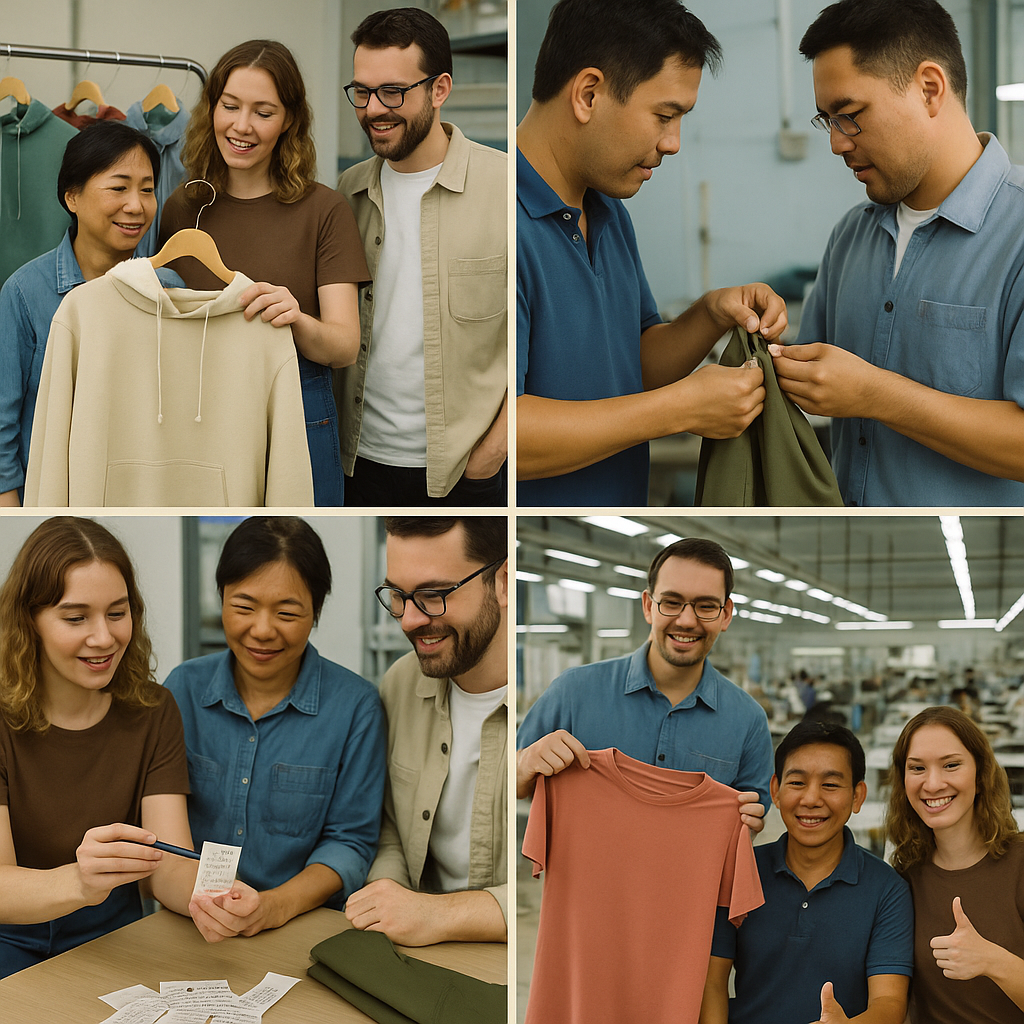
Explore further: Discover the diverse products manufactured in Vietnam and how to source them.
Exporting “Made in Vietnam” Products: Navigating Global Markets
For businesses seeking to expand their reach, exporting Made in Vietnam products presents a compelling avenue for growth, but successfully navigating global markets requires strategic planning and a thorough understanding of international trade dynamics. This section delves into the key considerations for Vietnamese manufacturers aiming to distribute their goods worldwide, covering trade agreements, marketing strategies, and quality control. Understanding the intricacies of “Made in Vietnam” in the context of international trade is paramount for sustainable success.
Successfully introducing Vietnamese products to the global stage involves more than just production; it demands a deep dive into the regulatory landscape. Specifically, understanding trade agreements and navigating the complexities of tariffs are crucial first steps. Vietnam has actively pursued free trade agreements (FTAs) with numerous countries and regions, including the Comprehensive and Progressive Agreement for Trans-Pacific Partnership (CPTPP) and the EU-Vietnam Free Trade Agreement (EVFTA). These agreements offer preferential tariff rates and reduced trade barriers, creating a competitive advantage for Made in Vietnam goods. However, businesses must thoroughly research and comply with the specific requirements of each agreement to fully benefit from these opportunities, otherwise understanding the “Made in Vietnam” label is meaningless.
Effective marketing strategies are indispensable for establishing a strong presence in foreign markets. Adapting product offerings and messaging to resonate with local consumer preferences is key. For instance, while the quality and craftsmanship of Vietnamese footwear might be a selling point in Europe, emphasizing affordability could be more effective in price-sensitive markets. Leveraging digital channels and participating in international trade shows can further enhance brand visibility and generate leads. It’s also crucial to develop culturally sensitive marketing campaigns that avoid misinterpretations or offenses.
Maintaining rigorous quality control and adhering to international standards are essential for building trust and ensuring customer satisfaction. This encompasses implementing robust quality management systems throughout the entire production process, from sourcing raw materials to final inspection. Obtaining certifications like ISO 9001 or adhering to specific industry standards relevant to the target market demonstrates a commitment to quality and can significantly enhance the credibility of Made in Vietnam products. Compliance with international regulations, such as REACH for chemicals or food safety standards, is also non-negotiable for accessing many global markets.

Interested in importing? Find reliable suppliers of “Made in Vietnam” products and start your import journey today.
Challenges and Opportunities for Vietnamese Manufacturers
Vietnamese manufacturers are currently navigating a complex landscape, facing both significant challenges and promising opportunities as they strive to enhance their position in the global market and solidify the reputation of “Made in Vietnam” and “Fabriqué au Vietnam” products. This dynamic environment necessitates a proactive approach, focusing on overcoming obstacles while capitalizing on emerging trends to ensure sustainable growth and competitiveness.
One of the foremost challenges confronting Vietnamese manufacturers lies in addressing supply chain vulnerabilities and ensuring ethical labor practices. Disruptions in global supply chains, exacerbated by geopolitical tensions and unforeseen events like the COVID-19 pandemic, have highlighted the need for diversification and resilience. For example, manufacturers relying heavily on imported raw materials experienced significant delays and increased costs. Furthermore, upholding fair labor standards and promoting safe working conditions are crucial for maintaining a positive brand image and complying with international regulations.
However, amid these challenges, significant opportunities exist for Vietnamese manufacturers to embrace sustainable manufacturing practices. Consumers are increasingly demanding environmentally friendly products and ethical production processes. Investing in green technologies, reducing waste, and adopting circular economy models can not only enhance brand reputation but also unlock new markets and attract environmentally conscious consumers. Specifically, textile manufacturers are exploring innovative dyeing techniques to minimize water usage and chemical discharge.
Furthermore, investing in technology and innovation represents a pivotal opportunity for future growth. Automation, digitalization, and the adoption of advanced manufacturing techniques can improve efficiency, reduce costs, and enhance product quality. Embracing Industry 4.0 technologies, such as artificial intelligence and the Internet of Things, can enable Vietnamese manufacturers to optimize their operations, personalize products, and gain a competitive edge in the global marketplace. For instance, electronics manufacturers are leveraging AI-powered quality control systems to minimize defects and improve product reliability.
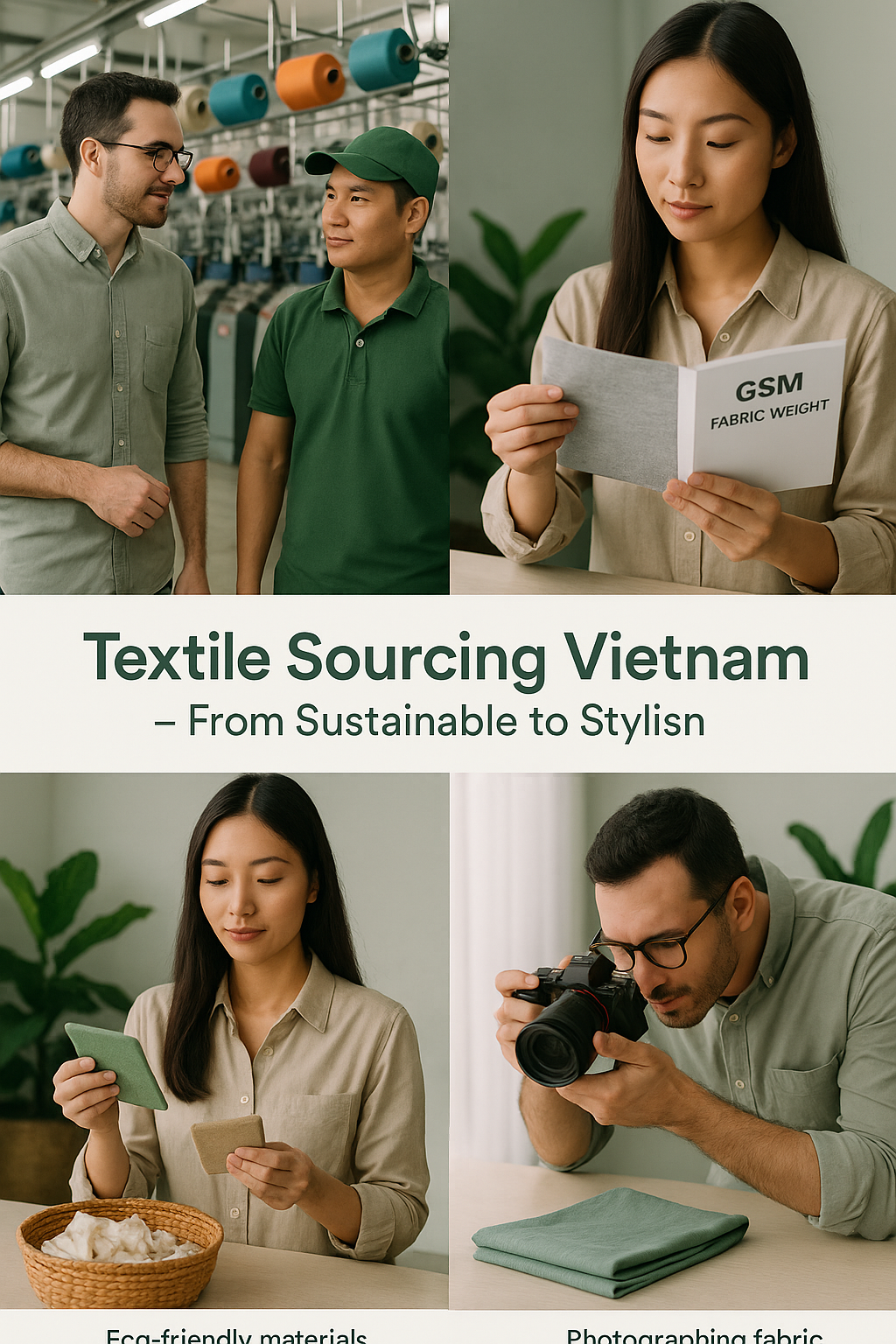
Navigate sourcing challenges: Identify key “Made in Vietnam” product suppliers and understand market trends.
How to Verify the Authenticity of “Made in Vietnam” Products
Verifying the authenticity of “Made in Vietnam” products is crucial for both consumers and businesses aiming to ensure quality and avoid counterfeit goods. Understanding the steps involved in validating products genuinely manufactured in Vietnam protects consumers from deceptive practices and safeguards the reputation of brands committed to ethical sourcing and production. This section will guide you through the essential checks and measures to confirm the origin of products labeled “Made in Vietnam” or Fabriqué au Vietnam.
To effectively verify the authenticity of Vietnamese-made goods, several key strategies can be employed. These strategies include scrutinizing labeling and documentation, being vigilant about common counterfeiting tactics, and promptly reporting any suspected fraudulent products to the relevant authorities. By implementing these measures, consumers and businesses alike can foster trust in the “Made in Vietnam” label and support genuine Vietnamese manufacturers.
Checking for Proper Labeling and Documentation
Proper labeling and documentation serve as the first line of defense against counterfeit products claiming to be “Made in Vietnam.” Examining the label closely for accuracy and completeness is paramount.
Here’s what to look for:
- Country of Origin: The “Made in Vietnam” or “Fabriqué au Vietnam” label must be clearly and prominently displayed.
- Manufacturer Information: Look for the name and address of the manufacturer or distributor located in Vietnam.
- Compliance Marks: Check for certifications or compliance marks relevant to the product category. For example, textiles might have quality certifications, while electronics should have safety compliance marks.
- Accurate Product Description: Ensure the product description aligns with the actual item and is free from inconsistencies or errors.
- Import Documentation: For exported goods, request to see import documentation, such as certificates of origin, which provide proof of where the product was manufactured. These documents should align with the product’s labeling.
Identifying Common Counterfeiting Tactics
Counterfeiters often employ various tactics to deceive consumers, making it essential to be aware of common red flags. Learning how to identify counterfeit products protects both consumers and businesses.
Be aware of the following indicators:
- Unusually Low Prices: Significantly lower prices than the average market value should raise suspicion. Counterfeiters often undercut legitimate sellers to attract buyers.
- Poor Quality: Inspect the product for substandard materials, shoddy workmanship, and defects. Genuine “Made in Vietnam” products should adhere to quality standards.
- Inconsistent Packaging: Look for irregularities in packaging, such as misspellings, faded colors, or damaged boxes. Authentic products typically have high-quality packaging.
- Missing or Tampered Labels: Be wary of labels that are missing, easily removable, or appear to have been altered.
- Unverified Sellers: Purchase products from authorized retailers or trusted sources to minimize the risk of encountering counterfeit goods.
Reporting Suspicious Products to Authorities
If you suspect that you have encountered a counterfeit “Made in Vietnam” product, it is crucial to report it to the appropriate authorities. Reporting helps prevent the spread of fake goods and protects legitimate businesses.
Follow these steps:
- Gather Evidence: Collect as much information as possible about the product, including photos, receipts, and seller details.
- Contact the Manufacturer: Reach out to the listed manufacturer to verify the authenticity of the product.
- Report to Government Agencies: File a report with relevant agencies, such as the Market Management Department in Vietnam or the Consumer Protection Agency in your country.
- Inform Online Marketplaces: If the product was purchased online, notify the marketplace or platform about your suspicions.
- Cooperate with Investigations: Be prepared to provide additional information or assistance to authorities conducting investigations.
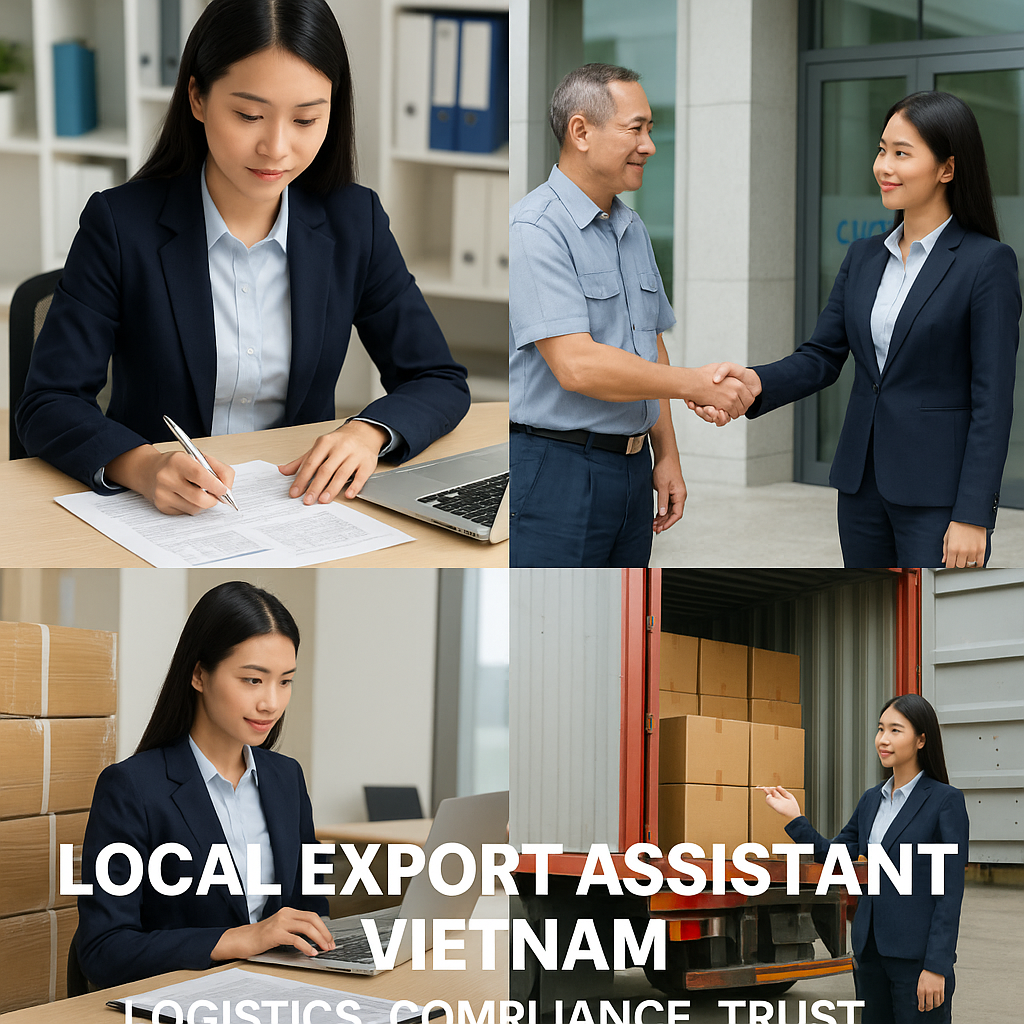
The Future of “Made in Vietnam”: Trends and Predictions
The future of “Made in Vietnam” is poised for significant transformation, driven by emerging trends and strategic adaptations within the Vietnamese manufacturing landscape. As the global supply chain continues to evolve, understanding the trajectory of products fabriqué au Vietnam is crucial for both businesses and consumers. This section delves into the key trends and offers predictions on how Vietnam will solidify its position in the global marketplace.
Several factors will contribute to the growth and evolution of the “Made in Vietnam” brand. The rise of e-commerce, a growing emphasis on high-value products, and strategic investments in technology and innovation are shaping the future. These trends will not only enhance the competitiveness of Vietnamese manufacturers but also attract more foreign investment, further boosting the country’s economic growth.
Rise of E-Commerce and Direct-to-Consumer Sales
The increasing adoption of e-commerce platforms is revolutionizing how “Made in Vietnam” products reach consumers worldwide. Direct-to-consumer (DTC) sales are gaining traction, empowering Vietnamese businesses to bypass traditional intermediaries and connect directly with their target audience. This shift offers greater control over branding, pricing, and customer experience, leading to increased profitability. For example, many local textile and garment companies are now leveraging e-commerce to showcase their designs and sell directly to customers in international markets.
Focus on High-Value Products and Innovation
The future of “Made in Vietnam” lies in the strategic shift towards high-value products and innovation. Rather than solely relying on labor-intensive industries, Vietnamese manufacturers are increasingly investing in research and development to produce technologically advanced goods. This includes areas such as electronics, precision engineering, and advanced materials. This transition will enable Vietnam to compete in higher-margin segments of the global market and establish a reputation for quality and innovation.
Strengthening Vietnam’s Position in the Global Supply Chain
Vietnam is strategically positioned to further strengthen its role in the global supply chain. As companies seek to diversify their sourcing options, Vietnam‘s stable political environment, competitive labor costs, and strategic location make it an attractive alternative. Furthermore, ongoing improvements in infrastructure and logistics are enhancing Vietnam‘s ability to efficiently produce and export goods. This positions Vietnam to become an even more critical hub for global manufacturing in the coming years. Investment in infrastructure is crucial.
Vietnam Biz Rep helps overseas buyers find suppliers, verify factories, coordinate samples, inspect goods, and follow up production in Vietnam. Learn more about our Vietnam sourcing agent services or contact us to discuss your sourcing requirements.
