


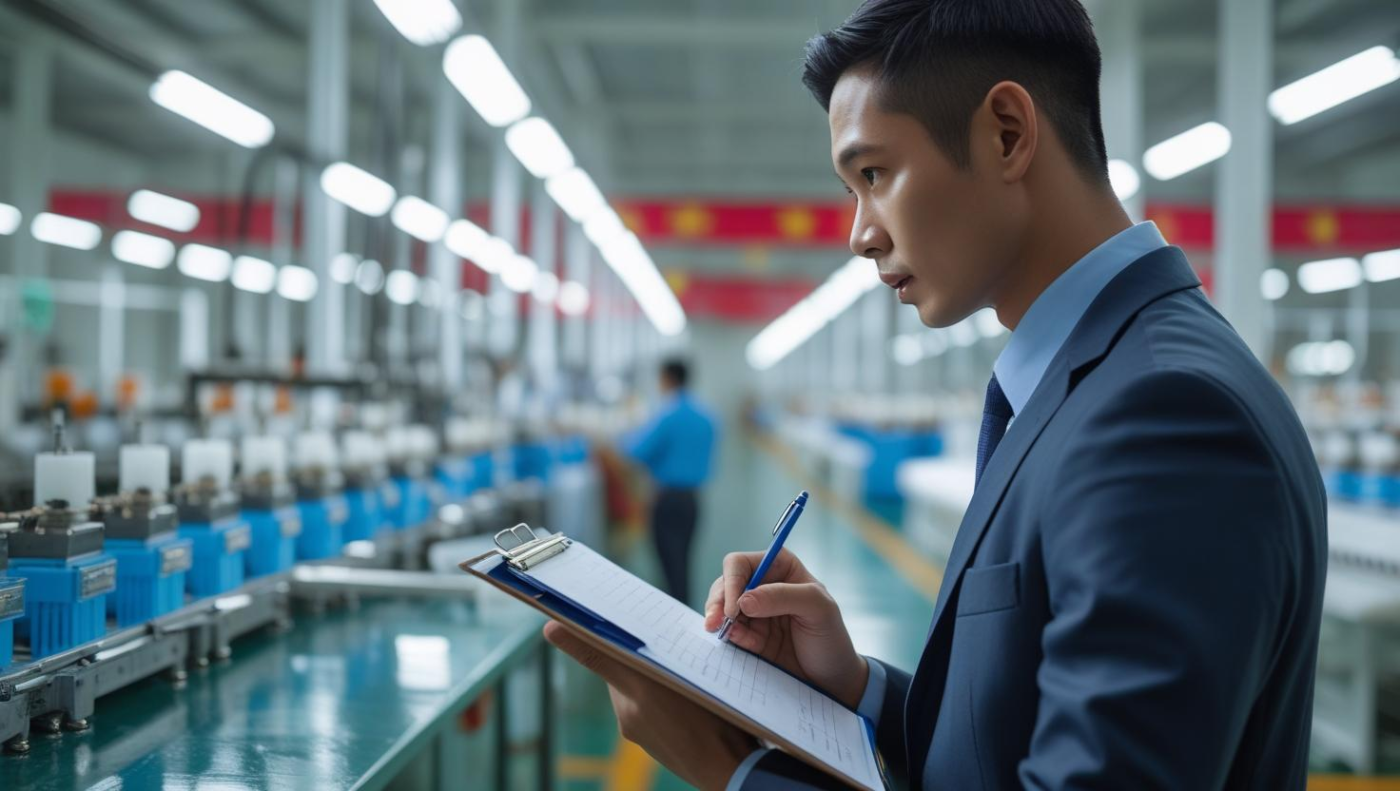
vietnam shoe factory sourcing remains a critical component of global supply chains, offering competitive advantages in terms of cost and production capacity. This article, under the vietnambizrep category, dives deep into the current landscape of shoe manufacturing in Vietnam, exploring key aspects such as factory locations, production capabilities, labor costs, and export regulations. We will also analyze the impact of free trade agreements on the industry, the rise of sustainable manufacturing practices, and provide insights into finding reliable shoe suppliers for your business needs in 2025. Finally, the article will address the vital considerations for quality control and risk mitigation when partnering with Vietnamese factories, providing actionable strategies for successful sourcing.
Types of Shoes Manufactured in Vietnam: A Comprehensive Guide
Vietnam has become a significant hub for shoe manufacturing, producing a wide variety of footwear for both domestic and international markets. The vietnam shoe factory landscape is incredibly diverse, capable of handling everything from high-fashion sneakers to durable work boots. Understanding the breadth of shoe types produced in Vietnam is crucial for businesses looking to source footwear from this region.
The versatility of Vietnam shoe factories stems from their adaptability and skilled workforce, allowing them to cater to different segments of the footwear industry. This includes athletic shoes, casual shoes, formal shoes, and specialized footwear. By exploring these categories, potential buyers can identify factories best suited to their specific product needs.
- Athletic Shoes: Vietnamese factories are adept at producing a wide range of athletic footwear, from running shoes and basketball shoes to training shoes and specialized sports shoes. These factories often employ advanced manufacturing techniques and materials to ensure performance, durability, and comfort.
- Casual Shoes: Casual footwear represents a significant portion of Vietnam’s shoe production. This category encompasses sneakers, sandals, loafers, and other comfortable everyday shoe styles. Vietnamese manufacturers excel in creating fashionable and affordable casual shoes for diverse consumer tastes.
- Formal Shoes: Vietnam also manufactures formal shoes, including dress shoes, heels, and boots. These shoes require skilled craftsmanship and attention to detail, and many Vietnamese factories have the expertise to meet the demanding standards of the formal footwear market.
- Specialized Footwear: Beyond the mainstream categories, Vietnam shoe factories also produce specialized footwear for various industries and purposes. This includes work boots, safety shoes, military boots, and orthopedic shoes. These types of shoes often require specific materials, construction methods, and certifications to ensure safety and performance.
In addition to these broad categories, Vietnamese factories are increasingly focused on sustainable shoe production. This includes using recycled materials, reducing waste, and implementing ethical labor practices. The commitment to innovation and sustainability is further solidifying Vietnam’s position as a leading shoe manufacturing destination.
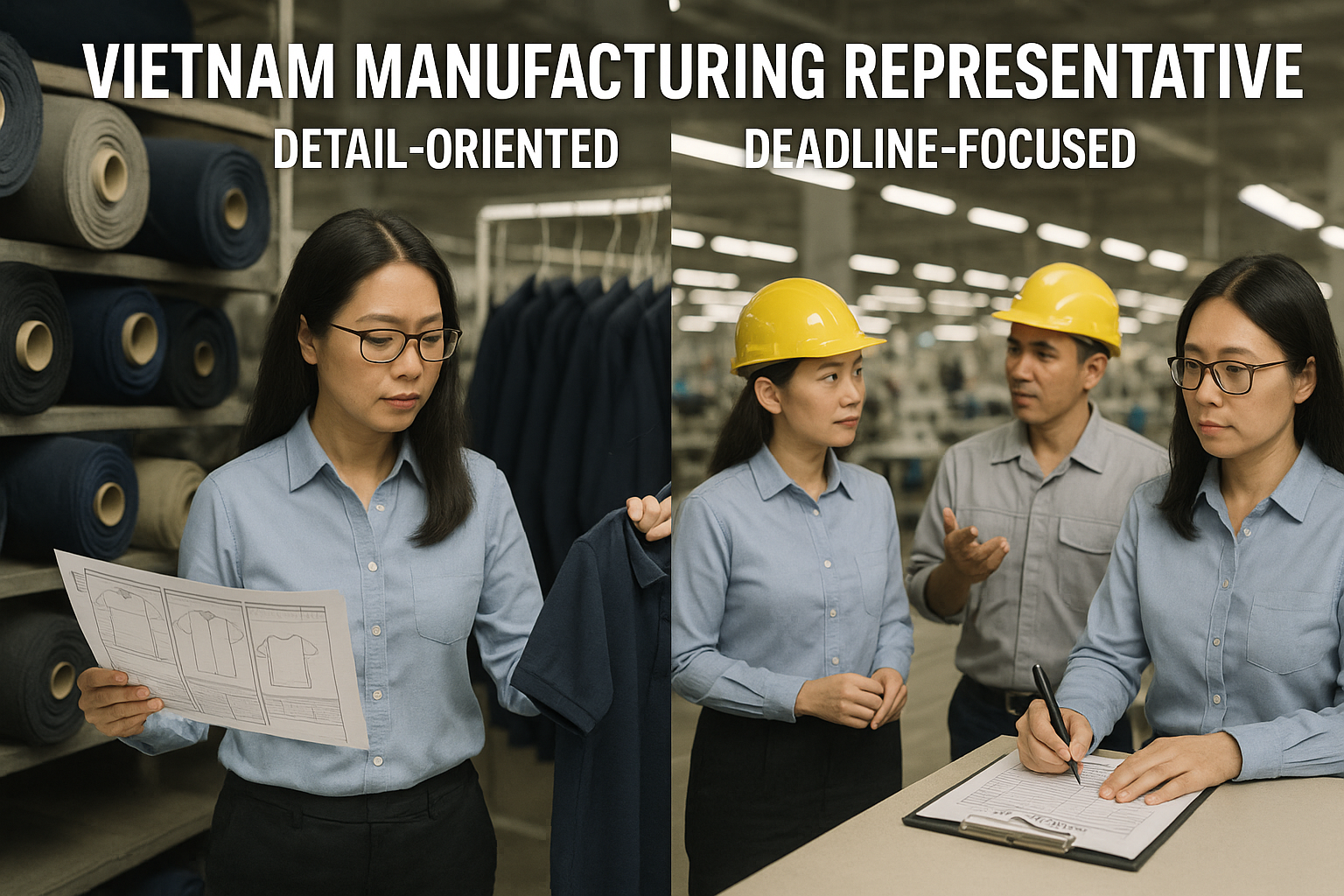
Finding the Right Vietnam Shoe Factory: Essential Criteria & Due Diligence
Sourcing effectively from a Vietnam shoe factory requires a comprehensive strategy, starting with pinpointing the ideal manufacturing partner. The subsequent sections will equip businesses with crucial criteria and due diligence tactics to navigate the diverse landscape of shoe manufacturers in Vietnam and find a suitable match for their specific needs. This process encompasses everything from assessing technical capabilities to understanding cultural nuances, ensuring a successful and mutually beneficial long-term collaboration with your vietnambizrep.
Essential Criteria for Selecting a Vietnam Shoe Factory
Identifying the right Vietnam shoe factory involves evaluating several key criteria.
- Manufacturing Capabilities: A thorough assessment of their production capacity, equipment, and expertise in handling your specific shoe types is crucial. Do they specialize in leather shoes, athletic footwear, or casual styles? Check their machinery, technologies, and ability to handle various materials.
- Quality Control: Rigorous quality control processes are essential to ensure consistently high product standards. You should inquire about their QC protocols, testing procedures, and certifications (e.g., ISO 9001).
- Minimum Order Quantity (MOQ): Understanding the minimum order quantities is vital for businesses of all sizes. Ensure the MOQ aligns with your business needs and projected sales volumes.
- Pricing and Payment Terms: Transparent pricing structures and flexible payment terms are critical for managing costs and cash flow. Obtain detailed quotes and compare pricing models across different factories.
- Communication and Responsiveness: Effective communication and prompt responsiveness are crucial for smooth collaboration and issue resolution. Assess their communication skills, language proficiency, and availability.
Due Diligence: Verifying Credentials and Capabilities
Beyond the initial criteria, thorough due diligence is paramount to validate the claims and capabilities of potential shoe manufacturers.
- Factory Audits: Conducting on-site factory audits provides valuable insights into their operations, working conditions, and compliance with ethical and environmental standards. Consider hiring a reputable third-party auditor for an unbiased assessment.
- Reference Checks: Contacting previous clients to gather references offers firsthand accounts of their experience working with the factory. Ask about their product quality, delivery timelines, and overall satisfaction.
- Legal and Regulatory Compliance: Ensuring the factory complies with all relevant legal and regulatory requirements in Vietnam is essential to avoid potential legal issues and reputational damage. Verify their business licenses, tax registration, and labor law compliance.
- Financial Stability: Assessing the factory’s financial stability mitigates the risk of supply chain disruptions and ensures their long-term viability as a partner. Request financial statements and check their credit rating.
- Sample Production: Requesting and evaluating sample products is a critical step in assessing their manufacturing quality and ability to meet your design specifications. Conduct thorough testing and analysis of the samples.
By systematically evaluating these criteria and conducting thorough due diligence, businesses can confidently identify a Vietnam shoe factory that aligns with their needs and values, leading to a successful and sustainable sourcing partnership with vietnambizrep.

Ethical Sourcing and Sustainability in Vietnam Shoe Factories: Current Trends
The rise of ethical sourcing and sustainability is significantly shaping the landscape of Vietnam shoe factories, pushing manufacturers to adopt responsible practices across their operations. This trend reflects a growing global consumer demand for transparency and accountability in the fashion industry, influencing how vietnambizrep and other businesses approach shoe production in Vietnam. This means, in turn, that Vietnam’s reputation as a major shoe manufacturing hub is increasingly tied to its commitment to these principles.
Several key trends are driving the shift towards ethical and sustainable practices in the Vietnamese footwear industry. Firstly, there’s increasing scrutiny from international brands and retailers who are setting stricter requirements for their suppliers. They prioritize factories demonstrating compliance with labor standards, environmental regulations, and responsible material sourcing. Secondly, Vietnamese factories are increasingly aware of the long-term benefits of sustainability, including improved efficiency, reduced waste, and enhanced brand image.
Here are some specific examples of ethical sourcing and sustainability initiatives gaining traction:
- Fair Labor Practices: Ensuring fair wages, safe working conditions, and the right to unionize for all workers. Many factories are implementing social compliance audits to demonstrate adherence to international labor standards.
- Environmentally Friendly Materials: Replacing conventional materials with sustainable alternatives such as recycled rubber, organic cotton, and innovative bio-based materials. This also includes phasing out harmful chemicals and dyes used in the production process.
- Waste Reduction and Recycling: Implementing closed-loop manufacturing systems to minimize waste generation and maximize resource utilization. This involves recycling materials like leather scraps, rubber, and packaging, thus diminishing environmental impact.
- Energy Efficiency: Investing in energy-efficient technologies and renewable energy sources to reduce carbon emissions. This could include utilizing solar power, optimizing production processes, and implementing energy management systems.
- Water Management: Implementing water conservation measures and wastewater treatment facilities to minimize water pollution. The leather tanning process, in particular, requires significant water usage, making effective water management crucial.
Furthermore, certifications like Fair Trade, GOTS (Global Organic Textile Standard), and Leather Working Group (LWG) are becoming increasingly important for Vietnam shoe factories seeking to demonstrate their commitment to ethical and sustainable practices. These certifications provide independent verification of a factory’s performance, enabling brands and consumers to make informed purchasing decisions.
For instance, a factory may highlight its LWG certification to demonstrate its commitment to responsible leather sourcing and tanning practices. Likewise, using recycled materials reduces dependency on newly manufactured plastics, contributing to circular economy principles and reducing environmental footprint. The successful adoption of these sustainable practices will significantly enhance the competitiveness of vietnam shoe factories in the global market.
Navigating the Business Landscape: Legal & Regulatory Considerations for Shoe Manufacturing in Vietnam
For businesses seeking to establish a vietnam shoe factory, understanding the legal and regulatory landscape is paramount to ensure compliance and operational efficiency. Vietnam’s investment laws, labor regulations, and environmental protection policies all play a crucial role in governing the manufacturing sector, and a thorough grasp of these is critical for a successful venture. Therefore, navigating the business environment requires careful planning and adherence to the stipulated guidelines for setting up and operating a shoe manufacturing factory in Vietnam.
Several factors shape the legal framework for shoe manufacturing in Vietnam. Foreign investors must understand the Enterprise Law, which governs company establishment, and the Investment Law, which outlines investment incentives and procedures. Key considerations include:
- Business Registration: Obtaining the necessary licenses and permits for operating a shoe factory, involving registration with the local Department of Planning and Investment.
- Labor Laws: Adhering to Vietnamese labor regulations concerning working hours, wages, social insurance, and workplace safety is mandatory. This includes providing fair employment conditions for workers in Vietnam shoe factories.
- Environmental Regulations: Compliance with environmental protection standards, including waste management and pollution control, is strictly enforced. Shoe manufacturers must implement sustainable practices and obtain the necessary environmental permits.
- Trade Regulations: Understanding import-export regulations, tariffs, and customs procedures is essential for the smooth flow of materials and finished products, affecting the overall cost and efficiency of shoe manufacturing in Vietnam.
- Intellectual Property: Protecting intellectual property rights is crucial, necessitating the registration of trademarks and patents to safeguard designs and innovations in the shoe industry.
Engaging local legal expertise is highly recommended to navigate these complexities effectively. The legal requirements impact the entire manufacturing process, from sourcing materials to exporting finished products from your Vietnam shoe factory. A proactive approach to compliance will minimize risks and ensure a sustainable and profitable operation.

Comparing Vietnam to Other Shoe Manufacturing Countries: Strengths and Weaknesses
Vietnam’s shoe factory sector has emerged as a significant player in the global footwear industry, but understanding its competitive position requires a careful comparison of its strengths and weaknesses against other major shoe manufacturing countries. This analysis will explore key factors such as cost, quality, infrastructure, trade agreements, and ethical considerations to provide a comprehensive overview.
Vietnam’s competitive edge in shoe manufacturing stems primarily from its cost-effectiveness. Labor costs in Vietnam are generally lower than in countries like China, making it an attractive destination for companies seeking to reduce production expenses. This advantage is further enhanced by government policies that encourage foreign investment and streamline business operations, leading to competitive pricing in the final product.
However, Vietnam isn’t without its weaknesses. While its labor costs are lower, the skill level and productivity of the workforce can sometimes lag behind those of more developed manufacturing hubs. For instance, China has invested heavily in automation and advanced manufacturing techniques, resulting in higher production efficiency and potentially better product quality. Additionally, Vietnam’s infrastructure, while improving, still faces challenges in terms of transportation and logistics compared to countries with more established industrial bases.
When comparing Vietnam to other Southeast Asian nations like Indonesia and Cambodia, the strengths and weaknesses vary. Indonesia boasts a larger domestic market and a more diversified economy, providing some insulation from fluctuations in global demand. Cambodia, on the other hand, offers even lower labor costs than Vietnam, but its infrastructure and regulatory environment are less developed. Vietnam distinguishes itself through its relatively stable political environment, favorable trade agreements (such as the CPTPP), and increasing focus on sustainable manufacturing practices, positioning it as a more reliable and responsible sourcing destination.
Ethical considerations also play a crucial role in comparing shoe manufacturing countries. While Vietnam has made progress in improving labor standards and environmental regulations, challenges remain. Brands are increasingly scrutinizing supply chains to ensure compliance with ethical sourcing guidelines. Countries with stricter enforcement of labor laws and environmental protection may attract businesses that prioritize ethical production, even if it means higher costs.
Ultimately, the choice of where to manufacture shoes depends on a company’s specific priorities and risk tolerance. Vietnam offers a compelling combination of cost-effectiveness, improving infrastructure, and a commitment to sustainability, making it a strong contender in the global shoe manufacturing landscape. However, businesses must carefully weigh these advantages against potential challenges and compare them to the offerings of other countries to make informed decisions.
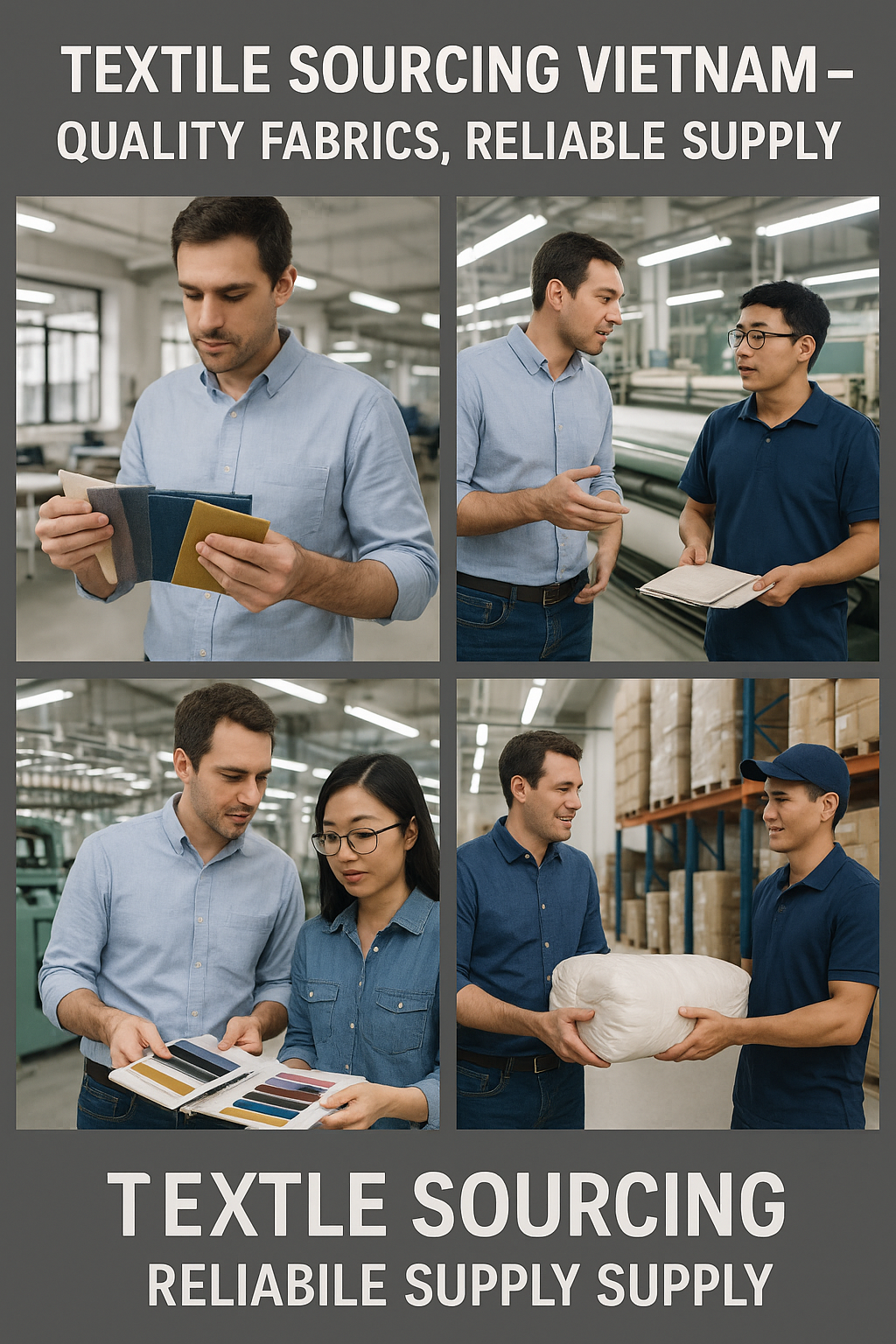
Innovations and Technological Advancements in Vietnam’s Shoe Factories: The Future of Manufacturing
Vietnam shoe factories are rapidly embracing innovations and technological advancements, paving the way for a more efficient, sustainable, and competitive future for the industry. This transformation involves the adoption of cutting-edge technologies, advanced manufacturing processes, and innovative materials to enhance productivity, improve product quality, and reduce environmental impact. Investment in automation, digitalization, and advanced materials is key to maintaining Vietnam’s position as a leading shoe manufacturing hub.
The integration of automation is revolutionizing the production lines in many Vietnam shoe manufacturers. Robotics is being deployed for tasks such as cutting, stitching, and assembly, increasing speed and precision while reducing labor costs. For instance, some factories are utilizing robotic arms equipped with advanced sensors to handle intricate stitching patterns, minimizing errors and improving overall product consistency. This transition towards automation not only enhances efficiency but also allows skilled workers to focus on more complex tasks such as design and quality control.
Digitalization plays a crucial role in optimizing the entire supply chain for shoe manufacturing in Vietnam. The implementation of Enterprise Resource Planning (ERP) systems enables factories to manage inventory, track orders, and monitor production processes in real-time. Furthermore, 3D printing technology is being used for rapid prototyping, allowing manufacturers to quickly iterate designs and create customized shoe models. These digital tools provide valuable data insights that support informed decision-making, leading to improved resource allocation and enhanced operational efficiency.
Advanced materials are also driving innovation in the Vietnamese shoe industry, with a focus on sustainability and performance. Vietnam shoe factories are increasingly adopting eco-friendly materials such as recycled rubber, bio-based polymers, and innovative textiles to reduce their environmental footprint. Furthermore, smart materials with properties like enhanced breathability, water resistance, and shock absorption are being incorporated into shoe designs to improve comfort and durability. The use of these advanced materials not only caters to growing consumer demand for sustainable products but also enhances the overall quality and functionality of footwear.

Building Long-Term Partnerships: Tips for Effective Collaboration with Vietnam Shoe Factories
Establishing long-term partnerships with Vietnam shoe factories is crucial for sustained success in the footwear industry, enabling consistent quality, reliable supply chains, and mutual growth. Effective collaboration requires a strategic approach that encompasses clear communication, cultural sensitivity, and a commitment to shared goals. By investing in building strong relationships, businesses can unlock the full potential of shoe manufacturing in Vietnam.
To cultivate enduring relationships, clear and consistent communication is paramount. This involves establishing well-defined communication channels, utilizing project management tools, and holding regular meetings to discuss progress, address concerns, and align on expectations. For instance, proactively sharing sales forecasts with the vietnam shoe factory allows them to better plan their production capacity and material sourcing, minimizing potential delays and ensuring timely delivery. Furthermore, providing detailed technical specifications and quality standards upfront reduces the risk of misunderstandings and ensures that the factory can consistently meet the required specifications.
Cultural sensitivity plays a vital role in fostering trust and mutual respect. Understanding Vietnamese business etiquette, values, and communication styles can significantly enhance the quality of interactions and build stronger rapport. Taking the time to learn basic Vietnamese phrases, demonstrating respect for local customs, and showing genuine interest in the factory’s operations can go a long way in building a solid foundation for a lasting partnership. Remember that building trust takes time, and investing in face-to-face meetings, factory visits, and social interactions can help bridge cultural gaps and strengthen relationships.
Equally important is establishing fair and transparent pricing mechanisms. A collaborative approach to cost negotiation, where both parties understand each other’s cost structures and profitability goals, fosters a sense of fairness and mutual benefit. Openly discussing material costs, labor rates, and overhead expenses allows for a more realistic and sustainable pricing agreement. Furthermore, consider implementing profit-sharing arrangements or long-term contracts that incentivize the factory to improve efficiency and quality. This shared commitment to financial success strengthens the partnership and promotes long-term growth.
Finally, commitment to ethical sourcing and sustainability strengthens partnerships and aligns with evolving consumer demands. Collaborating with vietnam shoe factories that prioritize fair labor practices, environmental responsibility, and safe working conditions not only aligns with ethical business principles but also enhances brand reputation and consumer trust. Conducting regular audits, providing training on sustainable manufacturing practices, and investing in environmentally friendly technologies demonstrates a shared commitment to sustainability. This proactive approach not only mitigates potential risks but also positions both parties as responsible and forward-thinking partners in the global footwear industry.
(Approximately 340 words)
Overcoming Challenges in Vietnam Shoe Manufacturing: Common Issues and Solutions
Navigating the landscape of vietnam shoe factory operations involves facing several challenges, but with strategic planning and proactive solutions, businesses can thrive in this dynamic market. The shoe manufacturing industry in Vietnam presents unique obstacles that require careful consideration, ranging from supply chain disruptions to labor force management, and understanding these potential pitfalls is crucial for success.
- Supply Chain Disruptions: One of the primary challenges in Vietnamese shoe factories is managing supply chain disruptions. Vietnam’s reliance on imported raw materials, particularly from China, makes the industry vulnerable to trade tensions, geopolitical instability, and global pandemics like COVID-19. To mitigate this risk, manufacturers should diversify their sourcing strategies, establish relationships with multiple suppliers, and consider investing in local raw material production where feasible. For instance, a factory could source leather from both China and Brazil, creating redundancy in their supply chain.
- Labor Force Management: Another significant challenge is labor force management. While Vietnam boasts a large workforce, issues such as skills gaps, high turnover rates, and ensuring ethical labor practices can pose difficulties. Investing in training programs to upskill workers, offering competitive wages and benefits packages, and implementing robust monitoring systems for labor compliance are essential. Factories should also foster a positive work environment that promotes employee satisfaction and retention. According to a report by the International Labour Organization (ILO), factories with strong worker-management communication experience lower turnover rates.
- Quality Control and Consistency: Maintaining consistent quality standards can be challenging in Vietnam’s shoe factories. Variations in raw material quality, inconsistencies in manufacturing processes, and lack of standardized procedures can lead to quality issues. Implementing rigorous quality control measures at every stage of production, from raw material inspection to final product testing, is crucial. This includes investing in advanced testing equipment, training quality control personnel, and establishing clear quality standards. Some vietnam shoe manufacturers are now adopting AI-powered quality inspection systems to improve accuracy and efficiency.
- Intellectual Property Protection: Protecting intellectual property (IP) is a growing concern for brands manufacturing in Vietnam. Counterfeiting and unauthorized production can undermine brand value and market share. Implementing measures such as registering trademarks and patents in Vietnam, conducting thorough due diligence on potential factory partners, and establishing confidentiality agreements are vital. Collaborating with local law enforcement agencies to combat IP infringement can also be effective.
- Navigating Regulatory Compliance: Vietnam’s regulatory landscape can be complex and constantly evolving. Staying abreast of the latest regulations related to labor, environment, and trade is essential for compliance. Engaging with local legal experts and industry associations can provide valuable guidance. Ensuring that factories have the necessary permits and licenses, adhere to environmental regulations, and comply with labor laws is crucial for avoiding legal issues and maintaining a positive reputation.
- Rising Production Costs: Vietnam’s rising production costs, including wages and energy prices, are impacting the competitiveness of shoe manufacturers. To address this, factories must focus on improving efficiency, adopting automation technologies, and optimizing resource utilization. Investing in energy-efficient equipment, streamlining production processes, and implementing lean manufacturing principles can help reduce costs and improve profitability.
By proactively addressing these challenges, vietnambizrep and its partners can establish a robust and sustainable shoe manufacturing operation in Vietnam, delivering high-quality products while mitigating risks.
Vietnam Shoe Factory: Cost Analysis and Factors Affecting Pricing
Understanding the cost analysis of Vietnam shoe factory operations and the diverse factors affecting pricing is critical for businesses seeking to optimize their sourcing strategies. This section delves into the intricacies of manufacturing expenses in Vietnam, providing a comprehensive overview for informed decision-making. A detailed examination of these elements will empower businesses to negotiate effectively and ensure competitive pricing when partnering with a shoe factory in Vietnam.
Several key components contribute to the final price of shoes manufactured in Vietnam. These include the cost of raw materials, such as leather, textiles, rubber, and synthetics, which can fluctuate based on global market conditions and sourcing locations. Labor costs, encompassing wages, benefits, and social insurance, are another significant factor, varying across different regions within Vietnam and influenced by skill levels and worker availability. Furthermore, overhead expenses like factory rent, utilities, machinery maintenance, and administrative costs play a vital role in determining the overall manufacturing price. The complexity of the shoe design and the order quantity also impact pricing, with intricate designs and smaller orders generally resulting in higher per-unit costs.
Beyond the direct production costs, several external factors can influence shoe pricing in Vietnam. Exchange rate fluctuations between the Vietnamese Dong (VND) and major currencies like the US dollar (USD) can affect the cost of imported raw materials and the competitiveness of Vietnamese exports. Government policies, including tariffs, taxes, and incentives, can also impact the overall cost structure. Transportation and logistics expenses, including shipping, customs clearance, and inland transportation, contribute to the final delivered price of the shoes. Finally, market demand and competitive pressures within the Vietnam shoe manufacturing industry play a crucial role in shaping pricing strategies, especially in a market as dynamic and competitive as Vietnam.
Before placing orders with any supplier, overseas buyers are advised to conduct a Vietnam factory audit to assess production facilities, compliance, and capacity. A local supplier verification service can confirm business legitimacy, certifications, and production capability.
Vietnam Biz Rep helps overseas buyers find suppliers, verify factories, coordinate samples, inspect goods, and follow up production in Vietnam. Learn more about our Vietnam sourcing agent services or contact us to discuss your sourcing requirements.
