

Navigating the complexities of sourcing high-quality apparel? Identifying reliable vietnam shirt manufacturers is crucial for businesses aiming for competitive pricing and ethical production in 2025. This guide delves into the landscape of Vietnamese garment factories, examining key factors such as manufacturing capacity, certification standards (WRAP, BSCI), fabric sourcing, and export regulations. We’ll also explore the advantages of partnering with private label clothing manufacturers in Vietnam and provide actionable insights into supply chain management and quality control within the vietnambizrep category, empowering you to make informed decisions for your business growth.
Finding the Right Vietnam Shirt Manufacturer: A Comprehensive Guide
Sourcing apparel from Vietnam, specifically finding the right Vietnam shirt manufacturers, requires a strategic approach. This guide provides a comprehensive overview of the key aspects to consider when selecting a suitable manufacturing partner, ensuring a successful and profitable venture for your business with vietnambizrep. Understanding the landscape of shirt production in Vietnam is crucial for businesses aiming to leverage the country’s competitive advantages in the textile industry.
Navigating the sea of potential shirt suppliers in Vietnam can be daunting. This section aims to streamline your search by outlining essential criteria, from assessing manufacturing capabilities and quality control processes to evaluating communication proficiency and ethical practices. Thoroughly evaluating these factors will empower you to make an informed decision and establish a strong, reliable partnership with a clothing manufacturer that aligns with your brand values and business objectives.
To make sure you’re partnering with a top Vietnam shirt manufacturer, consider these steps:
- Define Your Needs: Clearly outline your shirt specifications, including styles, materials, quantities, and target price points.
- Research Potential Manufacturers: Use online directories, trade shows, and industry contacts to identify potential clothing factories in Vietnam.
- Evaluate Capabilities and Capacity: Assess their production capacity, equipment, and experience in manufacturing your desired shirt styles.
- Check Quality Control Processes: Understand their quality control procedures and certifications to ensure consistent product quality.
- Assess Communication and Responsiveness: Evaluate their communication skills, responsiveness to inquiries, and ability to understand your requirements.
- Verify Ethical and Sustainable Practices: Ensure they adhere to ethical labor standards and sustainable manufacturing practices.
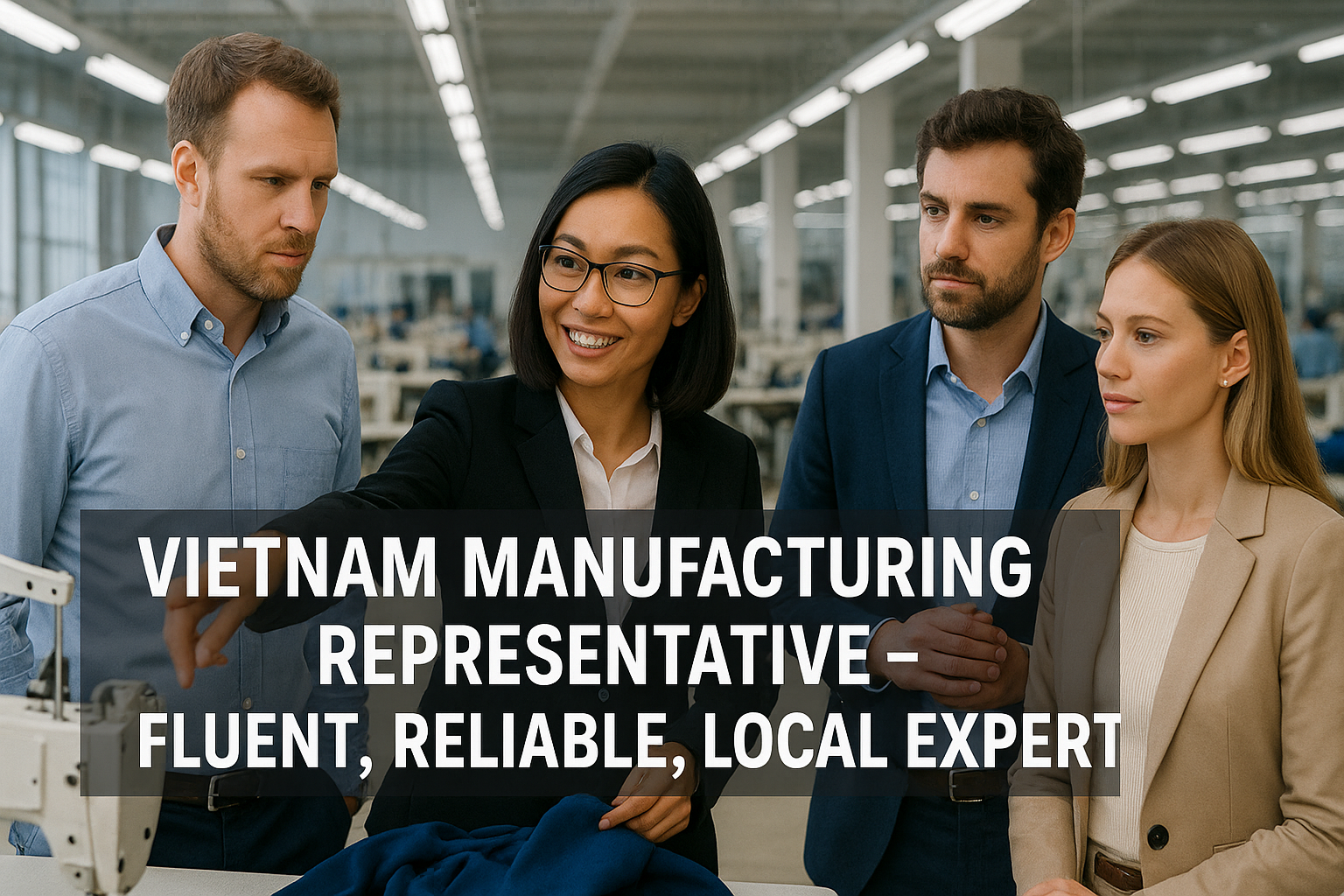
Looking for the perfect fit? Uncover the secrets to choosing the best Vietnam shirt manufacturer for your needs.
Evaluating Vietnam Shirt Manufacturers: Key Factors to Consider
Selecting the right Vietnam shirt manufacturers is a critical decision for businesses seeking efficient and high-quality apparel production; a thorough evaluation process is essential to ensure a successful partnership. This evaluation should encompass several key aspects, from assessing their manufacturing capabilities and quality control procedures to understanding their communication style and commitment to ethical and sustainable practices. By carefully considering these factors, companies like vietnambizrep can mitigate risks and establish collaborations with garment manufacturers in Vietnam that align with their specific needs and values.
Here are some critical factors to consider when evaluating Vietnam shirt manufacturers:
-
Manufacturing Capabilities and Capacity: A primary consideration is whether the shirt factory possesses the necessary equipment, technology, and skilled labor to handle your specific shirt designs and production volume. Inquire about their machinery inventory, production lines, and daily/monthly output capacity. For example, a manufacturer specializing in intricate embroidery might not be suitable for large-scale production of basic T-shirts. Understanding their scalability – their ability to increase production to meet growing demand – is also crucial for long-term partnerships.
-
Quality Control and Assurance: Rigorous quality control is paramount to ensuring the shirts meet your standards. Request detailed information about their quality assurance (QA) processes, including inspection points throughout the production cycle (from fabric inspection to final packaging). Ask about their defect rates and how they handle quality issues. Ideally, the manufacturer should have internationally recognized quality management systems in place, such as ISO 9001.
-
Communication and Responsiveness: Effective communication is essential for a smooth and productive collaboration. Assess how responsive the manufacturer is to your inquiries, their clarity in explaining processes, and their willingness to address your concerns. Language proficiency of their key personnel is also a factor to consider. A manufacturer who is proactive in providing updates and readily available for communication will help minimize potential misunderstandings and delays.
-
Ethical and Sustainable Practices: Increasingly, consumers are demanding ethically and sustainably produced apparel. Therefore, it’s crucial to evaluate if the garment factory adheres to fair labor practices, safe working conditions, and environmentally responsible manufacturing processes. Look for certifications like WRAP Certification, BSCI Certification, or OekoTex Standard 100. Enquire about their sourcing of raw materials, waste management practices, and energy efficiency initiatives.
By thoroughly evaluating Vietnam shirt manufacturers based on these key factors – including their production capacity, QA processes, communication effectiveness, and ethical commitment – you can confidently select a partner that meets your business objectives and contributes to a sustainable and responsible supply chain.
Struggling to make a decision? Get insights on the key factors to consider when evaluating Vietnam shirt manufacturers.
Types of Shirts Commonly Manufactured in Vietnam
Vietnam has emerged as a significant hub for shirt manufacturing, offering a diverse range of styles and designs to cater to global demand. The country’s textile industry is well-equipped to produce everything from everyday casual wear to sophisticated formal attire, making it a versatile sourcing destination for businesses worldwide. This section will delve into the common shirt types readily manufactured in Vietnam, highlighting their unique characteristics and applications.
Vietnamese shirt manufacturers excel in producing a wide array of shirt styles, each tailored to specific needs and preferences. This versatility is a key advantage for businesses looking to source a variety of clothing options from a single location. Below are some of the most popular types of shirts commonly manufactured in Vietnam:
-
Casual Shirts: These are designed for everyday wear, prioritizing comfort and style. Vietnam’s casual shirt production includes a vast selection of fabrics, patterns, and fits, from classic button-downs to trendy graphic tees. Cotton, linen, and blends are frequently used materials.
-
Dress Shirts: Essential for formal occasions and professional settings, dress shirts made in Vietnam emphasize quality and precision. Manufacturing capabilities focus on crisp fabrics, tailored fits, and meticulous detailing, often incorporating features like French cuffs and spread collars.
-
Polo Shirts: A versatile option bridging casual and formal wear, polo shirts produced in Vietnam are popular for their comfort and sporty aesthetic. Manufacturers offer various pique knits, colors, and customization options, catering to diverse branding needs.
-
T-shirts: A staple in any wardrobe, t-shirts from Vietnam are known for their affordability and wide range of styles. Production includes basic crew necks, V-necks, and graphic tees, utilizing various cotton and synthetic blends.
-
Workwear Shirts: Designed for durability and functionality, workwear shirts manufactured in Vietnam meet stringent safety and performance standards. Reinforced stitching, moisture-wicking fabrics, and high-visibility options are common features.
Want to know what’s trending? Discover the diverse range of shirt styles commonly manufactured in Vietnam.
Benefits of Sourcing Shirts from Vietnam
Sourcing shirts from Vietnam presents a multitude of advantages for businesses seeking cost-effective, high-quality apparel manufacturing. Vietnam has emerged as a prominent hub for textile production, offering a compelling blend of competitive pricing, a skilled workforce, and a well-established industry infrastructure, making it a strategic choice for companies aiming to optimize their supply chains and enhance profitability. By leveraging Vietnam’s strengths in shirt manufacturing, businesses can access a wide range of benefits that contribute to improved efficiency, product quality, and overall competitiveness in the global market.
One of the most significant draws of Vietnam shirt manufacturers is their competitive pricing. Labor costs in Vietnam are generally lower than in many other countries with developed garment industries, leading to significant cost savings in production. This allows businesses to offer their products at more attractive price points, increasing sales and market share. Furthermore, the Vietnamese government has implemented policies to support the textile industry, further contributing to cost efficiencies.
Vietnam boasts a skilled labor force that is well-trained in garment manufacturing techniques. The country has a long history of textile production, resulting in a workforce with a deep understanding of sewing, cutting, and finishing processes. Vietnamese workers are known for their attention to detail, precision, and commitment to producing high-quality garments. Continuous training programs and investments in modern equipment further enhance the skills and capabilities of the workforce.
The established textile industry in Vietnam provides a robust ecosystem for shirt manufacturing. This includes access to a wide range of raw materials, such as cotton, polyester, and other fabrics, as well as garment accessories like buttons, zippers, and labels. The presence of numerous textile mills and dyeing facilities within Vietnam streamlines the supply chain and reduces lead times. Additionally, the government’s support for the textile industry has fostered innovation and technological advancements.
Sourcing shirts from Vietnam offers businesses access to raw materials. Vietnam has established itself as a significant producer of raw materials used in garment manufacturing, including cotton, synthetic fabrics, and various trims and accessories. This abundant availability reduces reliance on imports and mitigates supply chain disruptions, ensuring a steady flow of materials for production. Vietnam’s proximity to other major textile-producing countries in Asia further enhances access to a diverse range of materials and suppliers.

Curious about the cost advantage? Explore the benefits of competitive pricing when sourcing shirts from Vietnam.
Common Challenges When Working with Vietnam Shirt Manufacturers and How to Overcome Them
Navigating the landscape of vietnam shirt manufacturers can be a rewarding experience, unlocking access to competitive pricing and quality production. However, like any international business endeavor, sourcing shirts from Vietnam presents its own set of challenges. Understanding these hurdles and proactively implementing strategies to overcome them is crucial for a successful and mutually beneficial partnership with your chosen clothing manufacturers.
Language Barriers
One of the most immediate obstacles when working with vietnam shirt manufacturers is the language barrier. While many factories have English-speaking representatives, nuances can easily be lost in translation, leading to misunderstandings regarding specifications, timelines, and quality expectations.
- Solution: Employ a bilingual agent or translator to facilitate communication. Clear and concise written communication, including detailed tech packs with visual aids, is essential. Schedule regular video conferences to build rapport and clarify any ambiguities. Consider using translation tools, but always verify the accuracy of the translation with a human translator.
Cultural Differences
Beyond language, cultural differences can impact business interactions. Communication styles, negotiation tactics, and expectations around timelines can vary significantly. A direct, assertive approach common in Western business might be perceived as aggressive or disrespectful in Vietnamese culture.
- Solution: Invest time in understanding Vietnamese business etiquette and cultural norms. Demonstrate respect for local customs and traditions. Build relationships based on trust and mutual understanding. Be patient and flexible, and avoid making assumptions based on your own cultural background. Consider engaging a local consultant who understands both business cultures.
Communication Delays
Time zone differences and varying levels of communication infrastructure can lead to frustrating delays in response times. This can be particularly challenging when dealing with urgent matters or time-sensitive projects.
- Solution: Establish clear communication protocols and expectations from the outset. Define preferred communication channels (e.g., email, WhatsApp, WeChat) and expected response times. Utilize project management tools to track progress and deadlines. Be proactive in following up on outstanding issues. Remember that public holidays in Vietnam may differ from your own, so factor these into your timelines.
Quality Inconsistencies
Maintaining consistent quality can be a persistent challenge when sourcing shirts from Vietnam. Variations in fabric, stitching, and finishing can occur, particularly with larger production runs.
- Solution: Implement a rigorous quality control process at every stage of production. This includes pre-production samples, in-line inspections, and final inspections before shipment. Clearly define your quality standards and provide detailed specifications in your tech packs. Work with manufacturers who have established quality control systems and certifications (e.g., WRAP, BSCI). Be prepared to invest in independent quality control inspections if necessary.

Concerned about potential hurdles? Learn how to overcome common challenges, like language barriers, when working with Vietnamese manufacturers.
The Vietnam Shirt Manufacturing Process: From Design to Delivery
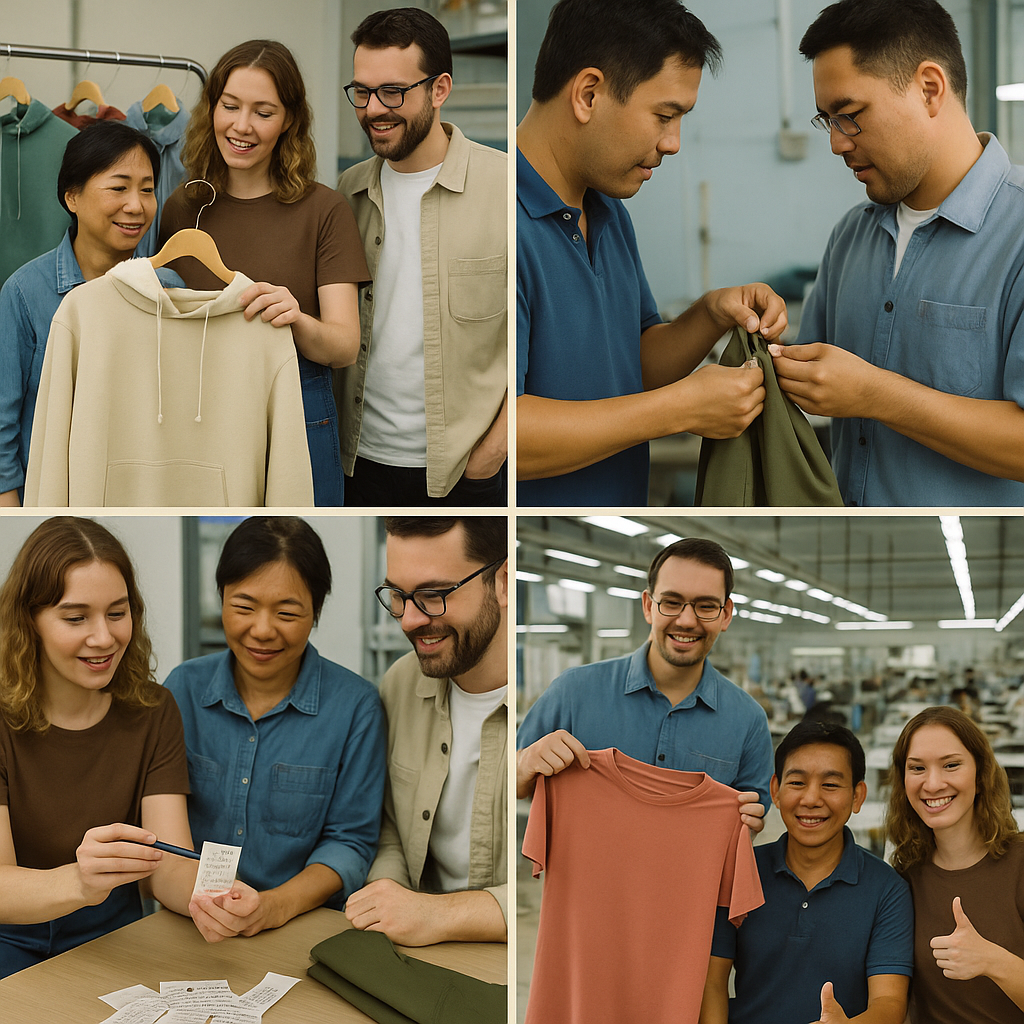
The Vietnam shirt manufacturing process is a comprehensive journey, transforming initial concepts into tangible, high-quality apparel. This process, crucial for brands seeking reliable sourcing options, encompasses everything from the initial design phase and fabric selection to the final stages of quality inspection, packaging, and shipping. Understanding this end-to-end workflow provides valuable insight for businesses aiming to partner with Vietnam shirt manufacturers.
The journey begins with design and pattern making, where ideas are translated into detailed specifications. Manufacturers often work closely with clients, offering expertise in garment construction, fabric suitability, and cost optimization. A crucial stage involves fabric sourcing and cutting, ensuring materials meet quality standards and patterns are accurately replicated for efficient use and minimal waste. This step also incorporates considering different types of materials to decide which is the best material for each type of shirt such as cotton, polyester, or blended materials, depending on specific design or needs.
The subsequent sewing and assembly stage involves skilled technicians meticulously assembling the garment components. This is where techniques from using computerized sewing machines to specialized stitching are applied, ensuring durability and precise detailing. A rigorous quality inspection follows, where each shirt is scrutinized for defects in stitching, sizing, and overall construction. This phase adheres to international standards, ensuring that the final product meets the required specifications before moving to the final phase: packaging and shipping, preparing shirts for efficient and secure delivery to their final destination. This includes proper labeling, packaging and using the appropiate shipping depending on the customer needs, sea, air or land.
Here’s the H2 content, optimized for semantic SEO and user engagement:
Intrigued by the journey? Follow the Vietnam shirt manufacturing process from initial design to final delivery.
Cost Considerations When Manufacturing Shirts in Vietnam
Understanding the cost considerations is paramount when planning to source apparel from vietnambizrep’s vietnam shirt manufacturers. While Vietnam offers a competitive edge in garment production, a thorough analysis of various cost components is crucial for accurate budgeting and maximizing profitability. Neglecting these cost factors can lead to unforeseen expenses and affect your overall return on investment when working with shirt manufacturers in Vietnam.
Several interconnected factors drive the total expenses involved in shirt manufacturing in Vietnam. These include direct production costs like labor and materials, as well as indirect expenses related to shipping, logistics, and order volumes. To make informed decisions, it’s important to understand each of these aspects.
Labor Costs
Labor costs constitute a significant portion of the total manufacturing expenses. While Vietnam offers competitive labor rates compared to other countries, these costs can vary based on several factors. Consider the following:
- Skill Level: Skilled workers command higher wages. More complex shirt designs or specialized fabrics might require experienced personnel, increasing labor costs.
- Location: Labor rates tend to be higher in major industrial hubs compared to more rural areas.
- Minimum Wage: Vietnam’s minimum wage varies by region. Staying updated with the latest regulations is crucial.
- Overtime: Unexpected overtime to meet demanding deadlines can add to expenses.
Material Costs
Material costs, encompassing fabrics, trims, and accessories, represent another significant chunk of the total cost. Factors influencing material costs include:
- Fabric Type: Cotton, polyester, linen, and blends have different price points. Sourcing organic or specialty fabrics will increase the price.
- Fabric Quality: Higher-quality fabrics will come at a premium but can enhance the overall quality and durability of the shirt.
- Trims and Accessories: Buttons, zippers, labels, and other embellishments contribute to material costs. The type and quality of these trims will impact the final price.
- Sourcing: vietnambizrep can help you source materials locally in Vietnam, potentially reducing lead times and transportation costs.
Shipping and Logistics Costs
Shipping and logistics costs are crucial in the overall cost calculation. The further you are from Vietnam, the more this will come into play.
- Shipping Method: Sea freight is generally more economical for bulk orders, while air freight is faster but more expensive.
- Distance and Destination: Shipping costs vary depending on the destination port or address.
- Customs and Duties: Import duties and taxes in your country will add to the overall cost. Ensure you factor these into your budget.
- Insurance: Insuring your shipment protects you against loss or damage during transit.
- vietnambizrep can assist you in obtaining freight quotes from different carriers to find the most cost-effective solution.
Minimum Order Quantities (MOQs)
Minimum Order Quantities (MOQs) play a crucial role in determining the per-unit cost of your shirts. Manufacturers typically set MOQs to ensure profitability and efficient use of their resources.
- Economies of Scale: Larger order volumes allow manufacturers to spread fixed costs over more units, resulting in lower per-unit costs.
- Negotiating MOQs: In some cases, it might be possible to negotiate MOQs with your Vietnam shirt manufacturer, particularly if you have a long-term partnership or are willing to pay a slightly higher price per unit.
- Small-Batch Production: If you require smaller quantities, consider working with manufacturers that specialize in customization and small-batch production, though this usually comes at a higher cost.
By carefully evaluating these cost considerations, businesses can make informed decisions, optimize their sourcing strategies, and achieve cost-effective shirt manufacturing in Vietnam with the support of vietnambizrep.
Wondering about the bottom line? Understand the cost considerations, including labor costs, when manufacturing shirts in Vietnam.
Building a Long-Term Relationship with Your Vietnam Shirt Manufacturer
Establishing a long-term relationship with your Vietnam shirt manufacturer is crucial for ensuring consistent quality, reliable supply chains, and potentially better pricing over time. This collaborative approach, essential for businesses involved in shirt manufacturing in Vietnam, goes beyond simple transactional interactions and focuses on building trust and mutual understanding.
Clear Communication
Open and clear communication is the bedrock of any successful partnership. This involves proactively sharing your production schedules, providing detailed specifications for each order, and promptly addressing any issues that arise. Regular communication, whether through email, phone calls, or video conferences, helps ensure that both parties are on the same page and that expectations are aligned. Moreover, it’s beneficial to assign dedicated points of contact on both sides to streamline communication and avoid confusion.
Regular Site Visits (When Possible)
While not always feasible, regular site visits, when possible, can significantly strengthen your relationship with your manufacturer. These visits provide opportunities to observe production processes firsthand, meet the team, and gain a deeper understanding of their capabilities. It also allows for face-to-face discussions on quality control, potential improvements, and future collaborations. For instance, a visit could reveal opportunities for optimizing fabric sourcing or streamlining production流程. This will help you build and foster better vietnam shirt manufacturers.
Fair Pricing and Payment Terms
Fair pricing is key to a sustainable partnership. While seeking competitive rates is important, it’s equally crucial to ensure that your manufacturer is compensated fairly for their work. Pushing for excessively low prices can compromise quality and potentially lead to unethical labor practices. Similarly, establishing reasonable and mutually agreeable payment terms is essential for maintaining a healthy financial relationship. This might involve negotiating payment schedules that align with production milestones or offering early payment discounts.
Focus on Quality and Continuous Improvement
A commitment to quality and continuous improvement is vital for long-term success. Work closely with your manufacturer to establish clear quality standards and implement rigorous quality control processes. Provide regular feedback on their performance and collaborate on identifying areas for improvement. Encouraging open dialogue about potential challenges and opportunities for innovation can help foster a culture of continuous improvement and strengthen your partnership.
Top Certifications and Standards for Vietnam Shirt Manufacturers
When sourcing from Vietnam shirt manufacturers, understanding the landscape of top certifications and standards is crucial. These certifications serve as benchmarks for quality, ethical labor practices, and environmental responsibility, offering assurance to buyers and consumers alike. Aligning with manufacturers who hold these credentials not only mitigates risk but also strengthens your brand’s commitment to responsible sourcing.
Several key certifications are particularly relevant to the apparel industry in Vietnam. These certifications often overlap in their requirements, but each offers a distinct focus and level of assurance. Understanding the nuances of each will help you choose manufacturers that align with your brand values and customer expectations. Let’s explore some of the most prominent certifications:
- WRAP Certification: The Worldwide Responsible Accredited Production (WRAP) is a globally recognized, independent non-profit organization dedicated to promoting safe, lawful, humane, and ethical manufacturing around the world. WRAP certification demonstrates a commitment to ethical labor practices, workplace safety, and environmental responsibility.
- BSCI Certification: The Business Social Compliance Initiative (BSCI) is a leading supply chain management system that supports companies in driving social compliance and improvements within their factories and farms. BSCI certification focuses on improving working conditions and promoting ethical sourcing within the apparel supply chain.
- Oeko-Tex Standard 100: This certification focuses on the human ecology of textile products. The Oeko-Tex Standard 100 certifies that every component of the product, i.e., every thread, button, and other accessories, has been tested for harmful substances and that the article, therefore, is harmless for human health. This is crucial for ensuring consumer safety and confidence.
- Sedex: Sedex is one of the world’s leading ethical trade service providers, helping companies improve their responsible and sustainable business practices. While not a certification per se, Sedex membership and audits provide a platform for manufacturers to demonstrate their commitment to ethical and responsible sourcing, covering areas like labor standards, health and safety, environment, and business ethics.
By prioritizing Vietnam shirt manufacturers with these certifications, your brand can demonstrate a commitment to quality, ethical labor practices, and environmental sustainability, building trust with consumers and ensuring a responsible supply chain.
Prioritizing quality and ethics? Explore the top certifications and standards that reputable Vietnam shirt manufacturers adhere to.
Future Trends in Vietnam Shirt Manufacturing
The future trends in Vietnam shirt manufacturing are poised for significant transformation, driven by evolving consumer demands and technological advancements within the global apparel industry. As vietnambizrep aims to provide a comprehensive guide, understanding these trends is crucial for businesses seeking to optimize their sourcing strategies and maintain a competitive edge in the market for Vietnam shirt manufacturers. These shifts encompass a move toward sustainable practices, increased automation, and a greater emphasis on customization and smaller production runs.
Sustainable and Eco-Friendly Practices
A major trend reshaping shirt manufacturing in Vietnam is the rising demand for sustainable and eco-friendly practices. Consumers and brands alike are increasingly conscious of the environmental impact of the fashion industry. This translates to a greater emphasis on using organic cotton, recycled materials, and eco-friendly dyes in shirt production. Vietnam shirt manufacturers who prioritize sustainability are gaining a competitive advantage by offering environmentally responsible options and adopting certifications like Oeko-Tex Standard 100.
Automation and Technology
Automation and technology are revolutionizing the manufacturing process, enhancing efficiency and precision in Vietnam’s shirt manufacturing sector. From automated cutting machines to robotic sewing systems, these advancements are streamlining operations, reducing labor costs, and improving product quality. The integration of artificial intelligence (AI) and machine learning is further optimizing production processes, enabling manufacturers to predict demand, minimize waste, and personalize products.
Increased Focus on Customization and Small-Batch Production
Another prominent trend is the increased focus on customization and small-batch production. The demand for personalized apparel is growing, driven by consumers seeking unique and tailored products. Vietnam shirt manufacturers are adapting to this trend by offering greater flexibility in design, customization options, and smaller minimum order quantities (MOQs). Digital printing technologies and on-demand manufacturing solutions are facilitating this shift, allowing manufacturers to cater to niche markets and provide personalized shirts with efficiency.
Curious about what’s next? Explore the emerging trends shaping the future of Vietnam shirt manufacturing.
Vietnam Biz Rep helps overseas buyers find suppliers, verify factories, coordinate samples, inspect goods, and follow up production in Vietnam. Learn more about our Vietnam sourcing agent services or contact us to discuss your sourcing requirements.
