
Navigating the complexities of sourcing vietnam pvc manufacturer can be a game-changer for your business, directly impacting project costs, material quality, and supply chain reliability. This comprehensive guide, under the vietnambizrep category, delves into the core aspects of identifying and partnering with the right manufacturer. We’ll provide actionable insights into evaluating manufacturing capabilities, understanding PVC resin grades, navigating export regulations, and securing competitive PVC pricing. Furthermore, we’ll explore the leading PVC suppliers in Vietnam in 2025, focusing on their certifications, production capacity, and commitment to sustainable practices, ultimately equipping you with the knowledge to make informed decisions and maximize your ROI.
Top Vietnam PVC Manufacturers: A Detailed Comparison
Navigating the landscape of Vietnam PVC manufacturers requires a careful assessment to identify the best partners for your specific needs. This section provides a detailed comparison of some of the leading PVC manufacturers in Vietnam, highlighting their strengths, specializations, and key offerings. Understanding the nuances of each company allows for informed decision-making and helps ensure a successful sourcing experience.
When selecting a PVC manufacturer, several factors come into play, beyond just the price point. The comparison must include product range (PVC resin, PVC pipes, PVC fittings, PVC profiles, PVC sheets, PVC compounds), production capacity, certifications (ISO, ASTM, REACH, RoHS), and their track record in serving international markets. Analyzing these aspects provides a comprehensive overview of each manufacturer’s capabilities and suitability for your specific requirements.
To further aid your selection, we will delve into specific examples such as:
- Company A which may specialize in PVC resin production and boast significant export volumes.
- Company B known for their wide range of PVC pipe sizes and adherence to international standards.
- Company C focusing on specialized PVC compounds and offering custom formulation services.
This section aims to equip you with the knowledge to make an informed decision when choosing a Vietnam PVC manufacturer.
PVC Product Range Offered by Vietnamese Manufacturers
Vietnamese PVC manufacturers offer a diverse range of PVC products to meet various industrial and consumer demands, making them key players in the global PVC market. This section will explore the spectrum of PVC products readily available from Vietnam PVC suppliers, encompassing everything from PVC resin to specialized PVC compounds, outlining their applications and significance. The availability of diverse PVC product ranges from Vietnamese manufacturers allows buyers to access tailored solutions for specific project requirements, solidifying Vietnam’s position as a reliable source in the global PVC supply chain.
PVC resin, the foundational material for all PVC products, is a core offering from Vietnam PVC manufacturers. PVC resin comes in various grades, each tailored for specific applications. For example, suspension PVC resin is commonly used for pipes and profiles, while emulsion PVC resin finds its way into flooring and coatings. The quality and consistency of PVC resin are paramount, influencing the final product’s performance and durability. Leading PVC manufacturers in Vietnam invest heavily in quality control to ensure their resin meets international standards, attracting buyers seeking dependable raw materials.
Beyond the base resin, PVC pipes are a major product category for Vietnamese manufacturers. PVC pipes are widely used in construction, irrigation, and water management systems. They are prized for their durability, corrosion resistance, and cost-effectiveness. PVC pipes are available in various sizes, pressure ratings, and standards (such as ASTM and ISO), catering to diverse project needs. The growing infrastructure development in Southeast Asia fuels the demand for high-quality PVC pipes from reliable Vietnam PVC suppliers.
In addition to pipes, PVC fittings are essential components offered by PVC manufacturers in Vietnam. PVC fittings, including elbows, tees, couplings, and adapters, are crucial for creating complete piping systems. These fittings must adhere to stringent quality standards to ensure leak-proof connections and long-term performance. The availability of a comprehensive range of PVC fittings complements the pipe offerings, providing customers with a one-stop-shop solution for their plumbing and construction needs.
Furthermore, PVC profiles are another significant product line, showcasing the versatility of PVC. PVC profiles are used in window and door frames, electrical conduits, and various decorative applications. The ability to extrude PVC into complex shapes allows manufacturers to create customized solutions for specific design requirements. The demand for energy-efficient building materials is driving the adoption of PVC profiles in sustainable construction projects, creating opportunities for Vietnam PVC manufacturers.
PVC sheets represent another important segment of the PVC product landscape offered by Vietnamese manufacturers. PVC sheets are used in signage, advertising, and interior decoration. Their smooth surface, durability, and ease of fabrication make them a popular choice for a wide range of applications. Vietnamese manufacturers offer PVC sheets in various thicknesses, colors, and finishes, catering to diverse aesthetic and functional requirements.
Finally, PVC compounds, which are customized blends of PVC resin and additives, represent a specialized offering from Vietnamese manufacturers. PVC compounds are formulated to achieve specific properties, such as enhanced flexibility, UV resistance, or flame retardancy. These compounds are used in the production of cables, footwear, and automotive parts. The ability to tailor PVC compounds to meet specific performance criteria gives Vietnam PVC manufacturers a competitive edge in niche markets.
Here’s the content for the H2:
Quality Standards and Certifications: A Must-Have for PVC Manufacturers in Vietnam
In today’s competitive global market, quality standards and certifications are not merely optional add-ons, but essential requirements for Vietnam PVC manufacturers. Meeting rigorous international benchmarks enhances product reliability, boosts customer confidence, and unlocks access to lucrative export markets. For businesses seeking dependable PVC suppliers within Vietnam, verifying adherence to recognized certifications is paramount.
ISO certifications, particularly ISO 9001, serve as a fundamental indicator of a PVC manufacturer’s commitment to quality management systems. Achieving ISO 9001 signifies that the company has established and maintains a robust framework for consistently delivering products that meet customer and regulatory requirements. Beyond ISO 9001, specific standards like ISO 14001 (environmental management) and ISO 45001 (occupational health and safety) demonstrate a broader commitment to responsible manufacturing practices, increasingly valued by international buyers.
Adherence to ASTM standards is crucial for demonstrating the performance and durability of PVC products. ASTM International provides a comprehensive suite of testing methods and specifications relevant to PVC pipes, fittings, sheets, and other forms. Compliance with relevant ASTM standards assures customers that the PVC materials have undergone rigorous testing for properties such as tensile strength, chemical resistance, and dimensional stability, meeting defined performance benchmarks for intended applications.
REACH compliance is a mandatory requirement for PVC manufacturers exporting to the European Union. The Registration, Evaluation, Authorisation and Restriction of Chemicals (REACH) regulation aims to protect human health and the environment from the risks posed by chemicals. PVC manufacturers must register PVC resins and additives used in their products with the European Chemicals Agency (ECHA), demonstrating safe handling and usage practices, thereby ensuring market access within the EU.
Similarly, RoHS compliance restricts the use of certain hazardous substances in electrical and electronic equipment, including PVC components. The Restriction of Hazardous Substances (RoHS) directive limits the concentration of substances like lead, mercury, cadmium, and hexavalent chromium in PVC products used in applicable applications. Adhering to RoHS demonstrates a PVC manufacturer’s commitment to environmental responsibility and enables access to markets with stringent regulations on hazardous materials.
Evaluating Vietnam PVC Manufacturers: Pricing and Payment Terms
When evaluating Vietnam PVC manufacturers, understanding their pricing structures and payment terms is crucial for making informed business decisions. This involves not only comparing base prices but also scrutinizing the factors influencing these costs, as well as the flexibility and security offered by different payment options. Understanding these nuances can greatly impact your overall procurement costs and risk management when sourcing PVC from Vietnam.
Several factors influence the pricing of PVC products from Vietnam PVC manufacturers. Raw material costs, particularly vinyl chloride monomer (VCM) and other additives, directly impact the final price. Fluctuations in global oil prices, as VCM is derived from petroleum, can also significantly influence pricing. Production volume plays a key role; manufacturers with higher production capacities often benefit from economies of scale, allowing them to offer more competitive prices. Furthermore, the level of product customization, quality certifications (ISO, ASTM), and any value-added services will affect the overall cost.
Negotiating favorable payment terms is also essential. Common payment methods include:
- Letter of Credit (L/C): Offers the highest level of security for both buyer and seller, but can be more complex and costly.
- Telegraphic Transfer (T/T): A more common and often faster method, but requires careful consideration of payment percentages upfront, during production, and upon completion.
- Escrow Services: A neutral third party holds funds until agreed-upon conditions are met, providing a balance of security.
- Open Account: Usually reserved for established relationships, this offers the most flexibility but carries the highest risk for the Vietnam PVC manufacturer.
When comparing pricing and payment terms, consider these key aspects:
- Transparency: Are all costs clearly outlined, including raw materials, production, and potential surcharges?
- Flexibility: Are manufacturers willing to negotiate terms to suit your specific needs and order volumes?
- Risk Mitigation: Do payment options offer adequate protection against non-performance or product defects?
By carefully evaluating these factors, businesses can secure competitive PVC pricing and payment terms from Vietnam PVC manufacturers, fostering long-term, mutually beneficial partnerships.
Logistics and Shipping Options from Vietnam PVC Manufacturers
Understanding the logistics and shipping options available from Vietnam PVC manufacturers is crucial for businesses looking to source PVC products efficiently and cost-effectively. As a key element in the supply chain, efficient logistics directly impacts pricing, delivery timelines, and overall competitiveness for importers seeking vietnam pvc manufacturer solutions. Vietnam’s strategic location and growing manufacturing capabilities make it an attractive hub for PVC sourcing. Many of these manufacturers operate out of Vietnam’s dedicated industrial zones, which offer streamlined logistics and utilities — see our overview of Vietnam’s industrial parks (KCN) for more on how factory location affects sourcing.
The range of Incoterms, or International Commercial Terms, offered by Vietnam PVC manufacturers significantly influences the buyer’s responsibilities and costs throughout the shipping process. Familiarizing yourself with common Incoterms like FOB (Free on Board), where the seller is responsible until the goods are loaded onto the vessel, and CIF (Cost, Insurance, and Freight), where the seller covers costs, insurance, and freight to the destination port, is essential for a clear understanding of cost allocation and risk management. Selecting the appropriate Incoterm directly impacts the final landed cost of the PVC products.
Incoterms Explained (FOB, CIF, etc.)
Incoterms define the responsibilities of sellers and buyers in international trade, directly impacting shipping costs and logistics management.
- FOB (Free on Board): The seller clears the goods for export and delivers them when they are on board the ship nominated by the buyer at the named port of shipment. The risk of loss of or damage to the goods passes when the goods are on board the ship, and the buyer bears all costs from that moment onwards.
- CIF (Cost, Insurance, and Freight): The seller clears the goods for export, pays for transportation to the port of destination, and provides minimum insurance coverage. The risk of loss of or damage to the goods passes when the goods are on board the ship.
- Other Incoterms: Beyond FOB and CIF, understanding other options such as EXW (Ex Works), DAP (Delivered at Place), and DDP (Delivered Duty Paid) is crucial for negotiating the most favorable terms with your Vietnam PVC manufacturer.
Shipping Costs and Timelines
Shipping costs from Vietnam depend on factors such as volume, weight, destination, and the chosen shipping method. Sea freight is generally more cost-effective for large shipments of PVC products, while air freight offers faster delivery times for smaller, urgent orders.
- Sea Freight: Costs vary based on container size (20ft, 40ft), port congestion, and fuel prices. Transit times can range from 2-6 weeks depending on the destination.
- Air Freight: More expensive but significantly faster, with delivery times typically ranging from 3-10 days. Suitable for smaller volumes or urgent requirements.
- Factors Influencing Timelines: Delays can occur due to customs inspections, port congestion, or unforeseen weather conditions. Building a buffer into your timeline is always advisable.
Customs and Import Regulations
Navigating customs and import regulations is a critical aspect of importing PVC products from Vietnam. Accurate documentation, including commercial invoices, packing lists, and certificates of origin, is essential to avoid delays and penalties. Understanding the import duties, taxes, and any specific requirements for PVC in your country is crucial for a smooth import process. Engaging a customs broker can help streamline the process and ensure compliance with all applicable regulations.
Sustainable Practices in Vietnam’s PVC Manufacturing Industry
The [Sustainable Practices in Vietnam’s PVC Manufacturing Industry] are increasingly important as global awareness of environmental issues grows, impacting how [vietnam pvc manufacturers] operate and compete in the international market. Adopting eco-friendly manufacturing processes and implementing circular economy principles not only minimizes the environmental footprint but also enhances the competitiveness and brand image of Vietnamese PVC producers. This section will explore the initiatives undertaken by the PVC manufacturing sector in Vietnam to promote sustainability, covering recycling efforts, waste management strategies, and energy-efficient technologies.
Recycling Initiatives are gaining momentum among PVC manufacturers in Vietnam, driven by both regulatory pressures and the economic benefits of resource recovery. Several companies are investing in advanced recycling technologies to process PVC waste, transforming it into valuable raw materials for new products. This includes mechanical recycling, where PVC waste is ground and reprocessed, and chemical recycling, which breaks down PVC polymers into their original building blocks. For example, some manufacturers are partnering with waste collection agencies to source post-consumer PVC products, diverting them from landfills and reducing the demand for virgin PVC resin.
Effective Waste Management is another cornerstone of sustainable PVC production in Vietnam. Manufacturers are implementing strategies to minimize waste generation throughout the production cycle, from raw material handling to finished product packaging. This includes optimizing production processes to reduce scrap rates, implementing closed-loop systems for water and solvent usage, and using recyclable or biodegradable packaging materials. Furthermore, some companies are exploring innovative approaches such as converting PVC waste into energy through incineration with advanced emission control systems, minimizing its environmental impact.
Energy Efficiency plays a crucial role in reducing the carbon footprint of Vietnam’s PVC manufacturing industry. Many manufacturers are investing in energy-efficient equipment and technologies to lower their energy consumption and greenhouse gas emissions. This includes upgrading to more efficient motors, pumps, and compressors, implementing waste heat recovery systems to reuse thermal energy, and optimizing production processes to reduce energy intensity. For instance, some factories are transitioning to renewable energy sources such as solar power to further decarbonize their operations, aligning with global efforts to combat climate change.
(Estimated word count: 299)
Contacting and Communicating with Vietnam PVC Manufacturers: Best Practices
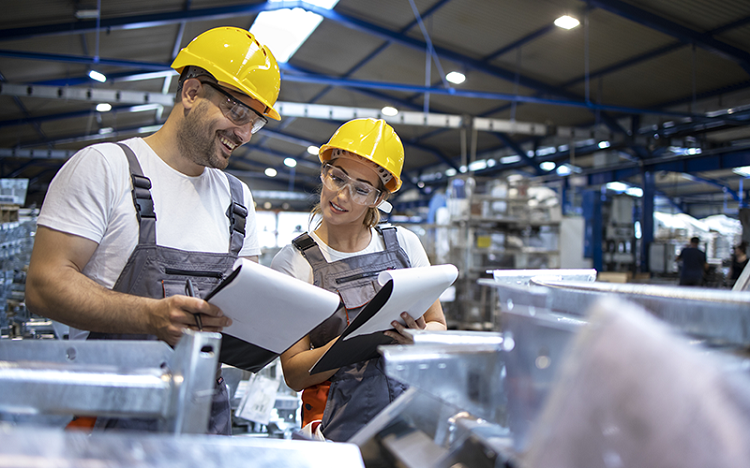
Establishing effective communication is paramount when engaging with Vietnam PVC manufacturers. Navigating language barriers, understanding cultural differences, and building long-term relationships are essential for successful collaborations. A strategic approach to communication ensures clarity, mutual understanding, and ultimately, favorable business outcomes when sourcing PVC products from Vietnam.
One of the initial hurdles in contacting Vietnam PVC manufacturers is often the language barrier. While many companies have English-speaking representatives, it’s beneficial to prepare essential documents and communications in both English and Vietnamese. Using clear, concise language and avoiding technical jargon can minimize misunderstandings. Consider employing translation services for complex negotiations or contracts to ensure accuracy and prevent potential disputes.
Beyond language, cultural differences play a significant role in shaping business interactions. In Vietnamese culture, building trust and rapport is crucial before diving into business matters. Showing respect, patience, and a genuine interest in understanding their business practices can foster stronger relationships. Be mindful of hierarchical structures within companies and address individuals appropriately. For example, decisions often require approval from senior management, so patience is vital.
Building long-term relationships with your Vietnam PVC manufacturer is crucial for sustained success. Regular communication, even beyond immediate business needs, helps to foster trust and loyalty. Visiting their facilities, attending industry events together, and celebrating shared successes can reinforce the partnership. A proactive approach to addressing concerns and providing constructive feedback contributes to continuous improvement and a mutually beneficial collaboration.
Understanding preferences for methods of communication is also useful. While email remains a standard channel, Vietnamese businesses often utilize messaging apps like Zalo and WhatsApp for quicker exchanges. Be adaptable and utilize the communication channels preferred by your manufacturer to enhance responsiveness and build stronger rapport.
Vietnam Biz Rep helps overseas buyers find suppliers, verify factories, coordinate samples, inspect goods, and follow up production in Vietnam. Learn more about our Vietnam sourcing agent services or contact us to discuss your sourcing requirements.
