



Unlocking the potential of vietnam shoes manufacturer is crucial for businesses seeking competitive advantages in the global footwear market. This article, categorized under vietnambizrep, provides a data-driven analysis of Vietnam’s shoe manufacturing landscape, connecting you with key shoe factories, exploring manufacturing capabilities, and navigating supply chain logistics. Gain actionable insights into quality control, export regulations, and cost-effective production strategies to optimize your sourcing and manufacturing decisions in Vietnam.
Finding the Right Vietnam Shoes Manufacturer: A Comprehensive Guide
Navigating the landscape of Vietnam shoes manufacturer options can be complex, but this comprehensive guide aims to simplify the process of finding the perfect partner for your footwear production needs. Vietnam has emerged as a global hub for shoe manufacturing, offering a compelling combination of skilled labor, competitive pricing, and established infrastructure. Therefore, understanding the key considerations and strategies outlined in this guide will empower you to make informed decisions and establish a successful manufacturing relationship.
Choosing the right Vietnam shoes manufacturer requires careful evaluation of several critical factors. First and foremost, you must determine your specific needs regarding shoe types, production volume, and desired quality standards. Conducting thorough research is paramount; it allows you to identify manufacturers with a proven track record in your niche, ensuring they possess the necessary expertise and capabilities. For instance, if you’re seeking to produce high-end leather boots, you’ll want to partner with a factory specializing in leather footwear rather than athletic shoes. This targeted approach saves valuable time and resources.
Here’s a breakdown of essential steps to consider:
- Define Your Needs: Clearly outline your product specifications, including materials, design complexity, and target price points.
- Research Potential Manufacturers: Utilize online directories, trade shows, and industry contacts to identify potential partners in Vietnam.
- Assess Their Capabilities: Evaluate their production capacity, equipment, and quality control processes to ensure they align with your requirements.
- Request Samples and Quotes: Obtain samples of their work and detailed price quotations to assess their quality and competitiveness.
- Conduct Due Diligence: Verify their certifications, compliance standards, and ethical labor practices.
- Visit Their Facility (if possible): A factory visit provides invaluable insights into their operations and allows you to build rapport with their team.
Beyond the technical aspects, effective communication is crucial for a successful partnership. Clear and consistent communication helps to set expectations, address potential issues promptly, and foster a collaborative environment. Consider factors such as language proficiency, responsiveness, and cultural sensitivity when evaluating potential Vietnam shoes manufacturers. Building a strong working relationship is essential for long-term success in the dynamic footwear industry.

Vietnam’s Footwear Industry: An Overview of Strengths, Opportunities, and Key Players
Vietnam’s footwear industry has emerged as a global manufacturing powerhouse, attracting significant attention from international brands and retailers seeking reliable and cost-effective vietnam shoes manufacturer. The sector’s dynamism stems from a confluence of factors, including a skilled workforce, strategic geographic location, and favorable government policies, positioning it as a key player in the global supply chain for footwear. This overview delves into the specific strengths, promising opportunities, and identifies the major companies that shape this vibrant industry.
One of the primary strengths of the Vietnamese footwear industry lies in its competitive labor costs. Lower wages compared to other manufacturing hubs, such as China and Europe, enable Vietnam-based shoe manufacturers to offer attractive pricing, boosting their competitiveness in the global market. Beyond labor costs, the country has cultivated a skilled workforce adept at various footwear production techniques, from traditional craftsmanship to modern automation, ensuring both quality and efficiency.
The strategic geographic location of Vietnam provides a significant advantage for the footwear industry. Its proximity to major markets in Asia, coupled with extensive coastlines and well-developed ports, facilitates efficient and cost-effective transportation of goods. Vietnam also benefits from numerous free trade agreements (FTAs), granting preferential access to key markets worldwide, further enhancing its appeal as a manufacturing destination for shoes. The Comprehensive and Progressive Agreement for Trans-Pacific Partnership (CPTPP) and the EU-Vietnam Free Trade Agreement (EVFTA) are prime examples that reduce tariffs and streamline trade processes.
Several major players dominate Vietnam’s footwear manufacturing landscape. Pou Chen Group, a Taiwanese company with significant operations in Vietnam, is one of the world’s largest footwear manufacturers. Similarly, Chang Shin Vietnam is another prominent entity known for its scale and capabilities in producing a wide range of shoe types. Local Vietnamese companies such as Thai Binh Shoes have also risen to prominence, demonstrating growing domestic capabilities and expanding their reach in both domestic and international markets. These key players have invested heavily in technology, infrastructure, and workforce development, shaping the industry’s trajectory and driving innovation.
Despite its strengths, the Vietnamese footwear industry faces challenges. The need for sustainable manufacturing practices and ethical sourcing is growing, requiring manufacturers to adopt environmentally friendly production methods and ensure fair labor conditions. Furthermore, supply chain diversification is crucial to mitigate risks associated with over-reliance on a single source of raw materials. Embracing innovation and technological advancements, such as 3D printing and automation, will be essential for maintaining competitiveness in the long run.

Explore further: Delve into the realm of Vietnam’s diverse industries for a comprehensive understanding.
Types of Shoes Manufacturers in Vietnam: OEM, ODM, and Private Label
Understanding the distinct categories of Vietnam shoes manufacturer is crucial for businesses seeking to outsource shoe production. Navigating the landscape of footwear production in Vietnam requires differentiating between OEM (Original Equipment Manufacturing), ODM (Original Design Manufacturing), and Private Label manufacturing. This knowledge empowers businesses, including vietnambizrep, to select the manufacturing model that best aligns with their specific needs, design capabilities, and budget constraints.
OEM (Original Equipment Manufacturing) involves a scenario where the buyer provides the exact specifications, designs, and materials, and the shoes manufacturer in Vietnam simply produces the shoes according to those instructions. In this model, the buyer retains complete control over the product, focusing solely on the manufacturing process. OEM is ideal for companies with established designs and sourcing capabilities, seeking cost-effective production without relinquishing control. For example, a well-known athletic brand might use an OEM manufacturer in Vietnam to produce their existing shoe models to capitalize on lower labor costs.
ODM (Original Design Manufacturing) represents a more collaborative approach, where the Vietnam shoes manufacturer contributes to the design and development process. An ODM manufacturer possesses its own design team and can offer existing designs or customize them to meet the buyer’s requirements. This model is advantageous for businesses looking to leverage the manufacturer’s expertise and design capabilities to create unique products. ODM offers flexibility and can speed up the time-to-market, as the manufacturer handles both design and production. A startup fashion brand, for instance, might partner with an ODM manufacturer to develop a new line of trendy sneakers, utilizing the manufacturer’s design catalog as a starting point.
Private Label manufacturing is similar to ODM but focuses on offering a range of generic, unbranded shoes that the buyer can then market under their own brand label. This is a cost-effective and rapid entry point for businesses aiming to establish a footwear brand without investing heavily in design or development. The Vietnam shoes manufacturer provides ready-made designs, and the buyer simply adds their logo and branding. Private label is well-suited for retailers or distributors who want to expand their product offerings with minimal upfront investment. For instance, a clothing store chain could source private label casual shoes from Vietnam to complement their apparel collection.
Learn more: Uncover the secrets behind the different types of shoe manufacturers in Vietnam.
Key Factors to Consider When Choosing a Vietnam Shoes Manufacturer: Expertise, Capacity, and Compliance
Selecting the right Vietnam shoes manufacturer is crucial for businesses seeking to produce high-quality footwear efficiently and cost-effectively. The success of your shoe manufacturing project hinges on carefully evaluating several key factors, including the manufacturer’s expertise, production capacity, and adherence to compliance standards.
Expertise: A manufacturer’s technical expertise directly influences the quality and complexity of shoes they can produce. Look for a Vietnam shoes manufacturer with a proven track record in your specific shoe category – whether it’s athletic footwear, casual shoes, leather boots, or specialized footwear. This expertise translates to efficient production processes, innovative designs, and the ability to handle intricate constructions. It is important to understand their capabilities in areas like pattern making, material sourcing, and advanced manufacturing techniques.
Capacity: Production capacity is a vital aspect, ensuring the Vietnam shoes manufacturer can meet your demands within the required timelines. This involves assessing their workforce size, the number of production lines, and the overall infrastructure. Understanding the manufacturer’s scalability is also crucial, especially if you anticipate future growth. A manufacturer with insufficient capacity can lead to delays, impacting your business’s ability to meet market demands.
Compliance: Compliance with international labor laws, environmental regulations, and quality standards is non-negotiable. Ethical sourcing and fair labor practices protect your brand’s reputation and contribute to a sustainable supply chain. Verify that the potential Vietnam shoes manufacturer has the necessary certifications, such as WRAP, BSCI, or SA8000, demonstrating their commitment to ethical and responsible manufacturing. Furthermore, ensure they adhere to relevant chemical restrictions (e.g., REACH) to guarantee product safety and environmental protection. Partnering with a compliant manufacturer mitigates risks associated with legal issues and consumer backlash.

Continue exploring: Learn how to find the right suppliers in Vietnam to meet your shoe manufacturing needs.
Quality Control and Ethical Sourcing: Ensuring High Standards with Your Vietnam Shoes Manufacturer
Ensuring quality control and ethical sourcing is paramount when selecting a Vietnam shoes manufacturer to safeguard your brand’s reputation and meet consumer expectations. A robust quality control system, coupled with ethical sourcing practices, not only guarantees superior product quality but also demonstrates a commitment to responsible manufacturing.
-
Implementing Rigorous Quality Control Measures: A comprehensive quality control strategy involves multiple stages, from raw material inspection to final product assessment. This includes:
- Raw Material Inspection: Verifying the quality and compliance of leather, textiles, rubber, and other components.
- In-Process Inspection: Monitoring production at each stage to identify and rectify defects early on.
- Final Inspection: Conducting a thorough examination of finished shoes to ensure they meet specified standards for construction, aesthetics, and performance. Statistical Process Control (SPC) techniques can be applied to monitor key process parameters and ensure consistency. For example, a manufacturer might track the tensile strength of leather or the adhesion strength of adhesives to identify potential deviations from acceptable limits.
-
Adhering to International Quality Standards: Partnering with a Vietnam shoes manufacturer that adheres to international quality standards such as ISO 9001 can provide assurance of consistent quality management processes. This commitment to recognized standards demonstrates a manufacturer’s dedication to maintaining high levels of quality throughout the production cycle.
-
Prioritizing Ethical Sourcing: Ethical sourcing involves ensuring that your Vietnam shoes manufacturer adheres to fair labor practices, environmental sustainability, and responsible resource management. This encompasses:
- Fair Labor Practices: Ensuring workers receive fair wages, safe working conditions, and the right to organize. Conducting regular audits to verify compliance with labor laws and international standards like those promoted by the International Labour Organization (ILO).
- Environmental Sustainability: Minimizing the environmental impact of shoe production through responsible waste management, water conservation, and the use of eco-friendly materials like recycled rubber or vegetable-tanned leather.
- Responsible Resource Management: Ensuring the responsible sourcing of raw materials, avoiding conflict minerals, and promoting sustainable forestry practices for leather production.
-
Conducting Thorough Audits and Inspections: Regular audits and inspections are essential to verify that your Vietnam shoes manufacturer meets your quality control and ethical sourcing requirements. These audits should cover all aspects of the manufacturing process, from raw material sourcing to final product packaging. Independent third-party audits can provide an unbiased assessment of a manufacturer’s compliance with your standards and industry best practices. For instance, you can use companies like Bureau Veritas or SGS for inspection, verification, testing, and certification.
-
Building Transparency and Traceability: Establishing transparency and traceability throughout the supply chain allows you to track the origin of materials, monitor production processes, and ensure accountability. This includes:
- Supply Chain Mapping: Identifying all suppliers and sub-suppliers involved in the production of your shoes.
- Material Traceability: Implementing systems to track the origin and processing of raw materials.
- Data Collection and Reporting: Gathering data on key performance indicators related to quality, labor practices, and environmental impact, and reporting this information to stakeholders.
By prioritizing quality control and ethical sourcing when selecting a Vietnam shoes manufacturer, you can protect your brand’s reputation, meet consumer expectations, and contribute to a more sustainable and responsible footwear industry.
(~320 words)
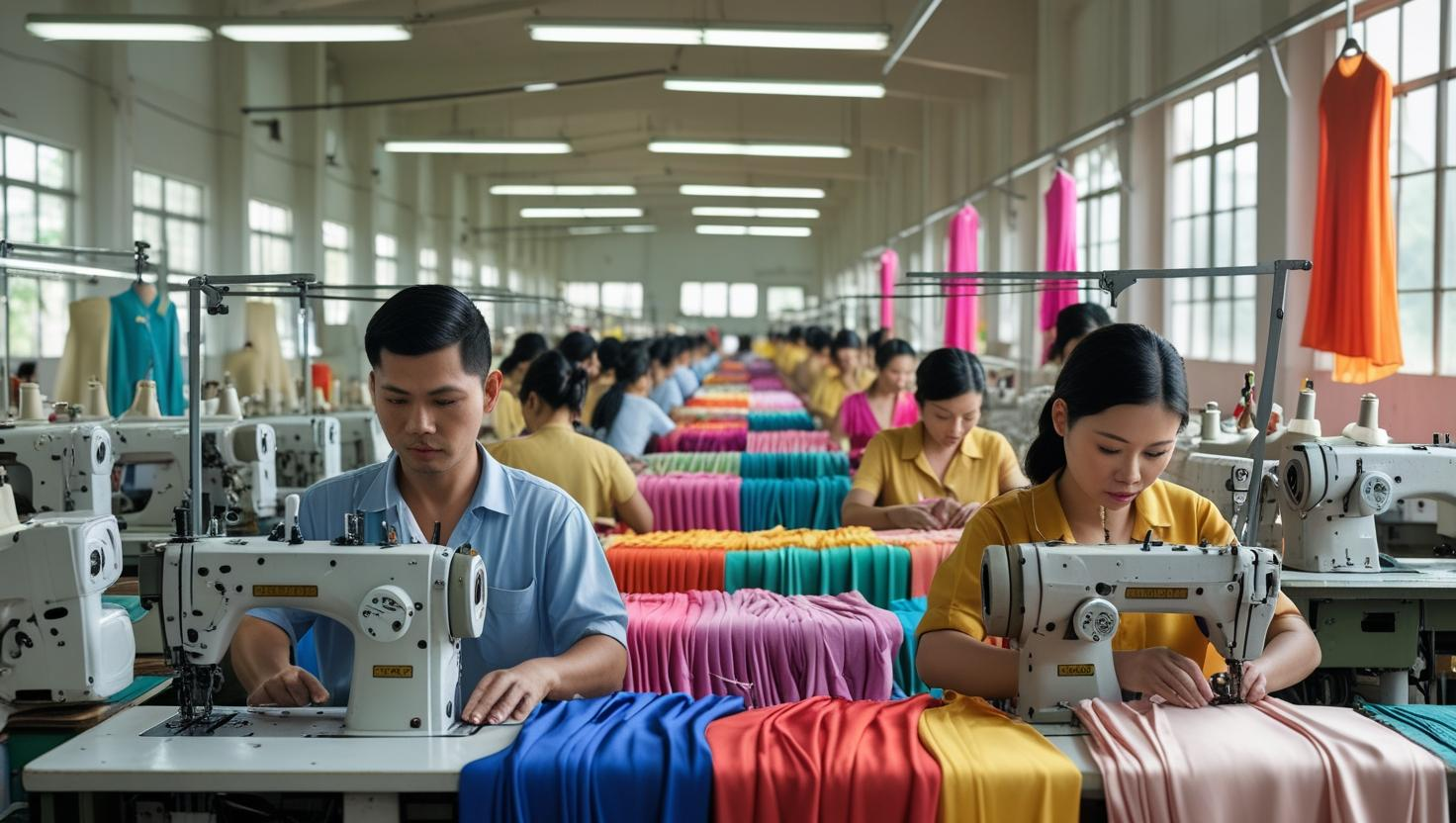
Read on: Understand how to maintain high standards through quality control and ethical sourcing with your Vietnam shoe manufacturer.
Navigating Legal and Regulatory Requirements: Importing Shoes from Vietnam
Successfully importing shoes from Vietnam requires a thorough understanding of the relevant legal and regulatory framework to ensure smooth customs clearance and avoid potential penalties. As Vietnambizrep guides you through this process, we will clarify the essential requirements for importing footwear, helping you establish a compliant and efficient supply chain.
Understanding import regulations is paramount for businesses aiming to source footwear from Vietnam, ensuring a seamless transition from manufacturing to market entry. This encompasses various aspects, from customs procedures to specific documentation and compliance standards.
Here’s a breakdown of key areas to consider:
- Customs Procedures and Documentation: Importers must adhere to Vietnam’s export regulations and the import regulations of their own country. Essential documents typically include a commercial invoice, packing list, bill of lading, certificate of origin (C/O), and import license (if required). The C/O is particularly important as it can grant preferential tariff treatment under various free trade agreements. For instance, the EU-Vietnam Free Trade Agreement (EVFTA) offers tariff reductions for goods meeting specific origin criteria.
- Product Standards and Compliance: Footwear imports must comply with safety and quality standards. In the US, for example, regulations may include flammability testing and restrictions on certain chemicals. The European Union has the REACH regulation, which restricts the use of hazardous substances. Ensure your Vietnam shoes manufacturer provides compliance documentation and testing reports.
- Intellectual Property Rights: Protecting your intellectual property (IP) is vital. Register your trademarks and designs in Vietnam and your import country. Work with your shoe manufacturer to implement measures to prevent counterfeiting and unauthorized production. Having a robust IP protection strategy safeguards your brand’s integrity.
- Tariffs and Duties: Import duties and taxes vary depending on the shoe type, material composition, and the importing country’s trade agreements. Research the applicable tariff rates using resources like the World Trade Organization (WTO) tariff database. Understanding these costs upfront will allow for accurate pricing and profitability calculations.
- Labeling Requirements: Footwear products must adhere to specific labeling regulations, including the country of origin, material composition, and care instructions. Incorrect labeling can lead to delays or rejection of your shipment. Ensure your Vietnam shoes manufacturer is aware of and complies with these labeling requirements for your target market.
By diligently addressing these legal and regulatory aspects, you can navigate the complexities of importing shoes from Vietnam successfully, ensuring a smooth and compliant process for your business. Vietnambizrep stands ready to assist you in navigating these requirements, minimizing risks and maximizing your sourcing efficiency.
See more: Navigate the complex world of legal and regulatory requirements for importing shoes from Vietnam.
Building a Successful Partnership: Communication, Negotiation, and Long-Term Collaboration with Your Vietnam Shoes Manufacturer
Establishing a successful partnership with your Vietnam shoes manufacturer goes beyond simply finding a supplier; it requires cultivating a strong relationship built on clear communication, effective negotiation, and a commitment to long-term collaboration. This section explores how to foster such a relationship, ensuring mutually beneficial outcomes and a smooth manufacturing process.
Open and transparent communication is the bedrock of any thriving business relationship with a Vietnam shoes manufacturer. This involves clearly articulating your requirements, expectations, and concerns from the outset. Regular updates on project progress, prompt responses to inquiries, and the willingness to engage in open dialogue are crucial for mitigating misunderstandings and fostering trust. For instance, consider implementing weekly video conferences to discuss production updates, address potential roadblocks, and align on quality standards.
Effective negotiation plays a vital role in securing favorable terms and establishing a sustainable partnership with your Vietnam shoes manufacturer. This extends beyond price negotiation to encompass aspects such as payment terms, minimum order quantities (MOQs), and lead times. Researching industry benchmarks, understanding the manufacturer’s cost structure, and presenting a well-reasoned proposal can significantly improve your negotiating position. Remember, a mutually beneficial agreement, where both parties feel valued and fairly compensated, is essential for long-term success.
Building a long-term collaboration with a Vietnam shoes manufacturer involves investing in the relationship and fostering a sense of shared ownership. This means going beyond transactional interactions and actively seeking ways to support the manufacturer’s growth and development. Providing constructive feedback, offering opportunities for training and skill enhancement, and collaborating on new product development can strengthen the partnership and create a competitive advantage. Vietnambizrep emphasizes that consistent engagement and a genuine interest in the manufacturer’s well-being are key to forging a lasting and mutually beneficial alliance.
Cost Analysis: Understanding Pricing Structures and Minimizing Expenses When Manufacturing Shoes in Vietnam
Understanding the intricacies of cost analysis is paramount for businesses aiming to optimize their investment in Vietnam shoes manufacturer. Analyzing pricing structures and implementing strategies to minimize expenses are crucial for achieving profitability and maintaining a competitive edge in the global footwear market. This section delves into the key components of shoe manufacturing costs in Vietnam, offering actionable insights for informed decision-making.
Several factors influence the final price of shoe manufacturing in Vietnam. The material costs, including leather, fabric, rubber, and adhesives, significantly impact the overall expenditure. Direct labor costs are another critical component, varying based on skill level, production volume, and overtime. Additionally, overhead expenses such as factory rent, utilities, equipment depreciation, and administrative salaries contribute to the total manufacturing cost. Understanding the breakdown of these components allows businesses to identify areas for potential cost reduction.
To effectively minimize expenses when manufacturing shoes in Vietnam, businesses should consider several strategies. Negotiating favorable pricing agreements with raw material suppliers can lead to substantial cost savings. Optimizing the production process through lean manufacturing techniques and automation can improve efficiency and reduce labor costs. Efficient supply chain management, including streamlined logistics and warehousing, can also minimize transportation and storage expenses. Furthermore, implementing robust quality control measures can prevent costly defects and rework.
Another key aspect of cost analysis involves understanding the different pricing structures offered by Vietnam shoes manufacturers. Original Equipment Manufacturing (OEM) typically involves simpler pricing models based on material costs, labor, and overhead. Original Design Manufacturing (ODM) may involve higher pricing due to the manufacturer’s design and development contributions. Private label manufacturing often includes branding and packaging costs, impacting the overall price. Comparing quotes from multiple manufacturers and carefully evaluating the scope of services included is crucial for selecting the most cost-effective option.
Finally, navigating currency exchange rates and potential import duties is vital for accurate cost analysis. Fluctuations in exchange rates can significantly affect the final cost of goods. Understanding import duties, tariffs, and other trade-related fees is essential for budgeting and avoiding unexpected expenses. Partnering with a reputable freight forwarder or customs broker can simplify the import process and ensure compliance with relevant regulations. By thoroughly analyzing all cost components and implementing proactive expense management strategies, businesses can maximize their return on investment when working with a Vietnam shoes manufacturer.
Dive deeper: Explore cost analysis strategies to optimize pricing and minimize expenses in Vietnam’s shoe manufacturing sector.
Top Vietnam Shoes Manufacturers Directory: A Curated List of Reputable Companies
Finding the right Vietnam shoes manufacturer can be a daunting task, given the sheer number of options available. This directory aims to simplify the process by presenting a curated list of reputable companies known for their quality, reliability, and expertise in footwear manufacturing. These manufacturers represent a range of capabilities, from OEM (Original Equipment Manufacturing) to ODM (Original Design Manufacturing) and private label services, catering to diverse needs and scales of operation.
Selecting the ideal footwear manufacturer in Vietnam requires careful consideration of various factors, and this directory serves as a starting point for your due diligence. It’s crucial to assess expertise in specific shoe types (e.g., athletic, casual, leather), production capacity to meet demand, adherence to quality control standards, and compliance with ethical sourcing practices. The directory highlights companies known for their commitment to these critical aspects, providing a foundation for building successful, long-term partnerships.
While this list of Vietnam shoe manufacturers provides a valuable resource, it’s essential to conduct thorough research and verification before making any decisions. Due diligence should include verifying certifications (e.g., ISO, WRAP), requesting sample products, conducting factory audits, and engaging in open communication to ensure alignment on expectations and requirements.
To further your search, consider exploring online platforms like Alibaba, Vietnam Yellow Pages, and industry-specific trade shows. These resources can provide additional contacts and insights into the capabilities of various shoe factories in Vietnam. Remember to prioritize manufacturers that demonstrate a strong commitment to quality, ethical practices, and clear communication to ensure a successful and sustainable partnership.
Find more: Discover leading wholesale Vietnam shoes manufacturers in our comprehensive directory.
The Future of Vietnam’s Shoe Manufacturing Industry: Trends and Predictions
The future of Vietnam’s shoe manufacturing industry looks promising, poised for continued growth and innovation amidst evolving global trends. This section delves into key factors shaping the industry’s trajectory, offering insights for businesses considering partnering with a Vietnam shoes manufacturer and for understanding the broader economic landscape.
Several trends are expected to significantly impact the footwear manufacturing sector in Vietnam. Firstly, the increasing adoption of automation and digitalization will drive efficiency and productivity. Factories are investing in advanced machinery, robotics, and AI-powered systems to optimize production processes, reduce labor costs, and improve product quality. For example, Adidas has piloted robotic shoe production in its Speedfactory, and while that specific model faced challenges, the underlying trend towards automation remains strong. This technological advancement will not only improve the overall competitiveness of Vietnam’s footwear industry but also create opportunities for specialized, high-value manufacturing.
Secondly, a growing emphasis on sustainability and ethical sourcing is reshaping consumer demand and industry practices. Brands are increasingly prioritizing eco-friendly materials, responsible manufacturing processes, and fair labor standards. The Vietnam shoes manufacturer of the future will need to demonstrate a commitment to sustainability, for example, adopting the use of recycled materials such as recycled PET or using water-based adhesives instead of solvent-based ones. Certifications like Leather Working Group (LWG) and Fair Trade will become increasingly important for accessing international markets and building brand reputation.
Finally, the rise of e-commerce and direct-to-consumer (DTC) brands is creating new opportunities for Vietnam’s footwear manufacturers. With the shift towards online retail, brands are seeking flexible and responsive manufacturing partners that can handle smaller production runs and faster turnaround times. Vietnam’s geographical advantages, its integration into global supply chains, and its increasingly skilled workforce are expected to attract more DTC brands looking for reliable and cost-effective manufacturing solutions.
Read next: Explore the latest trends and predictions shaping the future of Vietnam’s shoe manufacturing industry.
Vietnam Biz Rep helps overseas buyers find suppliers, verify factories, coordinate samples, inspect goods, and follow up production in Vietnam. Learn more about our Vietnam sourcing agent services or contact us to discuss your sourcing requirements.
