

Here’s a concise and compelling introduction for an article on “apparel manufacturing packages,” designed for a practical audience and optimized for semantic SEO:
(Introduction)
Securing the right apparel manufacturing packages is crucial for garment businesses aiming for efficiency and profitability in 2025. This article provides a detailed breakdown of everything you need to know, from understanding the core components of different packages to navigating the complexities of garment manufacturers in Vietnam. We’ll explore essential elements like cost analysis, quality control protocols, supply chain management, and lead time optimization. Discover how to choose the best package to suit your specific needs, ensuring seamless production processes and maximizing your return on investment. Ultimately, this guide helps you make informed decisions when selecting the perfect apparel manufacturing solution from leading garment manufacturers in Vietnam, empowering you to achieve your business goals.
Understanding Apparel Manufacturing Packages: A Comprehensive Guide
Navigating the world of apparel manufacturing can be complex, especially when sourcing overseas. To simplify the process, many Vietnamese garment manufacturers offer apparel manufacturing packages. This section serves as a comprehensive guide, demystifying what these packages entail and why they are a valuable option for brands looking to produce clothing in Vietnam.
Apparel manufacturing packages are essentially bundled services designed to streamline the production process, offering a one-stop-shop solution for brands. These packages are particularly beneficial for businesses lacking in-house manufacturing expertise or seeking to reduce the complexities of managing multiple vendors. They aim to provide a hassle-free experience, from initial design concepts to the final delivery of finished goods.
A typical apparel manufacturing package can encompass a range of services tailored to the specific needs of the client. These services generally include:
- Design and Pattern Making: Transforming your design ideas into tangible patterns and prototypes.
- Fabric Sourcing: Selecting and procuring the appropriate fabrics based on your design specifications.
- Sampling and Prototyping: Creating samples and prototypes for your approval before mass production.
- Production and Quality Control: Manufacturing your garments while adhering to stringent quality standards.
- Labeling and Packaging: Adding labels, tags, and packaging to prepare your garments for retail.
- Shipping and Logistics: Handling the transportation and logistics of your finished goods to your desired location.
By opting for a comprehensive package, brands can benefit from reduced lead times, streamlined communication, and greater control over the entire manufacturing process. This approach can be particularly advantageous when working with reputable Vietnamese garment manufacturers, known for their skilled workforce, competitive pricing, and commitment to quality. Understanding the intricacies of these packages is the first step towards a successful and efficient apparel production journey.
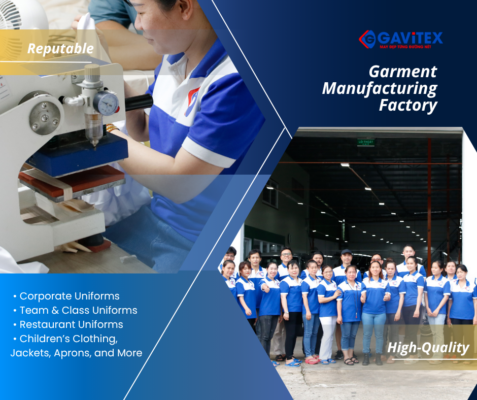
Explore further: Discover apparel manufacturing services tailored to streamline your garment production.
Key Components of a Robust Apparel Manufacturing Package
A robust apparel manufacturing package encompasses more than just the physical production of garments; it’s a comprehensive suite of services designed to streamline the entire apparel creation process, offering significant value to overseas buyers seeking efficient and reliable manufacturing solutions. This involves careful consideration of elements ranging from design and sourcing to quality control and logistics, ensuring a seamless journey from concept to consumer.
Several vital components contribute to a truly robust apparel manufacturing package.
- Design and Pattern Making: A strong package should offer design assistance, including pattern creation, grading, and sample development. This may encompass trend analysis, fabric selection guidance, and technical drawings to translate concepts into tangible designs.
- Sourcing and Procurement: Efficient sourcing of raw materials – fabrics, trims, and accessories – is critical. The package should guarantee access to a wide range of high-quality materials at competitive prices, ensuring timely delivery and minimizing potential delays.
- Production and Manufacturing: The core of the package is the manufacturing process itself. This includes cutting, sewing, and finishing, all performed to the brand’s specifications and quality standards. Factories with advanced machinery and skilled labor are essential.
- Quality Control: Rigorous quality control measures should be implemented throughout the production process, from initial fabric inspection to final garment checks. This minimizes defects and ensures consistent product quality.
- Packaging and Labeling: The package should include options for custom packaging and labeling, ensuring that the finished products are presented professionally and comply with all relevant regulations.
- Logistics and Shipping: Reliable logistics and shipping services are essential for timely delivery of the finished goods. This includes managing customs clearance, transportation, and warehousing.
- Communication and Project Management: Transparent and consistent communication is paramount. A dedicated project manager should act as a single point of contact, keeping the brand informed throughout the entire process.
Selecting a garment manufacturer that provides a comprehensive package, such as those available from experienced Vietnamese manufacturers, allows apparel overseas buyers to concentrate on their core competencies – design, marketing, and sales – while trusting the manufacturing process to skilled professionals.
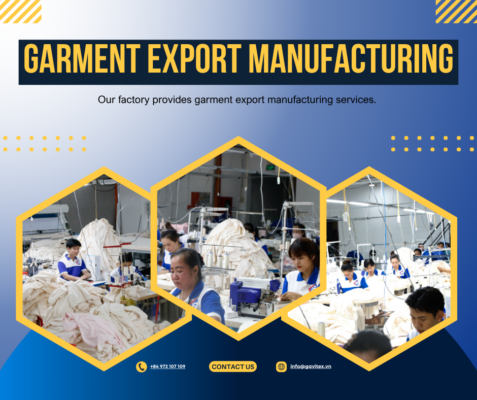
Want to dive deeper? Uncover the essential elements of apparel design and manufacturing packages.
Benefits of Opting for a Comprehensive Package from Vietnamese Garment Manufacturers
Choosing a comprehensive apparel manufacturing package from Vietnamese garment manufacturers offers a multitude of advantages, streamlining the production process and ultimately benefiting your brand. This goes beyond simply cutting and sewing; it encompasses a full suite of services designed to simplify supply chains and deliver cost-effective, high-quality products. Let’s explore the compelling reasons why this approach is increasingly popular in the fashion industry.
One of the most significant benefits is the cost-effectiveness. Vietnam boasts a competitive labor market, leading to lower production costs compared to many other countries. Furthermore, comprehensive packages often include economies of scale, reducing per-unit expenses on materials and other resources. For example, a brand sourcing 10,000 units of t-shirts might see a 15-20% cost reduction by utilizing a package deal encompassing fabric sourcing, printing, and packaging, compared to handling these elements separately. This aspect is key for apparel manufacturing.
A comprehensive package significantly reduces complexity and streamlines supply chain management. Instead of coordinating with multiple vendors for fabric sourcing, pattern making, cutting, sewing, quality control, and shipping, you have a single point of contact. This minimizes communication errors, delays, and logistical headaches. This integrated approach significantly improves supply chain efficiency.
Quality control is another major advantage. Vietnamese garment manufacturers offering comprehensive packages typically have established quality assurance processes in place, ensuring consistent product quality from start to finish. This reduces the risk of defects, returns, and damage to your brand reputation. Many factories adhere to international standards like ISO 9001, showcasing their commitment to quality management.
Time savings are also substantial. By outsourcing the entire manufacturing process, brands can focus on core competencies like design, marketing, and sales. This accelerated production timeline allows for faster time-to-market, giving you a competitive edge in the fast-paced fashion industry. A brand launching a new collection could potentially reduce its lead time by 30-40% by opting for a comprehensive package.
Finally, many Vietnamese garment manufacturers are increasingly committed to sustainable practices. Choosing a comprehensive package can provide access to eco-friendly materials and ethical production processes, aligning your brand with growing consumer demand for responsible fashion. Some manufacturers offer certifications like GOTS (Global Organic Textile Standard) or OEKO-TEX, demonstrating their dedication to ethical sourcing.
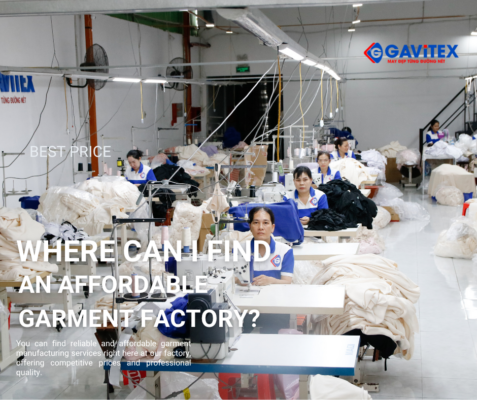
Intrigued by the advantages? Learn how comprehensive apparel manufacturing packages can benefit your brand.
Navigating Different Types of Apparel Manufacturing Packages Available in Vietnam
Understanding the diverse apparel manufacturing packages available in Vietnam is crucial for brands seeking efficient and cost-effective production. The Vietnamese garment industry offers a range of service models, each catering to different needs and scales of operation.
Here’s a breakdown of common package types:
-
Cut, Make, Trim (CMT): This is often the most basic option, where the brand provides the designs, patterns, and all necessary materials (fabrics, trims, etc.). The manufacturer is responsible for cutting the fabric, sewing the garments, and trimming excess threads. CMT packages are suitable for brands with established sourcing networks and strong design control.
-
Original Equipment Manufacturing (OEM): In this package, the manufacturer takes on greater responsibility, including sourcing raw materials and managing the production process based on the brand’s design specifications. OEM offers more convenience for brands but may involve higher costs compared to CMT.
-
Original Design Manufacturing (ODM): Going a step further, ODM involves the manufacturer in designing and developing the apparel product, in addition to sourcing materials and handling production. This option is ideal for brands seeking to expand their product lines quickly or lacking in-house design capabilities. Many Vietnamese factories offering ODM specialize in certain product categories, like sportswear or knitwear.
-
Full Package Production: This comprehensive solution covers everything from design and material sourcing to manufacturing, quality control, and even packaging and logistics. Full package production offers maximum convenience and allows brands to focus on marketing and sales, but it typically comes with the highest price tag.
-
Value Added Packages: Beyond the standard offerings, some Vietnamese manufacturers provide specialized value added services. These may include:
- Sustainable Sourcing: Focus on eco-friendly materials and ethical production practices.
- Small Batch Production: Catering to emerging brands or those requiring customized orders.
- Design and Trend Forecasting: Helping brands stay ahead of the latest fashion trends.
- Private Label Services: Developing and manufacturing products under the brand’s name.
By carefully evaluating these different types of apparel manufacturing packages, brands can find the ideal partner in Vietnam to achieve their production goals and build a successful and overseas buyers apparel line.
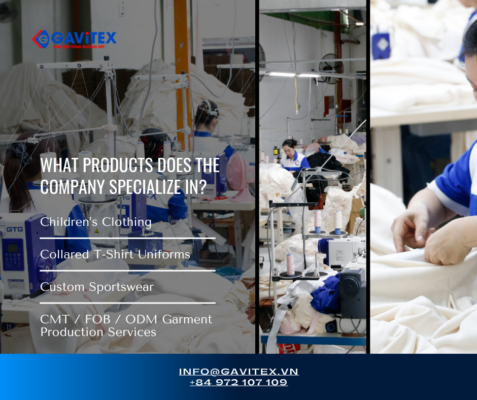
Seeking the perfect fit? Explore the world of bespoke apparel manufacturing options in Vietnam.
How to Evaluate and Compare Apparel Manufacturing Packages: A Detailed Checklist
Choosing the right apparel manufacturing package is crucial for brands looking to produce high-quality garments efficiently and cost-effectively. A thorough evaluation process is essential to ensure that the selected package aligns with your specific needs and business goals, especially when navigating the diverse offerings from Vietnamese garment manufacturers. This checklist provides a structured approach to comparing different garment manufacturing packages and making an informed decision.
Here’s a detailed checklist to guide you through the process of evaluating and comparing apparel production packages:
-
Scope of Services: Does the package cover all the necessary stages, from design and sourcing to production and quality control? Look for packages that offer comprehensive solutions, including pattern making, sample development, fabric sourcing, cutting, sewing, finishing, and packaging. overseas buyers can help you to find the best suitable service.
-
Minimum Order Quantity (MOQ): What is the minimum quantity of garments the manufacturer requires per order? Ensure the MOQ aligns with your business needs, especially if you are a small or medium-sized brand. Lower MOQs can offer greater flexibility for smaller production runs and testing new designs.
-
Pricing Transparency: Is the pricing structure clear and transparent, with a detailed breakdown of costs for each service? Request a comprehensive quote that outlines all expenses, including fabric costs, labor costs, sampling fees, and shipping charges. Unclear pricing can lead to unexpected costs and budget overruns.
-
Fabric Sourcing Capabilities: Does the manufacturer have access to a wide range of high-quality fabrics and trims? Evaluate their sourcing network and ensure they can provide the materials that meet your design specifications and quality standards. Consider factors such as fabric type, weight, color, and performance characteristics.
-
Production Capacity: What is the manufacturer’s production capacity, and can they meet your production deadlines? Assess their ability to handle your order volume within the required timeframe. Verify their production capacity based on current workload and available resources.
-
Quality Control Processes: What quality control measures are in place to ensure the garments meet your standards? Inquire about their quality control procedures at each stage of production, from fabric inspection to final garment inspection. Ask for examples of their quality control reports and standards.
-
Sampling Process: How many rounds of sampling are included in the package, and what is the turnaround time for each sample? Understand the sampling process and ensure it allows for thorough design validation and adjustments. A well-defined sampling process minimizes the risk of production errors.
-
Communication and Support: Is the manufacturer responsive and communicative, and do they provide dedicated support throughout the production process? Effective communication is essential for addressing any issues that may arise and ensuring a smooth production process. Clear communication channels and timely updates are crucial.
-
Compliance and Certifications: Does the manufacturer comply with relevant industry standards and certifications, such as ethical labor practices and environmental sustainability? Verify their compliance with regulations such as WRAP, Sedex, and OEKO-TEX to ensure responsible and ethical production.
-
Technology and Equipment: Does the manufacturer utilize advanced technology and equipment to enhance production efficiency and quality? Modern equipment and technology can improve accuracy, reduce waste, and shorten lead times. Look for manufacturers that invest in technology to stay competitive.
By carefully considering these factors and using this checklist, you can confidently evaluate and compare apparel manufacturing packages from various Vietnamese garment manufacturers, ultimately selecting the best partner to bring your apparel designs to life.
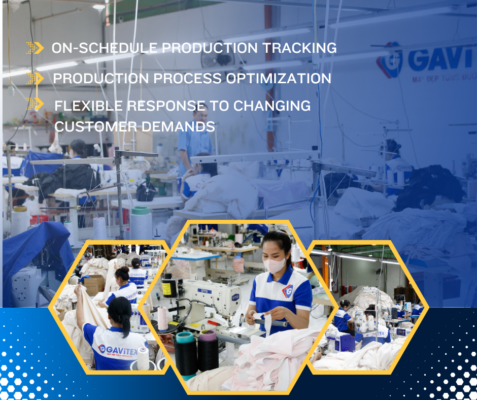
Ready to make an informed decision? Use our checklist to evaluate apparel manufacturing standards.
Cost Factors Influencing Apparel Manufacturing Package Prices in Vietnam
Understanding the cost factors that influence apparel manufacturing package prices in Vietnam is crucial for brands looking to optimize their sourcing strategies. Apparel manufacturing packages offer a comprehensive solution, but the final price can vary significantly based on several key elements. This section will dissect these elements to provide a clearer picture of how these packages are priced.
Several elements contribute to the final pricing of apparel manufacturing packages in Vietnam. These include:
-
Raw materials: The type and quality of fabric, trims, and other materials directly impact the price. For example, using organic cotton or imported high-performance fabrics will increase costs compared to standard polyester blends. Sourcing from local suppliers versus importing also affects material costs.
-
Labor costs: Vietnam’s labor costs are generally competitive, but they vary depending on the complexity of the garment and the skill required. Highly intricate designs or specialized sewing techniques necessitate skilled labor, commanding higher wages.
-
Production volume: Economies of scale play a significant role. Larger orders often result in lower per-unit costs due to optimized production runs and reduced setup times. Smaller Minimum Order Quantities (MOQs) often come with higher prices.
-
Factory overhead: This encompasses the factory’s operational expenses, including rent, utilities, equipment maintenance, and administrative costs. Factories with modern equipment and certifications may have higher overhead, but they can also offer better quality and efficiency.
-
Design and sampling: Developing patterns, creating samples, and making design modifications incur costs. Complex designs or multiple revisions will increase the overall price.
-
Packaging and shipping: The type of packaging required (e.g., individual polybags, custom boxes) and the shipping method (air, sea, land) significantly affect the final cost. Air freight is faster but more expensive than sea freight.
-
Compliance and certifications: Factories that adhere to international labor standards, environmental regulations, and hold certifications like WRAP or BSCI may charge a premium for their services. This reflects their commitment to ethical and sustainable practices.
-
Value-added services: Additional services included in the apparel manufacturing package, such as quality control, labeling, and pre-shipment inspections, contribute to the overall cost. A more comprehensive service offering typically translates to a higher price.
Understanding these cost drivers empowers overseas buyers to negotiate effectively and choose the most suitable apparel manufacturing packages in Vietnam. By carefully evaluating these factors and aligning them with their specific needs and budget, brands can achieve optimal value and ensure a successful manufacturing partnership.
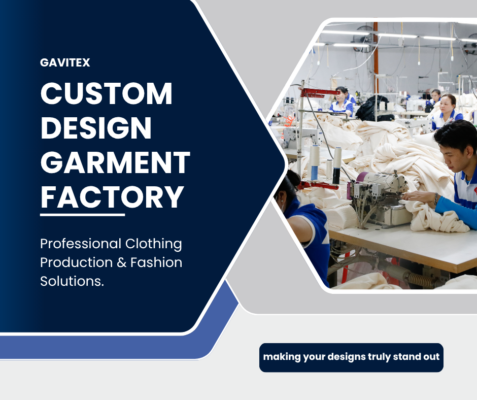
Curious about the pricing breakdown? Understand the cost factors influencing apparel procurement in Vietnam.
Identifying Reputable Vietnamese Garment Manufacturers Offering Comprehensive Packages
Finding reputable Vietnamese garment manufacturers offering apparel manufacturing packages is crucial for brands seeking quality, reliability, and ethical production. Identifying the right partner can significantly impact your supply chain, product quality, and overall business success. This section provides a guide to help you navigate the Vietnamese garment industry and select a manufacturer that aligns with your brand’s needs and values.
Several key factors should be considered when seeking reliable garment manufacturers in Vietnam.
- Experience and Expertise: Look for manufacturers with a proven track record, demonstrating years of experience in producing similar types of apparel. Check their portfolio and ask for references to assess their capabilities.
- Certifications and Compliance: Ensure the manufacturer possesses relevant certifications such as WRAP, BSCI, or Sedex, indicating adherence to ethical and social compliance standards. These certifications provide assurance of fair labor practices and safe working conditions.
- Production Capacity and Capabilities: Evaluate the manufacturer’s production capacity to ensure they can meet your order volumes and deadlines. Consider their capabilities in terms of design, pattern making, sampling, and quality control.
- Communication and Transparency: Choose a manufacturer that communicates clearly and openly, providing regular updates on production progress and addressing any concerns promptly. Transparency in their processes and pricing is essential for building a strong and trustworthy partnership.
- Financial Stability: Assess the manufacturer’s financial stability to minimize the risk of disruptions or delays in production. Request financial statements or credit reports to evaluate their financial health.
To further refine your search, consider these actionable steps:
- Attend Trade Shows: Participate in trade shows such as the Vietnam Textile and Garment Industry Expo to meet potential manufacturers face-to-face and assess their offerings.
- Conduct Site Visits: Whenever possible, visit the manufacturer’s facilities to observe their operations firsthand and assess their capabilities and working conditions.
- Request Samples: Obtain samples of their work to evaluate the quality of their craftsmanship, materials, and finishing.
- Check Online Reviews and Ratings: Research online reviews and ratings to gain insights into the experiences of other brands that have worked with the manufacturer.
- Consult with Industry Experts: Seek guidance from industry consultants or sourcing agents who have extensive knowledge of the Vietnamese garment industry and can recommend reputable manufacturers.
By carefully evaluating these factors and following these steps, you can confidently identify Vietnamese garment manufacturers offering comprehensive apparel manufacturing packages that meet your brand’s specific needs and contribute to your long-term success. Vietnam Biz Rep, with its commitment to quality and ethical practices, aims to be a reliable partner for brands seeking garment production in Vietnam.
Looking for reliable partners? Discover how to identify brand-exclusive garment factories in Vietnam.
Legal and Ethical Considerations When Choosing Apparel Manufacturing Packages in Vietnam
When selecting apparel manufacturing packages from Vietnamese garment manufacturers, navigating the legal and ethical landscape is crucial for ensuring sustainable and responsible business practices. Overlooking these considerations can lead to severe repercussions, ranging from legal penalties and reputational damage to supply chain disruptions and ethical compromises. This section delves into the key legal and ethical aspects that businesses should carefully examine when partnering with Vietnamese apparel manufacturers.
Contractual Agreements and Legal Compliance:
- A robust contractual agreement is paramount, outlining the scope of work, quality standards, timelines, payment terms, and dispute resolution mechanisms. Ensure the contract adheres to Vietnamese labor laws regarding minimum wage, working hours, and employee benefits. Non-compliance can result in legal action and damage your brand’s reputation. For example, Article 13 of the Vietnamese Labor Code stipulates regulations on labor contracts, which must be carefully reviewed.
- It’s vital to confirm the manufacturer holds all necessary business licenses and permits to operate legally in Vietnam. This includes permits related to environmental protection and worker safety. Transparency in these areas demonstrates the manufacturer’s commitment to legal compliance and responsible business practices.
- Pay close attention to intellectual property rights. Your contract should explicitly address how your designs, trademarks, and other intellectual property will be protected. Vietnam is a member of the World Intellectual Property Organization (WIPO), but proactive measures are still necessary to safeguard your creative assets.
Ethical Labor Practices and Fair Treatment of Workers:
- A fundamental ethical consideration is ensuring fair labor practices. This encompasses providing safe working conditions, paying fair wages, and prohibiting child labor and forced labor.
- Conduct thorough audits of the manufacturer’s facilities to assess working conditions, wage levels, and compliance with labor laws. Look for certifications such as WRAP (Worldwide Responsible Accredited Production) or SA8000, which indicate a commitment to ethical manufacturing.
- Transparency in the supply chain is essential. Understand where the manufacturer sources its materials and ensure those suppliers also adhere to ethical labor practices. This extends to verifying that subcontractors comply with labor standards as well.
Environmental Sustainability and Responsible Manufacturing:
- Environmental responsibility is an increasingly important consideration. Assess the manufacturer’s environmental practices, including waste management, water usage, and energy consumption.
- Inquire about their compliance with Vietnamese environmental regulations, such as those related to wastewater discharge and air emissions. Look for certifications like ISO 14001, which demonstrates a commitment to environmental management.
- Explore the use of sustainable materials and production processes. This could include using organic cotton, recycled fabrics, or implementing water-saving technologies. Partnering with manufacturers who prioritize sustainability can enhance your brand’s image and appeal to environmentally conscious consumers. Vietnam Biz Rep is committed to sustainable practices, sourcing eco-friendly materials and implementing responsible waste management strategies.
Combating Corruption and Ensuring Transparency:
- Bribery and corruption can be risks in some business environments. Establish clear policies prohibiting bribery and unethical practices within your organization and ensure your suppliers adhere to these policies.
- Implement a due diligence process to vet potential manufacturers. This should include background checks, reference checks, and on-site visits.
- Promote transparency in your supply chain by disclosing information about your manufacturers and their practices. This can build trust with consumers and stakeholders.
By diligently addressing these legal and ethical considerations when selecting apparel manufacturing packages in Vietnam, businesses can foster long-term, sustainable partnerships that benefit both their bottom line and the well-being of workers and the environment. Failing to do so can expose companies to significant risks and undermine their commitment to corporate social responsibility.
Case Studies: Successful Apparel Brands Leveraging Vietnamese Manufacturing Packages
This section will showcase case studies highlighting how successful apparel brands have strategically utilized Vietnamese manufacturing packages to achieve their business objectives. Exploring these real-world examples offers valuable insights into the practical advantages and strategic considerations involved in choosing Vietnam as a manufacturing hub.
Many global brands have found success through apparel manufacturing in Vietnam, especially when opting for comprehensive packages. Let’s examine some examples of popular brands.
- Nike: Nike, a global leader in athletic footwear and apparel, has a long-standing relationship with Vietnamese manufacturers. By utilizing manufacturing packages, Nike has successfully managed its supply chain, ensured quality control, and achieved cost efficiencies. This has enabled Nike to maintain its competitive edge in the global market.
- Adidas: Similar to Nike, Adidas also relies heavily on Vietnamese manufacturers for a significant portion of its apparel production. Adidas benefits from the comprehensive offerings of Vietnamese garment manufacturers, encompassing design, sourcing, production, and logistics. This strategic approach has allowed Adidas to focus on its core competencies, such as product innovation and brand marketing.
- H&M: H&M, the Swedish multinational clothing-retail company, leverages Vietnamese manufacturing packages to produce a diverse range of fast-fashion apparel. By working with Vietnamese manufacturers, H&M can quickly adapt to changing consumer demands and bring trendy, affordable clothing to market. The company can scale its clothing production speedily.
- Zara: Zara, known for its fast-fashion model, also relies on Vietnamese apparel manufacturing for a portion of its supply chain. Although Zara primarily focuses on nearshoring in Europe, it strategically uses Vietnamese manufacturing packages for specific product categories and to diversify its sourcing options.
These case studies illustrate that Vietnamese manufacturing packages can be a valuable asset for apparel brands of all sizes, offering cost-effectiveness, quality assurance, and supply chain flexibility. By carefully evaluating their needs and partnering with reputable Vietnamese manufacturers, brands can achieve their strategic goals and maintain a competitive edge in the global apparel market.
Want inspiration? Explore brand-manufacturer collaboration case studies showcasing successful apparel manufacturing in Vietnam.
Future Trends in Apparel Manufacturing Packages: Innovation and Sustainability
The future of apparel manufacturing packages is being reshaped by the increasing demand for innovation and sustainability in the fashion industry. This evolution goes beyond simply offering garment production; it encompasses integrated solutions that prioritize environmental responsibility, technological advancements, and ethical practices. The rising consumer awareness regarding sustainable fashion and ethical sourcing, coupled with stricter regulations, is compelling apparel manufacturers to reimagine their service offerings and embrace forward-thinking approaches.
One of the most significant trends is the integration of advanced technologies within manufacturing packages. This includes the adoption of 3D printing for prototyping and customized production, AI-powered design tools for optimized material usage and waste reduction, and blockchain technology for enhanced supply chain transparency and traceability. These technologies not only streamline the production process but also enable brands to respond more quickly to changing consumer demands and reduce their environmental footprint. For instance, overseas buyers can leverage AI to predict fabric needs, minimizing excess inventory and associated waste, a crucial aspect of sustainable apparel production.
Another critical trend is the increasing focus on circular economy principles. Apparel manufacturing packages are evolving to incorporate take-back programs, recycling initiatives, and the use of recycled and upcycled materials. Brands are partnering with manufacturers to design garments with end-of-life considerations in mind, facilitating the reuse of materials and reducing reliance on virgin resources. According to a report by the Ellen MacArthur Foundation, transitioning to a circular economy for fashion could unlock $560 billion in economic value annually by 2030. overseas buyers can play a key role by offering packages that prioritize eco-friendly materials and responsible disposal methods.
Furthermore, transparency and traceability are becoming essential components of future apparel manufacturing packages. Consumers are demanding greater visibility into the origins of their clothing, including the labor practices and environmental impact of production. Manufacturers are responding by implementing robust tracking systems and data analytics to provide brands with detailed information about their supply chains. This enables brands to communicate transparently with consumers and build trust in their commitment to ethical and sustainable practices.
Here are some of the key areas where innovation is driving the evolution of apparel manufacturing packages:
- Digitalization: Integration of digital technologies throughout the manufacturing process, from design and prototyping to production and supply chain management.
- Automation: Increased use of robotics and automation to improve efficiency, reduce labor costs, and minimize errors.
- Sustainable Materials: Focus on sourcing and utilizing eco-friendly materials, such as organic cotton, recycled polyester, and innovative plant-based fibers.
- Customization: Offering customized production options to meet the unique needs of individual brands and consumers.
- Data Analytics: Leveraging data analytics to optimize production processes, predict demand, and improve supply chain efficiency.
Finally, the future of apparel manufacturing packages will be characterized by a greater emphasis on collaboration and partnerships. Brands and manufacturers will need to work together closely to develop innovative solutions that address the challenges of sustainability and ethical production. This collaborative approach will enable the industry to move towards a more responsible and resilient future. Vietnam Biz Rep, with its commitment to quality and ethical practices, is well-positioned to lead this transition in Vietnam.
Vietnam Biz Rep supports overseas buyers with garment supplier search, factory verification, sample coordination, production follow-up, and quality inspection in Vietnam. Learn more on our clothing sourcing agent page or visit Vietnam sourcing agent for our full range of services. Contact Vietnam Biz Rep to discuss your sourcing requirements.
