


In today’s competitive market, bespoke apparel manufacturing isn’t just a luxury; it’s a strategic advantage for businesses seeking unparalleled quality and differentiation. This article, aimed at providing actionable insights for pragmatic professionals, delves into the world of tailored garment production, exploring its crucial role in brand elevation and customer satisfaction. We’ll navigate the intricacies of custom clothing design, from initial concept to final product, examining the benefits of partnering with experienced garment manufacturers in Vietnam. Expect a detailed analysis of supply chain optimization, quality control measures, and the impact of advanced manufacturing technologies on bespoke apparel. Ultimately, this guide equips you with the knowledge to make informed decisions and leverage bespoke manufacturing to achieve your business goals within the garment industry.
Understanding Bespoke Apparel Manufacturing: A Comprehensive Guide
Bespoke apparel manufacturing represents the pinnacle of personalized clothing creation, offering a level of customization and quality unmatched by mass-produced garments. Going beyond made-to-measure or alterations, bespoke signifies a truly unique garment crafted from scratch, tailored to the individual client’s precise specifications and preferences. This guide will explore the intricacies of bespoke apparel production, highlighting its key characteristics and differentiating it from other apparel manufacturing methods.
The essence of bespoke lies in its meticulous attention to detail and the collaborative relationship between the client and the manufacturer. Unlike off-the-rack clothing or even made-to-measure options that rely on pre-existing patterns, bespoke garments begin with an individual pattern drafted specifically for the client’s body measurements. This process incorporates not only standard measurements like chest, waist, and sleeve length, but also takes into account posture, shoulder slope, and other unique physical attributes to ensure a flawless fit. Fabrics are carefully selected based on the client’s desired look, feel, and performance characteristics, and the garment is constructed using techniques that prioritize longevity and aesthetic appeal.
Several key elements define the bespoke apparel manufacturing process:
-
Consultation and Design: This initial stage involves a detailed discussion between the client and the manufacturer to define the desired style, fit, fabric, and features of the garment. Sketches, fabric swatches, and design inspirations are often used to visualize the final product.
-
Measurement and Pattern Drafting: Precise body measurements are taken to create a custom pattern. This pattern serves as the blueprint for the garment, ensuring a personalized fit that flatters the client’s physique.
-
Fabric Selection: The client chooses from a wide range of high-quality fabrics, considering factors like material, weight, texture, and color. The manufacturer offers expert guidance on fabric suitability for the design and intended use.
-
Construction and Fitting: The garment is meticulously crafted by skilled artisans, often involving hand-sewing and other traditional techniques. Multiple fittings are conducted throughout the construction process to fine-tune the fit and ensure the garment meets the client’s expectations. Brands seeking this level of hands-on craftsmanship at scale often turn to specialized artisan garment manufacturing partners in Vietnam.
-
Finishing and Delivery: The final stage involves adding details like buttons, linings, and embellishments. The garment is carefully pressed, inspected, and delivered to the client, ready to be worn and enjoyed.
Ultimately, understanding bespoke apparel manufacturing requires appreciating its commitment to personalized service, unparalleled craftsmanship, and enduring quality. It’s an investment in a garment that is not only perfectly tailored to the wearer but also reflects their individual style and preferences.
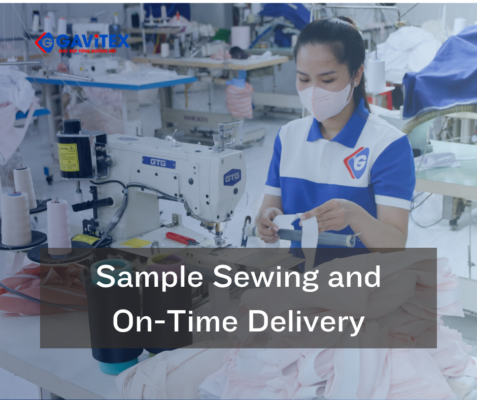
Eager to delve deeper into the world of personalized fashion? Explore our comprehensive guide to bespoke apparel manufacturing and discover how it’s revolutionizing the industry.
The Bespoke Apparel Manufacturing Process in Vietnam: A Step-by-Step Overview
Understanding the bespoke apparel manufacturing process in Vietnam is crucial for brands seeking tailored, high-quality garments. This section provides a detailed, step-by-step overview of how your unique designs are brought to life by Vietnamese manufacturers, specifically within the context of overseas buyers’ capabilities.
The journey of creating custom apparel in Vietnam involves a carefully orchestrated sequence of stages, ensuring precision and client satisfaction. Let’s delve into each step:
-
Design Consultation and Specification: The process begins with a thorough consultation where clients discuss their design concepts, technical specifications, and desired materials with the manufacturer. This includes providing detailed sketches, technical drawings, and fabric swatches. At overseas buyers, we emphasize clear communication at this stage to ensure a shared understanding of the project goals.
-
Pattern Making and Grading: Once the design is finalized, experienced pattern makers create a master pattern based on the client’s specifications. This master pattern then undergoes grading, which involves adjusting the pattern to different sizes while maintaining the garment’s proportions and design integrity. This ensures consistent fit across all sizes.
-
Sample Development: A prototype sample is created using the master pattern and selected materials. This allows the client to assess the garment’s fit, construction, and overall appearance. Revisions and adjustments are made based on the client’s feedback. Multiple sampling rounds may be necessary to achieve the desired outcome.
-
Fabric Sourcing and Procurement: Vietnam boasts a thriving textile industry, offering a wide array of fabrics and trims. Manufacturers leverage their networks to source high-quality materials that meet the client’s specific requirements. This includes considering factors such as fabric composition, weight, color, and performance characteristics.
-
Cutting and Sewing: After the sample is approved, the fabric is carefully cut according to the graded patterns. Skilled sewing operators then assemble the garment using specialized machinery and techniques. Quality control checks are performed throughout the sewing process to ensure that each garment meets the required standards.
-
Quality Control and Finishing: Once the garment is sewn, it undergoes rigorous quality control inspections to identify any defects or imperfections. This includes checking the stitching, seams, buttons, and zippers. After passing inspection, the garment is finished, which may involve ironing, trimming excess threads, and adding labels and tags.
-
Packaging and Shipping: The finished garments are carefully packaged to prevent damage during transit. They are then shipped to the client via air, sea, or land, depending on the client’s preferences and budget. overseas buyers coordinates logistics and documentation to ensure a smooth and efficient delivery process.
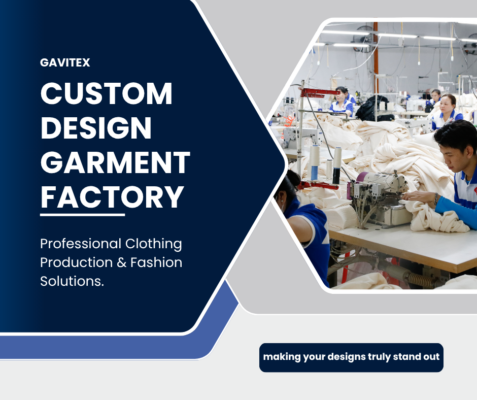
Benefits of Choosing Bespoke Apparel Manufacturing in Vietnam for Your Brand
Opting for bespoke apparel manufacturing in Vietnam offers a wealth of advantages for your brand, extending beyond simple cost savings to encompass superior quality, customization, and ethical production. Leveraging Vietnam’s strengths in garment production through tailored, or bespoke, strategies allows brands to create unique, high-value products that resonate with their target audience. This approach goes beyond standard apparel manufacturing, offering control and flexibility that mass production cannot match.
One of the most compelling benefits is the ability to create truly unique and customized apparel. Bespoke manufacturing allows for complete control over design, materials, and construction, enabling brands to develop signature styles that stand out in a crowded market. Whether it’s a specific fabric weave, a unique color palette, or intricate detailing, bespoke options unlock endless possibilities for brand differentiation. For example, overseas buyers can craft specialized performance wear utilizing specific blends of sustainable materials tailored to unique athletic requirements.
Beyond customization, quality control is significantly enhanced through bespoke apparel manufacturing in Vietnam. Brands can work closely with manufacturers to establish rigorous quality standards and implement thorough inspection processes throughout the production cycle. This hands-on approach minimizes defects, reduces waste, and ensures that the final product meets the highest expectations. With a keen focus on precision and craftsmanship, Vietnamese manufacturers can deliver garments that reflect a brand’s commitment to excellence.
Furthermore, choosing bespoke apparel manufacturing in Vietnam often leads to significant cost optimization. While labor costs are undoubtedly a factor, the real savings come from streamlined production processes, reduced waste, and the ability to negotiate favorable material prices. By partnering with a reliable manufacturer, brands can gain access to a wide network of suppliers and benefit from competitive pricing on fabrics, trims, and other essential components. This financial flexibility allows brands to invest in other crucial areas, such as marketing and product development.
Finally, ethical and sustainable production is increasingly important to consumers. Many Vietnamese apparel manufacturers are committed to fair labor practices and environmental responsibility. Partnering with such manufacturers allows brands to align themselves with these values, building a positive reputation and appealing to conscious consumers. Choosing bespoke options allows for increased transparency and traceability, ensuring that garments are produced under ethical conditions and with minimal environmental impact.
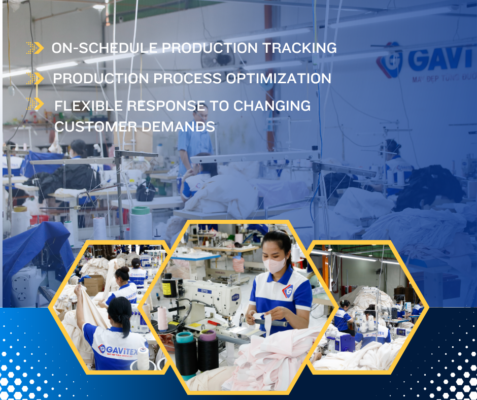
Wondering if Vietnam is the right choice for your bespoke apparel needs? Learn about the key benefits of bespoke apparel manufacturing in Vietnam and how it can elevate your brand.
Key Factors to Consider When Selecting a Bespoke Apparel Manufacturer in Vietnam
Selecting the right bespoke apparel manufacturer in Vietnam is a critical decision that can significantly impact your brand’s success. This choice extends far beyond simply finding a factory; it’s about forging a strategic partnership that aligns with your brand’s values, quality standards, and long-term goals. Careful consideration of several key factors will ensure you find a manufacturer capable of delivering exceptional, customized apparel solutions.
-
Manufacturing Capabilities and Expertise: Assess the manufacturer’s experience in producing bespoke clothing similar to your desired products. Do they specialize in specific fabrics, garment types, or embellishment techniques? Inquire about their machinery, technology, and skilled labor force, ensuring they possess the necessary equipment and expertise to handle your project. A manufacturer experienced in handling complex designs and intricate details is crucial for bespoke apparel.
-
Quality Control Procedures: Rigorous quality control is paramount in bespoke manufacturing. Investigate the manufacturer’s quality assurance processes at each stage of production, from sourcing raw materials to final inspection. Ask for examples of their quality control reports and certifications, and consider visiting their facilities to observe their practices firsthand. A commitment to quality will safeguard your brand’s reputation and minimize defects.
-
Communication and Collaboration: Effective communication is essential for a successful bespoke apparel project. The manufacturer should demonstrate responsiveness, clarity, and a willingness to collaborate closely with your design team. They should be able to provide timely updates, address concerns promptly, and offer valuable insights throughout the manufacturing process. Look for manufacturers who prioritize open communication and build strong working relationships.
-
Minimum Order Quantities (MOQs) and Pricing: Understand the manufacturer’s minimum order quantities and pricing structure. Bespoke apparel manufacturing often involves smaller production runs compared to mass production, so it’s crucial to find a manufacturer whose MOQs align with your brand’s needs. Obtain a detailed breakdown of costs, including materials, labor, and any additional services, to ensure transparency and avoid hidden fees. Compare pricing across multiple manufacturers, while considering the overall value proposition and quality offered.
-
Ethical and Sustainable Practices: Increasingly, consumers demand ethical and sustainable apparel production. Inquire about the manufacturer’s labor practices, environmental policies, and commitment to social responsibility. Look for certifications such as WRAP, BSCI, or SEDEX to ensure they adhere to ethical labor standards. Consider manufacturers who utilize sustainable materials, reduce waste, and minimize their environmental impact. Aligning with ethical and sustainable manufacturers enhances your brand’s image and resonates with conscious consumers.
-
Intellectual Property (IP) Protection: Protecting your designs and intellectual property is crucial in the bespoke apparel industry. Ensure the manufacturer has robust measures in place to safeguard your confidential information and prevent unauthorized reproduction of your designs. Discuss and sign a non-disclosure agreement (NDA) to protect your intellectual property rights. Choose a manufacturer with a strong reputation for integrity and a proven track record of protecting client’s designs.
By carefully evaluating these factors, you can confidently select a Vietnamese bespoke apparel manufacturer that meets your brand’s specific needs and helps you achieve your business objectives.
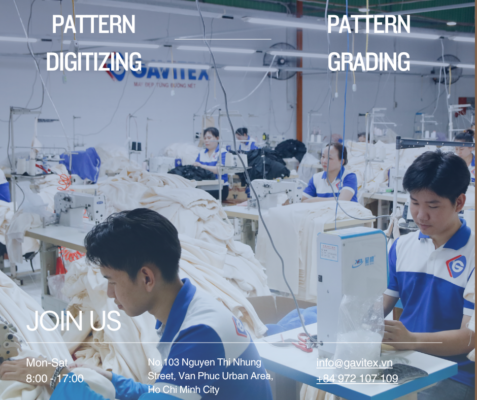
Ready to choose the perfect partner for your custom clothing line? Don’t miss our guide on the key factors to consider when selecting a bespoke apparel manufacturer in Vietnam.
Vietnam’s Strengths in Bespoke Apparel: Cost, Quality, and Expertise
Vietnam has emerged as a prominent hub for bespoke apparel manufacturing, attracting global brands seeking customized and high-quality clothing solutions; its strengths lie in a unique combination of competitive pricing, a growing reputation for quality craftsmanship, and a readily available pool of skilled expertise in garment production. This advantageous mix makes Vietnam an increasingly attractive alternative to traditional manufacturing powerhouses.
Several factors contribute to Vietnam’s cost-effectiveness in the bespoke apparel sector. Lower labor costs compared to developed countries or even other Asian manufacturing hubs, combined with efficient production processes, enable manufacturers to offer competitive prices without compromising on quality. Moreover, the Vietnamese government’s supportive policies, including tax incentives and infrastructure development, further contribute to reducing operational expenses for apparel manufacturers. This cost advantage allows brands to allocate resources to other aspects of their business, such as marketing and product development.
Beyond cost, Vietnam is rapidly gaining recognition for its commitment to quality in bespoke apparel. Local manufacturers are increasingly investing in advanced technologies, modern equipment, and rigorous quality control measures to meet the stringent requirements of international brands. Vietnamese tailors and garment workers possess a strong work ethic and a keen eye for detail, ensuring that each garment is crafted with precision and care. Furthermore, many factories have obtained certifications such as ISO 9001 and WRAP, demonstrating their adherence to international quality standards and ethical manufacturing practices.
The availability of skilled expertise is another key advantage of Vietnam’s bespoke apparel industry. Decades of experience in garment production have cultivated a large workforce with specialized skills in pattern making, cutting, sewing, and finishing. Many Vietnamese garment workers have received extensive training in both traditional techniques and modern manufacturing methods. Moreover, the growing number of vocational schools and technical colleges focused on apparel design and production ensures a steady stream of new talent entering the industry. This skilled workforce enables Vietnamese manufacturers to handle complex bespoke apparel orders with confidence and efficiency.
Want to understand why Vietnam is a rising star in bespoke fashion? Discover Vietnam’s unique strengths in cost, quality, and expertise that make it an ideal destination for your brand.
Common Challenges and Solutions in Vietnamese Bespoke Apparel Manufacturing
Navigating the landscape of bespoke apparel manufacturing in Vietnam presents both incredible opportunities and unique challenges for brands seeking customized, high-quality garments. Understanding these hurdles and implementing effective solutions is crucial for a successful and profitable partnership. This section will explore common pain points encountered during the bespoke clothing production process in Vietnam and offer actionable strategies to overcome them.
One significant challenge is communication barriers. Language differences and cultural nuances can lead to misunderstandings, delays, and errors in production. To mitigate this, brands should prioritize working with manufacturers who have dedicated English-speaking account managers and clear communication protocols. Utilizing visual aids like tech packs with detailed sketches and specifications, and conducting regular video conferences can also bridge communication gaps and ensure everyone is on the same page. For example, overseas buyers ensures all communication is documented in English and Vietnamese to avoid ambiguity.
Another common obstacle is quality control. While Vietnam is known for its skilled labor, maintaining consistent quality across large production runs can be difficult. To address this, brands must implement a robust quality control system, including pre-production samples, in-line inspections, and final inspections. Establishing clear quality standards and providing manufacturers with detailed quality control checklists is essential. It’s also wise to partner with manufacturers who have experience working with international brands and are familiar with their quality expectations. Furthermore, independent third-party quality control inspections can provide an unbiased assessment of the garment quality.
Supply chain complexities can also present challenges in bespoke apparel manufacturing. Sourcing high-quality materials, managing lead times, and coordinating logistics can be complex, especially for smaller brands. Establishing strong relationships with reliable suppliers, diversifying sourcing options, and utilizing technology for supply chain visibility can help mitigate these risks. Brands should also consider working with manufacturers who offer comprehensive supply chain management services, including material sourcing, logistics, and customs clearance.
Finally, intellectual property protection remains a concern. Protecting unique designs and preventing unauthorized production requires proactive measures. Brands should register their trademarks and patents in Vietnam, sign non-disclosure agreements (NDAs) with manufacturers, and carefully vet potential partners. Implementing security measures at the factory level, such as restricting access to sensitive information and monitoring production processes, can also help safeguard intellectual property. overseas buyers prioritize IP protection by shredding excess materials and implementing strict factory access protocols.
Navigating the complexities of apparel production? Learn about the common challenges and effective solutions in Vietnamese bespoke apparel manufacturing.
Trends Shaping the Future of Bespoke Apparel Manufacturing in Vietnam
The future of bespoke apparel manufacturing in Vietnam is being shaped by a confluence of factors, from technological advancements and evolving consumer preferences to sustainability concerns and supply chain dynamics. Understanding these trends is crucial for brands seeking to leverage Vietnam’s capabilities in creating custom-made clothing. These trends are impacting not only garment production but also the entire supply chain, requiring manufacturers and brands to adapt and innovate.
One significant trend is the increasing adoption of digital technologies.
- 3D modeling and virtual prototyping are streamlining the design process, allowing for faster iterations and reduced sample costs.
- AI-powered quality control systems are improving accuracy and minimizing defects.
- E-commerce platforms are facilitating direct-to-consumer sales and personalized experiences.
Another key trend is the growing emphasis on sustainable and ethical practices. Consumers are increasingly demanding transparency and accountability from brands, pushing manufacturers to adopt eco-friendly materials, reduce waste, and ensure fair labor conditions. This shift towards sustainable apparel necessitates investment in technologies and processes that minimize environmental impact and promote worker well-being. For example, manufacturers are exploring organic cotton, recycled fabrics, and water-saving dyeing techniques.
Finally, supply chain diversification is becoming increasingly important. Geopolitical uncertainties and disruptions caused by events such as the COVID-19 pandemic have highlighted the need for brands to diversify their sourcing strategies and build resilience into their supply chains. Vietnam, with its stable political environment and growing manufacturing capabilities, is well-positioned to benefit from this trend, attracting brands looking for reliable and diversified bespoke apparel manufacturing partners. Vietnam’s government is also actively promoting policies to enhance the country’s competitiveness and attract foreign investment in the apparel sector.
Regulations and Compliance for Apparel Manufacturing in Vietnam: What You Need to Know
Navigating the regulatory landscape of apparel manufacturing in Vietnam is crucial for brands seeking bespoke apparel manufacturing solutions. Understanding and adhering to compliance standards not only ensures smooth operations but also safeguards your brand reputation and fosters sustainable business practices within the Vietnamese garment industry.
Key Regulatory Frameworks for Apparel Production in Vietnam
Successfully engaging in bespoke clothing production within Vietnam necessitates a thorough grasp of several core regulatory frameworks. These encompass labor laws safeguarding worker rights, environmental regulations promoting sustainable practices, trade regulations governing import/export activities, and intellectual property laws protecting designs and trademarks. Compliance with these regulations is not merely a legal obligation, but a demonstration of ethical and responsible business conduct, ultimately bolstering brand image and long-term sustainability.
Labor Laws and Worker Rights
Vietnam’s labor laws are designed to protect the rights and welfare of workers in the apparel industry. Compliance includes adhering to minimum wage requirements, regulated working hours, and ensuring safe working conditions. For instance, the Labor Code stipulates maximum working hours, mandates overtime pay, and prohibits child labor. Manufacturers must also provide social insurance, health insurance, and unemployment insurance for their employees. Regular audits and inspections are conducted to ensure compliance and protect workers from exploitation. Failing to comply can result in fines, production halts, and reputational damage.
Environmental Regulations
Vietnam is increasingly focused on environmental protection, and the apparel industry is subject to stringent regulations aimed at minimizing its environmental impact. This includes regulations on wastewater treatment, air emissions, and waste management. Factories must invest in technologies and processes to reduce pollution and conserve resources. For example, regulations require factories to treat wastewater before discharge and use energy-efficient equipment. Failure to comply with environmental regulations can lead to significant penalties and even factory closures. Vietnam Biz Rep, as a responsible apparel manufacturer, is committed to sustainable practices and minimizing its environmental footprint throughout the bespoke apparel manufacturing process.
Trade Regulations and Import/Export Compliance
Navigating Vietnam’s trade regulations is essential for seamless import and export operations. This involves understanding tariffs, customs procedures, and trade agreements. Vietnam has free trade agreements (FTAs) with various countries, offering preferential tariffs for eligible goods. Manufacturers must comply with customs regulations, including accurate documentation and declarations. Failure to comply can result in delays, fines, and seizure of goods. Staying informed about evolving trade policies is vital for cost-effective and efficient apparel manufacturing.
Intellectual Property Protection
Protecting your intellectual property (IP) is crucial when engaging in bespoke apparel manufacturing in Vietnam. This includes registering trademarks, patents, and designs to prevent counterfeiting and infringement. Vietnam has laws in place to protect IP rights, but enforcement can be challenging. It is important to work with manufacturers who have robust IP protection measures in place and to take steps to protect your own designs and trademarks. This can include contracts with confidentiality clauses and regular monitoring of the market for infringing products.
By understanding and adhering to these key regulations, brands can ensure ethical and sustainable apparel manufacturing practices in Vietnam, building a strong foundation for long-term success.
Making sure you’re compliant with local regulations? Get essential insights into the regulations and compliance requirements for apparel manufacturing in Vietnam.
Cost Breakdown: How Much Does Bespoke Apparel Manufacturing in Vietnam Cost?
Understanding the financial aspects is crucial when considering bespoke apparel manufacturing. The cost of creating custom-made clothing in Vietnam varies considerably based on several factors, making it essential to understand the components that influence the final price. This section provides a detailed cost breakdown to help you navigate the pricing landscape of Vietnamese bespoke clothing production.
Several elements affect the overall cost of bespoke apparel manufacturing in Vietnam. These include fabric sourcing, labor costs, design complexity, order quantity, and the level of customization required. By understanding how each of these factors contributes to the final price, businesses can better plan their budgets and make informed decisions when choosing a manufacturer.
Here’s a breakdown of the primary cost drivers:
- Fabric Sourcing: The type and origin of the fabric significantly impact the final cost. High-end, imported fabrics will naturally be more expensive than locally sourced materials. Consider options like cotton, linen, silk, and synthetics, comparing prices for both domestic and imported varieties.
- Labor Costs: While Vietnam offers competitive labor rates compared to Western countries, these costs still constitute a significant portion of the overall manufacturing expense. Skilled tailors and experienced production teams command higher wages, which can influence the final price, especially for complex designs.
- Design Complexity: Intricate designs, detailed embellishments, and complex patterns require more time and skill, increasing labor costs. Simpler designs will generally be more cost-effective to produce.
- Order Quantity: Larger orders typically benefit from economies of scale, reducing the per-unit cost. Smaller, bespoke orders will likely have higher per-unit prices due to setup costs and smaller production runs.
- Customization Level: The degree of customization desired—ranging from simple alterations to fully bespoke designs—plays a crucial role in pricing. Extensive customization necessitates more labor, specialized equipment, and potentially higher material waste, all contributing to higher costs.
To illustrate potential pricing, consider these examples:
- Basic T-shirt (100% Cotton, simple design): $2-$5 per unit for orders of 500+ pieces.
- Custom Dress Shirt (High-quality fabric, moderate detailing): $15-$30 per unit for orders of 200+ pieces.
- Tailored Suit (Premium wool, full customization): $50-$150+ per unit for orders of 50+ pieces.
These figures are approximate and can fluctuate based on the specific requirements of your project and the chosen manufacturer. Obtaining detailed quotes from multiple Vietnamese apparel manufacturers, is essential for accurate cost assessment and effective budget planning.
Case Studies: Successful Brands Utilizing Bespoke Apparel Manufacturing in Vietnam
This section delves into case studies showcasing the successful integration of bespoke apparel manufacturing in Vietnam by various brands. By examining these real-world examples, we can gain valuable insights into how companies are leveraging Vietnam’s capabilities to achieve their unique design, quality, and cost objectives through custom clothing manufacturing.
Several brands have demonstrably benefited from Vietnam’s prowess in bespoke apparel. A prime example is Patagonia, known for its commitment to sustainable practices, which partners with Vietnamese factories to produce high-quality outerwear. Their success hinges on the manufacturers’ ability to meet stringent environmental and social standards while delivering garments that align with Patagonia’s design specifications. Then, Nike, while often associated with mass production, also utilizes select Vietnamese factories for specialized, custom-designed apparel lines, showcasing the country’s adaptability to both large-scale and niche production demands. Another case is Lululemon, which sources specialized activewear from Vietnam, capitalizing on the country’s expertise in technical fabrics and intricate sewing techniques required for performance apparel. These brands exemplify how Vietnam’s manufacturing sector can cater to diverse needs, from ethical production to high-performance materials.
One key takeaway from these examples is the importance of a strong partnership between the brand and the Vietnamese manufacturer. Effective communication, clear specifications, and a shared understanding of quality standards are crucial for achieving desired outcomes. Brands that invest time in building these relationships often experience smoother production processes and higher levels of satisfaction with the final product.
Furthermore, the success of these brands highlights Vietnam’s ability to adapt to evolving market trends. With increasing demand for personalized and sustainable apparel, Vietnamese manufacturers are investing in new technologies and practices to meet these needs. This proactive approach positions Vietnam as a key player in the future of bespoke apparel manufacturing.
Vietnam Biz Rep supports overseas buyers with garment supplier search, factory verification, sample coordination, production follow-up, and quality inspection in Vietnam. Learn more on our clothing sourcing agent page or visit Vietnam sourcing agent for our full range of services. Contact Vietnam Biz Rep to discuss your sourcing requirements.
