


In today’s competitive garment industry, mastering bespoke clothing production is not just a luxury, it’s a strategic imperative for garment manufacturers in Vietnam seeking to enhance efficiency, elevate product quality, and capture a larger share of the global market in 2025. This article delves into the intricacies of tailoring bespoke processes, exploring critical aspects like pattern making, fabric sourcing, quality control optimization, and the implementation of advanced manufacturing techniques. We will also provide a detailed analysis of cost optimization strategies and how to leverage technology integration to streamline your bespoke garment operations, ultimately helping you achieve superior profitability and customer satisfaction.
Understanding Bespoke Clothing Production: A Definition and Overview
Bespoke clothing production represents the pinnacle of personalized tailoring, offering garments meticulously crafted to an individual’s precise measurements and preferences. Unlike ready-to-wear or made-to-measure options, bespoke involves creating a unique pattern from scratch, ensuring a truly customized fit and design. This process goes beyond simply altering existing patterns; it’s about bringing a client’s vision to life through careful consultation, expert craftsmanship, and a dedication to detail.
At its core, bespoke is about control and collaboration. The client actively participates in every stage, from selecting fabrics and detailing design elements to multiple fittings that refine the garment’s fit. This interactive approach ensures that the final product reflects the client’s individual style, body shape, and specific requirements. The result is not just clothing, but an investment in a garment that is perfectly suited to its wearer, exemplifying enduring quality and a unique personal expression.
The bespoke process distinguishes itself through several key characteristics. Firstly, the level of customization is unparalleled; every stitch, seam, and detail is considered to achieve the perfect fit and aesthetic. Secondly, the use of high-quality materials and traditional tailoring techniques sets bespoke apart from mass-produced apparel. Finally, the personalized service and attention to detail provide a luxurious and rewarding experience for the client. Bespoke clothing is more than just an acquisition; it’s a tailored experience that provides a distinct level of value.
While the term “bespoke” is often associated with Savile Row tailoring in London, the principles and practices of bespoke clothing production are applied globally, including in Vietnam. Here, skilled artisans combine traditional techniques with modern technology to create exceptional garments that meet the demands of a discerning clientele. overseas buyers understands and embodies this meticulous approach, providing clients with unparalleled control over the creation of their bespoke pieces, ensuring that each garment is a true reflection of their individual style and preferences.
Explore the possibilities of personalized fashion: Discover the true meaning of bespoke clothing.
Why Choose Bespoke Clothing? Exploring the Advantages Over Off-the-Rack Options
Opting for bespoke clothing production over off-the-rack alternatives offers a multitude of benefits, making it a worthwhile investment for those seeking unparalleled fit, quality, and personalization. Unlike mass-produced garments, bespoke clothing is crafted specifically to the wearer’s individual measurements and preferences, ensuring a superior fit and a distinctive style statement. This personalized approach to garment creation addresses the limitations often encountered with standard sizes and generic designs found in retail stores.
One of the most significant advantages of bespoke clothing is the perfect fit. Off-the-rack clothing is designed to fit a range of body types, inevitably leading to compromises in fit for most individuals. Bespoke tailoring, on the other hand, guarantees a garment that conforms precisely to your body’s unique contours, creating a flattering and comfortable silhouette. For example, a bespoke suit will have the correct shoulder slope, sleeve length, and waist suppression, resulting in a polished and professional appearance.
Beyond fit, bespoke clothing offers unparalleled control over fabric selection. You have the freedom to choose from a vast array of high-quality materials, ranging from luxurious wools and linens to durable cottons and silks. This allows you to select fabrics that not only look and feel exceptional but also suit your specific needs and climate. In contrast, off-the-rack clothing often utilizes lower-quality, mass-produced fabrics to reduce costs.
Furthermore, bespoke clothing production enables complete design customization. You can collaborate with a tailor to create a garment that reflects your personal style and preferences, from the silhouette and lapel style to the button selection and lining fabric. This level of personalization is simply not possible with off-the-rack options, which offer limited choices in terms of design and detailing.
The superior quality and longevity of bespoke clothing are also key differentiators. Bespoke garments are typically constructed using traditional tailoring techniques and meticulous attention to detail, resulting in a product that is built to last. The investment in high-quality fabrics and expert craftsmanship translates into a garment that will withstand years of wear and maintain its shape and appearance. Off-the-rack clothing, on the other hand, is often made with cheaper materials and less durable construction methods, leading to a shorter lifespan.
Finally, choosing bespoke clothing can be seen as a commitment to ethical production. Many bespoke tailors prioritize sustainable practices and fair labor standards, ensuring that their garments are made in a responsible and ethical manner. While the fast fashion industry often relies on exploitative labor practices and environmentally damaging production methods, bespoke tailoring offers a more conscious and sustainable alternative.
The Bespoke Clothing Production Process in Vietnam: A Step-by-Step Guide
The bespoke clothing production process in Vietnam is a meticulous, multi-stage journey from initial concept to finished garment, ensuring a perfect fit and unique design tailored to the client’s preferences. Unlike off-the-rack clothing, which follows standardized sizing, bespoke garments are created from scratch based on individual measurements and design choices. This comprehensive guide, presented by overseas buyers, unveils each step involved in creating high-quality, customized apparel.
The journey begins with consultation and design. This initial phase involves in-depth discussions between the client and the tailor or designer. During this phase, the client’s style preferences, fabric choices, and specific design requirements are thoroughly explored. Sketches and design mock-ups are often created to visualize the final product and ensure everyone is on the same page.
Next comes fabric selection and sourcing. Choosing the right fabric is crucial, as it directly impacts the garment’s drape, feel, and overall appearance. Vietnamese garment manufacturers, offer a wide array of options, from locally sourced materials like silk and cotton to imported luxury fabrics. Factors like weight, texture, and color are carefully considered to match the design and the client’s needs.
Measurements and pattern making are at the heart of the bespoke process. Highly skilled tailors meticulously take precise body measurements, accounting for posture, shoulder slope, and other individual features. These measurements form the foundation for creating a unique pattern, which serves as the blueprint for the garment. This pattern is then carefully cut from the chosen fabric, ensuring minimal waste and maximum precision.
Cutting and sewing are the next crucial stages. Expert cutters carefully lay out the pattern pieces on the fabric and cut them with precision. The cut pieces are then handed over to experienced seamstresses who meticulously sew them together, paying close attention to detail and ensuring the garment takes shape according to the pattern.
Fittings and adjustments are what truly sets bespoke clothing apart. After the initial sewing, a fitting is conducted to assess the garment’s fit and identify any areas that require alteration. The tailor will mark the necessary adjustments directly onto the garment, ensuring a perfect fit that complements the client’s body shape. Multiple fittings may be necessary to achieve the desired result.
The final steps involve final touches and delivery. Once the fit is perfected, the garment undergoes final detailing, including button attachment, hem finishing, and any other embellishments. A final quality check is performed to ensure every detail meets the highest standards. Finally, the finished bespoke garment is carefully pressed, packaged, and delivered to the client, ready to be worn and enjoyed.
Factors Influencing the Cost of Bespoke Clothing Production in Vietnam
The cost of bespoke clothing production in Vietnam is influenced by a confluence of factors, making it crucial for businesses seeking bespoke manufacturing to understand these variables for effective budgeting and sourcing. Vietnam has emerged as a competitive hub for garment manufacturing, but the final price hinges on elements like fabric selection, design complexity, production scale, and the expertise of the garment manufacturer. Let’s delve into the key aspects that determine the overall expenditure for your bespoke clothing projects.
The choice of fabric significantly impacts the final cost; premium materials like silk or high-end cotton naturally command a higher price tag compared to synthetic alternatives. For example, sourcing organic cotton from a specific region in Vietnam or importing luxurious Italian wool will increase raw material costs. Furthermore, the complexity of the design, encompassing intricate patterns, embellishments (such as embroidery or beadwork), and specialized cuts, adds to the labor time and skill required, thereby escalating production expenses.
The scale of production is another critical determinant; larger order quantities often translate to lower per-unit costs due to economies of scale in fabric procurement and manufacturing efficiency. Conversely, smaller, more exclusive production runs will likely incur higher per-unit costs. Moreover, the expertise and reputation of the garment manufacturer play a vital role. Established manufacturers with skilled artisans and advanced machinery may charge premium rates, but they also assure higher quality and adherence to stringent production standards, thereby influencing the overall value proposition.
Beyond these core factors, additional elements like the need for specialized printing techniques, custom labeling and packaging, and the lead time required for production can also affect the final cost. Understanding these intricacies empowers businesses to make informed decisions, negotiate effectively with manufacturers, and ultimately achieve a favorable balance between cost, quality, and bespoke customization in their clothing production endeavors in Vietnam.
What contributes to the final price of your custom-made attire? Learn about the key cost factors in bespoke clothing production in Vietnam.
Finding the Right Garment Manufacturer in Vietnam for Bespoke Clothing
Finding the right garment manufacturer in Vietnam is crucial for businesses seeking high-quality bespoke clothing production. Selecting the ideal partner requires careful consideration of several key factors, ensuring a successful and fruitful collaboration in the bespoke apparel market. This process goes beyond simply finding a factory; it involves identifying a partner who understands your brand, meets your quality standards, and can deliver consistently within your budget and timeline.
The initial step involves thorough research and due diligence. Begin by compiling a list of potential manufacturers through online directories, trade shows, or referrals. Once you have a list, delve deeper into each company’s background, experience, and areas of specialization. Look for manufacturers who have a proven track record in producing custom-made clothing, particularly those specializing in the specific styles or materials you require. Examining their past projects, client testimonials, and market reputation will provide valuable insights into their capabilities and reliability in the bespoke clothing industry.
Next, checking credentials and certifications is paramount. Confirm that the manufacturer possesses the necessary licenses and permits to operate legally in Vietnam. Look for certifications such as WRAP (Worldwide Responsible Accredited Production), ISO 9001 (Quality Management System), or SA8000 (Social Accountability), as these indicate a commitment to ethical and quality standards. Valid certifications demonstrate a manufacturer’s adherence to international best practices and provide assurance regarding their operational integrity in clothing manufacturing.
Evaluating production capabilities and capacity is also an essential step. Determine if the manufacturer has the machinery, technology, and skilled workforce to handle your order volume and complexity. Assess their capacity to meet your production deadlines and ensure they can scale up or down as your business needs evolve. A well-equipped facility and a competent team are crucial for delivering high-quality bespoke garments on time and within budget.
Effective communication and language skills are vital for a smooth collaboration. Ensure that the manufacturer has staff who are proficient in your preferred language, allowing for clear and unambiguous communication regarding design specifications, quality control, and logistical arrangements. Misunderstandings due to language barriers can lead to costly errors and delays, so prioritize manufacturers who can communicate effectively and proactively.
Furthermore, thoroughly understanding pricing and payment terms is critical. Request detailed quotes from several manufacturers, comparing not only the unit price but also any additional costs such as sampling fees, shipping charges, and import duties. Clarify the payment schedule and ensure it aligns with your cash flow and risk tolerance. Negotiate favorable terms that protect your interests and incentivize the manufacturer to deliver high-quality bespoke clothing within the agreed timeframe.
Finally, visiting the factory (if possible) provides invaluable insights. A factory visit allows you to assess the working conditions, observe the production process firsthand, and meet the management team. This direct interaction can help you build trust and establish a strong working relationship with the manufacturer. However, if an on-site visit is not possible, consider a virtual tour or video conference to gain a better understanding of their operations.
By meticulously considering these factors, businesses can confidently select the right garment manufacturer in Vietnam for their bespoke clothing production needs, ensuring a successful and sustainable partnership.
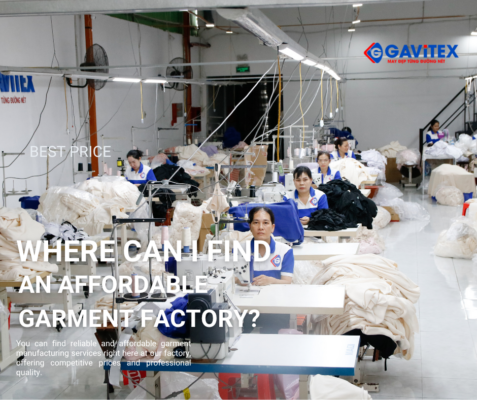
Ready to bring your vision to life? Find the perfect garment manufacturer in Vietnam for your bespoke clothing needs.
Trends and Innovations in Bespoke Clothing Production
The bespoke clothing production industry is undergoing a dynamic transformation, fueled by technological advancements and evolving consumer demands. This evolution extends beyond traditional tailoring methods, incorporating innovative approaches to design, manufacturing, and customer experience.
Several key trends are reshaping the landscape of custom apparel, enhancing both efficiency and personalization:
- 3D Body Scanning and Virtual Fitting: This technology streamlines the measurement process, reducing errors and enabling customers to visualize garments on their digital avatars before production begins. This leads to better fitting clothes and reduces alterations.
- AI-Powered Design and Pattern Making: Artificial intelligence is being used to analyze vast datasets of body measurements and design preferences, resulting in more accurate patterns and personalized designs. This allows manufacturers to create bespoke designs and patterns much more rapidly.
- Sustainable and Ethical Practices: Consumers are increasingly demanding environmentally friendly and ethically sourced materials. Bespoke manufacturers are responding by incorporating organic fabrics, recycled materials, and transparent supply chains into their operations. Vietnam Biz Rep is committed to sourcing sustainable materials and fostering ethical labor practices within its bespoke clothing production.
- Digital Printing and Custom Embellishments: Advanced printing technologies allow for intricate designs and personalized embellishments to be applied to fabrics with greater precision and efficiency. Bespoke makers can create unique fabrics in terms of pattern, color, and design.
- Direct-to-Consumer (DTC) Models: An increasing number of bespoke clothing companies are adopting DTC models, allowing them to interact directly with customers, gather feedback, and offer highly personalized services. This direct engagement helps manufacturers build brand loyalty and improve product offerings.
These innovations are not just about enhancing the production process but are also aimed at creating a more engaging and personalized experience for customers, ultimately shaping the future of bespoke clothing.
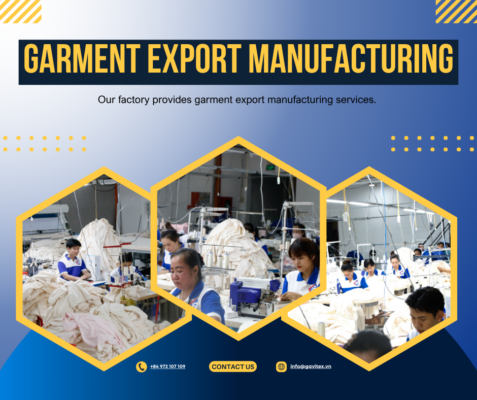
Stay ahead of the curve in personalized fashion. Discover the latest trends and innovations shaping bespoke clothing production.
Maintaining Quality Control in Bespoke Clothing Manufacturing
Quality control is paramount in bespoke clothing production, ensuring that each garment meets the precise specifications and high standards expected by clients seeking personalized apparel. A robust quality control system not only safeguards the reputation of brands like overseas buyers but also fosters customer loyalty and minimizes costly rework or returns. This section will delve into the critical aspects of maintaining rigorous quality control throughout the bespoke clothing manufacturing process.
Effective quality control in bespoke garment production involves a multi-stage approach, beginning with meticulous fabric inspection and extending to the final finishing touches. Implementing rigorous checks at each stage, such as pattern making, cutting, sewing, and fitting, is crucial to identify and rectify any deviations from the established standards. For example, fabric flaws should be detected before cutting to prevent imperfections in the final garment. Regular machinery maintenance and calibration further contributes to maintaining precision and consistency in production.
Several key factors contribute to robust quality control in bespoke clothing manufacturing:
- Detailed Specifications: Clear and comprehensive specifications, outlining every aspect of the garment, including measurements, fabric details, stitching techniques, and finishing requirements, are essential for guiding the production team and ensuring consistency.
- Trained Personnel: Skilled and experienced personnel who are thoroughly trained in quality control procedures are vital for identifying and addressing potential issues effectively. Continuous training programs are essential to keep the staff updated on the latest techniques and standards.
- Standardized Processes: Establishing standardized processes for each stage of production minimizes variations and ensures consistent quality. These processes should be documented and readily accessible to all personnel involved in the manufacturing process.
- Regular Inspections: Conducting regular inspections at each stage of production allows for the early detection and correction of any defects or inconsistencies. These inspections should be carried out by trained quality control personnel using standardized checklists and tools.
- Use of Technology: Integrating technology such as Computer-Aided Design (CAD) software for pattern making and automated cutting machines can significantly improve accuracy and reduce errors. These technologies allow for precise measurements and consistent cutting, contributing to higher quality garments.
- Supplier Partnerships: Building strong relationships with reliable fabric and component suppliers is essential for ensuring the quality of raw materials. Regular audits of suppliers’ facilities and quality control systems can help identify and address potential issues before they impact production.
Moreover, adopting internationally recognized quality management systems such as ISO 9001 can provide a framework for implementing and maintaining effective quality control procedures. Regular audits and certifications can demonstrate a commitment to quality and enhance the brand’s reputation. By focusing on these key areas, overseas buyers and other bespoke clothing manufacturers can ensure that their garments consistently meet the highest standards of quality and customer satisfaction.
Ensuring perfection in every stitch. Learn about the crucial quality control measures in bespoke clothing manufacturing.
The Future of Bespoke Clothing Production in Vietnam
The future of bespoke clothing production in Vietnam appears bright, driven by a confluence of factors including rising consumer demand for personalized apparel, technological advancements, and the country’s established garment manufacturing industry. This evolution promises not only economic growth but also a shift towards more sustainable and ethical practices within the sector. As bespoke fashion gains traction globally, Vietnam is strategically positioned to become a leading hub for personalized tailoring, offering both domestic and international customers access to high-quality, custom-made garments.
Several key trends are shaping the future of bespoke clothing in Vietnam. Firstly, the integration of technology is revolutionizing the production process. 3D body scanning, AI-powered design tools, and advanced cutting machines are enabling greater precision, efficiency, and customization. Secondly, there’s a growing emphasis on sustainable and ethical practices. Consumers are increasingly demanding transparency and accountability from brands, leading to a rise in the use of eco-friendly materials and fair labor practices. Finally, the development of skilled labor is crucial. Investment in training programs and vocational schools is necessary to equip workers with the expertise needed to meet the evolving demands of the bespoke clothing market.
Looking ahead, innovation will play a pivotal role in the continued growth of bespoke clothing production in Vietnam. Here’s a breakdown of areas to watch:
- Digitalization: Greater adoption of e-commerce platforms and online customization tools will make bespoke clothing more accessible to a wider customer base.
- Material Innovation: Exploration of new, sustainable fabrics such as recycled textiles, plant-based materials, and bio-synthetics will address growing environmental concerns.
- Automation: Increased use of robotics and automation in cutting and sewing will improve efficiency and reduce production time.
- Personalized Experiences: Offering customers enhanced design consultations, virtual fittings, and personalized style recommendations will create a more engaging and satisfying experience.
However, challenges remain. Maintaining quality control across the bespoke production process is critical, as is ensuring that Vietnamese garment manufacturers can meet the high standards expected by international clients. Addressing these challenges will require ongoing investment in technology, training, and process optimization.
The future of bespoke apparel manufacturing in Vietnam hinges on its ability to adapt to changing consumer demands, embrace technological advancements, and uphold ethical and sustainable practices. With a strong foundation and a commitment to innovation, Vietnam is well-positioned to become a global leader in the bespoke clothing industry.
Here’s the content for the H2 section, focusing on common mistakes to avoid when ordering bespoke clothing, with a goal to provide valuable insights for readers and enhance search engine optimization:
Common Mistakes to Avoid When Ordering Bespoke Clothing
Embarking on the journey of bespoke clothing production promises unparalleled fit and personalization; however, avoiding common pitfalls is crucial for a successful outcome. Many potential issues can arise during the bespoke tailoring process, stemming from unclear communication to overlooking crucial details, and understanding these common mistakes can greatly enhance the final product and overall satisfaction. Therefore, a preemptive understanding of these errors empowers customers to navigate the bespoke experience with confidence and secure garments that genuinely reflect their vision.
-
Lack of Clear Communication: Failing to articulate your vision clearly to the tailor is a primary cause of dissatisfaction. Bespoke is about bringing your ideas to life; therefore, providing reference images, detailed descriptions of the desired fit, and specific design elements are essential. For instance, instead of simply saying “I want a blue suit,” specify the shade of blue, the desired lapel style, the number of buttons, and whether you prefer a slim or classic fit.
-
Rushing the Process: Bespoke clothing production requires time and patience; rushing any stage, from initial consultation to fittings, can compromise the final result. Each step in the bespoke clothing production process – from taking precise measurements, pattern making, to sewing – is important. Allow ample time for consultations, fabric sourcing, fittings, and alterations to ensure meticulous attention to detail. Pushing for unrealistic deadlines can force tailors to cut corners, resulting in a less-than-perfect garment.
-
Ignoring Fabric Considerations: Selecting the wrong fabric can undermine even the most meticulous tailoring. Different fabrics possess varying drape, weight, and texture, all of which influence the final look and feel of the garment. Understand the properties of different materials. Discuss the intended use of the garment with your tailor to select a fabric appropriate for the climate, occasion, and desired level of formality. For example, a heavy tweed might be ideal for a winter coat but unsuitable for a lightweight summer suit.
-
Neglecting the Importance of Fittings: Fittings are the opportunity to fine-tune the garment’s fit and address any imperfections. Skipping fittings, or not providing honest feedback during them, is a critical mistake. During fittings, move around, sit down, and assess the garment’s comfort and range of motion. Communicate any concerns, no matter how minor they seem, to the tailor.
-
Not Researching Your Tailor: Choosing a tailor solely based on price is a risky proposition. The tailor’s experience, skill, and understanding of your aesthetic preferences are paramount. Invest time in researching potential tailors. Read reviews, examine their previous work, and assess their communication skills before committing to a bespoke clothing project. A reputable tailor will have a portfolio showcasing their craftsmanship and a willingness to collaborate closely with you.
-
Being Afraid to Ask Questions: Don’t hesitate to ask questions throughout the entire process. Whether it’s about fabric options, construction techniques, or pricing details, seeking clarification ensures you’re fully informed and involved. A knowledgeable tailor will welcome your questions and provide clear, concise answers. Lack of inquiry can lead to misunderstandings and unmet expectations.
-
Overlooking the Overall Style and Proportions: Ensure the bespoke clothing complements your body type and personal style. A well-tailored garment should enhance your features and reflect your individual taste. Consult with your tailor about the most flattering silhouettes, colors, and design elements for your physique and lifestyle. Avoid blindly following trends; focus on creating timeless pieces that you’ll enjoy wearing for years to come.
Avoid costly errors and ensure satisfaction. Discover the common mistakes to avoid when ordering bespoke clothing.
Caring for Your Bespoke Clothing: Ensuring Longevity and Maintaining Quality
Investing in bespoke clothing production is an investment in quality and individuality, but to truly maximize that investment, proper care is essential for ensuring the longevity and maintaining the quality of your garments. Unlike off-the-rack items, bespoke pieces are crafted with specific fabrics and construction techniques, demanding a more tailored approach to maintenance; by understanding the nuances of caring for custom-made apparel, you can keep your wardrobe looking its best for years to come. Implementing a consistent care routine will not only preserve the aesthetic appeal of your bespoke items but also protect the integrity of the materials and craftsmanship, preventing premature wear and tear.
The cornerstone of bespoke clothing care lies in understanding the specific fabric composition of each garment. Different fabrics necessitate different cleaning methods: for instance, delicate materials like silk or fine wool often require dry cleaning to prevent shrinkage or damage, while more robust fabrics such as linen or cotton might be suitable for gentle hand washing; always consult the care label or, ideally, seek advice from your garment manufacturer, such as overseas buyers, regarding the best cleaning practices for your bespoke pieces. Failing to adhere to recommended cleaning instructions can lead to irreversible damage, diminishing the garment’s appearance and shortening its lifespan.
Proper storage is equally critical in preserving the condition of your bespoke clothing. Invest in high-quality, padded hangers to maintain the shape of jackets and coats, preventing unsightly creases and distortions; avoid overcrowding your closet, as this can lead to wrinkles and fabric damage; for seasonal storage, consider using breathable garment bags to protect your clothing from dust, moths, and humidity. Moreover, consider storing your clothing in a cool, dry place, away from direct sunlight, which can fade colors and weaken fibers.
Finally, address stains and minor repairs promptly to prevent lasting damage. Blot stains gently with a clean cloth, avoiding harsh rubbing that can spread the stain or damage the fabric; for stubborn stains, consult a professional cleaner experienced in handling delicate fabrics; similarly, address loose buttons, frayed seams, or minor tears as soon as they appear to prevent them from escalating into more significant problems. A stitch in time, as they say, truly saves nine when it comes to preserving the integrity of your bespoke garments.
Ethical Considerations in Bespoke Clothing Production in Vietnam
Ethical considerations are increasingly important in bespoke clothing production in Vietnam, as consumers and businesses alike demand greater transparency and accountability throughout the supply chain. These considerations encompass a range of issues, including fair labor practices, environmental sustainability, and responsible sourcing of materials. Ignoring these ethical dimensions can lead to reputational damage, legal repercussions, and ultimately, a loss of consumer trust.
Several critical areas deserve careful attention in ensuring ethical bespoke clothing production:
- Fair Labor Practices: Guaranteeing fair wages, safe working conditions, and reasonable working hours for garment workers is paramount. This includes complying with Vietnamese labor laws and international standards, as well as ensuring freedom of association and the right to collective bargaining. Factories should implement measures to prevent child labor and forced labor, and to address any instances of harassment or discrimination. Example: overseas buyers should partner with factories that possess WRAP or BSCI certifications, demonstrating a commitment to ethical labor practices.
- Environmental Sustainability: The textile industry is known for its significant environmental impact. Bespoke clothing manufacturers must adopt sustainable practices to minimize their footprint. This encompasses reducing water and energy consumption, using eco-friendly dyes and chemicals, and managing waste responsibly. Prioritizing organic or recycled fabrics and implementing circular economy principles, such as recycling textile scraps, can further enhance sustainability. Example: Implementing water treatment facilities to minimize water pollution.
- Responsible Sourcing: Sourcing materials from suppliers who adhere to ethical and environmental standards is crucial. This includes ensuring that fabrics are produced without harmful chemicals, that leather is sourced from tanneries with responsible waste management practices, and that other materials, such as buttons and zippers, are manufactured in a fair and sustainable manner. Traceability throughout the supply chain is essential to verify the origin and ethical production of all materials.
- Transparency and Traceability: Building trust requires transparency in the bespoke clothing production process. Brands should be open about their sourcing practices, labor standards, and environmental initiatives. Implementing traceability systems, such as blockchain technology, can provide consumers with detailed information about the origin and production of their garments.
- Empowering Local Communities: Supporting local communities through job creation and economic development is another important ethical consideration. This can involve partnering with local artisans and suppliers, investing in training and education programs for garment workers, and contributing to community development projects.
By prioritizing these ethical considerations, overseas buyers and other bespoke clothing manufacturers in Vietnam can contribute to a more sustainable and equitable fashion industry, while also enhancing their brand reputation and attracting ethically conscious consumers.
Make a responsible choice. Explore the ethical considerations in bespoke clothing production in Vietnam.
Vietnam Biz Rep supports overseas buyers with garment supplier search, factory verification, sample coordination, production follow-up, and quality inspection in Vietnam. Learn more on our clothing sourcing agent page or visit Vietnam sourcing agent for our full range of services. Contact Vietnam Biz Rep to discuss your sourcing requirements.
