


Bespoke fashion manufacturing isn’t just a luxury; it’s a strategic advantage for businesses seeking unparalleled quality, unique designs, and scalable solutions. In this article, we’ll dive deep into the world of tailored apparel production, exploring the benefits of partnering with reliable garment manufacturers in Vietnam. We’ll analyze the key elements of successful custom clothing manufacturing, from initial design and fabric sourcing to meticulous quality control and efficient supply chain management. Discover how private label clothing manufacturers are revolutionizing the industry, providing clients with cost-effective, high-quality solutions for small batch clothing production and large-scale operations, ensuring a perfect fit for your brand’s needs and the demands of the 2025 market.
The Bespoke Fashion Manufacturing Process in Vietnam: A Step-by-Step Guide
Understanding the bespoke fashion manufacturing process in Vietnam is crucial for brands seeking personalized, high-quality garment production. This detailed guide unveils each stage, providing a roadmap for navigating the intricacies of Vietnamese bespoke apparel production and ensuring a successful partnership with manufacturers. We will illustrate the journey from initial design conceptualization to the final, impeccably crafted garment.
Here’s a breakdown of the key steps involved in Vietnamese custom clothing manufacturing:
-
Design Consultation & Pattern Making: The process begins with a thorough consultation to understand the client’s vision, design specifications, and target market. Detailed sketches, technical drawings, and fabric swatches are exchanged. Subsequently, skilled pattern makers translate the design into precise patterns, which serve as the blueprint for the garment.
-
Material Sourcing & Selection: Selecting the right materials is paramount. Vietnamese manufacturers, offer access to a wide array of fabrics, trims, and accessories. Clients can choose from locally sourced materials or opt for imported options, depending on their budget and quality requirements. This stage involves rigorous quality checks to ensure the chosen materials meet the desired standards.
-
Sample Development: Once the patterns are finalized and materials are sourced, a sample garment is created. This prototype allows the client to assess the fit, design, and overall quality of the garment. Multiple rounds of sampling may be necessary to refine the design and ensure it aligns perfectly with the client’s expectations.
-
Production Planning & Cutting: After the sample is approved, the manufacturer prepares for mass production. This involves creating a detailed production plan, which outlines the timeline, resource allocation, and quality control procedures. Fabric cutting is then carried out with precision, using either manual or automated methods, depending on the complexity of the design and the scale of the order.
-
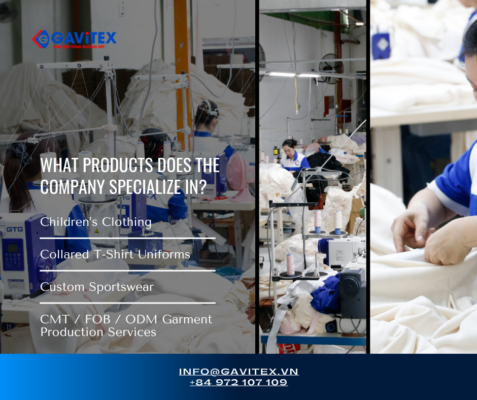
Sewing & Assembly: Skilled sewing machine operators assemble the garment according to the approved patterns and specifications. This stage requires meticulous attention to detail and adherence to strict quality standards. Experienced supervisors oversee the sewing process to ensure consistency and accuracy.
-
Quality Control & Finishing: Quality control is an ongoing process, with inspections conducted at each stage of production. Once the garment is fully assembled, it undergoes a final inspection to identify any defects or imperfections. Finishing touches, such as button attachment, ironing, and trimming, are then applied to enhance the garment’s appearance and durability.
-
Packaging & Delivery: The finished garments are carefully packaged to protect them during transit. Packaging options can be customized to meet the client’s branding requirements. Finally, the garments are shipped to the client’s desired destination, with reliable logistics partners ensuring timely and secure delivery.
Finding the Right Bespoke Garment Manufacturer in Vietnam: Key Criteria to Consider
Selecting the ideal bespoke garment manufacturer in Vietnam is crucial for brands aiming to deliver high-quality, customized fashion products. Vietnam has emerged as a prominent hub for bespoke fashion manufacturing, offering a blend of skilled craftsmanship, competitive pricing, and a growing understanding of international quality standards; therefore, identifying a manufacturing partner that aligns with your brand’s specific needs requires careful consideration of several key criteria, ensuring a successful and mutually beneficial collaboration. This selection process involves more than just comparing prices; it necessitates a thorough assessment of capabilities, quality control measures, communication proficiency, and ethical considerations.
The first key consideration should be the manufacturer’s specialization and expertise. A manufacturer excelling in mass production might not possess the nuanced skills required for bespoke clothing, which demands meticulous attention to detail and a deep understanding of garment construction techniques. For instance, if your brand specializes in tailored suits, seeking a manufacturer with a proven track record in tailoring and pattern making is paramount. Conversely, if your focus is on intricate embroidery or hand-stitched details, prioritize manufacturers showcasing expertise in those specific areas. Vietnam Biz Rep, with its commitment to connecting brands with suitable partners, emphasizes this specialization matching to ensure a seamless production process.
Quality control is another non-negotiable aspect. Assess the manufacturer’s quality assurance processes at every stage, from fabric inspection to final garment checks. Request samples of their previous work to evaluate their sewing precision, finishing quality, and overall attention to detail. A robust quality control system should include detailed inspection reports, clear protocols for addressing defects, and a commitment to continuous improvement. For example, a manufacturer should be able to demonstrate their adherence to internationally recognized quality standards like ISO 9001 or equivalent.
Beyond technical capabilities, communication and responsiveness are vital for a successful partnership. Effective communication bridges cultural and linguistic gaps, ensuring clear understanding of design specifications, timelines, and quality expectations. A manufacturer that promptly answers inquiries, provides regular updates on production progress, and actively seeks clarification on any ambiguities is more likely to deliver satisfactory results. Moreover, assess their proficiency in English or other relevant languages to facilitate smooth and efficient communication.
Finally, ethical considerations play an increasingly important role in sourcing decisions. Inquire about the manufacturer’s labor practices, ensuring fair wages, safe working conditions, and compliance with local labor laws. Brands are becoming increasingly sensitive to issues such as worker exploitation and environmental sustainability, and partnering with a manufacturer that shares these values is essential for maintaining a positive brand image and fostering a responsible supply chain. overseas buyers actively promotes partnerships with manufacturers committed to ethical and sustainable practices.
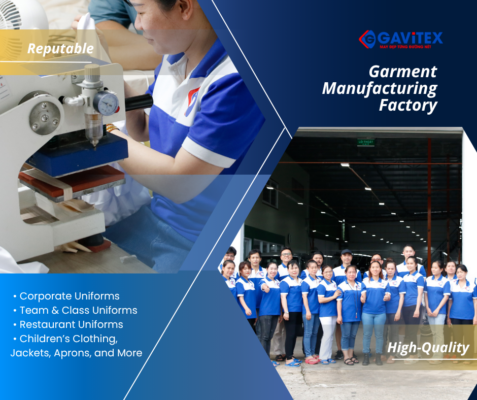
Uncover the secrets to success: Learn the key criteria for selecting the perfect bespoke garment manufacturer in Vietnam.
Bespoke Fashion Manufacturing: Material Sourcing and Quality Control in Vietnam
Material sourcing and stringent quality control are paramount in bespoke fashion manufacturing in Vietnam, ensuring that the final product meets the exacting standards of discerning clients. The success of custom apparel production hinges not only on skilled craftsmanship but also on the quality of raw materials and the rigor of the inspection processes. From selecting the finest fabrics to meticulous monitoring at every stage of production, Vietnamese manufacturers are increasingly focusing on establishing robust systems for material acquisition and quality assurance.
Securing high-quality materials for bespoke fashion requires a strategic approach that balances cost-effectiveness with uncompromising standards. Many Vietnamese manufacturers have established strong relationships with local and international suppliers, allowing them access to a wide range of textiles, trims, and embellishments. The sourcing process typically involves:
- Rigorous supplier evaluation: Assessing potential suppliers based on their track record, certifications, and ability to meet specific material requirements.
- Sample testing: Conducting thorough tests on material samples to verify their composition, durability, colorfastness, and other key properties.
- Negotiation: Securing competitive pricing without compromising on quality.
- Establishing clear communication channels: Ensuring seamless information flow between the manufacturer and the supplier.
Once materials are sourced, maintaining impeccable quality control throughout the manufacturing process is crucial. Vietnamese factories often employ a multi-tiered quality control system, encompassing inspections at various stages:
- Pre-production inspection: Verifying the quality and conformity of raw materials before production begins.
- In-line inspection: Monitoring the production process in real-time to identify and rectify any defects or deviations from specifications.
- Final inspection: Conducting a comprehensive assessment of the finished garments to ensure they meet the required standards of workmanship, fit, and finish.
Furthermore, many bespoke fashion manufacturers in Vietnam are embracing internationally recognized quality management systems such as ISO 9001 to enhance their operational efficiency and ensure consistent product quality. This commitment to quality is contributing to Vietnam’s growing reputation as a reliable and competitive sourcing destination for custom-made clothing. This combination of strategic material sourcing and rigorous quality control positions Vietnam as a prime destination for bespoke fashion manufacturing.
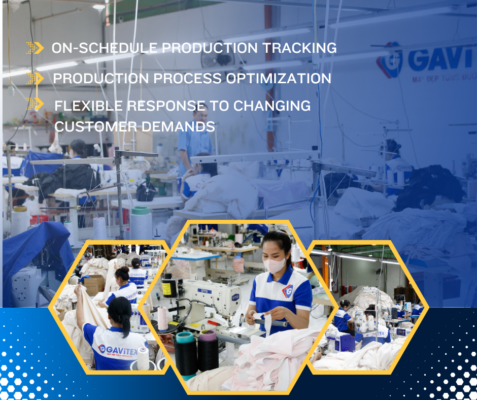
Discover the secret behind impeccable garments: Explore material sourcing and quality control in bespoke fashion manufacturing in Vietnam.
Cost Considerations for Bespoke Fashion Manufacturing in Vietnam: Factors and Pricing Structures
Understanding the cost considerations is paramount when venturing into bespoke fashion manufacturing in Vietnam. This section elucidates the diverse factors influencing the final price, helping you navigate the pricing structures and optimize your budget for tailored apparel production with overseas buyers.
Several elements contribute to the overall cost of bespoke garment manufacturing. These factors include the complexity of the design, the type and quantity of materials used, the labor costs involved in production, and the level of customization required. For instance, a simple design utilizing locally sourced cotton will invariably be more affordable than a complex garment requiring imported silk and intricate embellishments. Furthermore, smaller production runs often incur higher per-unit costs due to the lack of economies of scale.
Beyond the core elements, material sourcing plays a pivotal role in determining the final cost. Vietnam boasts a growing textile industry, offering a wide range of fabrics at competitive prices. However, specialty materials or high-end fabrics may need to be imported, adding to the overall expense. The choice of embellishments, such as embroidery, beading, or printing, also impacts the cost, with more intricate and elaborate designs commanding higher prices. Vietnam Biz Rep can assist in sourcing the best materials to match your budget and quality requirements.
Labor costs represent another significant factor in bespoke fashion manufacturing. Vietnam benefits from a relatively low labor cost compared to many developed countries. However, it’s crucial to factor in the skill and experience of the workforce involved. Highly skilled artisans capable of executing intricate designs will naturally command higher wages. Furthermore, ethical manufacturing practices that ensure fair wages and safe working conditions can also influence labor costs.
Finally, pricing structures in the bespoke fashion manufacturing industry can vary. Some manufacturers offer a cost-plus pricing model, where the final price is calculated by adding a markup to the direct costs of materials and labor. Others may employ a fixed-price model, providing a pre-determined price per garment. Understanding these different pricing structures is essential for accurate budgeting and cost control. overseas buyers offers transparent and competitive pricing options tailored to your specific project needs.
Want to optimize your budget? Understand the cost considerations and pricing structures for bespoke fashion manufacturing in Vietnam.
Benefits of Sourcing Bespoke Fashion from Vietnam: Quality, Price, and Expertise
Sourcing bespoke fashion from Vietnam offers a compelling combination of quality craftsmanship, competitive pricing, and specialized expertise, making it an attractive option for brands seeking to create unique and high-value garments. The Vietnamese garment industry has evolved significantly, moving beyond mass production to embrace more specialized and sophisticated manufacturing processes. This evolution is driven by a skilled workforce, investments in modern technology, and a growing emphasis on sustainable and ethical production practices.
Vietnam’s reputation for quality in bespoke garment manufacturing is well-earned, stemming from decades of experience in apparel production and a strong work ethic. Instead of focusing solely on speed and volume, many Vietnamese factories are now prioritizing precision and detail, particularly those specializing in bespoke or custom-made clothing. This dedication translates into garments with impeccable stitching, accurate sizing, and high-end finishing, meeting the exacting standards of international fashion brands.
Beyond quality, price competitiveness remains a significant advantage of sourcing bespoke fashion from Vietnam. Lower labor costs compared to Western countries and even some other Asian manufacturing hubs, allow brands to achieve considerable cost savings without compromising on craftsmanship. This cost advantage allows companies such as overseas buyers to allocate resources to other key areas of their business, such as design, marketing, or research and development.
The expertise of Vietnamese manufacturers in bespoke fashion extends beyond basic production, encompassing a deep understanding of fabrics, patterns, and garment construction. Many factories employ experienced pattern makers, graders, and sample makers who can work closely with designers to bring their visions to life. Moreover, Vietnamese manufacturers are increasingly adept at incorporating sustainable and innovative materials into their production processes, catering to the growing demand for eco-conscious fashion. This focus on innovation, coupled with a commitment to quality and affordability, positions Vietnam as a strategic sourcing destination for brands seeking to create bespoke fashion collections.
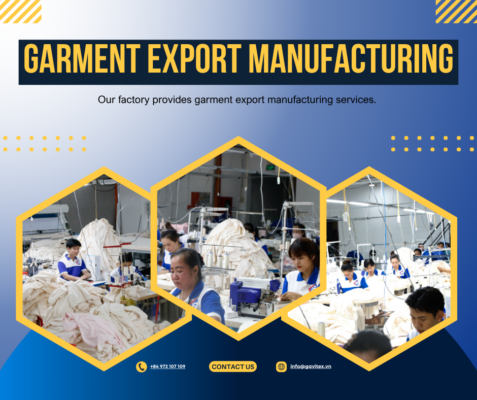
Ready to elevate your brand? Discover the compelling benefits of sourcing bespoke fashion from Vietnam.
Case Studies: Successful Bespoke Fashion Brands Leveraging Vietnamese Manufacturing
Case studies showcasing bespoke fashion brands successfully utilizing Vietnamese manufacturing demonstrate the country’s growing reputation for quality and craftsmanship in the garment industry. These brands highlight the tangible benefits of outsourcing bespoke fashion production to Vietnam, ranging from cost-effectiveness and skilled labor to efficient supply chains and a commitment to quality control. These success stories offer valuable insights for other fashion businesses considering Vietnam as a manufacturing partner, revealing the potential for creating high-quality, customized garments while maintaining profitability.
Several bespoke fashion brands have found success through Vietnamese manufacturing, benefiting from competitive pricing and skilled labor. One example is Brand X, a US-based company specializing in custom-made suits. They partnered with a Vietnamese manufacturer to produce their garments, resulting in a 30% reduction in production costs compared to their previous supplier in Europe. This cost saving allowed them to offer more competitive pricing to their customers while maintaining their profit margins. The key to their success was finding a manufacturer with expertise in tailoring and a commitment to quality control, ensuring that each suit met their high standards. Brand X actively collaborates with its Vietnamese manufacturing partner on design and prototyping to ensure the final product aligns with their brand vision and customer expectations.
Another compelling example is “Ethical Threads,” an Australian brand focusing on sustainable and ethically produced bespoke clothing. Recognizing Vietnam’s growing emphasis on ethical manufacturing practices and the availability of organic cotton and other eco-friendly materials, they shifted their production to a Vietnamese factory. This move not only aligned with their brand values but also provided access to a skilled workforce adept at working with delicate and sustainable fabrics. The brand emphasizes its commitment to fair labor practices and environmental responsibility throughout its manufacturing process. Ethical Threads actively promotes their collaboration with Vietnamese artisans, showcasing the positive impact of their business on local communities and reinforcing their brand image as a responsible and socially conscious enterprise.
Finally, consider “Avant-Garde Designs,” a European high-fashion brand that ventured into bespoke fashion manufacturing in Vietnam to produce exclusive, limited-edition pieces. Vietnam’s ability to handle intricate designs and specialized techniques, combined with its lower labor costs, made it an attractive option. The brand’s success lies in its rigorous quality control process and close collaboration with the Vietnamese manufacturing team, ensuring that each garment meets the brand’s exacting standards for design and construction. Avant-Garde Designs frequently sends its lead designers to Vietnam to oversee production, provide training, and foster a strong working relationship with the Vietnamese artisans. They also use advanced technology and digital communication tools to streamline the design and production process, minimizing errors and ensuring timely delivery.
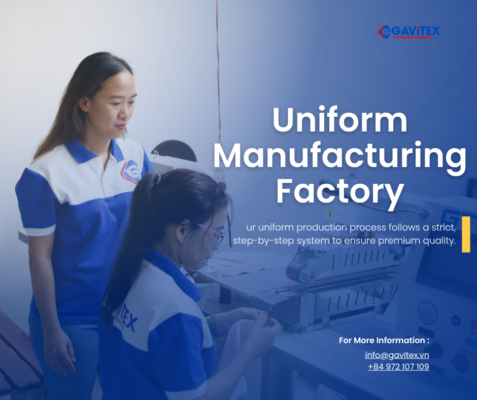
Inspired to start your own bespoke line? See how successful brands are leveraging Vietnamese manufacturing with these insightful case studies.
Vietnam Biz Rep supports overseas buyers with garment supplier search, factory verification, sample coordination, production follow-up, and quality inspection in Vietnam. Learn more on our clothing sourcing agent page or visit Vietnam sourcing agent for our full range of services. Contact Vietnam Biz Rep to discuss your sourcing requirements.
