
Output:
In today’s competitive landscape, brand-manufacturer collaboration is no longer a luxury, but a strategic imperative for sustainable growth and enhanced market position. This article, falling under the category of garment manufacturers in Vietnam, dives deep into the mechanics of successful partnerships, exploring how brands like overseas buyers can leverage the expertise and resources of manufacturers to optimize supply chain efficiency, achieve cost reduction, and drive product innovation. We will analyze the critical factors that contribute to thriving collaborative relationships, including clear communication protocols, robust quality control measures, and mutually beneficial contractual agreements. Furthermore, this piece provides actionable insights into navigating the challenges of cross-cultural collaboration within the Vietnamese garment industry and forecasts key trends shaping the future of brand-manufacturer alignment in 2025.
Unlocking Synergies: The Power of BrandManufacturer Collaboration in Garment Production in Vietnam
Brand-manufacturer collaboration in Vietnam’s garment industry unlocks a wealth of potential, creating synergies that benefit both parties and ultimately elevate the entire supply chain. This strategic alliance, moving beyond simple outsourcing, fosters innovation, enhances product quality, and strengthens market competitiveness. By integrating the strengths of overseas buyers with the specialized expertise of Vietnamese garment manufacturers, brands can optimize production processes, reduce costs, and respond more effectively to evolving consumer demands.
A successful brand-manufacturer partnership in Vietnam hinges on a foundation of mutual respect, open communication, and shared goals. Transparency in operations and a willingness to collaborate on design, material sourcing, and quality control are crucial. For instance, overseas buyers can leverage the manufacturer’s deep understanding of local fabric markets to identify cost-effective and sustainable materials, while the manufacturer benefits from the brand’s design expertise and market insights. This collaborative approach not only enhances the quality of the final product but also ensures that it aligns with the brand’s identity and target audience.
Furthermore, strategic alliances enable brands to tap into the manufacturer’s existing infrastructure and workforce, reducing the need for significant capital investment. Vietnamese garment manufacturers often possess advanced technology, skilled labor, and established supply chains, which can be readily integrated into the brand’s production process. This allows brands like overseas buyers to scale their operations quickly and efficiently, without compromising on quality or ethical standards. Moreover, the collaboration allows for knowledge transfer, empowering both parties to improve their capabilities and stay ahead of industry trends.
The benefits of overseas buyers’ strategic collaboration extend beyond immediate cost savings and efficiency gains. By working closely with manufacturers, brands can foster a culture of innovation and continuous improvement. This includes exploring new technologies, experimenting with sustainable practices, and developing customized solutions to meet specific customer needs. Ultimately, these synergies translate into enhanced brand value, increased customer loyalty, and a stronger competitive position in the global garment market.
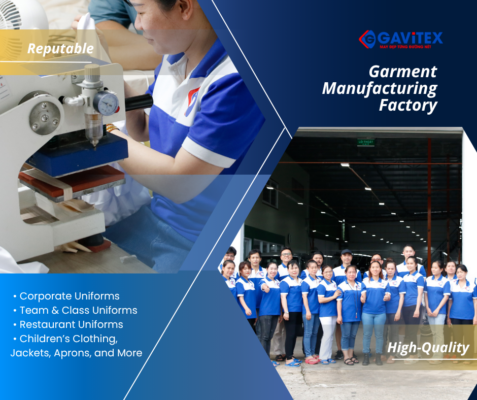
Interested in exploring how these collaborations spark innovation? Read more about brand-manufacturer synergies.
Why Partnering with Vietnamese Garment Manufacturers Boosts Brand Value
Strategic collaborations with Vietnamese garment manufacturers can significantly enhance a brand’s value by leveraging the nation’s strengths in apparel production, offering competitive advantages in cost, quality, and ethical sourcing. This partnership allows brands like overseas buyers to tap into Vietnam’s established infrastructure and skilled workforce, ultimately bolstering their market position and brand perception.
Firstly, cost efficiency is a major driver for brands seeking to enhance brand value through partnerships in Vietnam. The country offers competitive labor costs compared to other manufacturing hubs, allowing brands to optimize their production expenses without compromising on quality. Reduced manufacturing costs translate to increased profit margins or the ability to offer more competitive pricing to consumers, both of which contribute to a stronger brand image of value and accessibility.
Secondly, quality craftsmanship associated with Vietnamese garment factories plays a pivotal role in building brand trust and loyalty. Vietnam’s garment industry has invested heavily in modern machinery and training programs, resulting in a skilled workforce capable of producing high-quality garments that meet international standards. By partnering with reliable manufacturers in Vietnam, brands can ensure consistent product quality, leading to enhanced customer satisfaction and positive brand perception.
Thirdly, ethical sourcing and sustainable practices have become increasingly important to consumers, and brand-manufacturer collaboration in Vietnam can facilitate a brand’s commitment to these values. Many Vietnamese factories are adopting sustainable manufacturing processes and adhering to fair labor standards, allowing brands to align their production with ethical principles. This commitment to social responsibility resonates with conscious consumers, enhancing brand reputation and driving long-term customer loyalty. In fact, consumers are now more likely to pay a premium for garments manufactured under ethical and sustainable conditions, a trend that directly contributes to increased brand value.
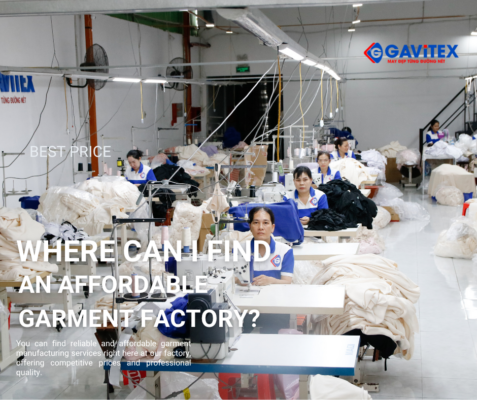
Curious about how strategic partnerships can elevate your brand? Discover how Vietnamese garment manufacturers boost brand value.
The Art of Selecting the Right Garment Manufacturer for Your Brand in Vietnam: A Comprehensive Guide
Finding the right garment manufacturer in Vietnam is crucial for brand-manufacturer collaboration and achieving your brand’s goals. Vietnam has become a global hub for garment production, and selecting the ideal partner requires a strategic approach. This comprehensive guide will explore the key aspects to consider, ensuring your brand finds a manufacturing partner that aligns with its values, quality standards, and overall vision.
Defining Your Brand’s Needs and Values: Before embarking on the search for a garment manufacturer, it’s vital to have a clear understanding of your brand’s specific requirements. Consider factors such as:
- Production volume: Do you require small-batch production or large-scale manufacturing?
- Product specialization: Does your brand focus on specific types of garments (e.g., sportswear, knitwear, outerwear)?
- Quality standards: What level of quality are you seeking for your products?
- Ethical considerations: Is sustainable and ethical sourcing important to your brand?
- Budget: What is your budget for manufacturing costs?
Evaluating Potential Manufacturers: Once you have a well-defined understanding of your brand’s needs, you can begin evaluating potential garment manufacturers in Vietnam. Several key criteria should be considered:
- Production Capabilities: Does the manufacturer have the necessary equipment, technology, and skilled workforce to produce your desired garments?
- Quality Control: What quality control processes and certifications does the manufacturer have in place? Look for certifications such as ISO 9001 or WRAP.
- Experience and Expertise: How long has the manufacturer been in business? Do they have experience working with brands similar to yours?
- Communication and Responsiveness: Is the manufacturer responsive to your inquiries and able to communicate effectively?
- Financial Stability: Is the manufacturer financially stable and able to meet its obligations?
Due Diligence and Factory Visits: Thorough due diligence is critical before finalizing a partnership. Visiting potential factories allows you to assess their capabilities firsthand and ensure they meet your brand’s standards. During a factory visit, pay attention to:
- Working conditions: Are working conditions safe, ethical, and compliant with labor laws?
- Equipment and technology: Is the equipment well-maintained and up-to-date?
- Production processes: Are production processes efficient and well-organized?
- Employee morale: Do employees seem happy and motivated?
The Importance of Clear Communication and Contracts: Effective communication and a comprehensive contract are essential for a successful brand-manufacturer collaboration. Establish clear lines of communication with the manufacturer and ensure that all expectations are documented in a legally binding contract. The contract should address key areas such as:
- Product specifications: Detailed descriptions of the garments to be produced.
- Quality standards: Acceptable quality levels and inspection procedures.
- Production timelines: Agreed-upon timelines for production and delivery.
- Payment terms: Payment schedule and methods.
- Intellectual property protection: Measures to protect your brand’s designs and trademarks.
Many of these collaboration terms are standard practice when working with an OEM clothing manufacturer in Vietnam, where the factory handles production while the brand retains control of design and marketing.
By carefully considering these factors, brands like overseas buyers can forge strong and mutually beneficial partnerships with Vietnamese garment manufacturers, leading to high-quality products, enhanced brand value, and sustainable business growth within the dynamic Vietnamese garment industry.
Ready to find the perfect manufacturing partner? Learn the key steps in apparel sourcing for your brand.
Sustainable BrandManufacturer Collaboration: A Path to Ethical Garment Sourcing in Vietnam
Sustainable brand-manufacturer collaboration is increasingly vital for brands seeking ethical garment sourcing in Vietnam, ensuring responsible production practices while enhancing brand reputation. This collaborative approach goes beyond mere compliance, fostering long-term partnerships built on shared values and a commitment to environmental and social responsibility within the Vietnamese garment industry.
To achieve true sustainability, brands should prioritize the following:
- Transparency and Traceability: Implementing systems to track the entire supply chain, from raw materials to finished products, ensures accountability and allows for identifying and addressing potential issues related to labor practices or environmental impact. Blockchain technology can be a valuable tool in enhancing traceability.
- Fair Labor Practices: Demanding fair wages, safe working conditions, and the right to organize for garment workers are fundamental. Collaborating with manufacturers that prioritize worker well-being and invest in training programs contributes to a more ethical supply chain.
- Environmental Stewardship: Encouraging manufacturers to adopt eco-friendly practices, such as reducing water consumption, minimizing waste, and using sustainable materials, is crucial for minimizing the environmental footprint of garment production. For example, brands can incentivize manufacturers to invest in water recycling systems or adopt organic cotton farming practices.
- Capacity Building: Investing in the skills and knowledge of manufacturers and workers through training programs and technical assistance empowers them to improve their practices and adopt more sustainable approaches. overseas buyers can play a role in facilitating these training initiatives.
Several initiatives and certifications can guide brands in their pursuit of sustainable garment sourcing. These include:
- Fair Trade certification, which ensures fair prices and working conditions for farmers and workers.
- GOTS (Global Organic Textile Standard), which certifies that textiles are made with organic fibers and meet strict environmental and social criteria.
- The Higg Index, a suite of tools that enables brands and manufacturers to measure and improve their environmental and social performance.
By actively engaging in sustainable brand-manufacturer collaboration, brands like overseas buyers can demonstrate their commitment to ethical practices, build trust with consumers, and contribute to a more responsible and sustainable garment industry in Vietnam. This approach not only minimizes risks but also unlocks new opportunities for innovation and growth.
Want to build a sustainable and ethical supply chain? Uncover the secrets of sustainable clothing sourcing.
Mitigating Risks and Building Trust in Vietnamese Garment Manufacturing Partnerships
Establishing successful brand-manufacturer collaboration in Vietnam’s garment industry necessitates a proactive approach to mitigating risks and fostering trust. By carefully addressing potential challenges and implementing strategies to build strong, transparent relationships, brands like overseas buyers can unlock the full potential of Vietnamese manufacturing partnerships.
Several key areas require attention to minimize risks and cultivate trust in these collaborations:
- Due Diligence and Manufacturer Vetting: Thoroughly investigate potential partners, assessing their financial stability, production capabilities, quality control processes, ethical labor practices, and compliance with relevant regulations. This initial assessment is crucial to avoid future disruptions.
- Clear Communication and Cultural Understanding: Establish open and transparent communication channels from the outset. Cultural differences can sometimes lead to misunderstandings, so it’s essential to invest in cultural sensitivity training and employ bilingual staff to facilitate effective communication. Regularly scheduled meetings, detailed reports, and prompt responses to inquiries can help maintain clarity and prevent potential conflicts.
- Robust Quality Control Measures: Implement comprehensive quality control procedures at every stage of production, from raw material sourcing to finished product inspection. This includes clearly defined quality standards, regular factory audits, and independent quality checks to ensure consistent product quality and minimize defects. For example, overseas buyers could implement AQL (Acceptable Quality Limit) standards to define acceptable defect levels.
- Intellectual Property Protection: Safeguard your brand’s intellectual property by registering trademarks, patents, and designs in Vietnam. Implement strict confidentiality agreements (NDAs) with manufacturers and monitor for any potential infringement. Consider incorporating security features into your designs to deter counterfeiting.
- Ethical Sourcing and Social Responsibility: Prioritize manufacturers that adhere to fair labor practices, safe working conditions, and environmental sustainability standards. Conduct regular social audits to ensure compliance with international labor laws and ethical sourcing guidelines. Partnering with manufacturers who are committed to social responsibility not only minimizes reputational risks but also enhances brand value.
- Contractual Agreements and Dispute Resolution: Develop clear and comprehensive contractual agreements that outline the responsibilities, obligations, and liabilities of both parties. Include clauses addressing issues such as payment terms, delivery schedules, quality standards, intellectual property rights, and dispute resolution mechanisms. In the event of a dispute, consider mediation or arbitration as alternatives to litigation.
- Building Long-Term Relationships: View your partnership with the Vietnamese garment manufacturer as a long-term investment. Invest in building strong relationships based on mutual respect, trust, and collaboration. Regularly visit the factory, provide feedback, and offer support to help the manufacturer improve their processes and capabilities. By fostering a collaborative and supportive environment, brands can create mutually beneficial partnerships that are sustainable and resilient.
By proactively addressing these potential risks and focusing on building strong, trust-based relationships, overseas buyers and other brands can successfully navigate the challenges of Vietnamese garment manufacturing and unlock the significant benefits of brand-manufacturer collaboration.
Worried about potential pitfalls? Learn how to navigate challenges and foster strong apparel procurement partnerships.
Contractual Considerations: Protecting Your Brand in BrandManufacturer Collaborations in Vietnam
Contractual considerations are paramount in brand-manufacturer collaboration to safeguard your brand when partnering with Vietnamese garment manufacturers. The strength of your brand, overseas buyers, hinges on clearly defined agreements that mitigate risks and ensure mutual understanding in garment production. This section explores the essential contractual elements to consider for a successful and protected brand-manufacturer partnership in Vietnam.
Protecting intellectual property is a critical aspect of any contractual agreement. You should include clauses that explicitly define ownership of designs, patterns, and any other creative assets. For instance, specify that all designs created by your brand remain your exclusive property, even if the manufacturer assists in the production process. Furthermore, confidentiality agreements (NDAs) are essential to prevent the manufacturer from sharing your designs or production methods with competitors.
Quality control is another key area to address in your contracts. Set clear and measurable quality standards that the manufacturer must adhere to. This includes specifying acceptable defect rates, material specifications, and testing procedures. Outline the consequences of failing to meet these standards, such as rework, price reductions, or even contract termination. Regular inspections and audits should also be incorporated into the agreement, allowing you to monitor production and ensure compliance.
Liability and indemnity clauses define each party’s responsibilities for potential damages or losses. Your contract should clearly state the manufacturer’s liability for issues such as product defects, delays in delivery, or breaches of intellectual property. Indemnification clauses protect your brand from any claims arising from the manufacturer’s actions, such as labor disputes or environmental violations. Ensuring these are well-defined shields overseas buyers from unforeseen financial burdens.
Finally, dispute resolution mechanisms are essential for addressing any disagreements that may arise during the brand-manufacturer relationship. The contract should specify the preferred method of dispute resolution, such as mediation, arbitration, or litigation. Choosing a neutral venue, such as the Vietnam International Arbitration Centre (VIAC), can ensure a fair and impartial process. Clear procedures for contract termination, including notice periods and compensation for damages, should also be included to provide a smooth exit strategy if needed.
Ensuring your brand is protected is crucial. Understand the key contractual considerations for successful collaborations.
Case Studies: Successful BrandManufacturer Partnerships in Vietnam’s Garment Industry & Key Takeaways
Exploring successful brand-manufacturer collaborations in Vietnam’s garment industry provides invaluable insights into the strategies, challenges, and rewards of such partnerships. These case studies illuminate the practical application of brand-manufacturer collaboration, highlighting best practices and actionable takeaways for brands seeking to leverage the Vietnamese garment manufacturing landscape. By examining specific examples, we can understand how strategic alignment, clear communication, and a commitment to shared values can lead to mutually beneficial outcomes.
Several noteworthy brand-manufacturer partnerships have flourished within Vietnam’s garment sector. Nike’s long-standing relationship with Vietnamese manufacturers, for instance, showcases the power of sustained collaboration. Nike invests heavily in its manufacturing partners, providing training and resources to improve production efficiency, quality control, and worker well-being. This investment translates into a reliable supply chain for Nike and improved working conditions and economic stability for the manufacturers. The key takeaway here is the importance of long-term commitment and mutual investment in building a resilient and ethical supply chain.
Another compelling example is the partnership between Patagonia and its Vietnamese garment manufacturers. Patagonia prioritizes sustainable brand-manufacturer collaboration, working closely with its partners to implement environmentally friendly practices, reduce waste, and promote fair labor standards. This collaboration demonstrates the feasibility of integrating sustainability into the garment production process and the benefits of transparency and traceability in the supply chain. Patagonia’s approach highlights the growing demand for ethically sourced and sustainably produced garments, and the value of aligning brand values with manufacturing practices. A critical learning point is that embracing sustainability not only enhances brand reputation but also drives innovation and efficiency in the long run.
Finally, consider the collaboration between a fast-fashion brand and a Vietnamese manufacturer specializing in denim. This partnership showcases the importance of agility and responsiveness in meeting the demands of the ever-changing fashion industry. The manufacturer’s ability to quickly adapt to new trends, offer flexible production volumes, and maintain high quality standards has been instrumental in the brand’s success. This relationship underscores the need for brands to seek out manufacturers with the capacity to innovate, adapt to evolving consumer preferences, and provide cost-effective solutions. Flexibility and scalability are paramount in today’s fast-paced fashion environment.
Vietnam Biz Rep supports overseas buyers with garment supplier search, factory verification, sample coordination, production follow-up, and quality inspection in Vietnam. Learn more on our clothing sourcing agent page or visit Vietnam sourcing agent for our full range of services. Contact Vietnam Biz Rep to discuss your sourcing requirements.
