


In the high-stakes world of Apparel assembly and manufacturing, efficiency and precision are not just goals – they’re survival. This article, tailored for garment manufacturers in Vietnam, cuts through the noise to deliver actionable insights into optimizing your processes. We’ll delve into the core of efficient production planning, scrutinize cutting-edge technologies poised to revolutionize your factory floor, and analyze the impact of sustainable practices on your bottom line by 2025. Finally, we will equip you with a framework for achieving significant improvements in quality control and reducing production costs to stay competitive in today’s global apparel market.
Apparel Assembly and Manufacturing in Vietnam: An Overview
Vietnam has emerged as a significant hub for apparel assembly and manufacturing, playing a crucial role in the global fashion industry. This section provides an overview of the country’s thriving garment sector, its key strengths, and the factors that contribute to its prominence.
Vietnam’s ascent in garment production is attributed to a combination of factors, including a competitive labor market, strategic geographical location, and favorable trade policies. The country’s commitment to quality and efficiency has attracted significant foreign investment, bolstering its manufacturing capabilities and expanding its export markets. For example, the Comprehensive and Progressive Agreement for Trans-Pacific Partnership (CPTPP) and the EU-Vietnam Free Trade Agreement (EVFTA) have opened doors to significant export opportunities for Vietnamese apparel manufacturers.
The Vietnamese apparel industry is characterized by a diverse range of manufacturers, from small and medium-sized enterprises (SMEs) to large-scale factories, each catering to different segments of the market. These manufacturers produce a wide array of clothing items, including sportswear, casual wear, formal wear, and workwear, serving both domestic and international clients. This diversification allows Vietnam to compete effectively across various product categories and meet the evolving demands of the global fashion landscape.
Furthermore, the Vietnamese government has been actively supporting the development of the apparel industry through various initiatives, such as infrastructure improvements, skills training programs, and streamlined regulatory processes. These efforts aim to enhance the competitiveness of Vietnamese manufacturers and attract further investment in the sector. The government’s support, coupled with the industry’s inherent strengths, positions Vietnam as a key player in the global apparel assembly and manufacturing landscape.
Want to learn more about the garment production landscape? Explore the apparel industry in Vietnam and uncover its opportunities.
Key Steps in Apparel Assembly and Manufacturing Process
The apparel assembly and manufacturing process involves a series of intricate steps, transforming raw materials into finished garments ready for consumers. This process, crucial to the global fashion industry, relies on efficient workflows and meticulous attention to detail. Each stage, from design conceptualization to final inspection, plays a vital role in determining the quality, cost, and speed to market of the final product.
The initial phase involves design and pattern making. This stage translates design concepts into tangible patterns, either manually or using Computer-Aided Design (CAD) software. Precise pattern making is essential, as it directly impacts the fit, aesthetics, and overall quality of the garment. For example, manufacturers often use CAD software to create and modify patterns, ensuring accuracy and reducing material waste.
Because pattern-making accuracy varies so much between factories, many overseas buyers shortlist a dedicated cut-and-sew production partner in Vietnam rather than a general-purpose factory when fit and construction quality are top priorities.
Next, fabric selection and cutting form a critical stage. The choice of fabric significantly influences the garment’s properties, such as durability, comfort, and appearance. Once selected, the fabric is carefully cut according to the finalized patterns. Modern apparel manufacturers often employ automated cutting machines to enhance precision and minimize waste. According to a report by McKinsey, efficient cutting techniques can reduce fabric waste by up to 5%.
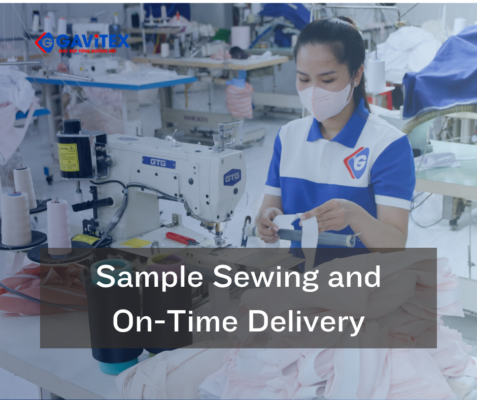
Sewing and assembly are the heart of the apparel manufacturing process. Skilled sewing operators assemble the cut fabric pieces, following specific instructions to create the desired garment structure. Different sewing techniques, such as overlocking, flatlock stitching, and binding, are employed depending on the garment’s design and performance requirements. overseas buyers, for example, utilizes a range of specialized sewing machines to ensure high-quality stitching and durable seams.
Following assembly, the garment undergoes finishing and embellishment. This stage includes tasks such as adding buttons, zippers, and other accessories. It may also involve processes like washing, dyeing, printing, or embroidery to enhance the garment’s aesthetic appeal and functionality. Many brands are now incorporating sustainable finishing techniques, such as waterless dyeing and eco-friendly printing, to minimize their environmental impact.
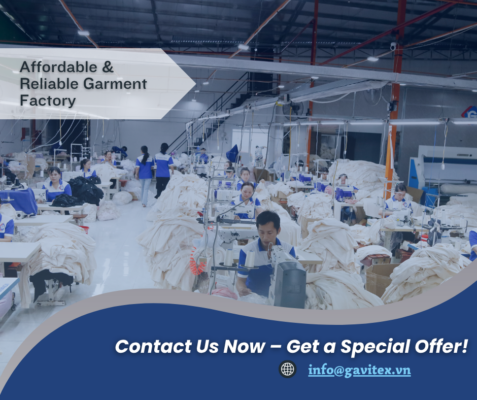
Quality control and inspection are integrated throughout the entire manufacturing process. Regular inspections are conducted at each stage to identify and rectify any defects or deviations from the specified standards. These inspections cover various aspects, including fabric quality, stitching accuracy, and overall garment construction. Robust quality control measures are essential to ensure customer satisfaction and brand reputation. A study by the American Society for Quality (ASQ) found that effective quality control programs can reduce defect rates by up to 80%.
Curious about how clothes are made? Discover the key steps in the clothing manufacturing process, from design to completion.
Materials and Techniques Used in Vietnamese Apparel Manufacturing
Vietnamese apparel manufacturing stands out due to its diverse range of materials and techniques, offering manufacturers a wide array of options to cater to various market segments and product requirements. This dynamic landscape allows overseas buyers to source high-quality, fashionable apparel while optimizing costs and lead times.
The selection of materials in Vietnam’s apparel industry is extensive. Cotton, known for its breathability and comfort, remains a staple. Polyester, favored for its durability and wrinkle resistance, is also widely used, often blended with natural fibers to enhance performance. In addition, viscose (rayon), a semi-synthetic fabric derived from wood pulp, provides a silky texture and drape, while linen, a natural fiber prized for its breathability and eco-friendliness, gains increasing popularity. Furthermore, innovative materials like recycled polyester and organic cotton are gaining traction as brands prioritize sustainable sourcing, reflecting a growing global awareness.
Beyond materials, the techniques employed in Vietnamese apparel production are equally diverse. Traditional methods like hand embroidery and appliqué continue to add unique value to garments, showcasing local craftsmanship. However, modern techniques such as computer-aided design (CAD) and computer-aided manufacturing (CAM) are increasingly integrated to optimize efficiency and precision in cutting, sewing, and pattern making. Dyeing and printing techniques also play a crucial role, with options ranging from traditional tie-dye to advanced digital printing, allowing for intricate designs and vibrant colors. Finally, specialized finishing techniques such as enzyme washing and stone washing are used to achieve desired textures and aesthetics, further enhancing the appeal of Vietnamese-made apparel.
The utilization of specific materials and techniques is often influenced by the type of apparel being produced. For instance, sportswear often incorporates moisture-wicking polyester and performance knits, alongside techniques like sublimation printing for vibrant graphics. Conversely, high-end fashion may prioritize luxurious fabrics like silk and intricate embellishments using hand embroidery. Understanding the interplay between materials, techniques, and target market is essential for apparel manufacturers in Vietnam to remain competitive and meet evolving consumer demands.
Sourcing decisions are significantly impacted by material availability and the expertise required for specific techniques. Vietnam has established robust supply chains for common materials like cotton and polyester, ensuring competitive pricing and timely delivery. However, manufacturers may need to import specialty fabrics or invest in training to master niche techniques, which can affect costs and lead times. Therefore, careful consideration of sourcing options and technical capabilities is crucial when planning apparel production in Vietnam.
Sourcing and Supply Chain Considerations for Apparel Manufacturers in Vietnam
Sourcing and supply chain management are critical aspects for apparel manufacturers in Vietnam, significantly impacting cost, quality, and lead times within the apparel assembly and manufacturing process. Effective sourcing strategies and a well-managed supply chain are essential for Vietnamese apparel overseas buyers to maintain competitiveness in the global market, navigate fluctuating material costs, and meet demanding customer deadlines. This necessitates a comprehensive understanding of material availability, supplier relationships, and logistical infrastructure.
Material Sourcing lies at the heart of a successful apparel manufacturing operation. Vietnamese manufacturers need to strategically source a wide array of materials, including fabrics (cotton, polyester, silk, linen, etc.), trims (buttons, zippers, labels), and packaging. Diversifying sourcing options, both domestically and internationally, mitigates risks associated with supplier disruptions and price volatility. For example, a manufacturer might source basic cotton fabrics from local Vietnamese mills while importing specialized performance fabrics from South Korea or Taiwan.
Building Strong Supplier Relationships is another key consideration. Cultivating long-term partnerships with reliable suppliers ensures consistent quality, competitive pricing, and preferential treatment during periods of high demand. This involves regular communication, clear expectations, and collaborative problem-solving. Manufacturers should conduct thorough due diligence on potential suppliers, evaluating their financial stability, production capacity, and adherence to ethical and environmental standards.
Navigating the Logistics Landscape is crucial for efficient supply chain management. Vietnam’s growing network of ports, roads, and railways facilitates the movement of goods, but manufacturers need to optimize their logistics operations to minimize delays and transportation costs. For instance, strategically located warehouses can help reduce lead times and improve responsiveness to customer orders. Embracing technology, such as supply chain visibility platforms, enables real-time tracking of shipments and proactive management of potential disruptions.
Risk Management and Contingency Planning are indispensable components of a resilient supply chain. Apparel manufacturers in Vietnam must anticipate and prepare for potential disruptions, such as natural disasters, political instability, or economic downturns. Developing contingency plans, including alternative sourcing options and backup transportation routes, minimizes the impact of unexpected events. overseas buyers, like other leading apparel brands, likely maintains a diversified supplier base to mitigate risks associated with over-reliance on a single source.
Sustainability and Ethical Sourcing are increasingly important considerations for apparel manufacturers. Consumers are demanding greater transparency and accountability from brands, and manufacturers must demonstrate a commitment to responsible sourcing practices. This includes ensuring fair labor conditions, minimizing environmental impact, and using sustainable materials. For example, sourcing organic cotton, recycled polyester, or using water-efficient dyeing techniques can enhance a company’s sustainability profile.
Interested in navigating apparel sourcing challenges? Dive into sourcing and supply chain considerations for manufacturers in Vietnam.
Quality Control and Compliance in Apparel Assembly and Manufacturing in Vietnam
Quality control and compliance are paramount in apparel assembly and manufacturing in Vietnam to ensure products meet international standards, client expectations, and regulatory requirements. The Vietnamese apparel industry has grown substantially, making robust quality assurance systems essential for maintaining competitiveness and building trust with global buyers. Strict adherence to ethical production practices and legal guidelines is critical for sustainable growth and avoiding potential reputational damage.
Effective quality control in Vietnamese apparel factories typically involves several key stages. Firstly, incoming material inspection verifies the quality of fabrics, trims, and accessories before they enter the production line. Secondly, in-process inspections monitor garment construction, dimensions, and aesthetics at various stages of assembly. Thirdly, final inspections assess the completed garments for defects, ensuring they meet specified criteria. Finally, packaging inspections confirm proper labeling, packaging, and presentation for shipment.
Adherence to compliance standards in apparel manufacturing in Vietnam encompasses labor laws, environmental regulations, and safety protocols. Labor compliance ensures fair wages, safe working conditions, and prohibits child labor. Environmental compliance mandates responsible waste management, pollution control, and the use of eco-friendly materials where possible. Safety compliance focuses on workplace safety, fire prevention, and emergency preparedness. Meeting these standards helps protect workers, minimize environmental impact, and enhance the company’s social responsibility profile.
Vietnamese apparel manufacturers often pursue certifications like ISO 9001 for quality management systems, WRAP (Worldwide Responsible Accredited Production) for social compliance, and Oeko-Tex Standard 100 for textile safety. These certifications demonstrate a commitment to high standards and provide assurance to international buyers regarding product quality and ethical production practices. For example, a factory certified with Oeko-Tex Standard 100 indicates that their textiles are free from harmful substances.
Leveraging technology can significantly enhance both quality control and compliance efforts. Advanced fabric inspection systems can detect defects more accurately and efficiently. Computer-aided design (CAD) and manufacturing (CAM) technologies can ensure precise pattern cutting and garment construction. Data analytics can track production processes, identify potential issues, and facilitate continuous improvement. Furthermore, digital platforms streamline compliance audits, data collection, and reporting.
Addressing the challenges of quality and compliance requires a collaborative approach. Brands should work closely with their apparel manufacturers in Vietnam to establish clear expectations, provide training and support, and conduct regular audits. Transparency throughout the supply chain is crucial for identifying and addressing potential issues proactively. By investing in robust quality assurance systems and ethical production practices, the Vietnamese apparel industry can maintain its competitive edge and foster long-term sustainability.
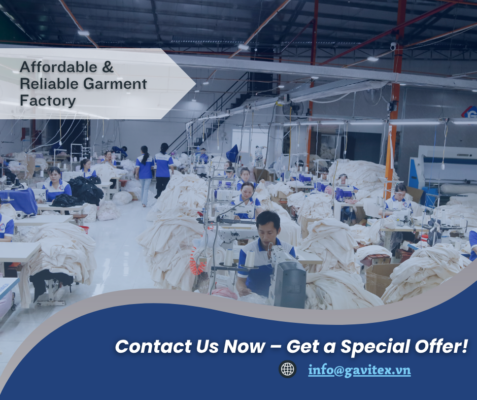
Concerned about garment quality and standards? Learn about quality control and compliance in Vietnamese apparel manufacturing.
Technology and Automation in Apparel Manufacturing: Trends in Vietnam
The adoption of technology and automation is rapidly transforming apparel manufacturing in Vietnam, boosting efficiency and competitiveness within the global textile market. This shift is driven by the need to meet increasing demands, reduce labor costs, and enhance product quality in the Vietnamese garment industry. Embracing these technological advancements enables manufacturers to optimize their processes and maintain a strong position in the evolving landscape of apparel assembly.
Several key trends are shaping the integration of technology and automation in Vietnamese apparel assembly.
-
Robotics and Automated Machinery: The use of robots for tasks like cutting, sewing, and material handling is gaining traction. These machines improve speed, precision, and consistency, leading to higher production volumes and reduced errors. For example, automated cutting machines can minimize fabric waste by optimizing cutting layouts, while robotic sewing systems can handle repetitive tasks with greater accuracy than manual labor.
-
Computer-Aided Design (CAD) and Manufacturing (CAM): CAD/CAM systems are essential for designing and creating patterns digitally, streamlining the design-to-production process. These tools enable designers to experiment with different styles and modifications quickly, while also generating precise cutting instructions for automated machinery. Furthermore, 3D design software is becoming increasingly popular, allowing for virtual prototyping and reducing the need for physical samples.
-
Digital Printing: Digital printing technologies are revolutionizing textile printing by enabling faster turnaround times, customized designs, and reduced water consumption. This technology allows Vietnamese manufacturers to cater to the growing demand for personalized apparel and smaller production runs, while also minimizing environmental impact compared to traditional printing methods.
-
Artificial Intelligence (AI) and Machine Learning (ML): AI and ML algorithms are being implemented to optimize various aspects of apparel manufacturing, including predictive maintenance, quality control, and inventory management. For instance, AI-powered vision systems can detect defects in fabrics and garments with greater accuracy than human inspectors, while ML models can forecast demand and optimize inventory levels to minimize waste and improve supply chain efficiency.
-
Smart Factories and IoT: The integration of Internet of Things (IoT) devices and sensors is enabling the creation of smart factories in Vietnam, where real-time data is collected and analyzed to optimize production processes. These technologies allow manufacturers to monitor equipment performance, track inventory levels, and identify potential bottlenecks in the supply chain, leading to improved efficiency and responsiveness.
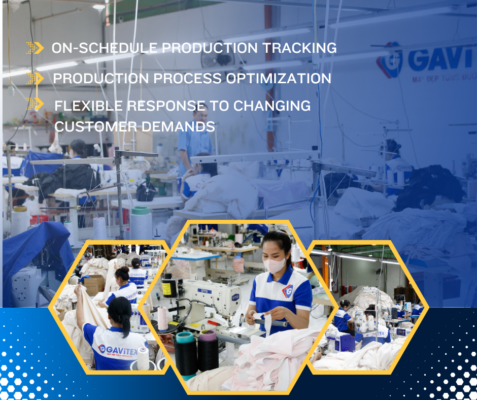
Wondering about the future of garment production? Explore technology and automation trends revolutionizing apparel manufacturing in Vietnam.
Finding and Vetting Reliable Apparel Manufacturers in Vietnam
Identifying and vetting reliable apparel manufacturers in Vietnam is crucial for overseas buyers seeking high-quality apparel assembly and manufacturing. The booming Vietnamese apparel industry presents numerous opportunities, but also necessitates a careful approach to ensure ethical and efficient partnerships. Navigating the landscape of potential suppliers requires a robust strategy that encompasses thorough research, verification processes, and ongoing monitoring.
To successfully find apparel manufacturers in Vietnam that align with your brand’s values and quality standards, consider these key steps:
- Define Your Requirements: Clearly outline your specific needs regarding product type, volume, quality expectations, ethical standards, and budget. This will help narrow down the pool of potential manufacturers. For example, if you require specific sustainable materials, prioritize manufacturers certified by organizations like GOTS or Oeko-Tex.
- Conduct Thorough Research: Utilize online directories, industry associations, trade shows, and referrals to identify potential manufacturers. Look for companies with a proven track record, positive client testimonials, and relevant certifications. Consider exploring platforms like Alibaba, Vietnamexport, or contacting the Vietnam Textile and Apparel Association (VITAS) for leads.
- Assess Capabilities and Capacity: Evaluate the manufacturer’s production capabilities, technological infrastructure, and capacity to meet your current and future needs. Inquire about their equipment, machinery, and the number of skilled workers they employ. A factory tour, either in-person or virtual, can provide valuable insights.
- Evaluate Quality Control Processes: A reputable manufacturer should have a robust quality control system in place, from raw material sourcing to finished product inspection. Inquire about their quality assurance procedures, testing methods, and adherence to international standards. Request sample products to assess their quality firsthand.
- Verify Ethical Compliance: Ensure the manufacturer adheres to fair labor practices, environmental regulations, and ethical sourcing standards. Request documentation related to worker safety, wages, working hours, and environmental impact. Consider conducting social audits or engaging third-party auditors to verify compliance.
- Check Financial Stability: Assess the manufacturer’s financial stability to ensure they can fulfill your orders and avoid disruptions in the supply chain. Request financial statements or conduct a credit check to evaluate their financial health.
- Request and Compare Quotes: Obtain detailed quotes from multiple manufacturers, including pricing, lead times, payment terms, and shipping costs. Compare the quotes carefully, considering not only the price but also the overall value proposition.
- Negotiate Contract Terms: Once you have selected a manufacturer, negotiate clear and comprehensive contract terms that protect your interests. Include provisions related to product specifications, quality standards, delivery schedules, payment terms, intellectual property protection, and dispute resolution mechanisms.
- Build a Strong Relationship: Cultivate a collaborative and transparent relationship with your manufacturer. Regular communication, feedback, and visits can help ensure smooth operations and address any potential issues proactively.
- Ongoing Monitoring and Evaluation: Continuously monitor the manufacturer’s performance, quality control, and ethical compliance. Conduct regular audits, review production data, and seek feedback from your customers.
By following these steps, overseas buyers can confidently locate and vet apparel manufacturers in Vietnam, establishing long-term partnerships that ensure high-quality products, ethical sourcing, and reliable supply chains.
Struggling to find the right manufacturing partner? Find and vet reliable apparel manufacturers in Vietnam with our expert guide.
Vietnam Biz Rep supports overseas buyers with garment supplier search, factory verification, sample coordination, production follow-up, and quality inspection in Vietnam. Learn more on our clothing sourcing agent page or visit Vietnam sourcing agent for our full range of services. Contact Vietnam Biz Rep to discuss your sourcing requirements.
