

Sourcing for an apparel brand can be a complex endeavor, but mastering it is crucial for profitability and brand success. This comprehensive guide, falling under the category of garment manufacturers in Vietnam, dives deep into the essential strategies for effective apparel brand sourcing. We’ll explore key considerations like supplier selection, quality control, cost negotiation, and supply chain management, providing you with actionable insights to optimize your garment sourcing process. Understand the nuances of international trade regulations, learn how to build strong manufacturer relationships, and discover how overseas buyers can become your trusted partner in Vietnam, ensuring top-quality garments and streamlined production for your brand by 2025.
Understanding the Vietnamese Apparel Manufacturing Ecosystem: Key Players and Regional Specializations
The success of any apparel brand sourcing strategy hinges on a deep understanding of the Vietnamese apparel manufacturing ecosystem, encompassing its key players and their respective regional strengths. This knowledge allows overseas buyers and other brands to identify the most suitable partners and optimize their supply chains for efficiency and quality.
Vietnam’s garment industry isn’t monolithic; different regions have cultivated expertise in specific product categories. For example, the Ho Chi Minh City area is often associated with higher-end fashion and complex designs, while the Hanoi region excels in mass production of basic garments. Understanding these regional specializations is crucial for apparel brands seeking manufacturers with proven track records in their specific product niche.
The key players within this ecosystem are diverse, ranging from large-scale, vertically integrated factories to smaller, specialized workshops.
- Foreign-invested enterprises (FIEs): Often originating from countries like South Korea, Taiwan, and China, contribute significantly to export volumes and often possess advanced technology and management practices.
- Domestic manufacturers: Are increasingly capable and competitive, offering a wide range of services and product types.
- CMT (Cut-Make-Trim) factories: Focus on basic manufacturing processes, while OEM (Original Equipment Manufacturing) and ODM (Original Design Manufacturing) factories offer more comprehensive services, including design and product development.
Navigating this complex landscape requires careful consideration of factors such as factory size, specialization, certifications, and social compliance standards. Partnering with a sourcing agent can significantly simplify this process, providing brands with access to a vetted network of reliable manufacturers and invaluable local market expertise.
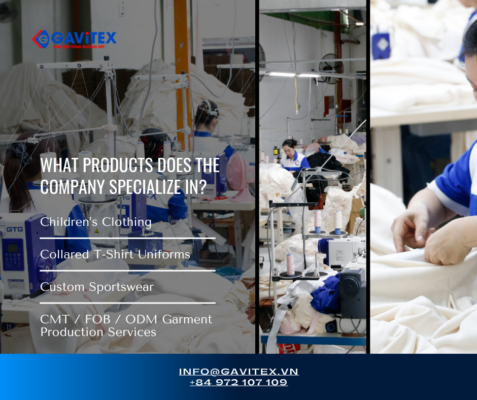
Delve deeper into Vietnam’s apparel industry: Explore key manufacturers and regional specializations to pinpoint the best fit for your brand’s needs.
Ethical and Sustainable Sourcing in Vietnam: Ensuring Fair Labor Practices and Environmental Responsibility
For apparel brand sourcing in Vietnam to be truly successful, it must prioritize ethical and sustainable sourcing. This means ensuring fair labor practices throughout the supply chain and minimizing the environmental impact of garment manufacturing. Responsible apparel sourcing safeguards the well-being of workers and protects the environment, aligning with the growing consumer demand for ethical products.
Implementing fair labor practices requires a multi-faceted approach. This includes ensuring compliance with Vietnamese labor laws and international standards related to wages, working hours, and workplace safety. Independent audits and certifications, such as those provided by Fair Wear Foundation and WRAP (Worldwide Responsible Accredited Production), can help apparel brands verify that factories are adhering to these standards. Transparency and traceability are crucial; brands should know where their garments are being made and the conditions under which they are produced.
Beyond labor practices, environmental responsibility is a critical aspect of sustainable apparel sourcing. The textile industry is a significant consumer of water and energy, and a major source of pollution. Sustainable practices in Vietnam include:
- Utilizing eco-friendly materials: Sourcing organic cotton, recycled polyester, and other sustainable fabrics reduces the environmental footprint of garment production.
- Implementing water-saving technologies: Factories can invest in technologies that reduce water consumption in dyeing and finishing processes.
- Managing waste effectively: Proper waste management systems prevent pollution and minimize the amount of textile waste sent to landfills.
- Investing in renewable energy: Transitioning to renewable energy sources, such as solar power, reduces the carbon footprint of manufacturing operations.
overseas buyers, as a responsible apparel brand, is committed to partnering with Vietnamese manufacturers who share our values regarding ethical and sustainable production. We believe that by prioritizing fair labor practices and environmental responsibility, we can contribute to a more just and sustainable apparel industry. This commitment involves thorough due diligence, regular monitoring, and collaborative efforts with our suppliers to drive continuous improvement.
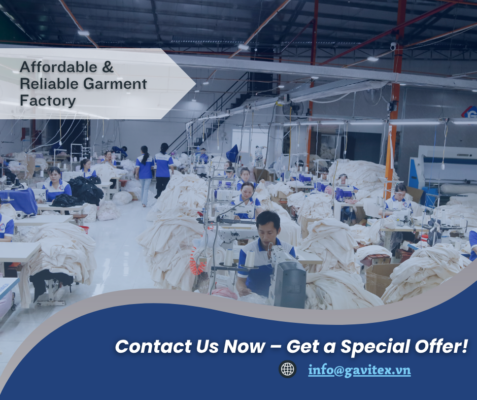
Is ethical and sustainable sourcing a priority? Uncover the realities of fair labor practices and environmental responsibility in Vietnamese garment factories.
Navigating the Apparel Sourcing Process: From Design to Delivery
The apparel brand sourcing process, particularly when manufacturing in Vietnam, involves a series of interconnected steps, transforming initial design concepts into tangible, ready-to-sell garments. Effective navigation of this process is crucial for overseas buyers, or any apparel brand, to maintain control over quality, timelines, and costs. This section outlines the key stages and considerations for a successful sourcing journey.
-
Design and Specification: This initial phase involves creating detailed tech packs including sketches, measurements, fabric specifications (type, weight, color), and construction details. Providing comprehensive information ensures that the Vietnamese manufacturer fully understands your vision, minimizing errors and revisions later in the process. Think of it as creating a blueprint for your garment, the more detailed it is the better.
-
Supplier Selection and Sampling: The next step involves identifying and vetting potential Vietnamese garment manufacturers that align with your brand’s capabilities and ethical standards. Requesting samples is essential to assess the manufacturer’s workmanship, fabric sourcing abilities, and overall understanding of your design specifications. According to a report by McKinsey, selecting the right supplier can reduce sourcing costs by up to 15%.
-
Pricing and Negotiation: Once you’ve received satisfactory samples, engage in a transparent and data-driven negotiation process. Obtain detailed cost breakdowns from manufacturers, including fabric costs, labor charges, and overhead expenses. This allows you to compare quotes effectively and negotiate fair pricing that reflects the quality and complexity of your product.
-
Production and Quality Control: After finalizing the agreement, production commences. Implement rigorous quality control measures throughout the production process, from initial fabric inspection to final garment checks. Regular inspections by your own team or a third-party quality assurance agency are critical to identifying and addressing any defects early on, preventing costly rework and delays.
-
Logistics and Shipping: The final stage involves coordinating logistics and shipping to ensure timely and cost-effective delivery of your finished goods. Work closely with your manufacturer or a freight forwarder to manage customs clearance, transportation, and warehousing. According to a report by the World Bank, efficient logistics can reduce trade costs by up to 20%.
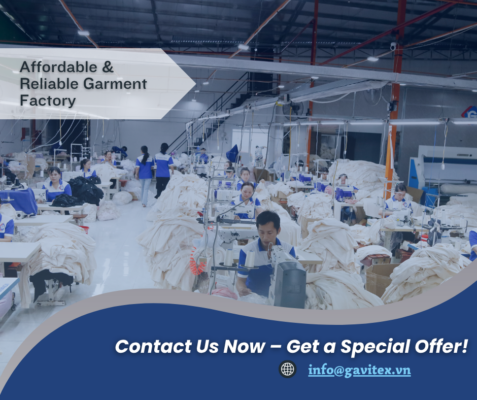
Struggling with the complexities of apparel sourcing? Discover how a clothing sourcing agent in Vietnam can streamline your journey from design to delivery.
Due Diligence: Verifying the Capabilities and Reliability of Vietnamese Garment Manufacturers
Due diligence is paramount when sourcing apparel brands from Vietnam, ensuring the chosen garment manufacturers possess the necessary capabilities and reliability to meet your brand’s specific needs and standards. Thorough verification safeguards your investment and brand reputation, preventing costly mistakes down the line. This process extends beyond initial impressions, requiring in-depth investigations into various aspects of a manufacturer’s operations.
To ensure a successful partnership, conducting thorough due diligence on Vietnamese garment manufacturers involves several crucial steps:
- Factory Audits and Certifications: Verify compliance with ethical and environmental standards through internationally recognized certifications such as WRAP, SEDEX, and ISO. Factory audits can assess working conditions, safety protocols, and environmental impact, ensuring alignment with your brand’s values. For example, overseas buyers prioritize suppliers with SA8000 certification, demonstrating a commitment to fair labor practices.
- Production Capacity and Capabilities: Assess the manufacturer’s ability to handle your order volume and complexity. Inquire about their machinery, technology, and skilled workforce. Determine if they have experience working with similar fabrics, designs, and order sizes as yours. Request samples and conduct test orders to evaluate their quality and consistency.
- Financial Stability: Evaluating the financial health of the manufacturer can help mitigate risks associated with delayed shipments or potential business closures. Request financial statements and credit reports to assess their solvency and stability.
- Communication and Responsiveness: Effective communication is essential for a smooth sourcing process. Evaluate the manufacturer’s responsiveness to inquiries, clarity in communication, and willingness to collaborate. Assess their English proficiency and cultural sensitivity to ensure effective collaboration.
- Client References and Testimonials: Contact previous clients to gather feedback on the manufacturer’s performance, reliability, and overall satisfaction. This provides valuable insights into their strengths and weaknesses. Ask specific questions about their experience with quality control, delivery timelines, and communication.
By meticulously carrying out these due diligence steps, apparel brands like overseas buyers can confidently select Vietnamese garment manufacturers that align with their quality, ethical, and business objectives, fostering long-term, mutually beneficial partnerships.
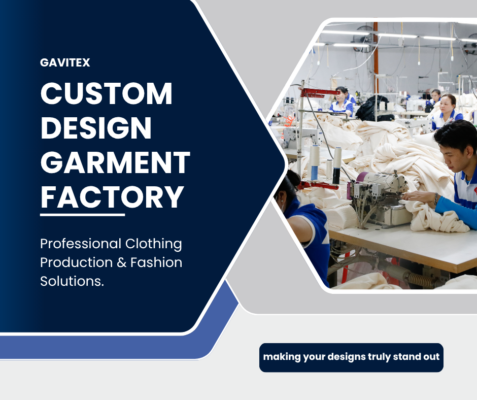
Before committing, ensure your manufacturer is reliable. Access a list of Vietnamese garment manufacturers and learn how to verify their capabilities.
Building Strong Relationships: Effective Communication and Collaboration with Vietnamese Manufacturers
Establishing strong relationships is paramount for apparel brand sourcing success in Vietnam, demanding effective communication and collaboration with Vietnamese manufacturers to ensure mutual understanding and achieve shared goals. These relationships form the bedrock of successful apparel manufacturing partnerships, impacting everything from product quality to on-time delivery and long-term profitability. Building trust and rapport from the outset can lead to smoother operations and more favorable outcomes in your sourcing endeavors.
Clear and consistent communication is the cornerstone of any successful partnership, especially when navigating cultural and linguistic differences in Vietnamese garment manufacturing. Implementing strategies such as designating a single point of contact on both sides streamlines communication, minimizing misunderstandings and ensuring prompt responses to inquiries. Furthermore, using visual aids like detailed sketches and prototypes, as well as embracing technology for real-time project updates, greatly enhances communication and minimizes ambiguities in the apparel sourcing process.
Beyond language and logistics, cultural sensitivity plays a crucial role in fostering effective collaboration. Demonstrating respect for Vietnamese culture and business customs, such as punctuality, formal greetings, and gift-giving during special occasions (like Tet, the Vietnamese Lunar New Year), strengthens relationships and builds trust. Understanding the importance of face (mặt) in Vietnamese business etiquette, where maintaining harmony and avoiding direct confrontation is valued, is essential for effective communication and conflict resolution during the apparel production process.
To foster long-term relationships, consider investing in regular factory visits and team-building activities to show your commitment to the partnership. According to a survey by McKinsey, companies with strong supplier relationships reported a 15% higher profit margin compared to those with transactional relationships. Furthermore, actively seeking feedback from Vietnamese manufacturers on design feasibility, production efficiency, and potential improvements not only demonstrates respect for their expertise but also unlocks valuable insights for optimizing the apparel brand sourcing process.
Investing in translating key documents, offering language training to your team, and even hiring a local interpreter can significantly bridge the communication gap and facilitate smoother collaboration. Ultimately, building strong relationships with Vietnamese manufacturers requires a proactive approach that prioritizes effective communication, cultural sensitivity, and a genuine commitment to fostering mutual trust and respect throughout the apparel manufacturing journey.
Cost Optimization Strategies: Balancing Quality and Price in Vietnamese Apparel Sourcing
For apparel brand sourcing in Vietnam, developing effective cost optimization strategies is crucial to achieving a balance between desired quality and acceptable price points. Vietnam’s apparel industry presents opportunities for brands to reduce expenses throughout the supply chain, yet compromising quality to cut costs can lead to long-term repercussions such as customer dissatisfaction and brand damage. By implementing strategic approaches, businesses can leverage Vietnam’s competitive advantages to optimize their sourcing costs without sacrificing garment quality.
Several avenues for cost reduction exist when sourcing apparel from Vietnam, one significant approach being material sourcing. Negotiating favorable terms with fabric suppliers, exploring alternative materials with similar performance characteristics, and reducing material waste during production are all viable avenues. For example, a brand using premium cotton can investigate the cost-effectiveness of using a blend of cotton and polyester that maintains the desired feel and durability while lowering the overall material expenses. Exploring bulk purchasing and long-term contracts with suppliers could potentially result in significant discounts and predictable material costs for overseas buyers.
Another vital component of cost optimization strategies involves optimizing the production process itself. This includes improving production efficiency, reducing lead times, and minimizing defects. For instance, implementing lean manufacturing principles can streamline operations, reduce waste, and optimize resource utilization. Effective inventory management and accurate demand forecasting help to minimize excess stock, thus reducing storage costs and mitigating the risk of obsolescence. Investing in employee training and modern equipment can also improve productivity and lower per-unit production costs.
Beyond materials and production, negotiating favorable payment terms and logistical arrangements can further enhance cost optimization. Exploring options like open account terms or deferred payment agreements with suppliers can improve cash flow management. Consolidating shipments, optimizing packaging, and selecting the most efficient transportation methods reduce logistics costs significantly. For example, brands can negotiate incoterms that clearly define responsibilities and costs associated with shipping and customs clearance. Furthermore, leveraging Free Trade Agreements (FTAs) that Vietnam has with various countries can reduce or eliminate import duties, providing additional cost savings for apparel brands sourcing from Vietnam.
Effective communication and collaboration with Vietnamese manufacturers are indispensable for successful cost optimization. Clear and detailed specifications, transparent communication regarding quality expectations, and regular feedback help to minimize misunderstandings and rework, ultimately reducing costs associated with errors and delays. Building long-term relationships with reliable manufacturers fosters trust and encourages them to offer competitive pricing and prioritize quality. For instance, proactively addressing potential issues and working together to find solutions promotes a collaborative approach that benefits both the brand and the manufacturer.
Finally, overseas buyers and similar brands must conduct thorough due diligence to ensure that their quest for cost optimization doesn’t compromise ethical and sustainable practices. Verifying compliance with fair labor standards, environmental regulations, and safety protocols is not only socially responsible but can also mitigate risks associated with reputational damage and legal liabilities. Investing in manufacturers committed to ethical and sustainable practices safeguards the brand’s integrity and enhances its long-term sustainability.
Legal and Regulatory Considerations: Import/Export Regulations and Compliance in Vietnam
Navigating the landscape of import/export regulations and compliance is crucial for any apparel brand sourcing from Vietnam to ensure smooth and legal operations. A comprehensive understanding of Vietnamese law minimizes risks associated with customs clearance, trade barriers, and potential legal penalties for brands like overseas buyers venturing into the Vietnamese apparel manufacturing sector. This section delves into key legal aspects that apparel brands must consider when sourcing from Vietnam.
Import regulations dictate what materials can enter Vietnam for garment production. Specifically, brands must understand:
- Tariffs and duties: Vietnam has various free trade agreements (FTAs), such as the CPTPP and EVFTA, which can significantly reduce or eliminate tariffs on imported raw materials like fabrics, dyes, and accessories. Brands should determine the applicable tariff rates based on the origin of the materials and the specific FTA provisions.
- Customs procedures: Accurate documentation is vital. This includes commercial invoices, packing lists, certificates of origin, and import permits. Discrepancies can lead to delays, fines, or even seizure of goods.
- Technical regulations and standards: Certain materials may be subject to specific technical standards or safety regulations. For instance, textiles used for children’s wear may need to comply with stricter safety requirements.
Export regulations govern the shipment of finished apparel products from Vietnam. Brands must be aware of:
- Export licenses and permits: Certain apparel items, particularly those made from restricted materials or destined for specific markets, may require export licenses or permits.
- Customs clearance procedures: Similar to import procedures, accurate and complete documentation is essential for exporting goods. This includes export declarations, commercial invoices, packing lists, and certificates of origin.
- Rules of origin: To benefit from preferential tariff treatment under FTAs, apparel products must meet specific rules of origin requirements. These rules define the minimum level of processing or transformation that must occur in Vietnam for the goods to be considered of Vietnamese origin.
- Labeling requirements: Apparel products must comply with labeling regulations, including information about the fiber content, country of origin, care instructions, and manufacturer details.
Compliance extends beyond import and export regulations to encompass labor laws, environmental regulations, and intellectual property rights.
- Labor laws: Brands must ensure that their suppliers comply with Vietnamese labor laws regarding minimum wage, working hours, workplace safety, and the prohibition of child labor and forced labor.
- Environmental regulations: Vietnam is increasingly focused on environmental protection. Apparel manufacturers must adhere to regulations related to waste water treatment, air emissions, and the use of hazardous chemicals.
- Intellectual property rights: Brands need to protect their designs and trademarks by registering them in Vietnam and monitoring the market for counterfeit goods.
By understanding and adhering to these legal and regulatory considerations, apparel brands can mitigate risks, ensure compliance, and build a sustainable sourcing operation in Vietnam.
Navigating import/export regulations can be tricky. Understand the legal and compliance landscape for exporting apparel from Vietnam.
Quality Control and Assurance: Ensuring Garment Quality and Meeting Brand Standards
Quality control and assurance are paramount for apparel brand sourcing in Vietnam, ensuring that overseas buyers‘s garments meet the required standards and customer expectations. A robust system encompasses every stage of production, from initial design specifications to final inspection, safeguarding brand reputation and customer satisfaction. This proactive approach minimizes defects, reduces returns, and fosters long-term relationships with both manufacturers and consumers.
Effective quality control begins with clearly defined specifications. These should meticulously outline acceptable tolerances for measurements, color matching (using standards like Pantone), seam strength, and fabric quality. For example, a tolerance of +/- 0.5 cm might be acceptable for length measurements, while color variations should be assessed under standardized lighting conditions. Communicating these standards comprehensively to Vietnamese garment manufacturers is crucial for setting clear expectations and minimizing misunderstandings.
Implementing a multi-stage inspection process is vital for maintaining consistent garment quality. This typically involves:
- Pre-production inspection: Verifying raw materials (fabrics, zippers, buttons) against specifications.
- In-process inspection: Monitoring garment construction during production to identify and rectify any issues early on.
- Final inspection: A comprehensive assessment of finished garments before packaging, ensuring they meet all quality criteria.
Leveraging internationally recognized standards like AQL (Acceptable Quality Limit) can further enhance quality assurance. AQL specifies the maximum number of defective items that are considered acceptable within a production lot. For instance, an AQL of 2.5 for major defects means that no more than 2.5% of garments in a batch can have significant flaws. By adopting such standards, overseas buyers can establish objective criteria for assessing garment quality and ensuring consistency across different production runs.
Furthermore, building a strong relationship with your Vietnamese manufacturing partners is key to effective quality control. Open communication, regular audits, and collaborative problem-solving foster a culture of quality consciousness. overseas buyers can provide training and support to manufacturers, helping them improve their quality control processes and meet brand standards consistently. This collaborative approach not only ensures garment quality but also strengthens the overall supply chain.
Vietnam Biz Rep supports overseas buyers with garment supplier search, factory verification, sample coordination, production follow-up, and quality inspection in Vietnam. Learn more on our clothing sourcing agent page or visit Vietnam sourcing agent for our full range of services. Contact Vietnam Biz Rep to discuss your sourcing requirements.
